
Period
Late Bronze Age
c. 1650–1050 BCE
The Late Cypriot period, c. 1650–1050 BCE, when copper exports made Cyprus an urban, literate trading power before the crisis around 1200 BCE.
Read the full overview of the Late Bronze Age →
65 entries in 10 sections
Pottery
27 entriesSection overview
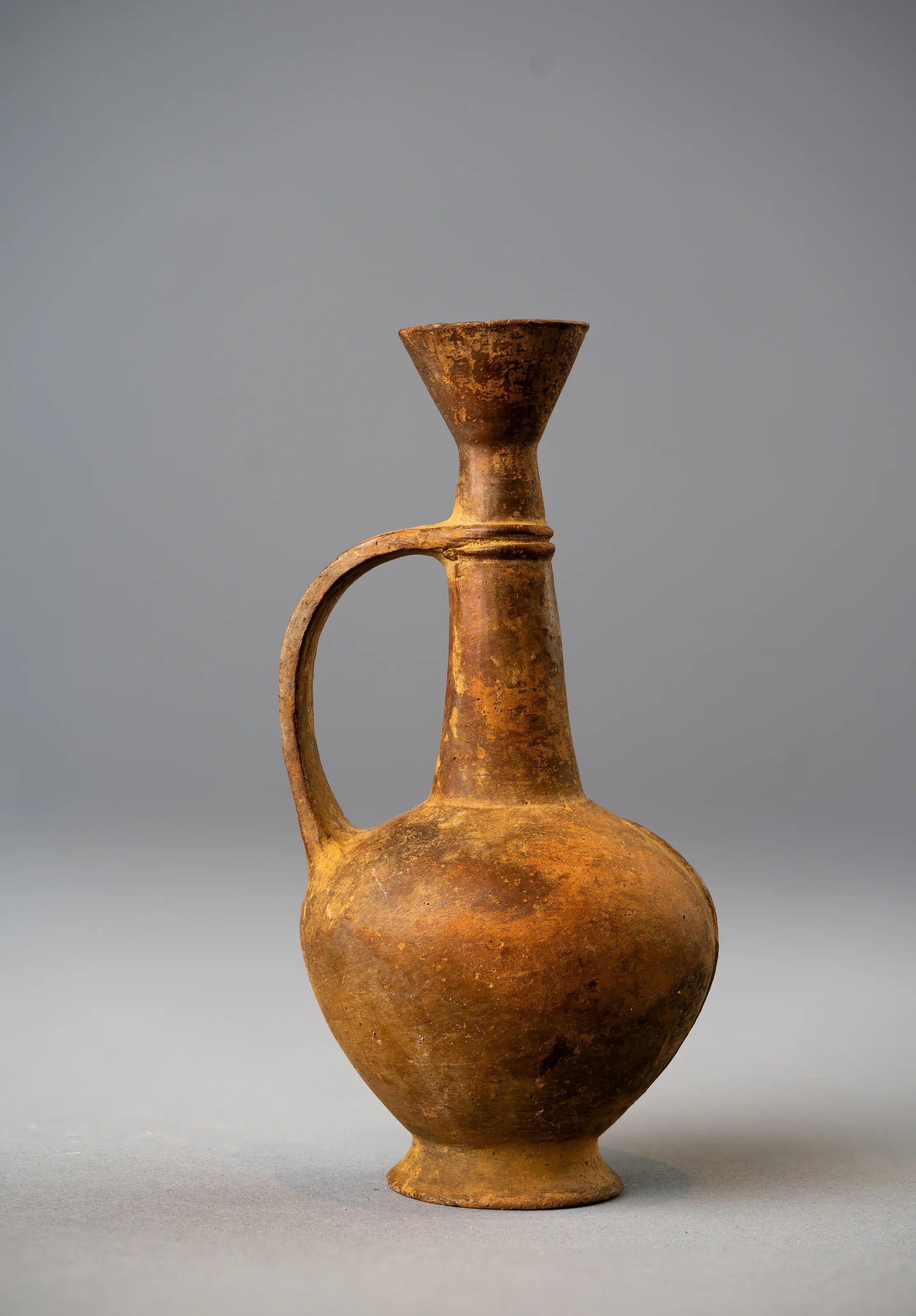 Base Ring WareThe thin-walled, hand-made Late Bronze Age pottery of Cyprus with dark lustrous surfaces imitating metal, widely exported as jugs and juglets.Late Bronze Age
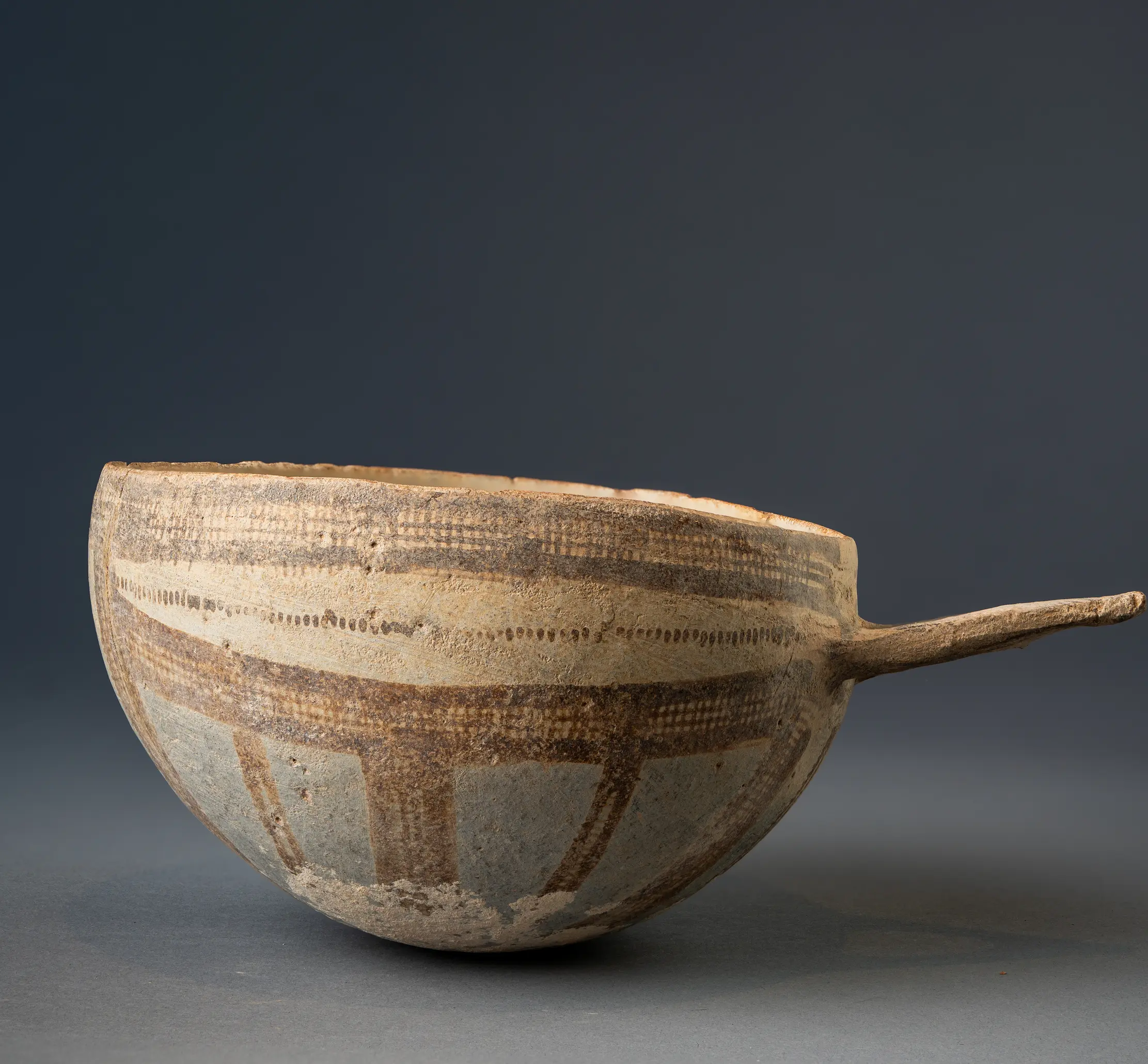 White Slip WareThe hand-made Late Bronze Age tableware with a thick white slip and dark painted decoration, mostly hemispherical bowls, widely exported from Cyprus.Late Bronze Age
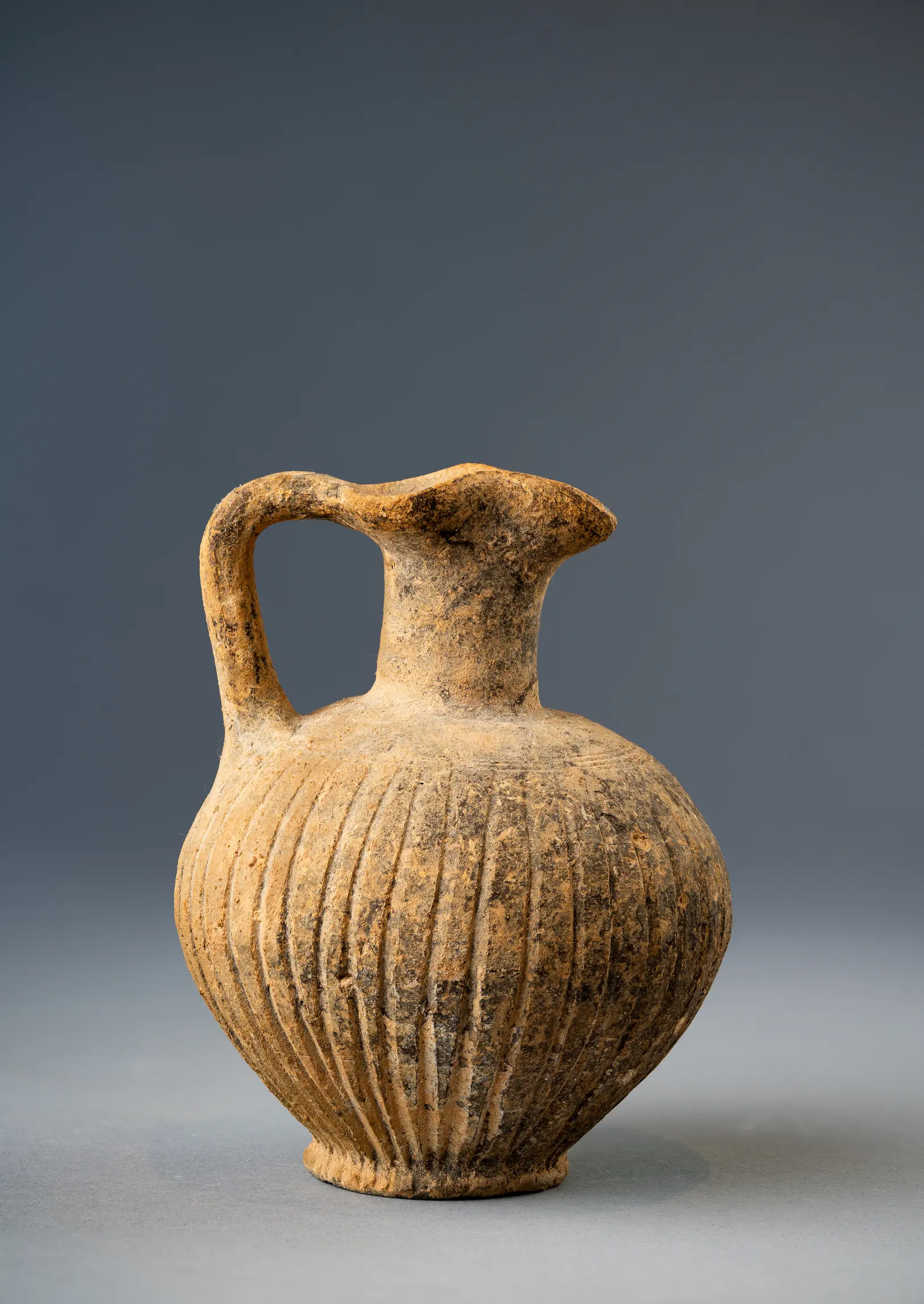 Plain White WareThe undecorated, pale-surfaced pottery of Middle and Late Bronze Age Cyprus, made by hand and later wheel-shaped, the first Cypriot ware formed with the wheel.Middle Bronze AgeLate Bronze Age
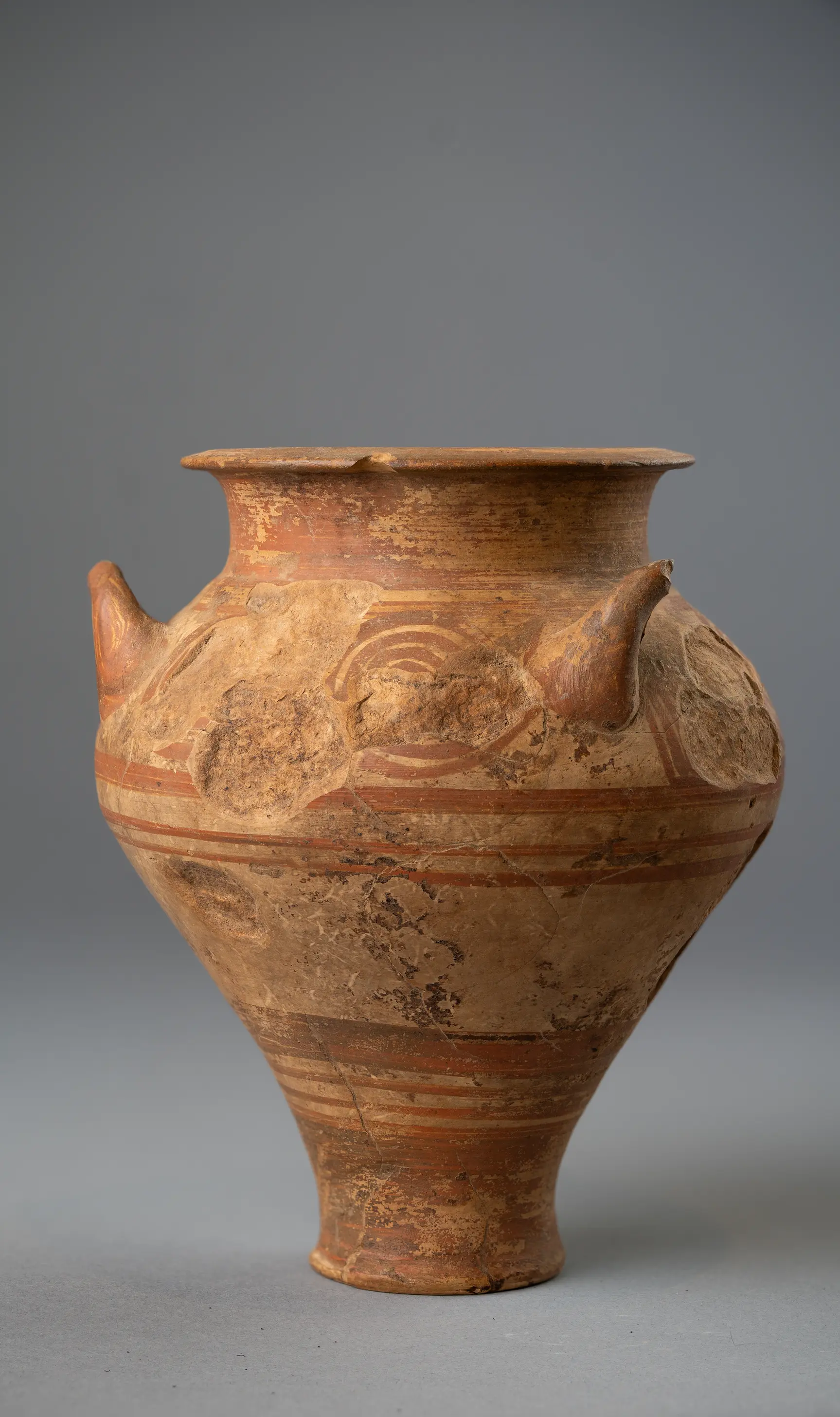 Mycenaean Imports and Local ImitationsMycenaean pottery, mostly made in the north-east Peloponnese, was the largest body of imported fine ware in Late Bronze Age Cyprus, and Cypriot potters copied some of its shapes.Late Bronze Age
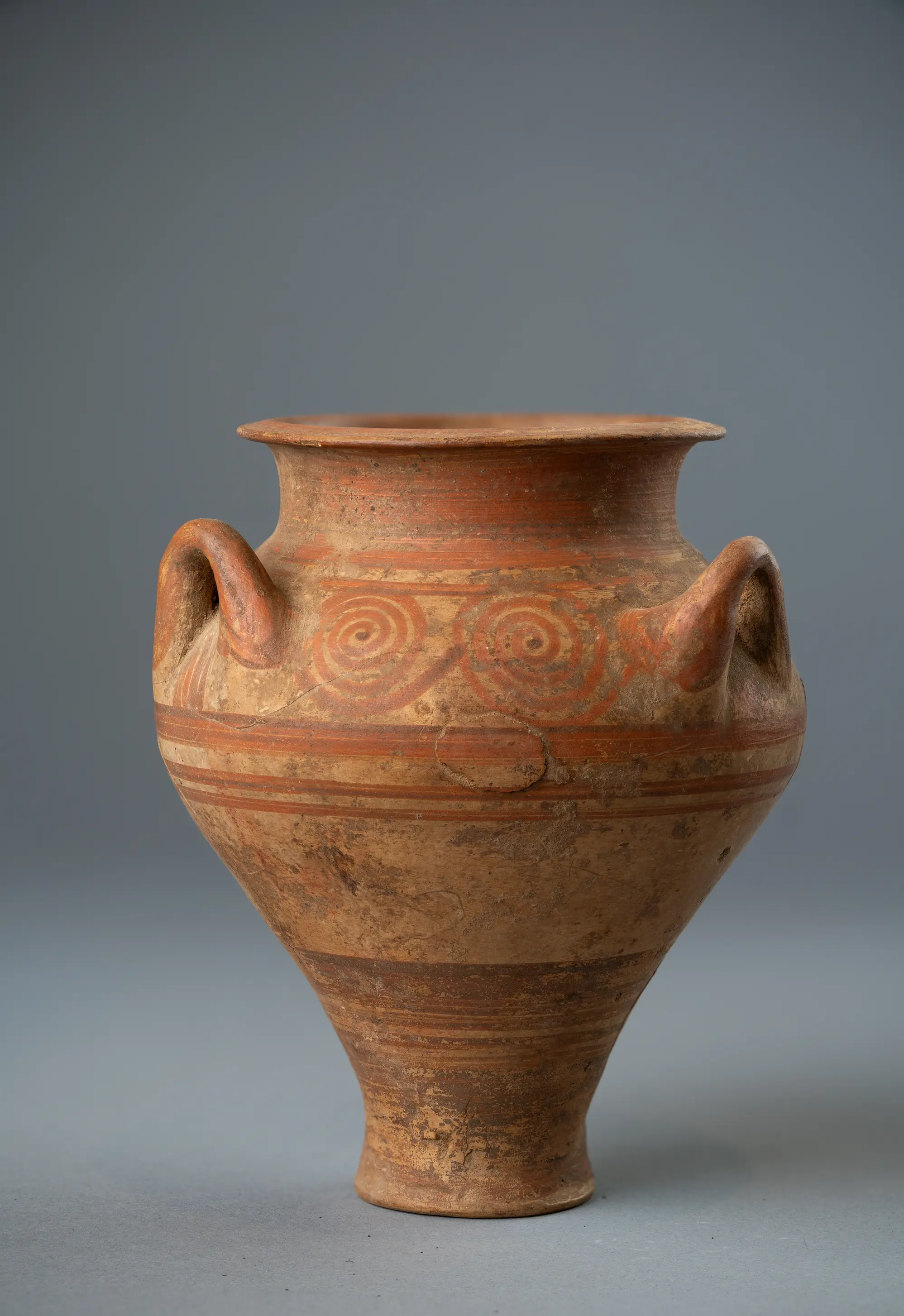 White Painted Wheelmade WareThe locally made, wheel-thrown, matt-painted pottery of Aegean inspiration that became the standard Cypriot tableware in Late Cypriot IIC and IIIA.Late Bronze Age
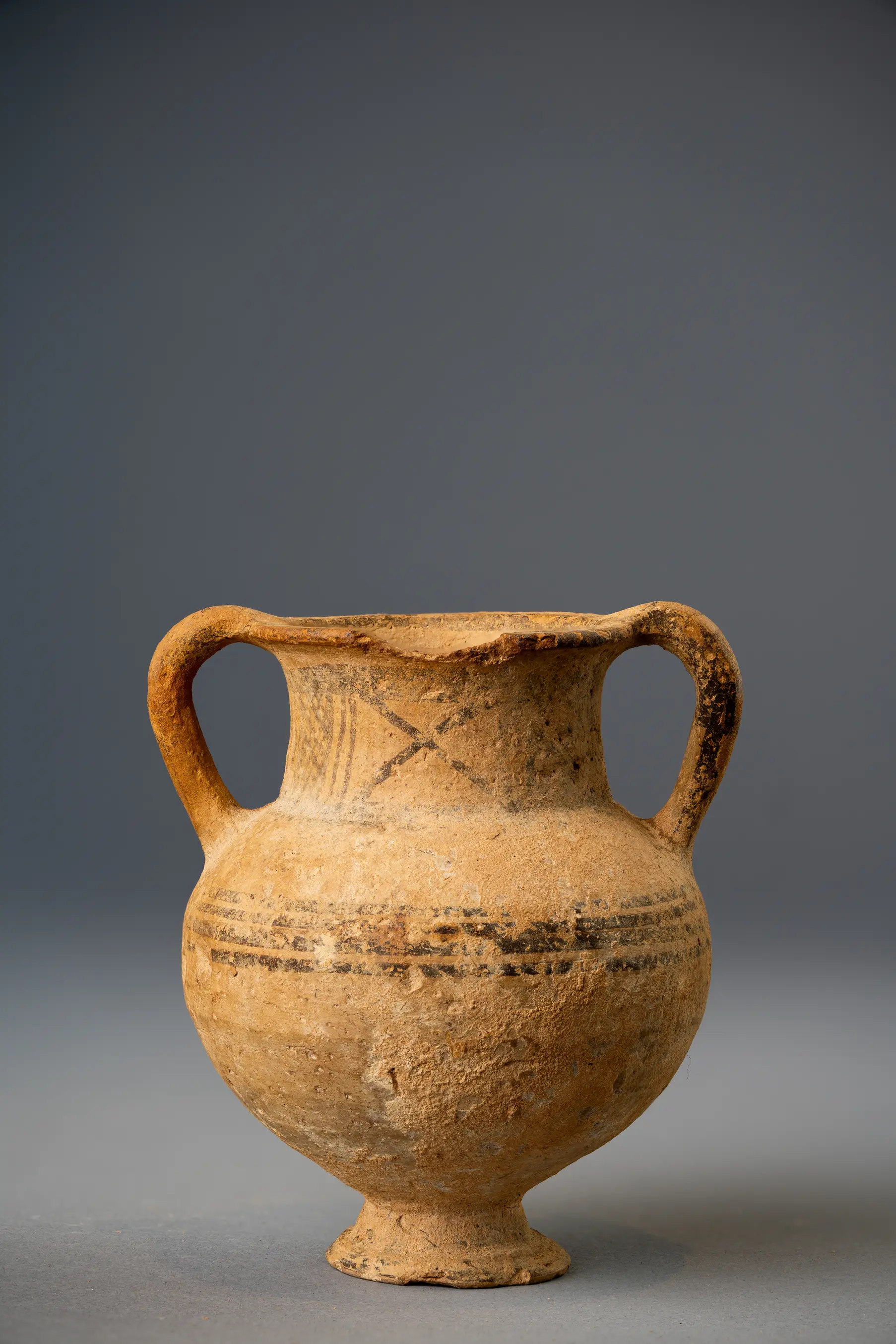 Proto-White Painted WareThe wheel-thrown, matt-painted pottery of Late Cypriot IIIB, c. 1125–1050 BCE, which merged earlier Aegean-style wares and led into Iron Age White Painted I.Late Bronze AgeCypro-Geometric
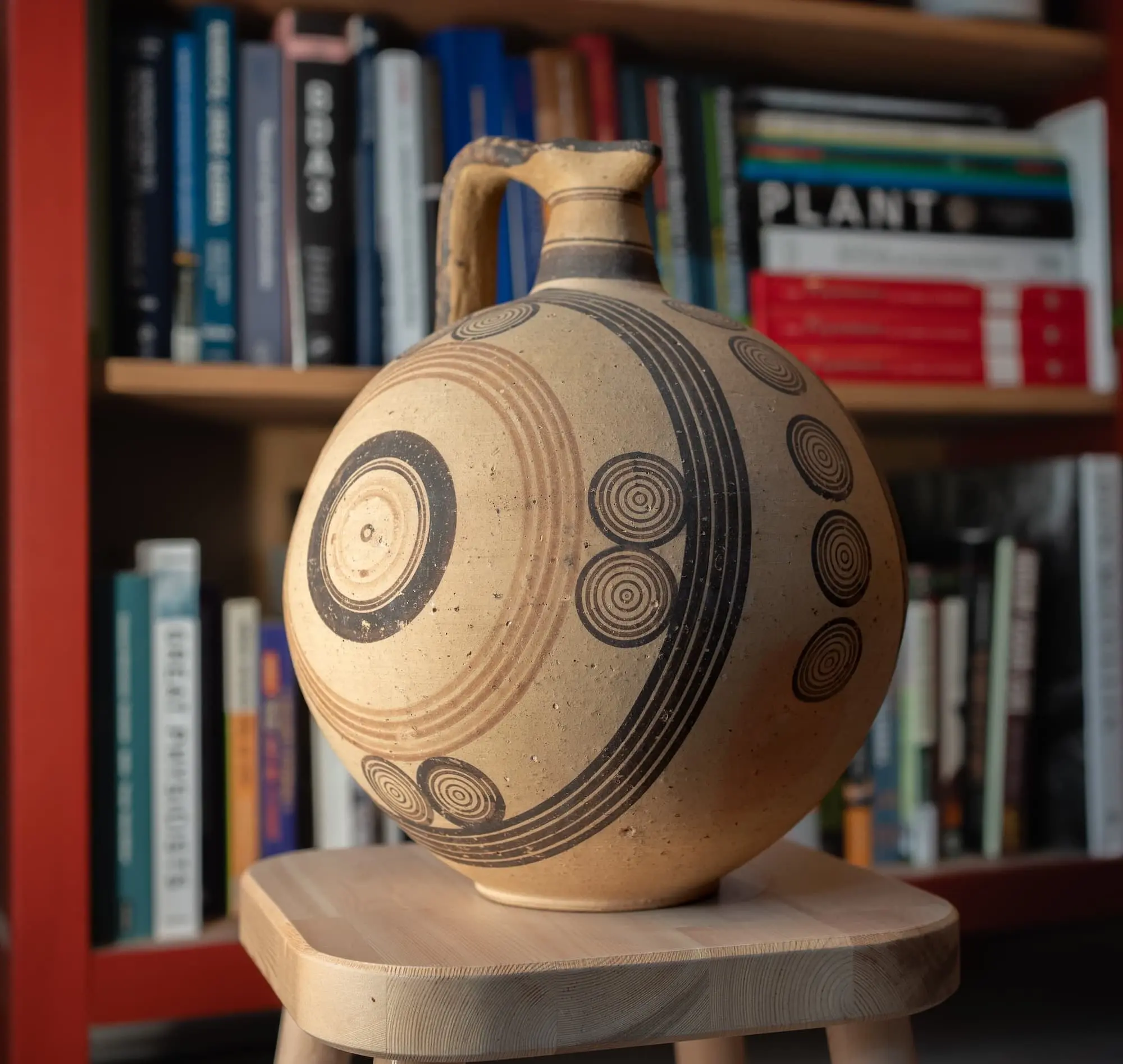 Bichrome WareBichrome is Cypriot pottery painted in black and red on a light surface, first a Late Bronze Age export ware and later a long-lived Iron Age class.Late Bronze AgeCypro-GeometricCypro-Archaic
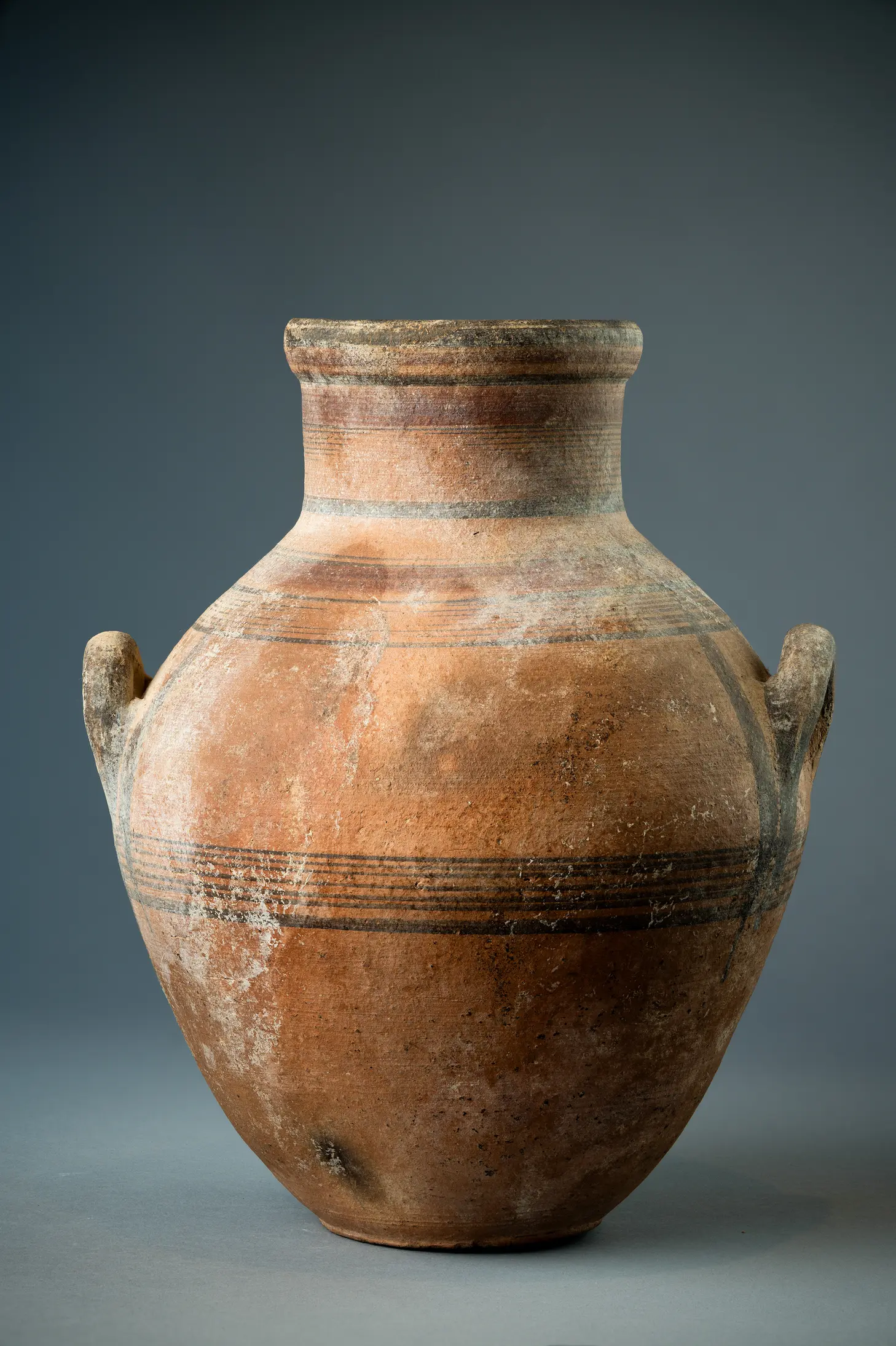 AmphoraA closed jar with two opposed handles, made in Cyprus in belly-handled and vertical-handled painted series and as a basket-handled transport jar.Late Bronze AgeCypro-GeometricCypro-Archaic
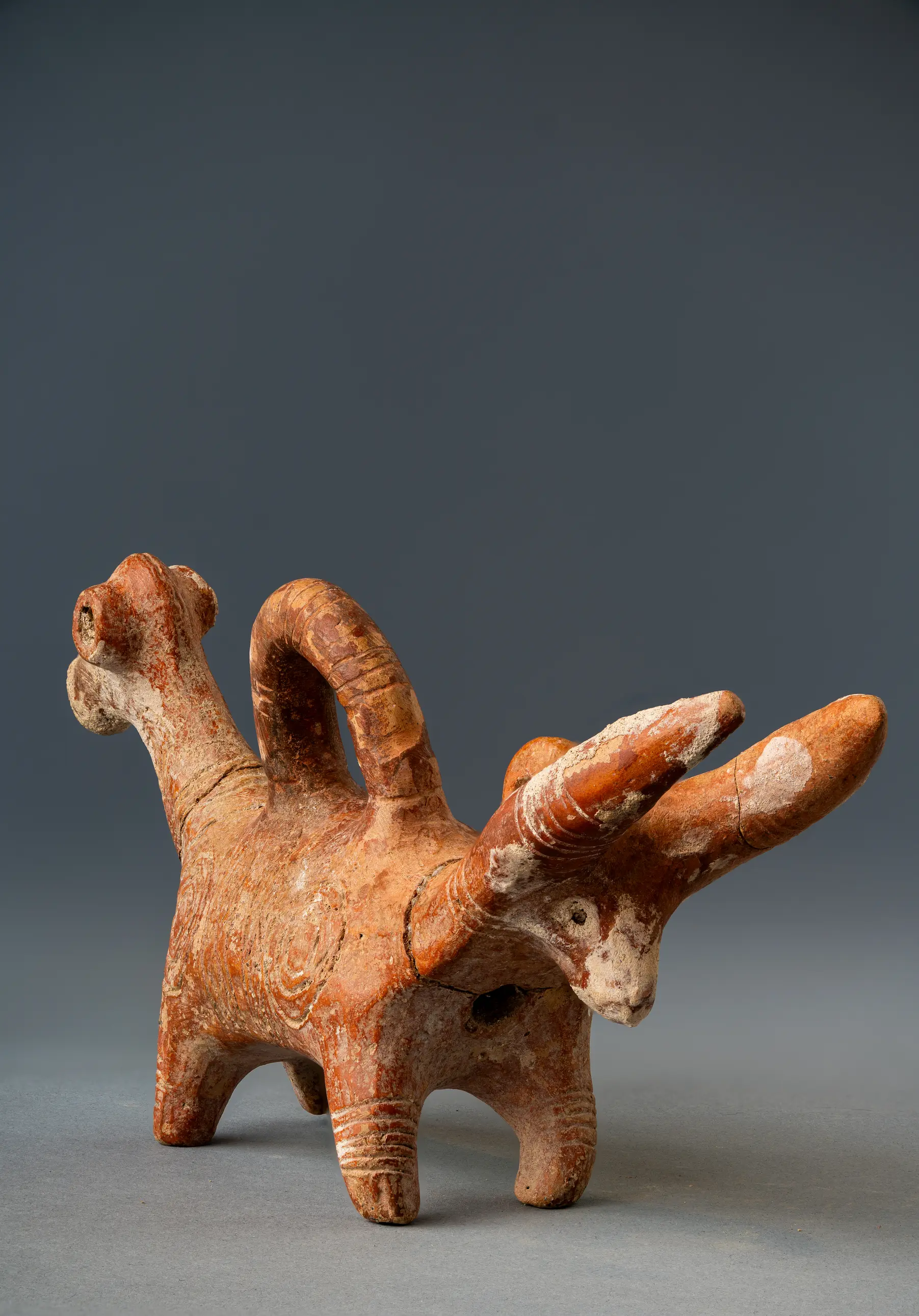 Baskets and Basket-Handled VesselsNot a standard Cypriot vessel class, "basket" names the arched basket handle, vessels that carry it, the kalathos and a few openwork bowls.Late Bronze AgeCypro-GeometricCypro-Archaic
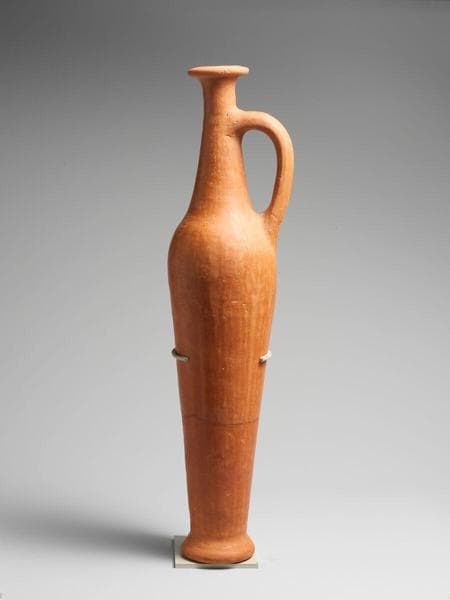 BottlesSmall, narrow-necked closed containers for valuable liquids, from Red Polished bottles to Late Bronze Age spindle bottles and Iron Age barrel jugs.Early Bronze AgeMiddle Bronze AgeLate Bronze AgeCypro-GeometricCypro-Archaic
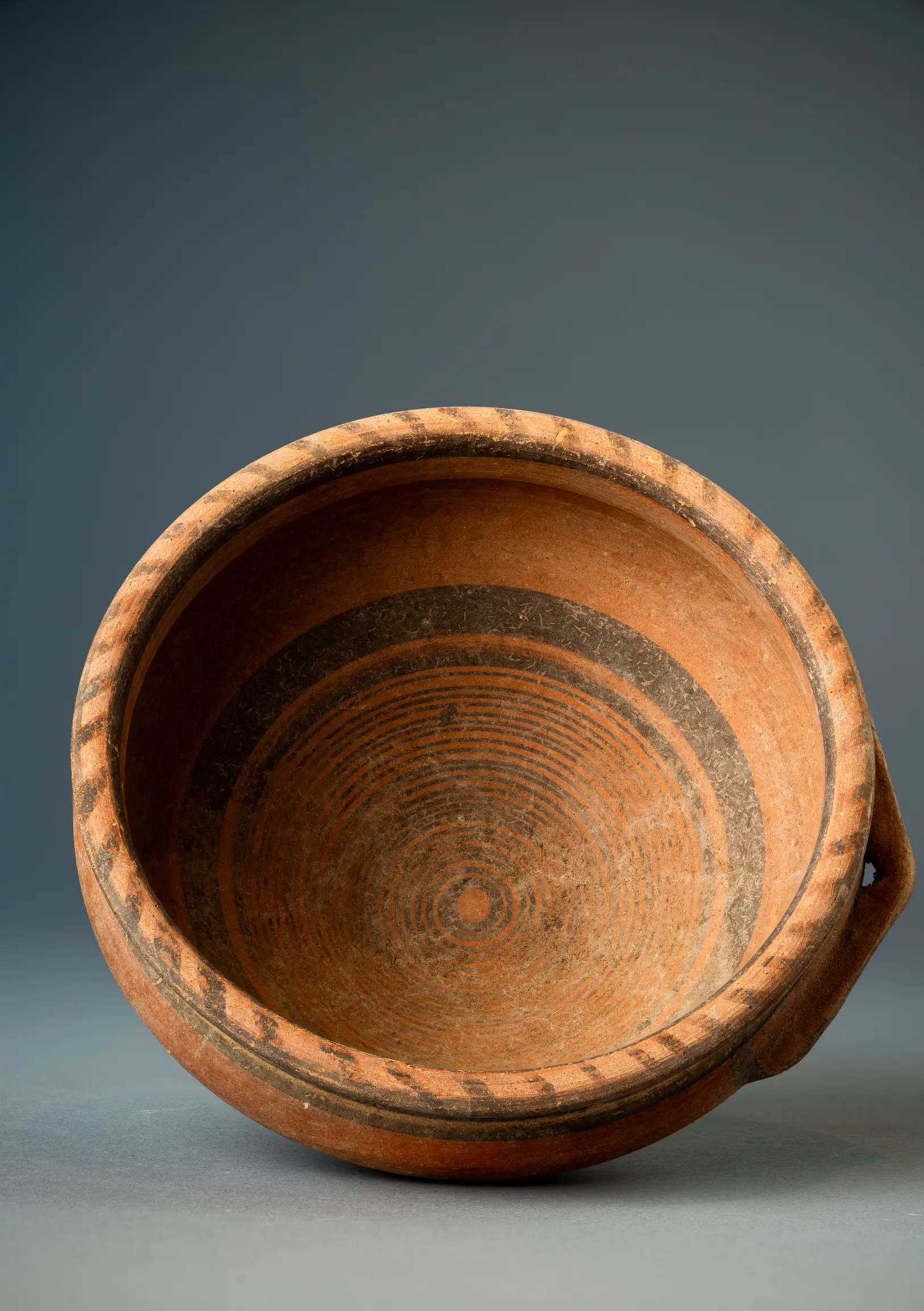 BowlsThe open vessel deeper than a plate and without a pouring neck, the one Cypriot pottery shape made without a break from the Neolithic to the Iron Age.NeolithicChalcolithicEarly Bronze AgeMiddle Bronze AgeLate Bronze AgeCypro-GeometricCypro-Archaic
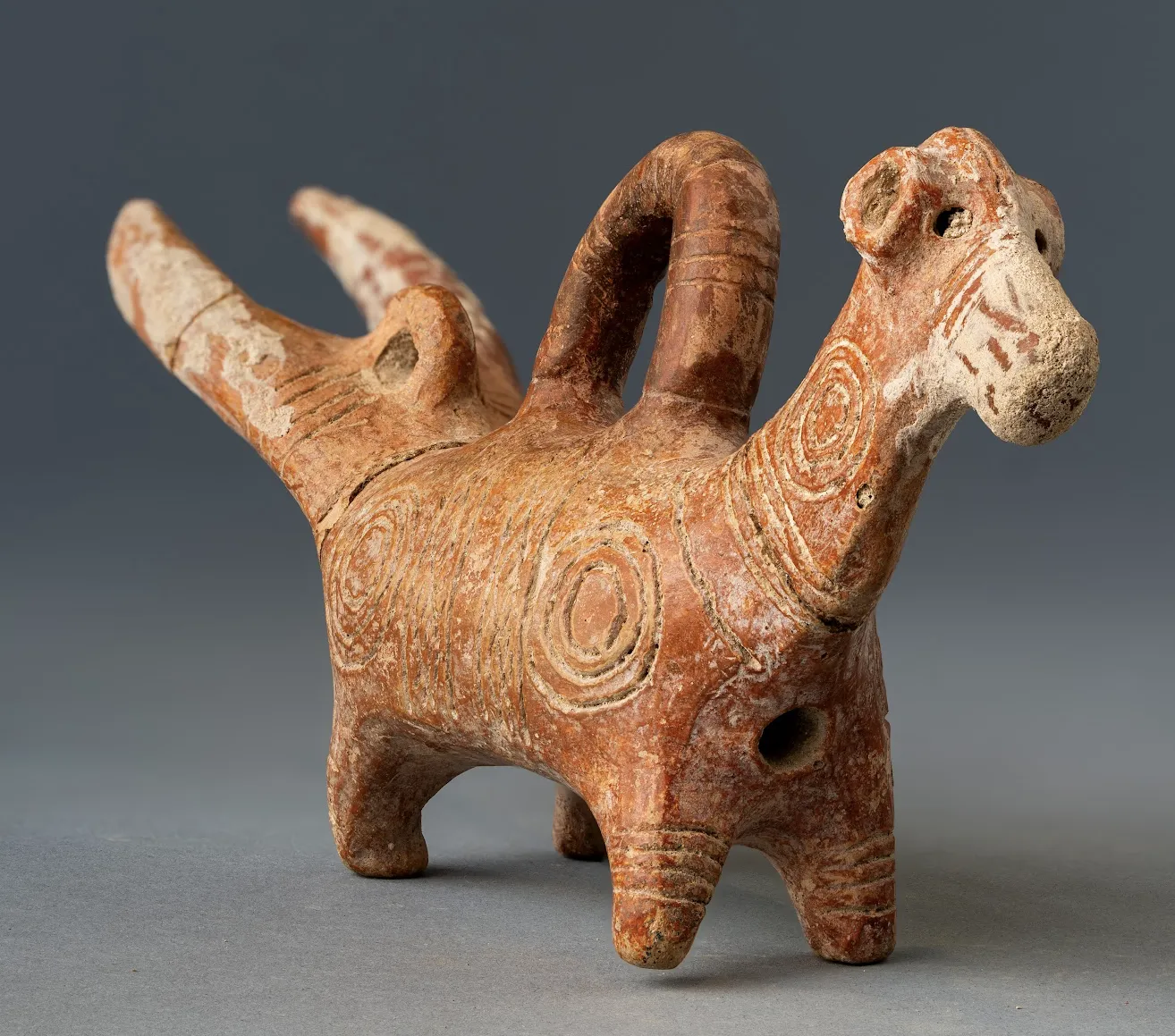 Complex VesselsComposite, multiple and ring vessels built by multiplying or joining ordinary shapes, mostly Early and Middle Bronze Age Red Polished tomb pieces.Early Bronze AgeMiddle Bronze AgeLate Bronze AgeCypro-GeometricCypro-Archaic
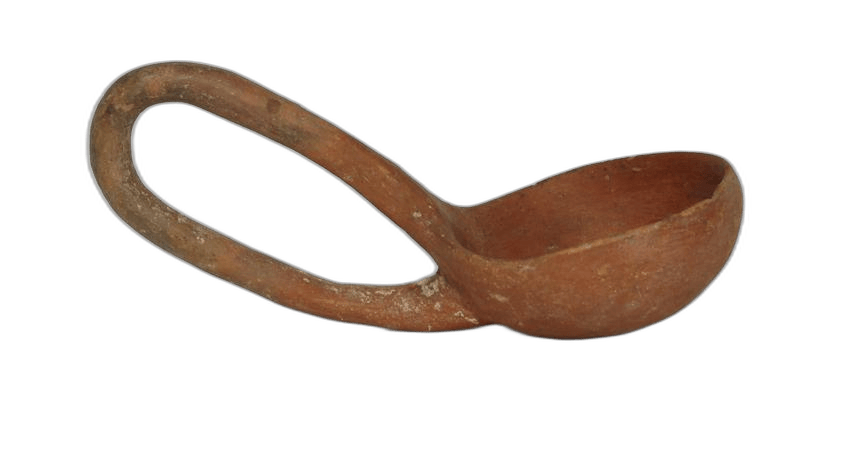 Dippers and LadlesA small vessel with a single handle set high above its body, made to be lowered into a larger container and lifted out full.Early Bronze AgeMiddle Bronze AgeLate Bronze AgeCypro-Geometric
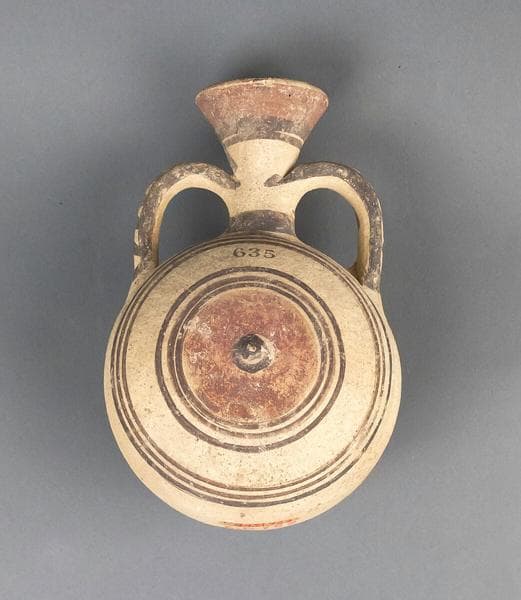 FlasksA small, often flattened narrow-necked container for valuable liquids, made in Cyprus from the Chalcolithic onward and widely exported in the Iron Age.ChalcolithicEarly Bronze AgeLate Bronze AgeCypro-GeometricCypro-Archaic
- From Bronze to Iron: Cypriot Pottery c. 1300–950 BCEThe change in Cypriot fine pottery between c. 1300 and 950 BCE, from handmade Base Ring and White Slip to wheelmade White Painted and Bichrome.Late Bronze AgeCypro-Geometric
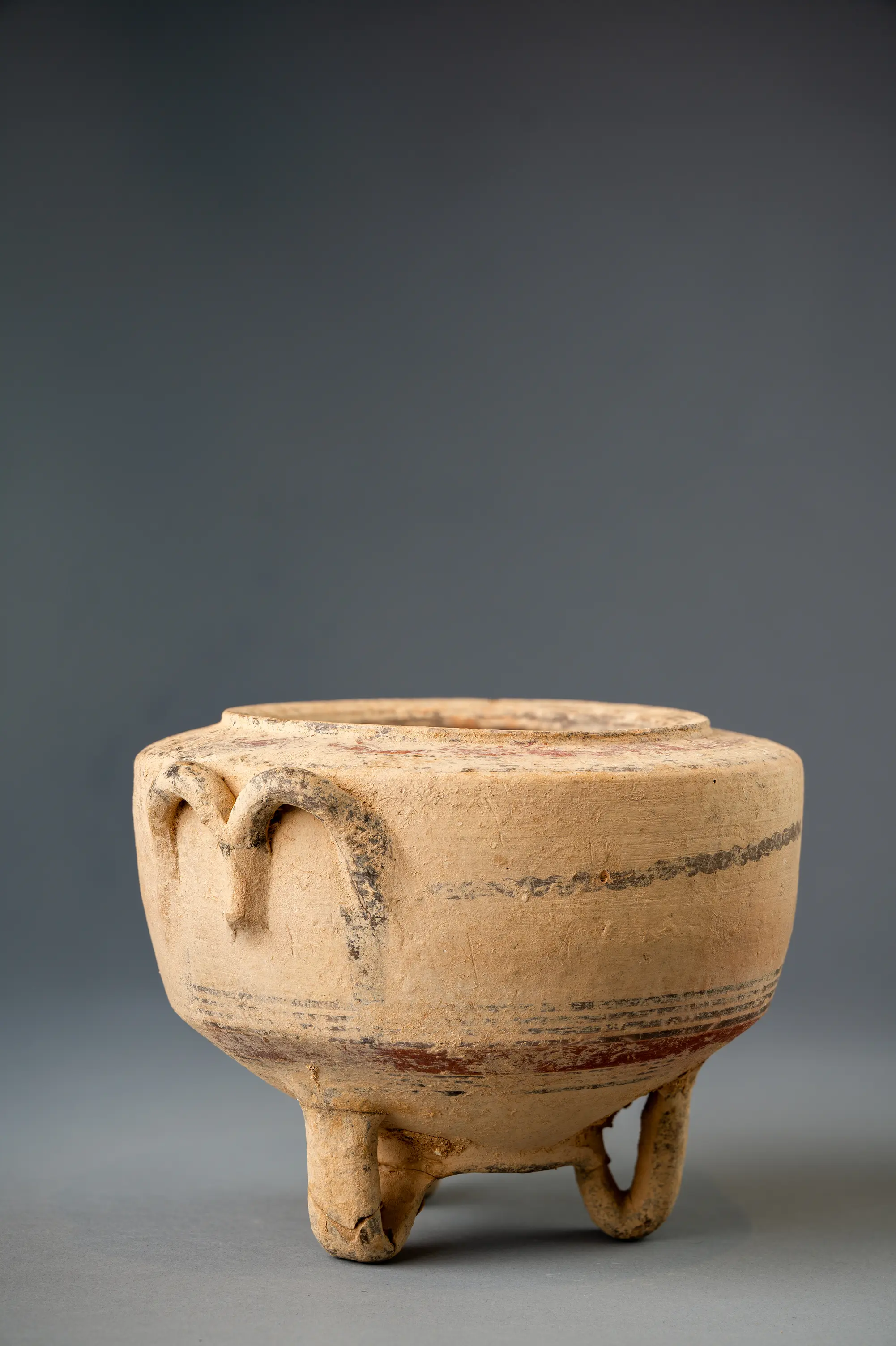 Jars (Amphora)Large storage and transport containers of Cyprus, from Bronze Age pithoi and imported Canaanite jars to the island's own Iron Age transport amphoras.ChalcolithicMiddle Bronze AgeLate Bronze AgeCypro-GeometricCypro-Archaic
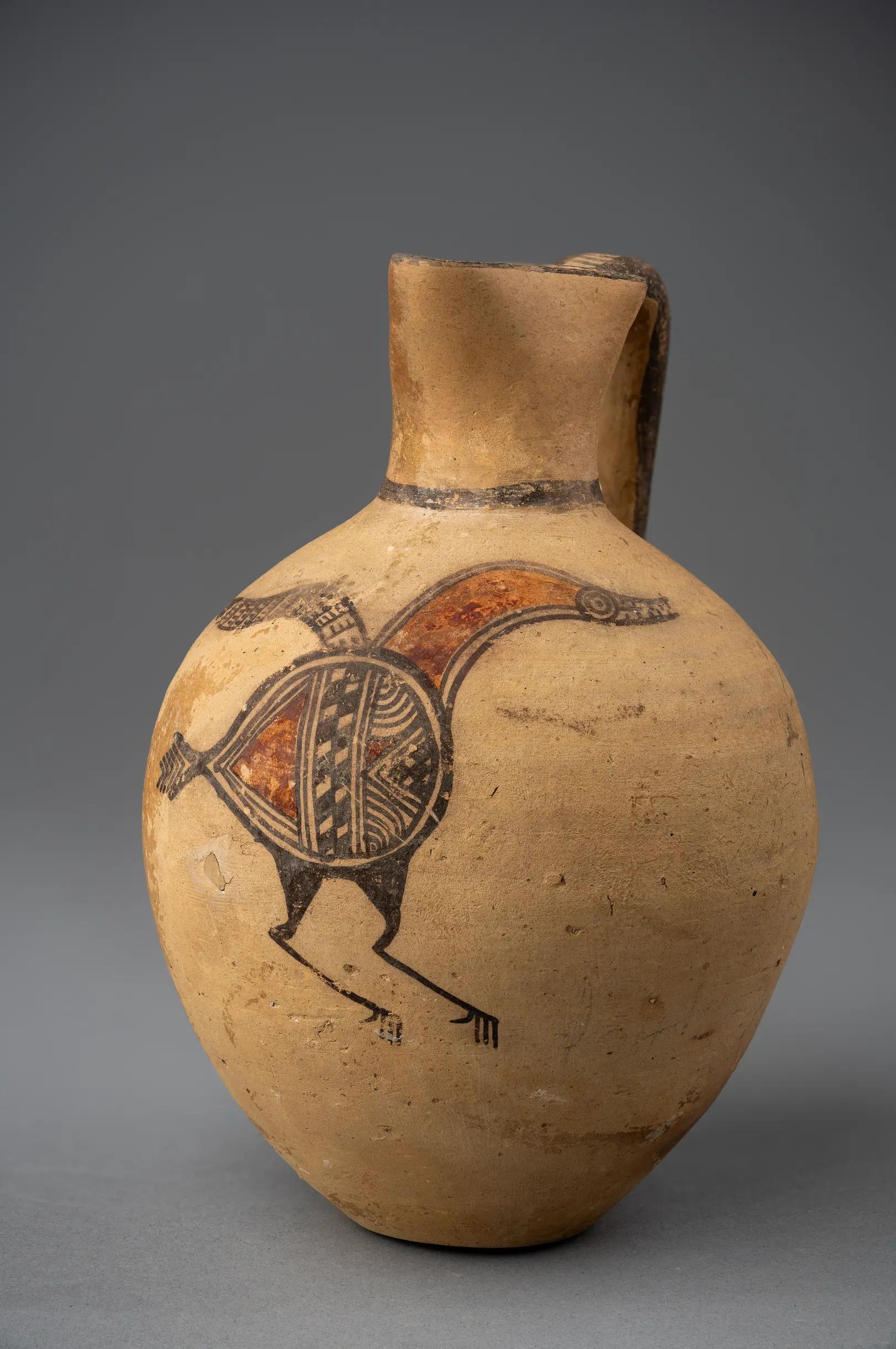 Motifs of Cypriot PotterySectionThe recurring patterns and figures painted, incised or modelled on Cypriot pottery, from Neolithic combing to the Cypro-Archaic free-field style.NeolithicChalcolithicEarly Bronze AgeMiddle Bronze AgeLate Bronze AgeCypro-GeometricCypro-Archaic
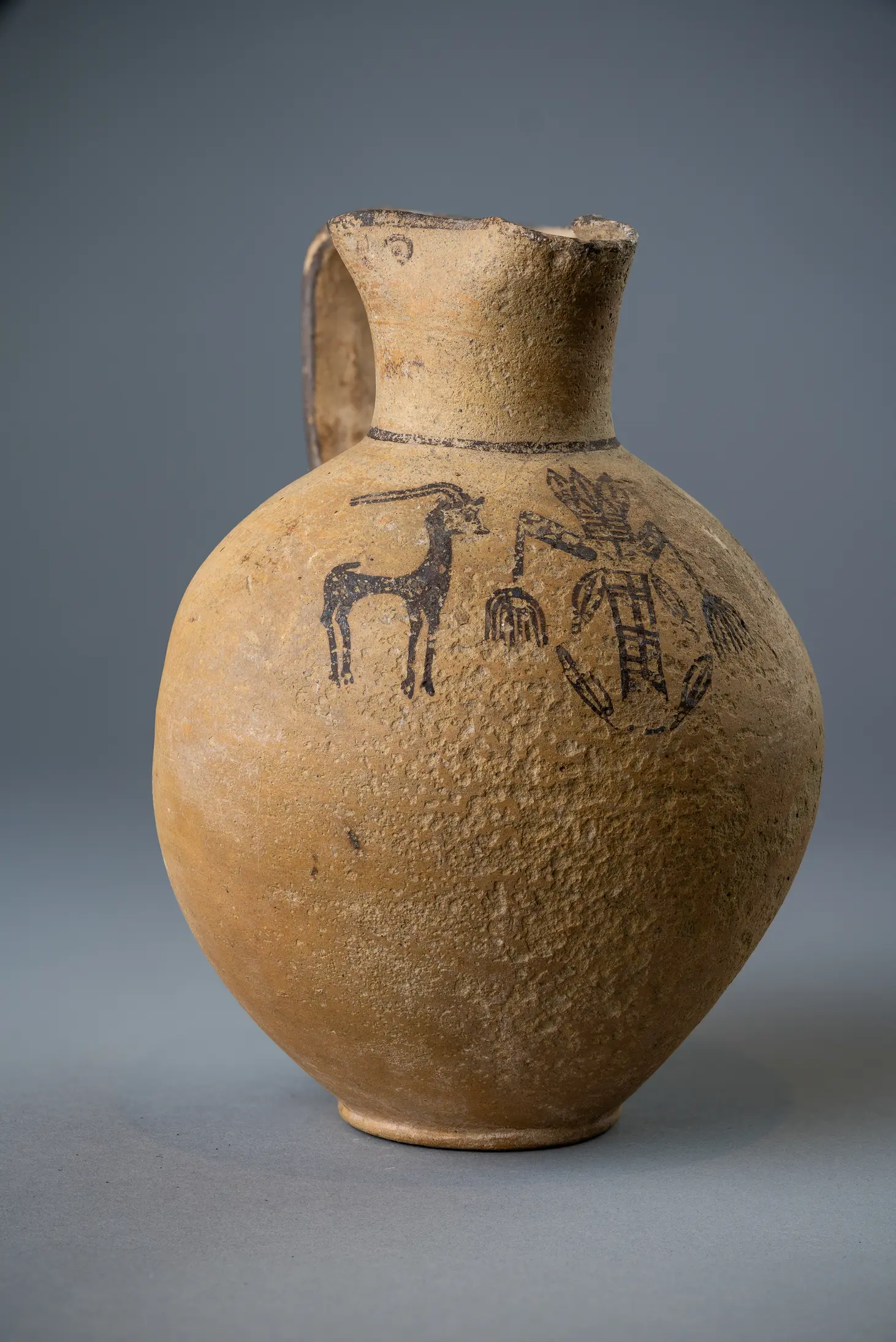 Plants, Trees and Palms on Cypriot PotteryTrees, date palms, branches and the goat-and-tree or sacred-tree composition on Cypriot pottery and related media, from the Late Bronze Age to the Cypro-Archaic period.Late Bronze AgeCypro-GeometricCypro-Archaic
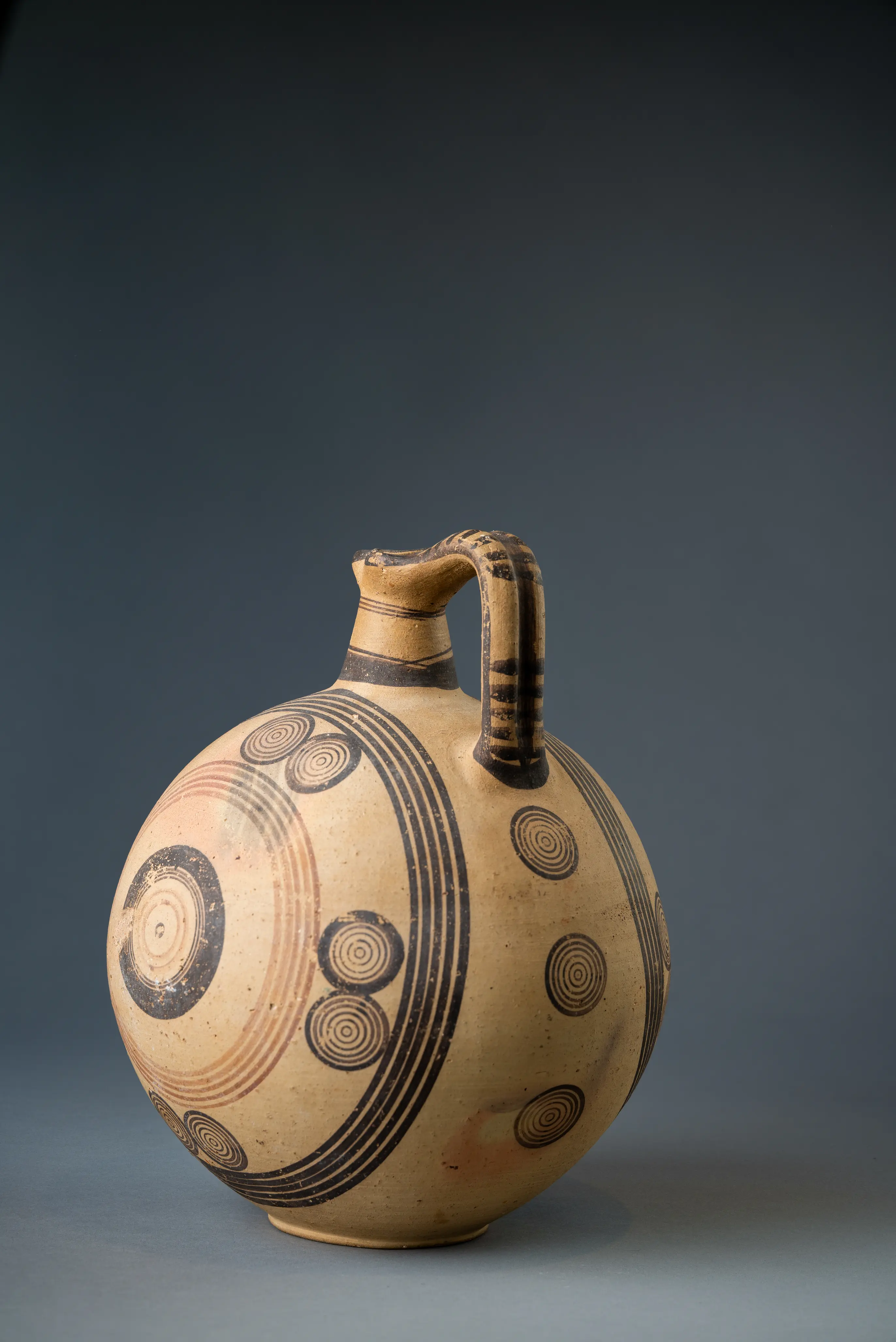 Pottery ShapesSectionThe classification of Cypriot pottery by vessel form rather than ware, grouped into ten shape families from bowls and jugs to composite vessels.Early Bronze AgeMiddle Bronze AgeLate Bronze AgeCypro-GeometricCypro-Archaic
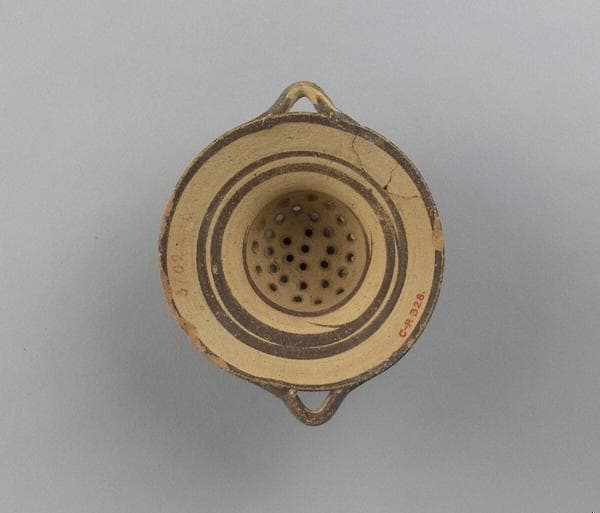 StrainersAny vessel with deliberate perforations that let liquid through and hold solids back, from Base Ring strainer jars to Iron Age strainer jugs and bronze strainers.Middle Bronze AgeLate Bronze AgeCypro-GeometricCypro-Archaic
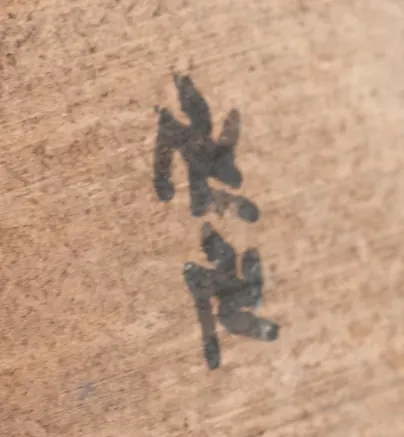 SwastikasA cross with arms bent at right angles, a frequent painted ornament on Cypriot Iron Age pottery whose meaning is still debated.Early Bronze AgeLate Bronze AgeCypro-GeometricCypro-Archaic
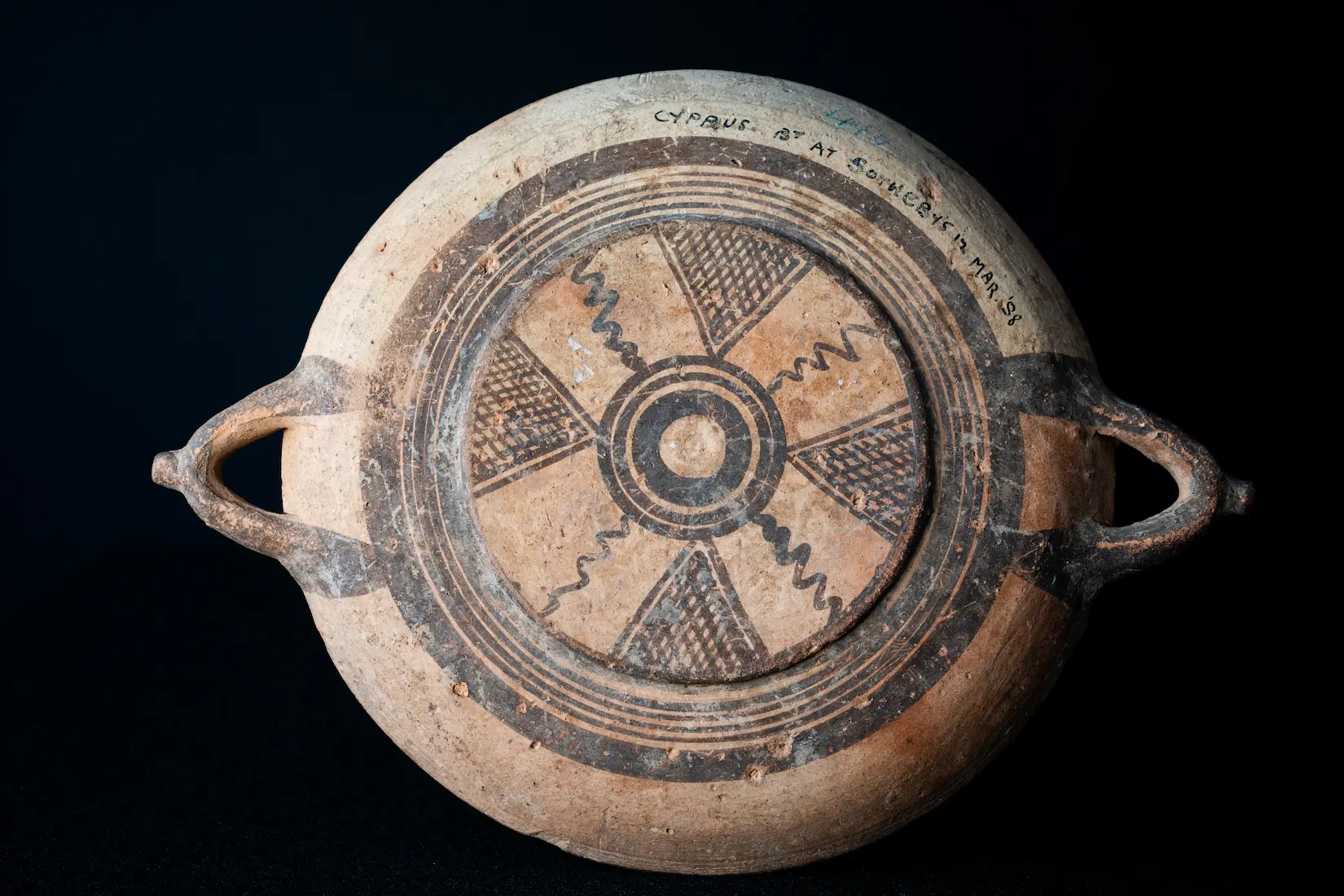 The Maltese Cross on Cypriot PotteryA cross of four triangles meeting at their points, painted on the bases of Cypriot bowls and dishes and inside concentric circles on jugs.Late Bronze AgeCypro-Geometric
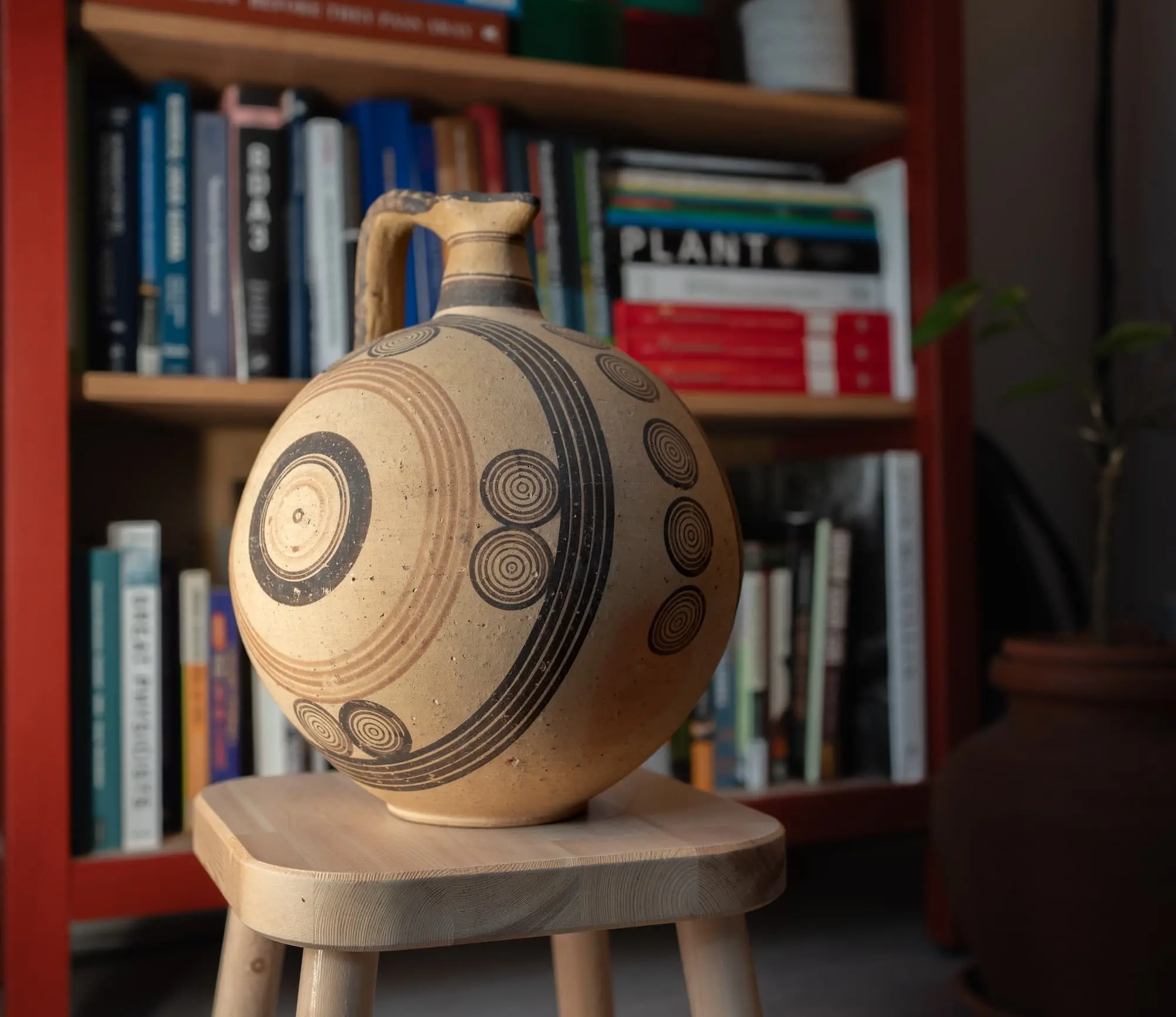 The Pottery of Ancient CyprusSectionThe pottery made and used in Cyprus from the Ceramic Neolithic onward, the island's most abundant artifact class and the basis of its chronology.NeolithicChalcolithicEarly Bronze AgeMiddle Bronze AgeLate Bronze AgeCypro-GeometricCypro-ArchaicCypro-ClassicalHellenisticRoman
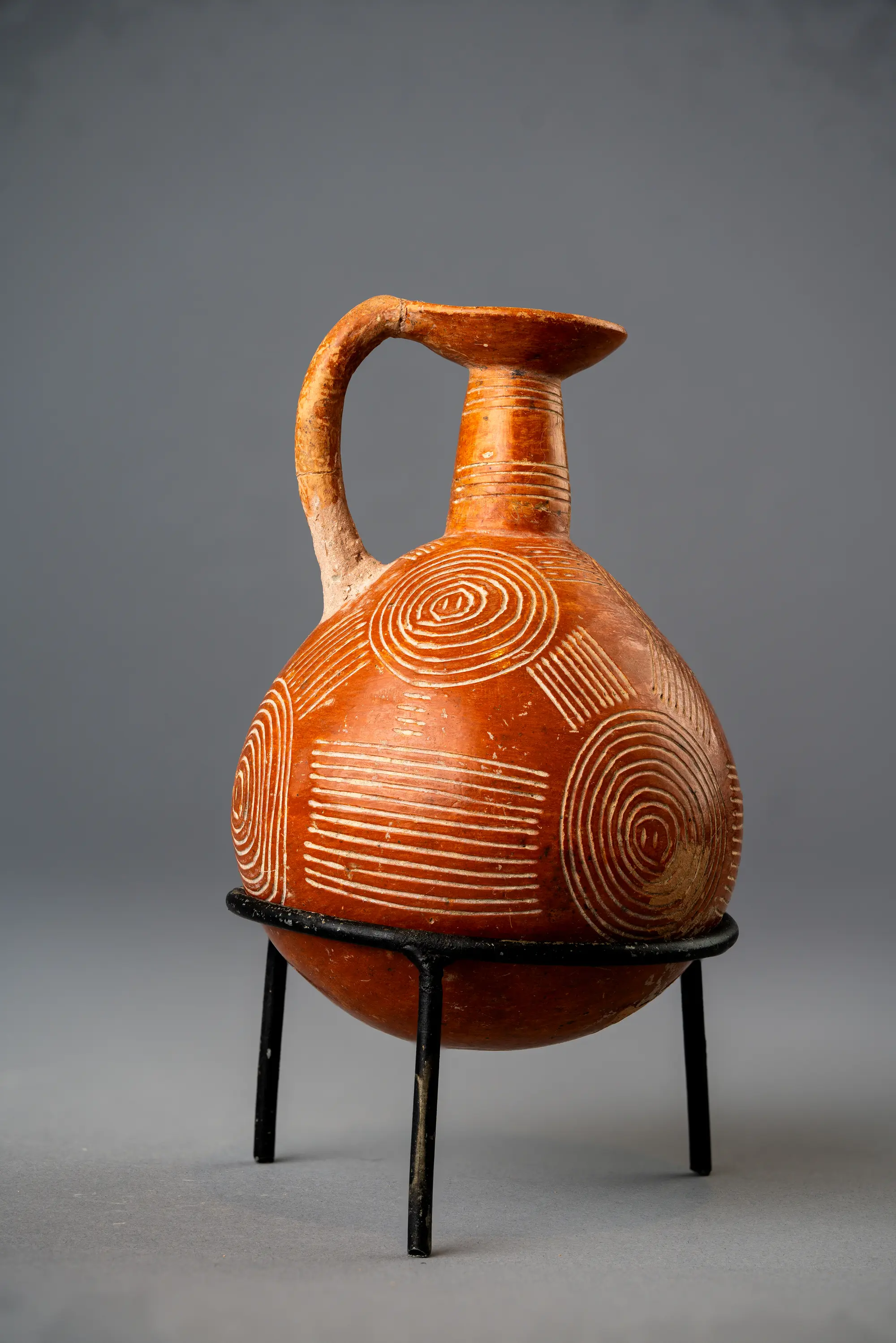 Types of WareSectionThe families of Cypriot pottery, grouped by clay, surface finish and decoration, from Neolithic Combed ware to Iron Age Black-on-Red.NeolithicChalcolithicEarly Bronze AgeMiddle Bronze AgeLate Bronze AgeCypro-GeometricCypro-ArchaicCypro-Classical
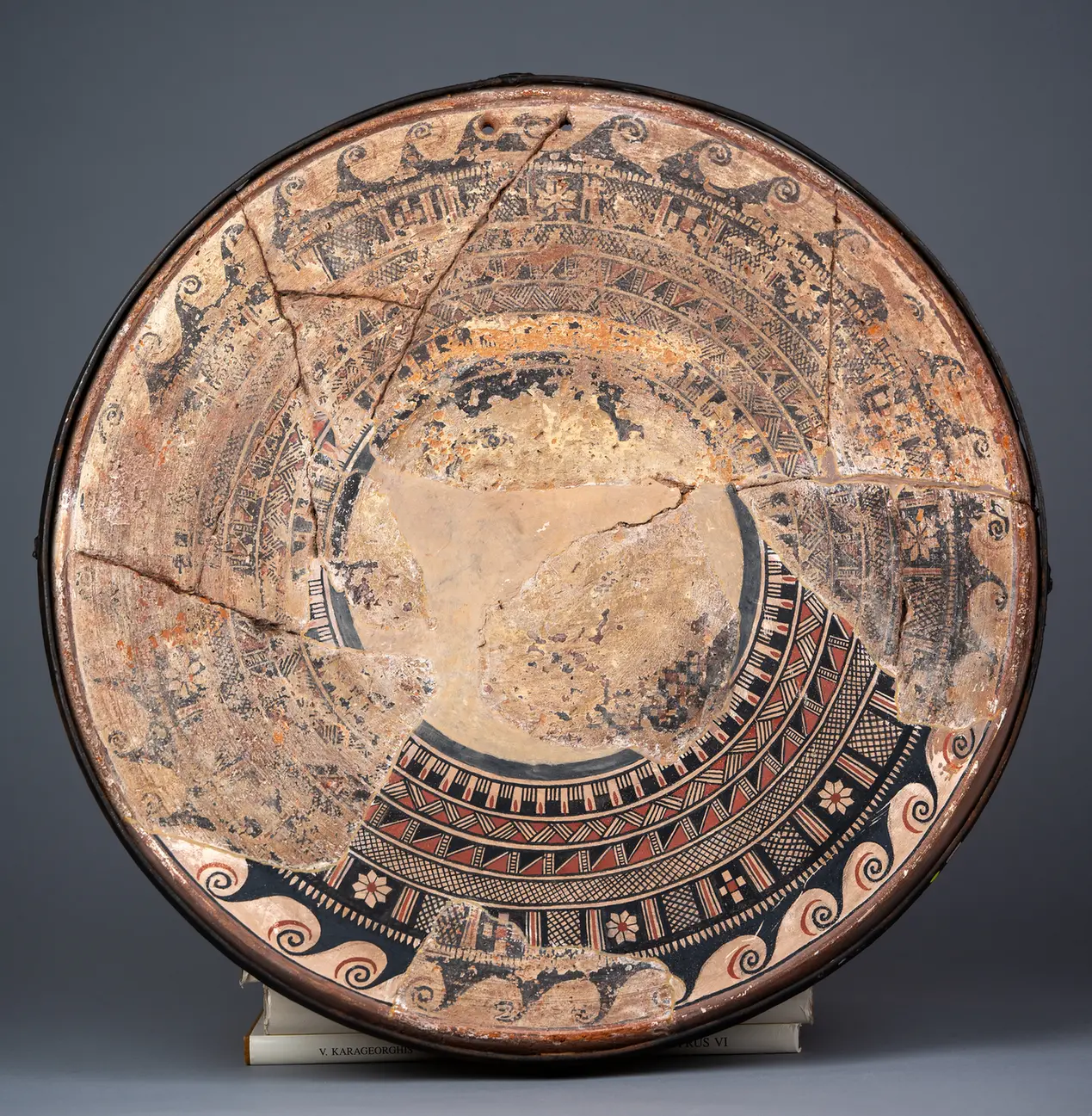 Wavy HooksWavy lines ending in a hook or spiral, found on Mycenaean imports at Enkomi, Cypro-Archaic White Painted IV juglets and Bichrome plates.Late Bronze AgeCypro-Archaic
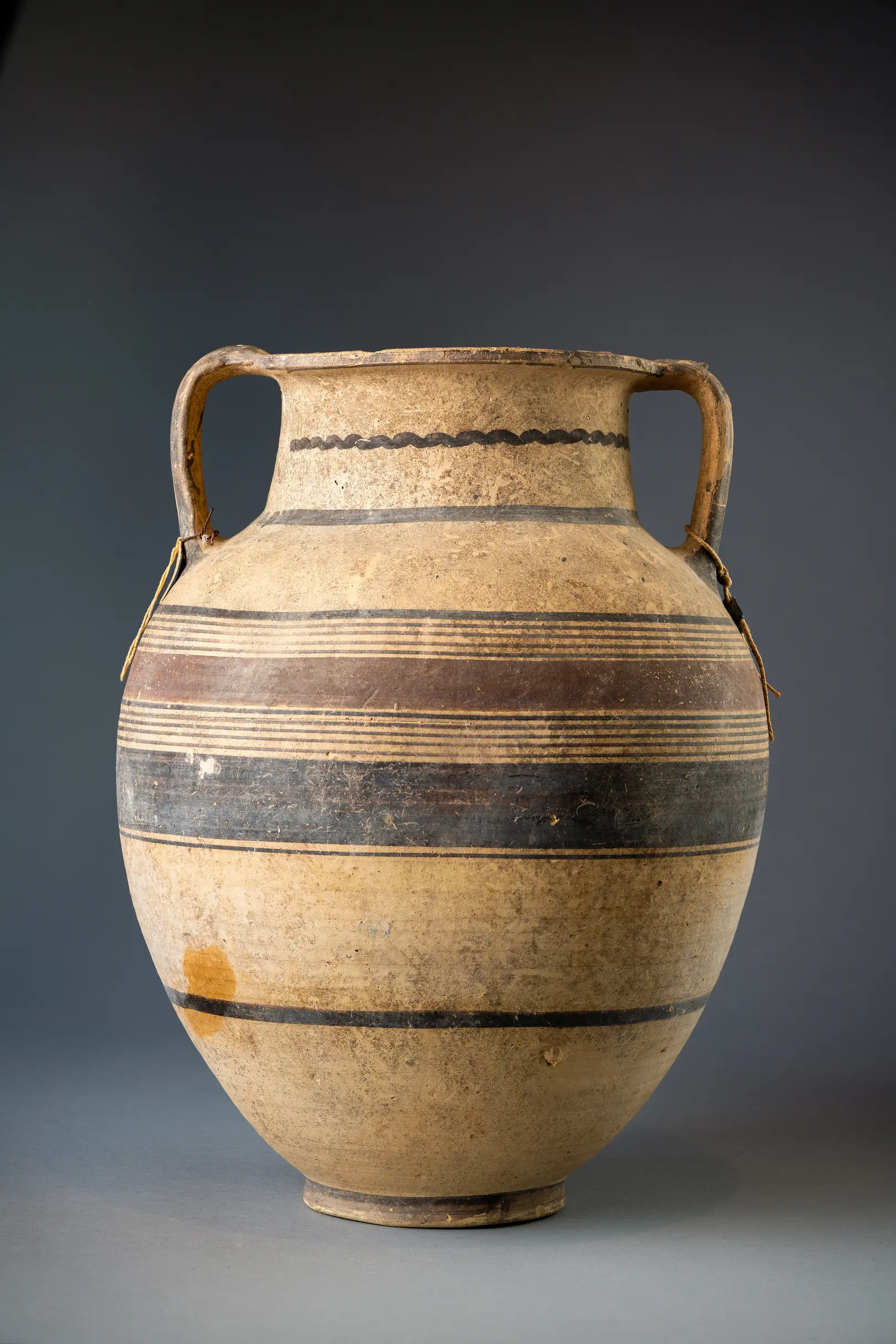 Wavy LinesA continuous line swinging in rounded curves, incised or painted on Cypriot pottery from Early Bronze Age Red Polished to Cypro-Archaic amphorae.Early Bronze AgeMiddle Bronze AgeLate Bronze AgeCypro-GeometricCypro-Archaic
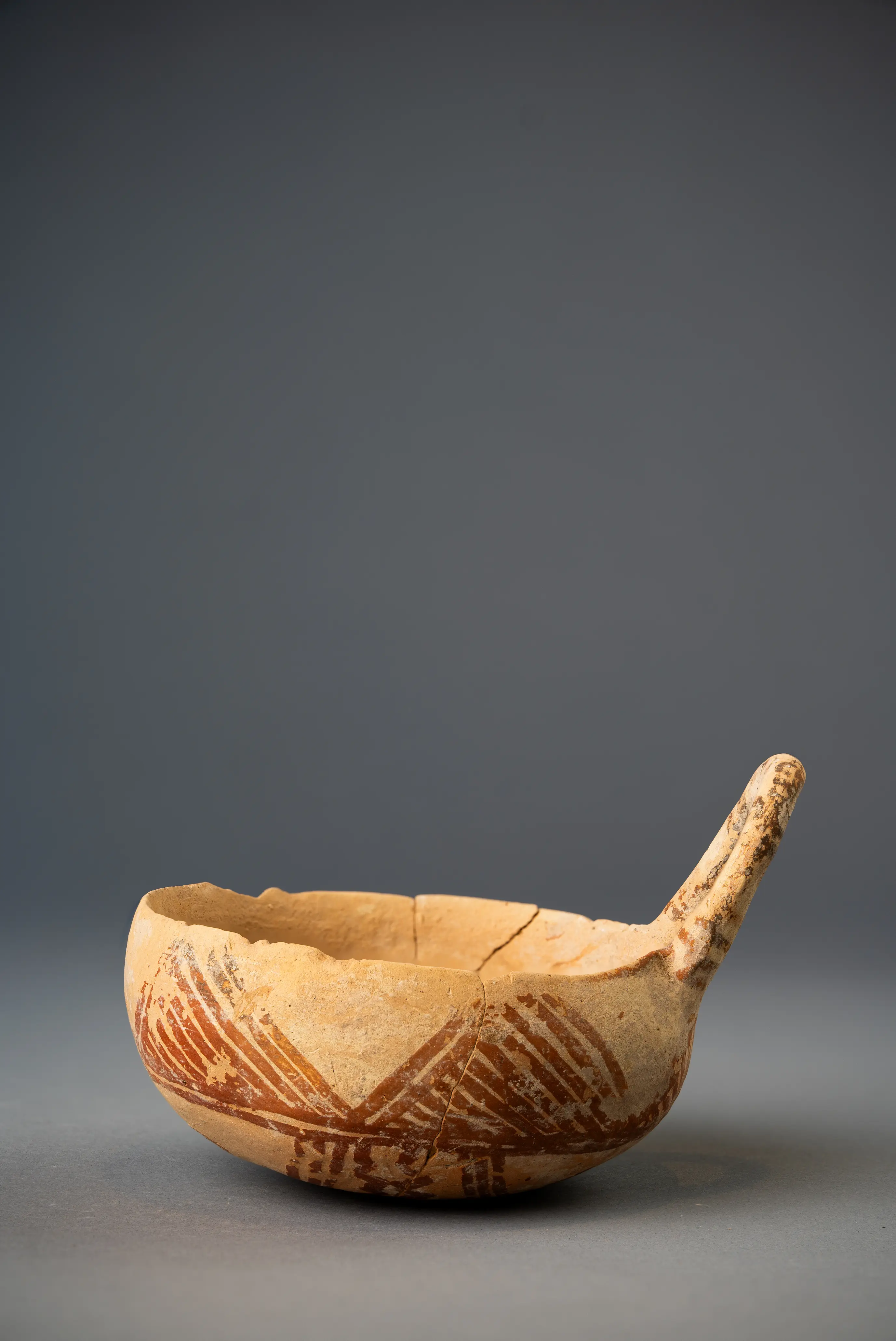 Zig-ZagsA continuous line changing direction at sharp angles, incised or painted on Cypriot pottery from Early Bronze Age Red Polished to Cypro-Archaic handles.Early Bronze AgeMiddle Bronze AgeLate Bronze AgeCypro-GeometricCypro-Archaic
Statues
4 entriesSection overview
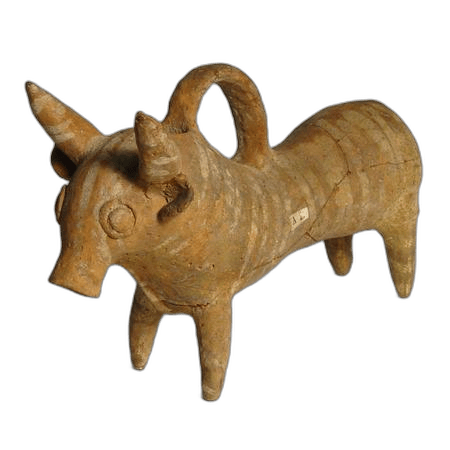 Base Ring Bull VesselsHand-built Base Ring ware pouring vessels in the form of a bull, made in Late Bronze Age Cyprus and found in tombs, settlements and sanctuaries.Late Bronze Age
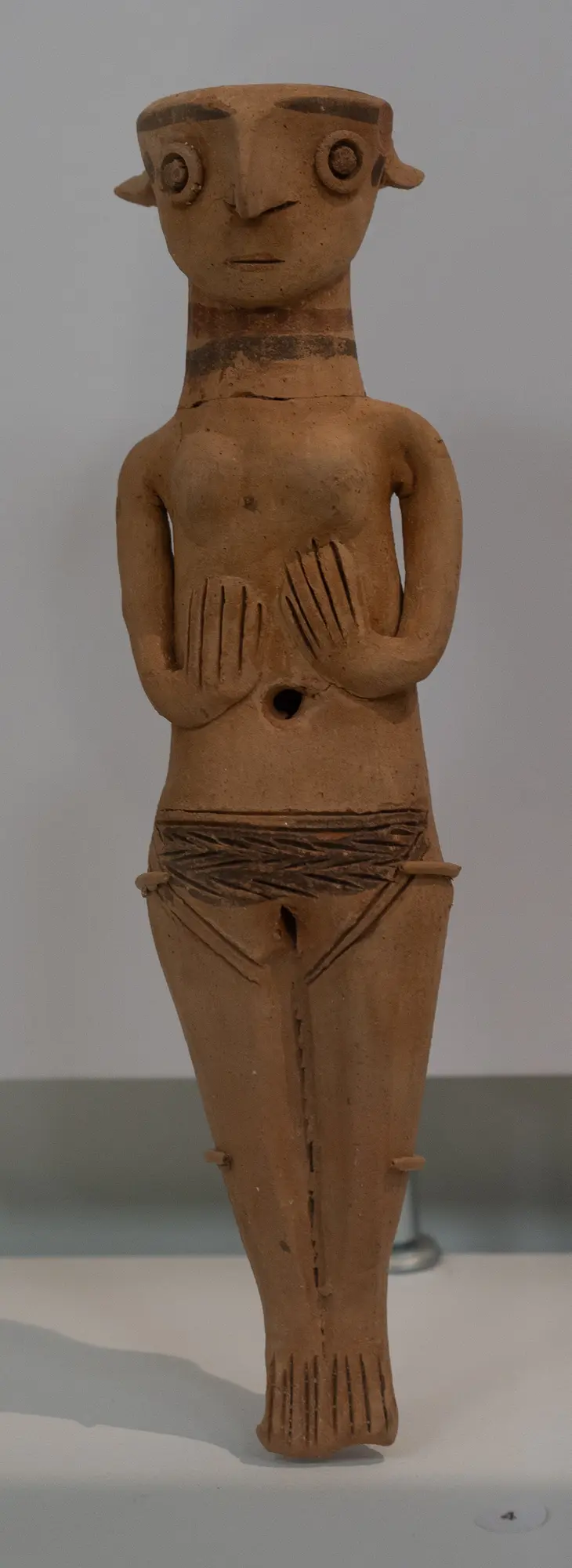 Base Ring Figurines (Astarte Type)Handmade Base Ring ware terracotta figurines of nude women from Late Bronze Age Cyprus, found in tombs and houses and often linked to Astarte.Late Bronze Age
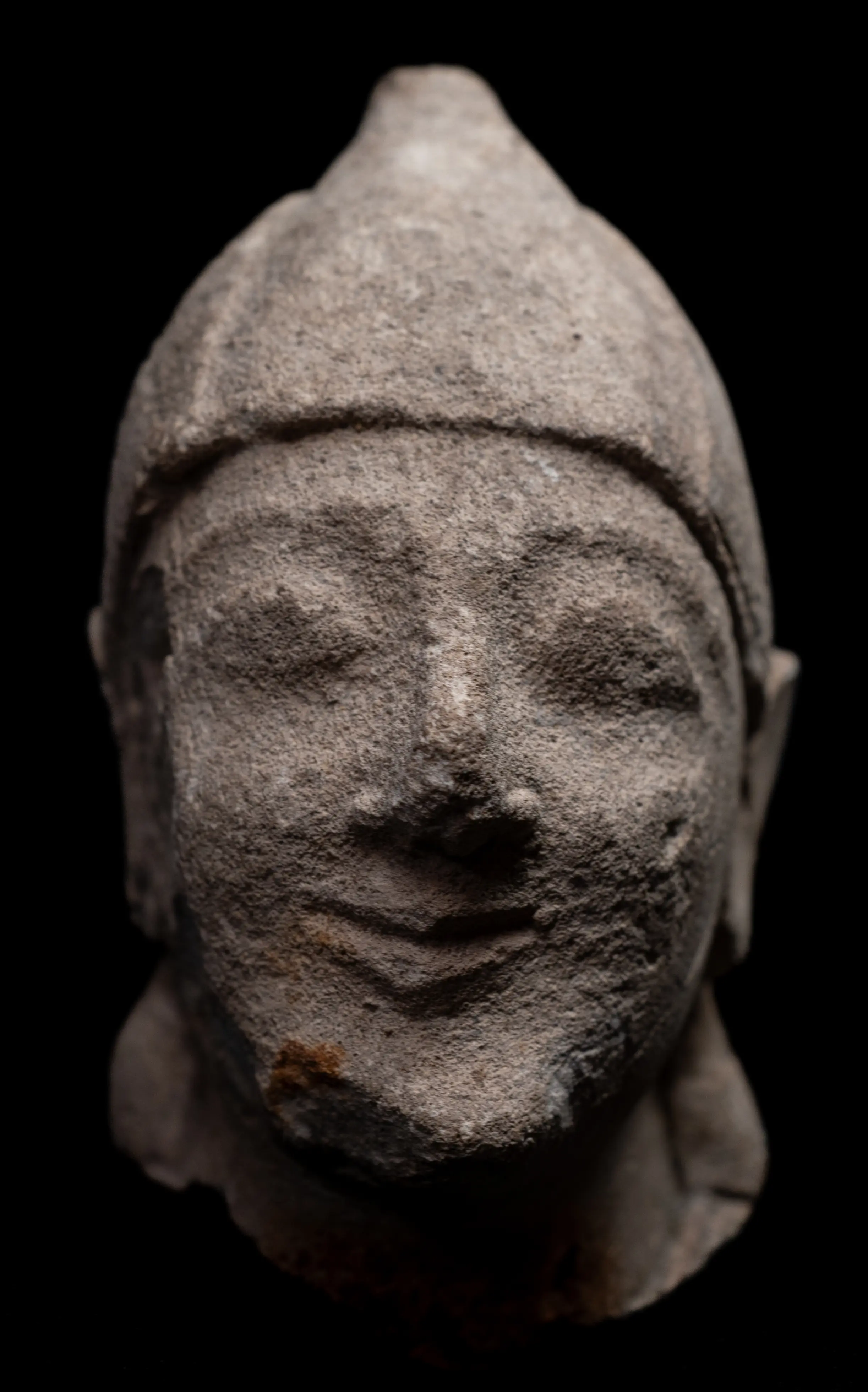 How Cypriot Figurines Are ClassifiedThe overlapping systems that classify Cypriot figurines and statues, from Winkelmann's N and C numbers to Karageorghis's Coroplastic Art and Gjerstad's styles.NeolithicChalcolithicEarly Bronze AgeMiddle Bronze AgeLate Bronze AgeCypro-GeometricCypro-Archaic
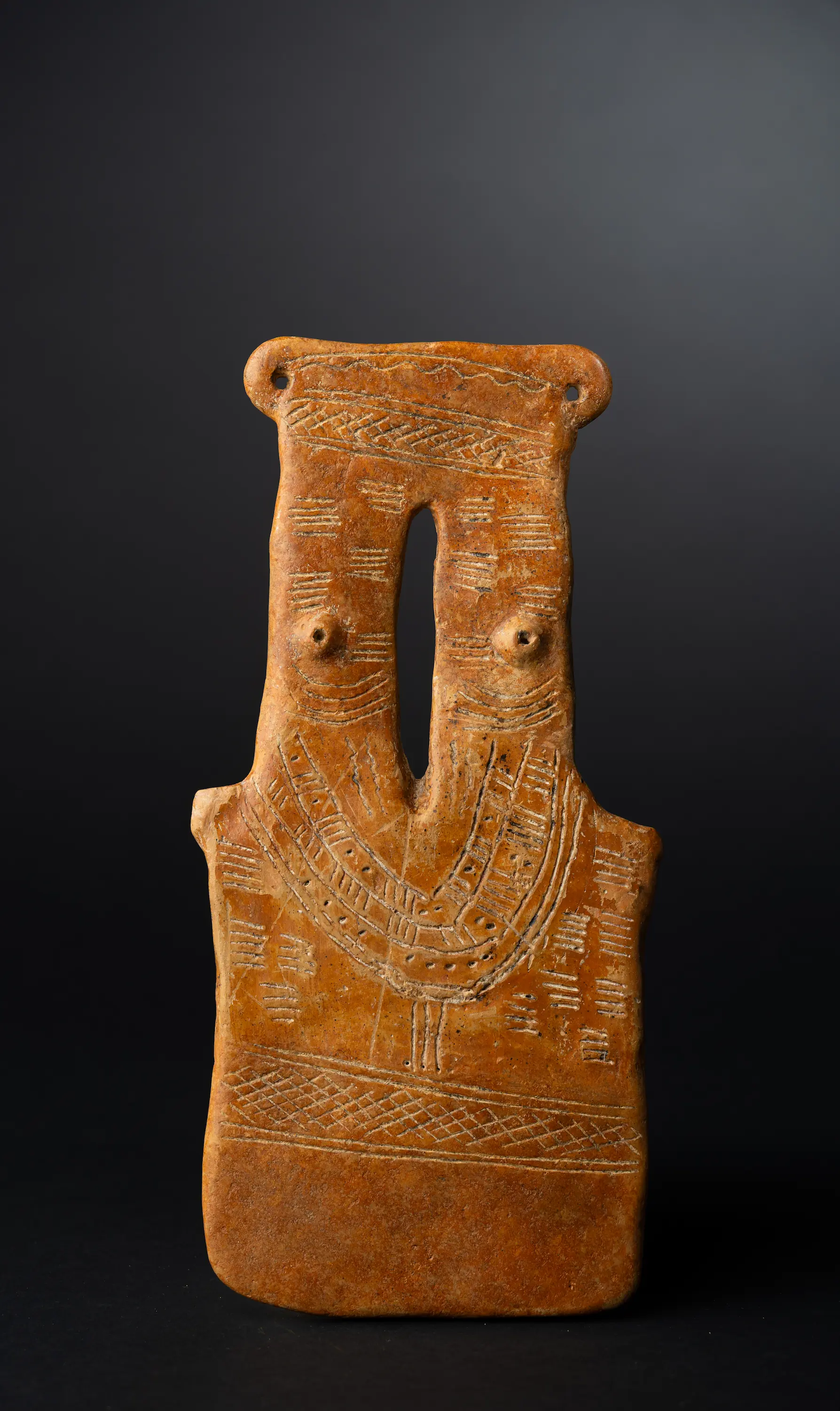 The Statues of Ancient CyprusSectionThe statues and figurines of ancient Cyprus, in stone, clay and metal, from Neolithic pebble figures to Hellenistic and Roman limestone votives.NeolithicChalcolithicEarly Bronze AgeMiddle Bronze AgeLate Bronze AgeCypro-GeometricCypro-ArchaicCypro-ClassicalHellenisticRoman
Jewelry
1 entrySection overview
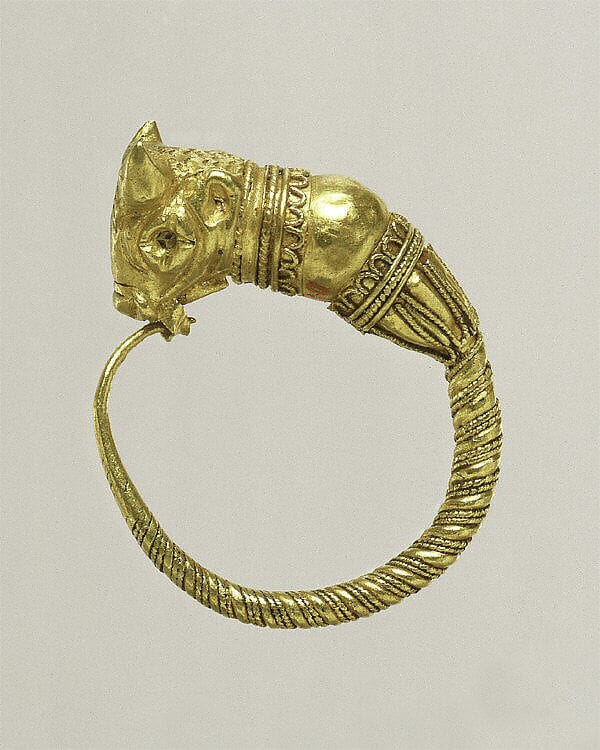
Weapons and Armour
3 entriesSection overview
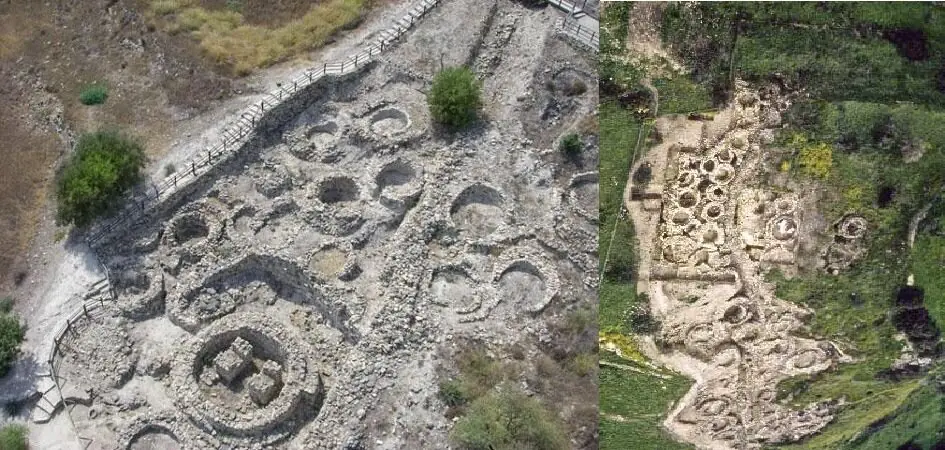 Fortifications in Ancient Cyprus: From Khirokitia to the Siege of PaphosThe walls, forts and enclosures Cypriots built in a few distinct episodes, from Aceramic Khirokitia to the city walls of the Iron Age kingdoms.NeolithicMiddle Bronze AgeLate Bronze AgeCypro-GeometricCypro-ArchaicCypro-Classical
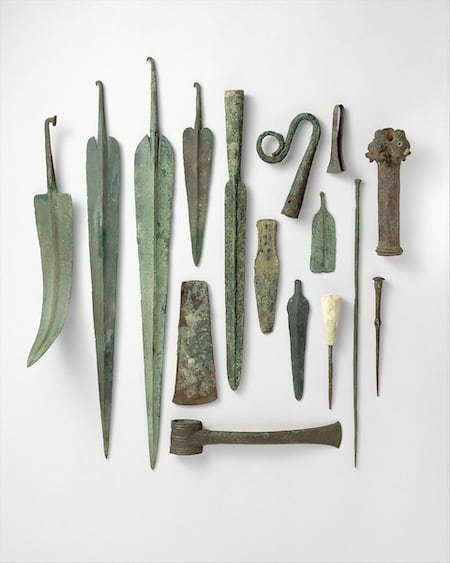 Weapons and Armour of Ancient CyprusSectionThe weapons, armour and fortifications of ancient Cyprus, from Neolithic projectile points to the iron swords and war imagery of the Iron Age kingdoms.NeolithicChalcolithicEarly Bronze AgeMiddle Bronze AgeLate Bronze AgeCypro-GeometricCypro-Archaic
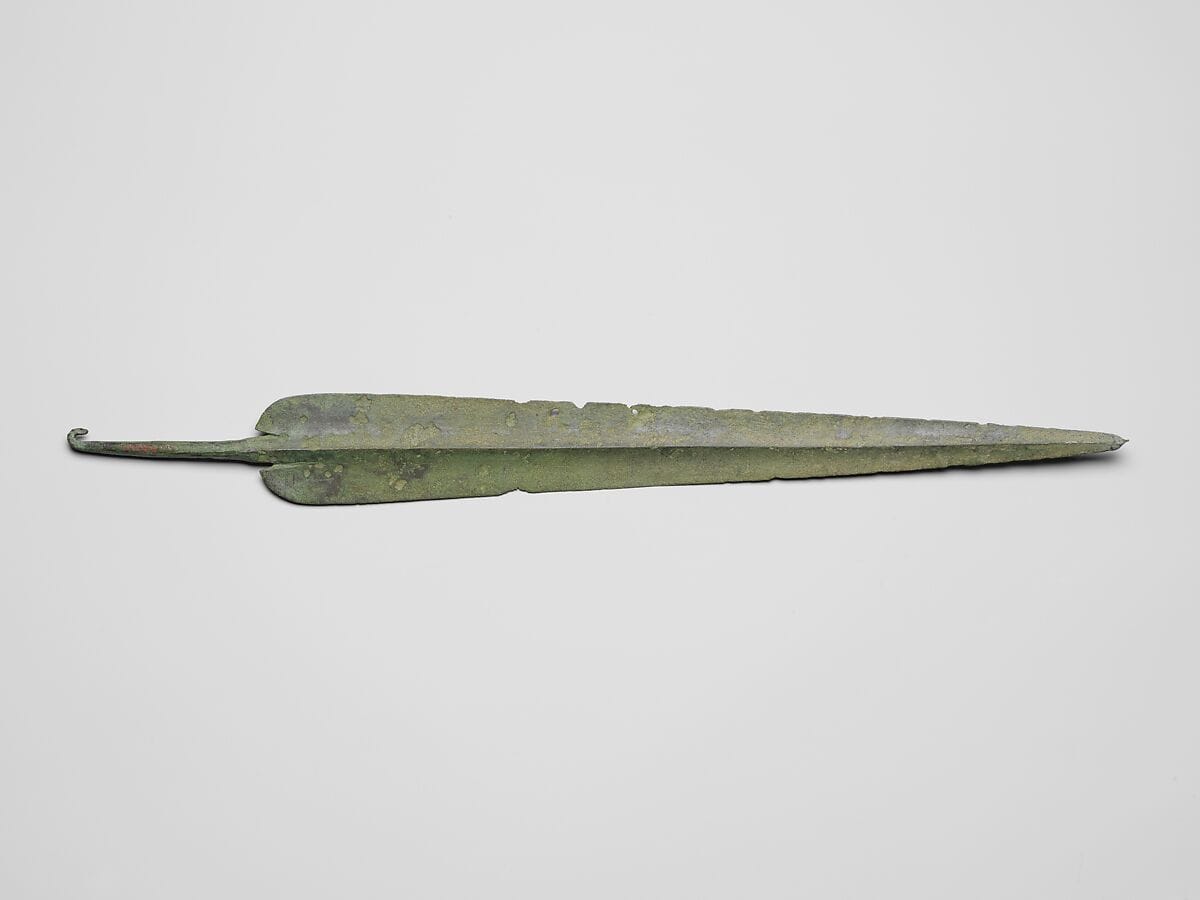 Weapons of Bronze Age CyprusThe copper and bronze weapons of Bronze Age Cyprus, from Philia hook-tang spearheads and riveted daggers to the Naue II swords and greaves of Enkomi.Early Bronze AgeMiddle Bronze AgeLate Bronze Age
Tools and Technologies
8 entriesSection overview
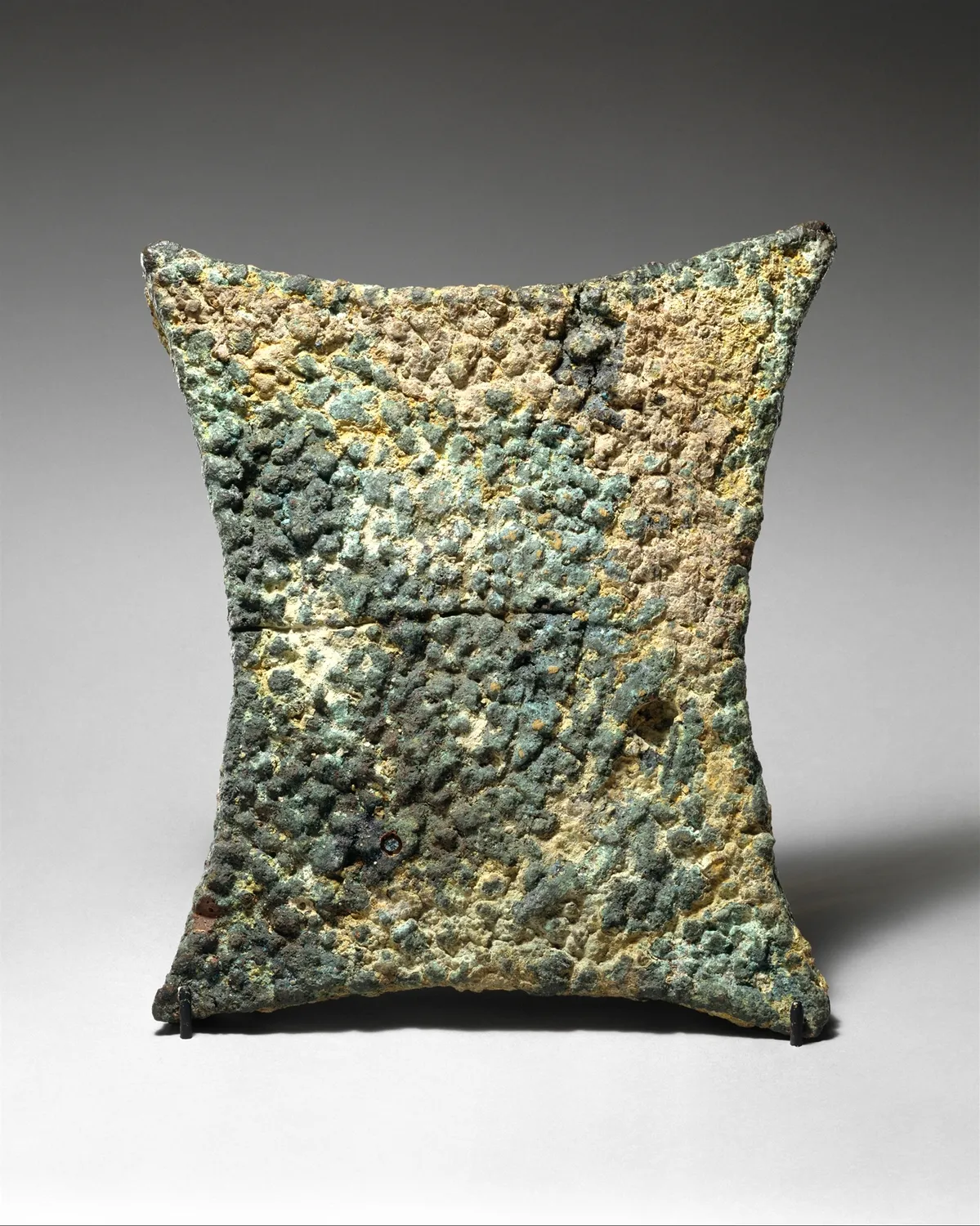 Copper Metallurgy in Ancient CyprusThe mining, smelting and casting of the Troodos sulphide ores, from hammered Chalcolithic native copper to Late Bronze Age oxhide ingots and Archaic slag heaps.ChalcolithicEarly Bronze AgeMiddle Bronze AgeLate Bronze AgeCypro-GeometricCypro-Archaic
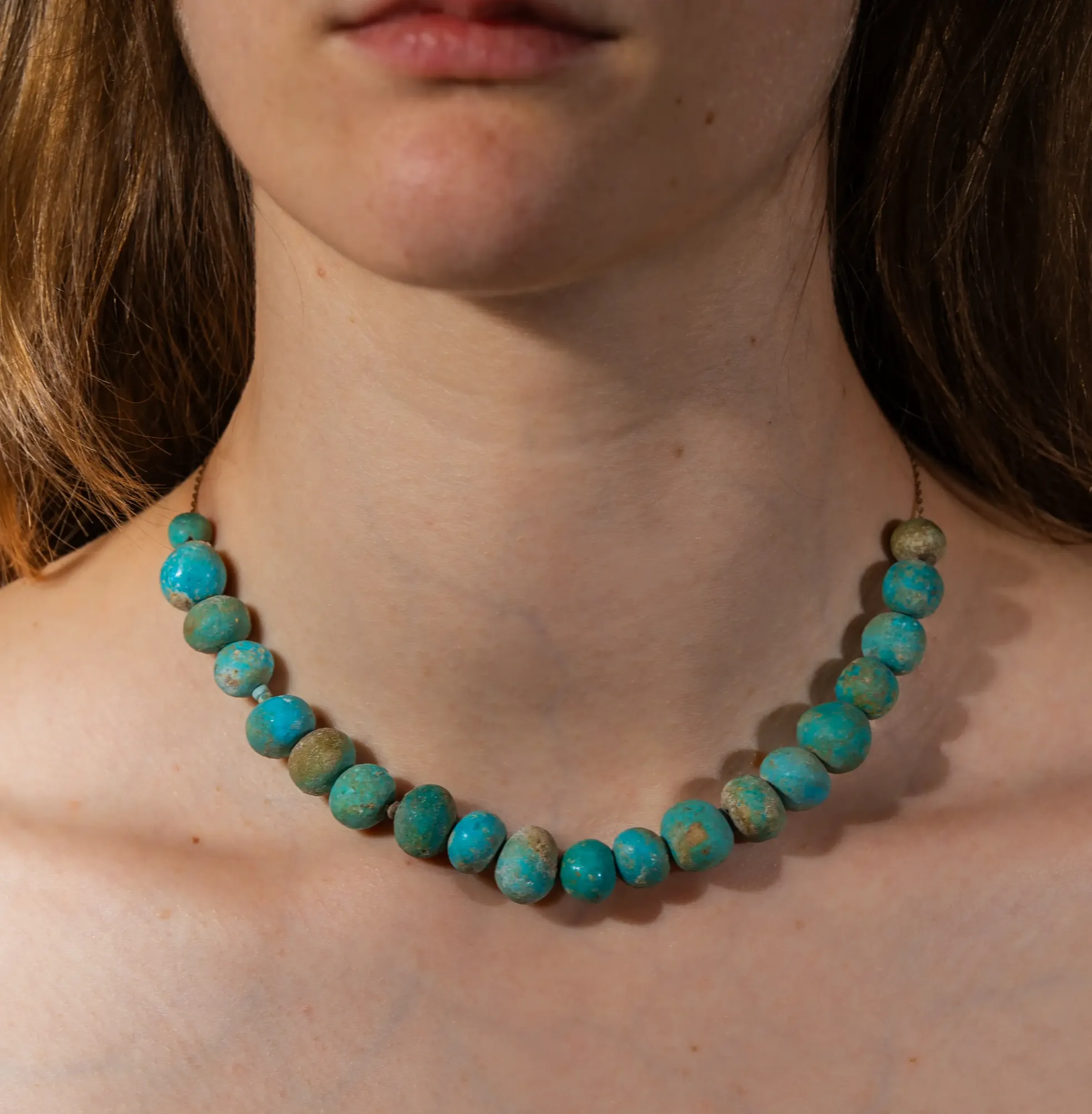
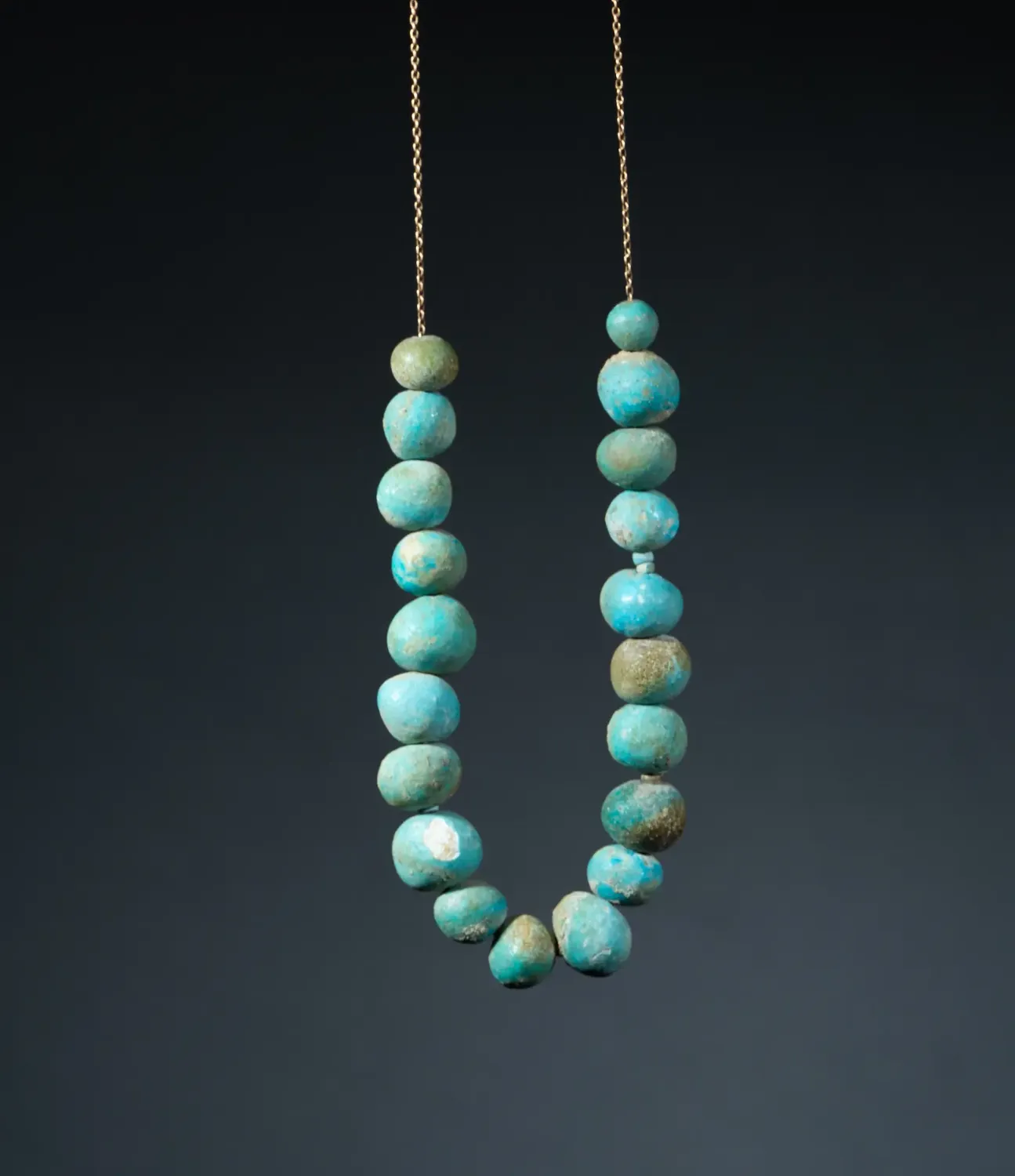 Faience in Ancient CyprusA glazed quartz-paste material found on Cyprus as beads, vessels and amulets from the Chalcolithic onward, though no local workshop has been identified.ChalcolithicMiddle Bronze AgeLate Bronze AgeCypro-GeometricCypro-Archaic
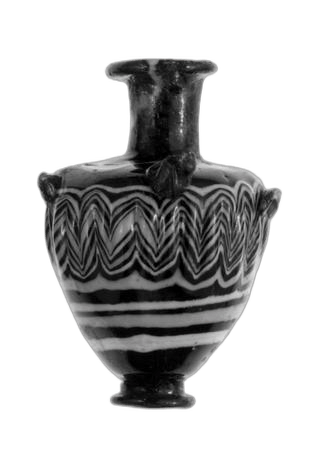
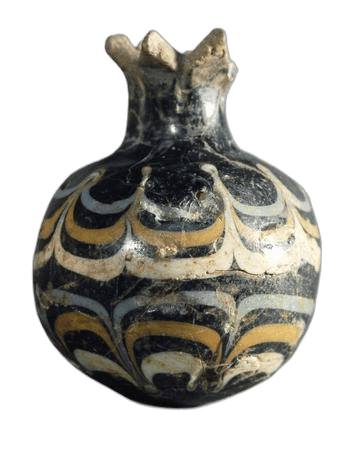 Glass in Ancient CyprusGlass vessels found on Cyprus from the Late Bronze Age to the Roman period, mostly from tombs, with local workshops argued but never excavated.Late Bronze AgeCypro-ClassicalHellenisticRoman
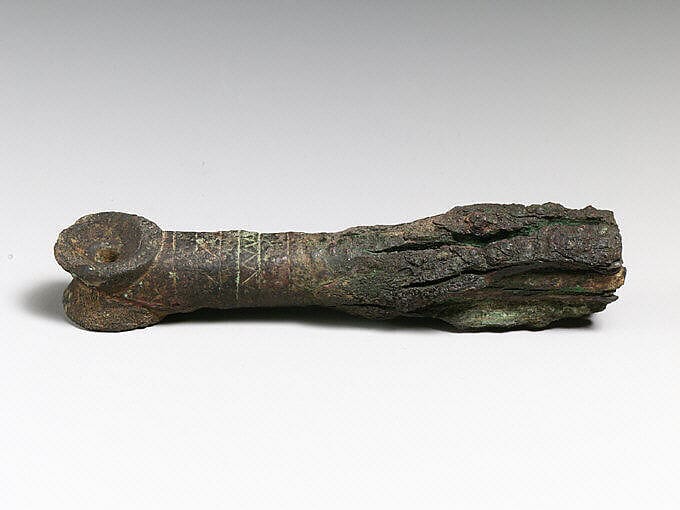 Gold, Silver, Tin, Arsenic and Iron in Ancient CyprusThe metals other than copper used by Cypriot smiths from the Philia facies to the 12th century BCE, including arsenic, tin, gold, electrum, silver, lead and iron.Early Bronze AgeMiddle Bronze AgeLate Bronze Age
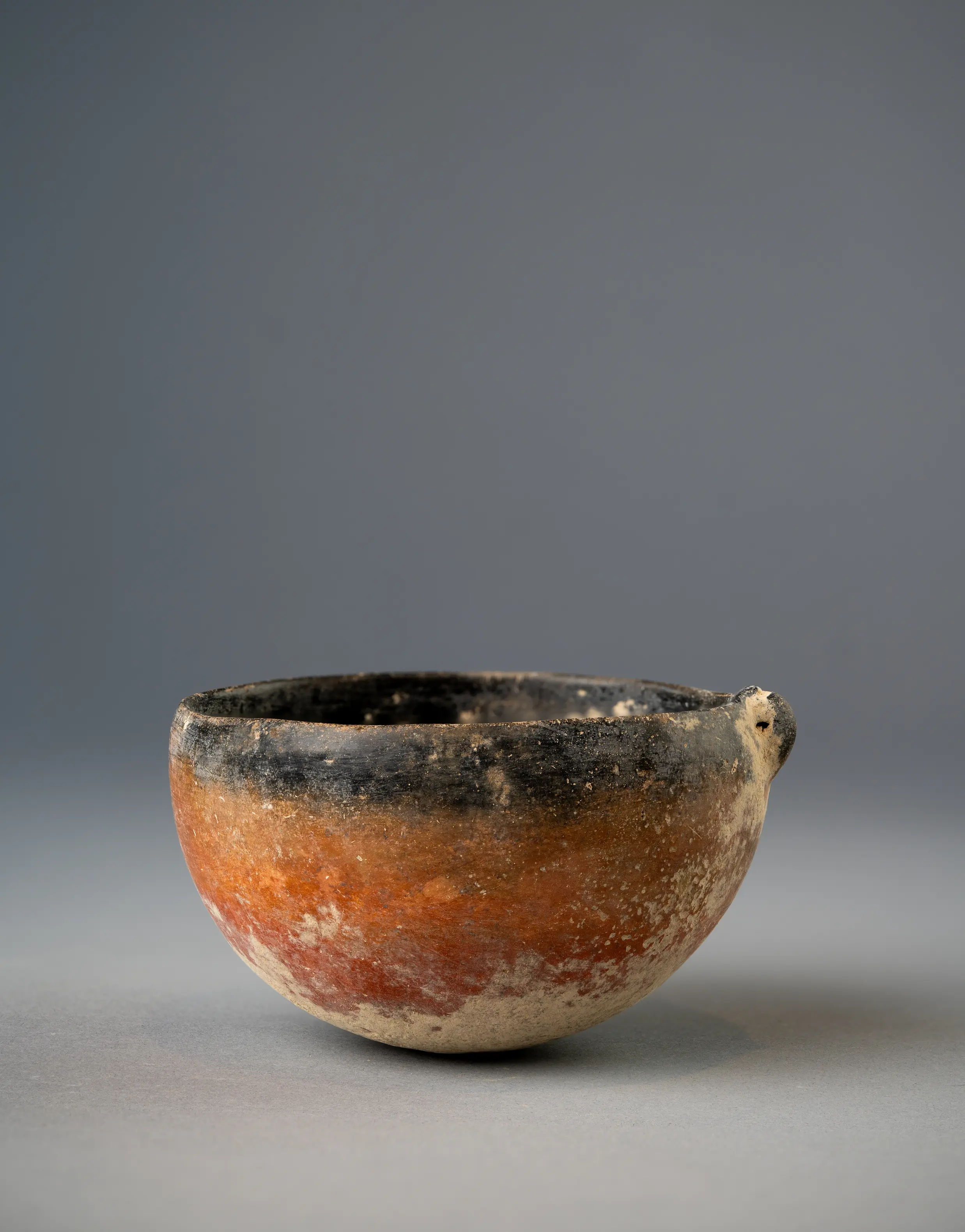 Pottery Kilns and Firing in Ancient CyprusHow Cypriot potters fired their wares, mostly in open fires and pits until the Late Bronze Age, when the first kilns and the potter's wheel appear.ChalcolithicEarly Bronze AgeMiddle Bronze AgeLate Bronze Age
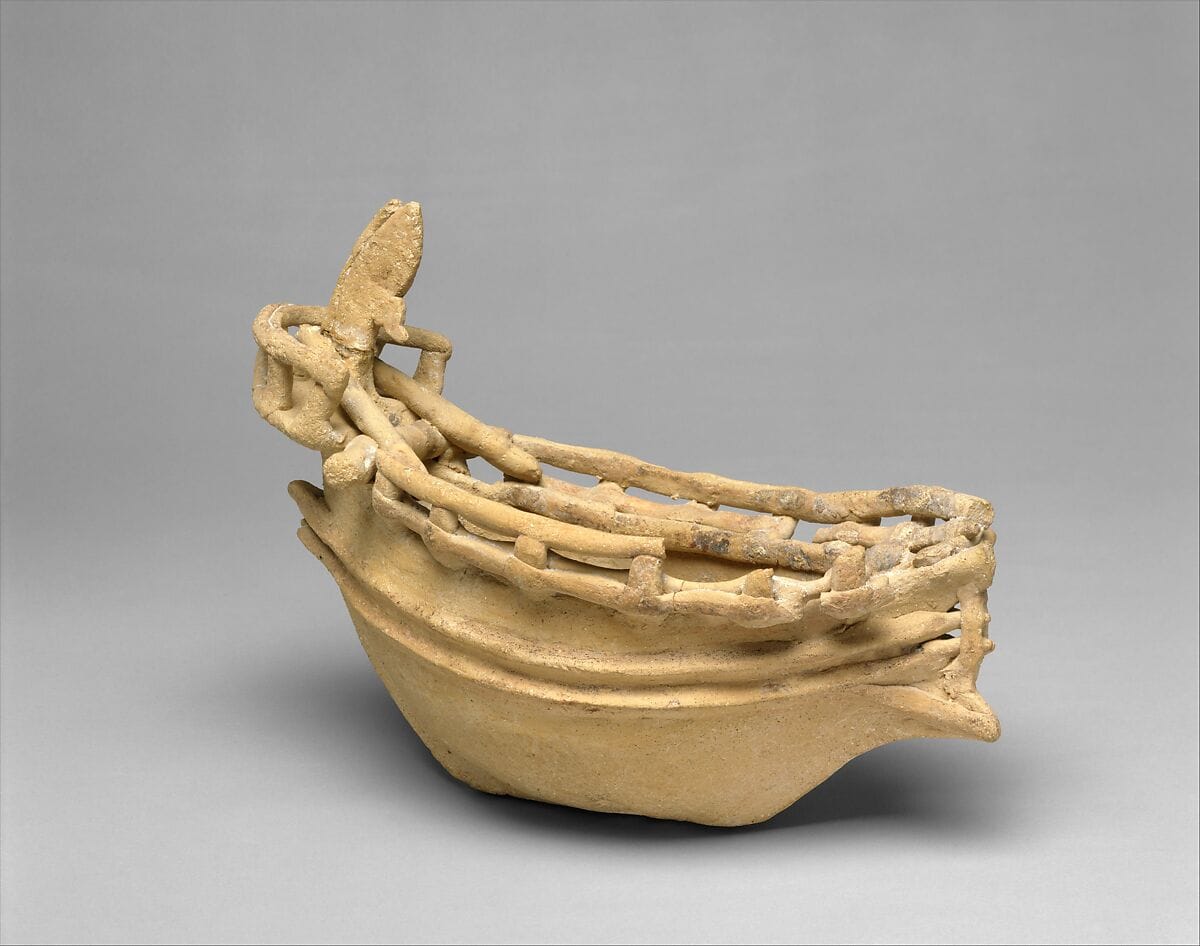 Seafaring and Ships in Ancient CyprusThe evidence for boats and seafaring around Cyprus from the first crossings to the Classical period, from anchors, models and graffiti to wrecks and shipsheds.NeolithicEarly Bronze AgeMiddle Bronze AgeLate Bronze AgeCypro-ArchaicCypro-Classical
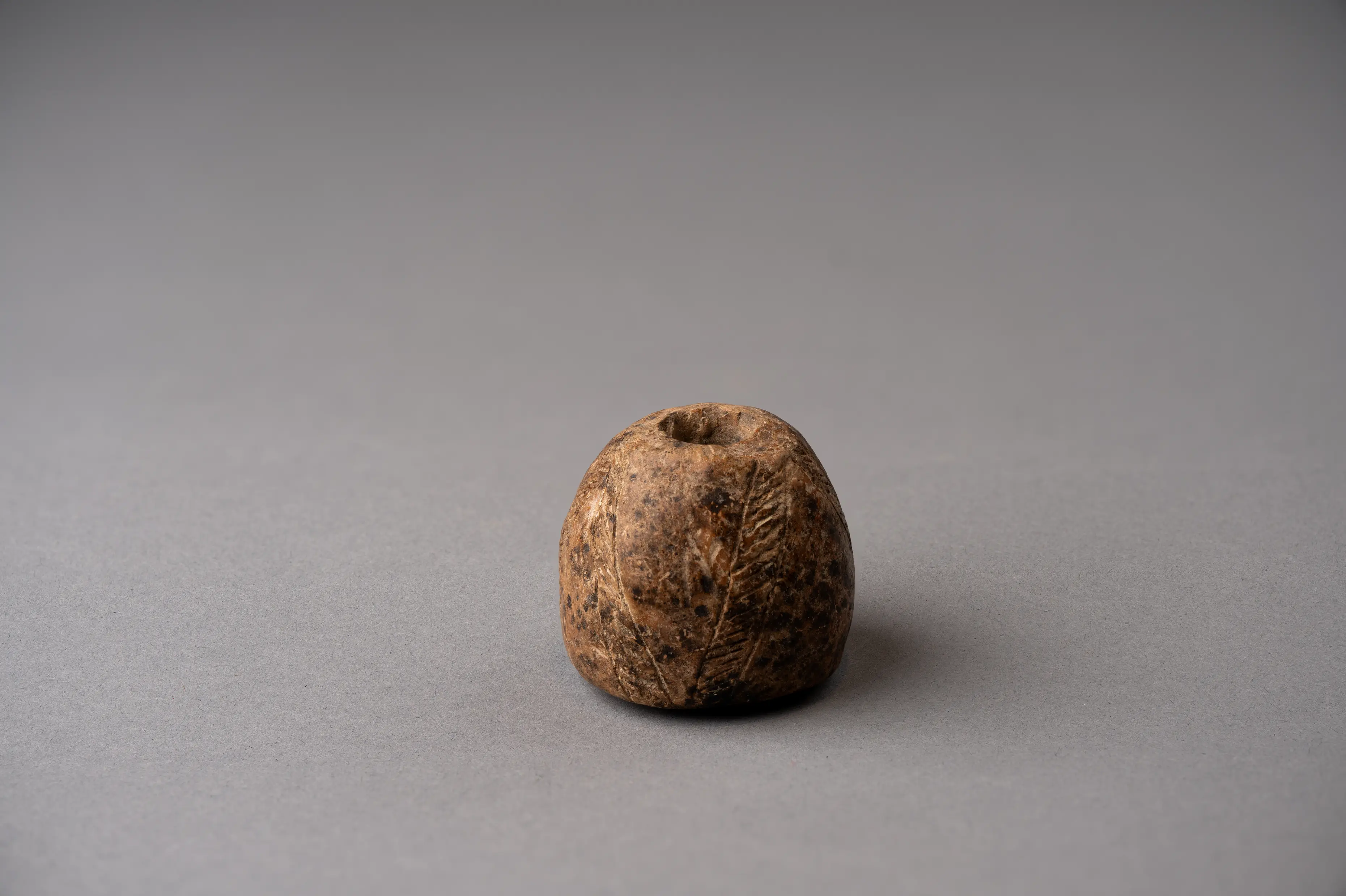 Spindle Whorls and Textile Tools in Ancient CyprusThe tools of spinning, weaving and dyeing in ancient Cyprus, from Neolithic bone needles to the terracotta whorls and loom weights of the Bronze Age.NeolithicChalcolithicEarly Bronze AgeMiddle Bronze AgeLate Bronze Age
 Tools and Technologies of Ancient CyprusSectionThe crafts and technologies of ancient Cyprus, from Neolithic stone and bone toolkits through copper metallurgy and the potter's wheel to early iron.NeolithicChalcolithicEarly Bronze AgeMiddle Bronze AgeLate Bronze AgeCypro-Geometric
Cultures
7 entriesSection overview
 EgyptAncient Egypt, Cyprus's partner in copper, pottery and prestige goods from the Middle Kingdom to the Ptolemies, who annexed the island.Middle Bronze AgeLate Bronze AgeCypro-ArchaicCypro-ClassicalHellenistic
- Hittite Empire and CyprusThe Late Bronze Age Anatolian empire that claimed Alashiya as a tributary but left almost no material trace on Cyprus.Late Bronze Age
- Neighboring CulturesSectionCyprus's relations with Anatolia, the Levant, Egypt, the Aegean and the Near Eastern empires, from the Chalcolithic to the Cypro-Archaic period.ChalcolithicEarly Bronze AgeMiddle Bronze AgeLate Bronze AgeCypro-GeometricCypro-Archaic
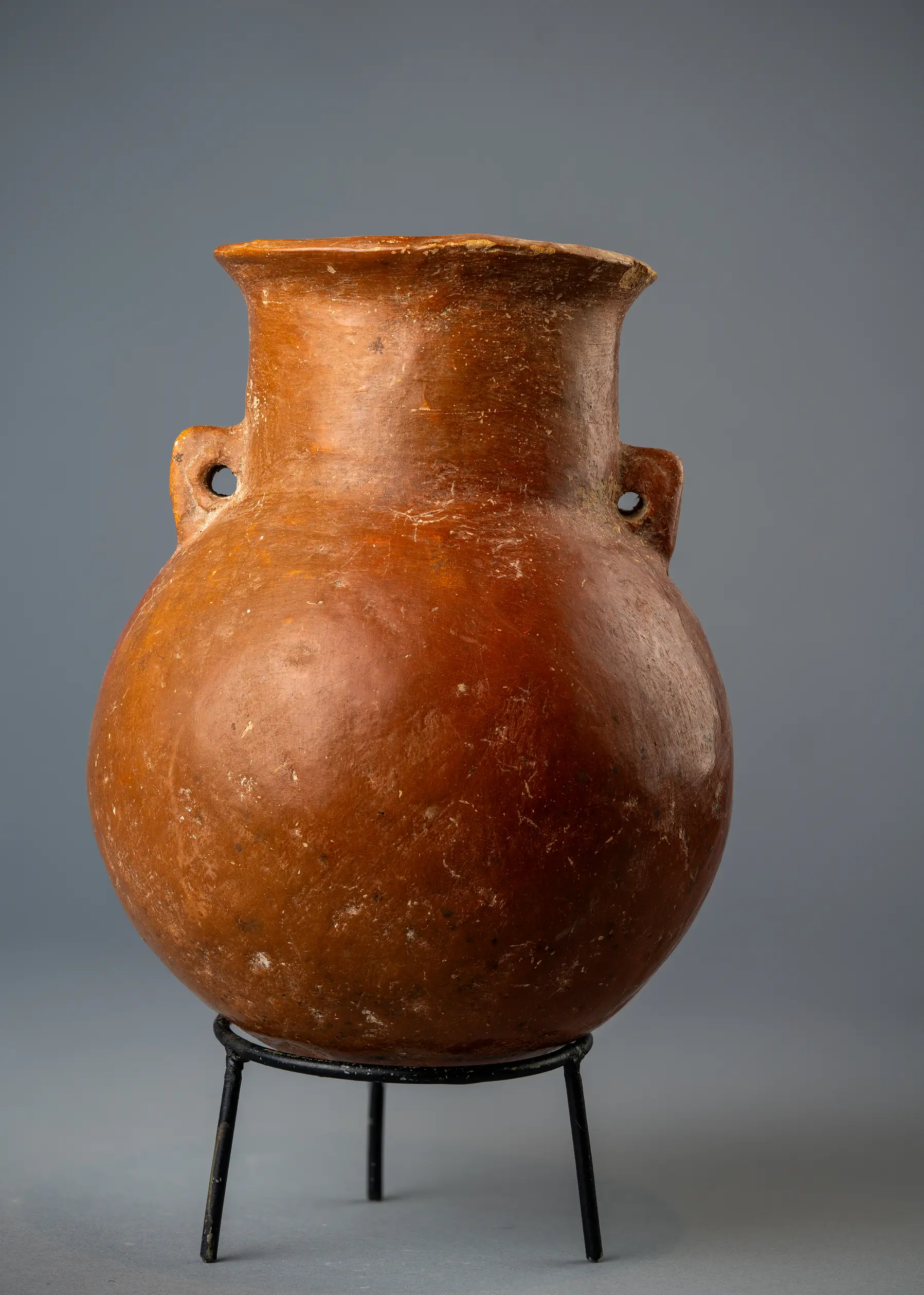 The MinoansThe palatial Bronze Age civilization of Crete, which took Cypriot copper and passed writing to Cyprus in the early Late Bronze Age.Early Bronze AgeMiddle Bronze AgeLate Bronze Age
- The Mycenaeans and CyprusThe palatial Late Bronze Age societies of mainland Greece, whose pottery flooded Cypriot coastal towns in the 14th and 13th centuries BCE.Late Bronze Age
- The PhilistinesThe 12th-century BCE newcomers to the southern Levantine coast, whose Aegean-style pottery, hearths and houses derive most directly from Cyprus.Late Bronze Age
- Ugarit and the LevantThe Syrian port kingdom of Ugarit and the wider Levantine coast, Cyprus's closest Bronze Age trading partners across the water.Middle Bronze AgeLate Bronze AgeCypro-Geometric
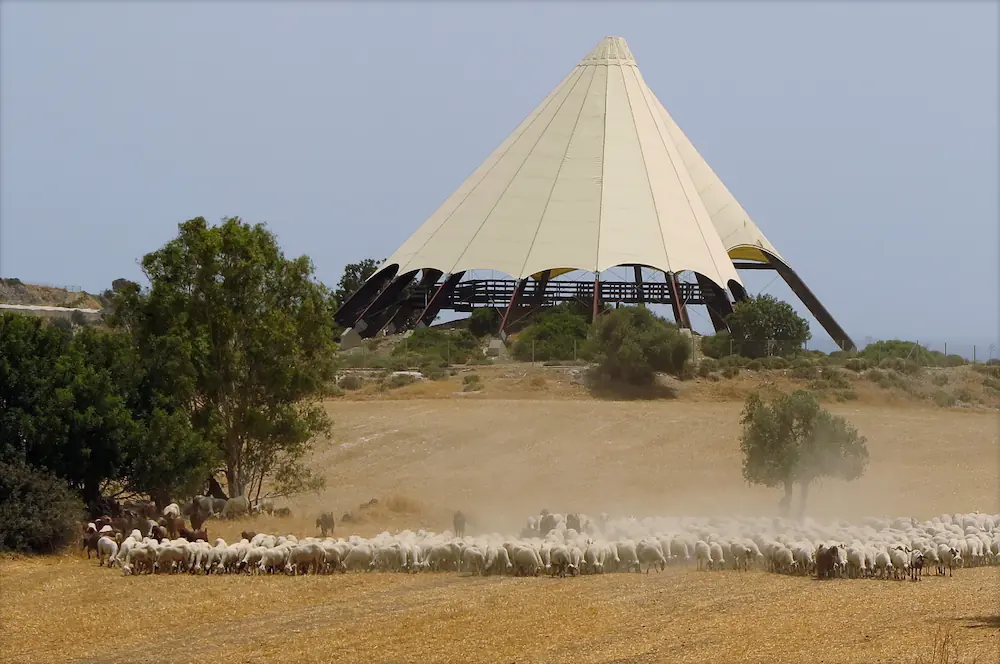
Architecture
1 entrySection overview
Mortuary Practices
2 entriesSection overview
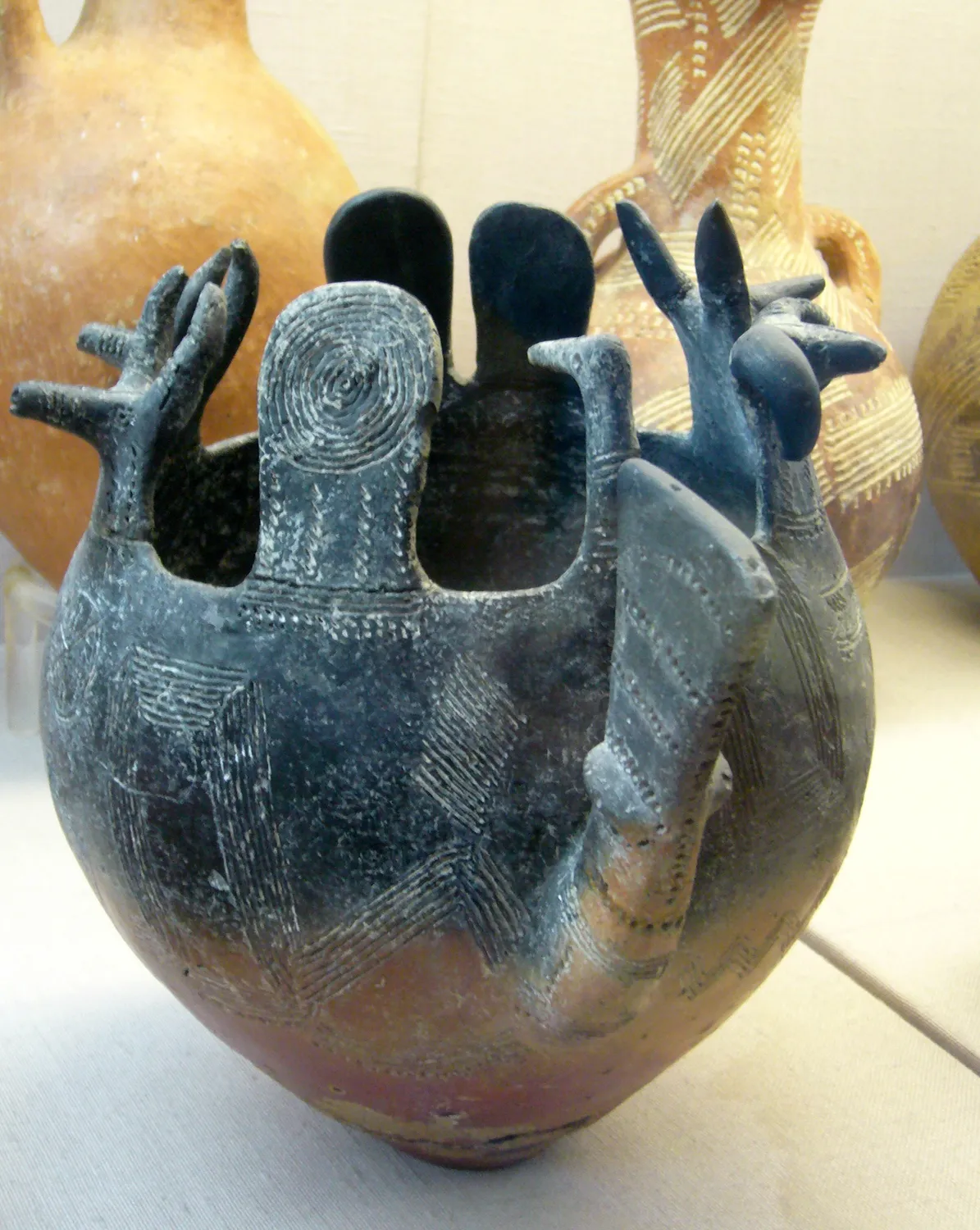 Bronze Age Chamber TombsRock-cut chambers entered by a dromos and reopened for successive burials were the standard Cypriot grave from the Philia phase to the end of the Bronze Age.Early Bronze AgeMiddle Bronze AgeLate Bronze Age
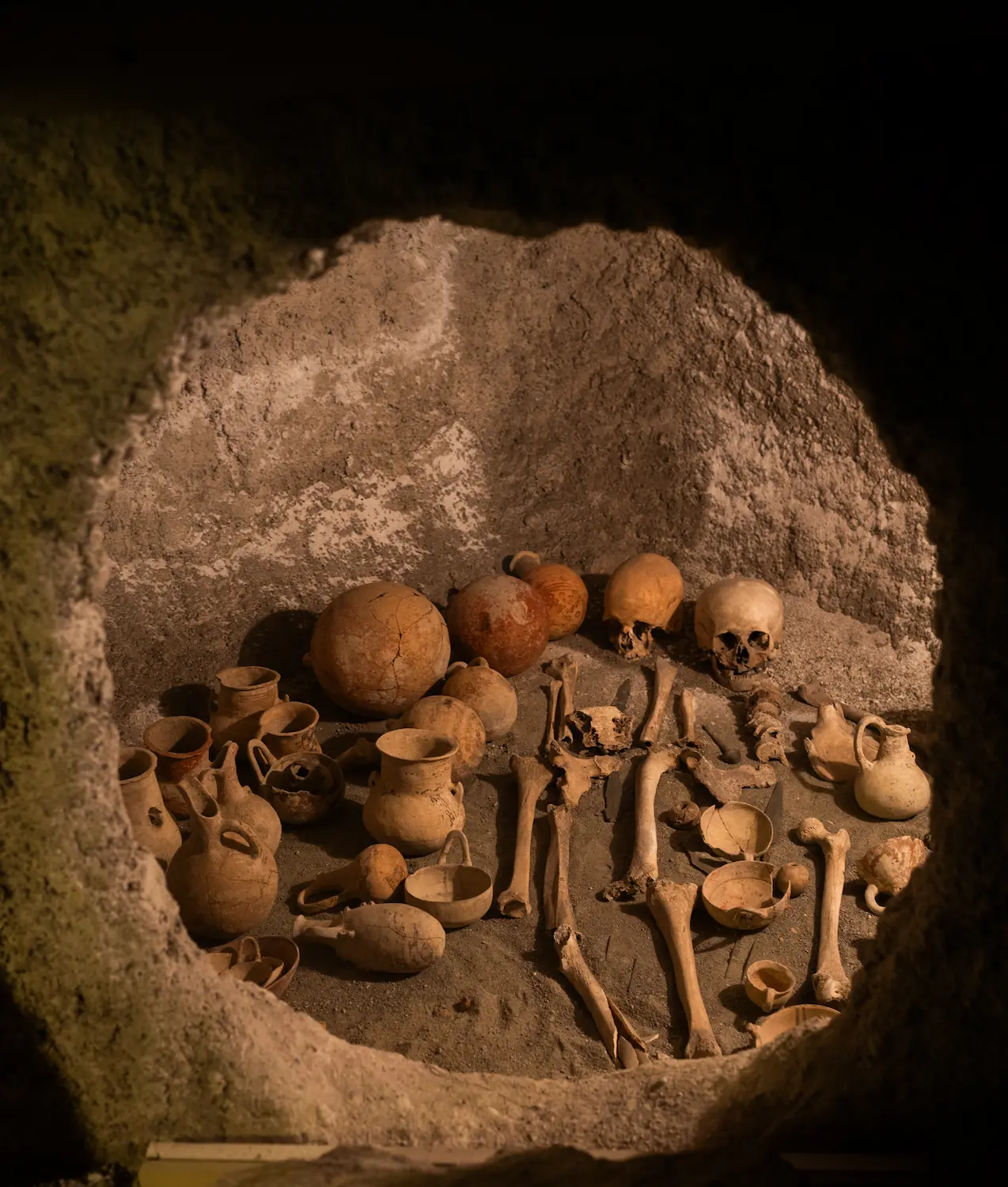 Society, Ritual, and Identity in Ancient Cypriot Mortuary PracticeSectionHow the people of ancient Cyprus buried and remembered their dead, from graves beneath Neolithic houses to rock-cut chamber tombs and Iron Age royal tombs.NeolithicChalcolithicEarly Bronze AgeMiddle Bronze AgeLate Bronze AgeCypro-Geometric
Daily Life
10 entriesSection overview
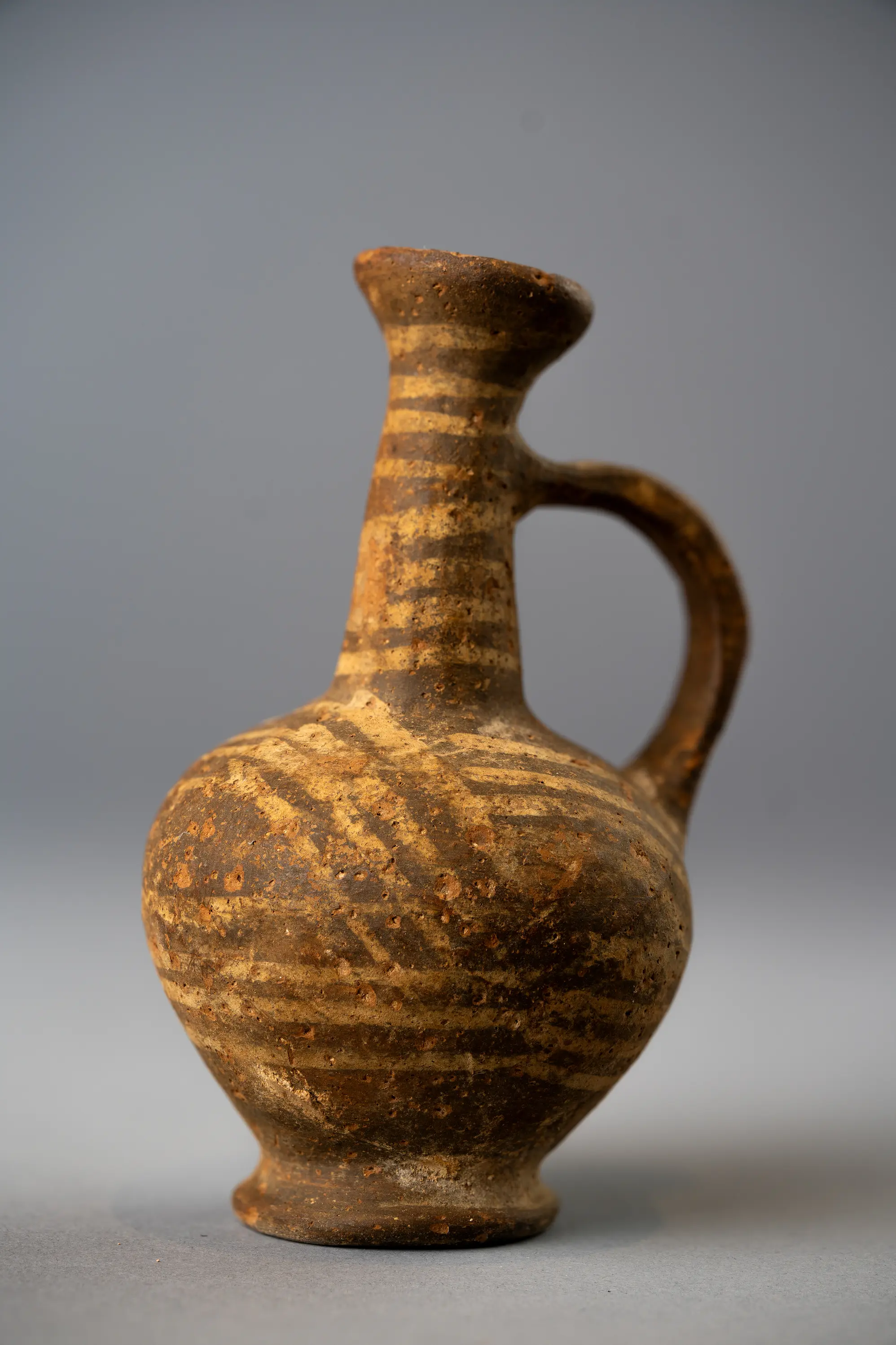 Village Life in Late Bronze Age CyprusRural life in Late Cypriot Cyprus outside the towns, pieced together from a few excavated farming, mining, storage and pottery-making sites.Late Bronze Age
- Clothing and Dress in Ancient CyprusWhat Cypriots wore from the Neolithic to the Cypro-Classical period, reconstructed from figurines, statues, textile tools and metal fasteners.NeolithicChalcolithicEarly Bronze AgeMiddle Bronze AgeLate Bronze AgeCypro-GeometricCypro-ArchaicCypro-Classical
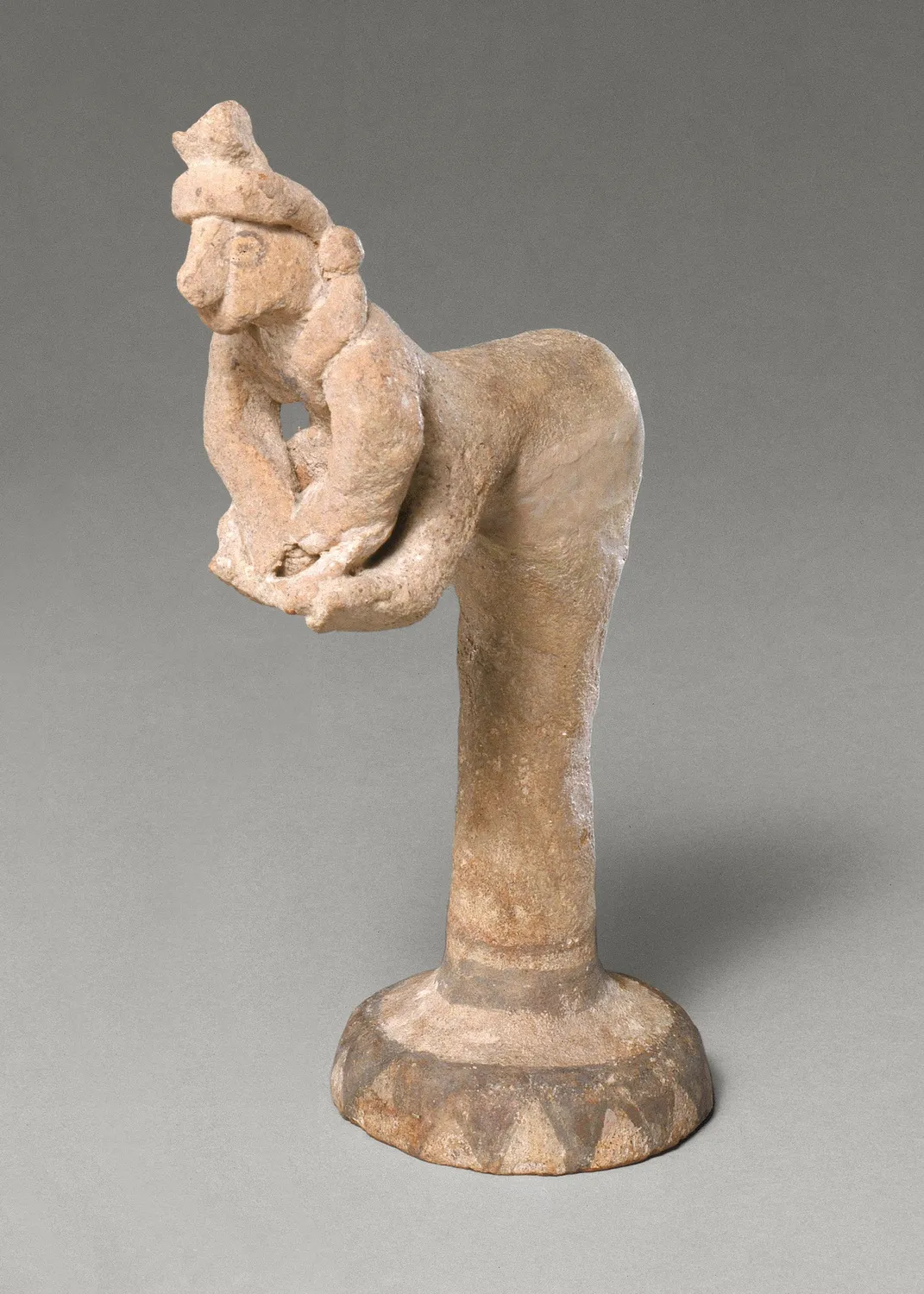 Food and Diet in Ancient CyprusWhat Cypriots grew, herded, hunted, cooked and drank from the first Neolithic villages to the end of the Cypro-Archaic period.NeolithicChalcolithicEarly Bronze AgeMiddle Bronze AgeLate Bronze AgeCypro-GeometricCypro-Archaic
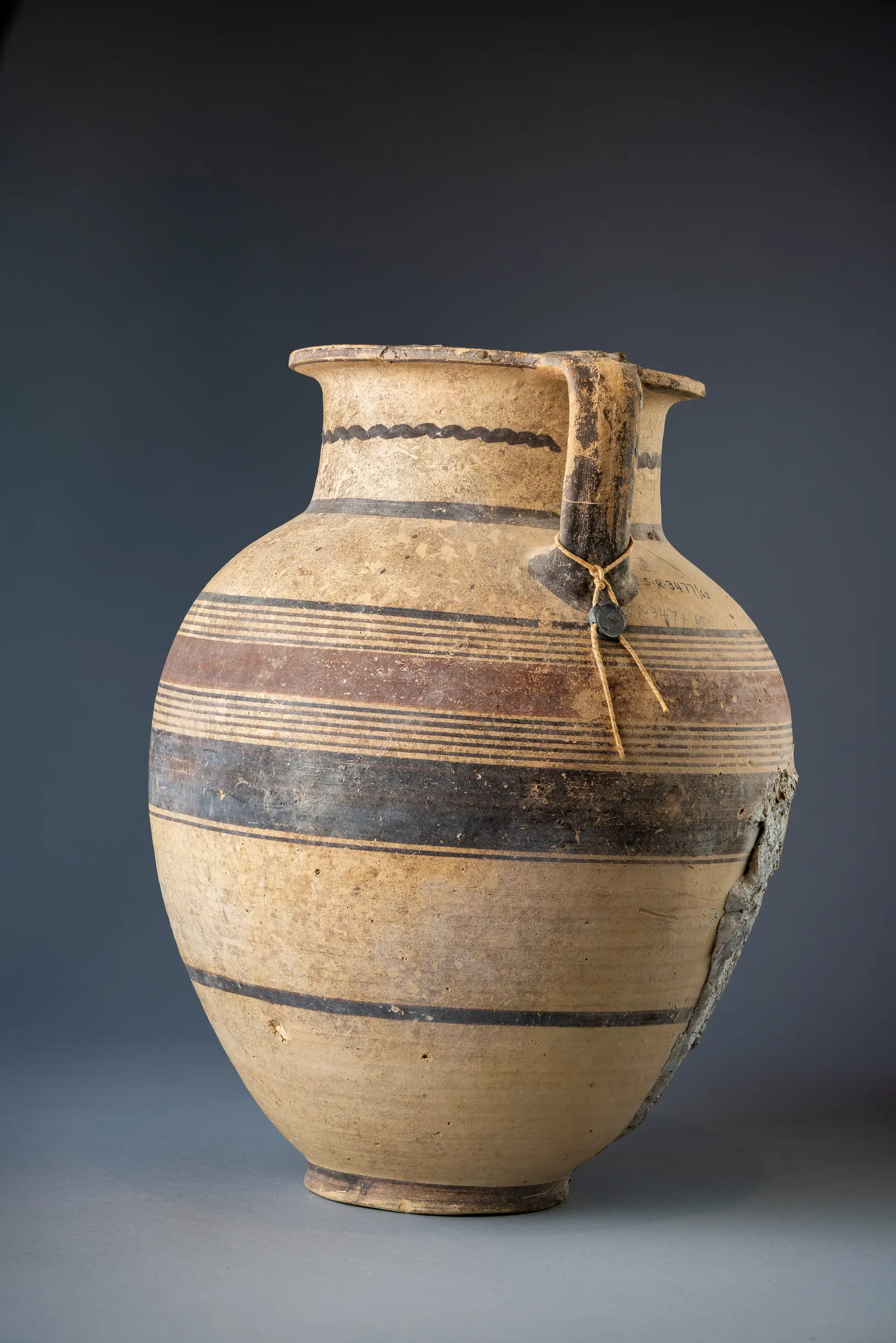 Food Storage in Ancient Cyprus: Pits, Pithoi and StoreroomsHow Cypriots stored grain, oil and wine, from Chalcolithic pits and household jars to the great pithos halls of the Late Bronze Age towns.NeolithicChalcolithicEarly Bronze AgeMiddle Bronze AgeLate Bronze AgeCypro-GeometricCypro-Archaic
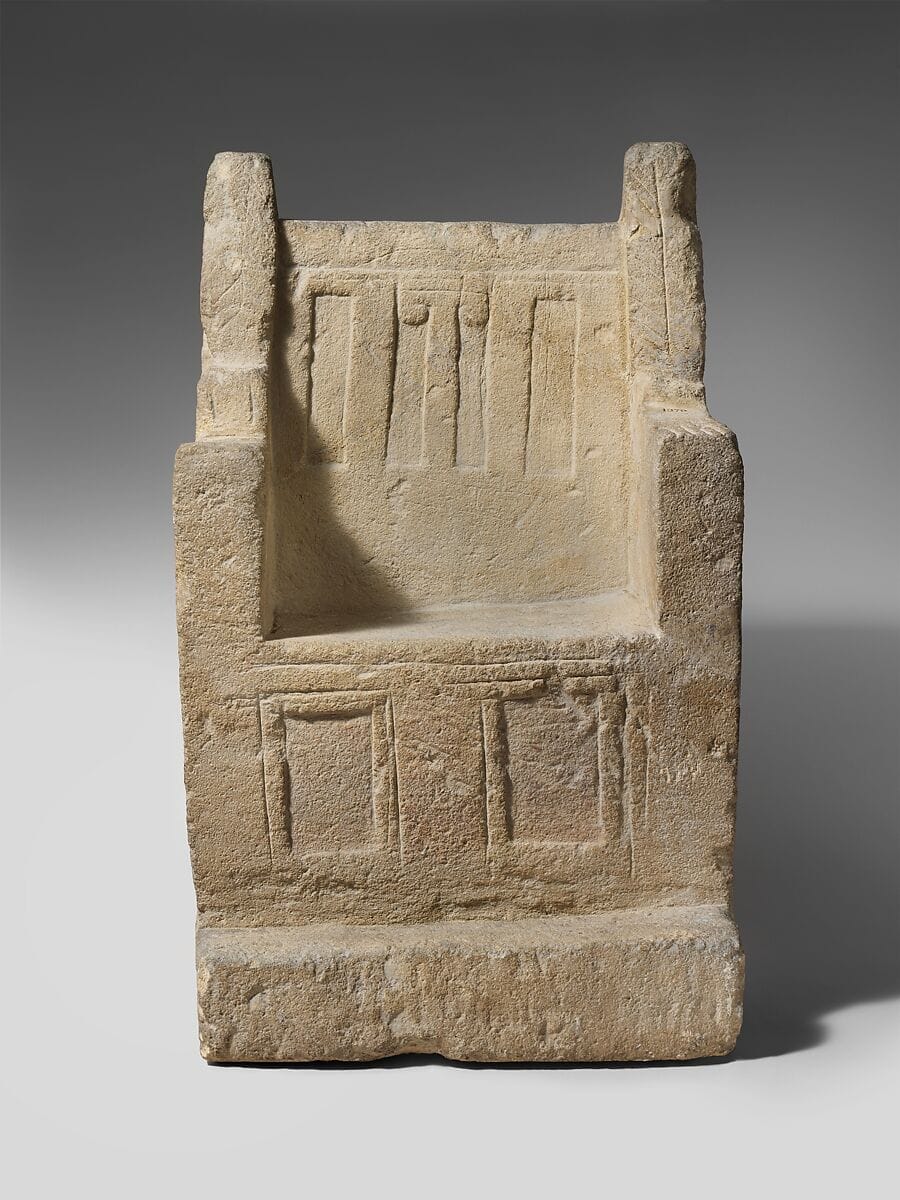 Furniture in Ancient CyprusHow Cypriots sat, slept and stored goods from the Neolithic to the Archaic kingdoms, known almost entirely from built benches, clay models, seals and royal tombs.NeolithicChalcolithicEarly Bronze AgeMiddle Bronze AgeLate Bronze AgeCypro-Archaic
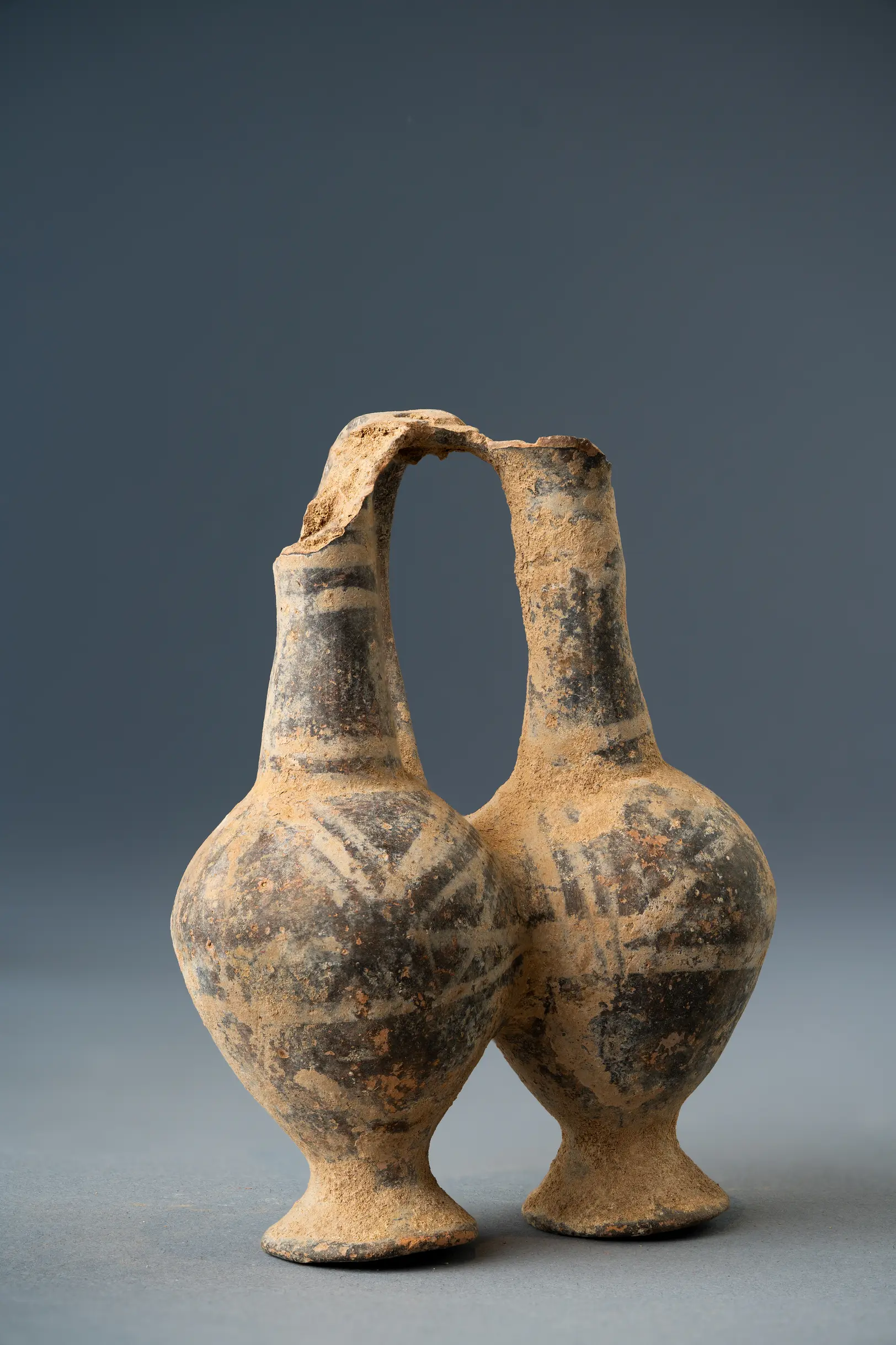 Medicine and Healing in Ancient CyprusDisease, drugs, doctors and healing cults in ancient Cyprus, from Neolithic skeletons to the physician Onasilos of Idalion in the early fifth century BCE.NeolithicLate Bronze AgeCypro-GeometricCypro-ArchaicCypro-Classical
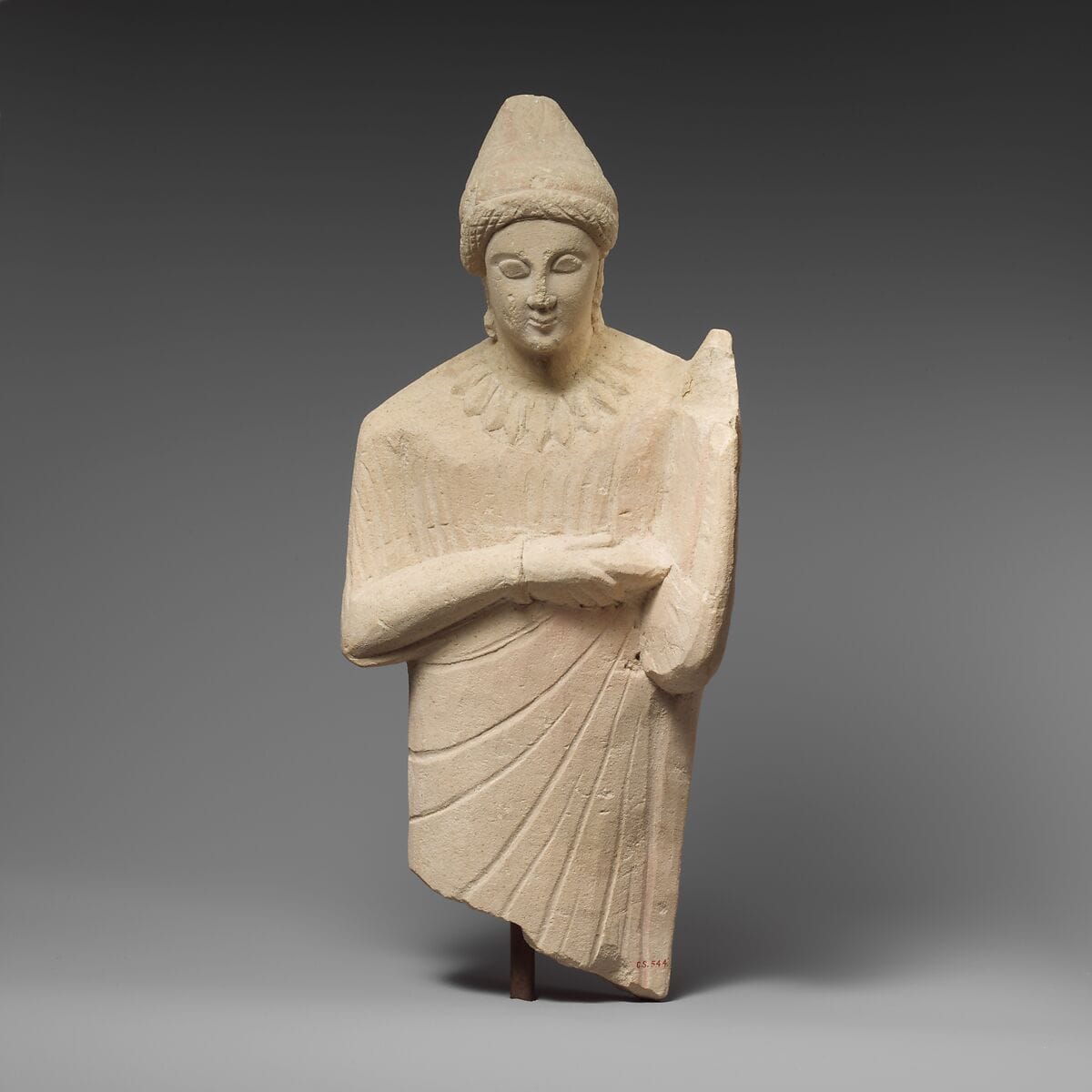 Music and Musical Instruments in Ancient CyprusLyres, double pipes, frame drums, cymbals and clay rattles in Cyprus from the Late Bronze Age to the Cypro-Classical period, known mostly from terracotta musicians.Late Bronze AgeCypro-GeometricCypro-ArchaicCypro-Classical
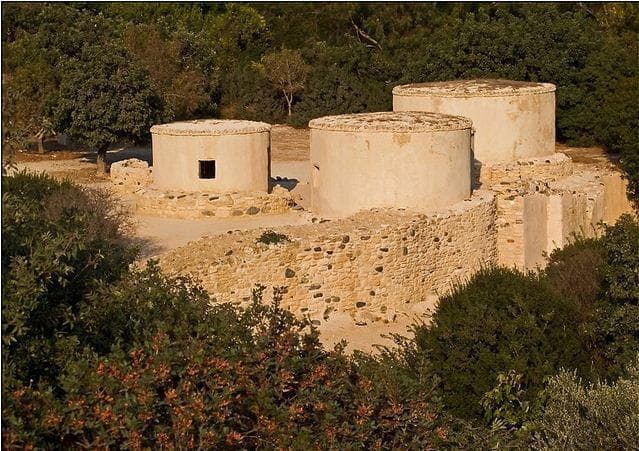 Population and Demography in Ancient CyprusThe methods and published estimates for how many people lived in ancient Cyprus, from Neolithic Khirokitia to the Classical kingdoms, where every figure is a model.NeolithicChalcolithicMiddle Bronze AgeLate Bronze AgeCypro-ArchaicCypro-Classical
- Subsistence, Craft, and Community in Prehistoric and Archaic CyprusSectionHow ordinary Cypriots farmed, herded, cooked, built houses and made pots, tools and cloth from the Neolithic to the Cypro-Archaic period.NeolithicChalcolithicEarly Bronze AgeMiddle Bronze AgeLate Bronze AgeCypro-Archaic
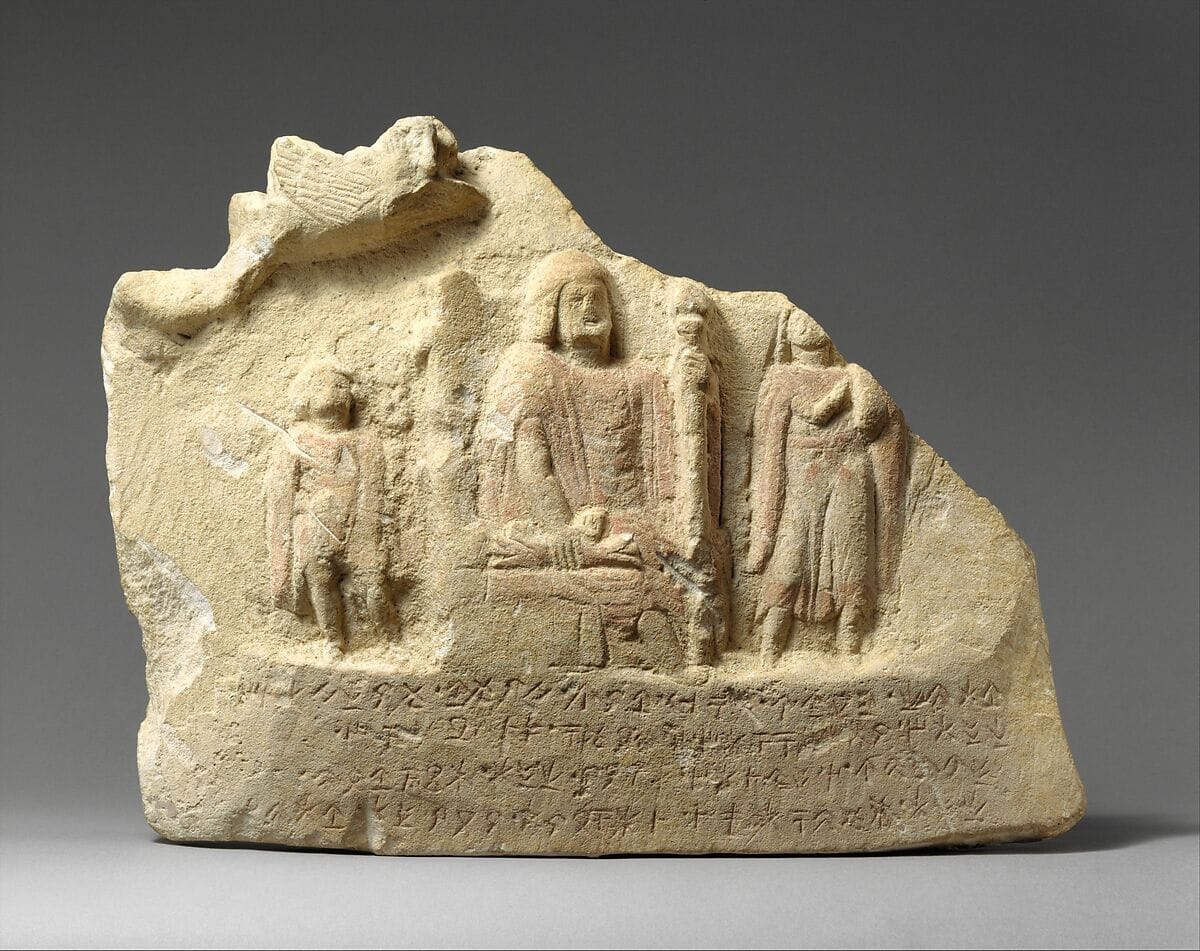 Writing and Literacy in Ancient CyprusThe scripts of ancient Cyprus, from undeciphered Cypro-Minoan to the Cypriot Syllabary, Eteocypriot, Phoenician and the Greek alphabet, and who used them.Late Bronze AgeCypro-GeometricCypro-ArchaicCypro-ClassicalHellenistic
Environment
2 entriesSection overview
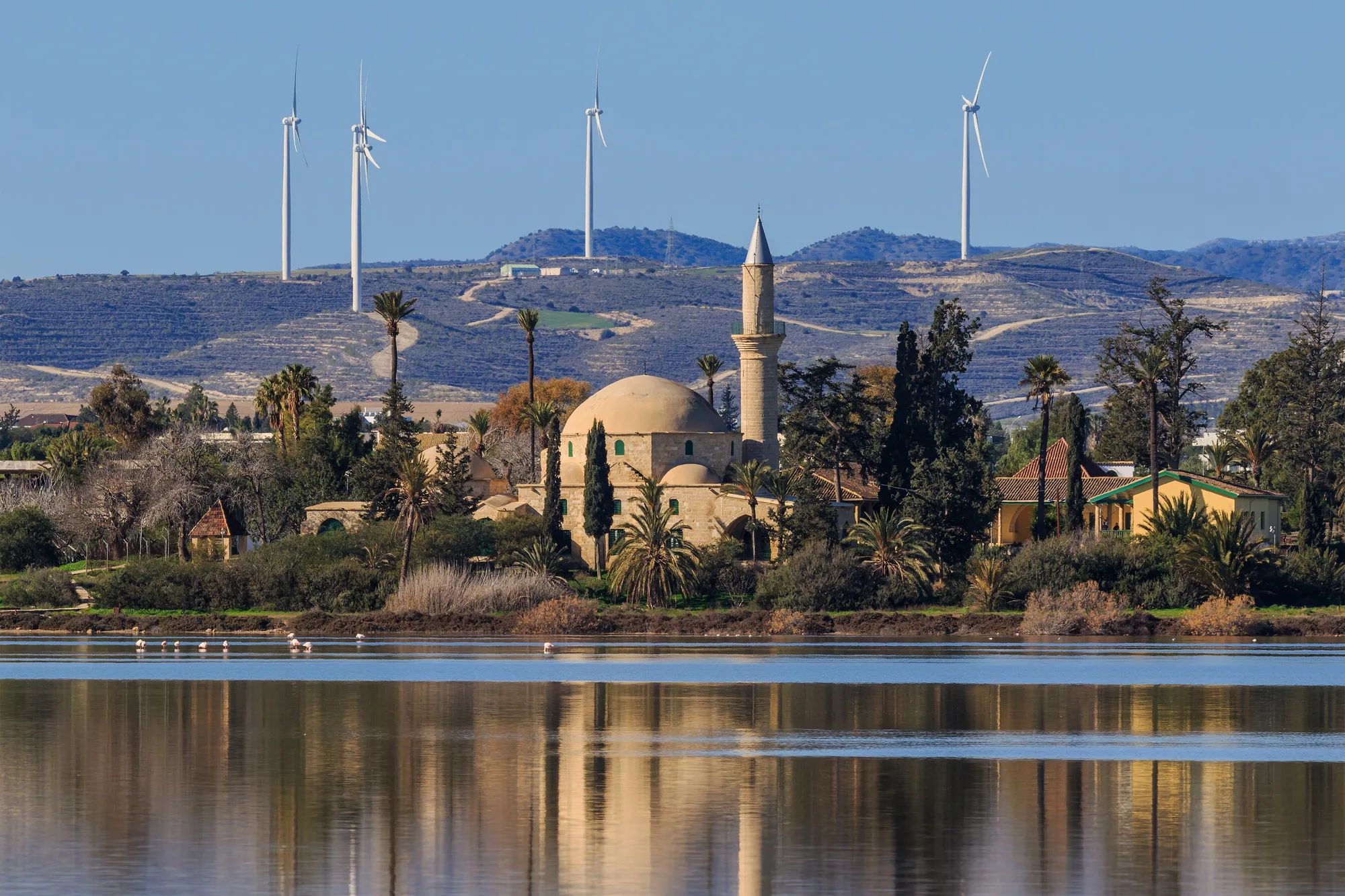 Climate and Landscape in Ancient CyprusWhat the island's own records show about sea level, coasts, rainfall and forests in Cyprus from the first farmers to the Hellenistic period.NeolithicLate Bronze AgeHellenistic
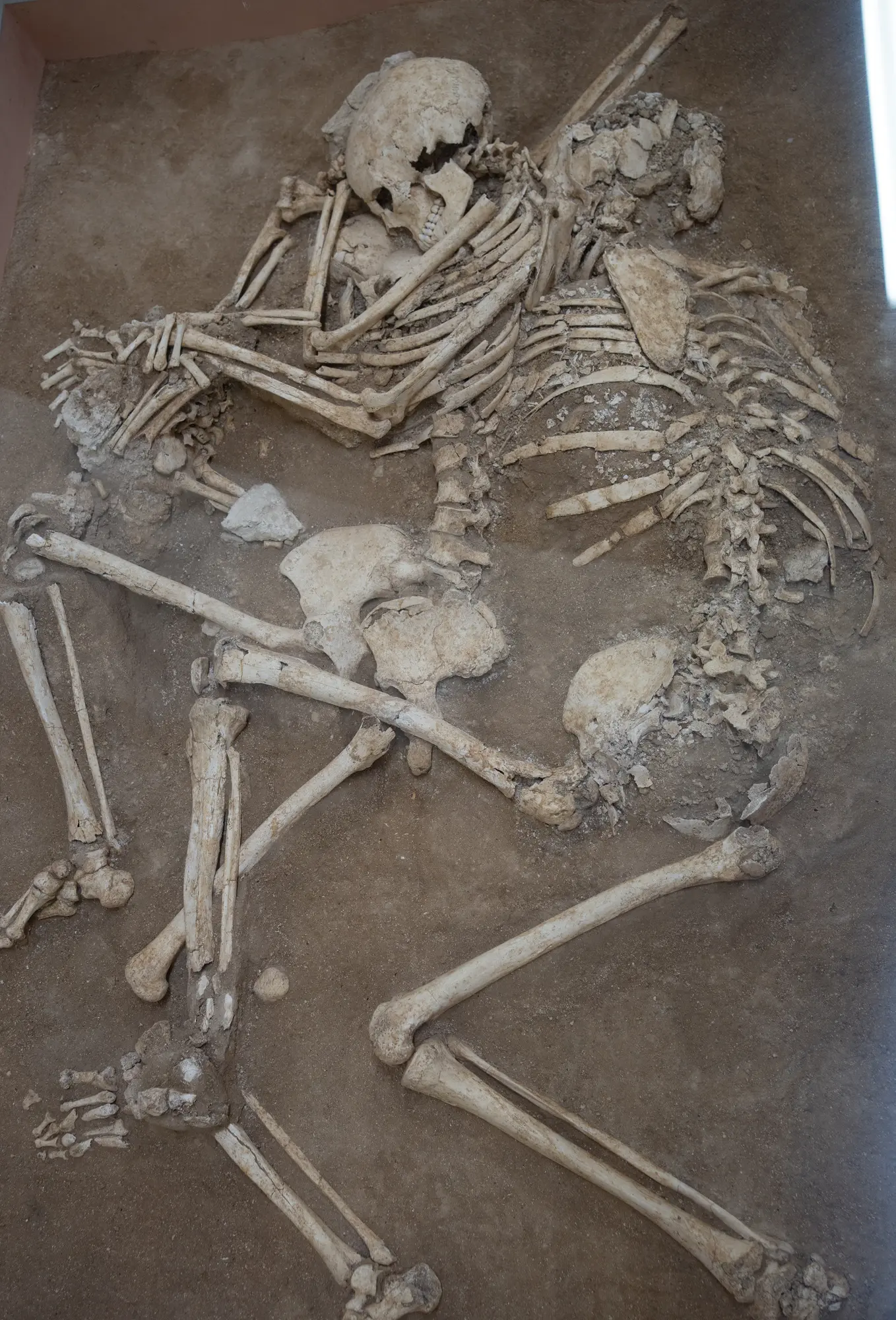 Earthquakes in Ancient CyprusThe earthquakes proposed for ancient Cyprus, from disputed Bronze Age destructions to the 4th-century CE shocks that left Kourion in ruins.Early Bronze AgeLate Bronze AgeRoman