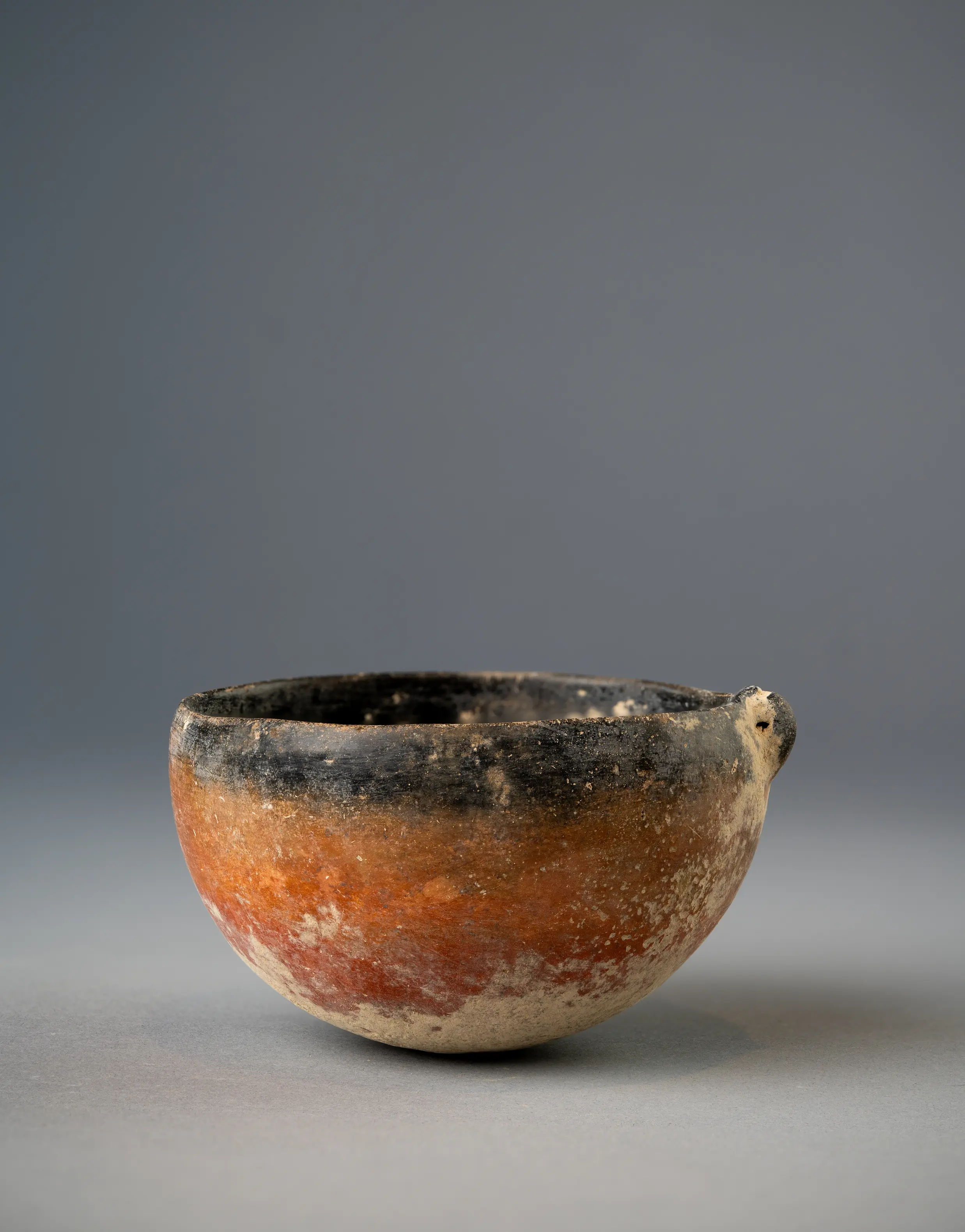
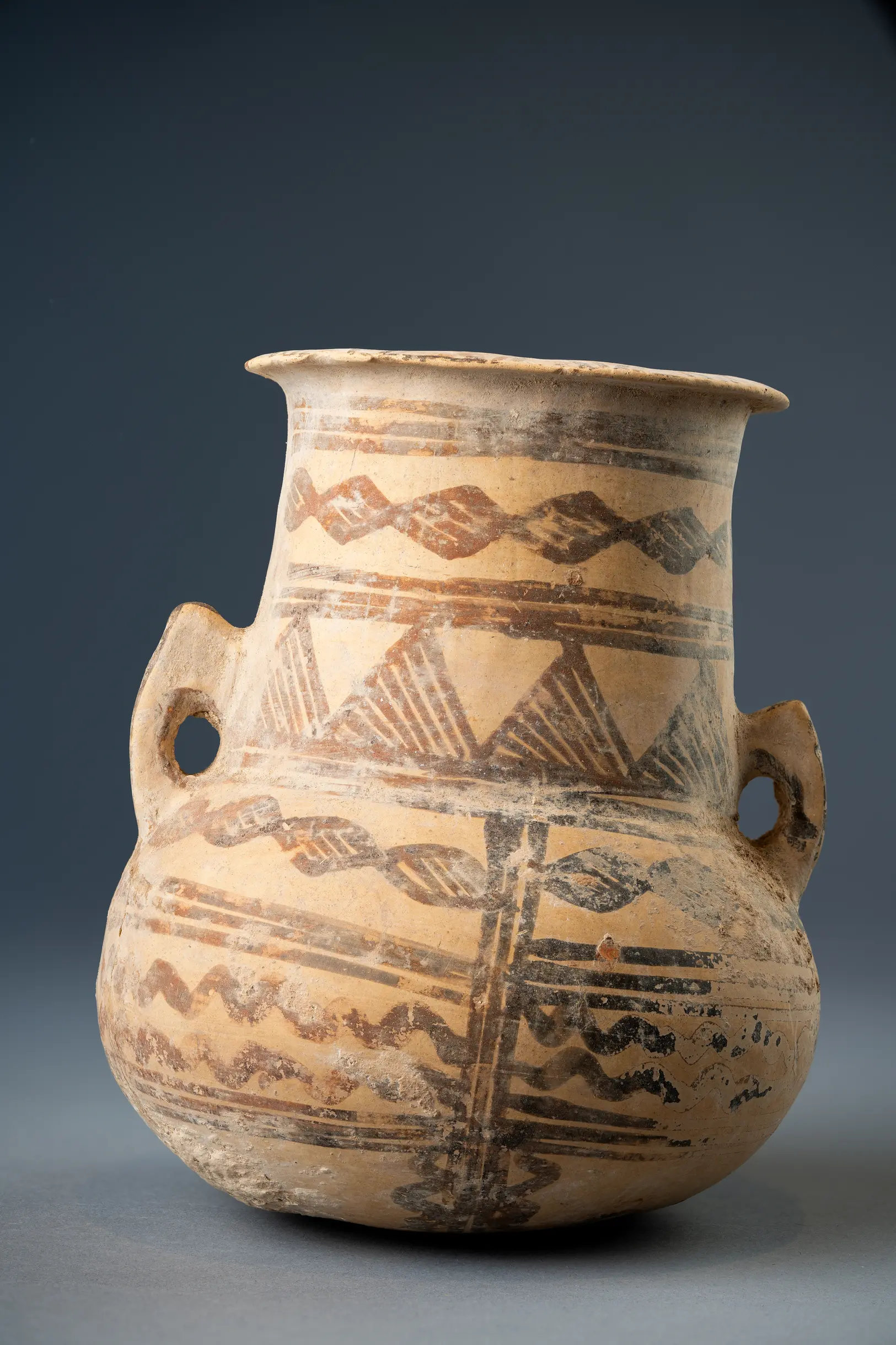
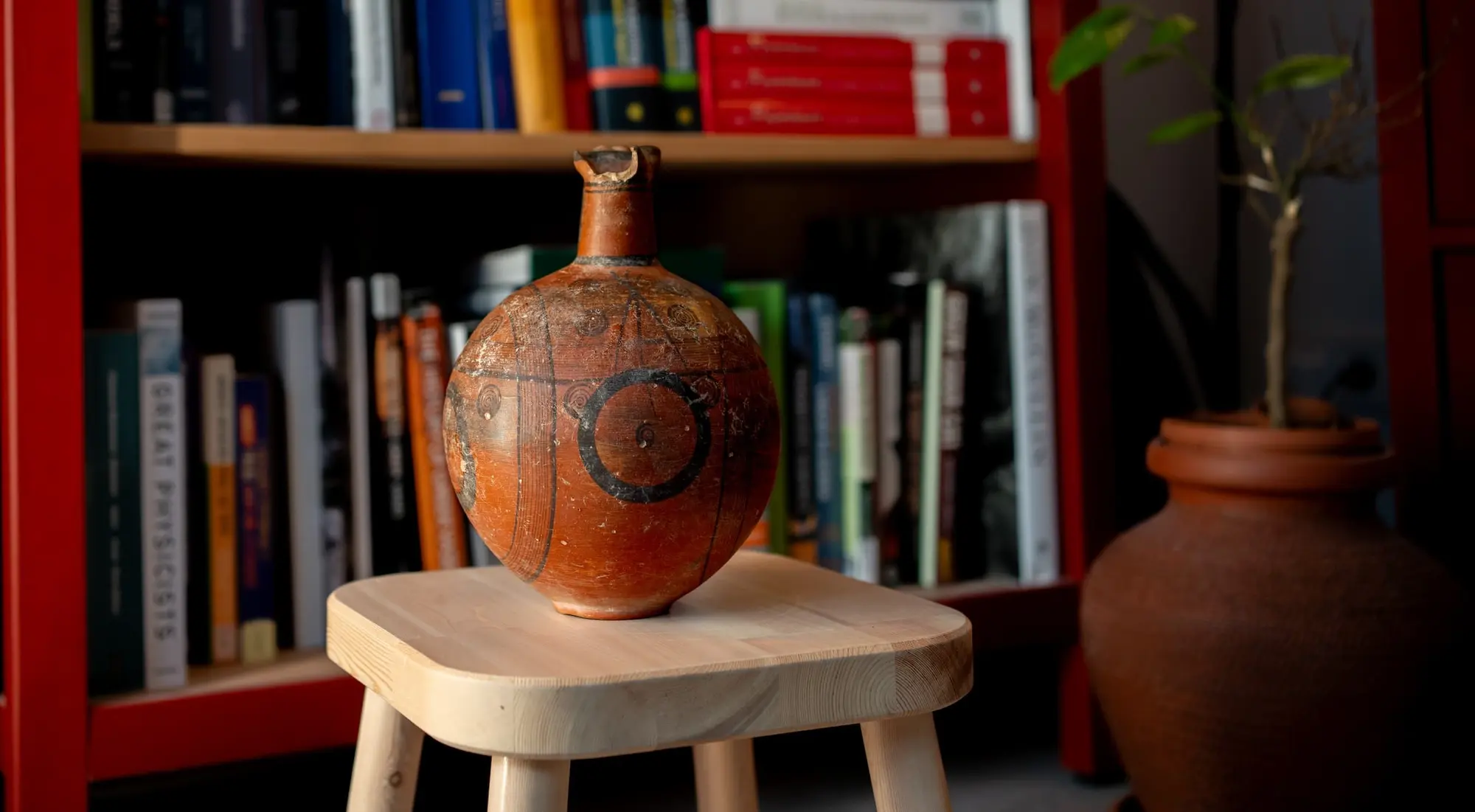
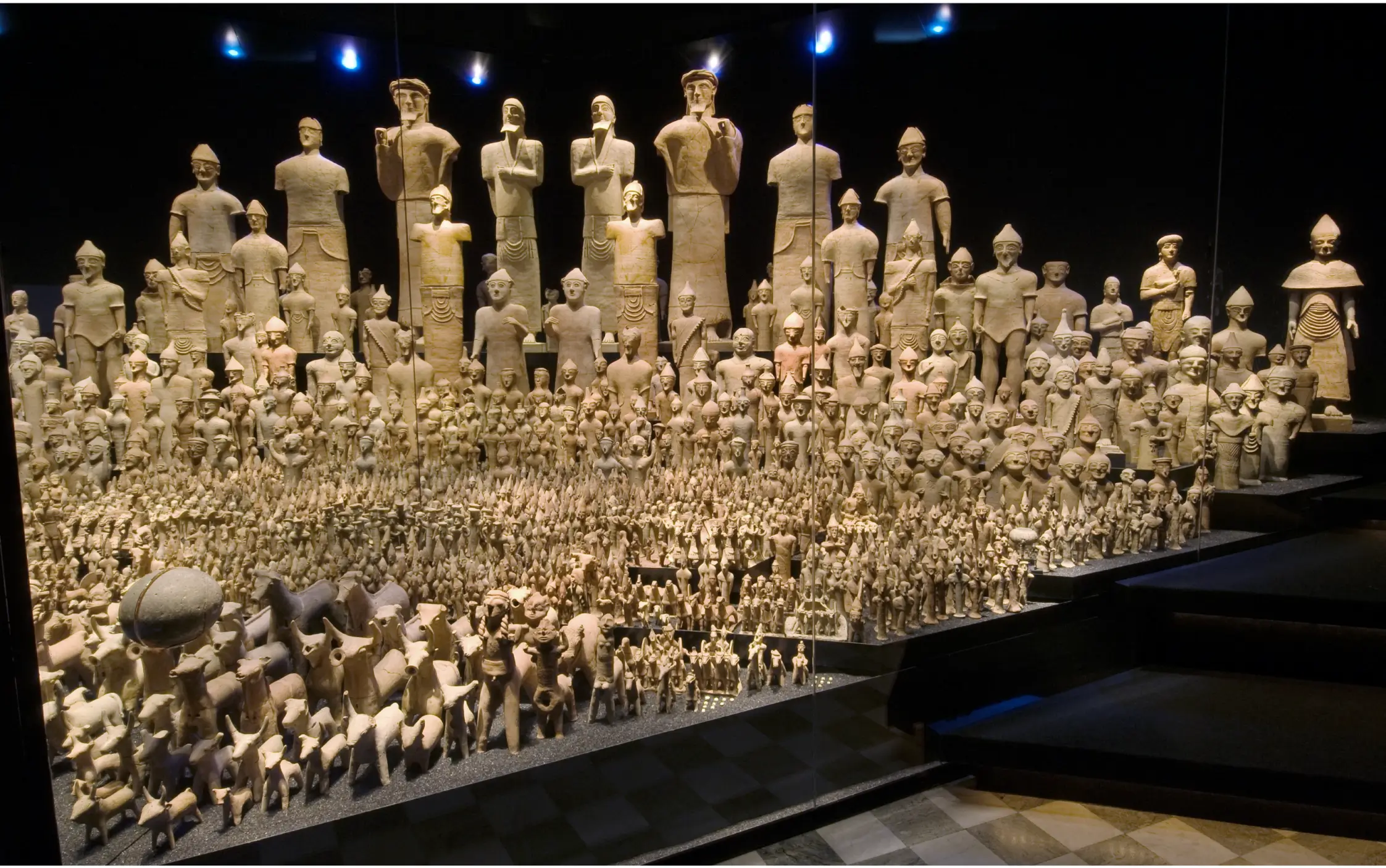
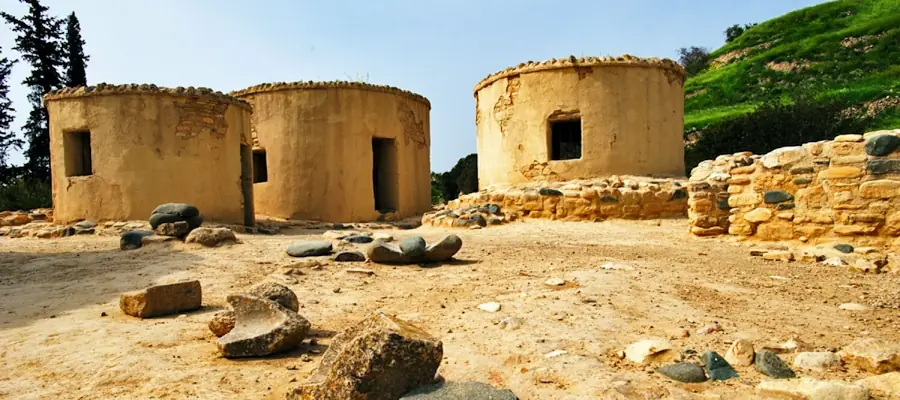
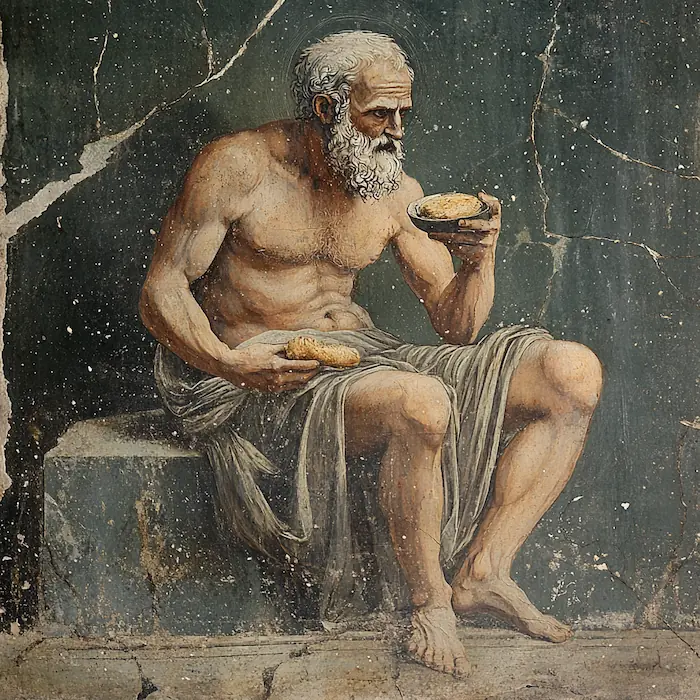
Introductory · 10 steps · 2 hr 5 min
Start here: Cyprus in ten pages
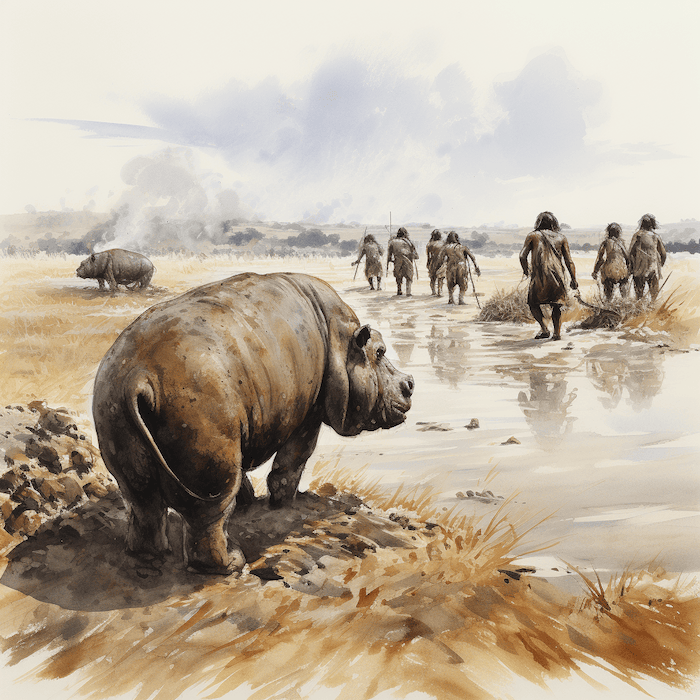
One page per period, from the island's first human visitors to the last Cypriot kings.
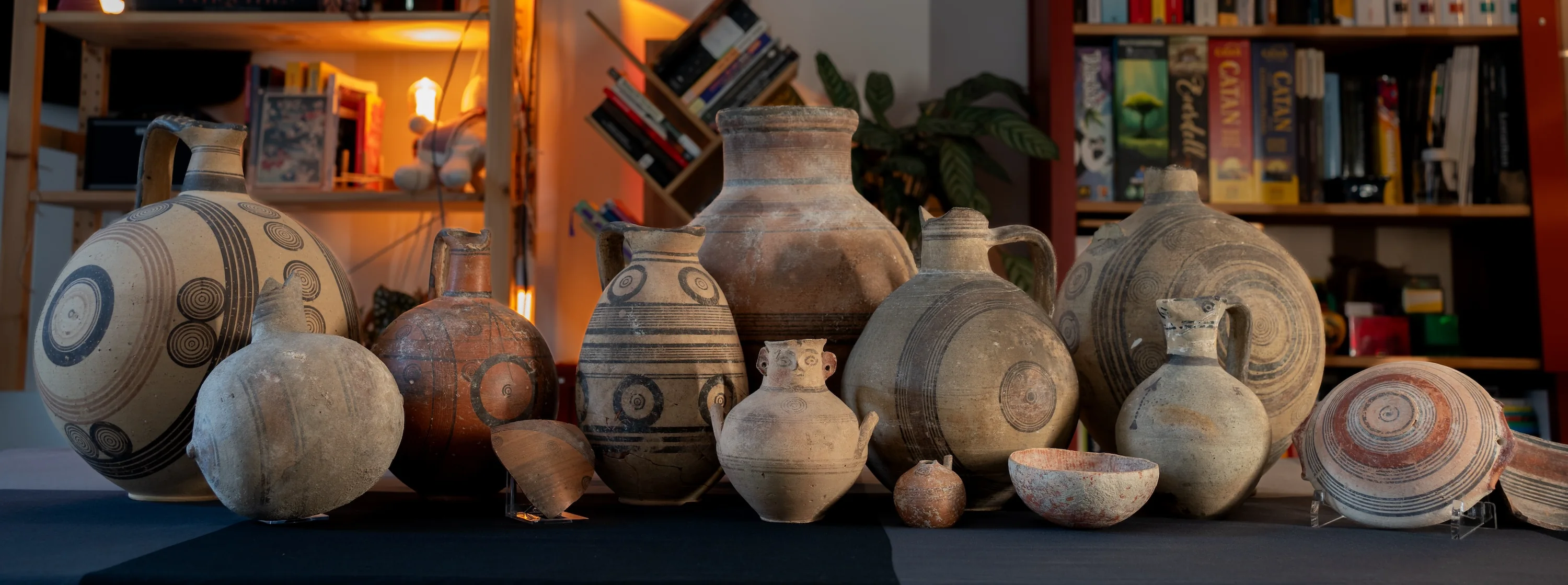
From the early Bronze Age to the late Archaic period, Cypriots have left behind a wealth of artifacts that provide a fascinating glimpse into their daily lives, beliefs, and artistic achievements. Through the creation of this compendium we seek to offer a comprehensive overview of the island's material culture.
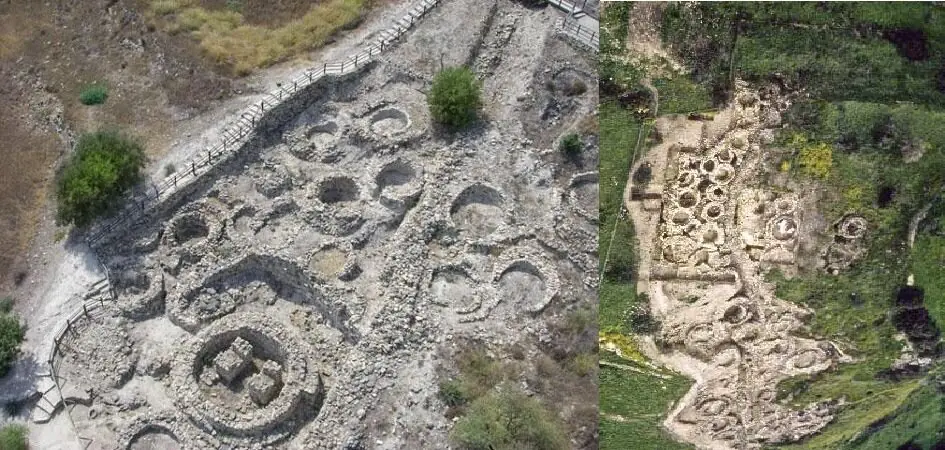
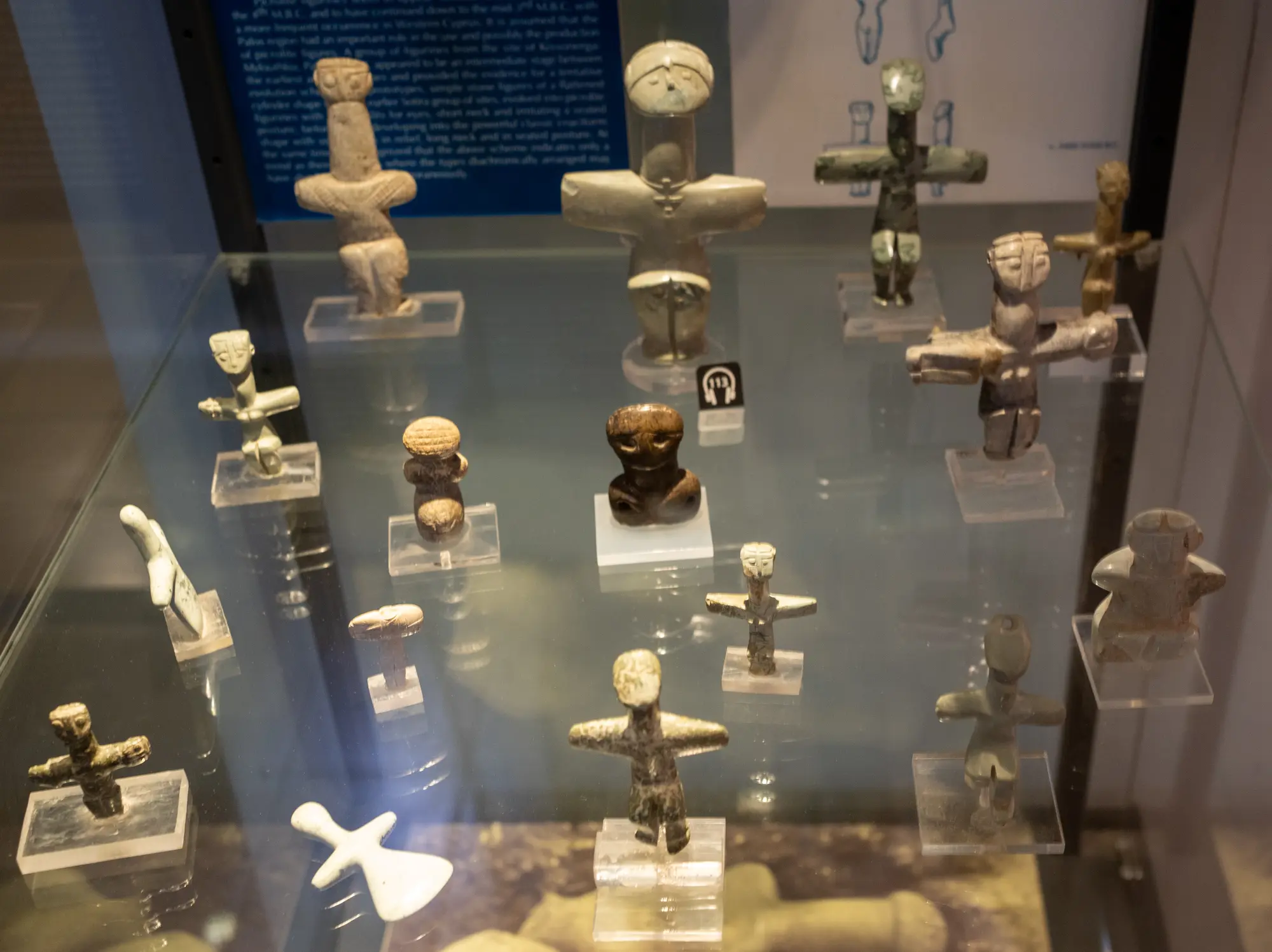
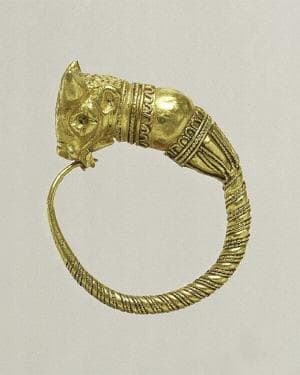
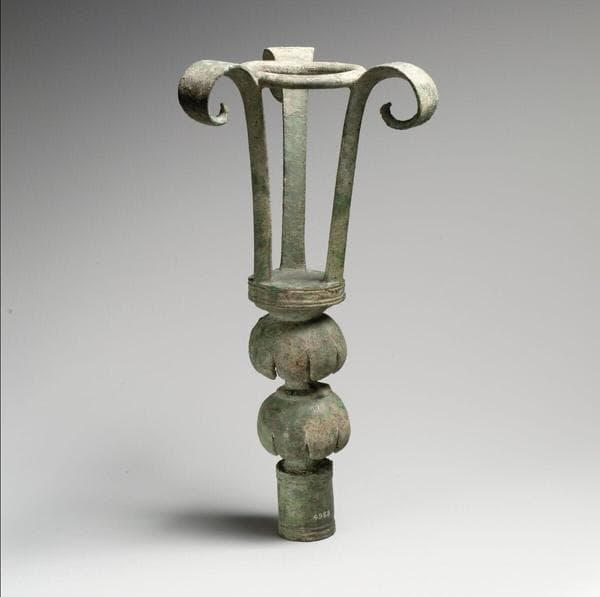
The compendium is divided into main sections on artifacts (Pottery, Statues, Jewelry, Weapons & Armor, and Tools) and on history (Sites, Cultures, Architecture, Mortuary Practices, Daily Life, and the Antiquities Trade). Each section explores the development of these crafts over time, highlighting the unique styles, techniques, and influences that shaped them. Through detailed descriptions, high-quality photographs, and expert analysis, readers will gain a deeper understanding of the skill and creativity of ancient Cypriot artisans.
Note that each section may have numerous subsections to further explore each topic in considerable depth.
Not sure where to begin? Each path is a short, ordered route through the compendium, with a note on why every page comes next.
Introductory · 10 steps · 2 hr 5 min
One page per period, from the island's first human visitors to the last Cypriot kings.
Intermediate · 10 steps · 2 hr 25 min
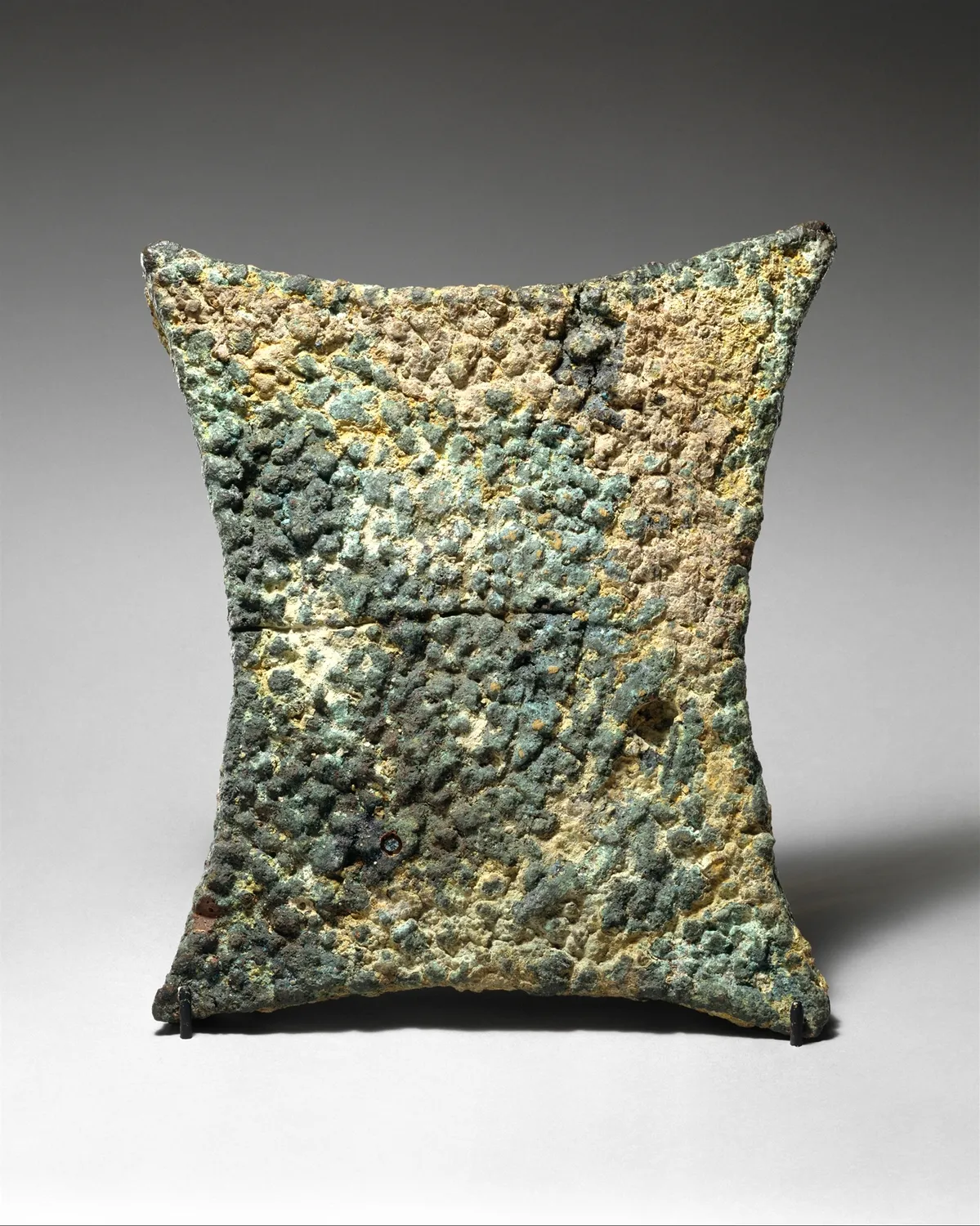
How the Troodos ores shaped Cyprus, from hammered native copper to oxhide ingots and Roman mines.
Introductory · 10 steps · 2 hr
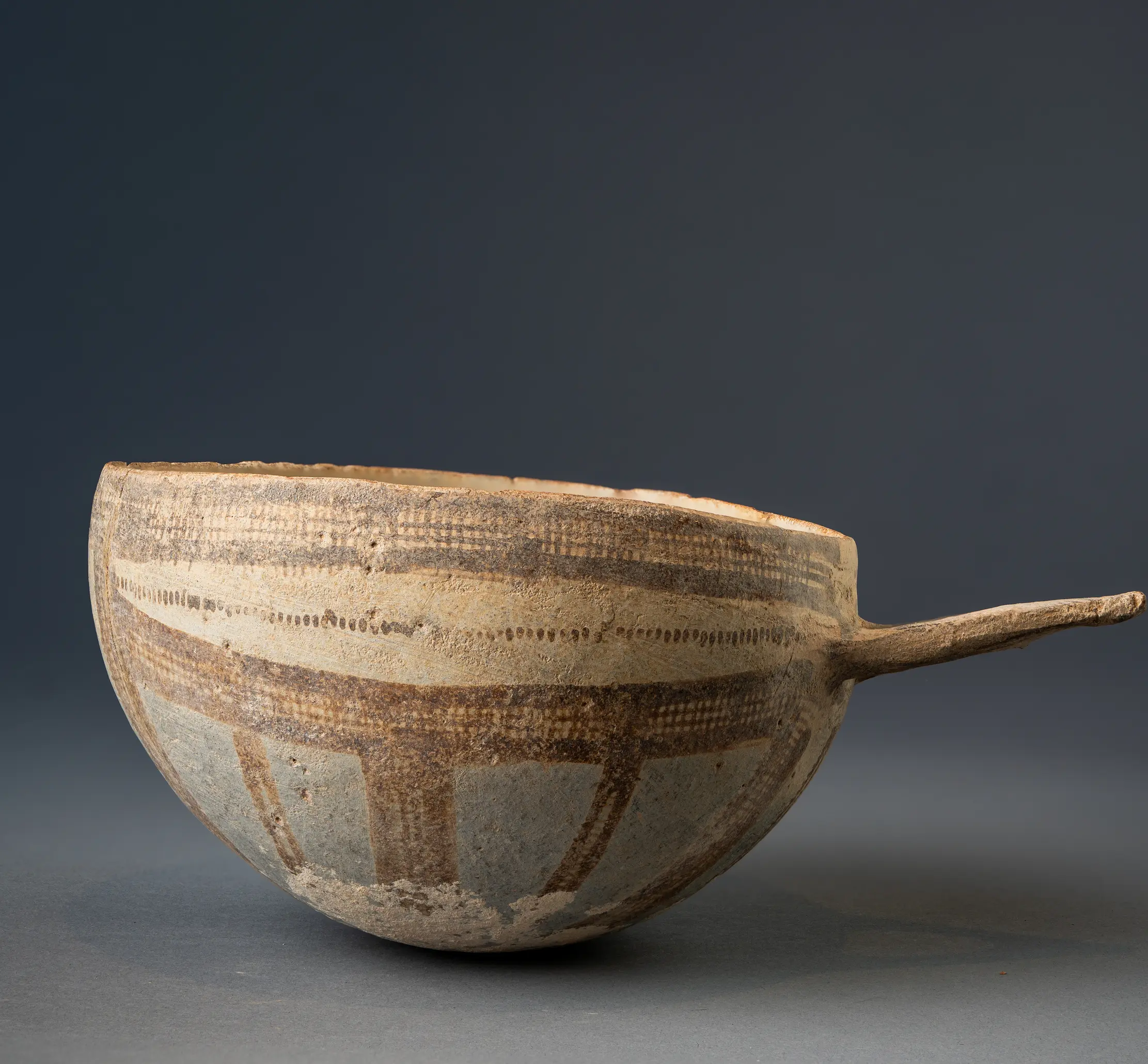
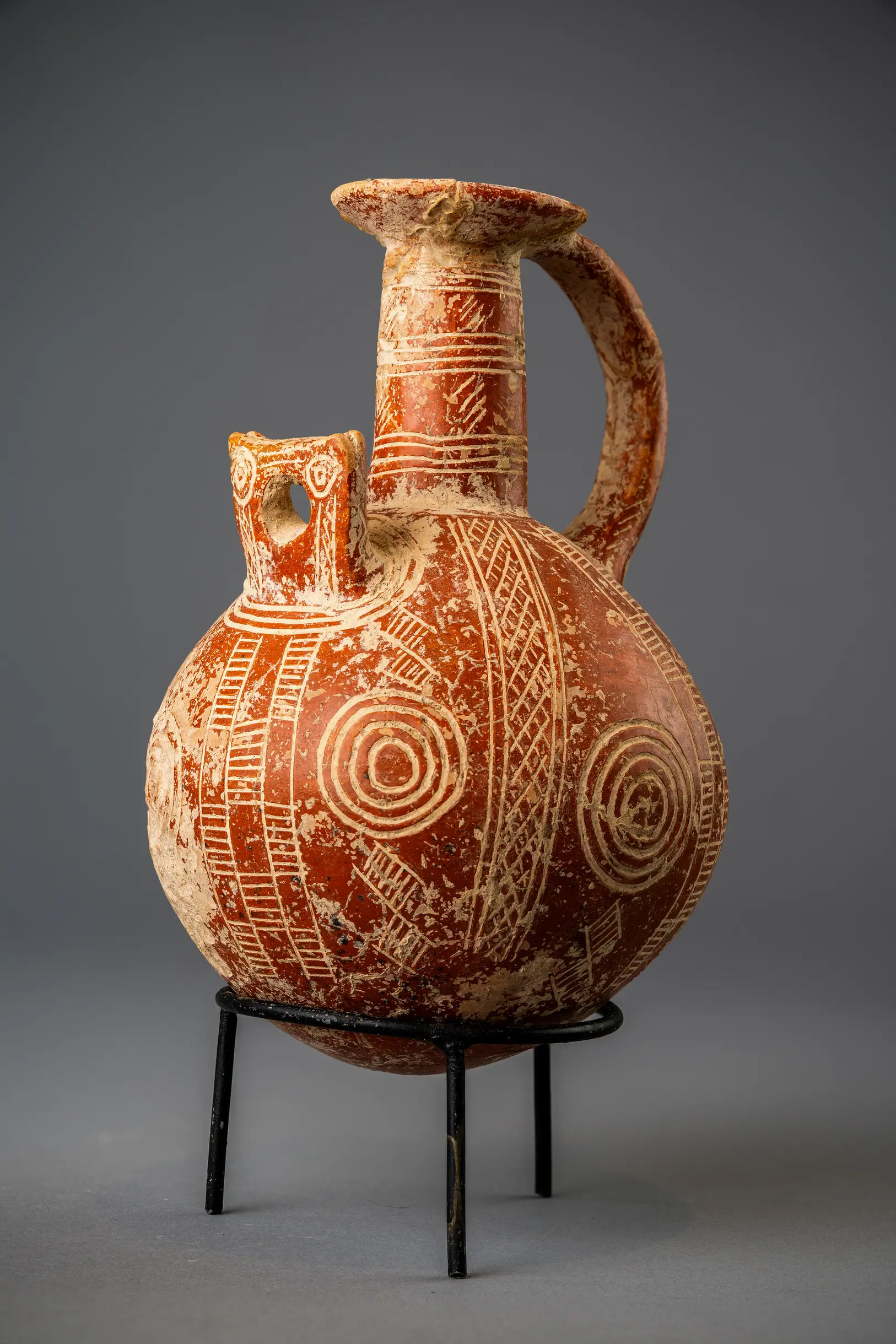
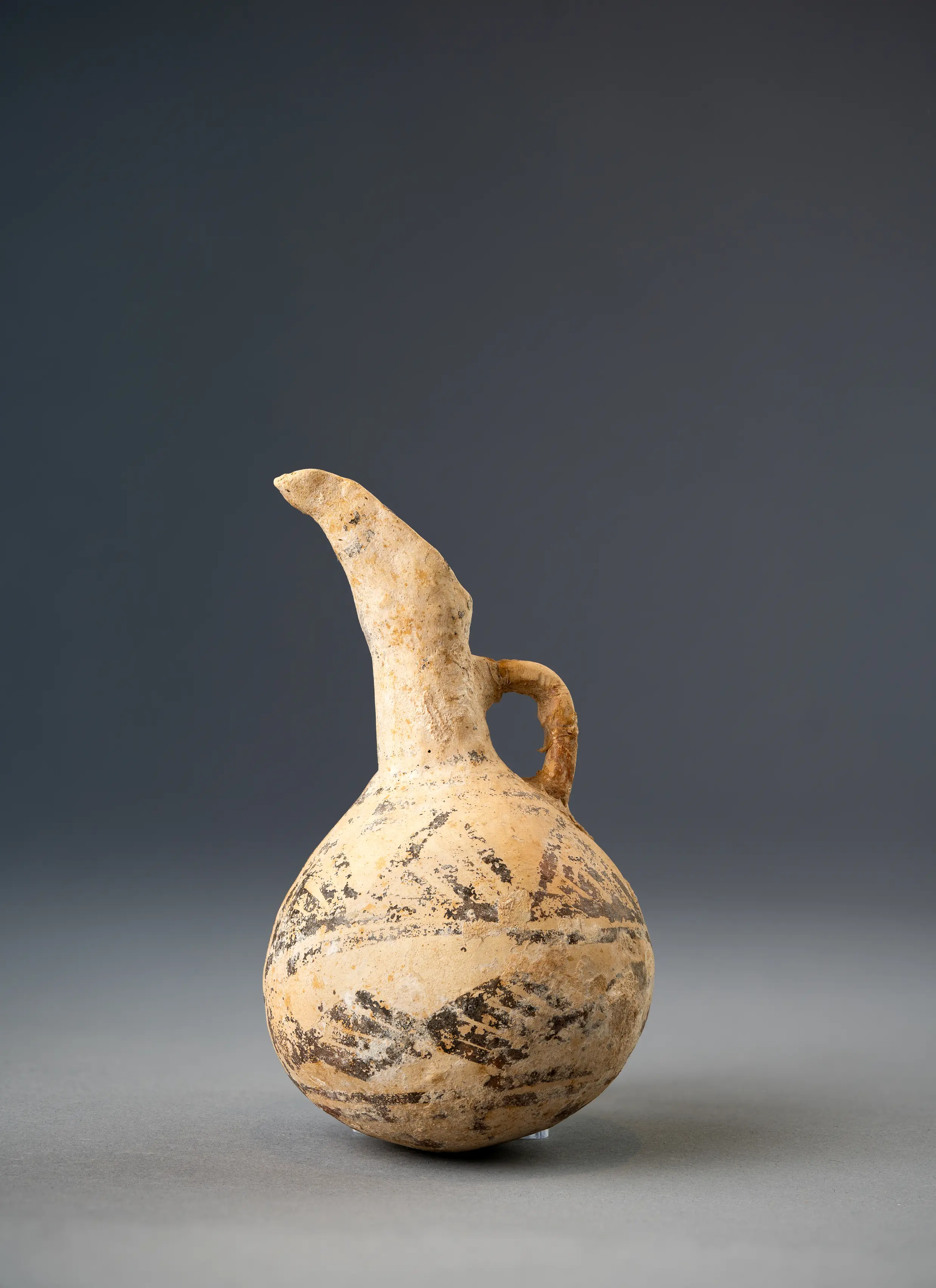
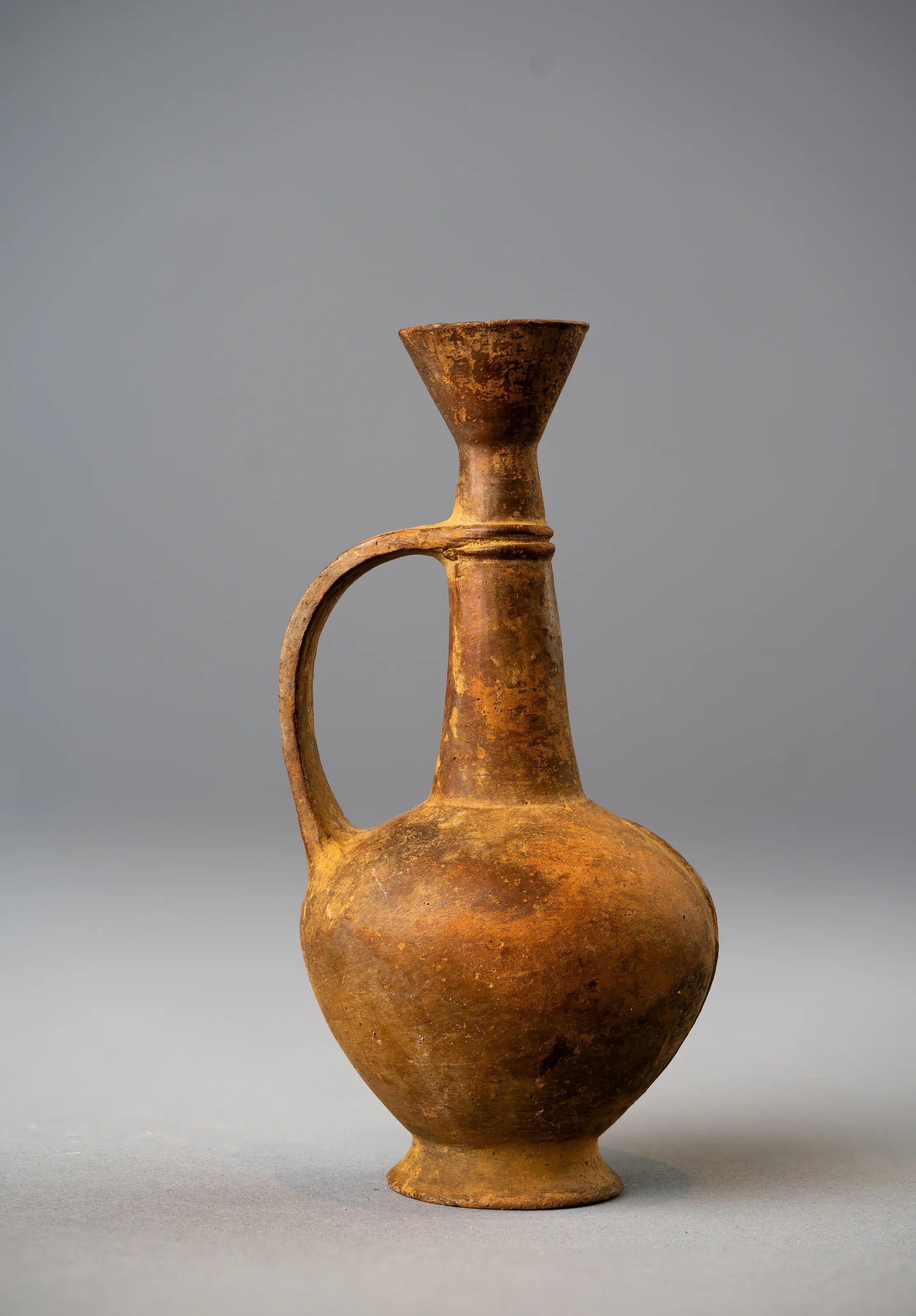
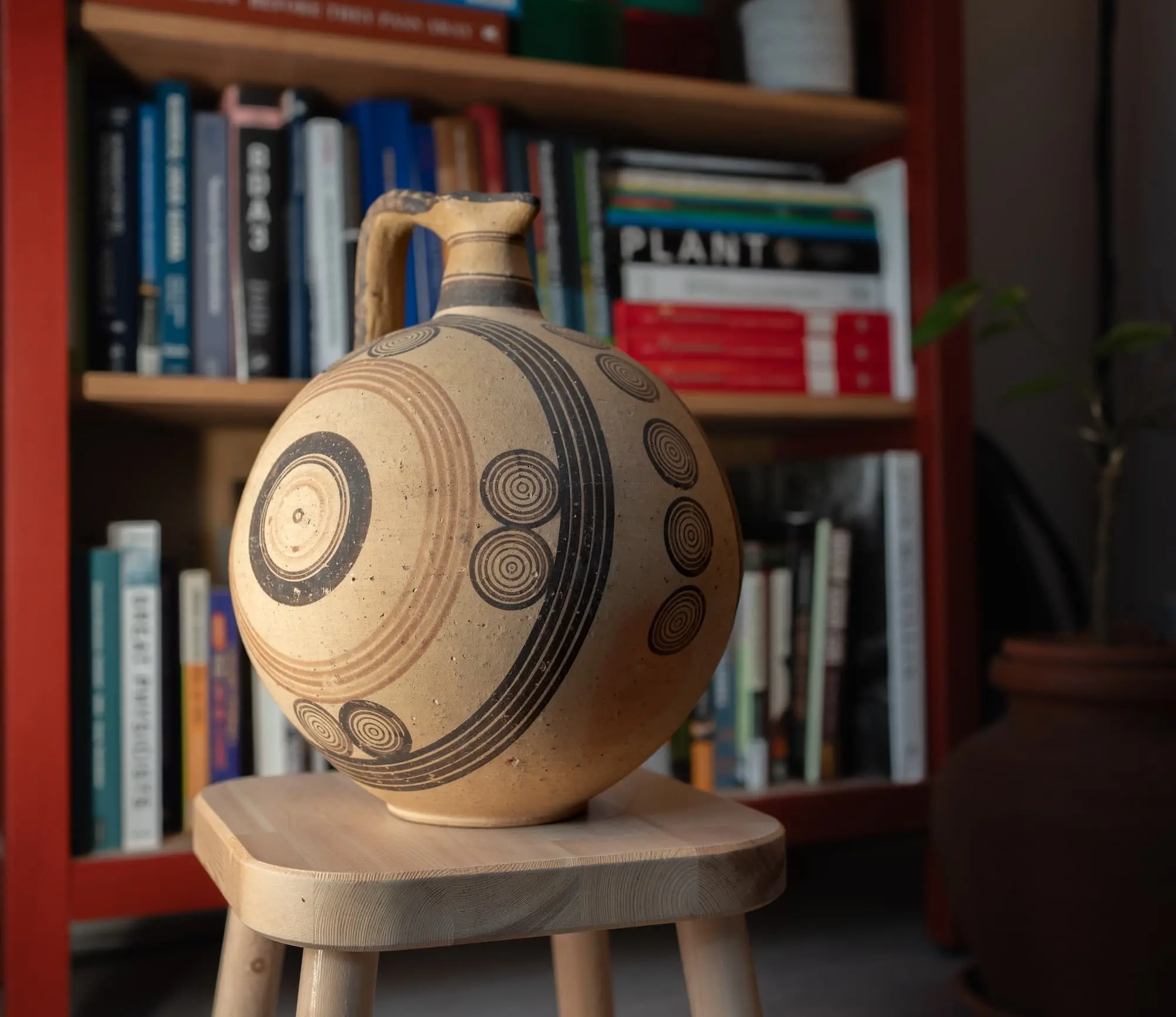
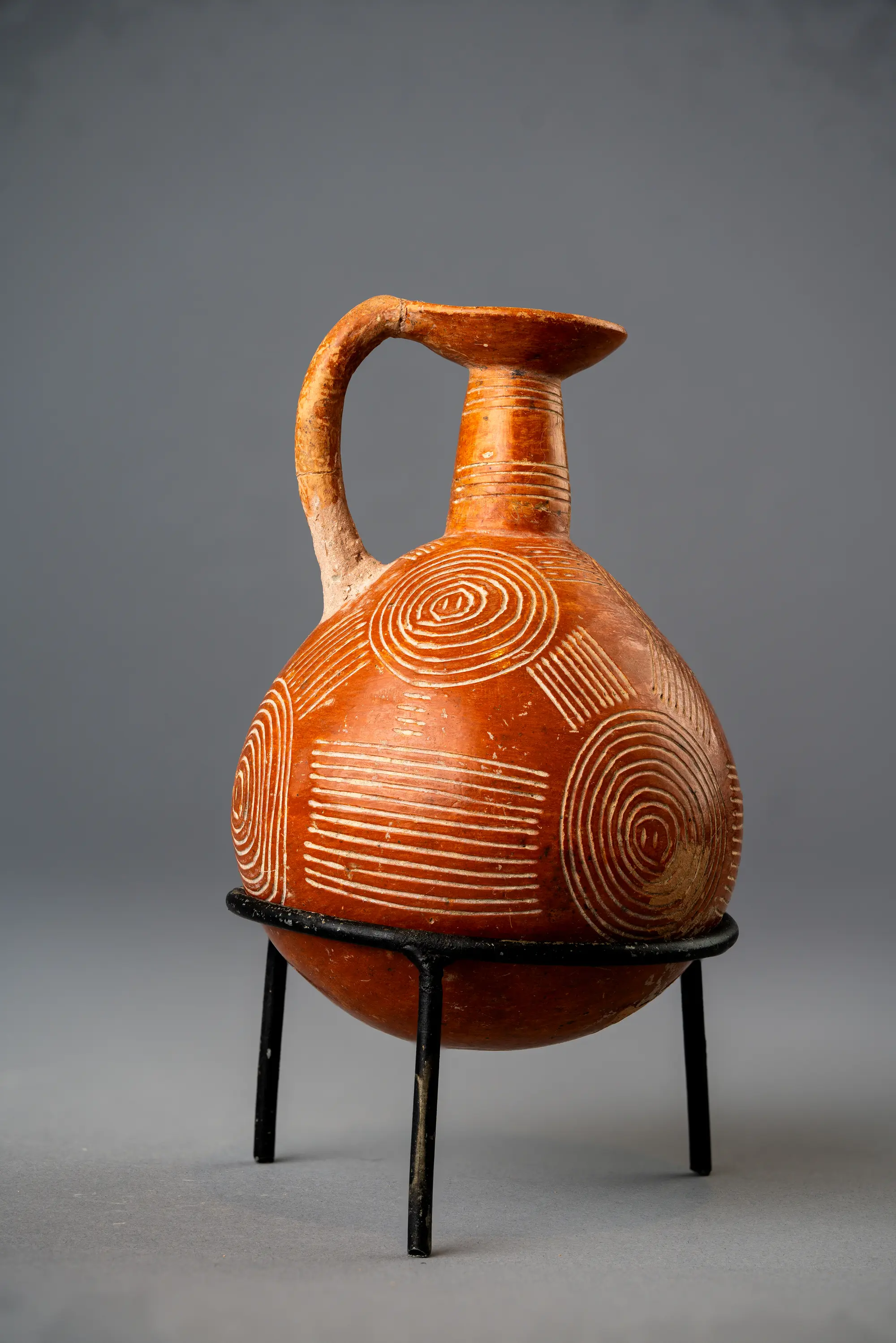
How to tell the island's main wares apart, from Red Polished to Black-on-Red.
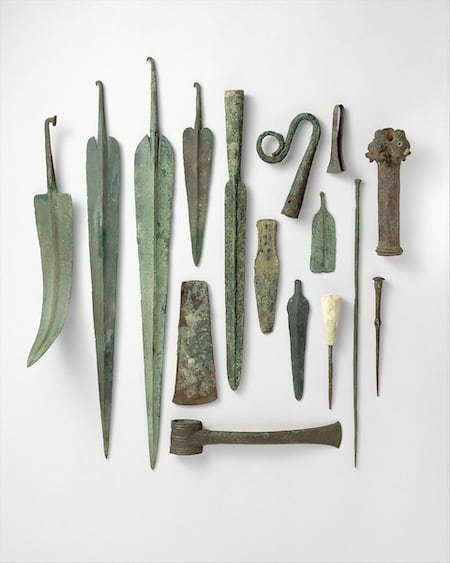
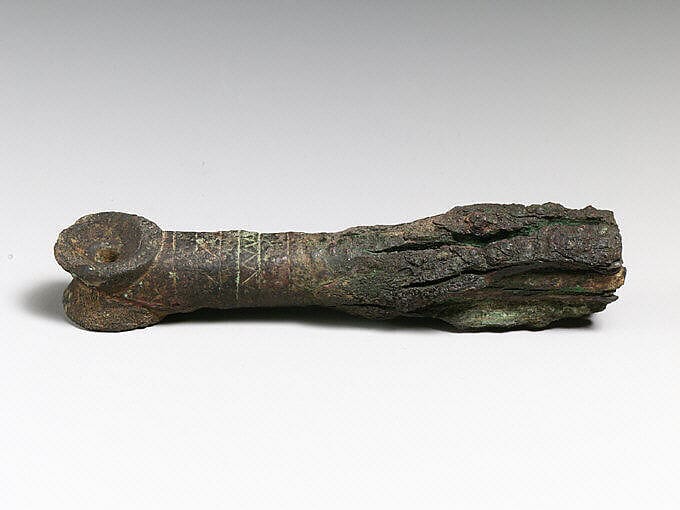
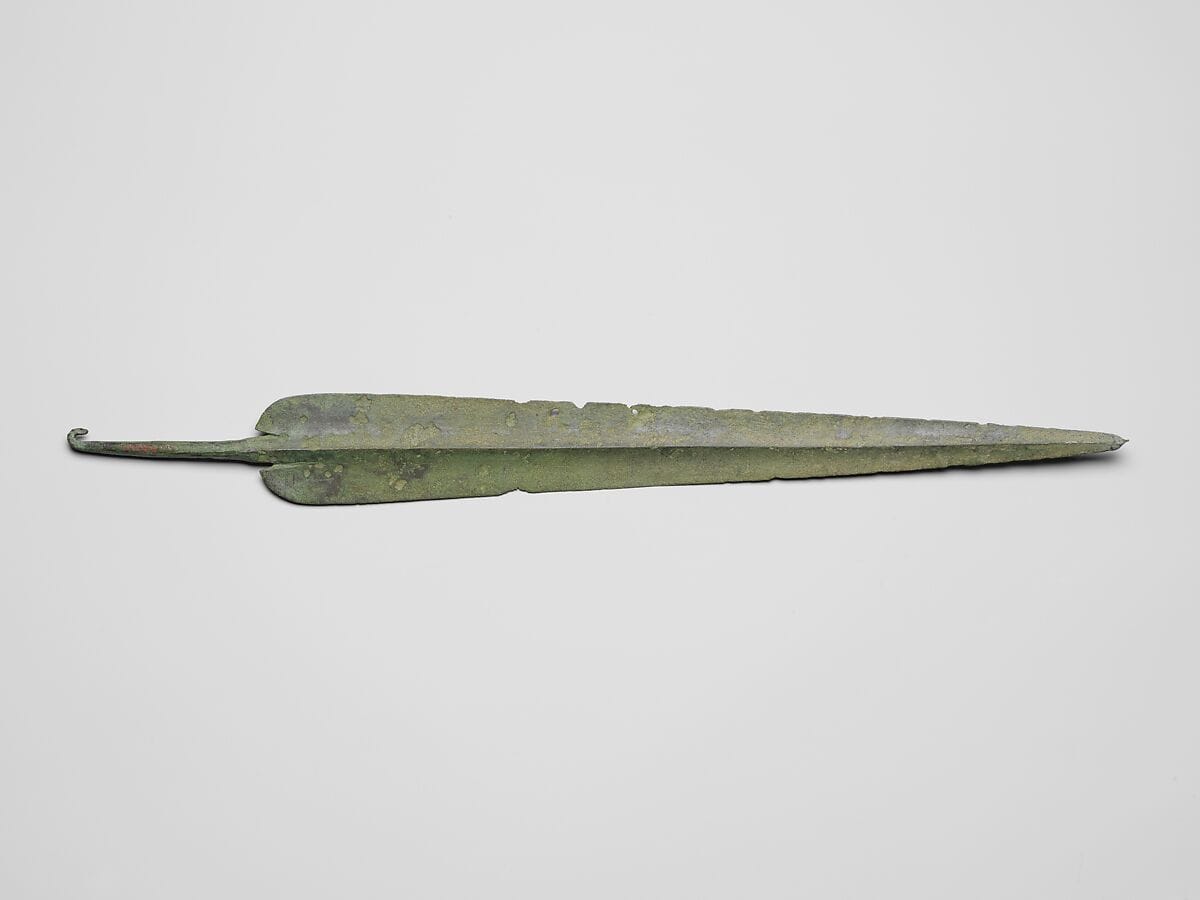
While Cyprus was not a warlike society, they did locally produce and use weapons & armor.
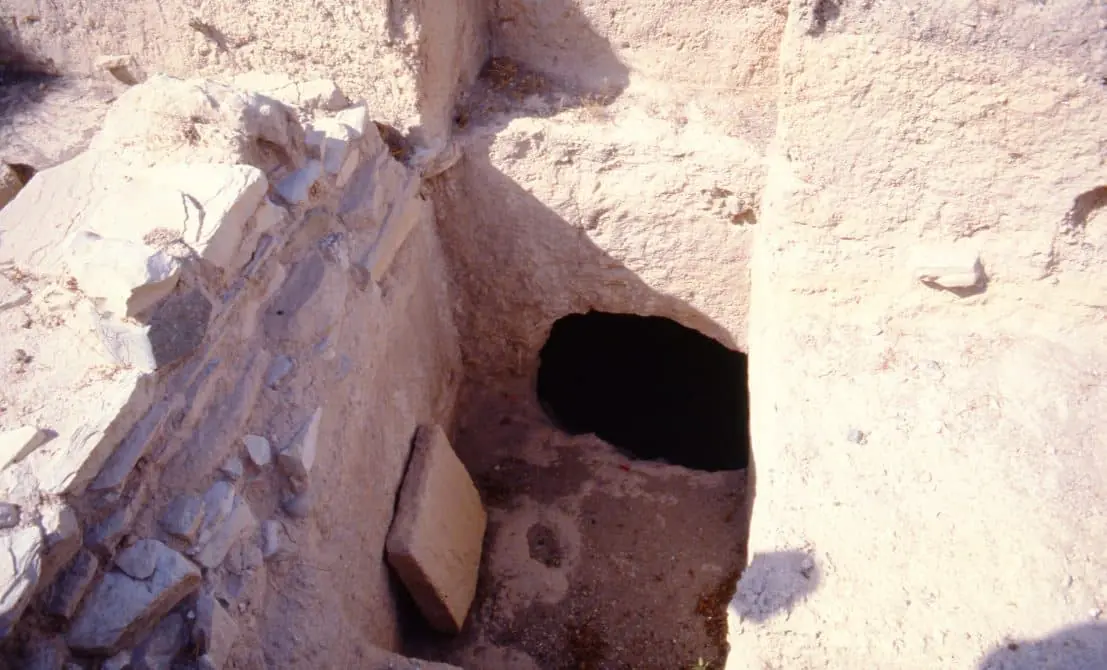
Discover how ancient Cypriots buried their dead and their religious beliefs.
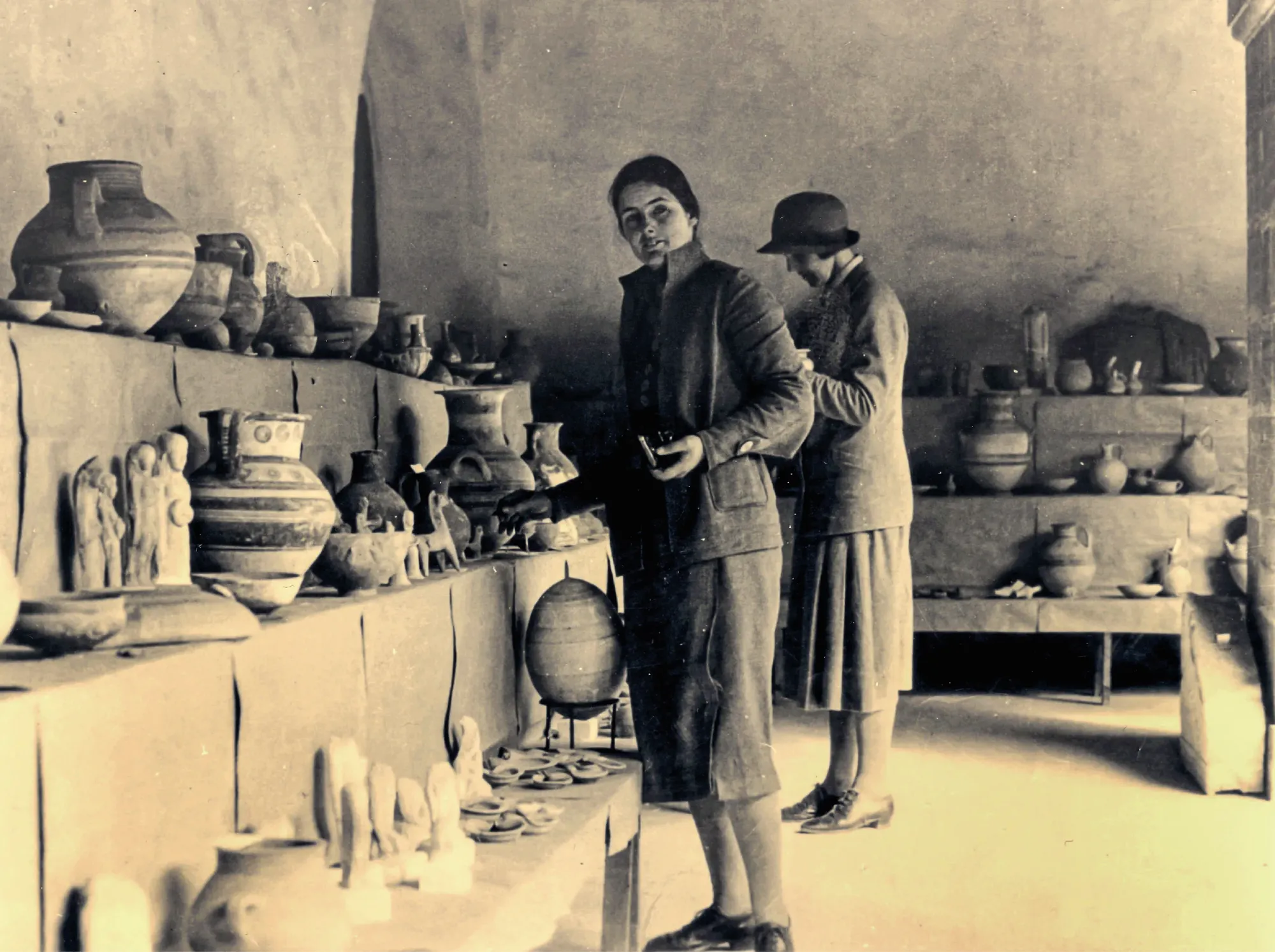
How Cypriot antiquities left the island: the lawful export of the Ottoman and colonial eras, the...
Archeology & the study of ancient history can be a confusing place, with far too much to remember. We have compiled a list of frequently mentioned terms and concepts to help you navigate the entire website.
Our compendium will reference periods and assume the reader is familiar with the following chronology:
| Period | Start Date (BC) | End Date (BC) |
|---|---|---|
| Paleolithic | ? | 11000 ~ 10500 BC |
| Neolithic | 10500 ~ 10000 BC | ~4000 BC |
| Chalcolithic | ~4000 BC | ~ 2400 BC |
| Bronze Age | ~2400 BC | ~1050 BC |
| Cypro-Geometric | ~1050 BC | ~750 BC |
| Cypro-Archaic | ~750 BC | ~480 BC |
| Classical | ~480 BC | ~330 BC |
You may notice that the Iron age is not mentioned, as it has already been split into the Cypro-Geometric and Cypro-Archaic periods. These two periods commonly describe the Iron Age. Also note that while the Cypro-Archaic reaches to 480 BC, we do try to make periods after 570 BC distinct as there are large stylistic changes around this time period.
The Bronze Age can also be further broken down intro several periods:
| Period | Start Date (BC) | End Date (BC) |
|---|---|---|
| Philia | 2500 | 2350 |
| Early Cypriot I | 2400 | 2350 |
| Early Cypriot II | 2150 | 2100 |
| Early Cypriot III | 2100 | 1950 |
| Middle Cypriot I | 1950 | 1850 |
| Middle Cypriot II | 1850 | 1750 |
| Middle Cypriot III | 1750 | 1650 |
| Late Cypriot I | 1650 | 1450 |
| Late Cypriot II | 1450 | 1200 |
| Late Cypriot III | 1200 | 1050 |
however the compendium usually just refers to the Early, Middle and Late Bronze age periods.