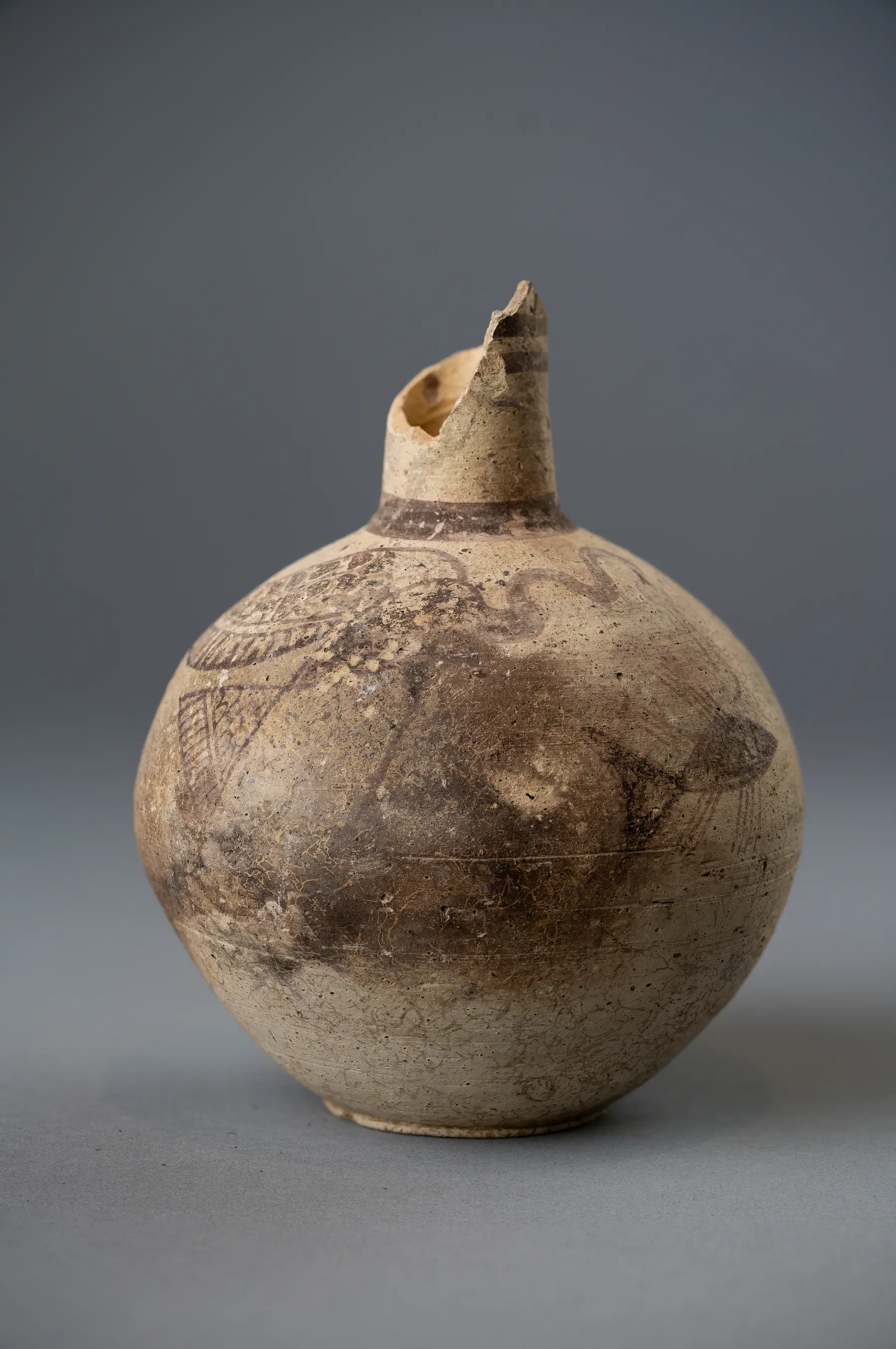
Period
Middle Bronze Age
c. 1950–1650 BCE (absolute dates debated)
The Middle Cypriot period, c. 1950–1650 BCE, of multi-roomed village houses, White Painted pottery, growing copper production and the first overseas trade.
Read the full overview of the Middle Bronze Age →
49 entries in 9 sections
Pottery
18 entriesSection overview
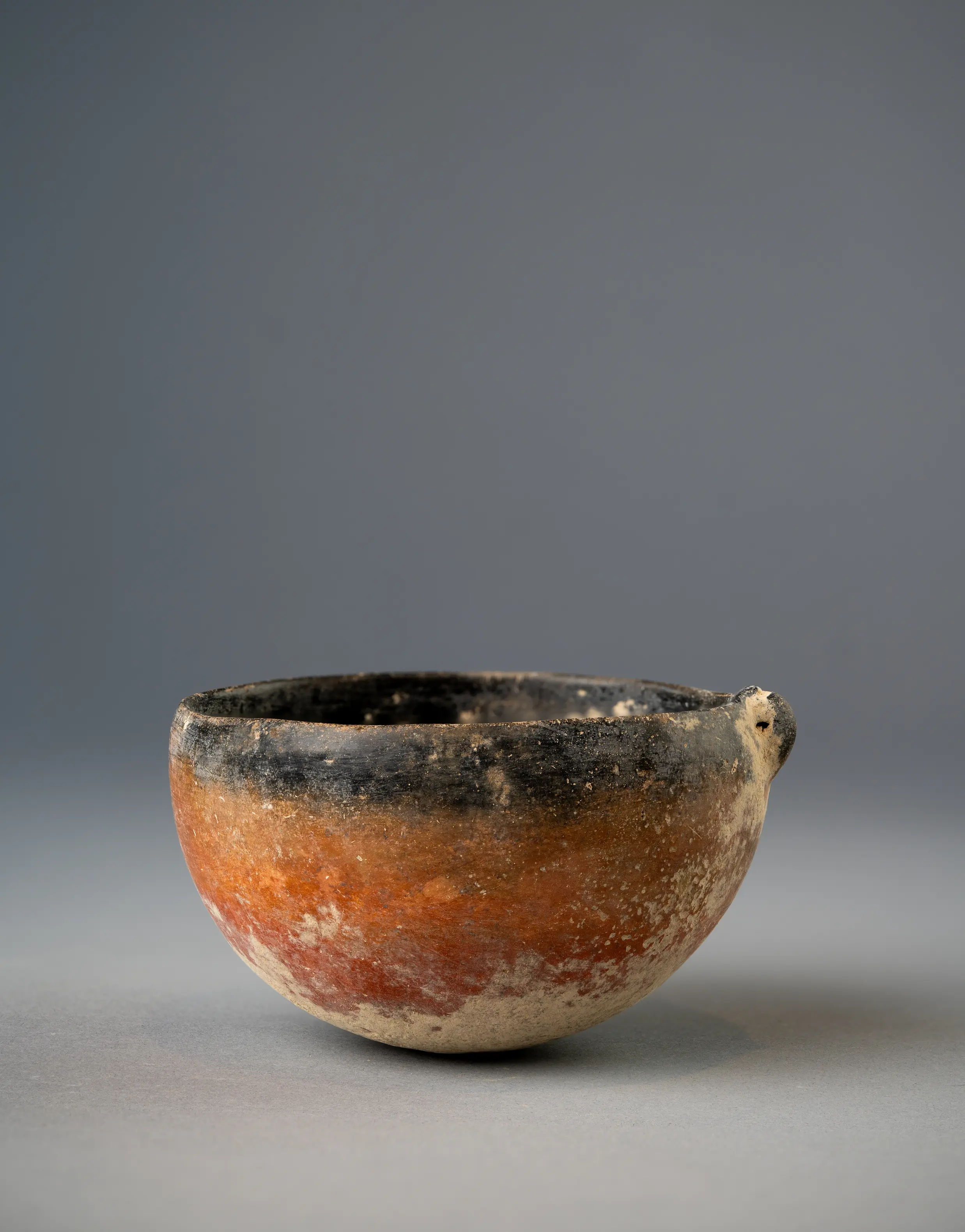 Red Polished WareRed Polished is the hand-made, red-slipped and burnished pottery that dominated Cyprus in the Early and Middle Bronze Age.Early Bronze AgeMiddle Bronze Age
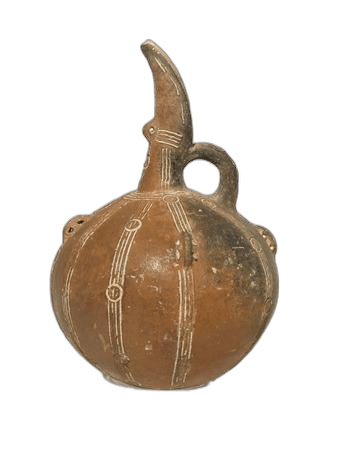 Drab Polished WareDrab Polished is a hard-fired Bronze Age ware of western and south-western Cyprus, often with a blue-grey core, and a technological forerunner of Base Ring.Early Bronze AgeMiddle Bronze Age
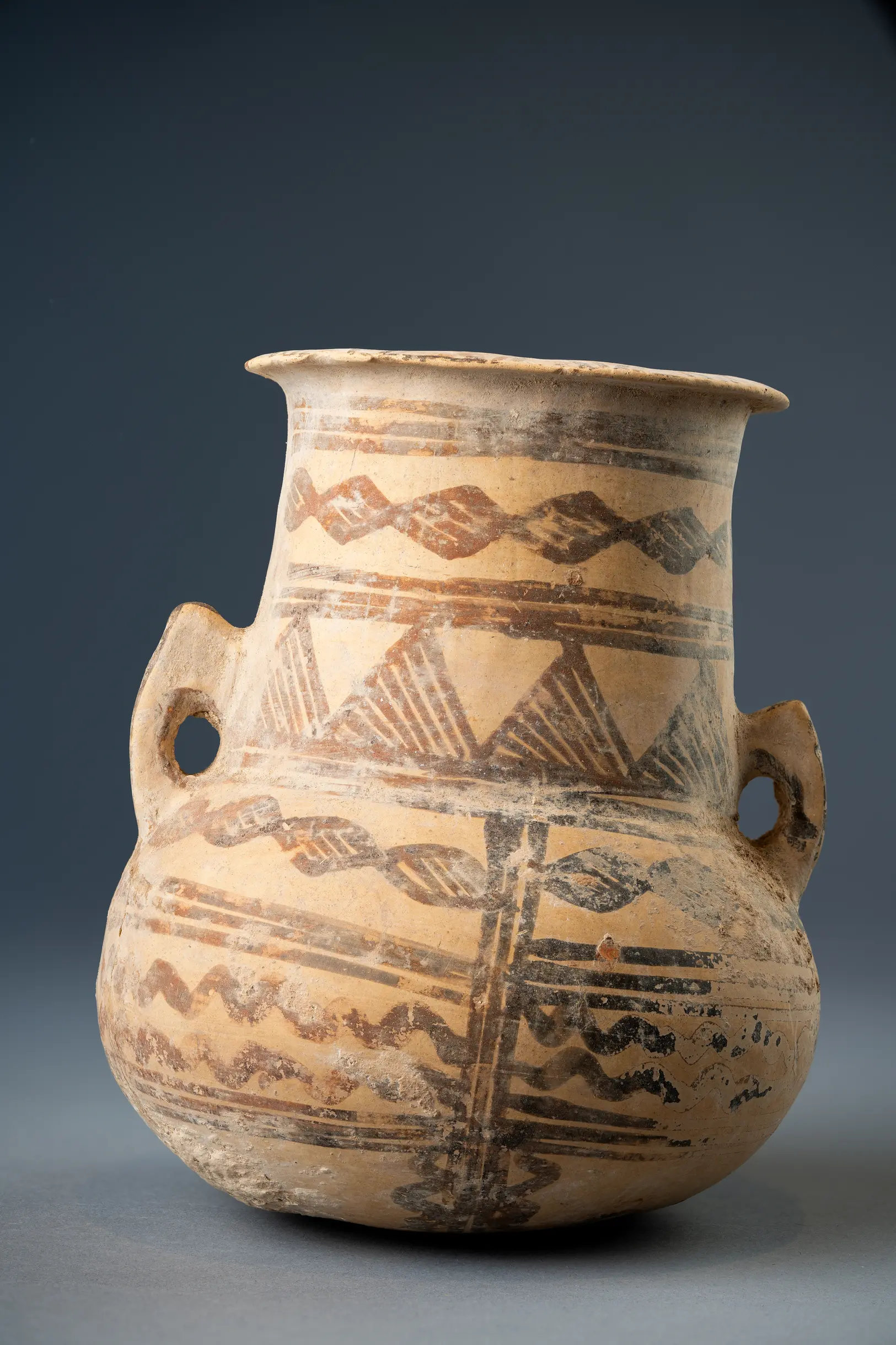 White Painted WareThe hand-made, pale-slipped Bronze Age pottery of Cyprus painted with dark matt geometric motifs, flourishing in the Middle Bronze Age as WP I to VI.Early Bronze AgeMiddle Bronze Age
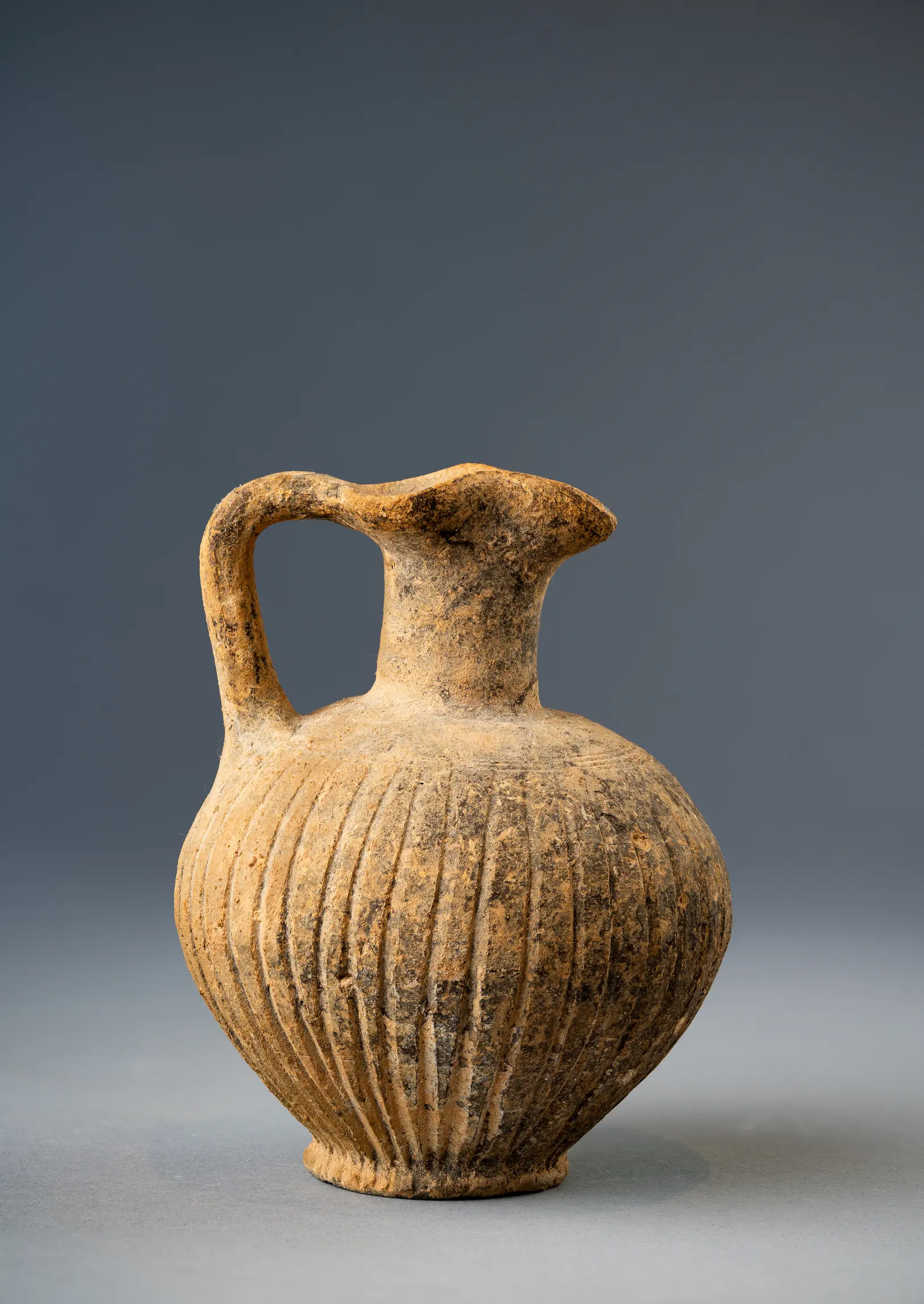 Plain White WareThe undecorated, pale-surfaced pottery of Middle and Late Bronze Age Cyprus, made by hand and later wheel-shaped, the first Cypriot ware formed with the wheel.Middle Bronze AgeLate Bronze Age
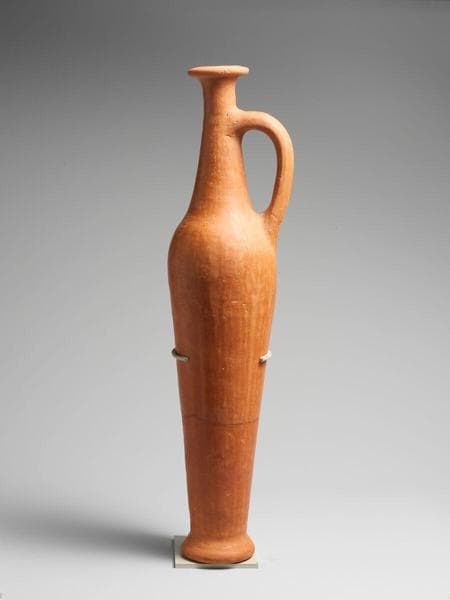 BottlesSmall, narrow-necked closed containers for valuable liquids, from Red Polished bottles to Late Bronze Age spindle bottles and Iron Age barrel jugs.Early Bronze AgeMiddle Bronze AgeLate Bronze AgeCypro-GeometricCypro-Archaic
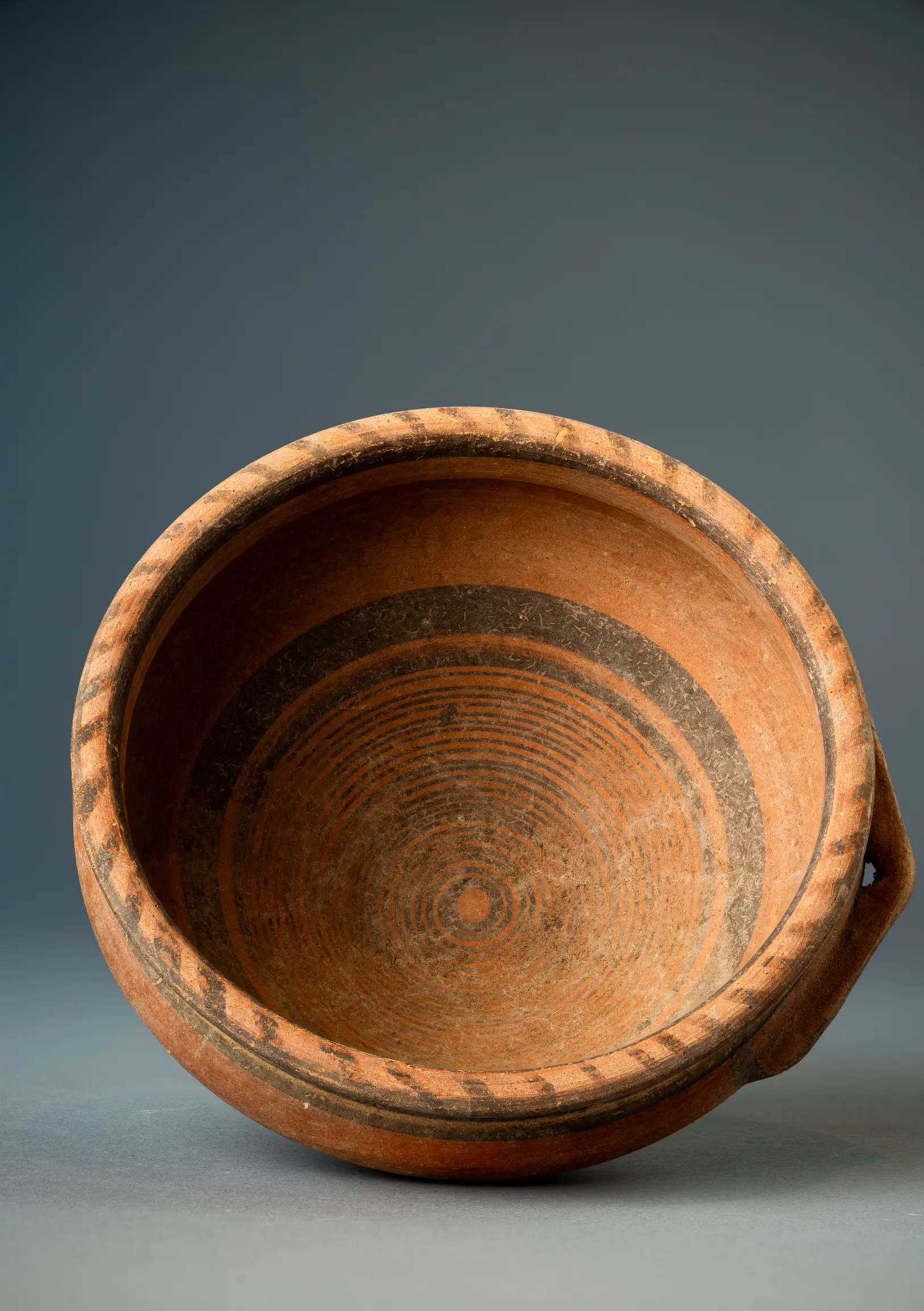 BowlsThe open vessel deeper than a plate and without a pouring neck, the one Cypriot pottery shape made without a break from the Neolithic to the Iron Age.NeolithicChalcolithicEarly Bronze AgeMiddle Bronze AgeLate Bronze AgeCypro-GeometricCypro-Archaic
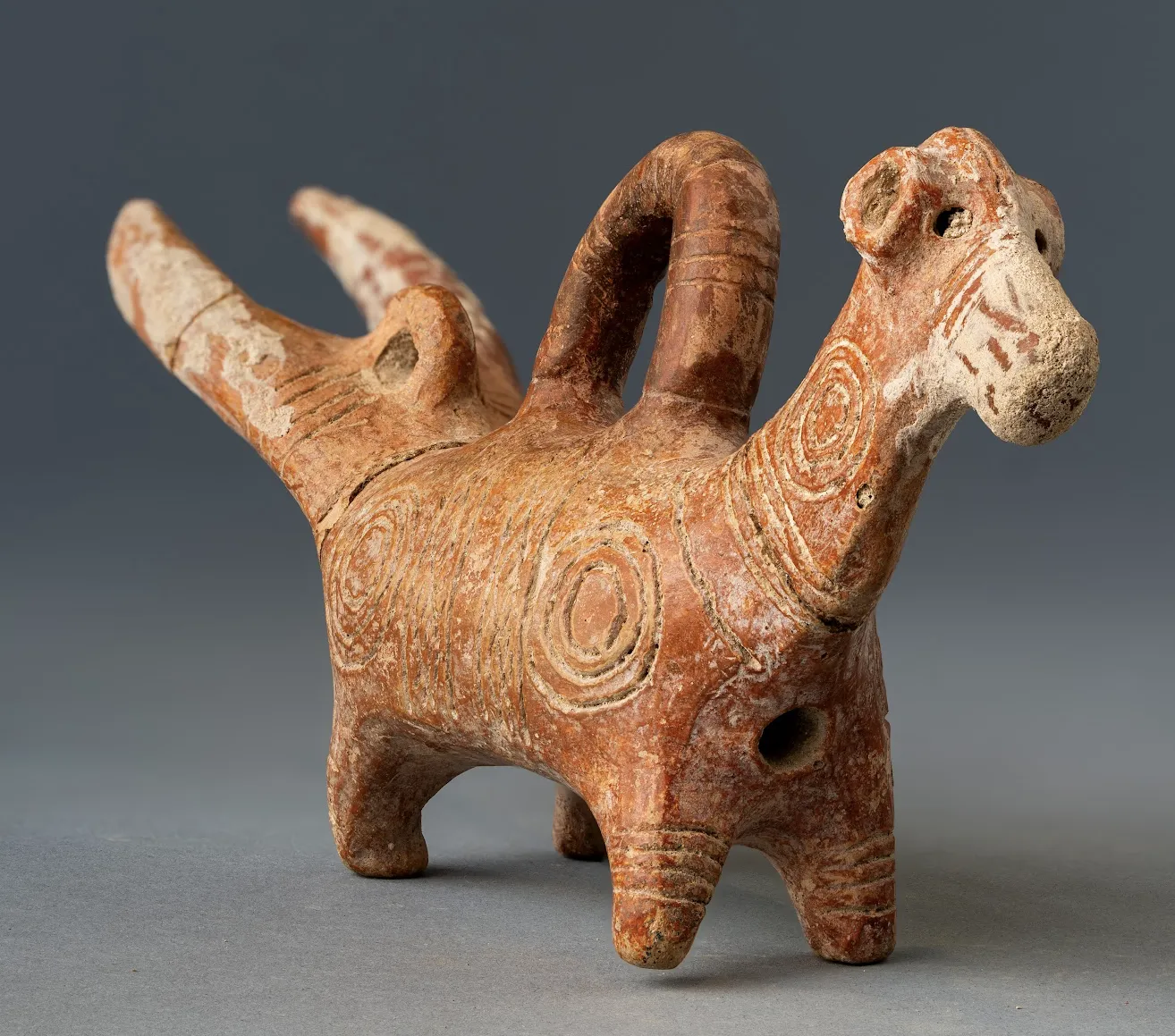 Complex VesselsComposite, multiple and ring vessels built by multiplying or joining ordinary shapes, mostly Early and Middle Bronze Age Red Polished tomb pieces.Early Bronze AgeMiddle Bronze AgeLate Bronze AgeCypro-GeometricCypro-Archaic
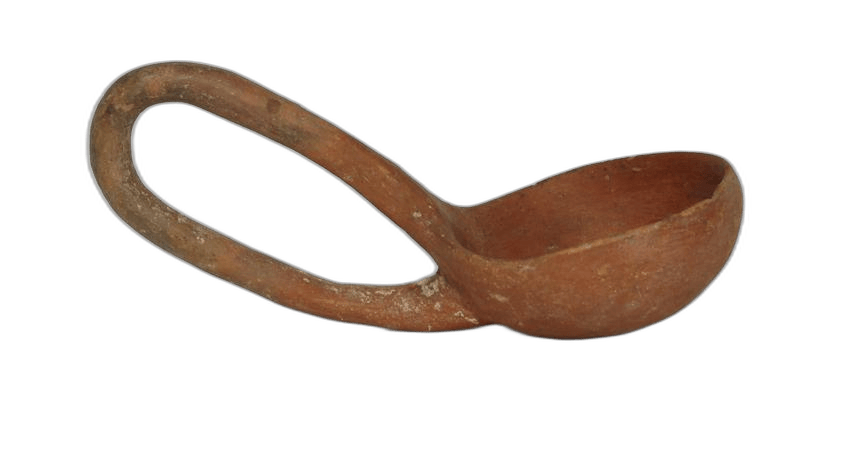 Dippers and LadlesA small vessel with a single handle set high above its body, made to be lowered into a larger container and lifted out full.Early Bronze AgeMiddle Bronze AgeLate Bronze AgeCypro-Geometric
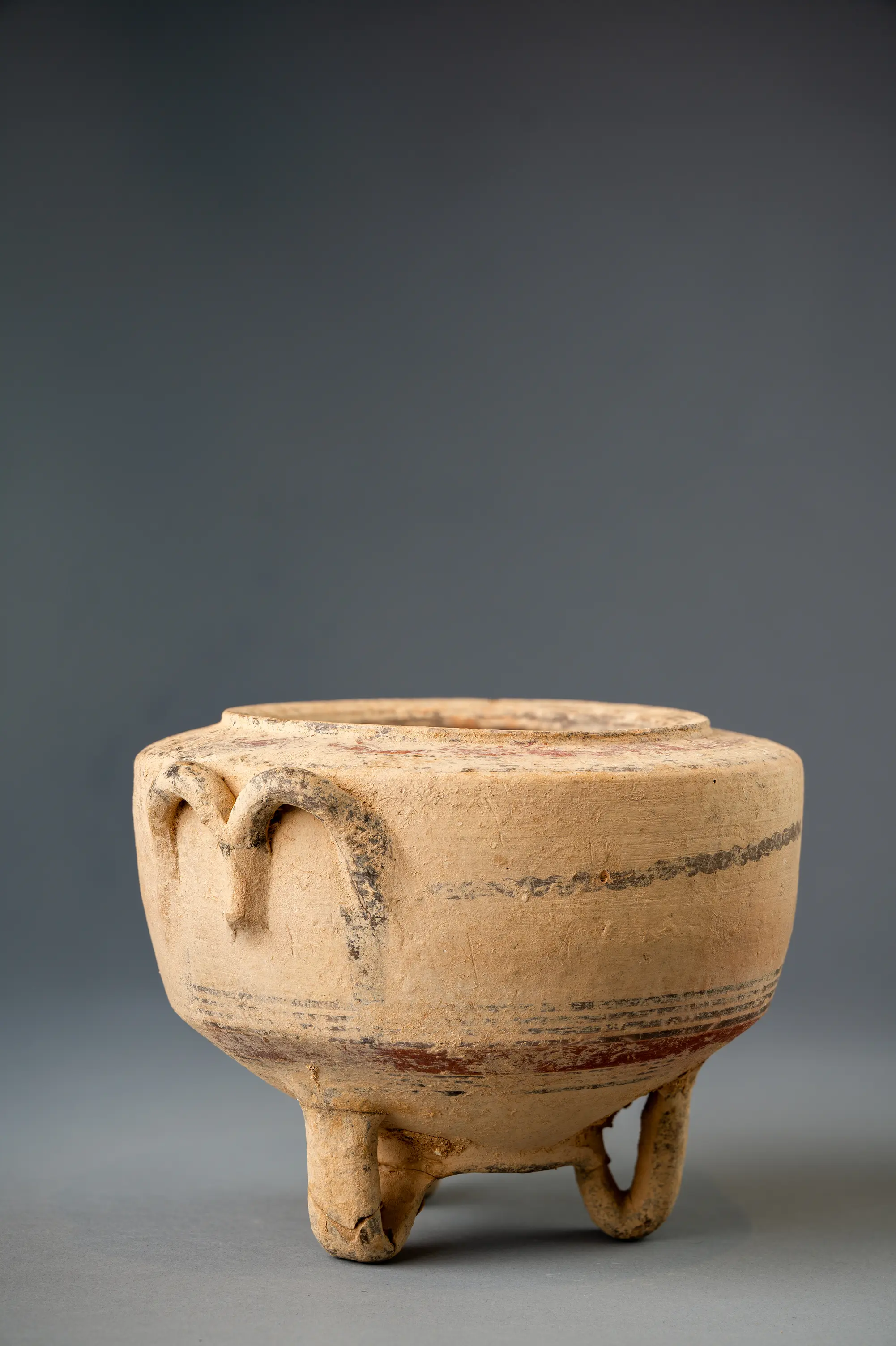 Jars (Amphora)Large storage and transport containers of Cyprus, from Bronze Age pithoi and imported Canaanite jars to the island's own Iron Age transport amphoras.ChalcolithicMiddle Bronze AgeLate Bronze AgeCypro-GeometricCypro-Archaic
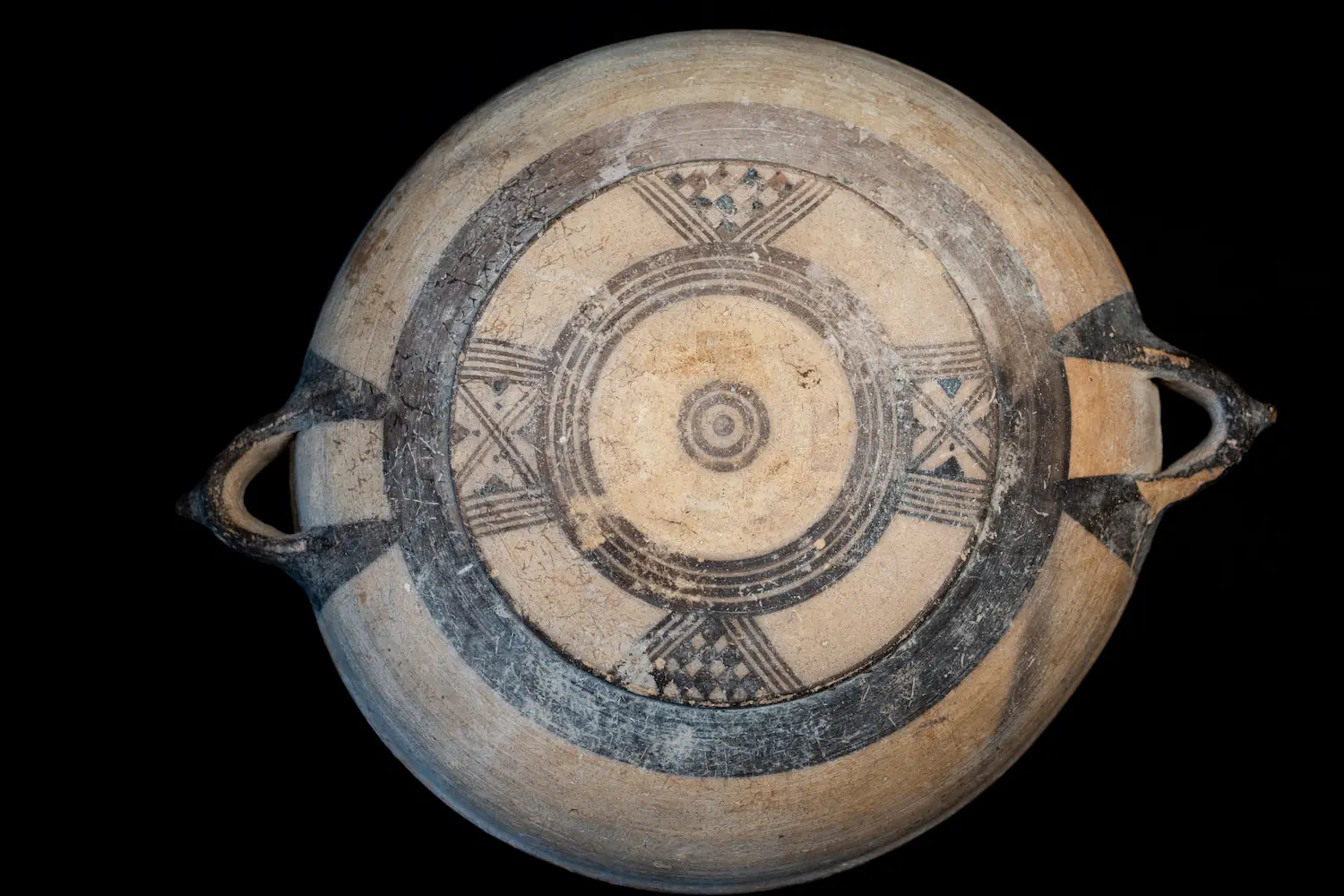 Lattice, Chequers and Checkerboards on Cypriot PotteryLattice (a net of crossed lines) and chequers (alternating dark and light squares) used to fill triangles, lozenges, bands and panels on Cypriot pottery.Middle Bronze AgeCypro-GeometricCypro-Archaic
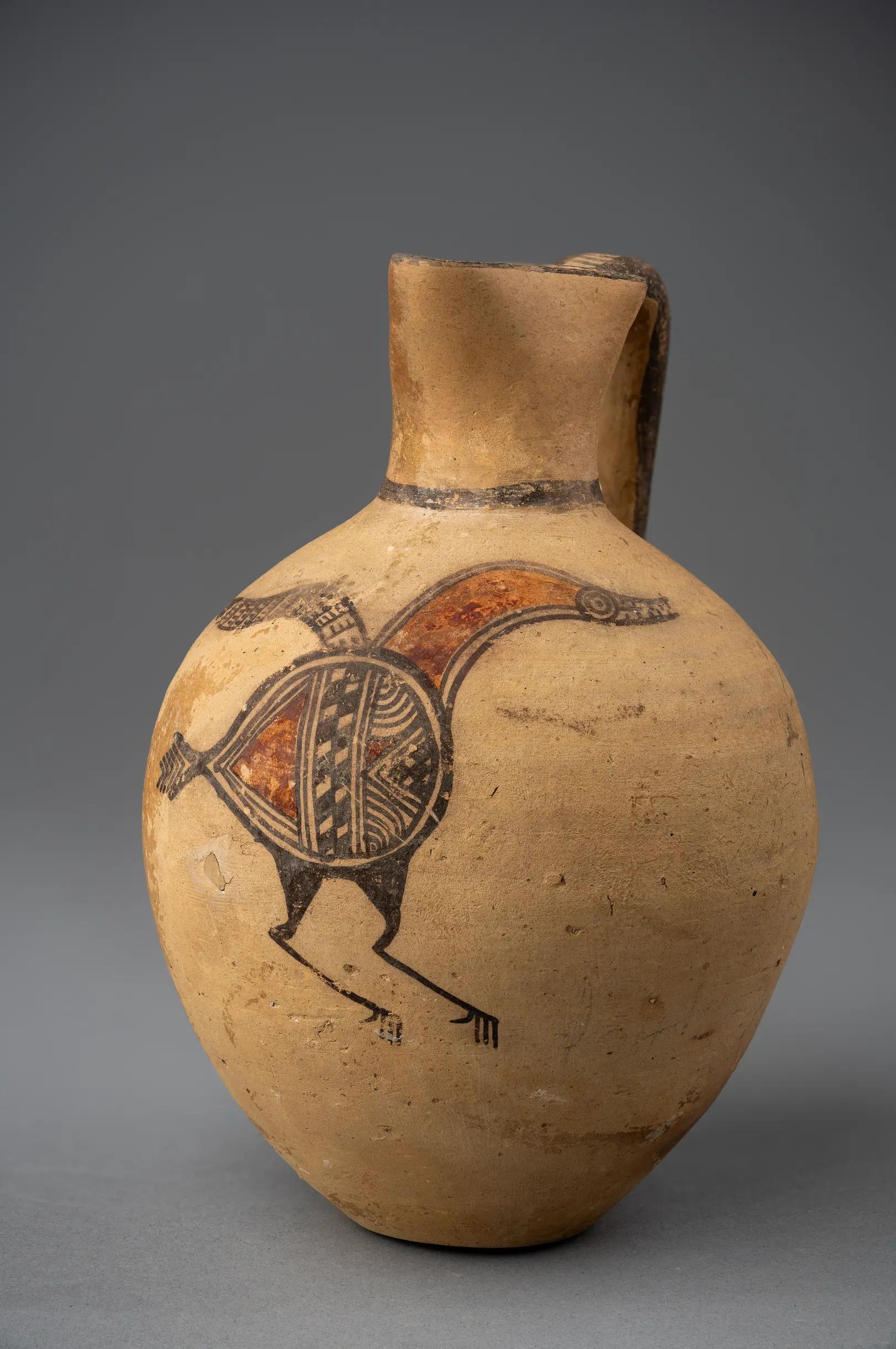 Motifs of Cypriot PotterySectionThe recurring patterns and figures painted, incised or modelled on Cypriot pottery, from Neolithic combing to the Cypro-Archaic free-field style.NeolithicChalcolithicEarly Bronze AgeMiddle Bronze AgeLate Bronze AgeCypro-GeometricCypro-Archaic
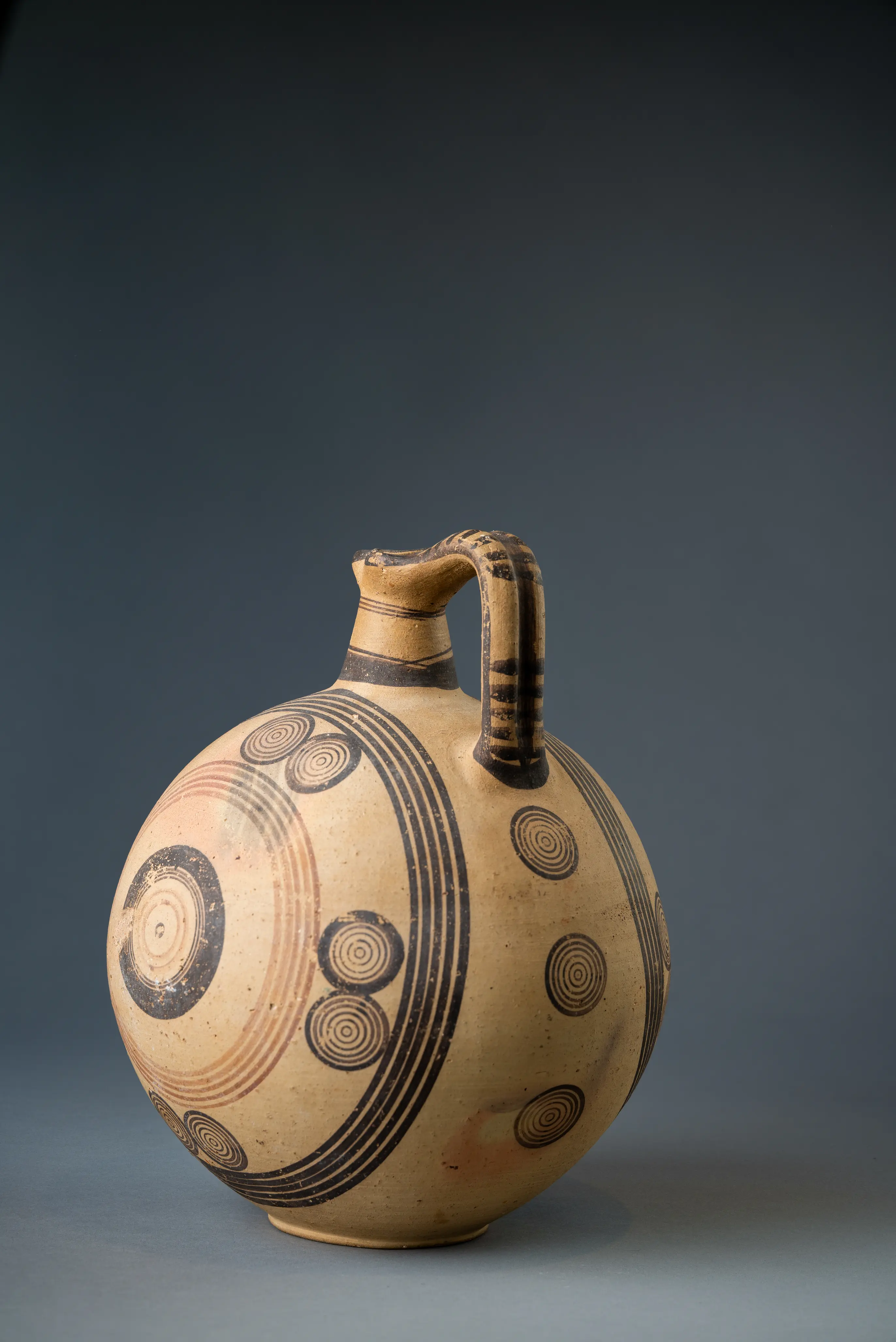 Pottery ShapesSectionThe classification of Cypriot pottery by vessel form rather than ware, grouped into ten shape families from bowls and jugs to composite vessels.Early Bronze AgeMiddle Bronze AgeLate Bronze AgeCypro-GeometricCypro-Archaic
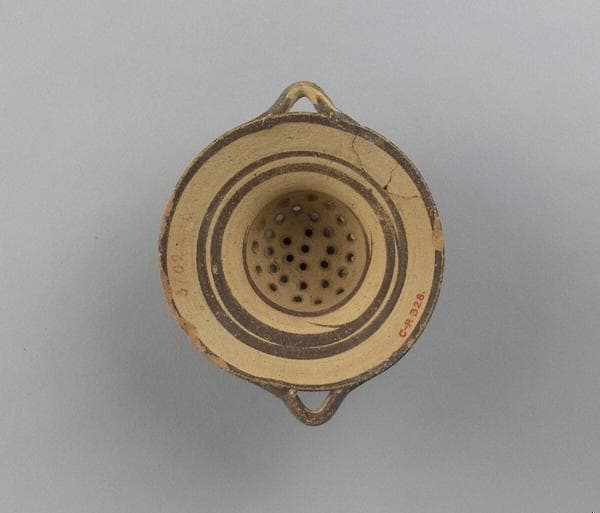 StrainersAny vessel with deliberate perforations that let liquid through and hold solids back, from Base Ring strainer jars to Iron Age strainer jugs and bronze strainers.Middle Bronze AgeLate Bronze AgeCypro-GeometricCypro-Archaic
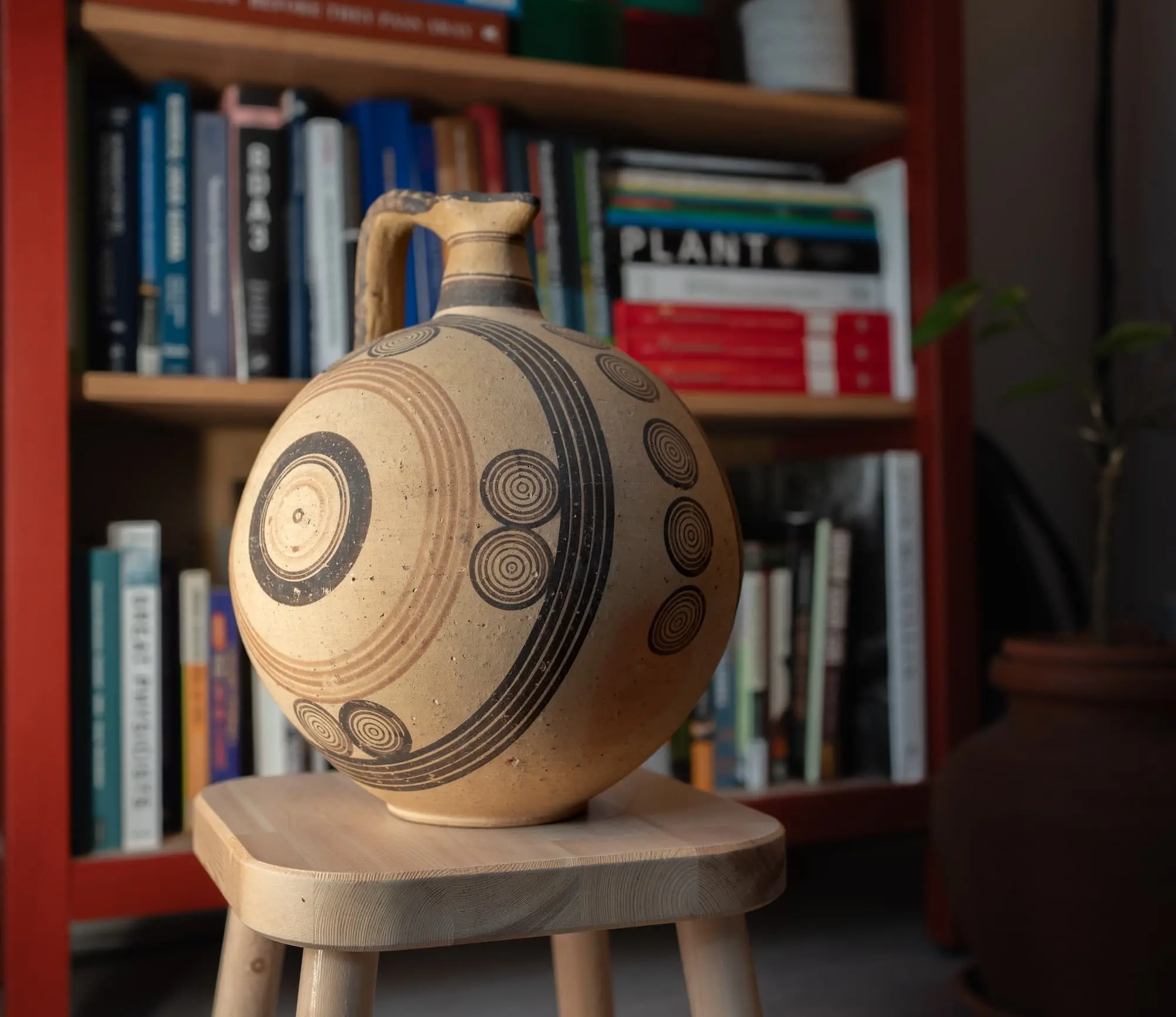 The Pottery of Ancient CyprusSectionThe pottery made and used in Cyprus from the Ceramic Neolithic onward, the island's most abundant artifact class and the basis of its chronology.NeolithicChalcolithicEarly Bronze AgeMiddle Bronze AgeLate Bronze AgeCypro-GeometricCypro-ArchaicCypro-ClassicalHellenisticRoman
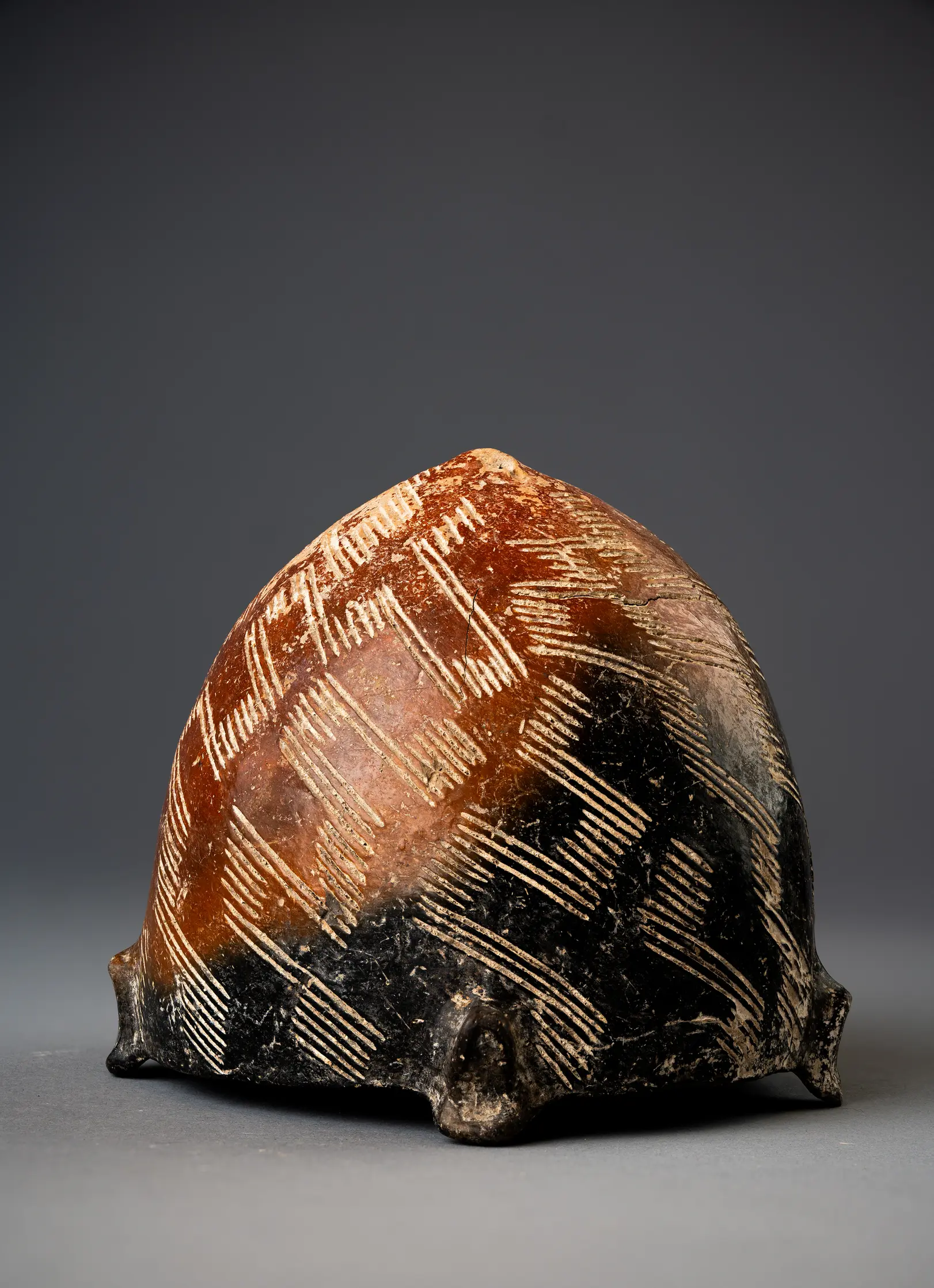 Triple Crossing LinesGroups of parallel painted lines laid obliquely so that they cross one another, the defining motif of the Middle Bronze Age White Painted Cross Line Style.Middle Bronze Age
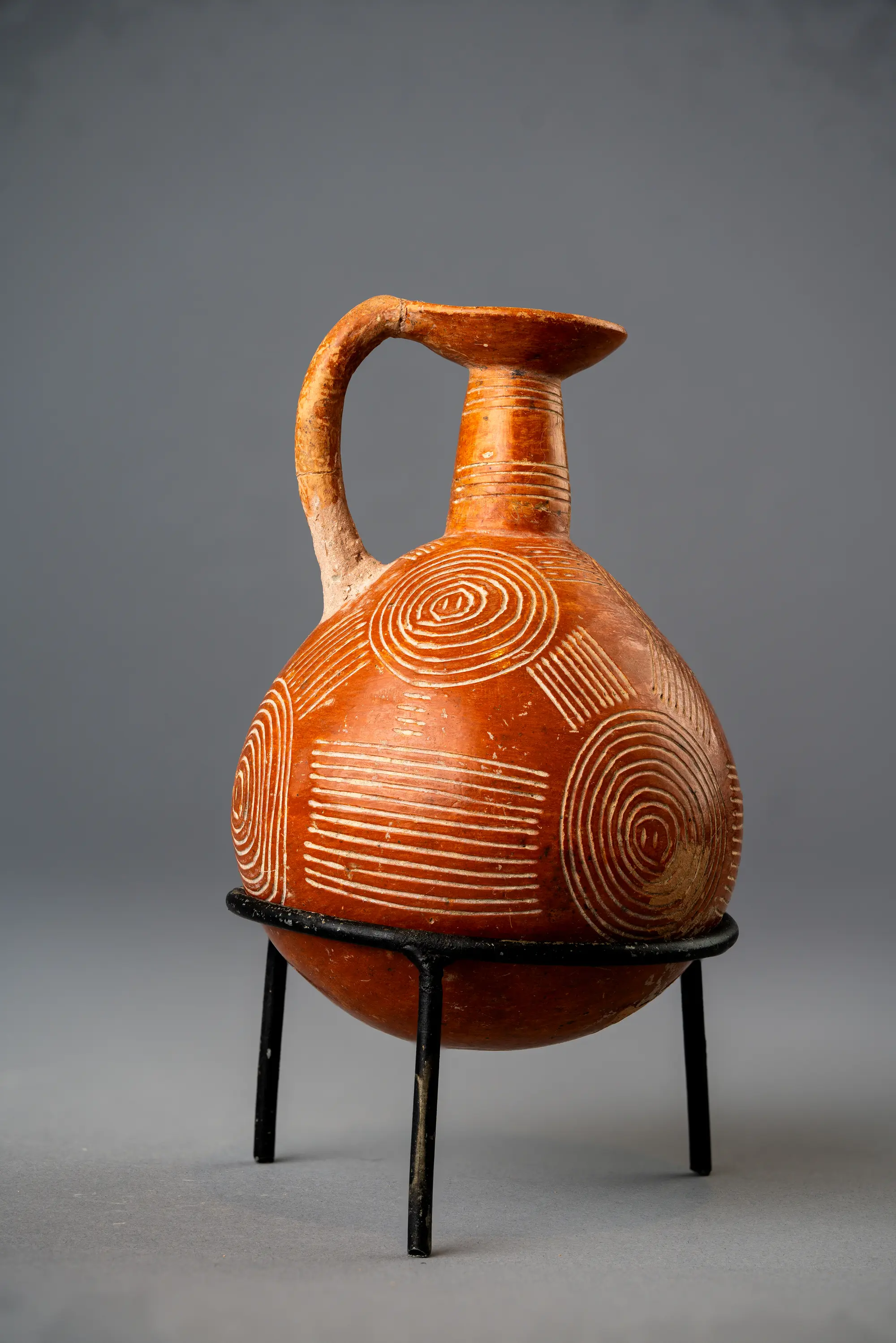 Types of WareSectionThe families of Cypriot pottery, grouped by clay, surface finish and decoration, from Neolithic Combed ware to Iron Age Black-on-Red.NeolithicChalcolithicEarly Bronze AgeMiddle Bronze AgeLate Bronze AgeCypro-GeometricCypro-ArchaicCypro-Classical
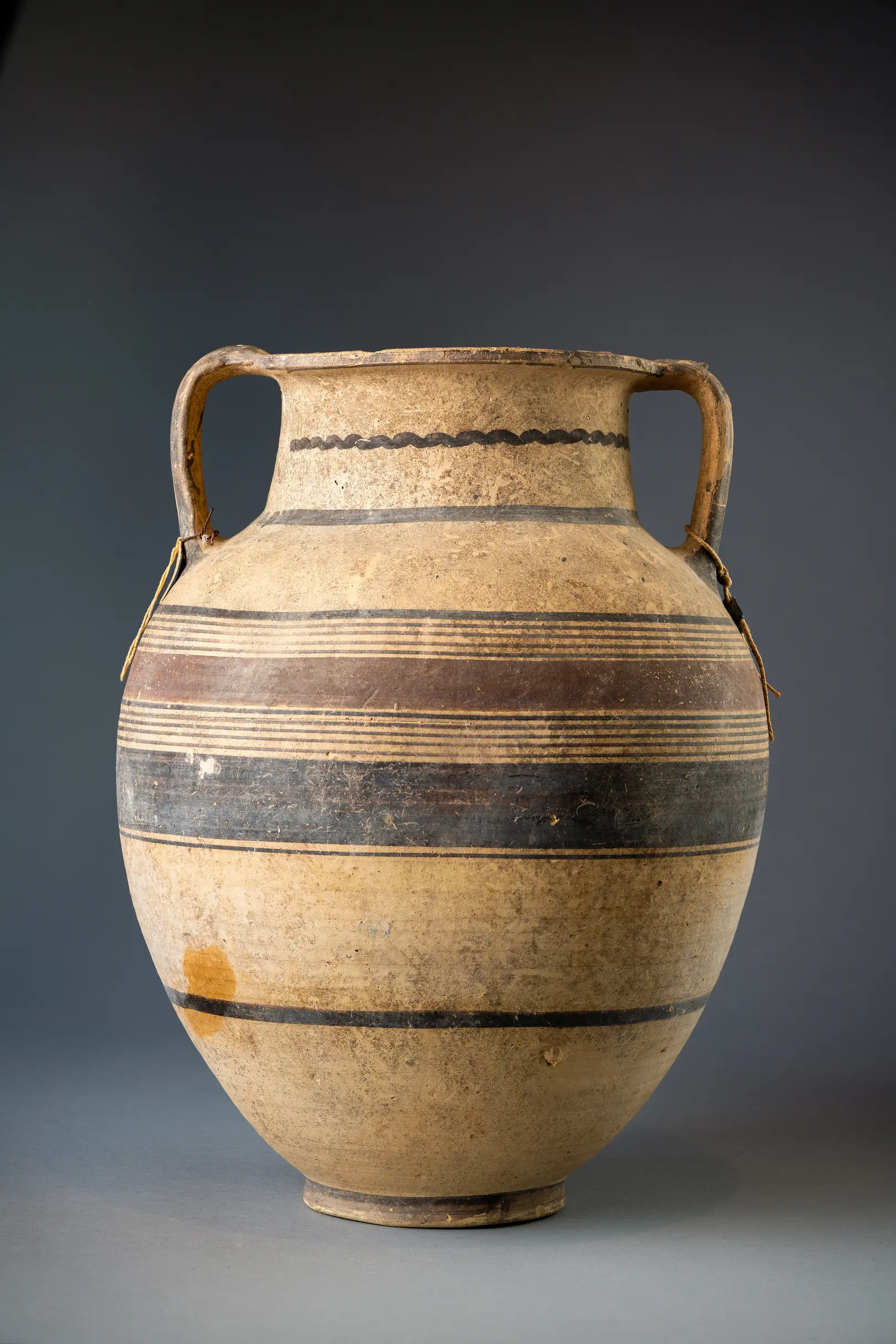 Wavy LinesA continuous line swinging in rounded curves, incised or painted on Cypriot pottery from Early Bronze Age Red Polished to Cypro-Archaic amphorae.Early Bronze AgeMiddle Bronze AgeLate Bronze AgeCypro-GeometricCypro-Archaic
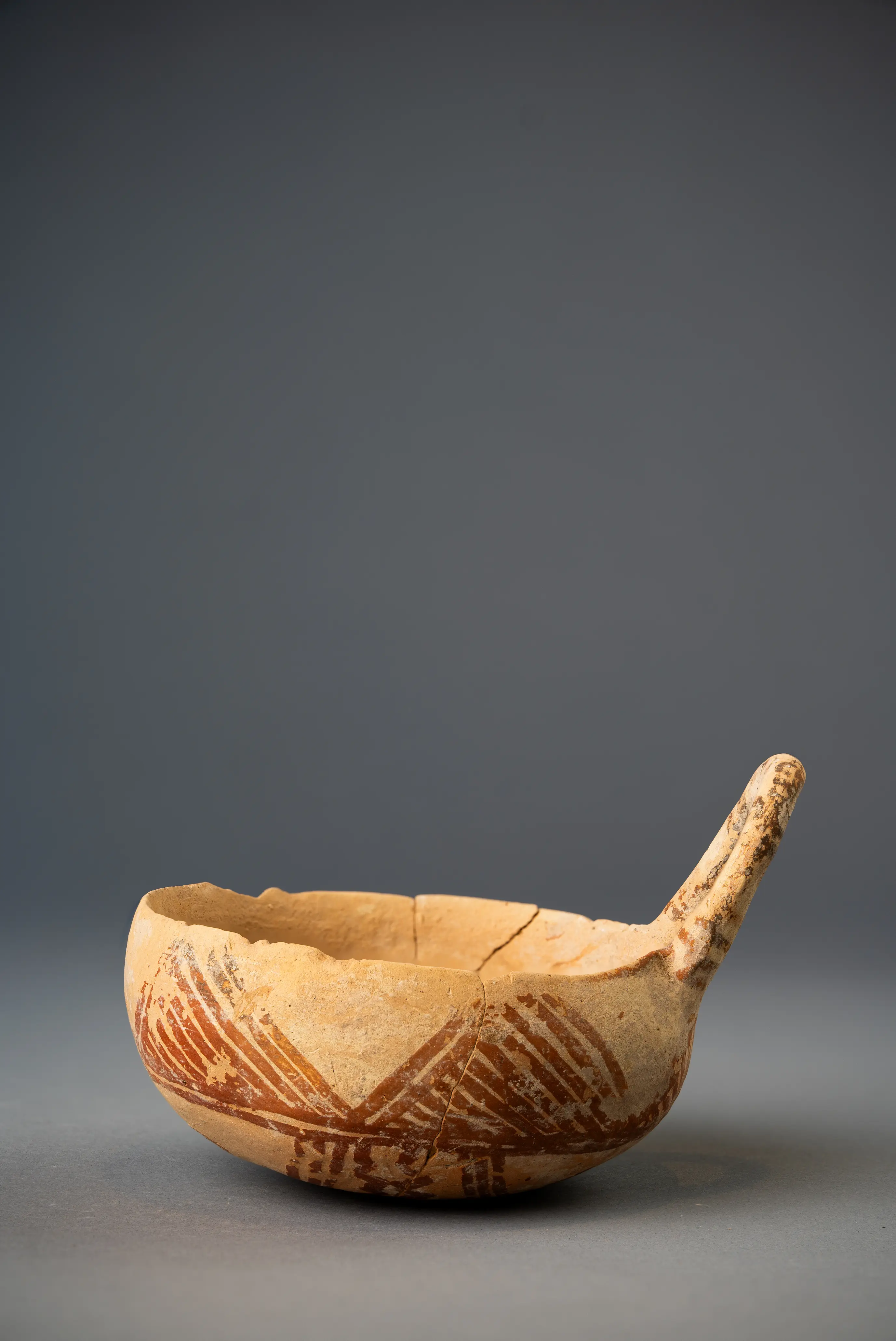 Zig-ZagsA continuous line changing direction at sharp angles, incised or painted on Cypriot pottery from Early Bronze Age Red Polished to Cypro-Archaic handles.Early Bronze AgeMiddle Bronze AgeLate Bronze AgeCypro-GeometricCypro-Archaic
Statues
5 entriesSection overview
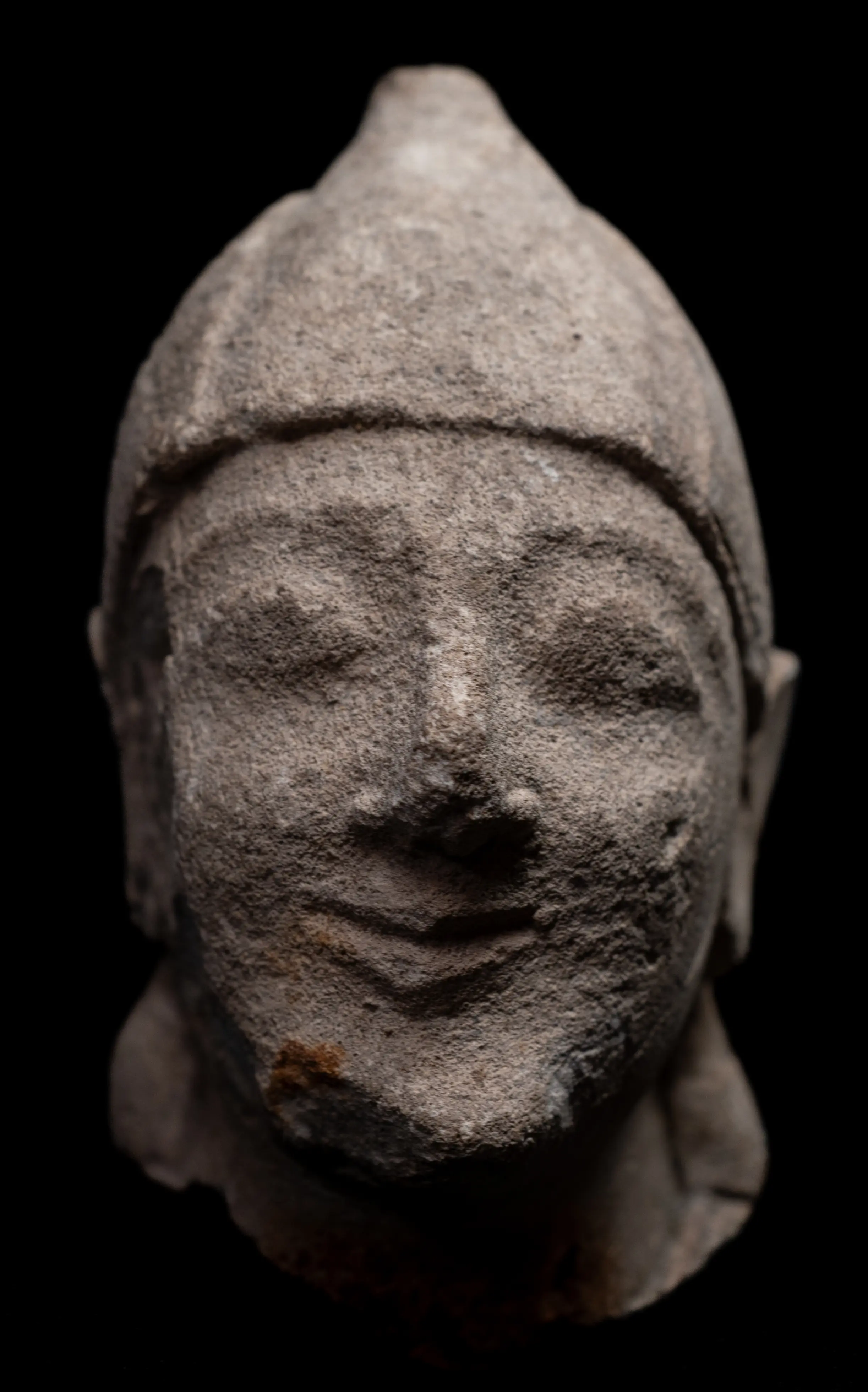 How Cypriot Figurines Are ClassifiedThe overlapping systems that classify Cypriot figurines and statues, from Winkelmann's N and C numbers to Karageorghis's Coroplastic Art and Gjerstad's styles.NeolithicChalcolithicEarly Bronze AgeMiddle Bronze AgeLate Bronze AgeCypro-GeometricCypro-Archaic
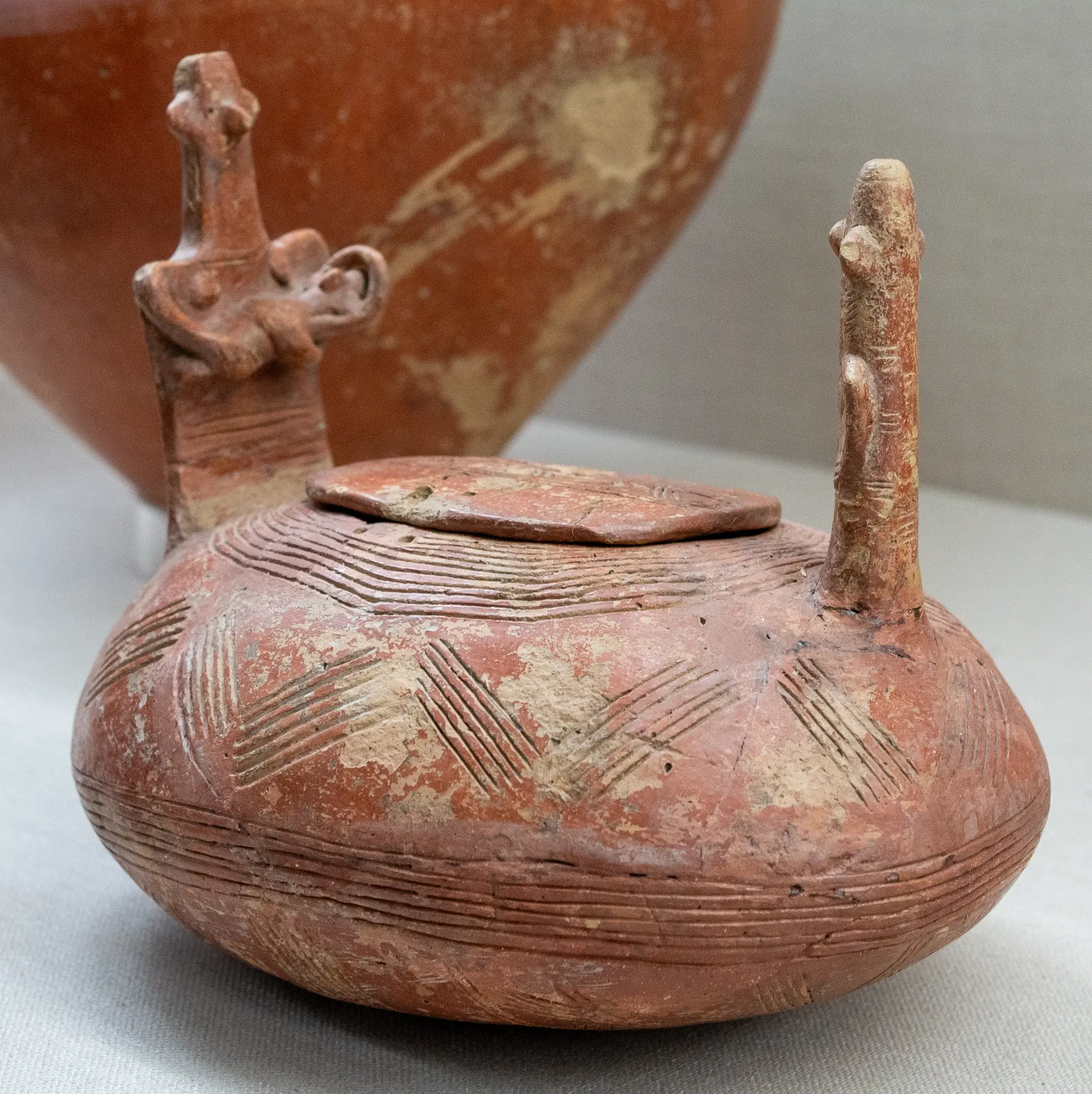 Plank FiguresFlat, rectangular, stylised human figures, mostly in incised Red Polished clay, made in Cyprus from Early Cypriot IIIA to Middle Cypriot II.Early Bronze AgeMiddle Bronze Age
- Red Polished Zoomorphic Vessels and Animal FigurinesRed Polished ware animal figurines, animal protomes applied to vessels, and animal-shaped askoi of Early and Middle Bronze Age Cyprus, mostly from tombs.Early Bronze AgeMiddle Bronze Age
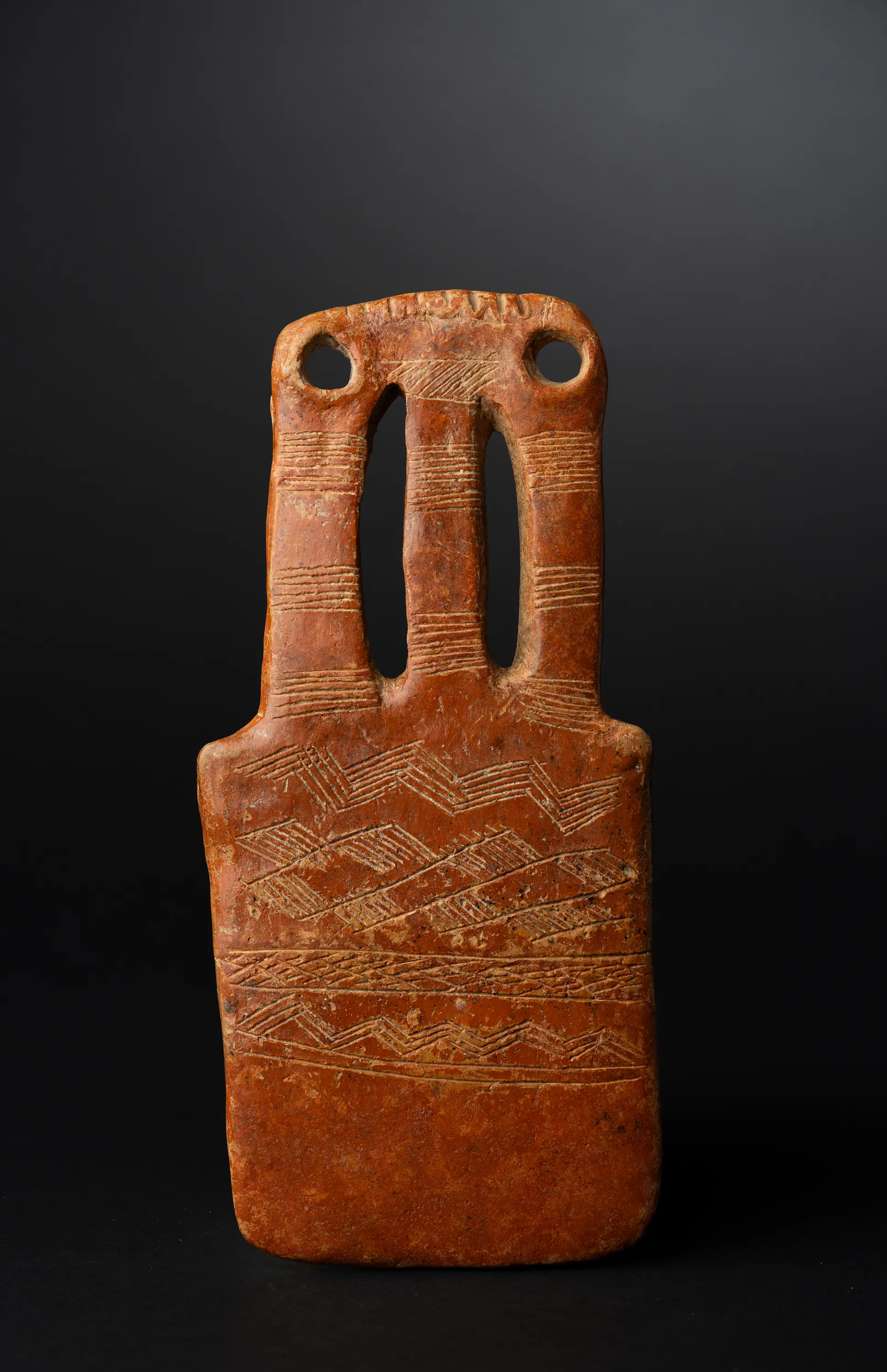 Stone Plank FiguresA rare class of about fourteen Bronze Age Cypriot plank figures carved in gypsum, chalk or limestone, most of them without a recorded find-spot.Early Bronze AgeMiddle Bronze Age
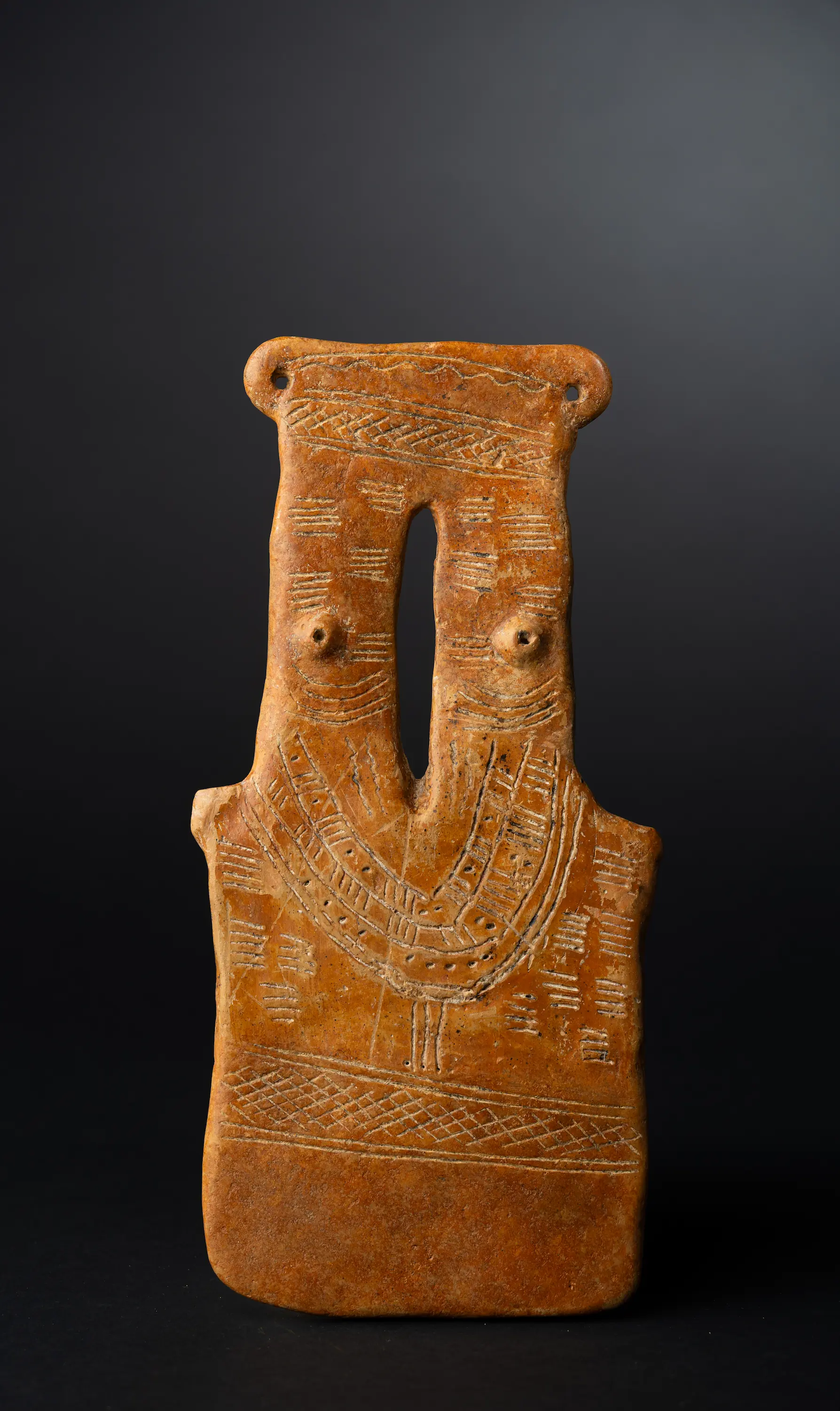 The Statues of Ancient CyprusSectionThe statues and figurines of ancient Cyprus, in stone, clay and metal, from Neolithic pebble figures to Hellenistic and Roman limestone votives.NeolithicChalcolithicEarly Bronze AgeMiddle Bronze AgeLate Bronze AgeCypro-GeometricCypro-ArchaicCypro-ClassicalHellenisticRoman
Weapons and Armour
3 entriesSection overview
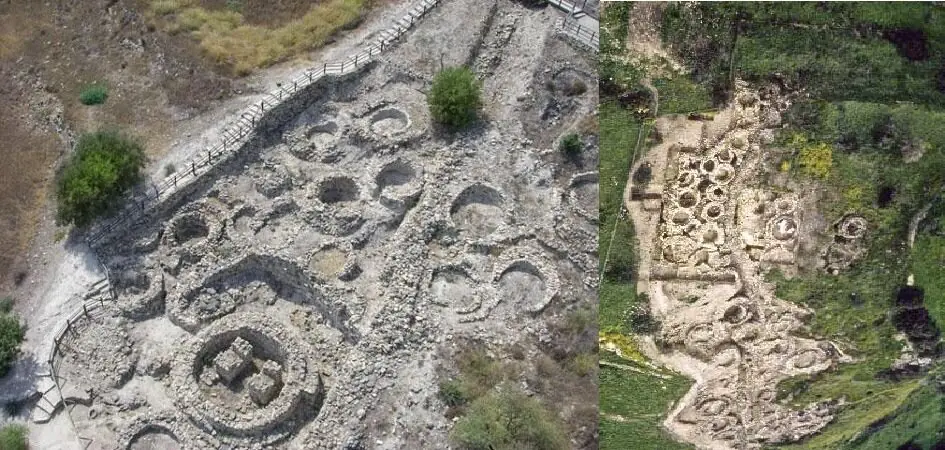 Fortifications in Ancient Cyprus: From Khirokitia to the Siege of PaphosThe walls, forts and enclosures Cypriots built in a few distinct episodes, from Aceramic Khirokitia to the city walls of the Iron Age kingdoms.NeolithicMiddle Bronze AgeLate Bronze AgeCypro-GeometricCypro-ArchaicCypro-Classical
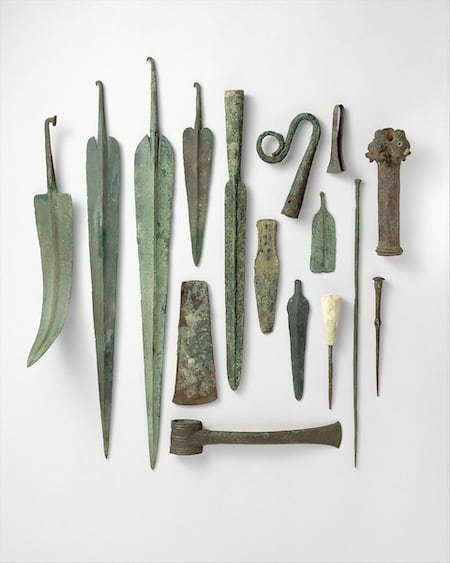 Weapons and Armour of Ancient CyprusSectionThe weapons, armour and fortifications of ancient Cyprus, from Neolithic projectile points to the iron swords and war imagery of the Iron Age kingdoms.NeolithicChalcolithicEarly Bronze AgeMiddle Bronze AgeLate Bronze AgeCypro-GeometricCypro-Archaic
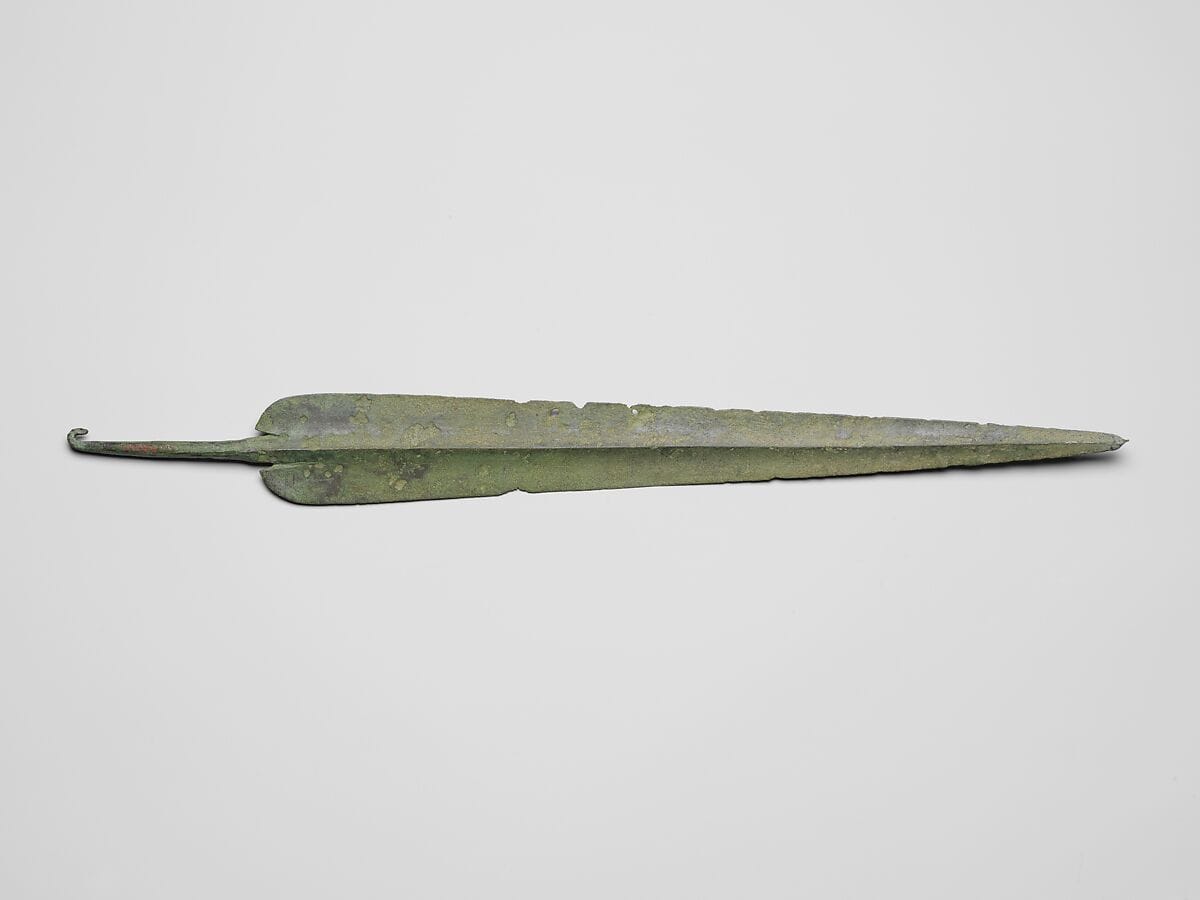 Weapons of Bronze Age CyprusThe copper and bronze weapons of Bronze Age Cyprus, from Philia hook-tang spearheads and riveted daggers to the Naue II swords and greaves of Enkomi.Early Bronze AgeMiddle Bronze AgeLate Bronze Age
Tools and Technologies
7 entriesSection overview
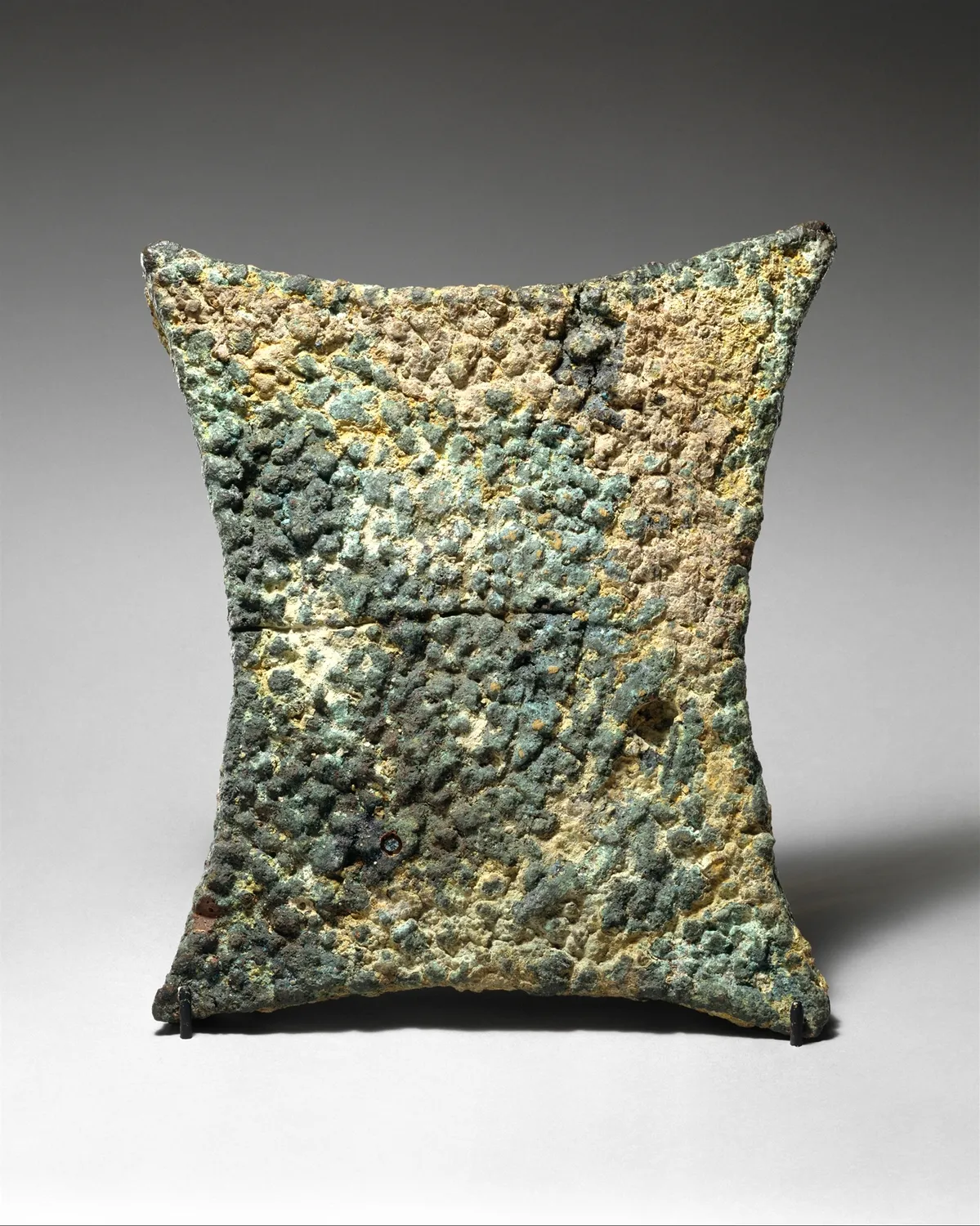 Copper Metallurgy in Ancient CyprusThe mining, smelting and casting of the Troodos sulphide ores, from hammered Chalcolithic native copper to Late Bronze Age oxhide ingots and Archaic slag heaps.ChalcolithicEarly Bronze AgeMiddle Bronze AgeLate Bronze AgeCypro-GeometricCypro-Archaic
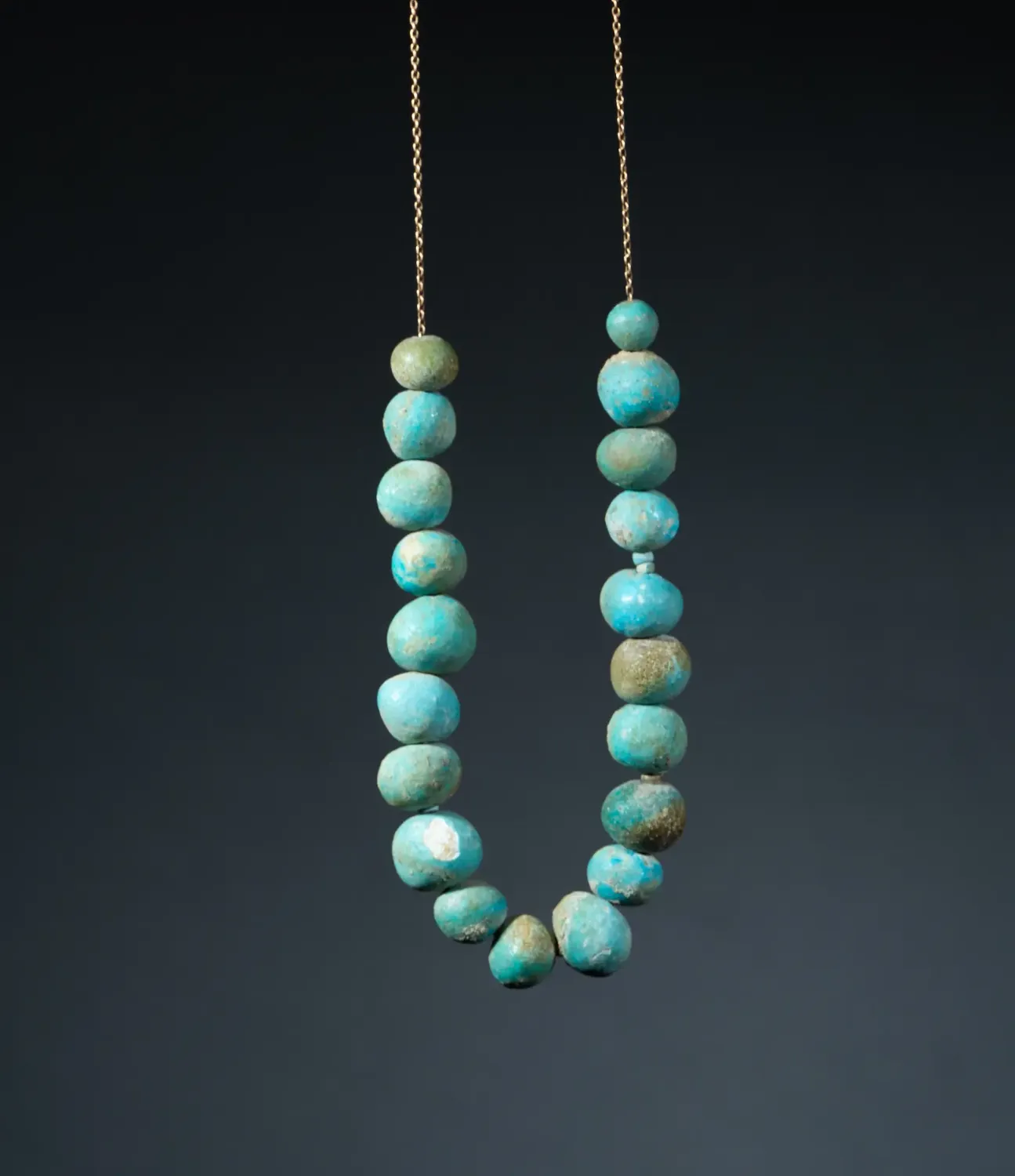 Faience in Ancient CyprusA glazed quartz-paste material found on Cyprus as beads, vessels and amulets from the Chalcolithic onward, though no local workshop has been identified.ChalcolithicMiddle Bronze AgeLate Bronze AgeCypro-GeometricCypro-Archaic
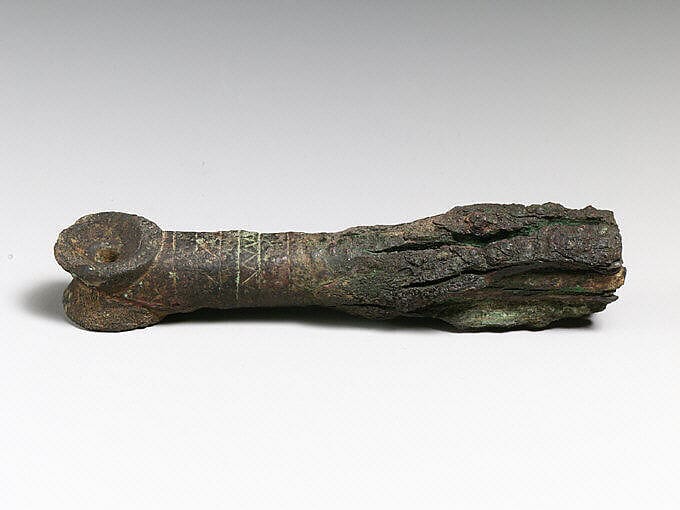 Gold, Silver, Tin, Arsenic and Iron in Ancient CyprusThe metals other than copper used by Cypriot smiths from the Philia facies to the 12th century BCE, including arsenic, tin, gold, electrum, silver, lead and iron.Early Bronze AgeMiddle Bronze AgeLate Bronze Age
- Pottery Kilns and Firing in Ancient CyprusHow Cypriot potters fired their wares, mostly in open fires and pits until the Late Bronze Age, when the first kilns and the potter's wheel appear.ChalcolithicEarly Bronze AgeMiddle Bronze AgeLate Bronze Age
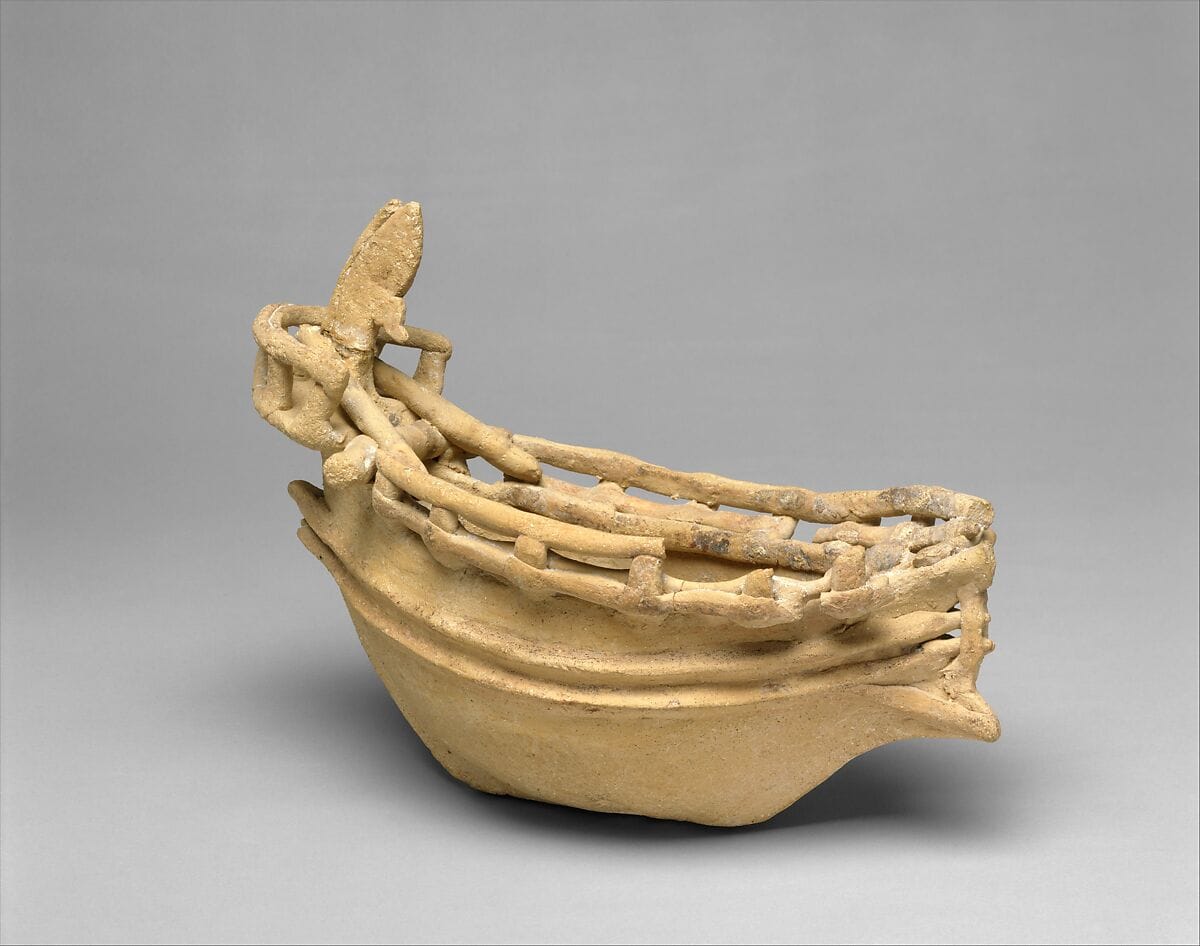 Seafaring and Ships in Ancient CyprusThe evidence for boats and seafaring around Cyprus from the first crossings to the Classical period, from anchors, models and graffiti to wrecks and shipsheds.NeolithicEarly Bronze AgeMiddle Bronze AgeLate Bronze AgeCypro-ArchaicCypro-Classical
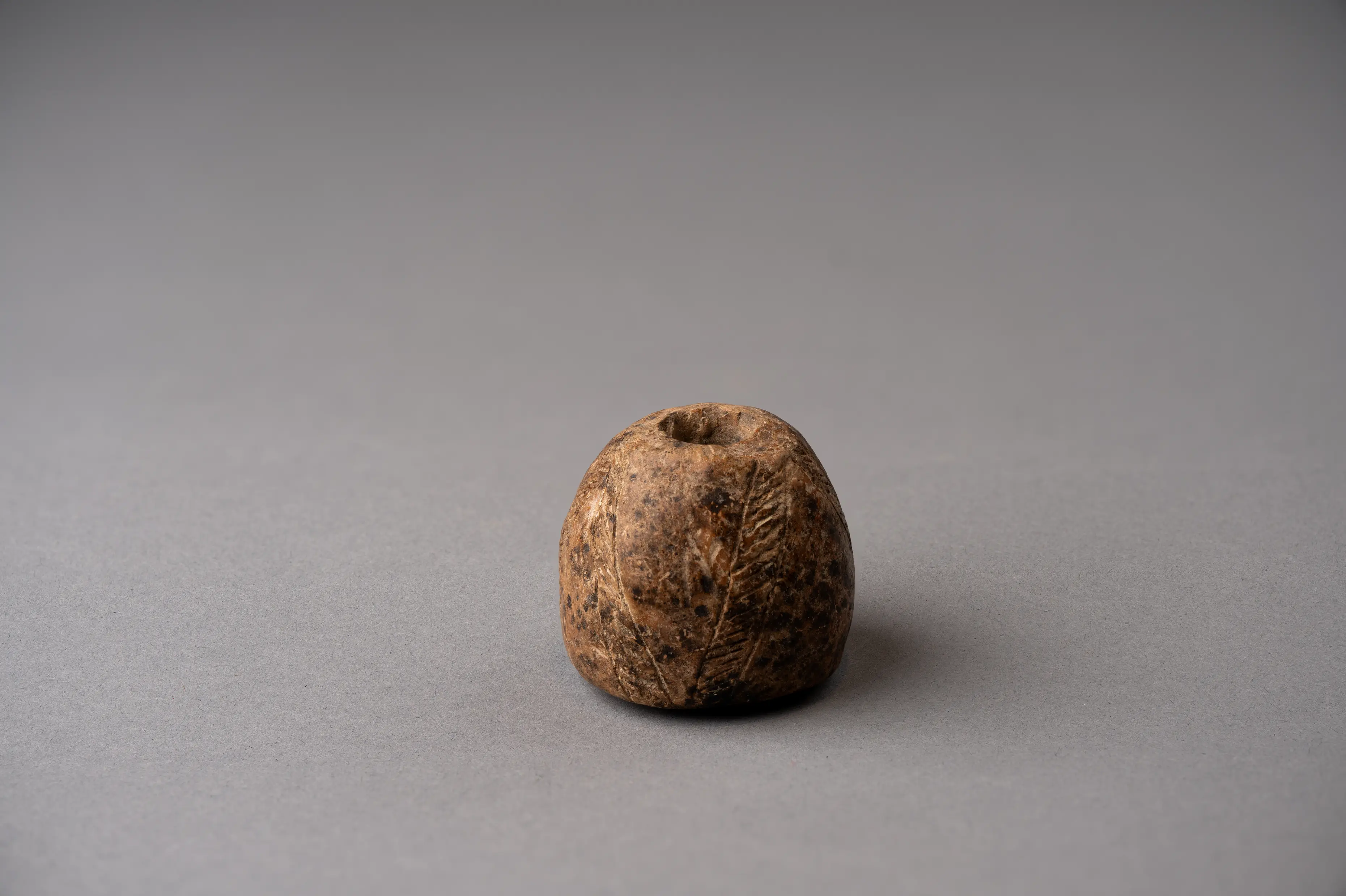 Spindle Whorls and Textile Tools in Ancient CyprusThe tools of spinning, weaving and dyeing in ancient Cyprus, from Neolithic bone needles to the terracotta whorls and loom weights of the Bronze Age.NeolithicChalcolithicEarly Bronze AgeMiddle Bronze AgeLate Bronze Age
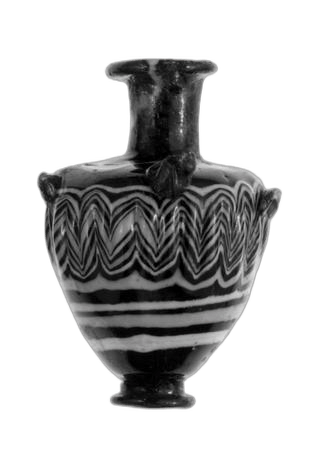 Tools and Technologies of Ancient CyprusSectionThe crafts and technologies of ancient Cyprus, from Neolithic stone and bone toolkits through copper metallurgy and the potter's wheel to early iron.NeolithicChalcolithicEarly Bronze AgeMiddle Bronze AgeLate Bronze AgeCypro-Geometric
Cultures
4 entriesSection overview
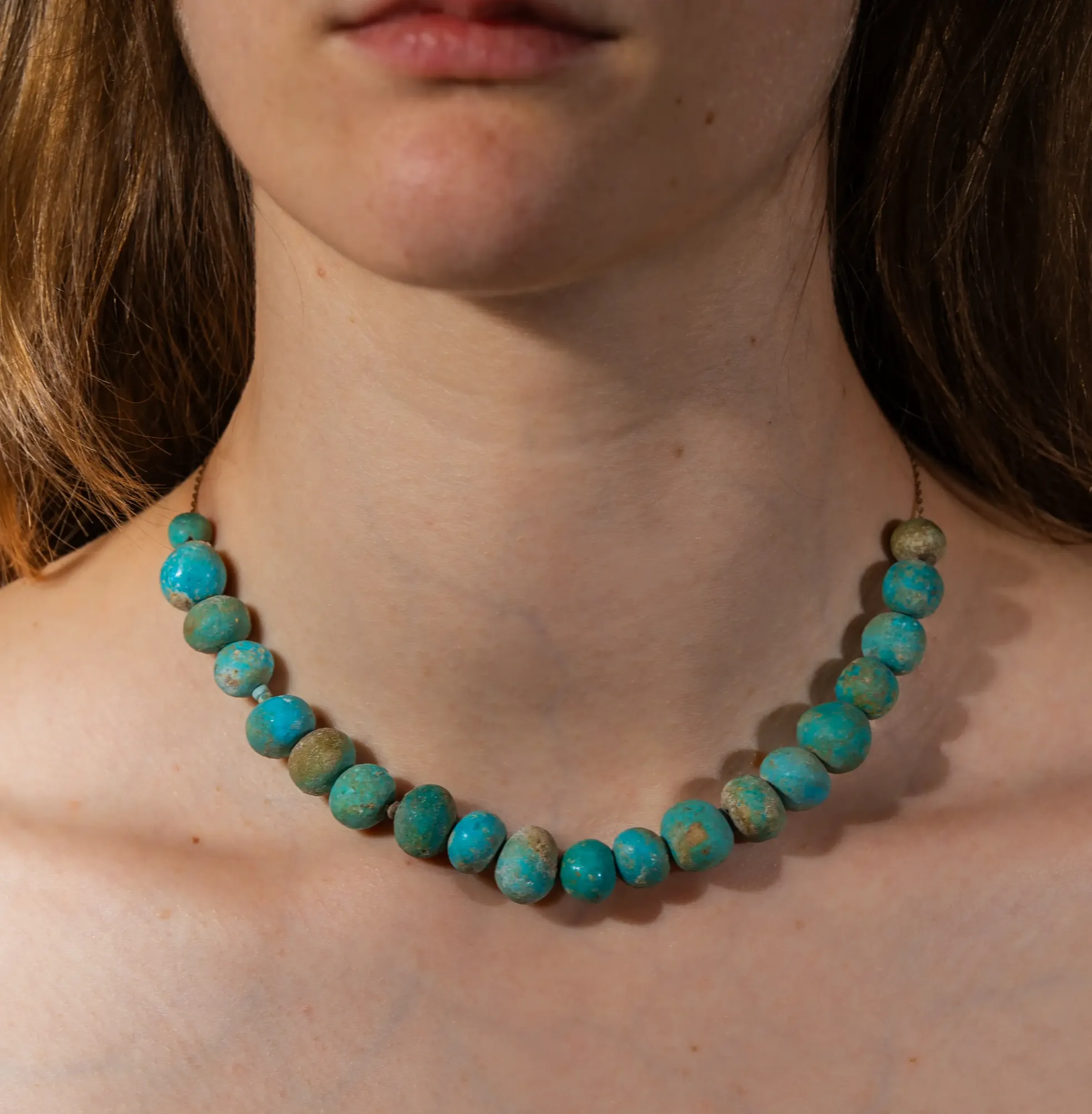 EgyptAncient Egypt, Cyprus's partner in copper, pottery and prestige goods from the Middle Kingdom to the Ptolemies, who annexed the island.Middle Bronze AgeLate Bronze AgeCypro-ArchaicCypro-ClassicalHellenistic
- Neighboring CulturesSectionCyprus's relations with Anatolia, the Levant, Egypt, the Aegean and the Near Eastern empires, from the Chalcolithic to the Cypro-Archaic period.ChalcolithicEarly Bronze AgeMiddle Bronze AgeLate Bronze AgeCypro-GeometricCypro-Archaic
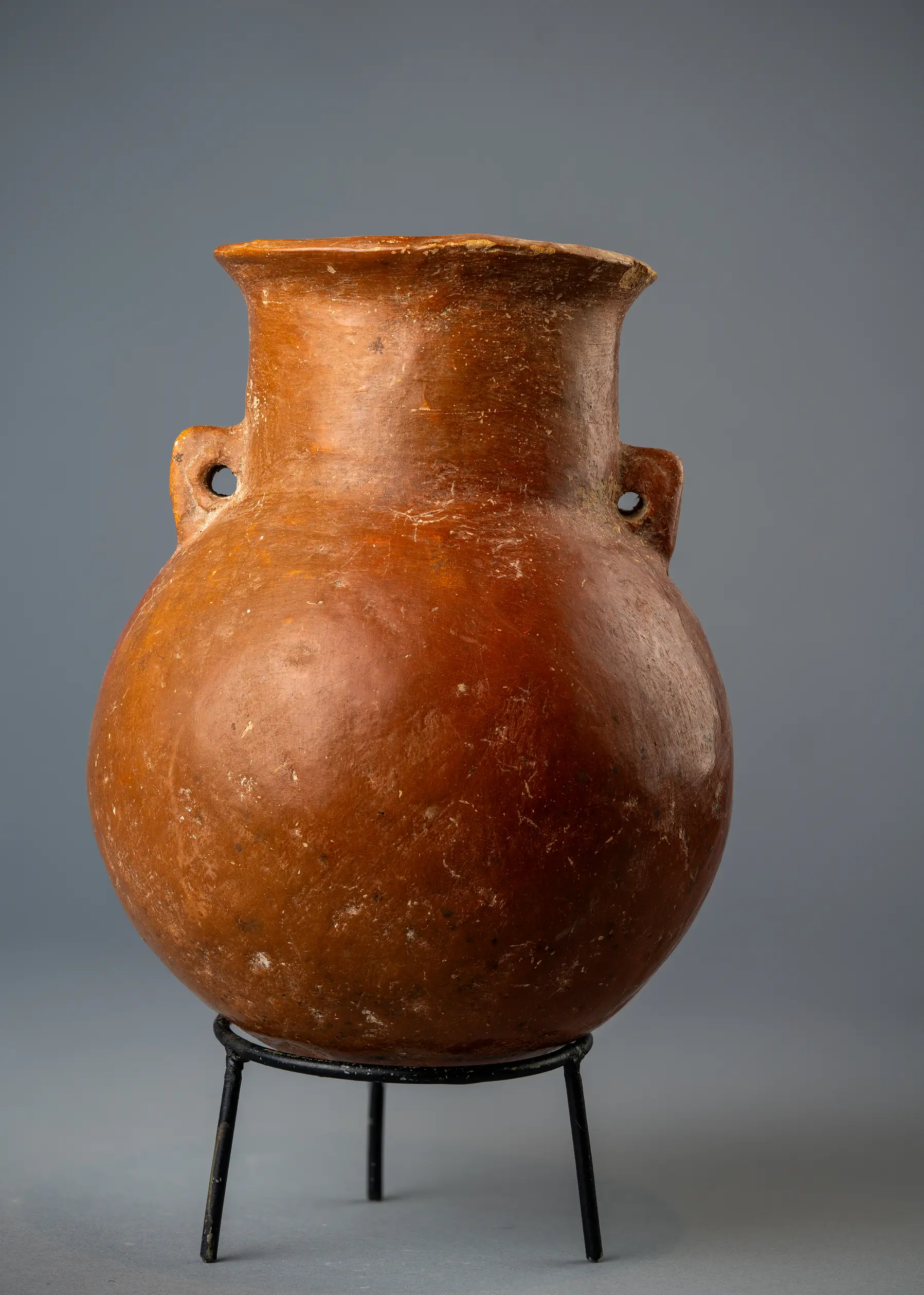 The MinoansThe palatial Bronze Age civilization of Crete, which took Cypriot copper and passed writing to Cyprus in the early Late Bronze Age.Early Bronze AgeMiddle Bronze AgeLate Bronze Age
- Ugarit and the LevantThe Syrian port kingdom of Ugarit and the wider Levantine coast, Cyprus's closest Bronze Age trading partners across the water.Middle Bronze AgeLate Bronze AgeCypro-Geometric
Architecture
1 entrySection overview
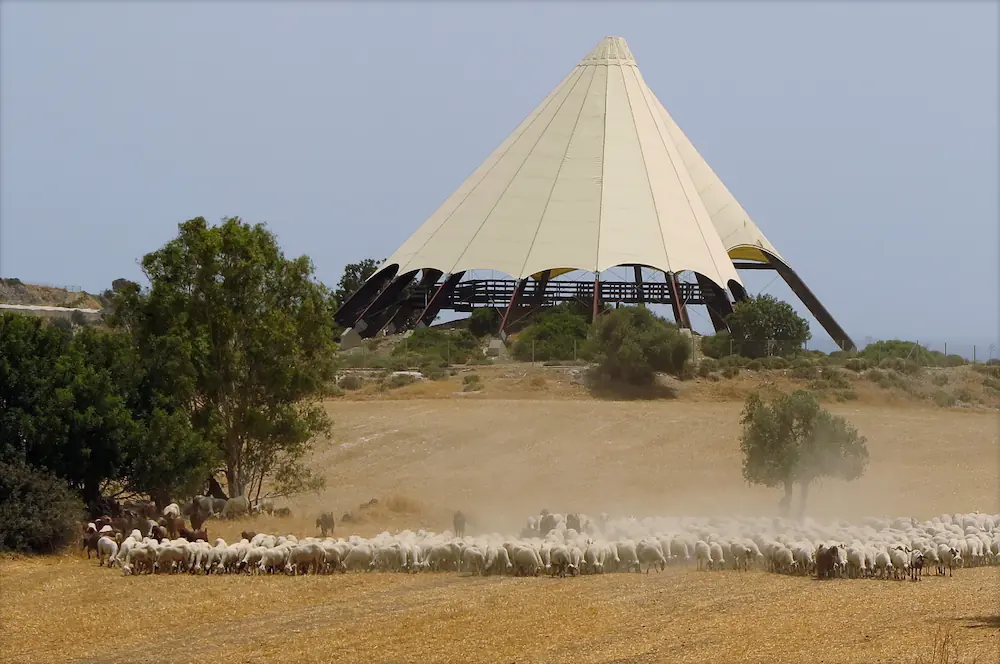
Mortuary Practices
3 entriesSection overview
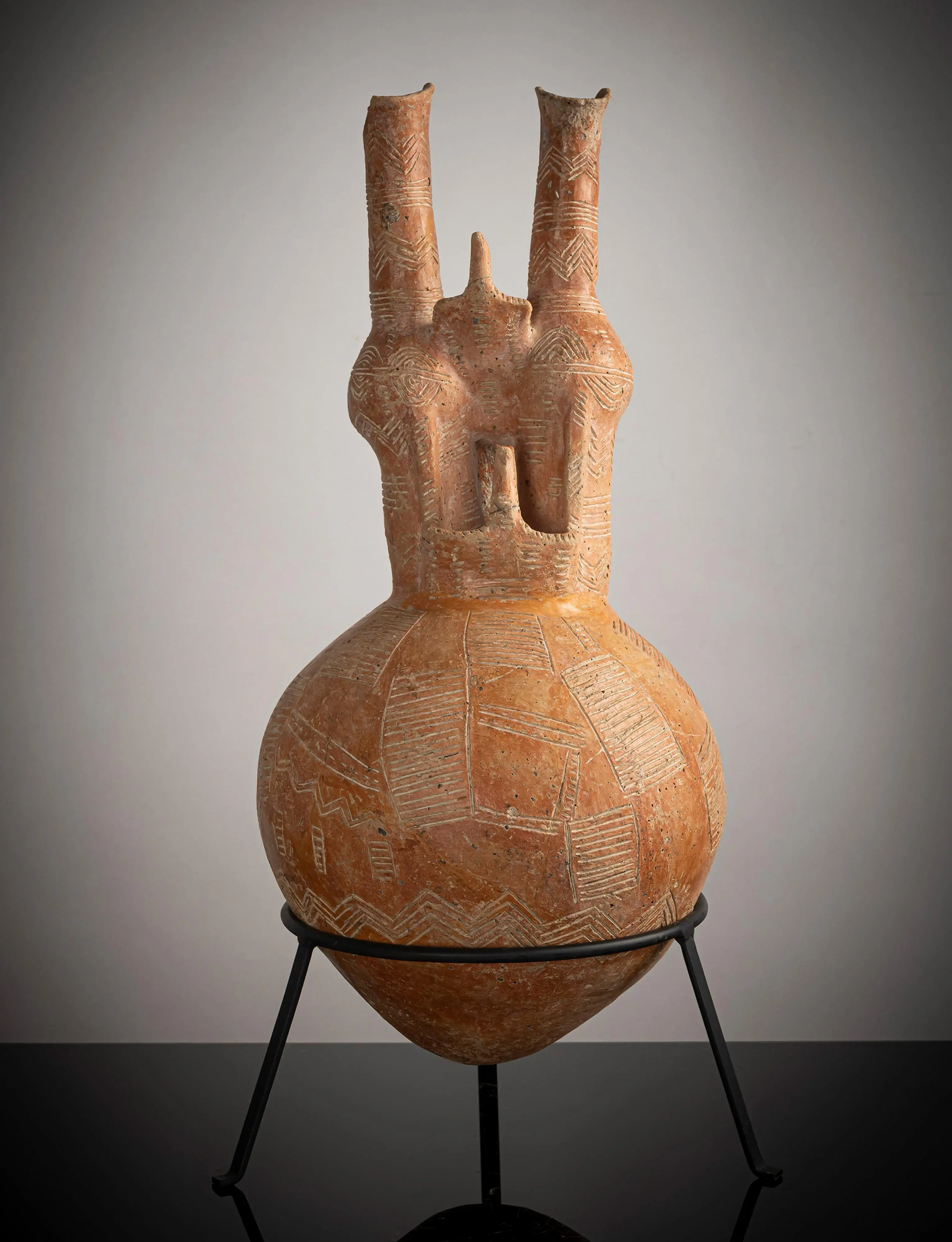 Vounous and Early Bronze Age BurialBellapais-Vounous is a north-coast cemetery of rock-cut chamber tombs whose figured Red Polished grave goods define Early Bronze Age burial in Cyprus.Early Bronze AgeMiddle Bronze Age
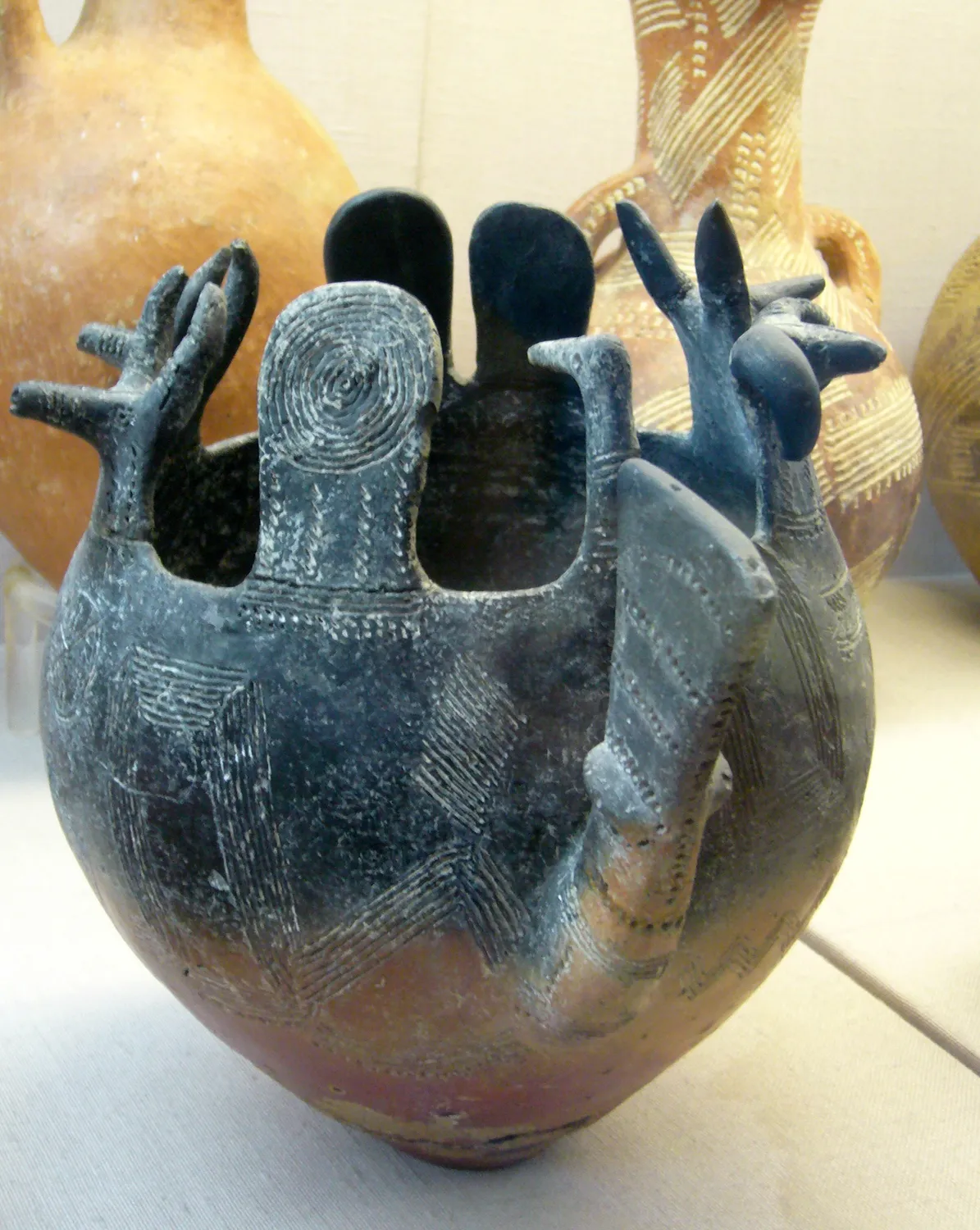 Bronze Age Chamber TombsRock-cut chambers entered by a dromos and reopened for successive burials were the standard Cypriot grave from the Philia phase to the end of the Bronze Age.Early Bronze AgeMiddle Bronze AgeLate Bronze Age
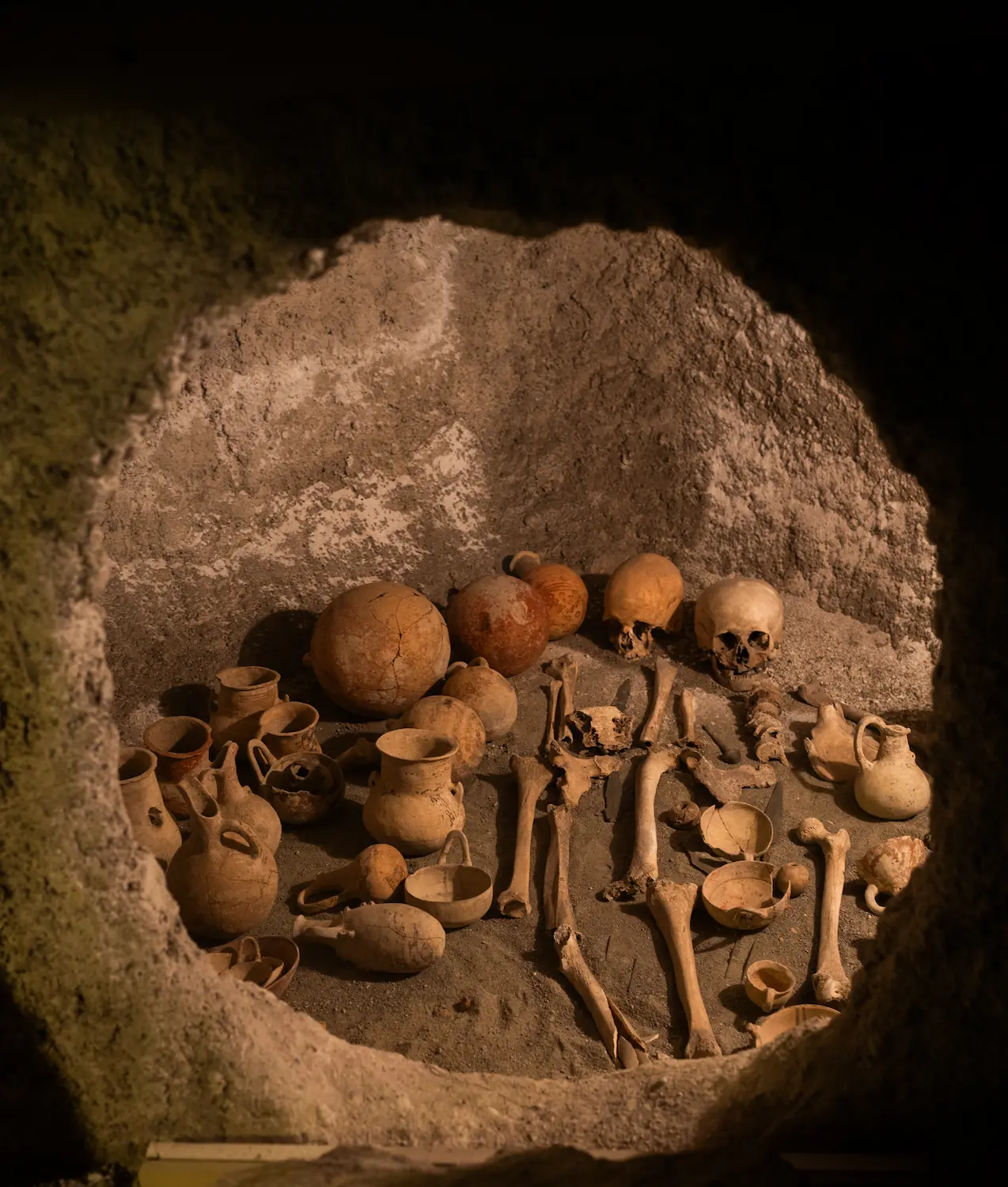 Society, Ritual, and Identity in Ancient Cypriot Mortuary PracticeSectionHow the people of ancient Cyprus buried and remembered their dead, from graves beneath Neolithic houses to rock-cut chamber tombs and Iron Age royal tombs.NeolithicChalcolithicEarly Bronze AgeMiddle Bronze AgeLate Bronze AgeCypro-Geometric
Daily Life
7 entriesSection overview
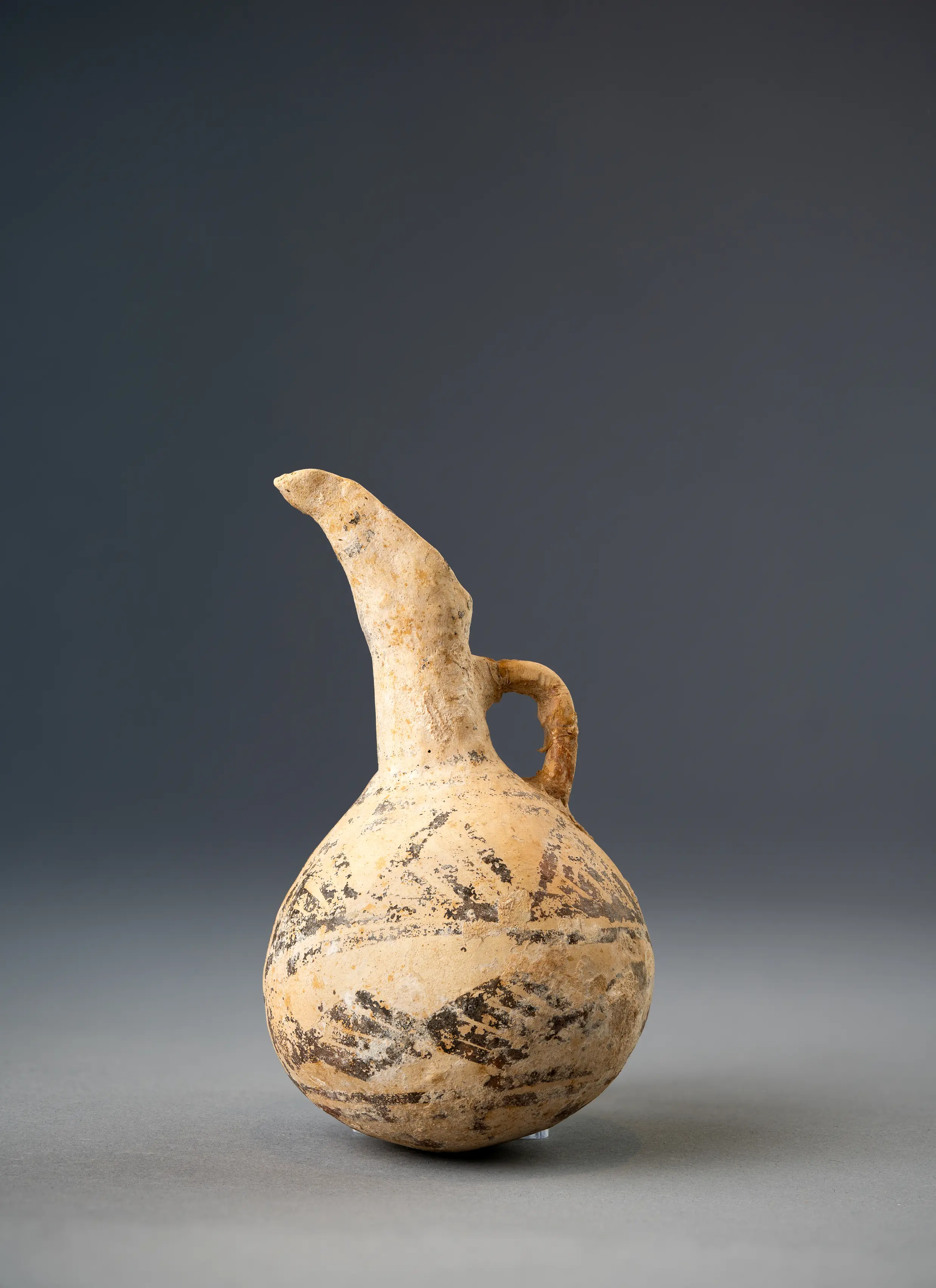 Village Life in Middle Bronze Age CyprusEveryday life in Middle Cypriot villages, where households farmed, herded and made their own pots, copper tools and thread in courtyard compounds.Middle Bronze Age
- Clothing and Dress in Ancient CyprusWhat Cypriots wore from the Neolithic to the Cypro-Classical period, reconstructed from figurines, statues, textile tools and metal fasteners.NeolithicChalcolithicEarly Bronze AgeMiddle Bronze AgeLate Bronze AgeCypro-GeometricCypro-ArchaicCypro-Classical
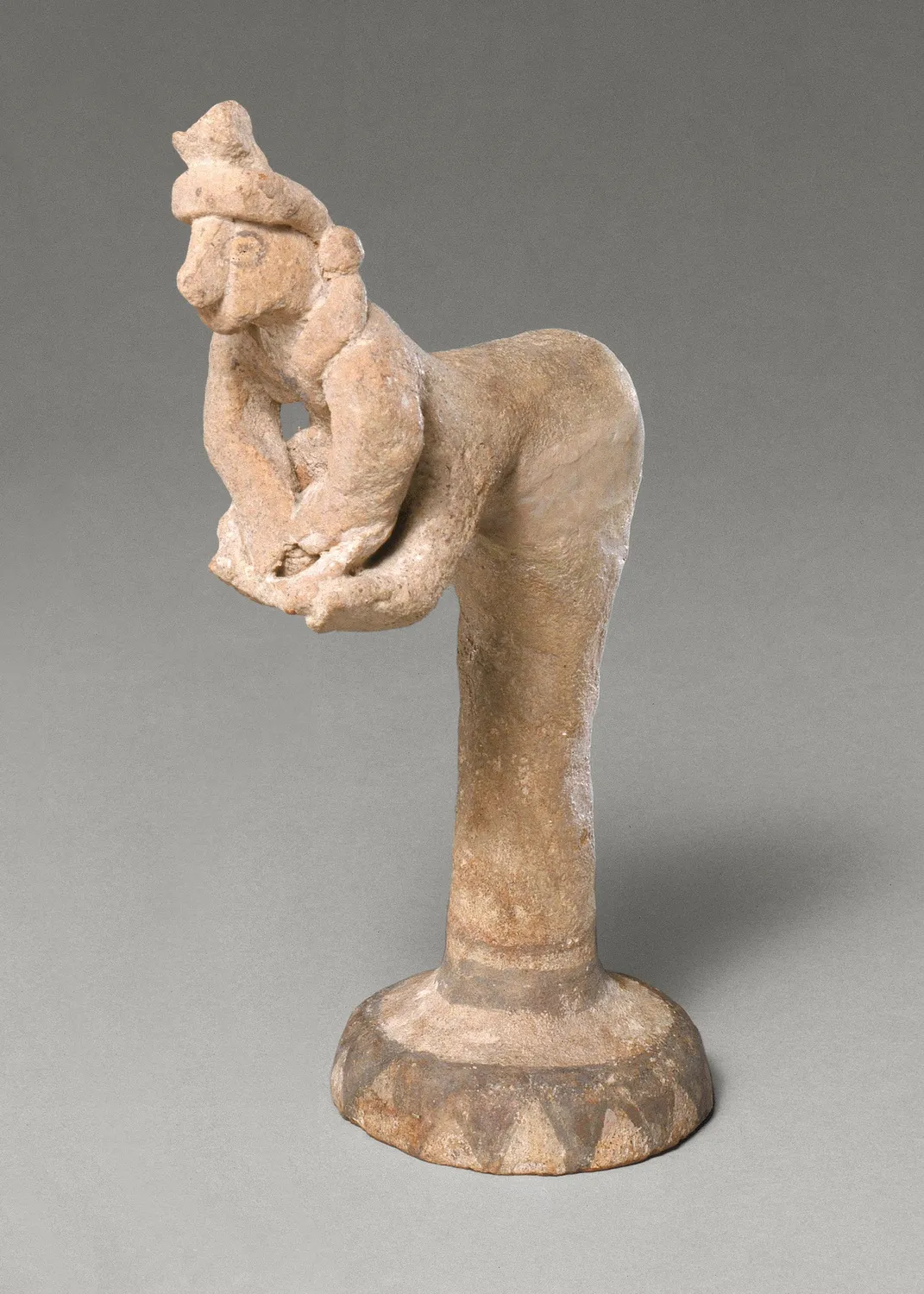 Food and Diet in Ancient CyprusWhat Cypriots grew, herded, hunted, cooked and drank from the first Neolithic villages to the end of the Cypro-Archaic period.NeolithicChalcolithicEarly Bronze AgeMiddle Bronze AgeLate Bronze AgeCypro-GeometricCypro-Archaic
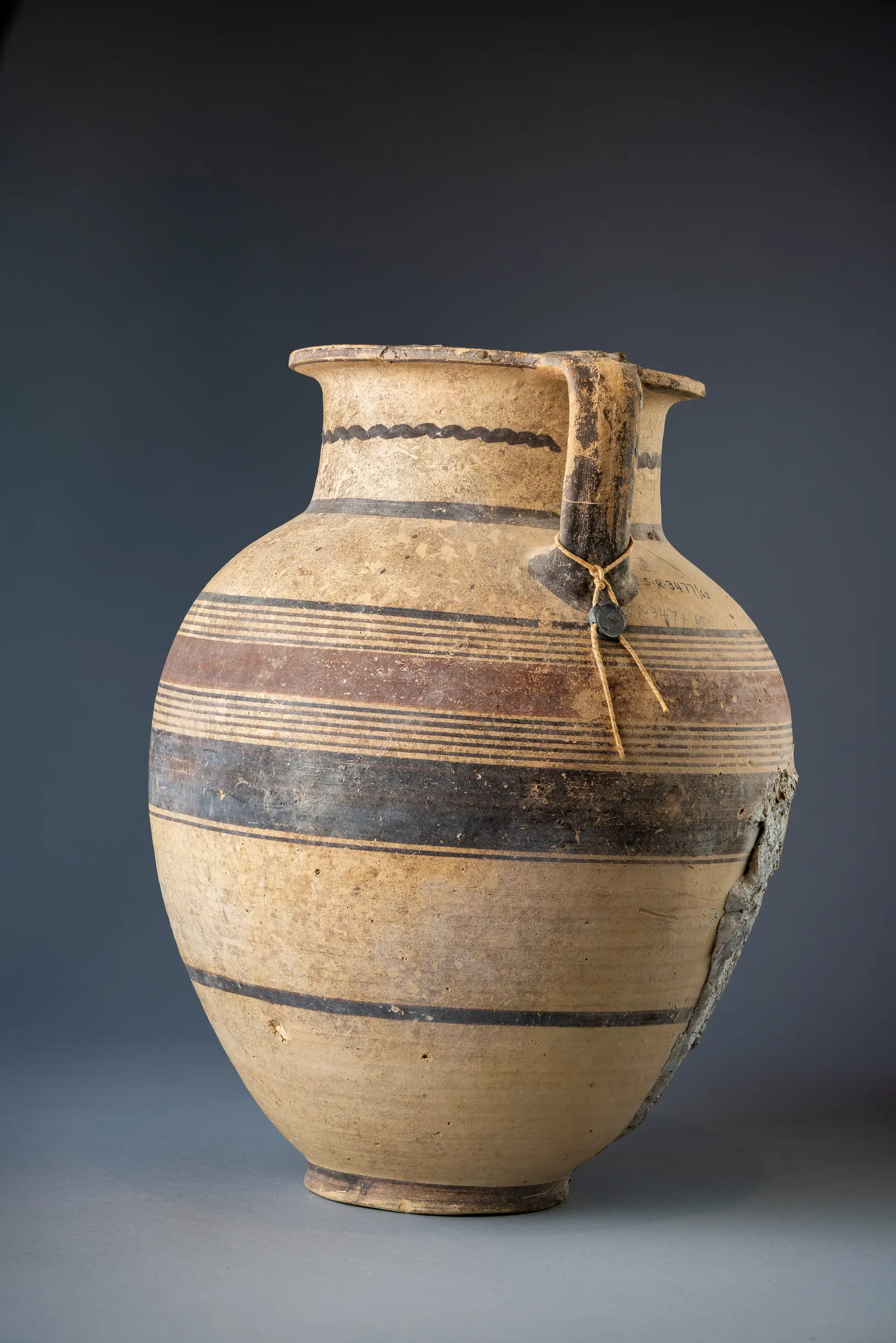 Food Storage in Ancient Cyprus: Pits, Pithoi and StoreroomsHow Cypriots stored grain, oil and wine, from Chalcolithic pits and household jars to the great pithos halls of the Late Bronze Age towns.NeolithicChalcolithicEarly Bronze AgeMiddle Bronze AgeLate Bronze AgeCypro-GeometricCypro-Archaic
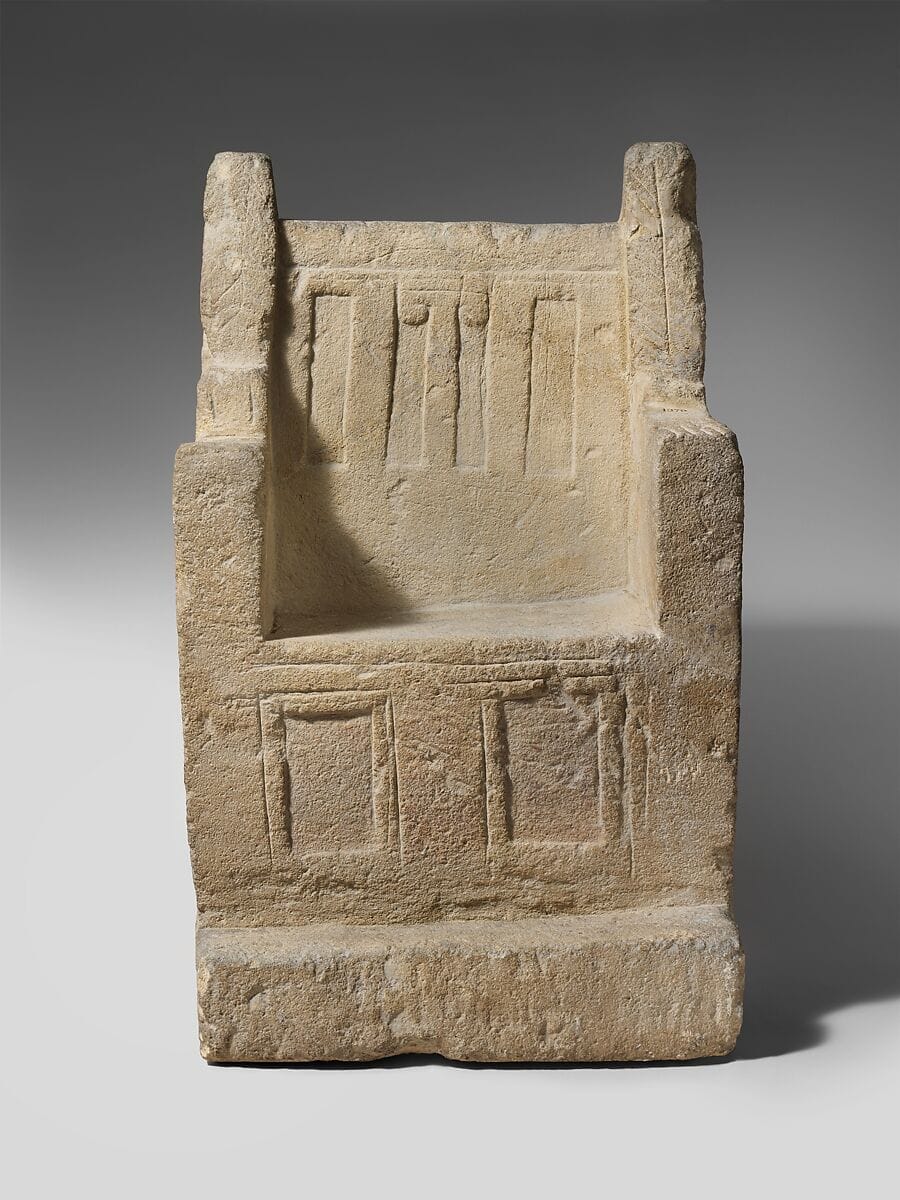 Furniture in Ancient CyprusHow Cypriots sat, slept and stored goods from the Neolithic to the Archaic kingdoms, known almost entirely from built benches, clay models, seals and royal tombs.NeolithicChalcolithicEarly Bronze AgeMiddle Bronze AgeLate Bronze AgeCypro-Archaic
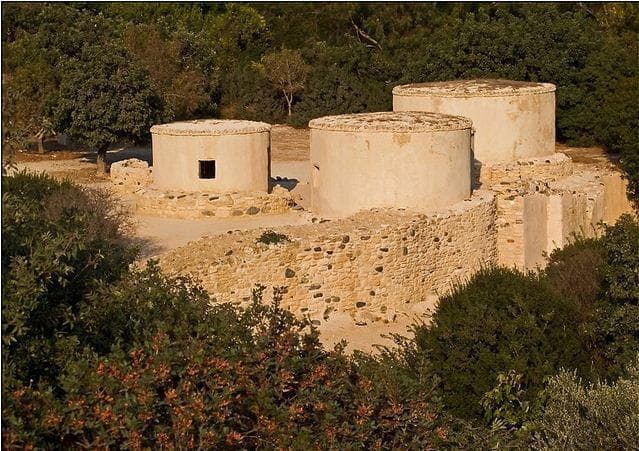 Population and Demography in Ancient CyprusThe methods and published estimates for how many people lived in ancient Cyprus, from Neolithic Khirokitia to the Classical kingdoms, where every figure is a model.NeolithicChalcolithicMiddle Bronze AgeLate Bronze AgeCypro-ArchaicCypro-Classical
- Subsistence, Craft, and Community in Prehistoric and Archaic CyprusSectionHow ordinary Cypriots farmed, herded, cooked, built houses and made pots, tools and cloth from the Neolithic to the Cypro-Archaic period.NeolithicChalcolithicEarly Bronze AgeMiddle Bronze AgeLate Bronze AgeCypro-Archaic
Environment
1 entrySection overview