Period
Cypro-Classical
c. 480–310 BCE (end date debated)
The last phase of the Cypriot city-kingdoms, c. 480–310 BCE, under loose Persian overlordship, ending when Ptolemy I abolished the kings.
Read the full overview of the Cypro-Classical period →
25 entries in 8 sections
Pottery
5 entriesSection overview
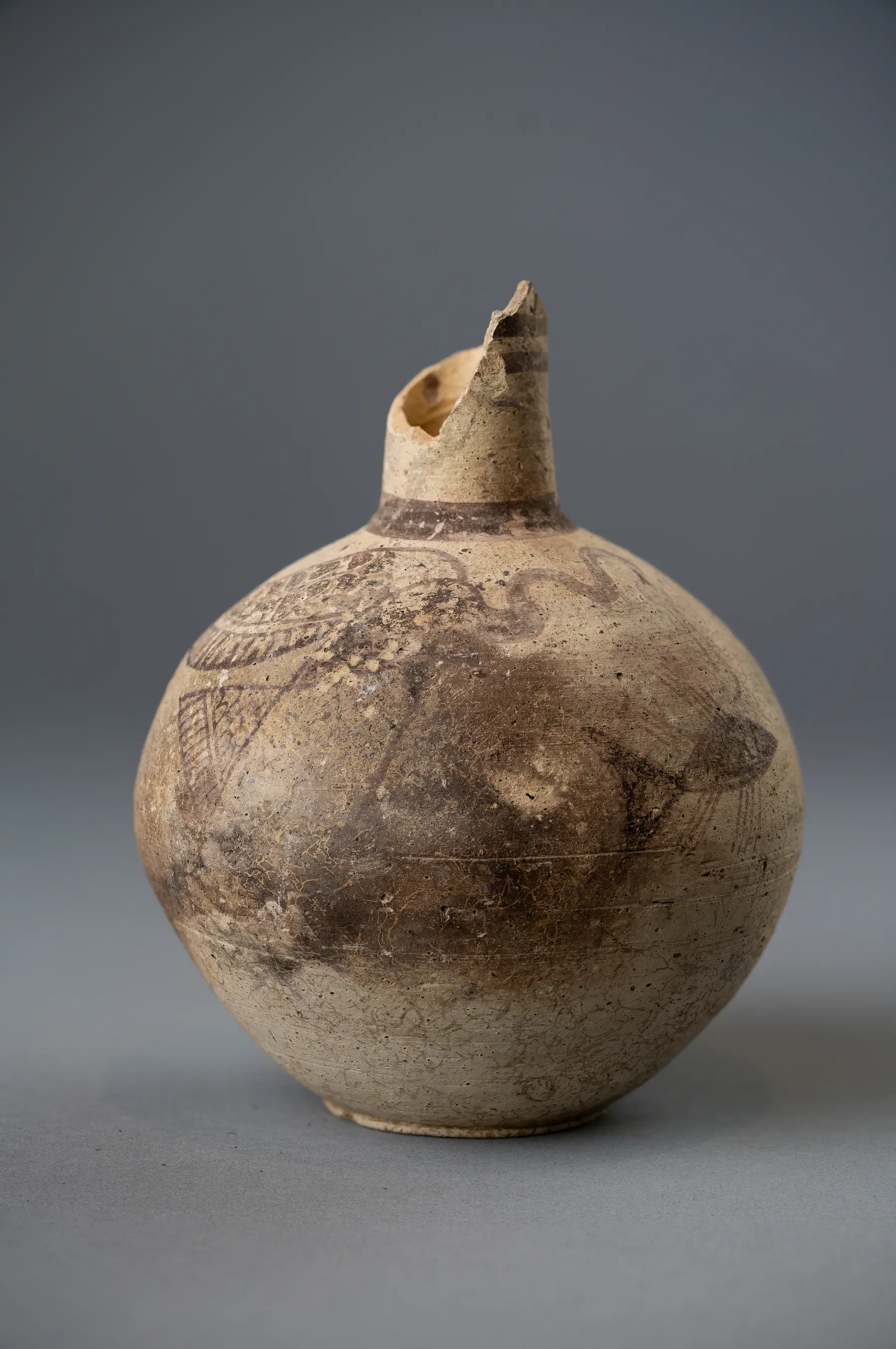
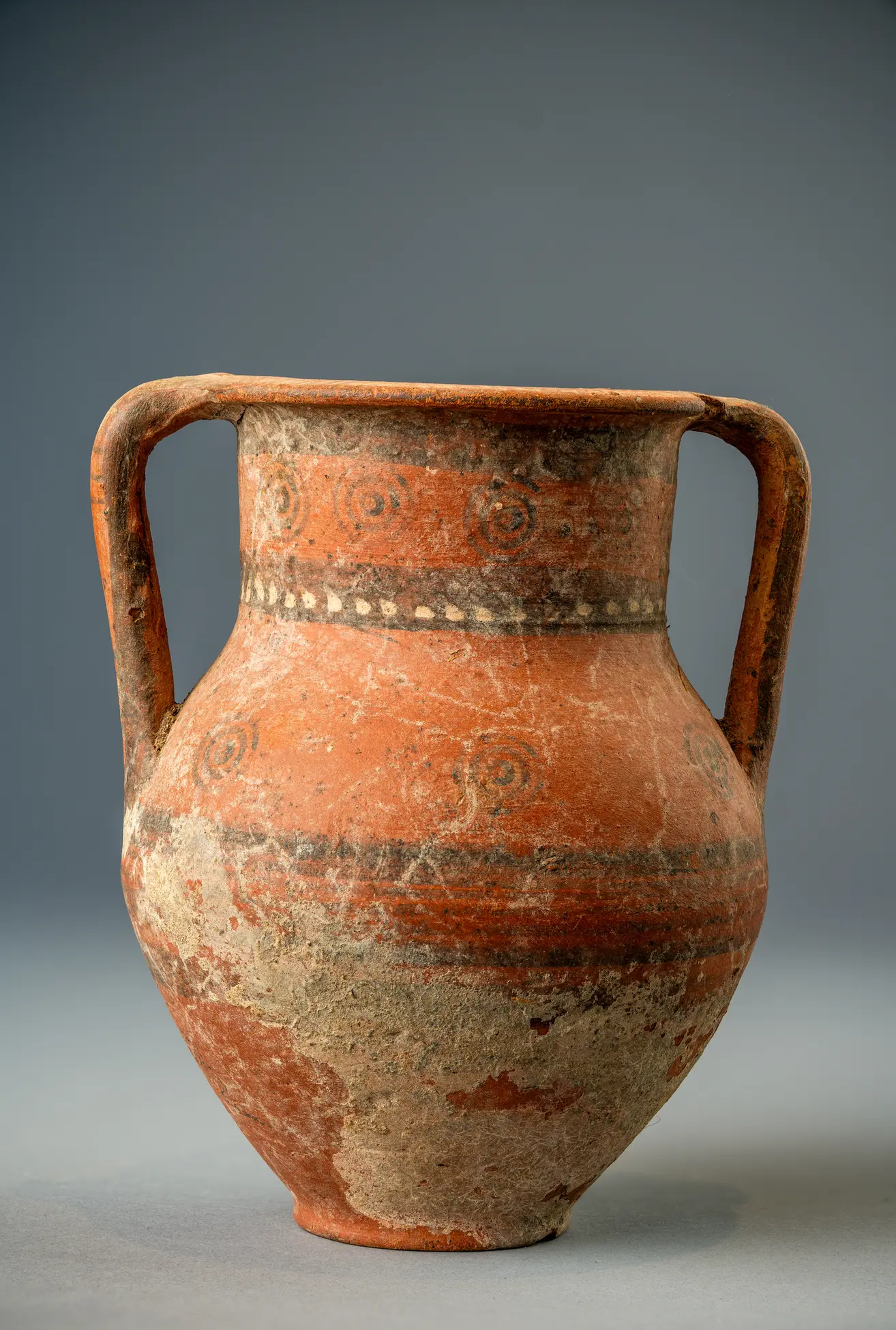 Bichrome Red WareBichrome Red is the Cypriot Iron Age wheel-made ware with black and added white paint on a red slip, the sister ware of Black-on-Red.Cypro-ArchaicCypro-Classical
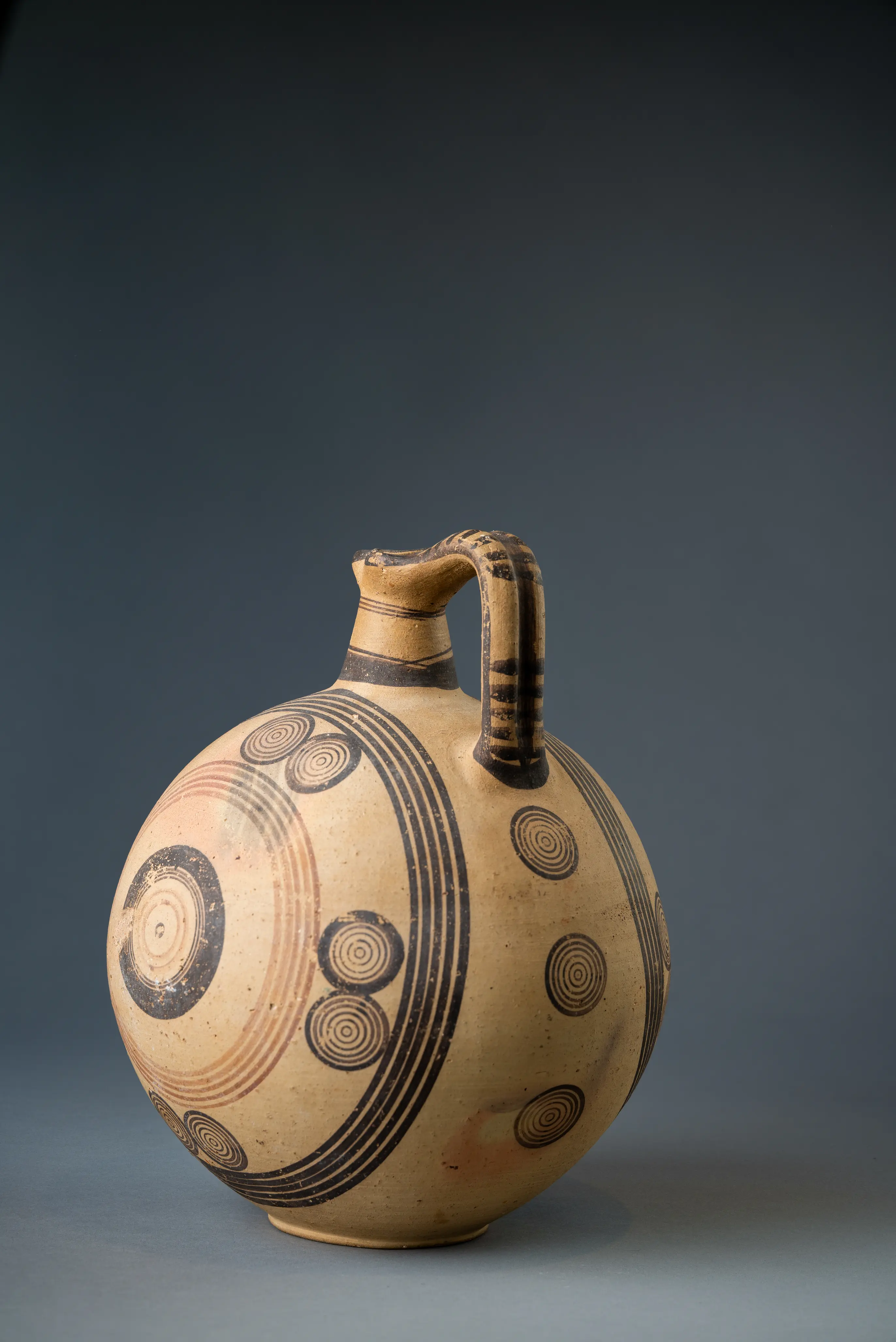 Jugs (Oinochoe)The Iron Age Cypriot pouring jug or oinochoe, a painted wheelmade vessel for liquids made in regional workshops and widely exported around the Mediterranean.Cypro-GeometricCypro-ArchaicCypro-Classical
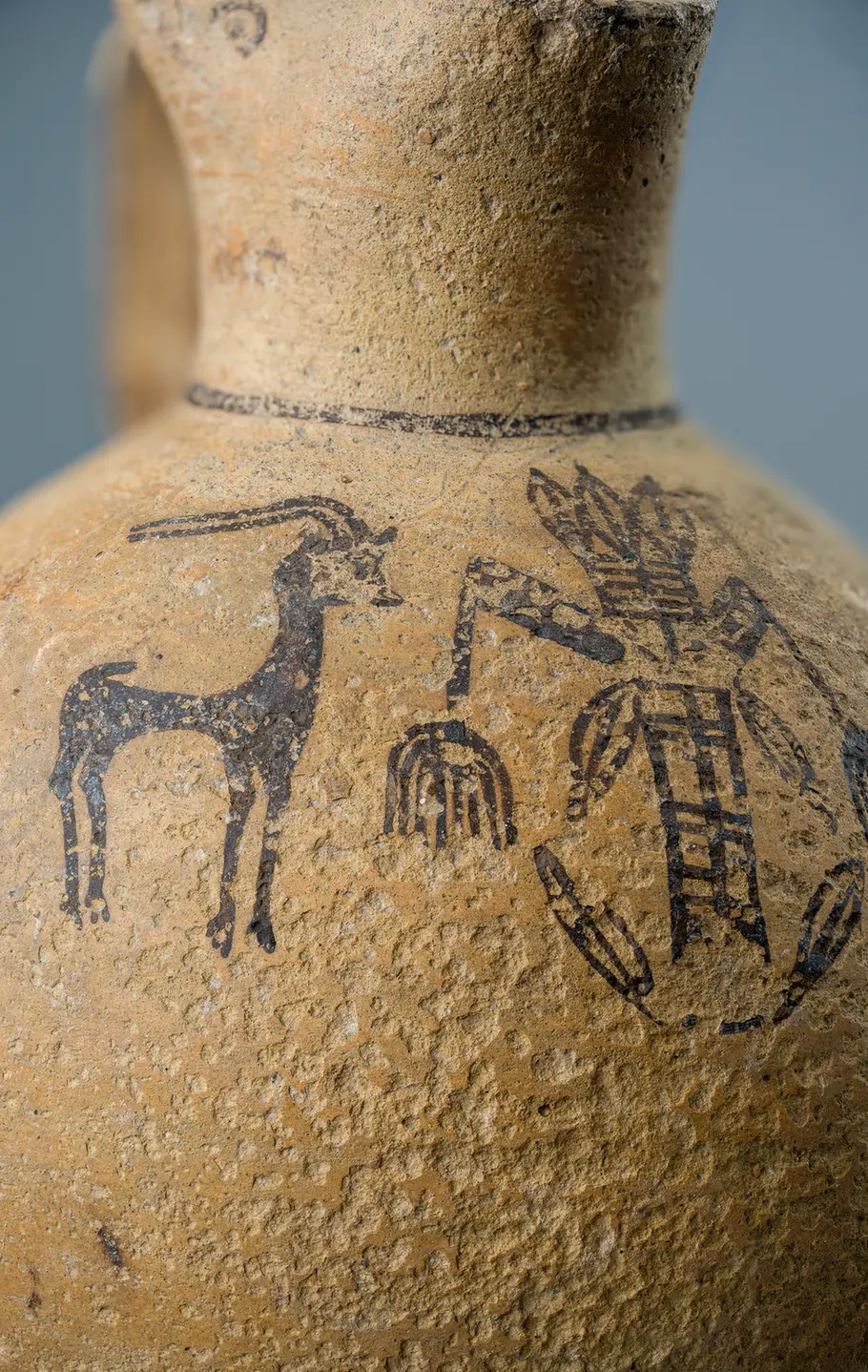 Lotus Flowers and Lotus Friezes on Cypriot Iron Age PotteryThe lotus flower and lotus-and-bud frieze, the chief plant motif of Cypriot Iron Age painted pottery, of Egyptian and Phoenician derivation.Cypro-GeometricCypro-ArchaicCypro-Classical
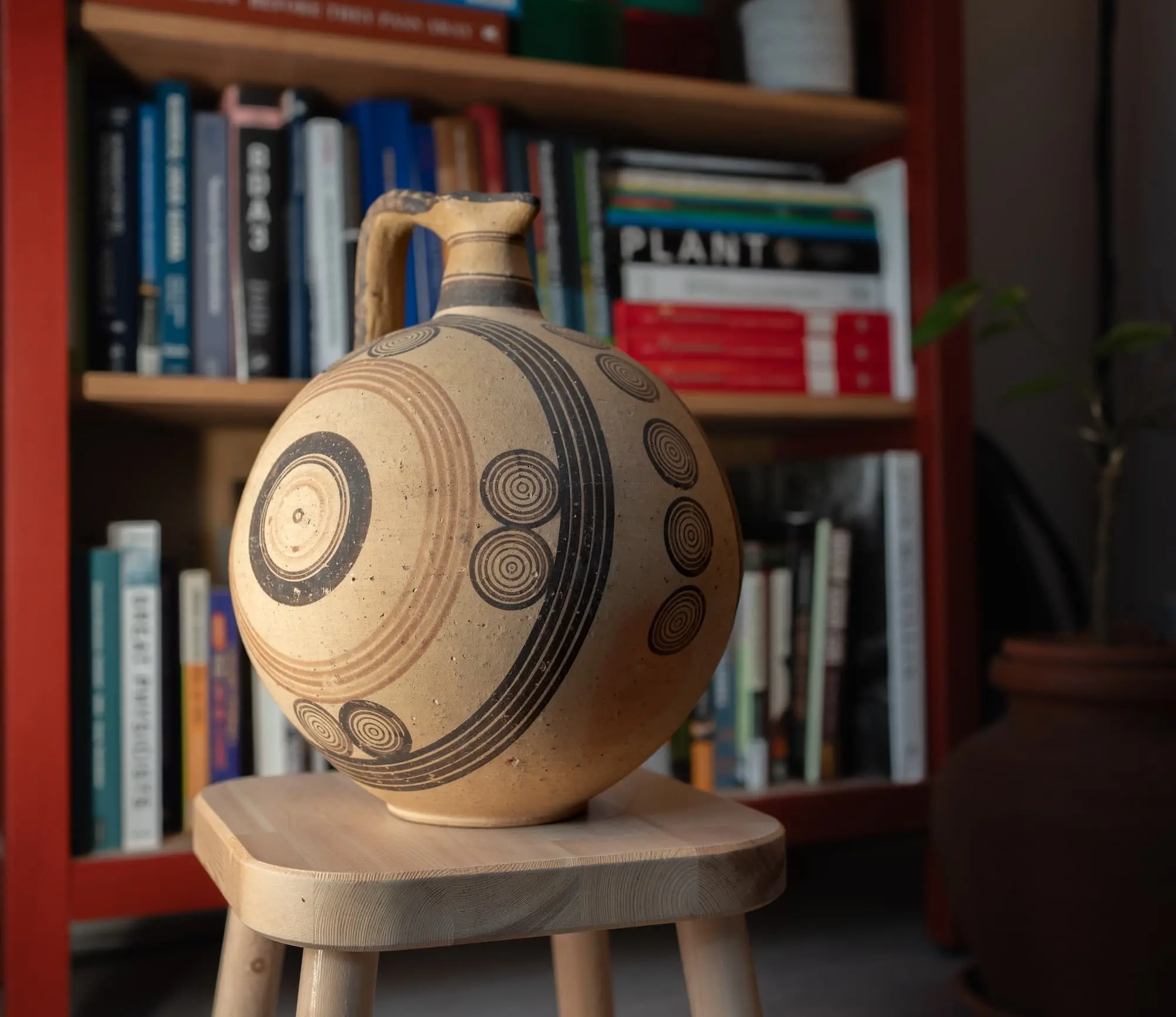 The Pottery of Ancient CyprusSectionThe pottery made and used in Cyprus from the Ceramic Neolithic onward, the island's most abundant artifact class and the basis of its chronology.NeolithicChalcolithicEarly Bronze AgeMiddle Bronze AgeLate Bronze AgeCypro-GeometricCypro-ArchaicCypro-ClassicalHellenisticRoman
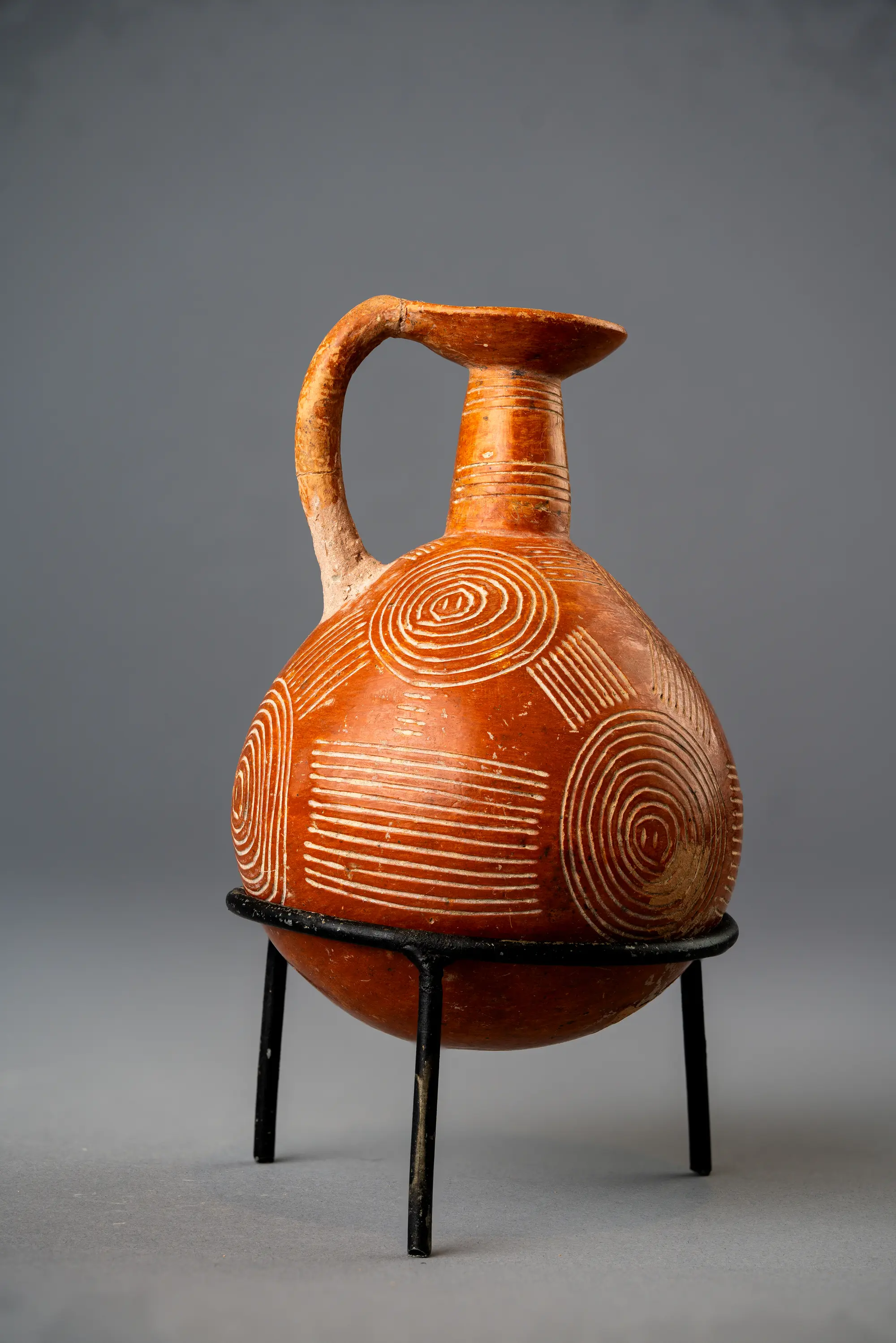 Types of WareSectionThe families of Cypriot pottery, grouped by clay, surface finish and decoration, from Neolithic Combed ware to Iron Age Black-on-Red.NeolithicChalcolithicEarly Bronze AgeMiddle Bronze AgeLate Bronze AgeCypro-GeometricCypro-ArchaicCypro-Classical
Statues
6 entriesSection overview
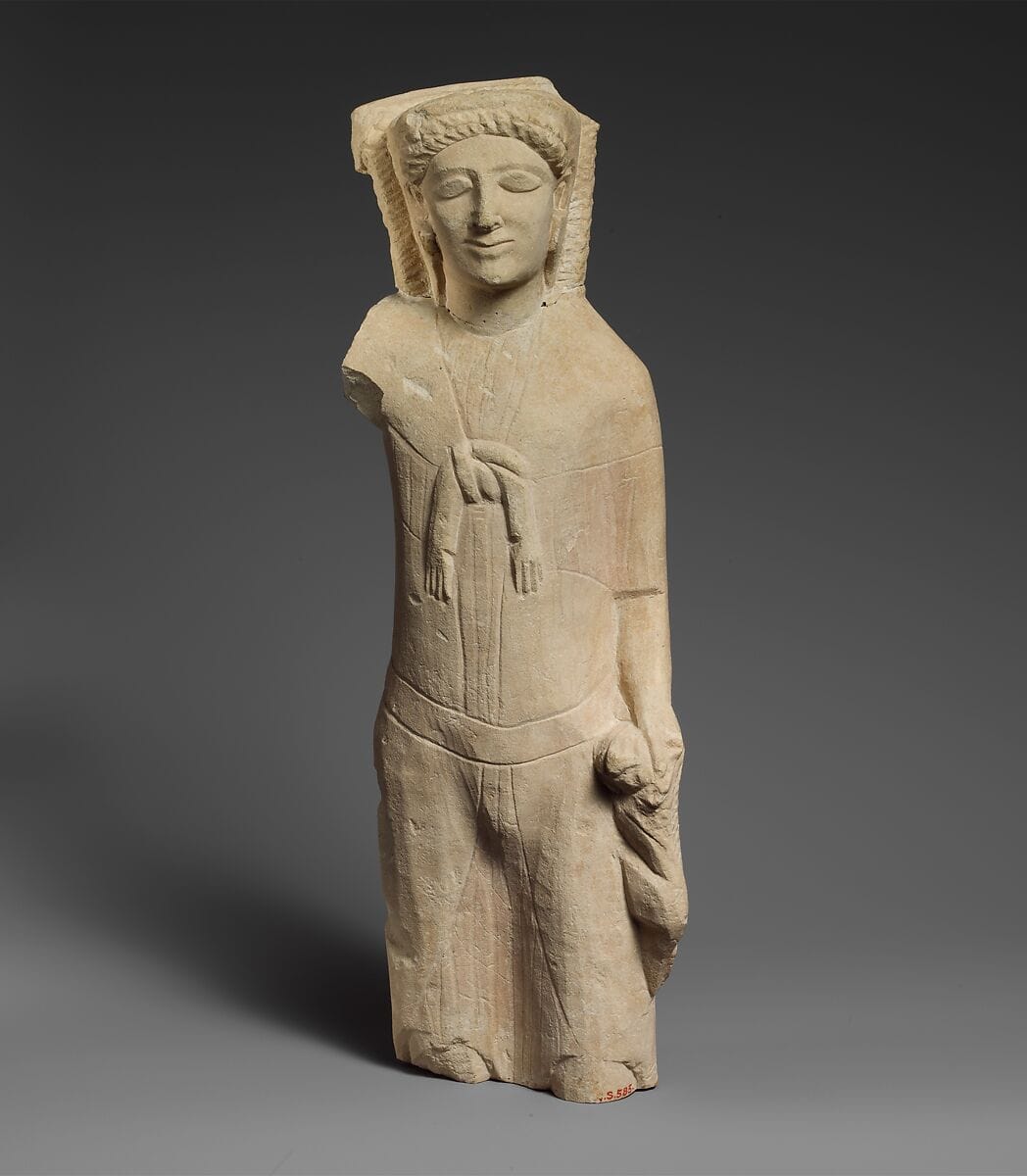 Herakles-MelqartA Cypriot limestone sculptural type of a god wearing a lion skin and often brandishing a club, fusing the Greek Herakles with the Phoenician Melqart.Cypro-ArchaicCypro-Classical
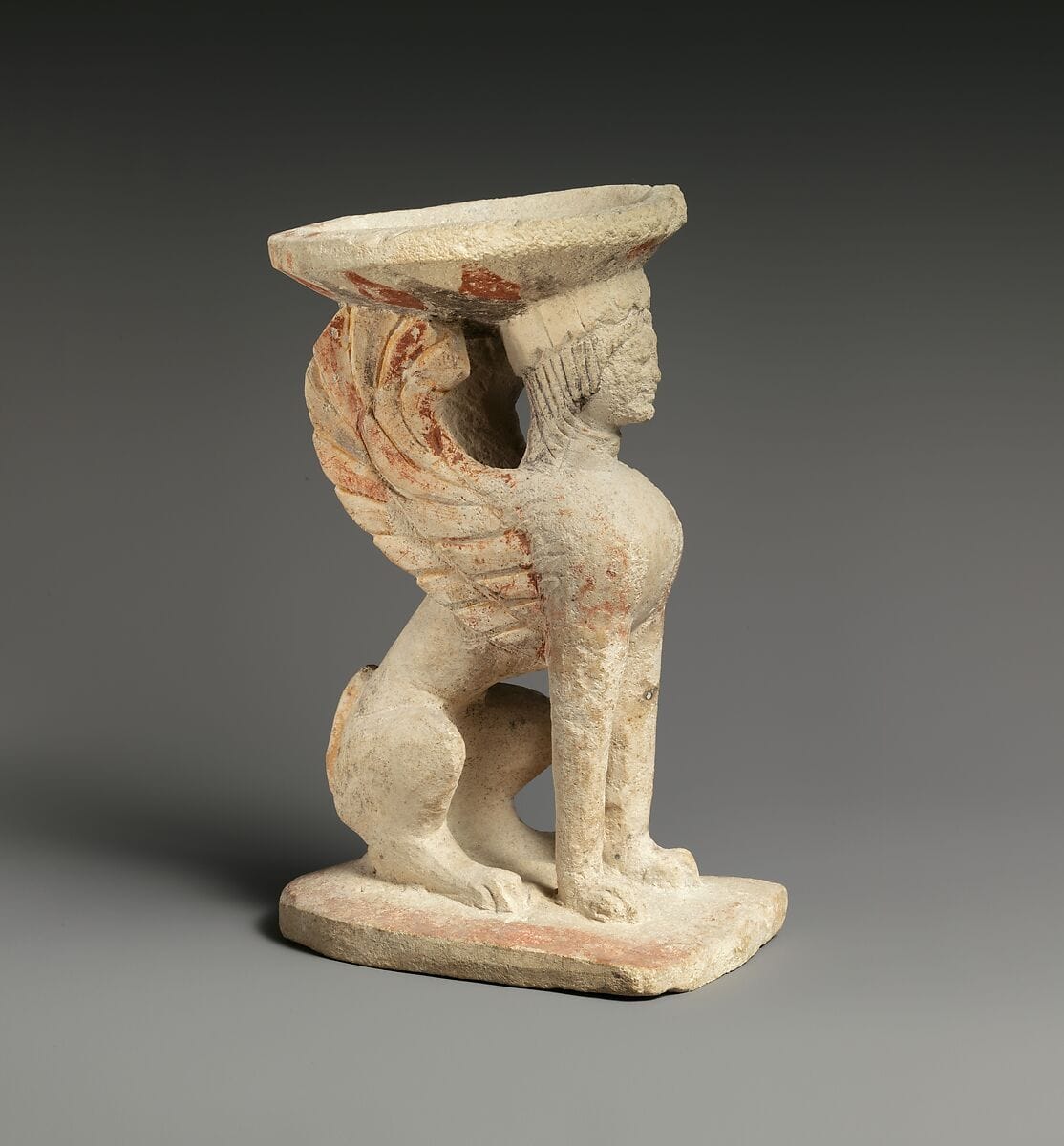 Painted Stone: Colour on Cypriot Limestone SculptureThe painting of Cypriot limestone sculpture with red, black, yellow, green and blue, of which usually only traces now survive.Cypro-ArchaicCypro-Classical
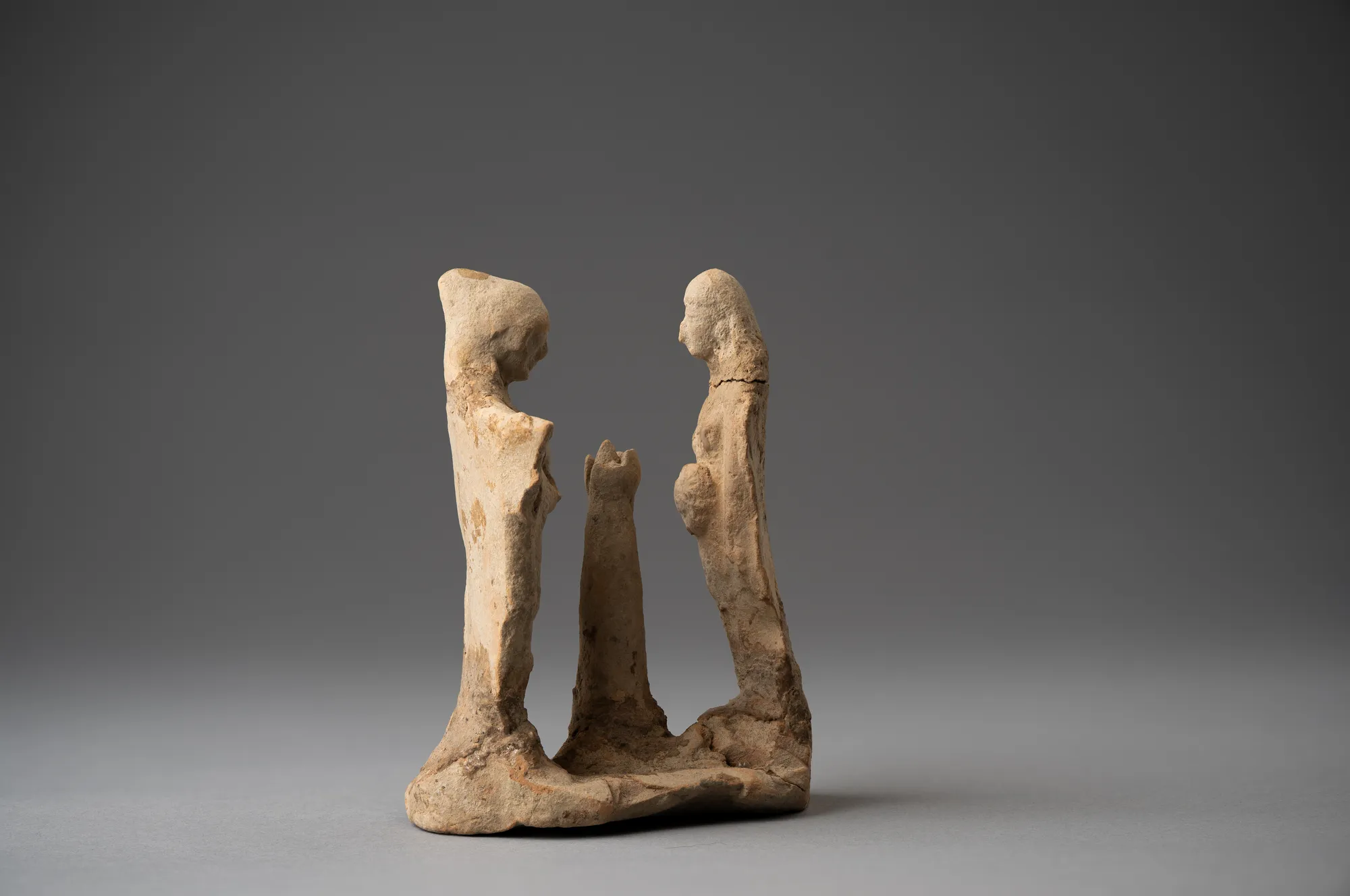 Ring-Dance GroupsSmall Cypriot votive models of dancers on a shared base circling a piper, lyre player or tree, made in clay and later in limestone.Cypro-GeometricCypro-ArchaicCypro-Classical
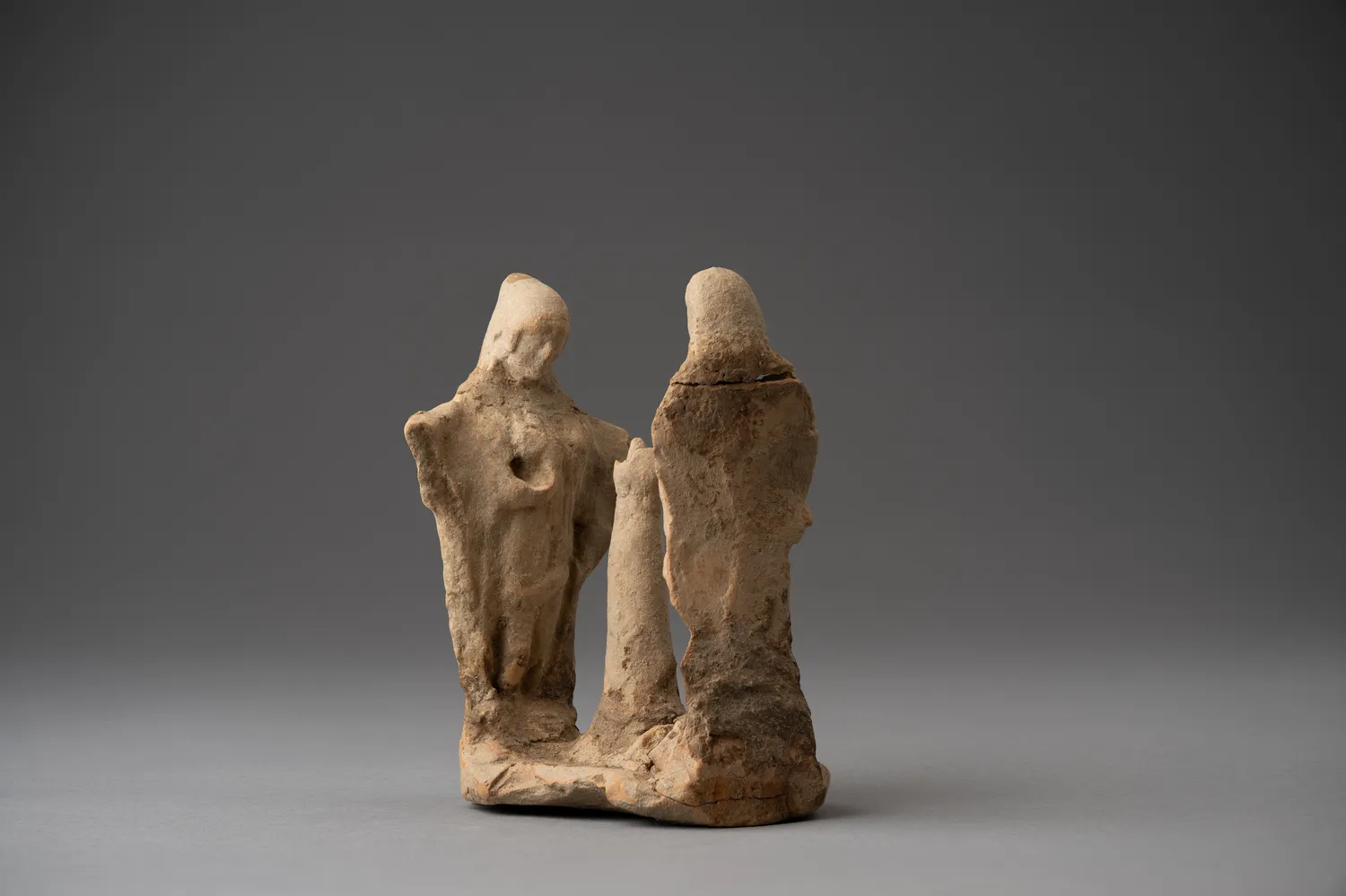 Snowman FigurinesHand-modelled terracotta votaries and musicians of Iron Age Cyprus, built up from a columnar lump of clay with a pinched beak nose and pellet features.Cypro-GeometricCypro-ArchaicCypro-Classical
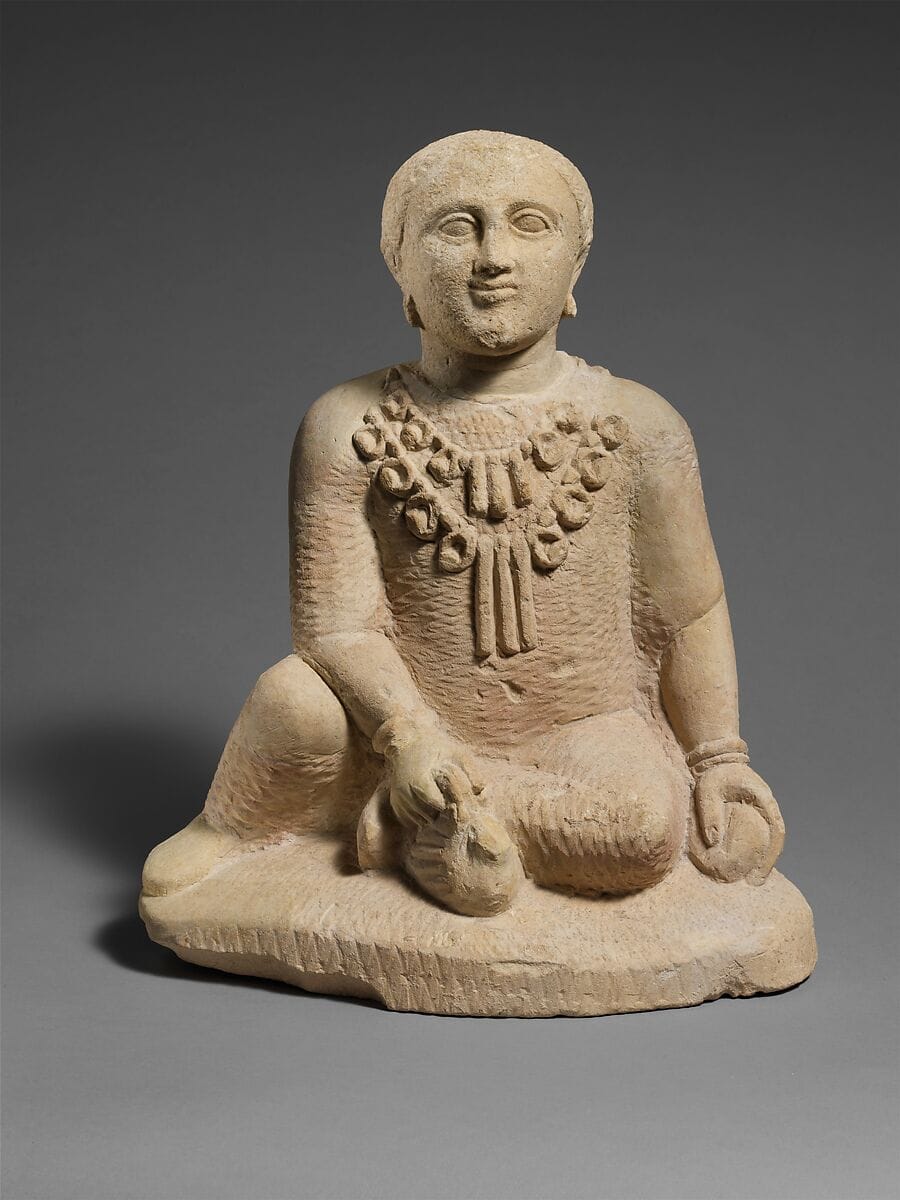 Temple BoysSmall limestone votive statues of crouching young children, dedicated in Cypriot sanctuaries from the mid-5th century BCE into the Hellenistic period.Cypro-ClassicalHellenistic
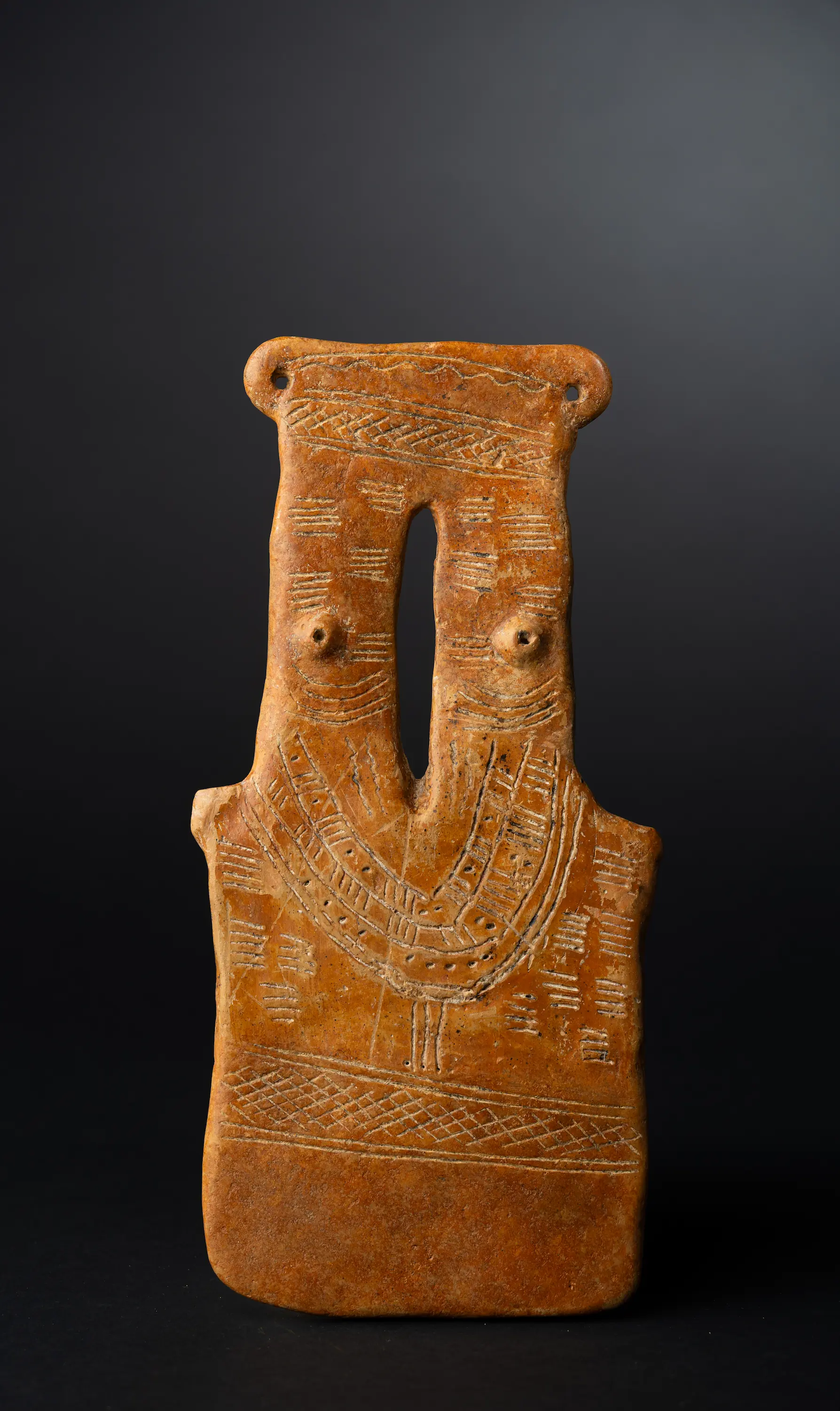 The Statues of Ancient CyprusSectionThe statues and figurines of ancient Cyprus, in stone, clay and metal, from Neolithic pebble figures to Hellenistic and Roman limestone votives.NeolithicChalcolithicEarly Bronze AgeMiddle Bronze AgeLate Bronze AgeCypro-GeometricCypro-ArchaicCypro-ClassicalHellenisticRoman
Jewelry
1 entrySection overview
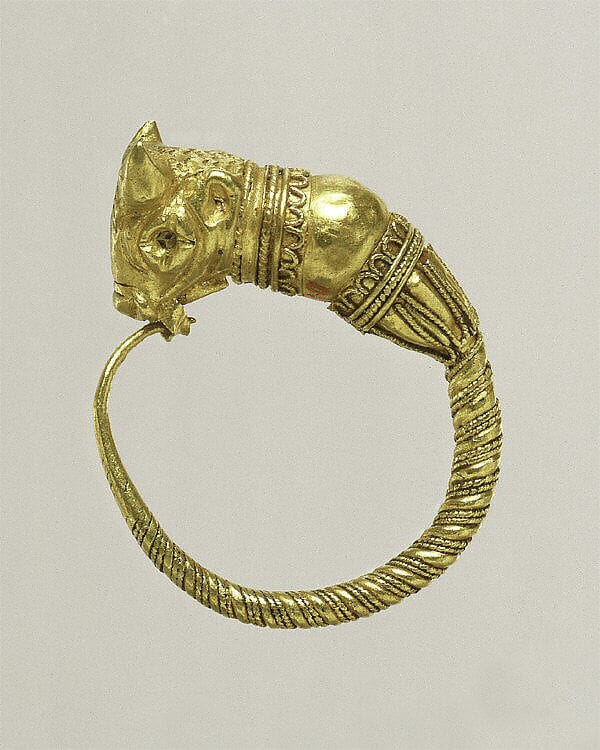
Weapons and Armour
2 entriesSection overview
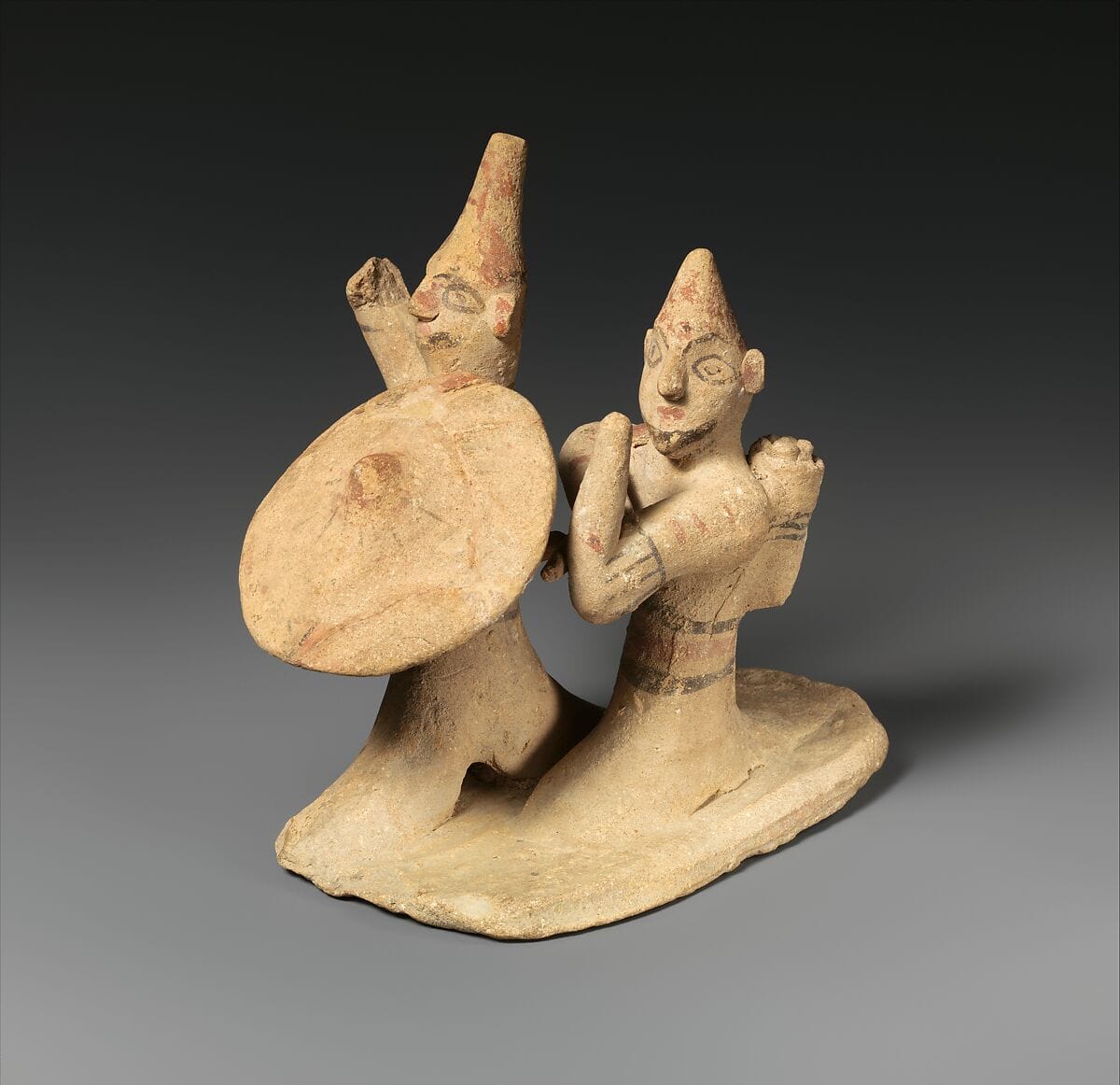 Arms and Armour of Iron Age CyprusThe iron and bronze weapons, armour and chariots of Cyprus from the first iron daggers of c. 1100–1050 BCE to the end of the city-kingdoms around 310 BCE.Cypro-GeometricCypro-ArchaicCypro-Classical
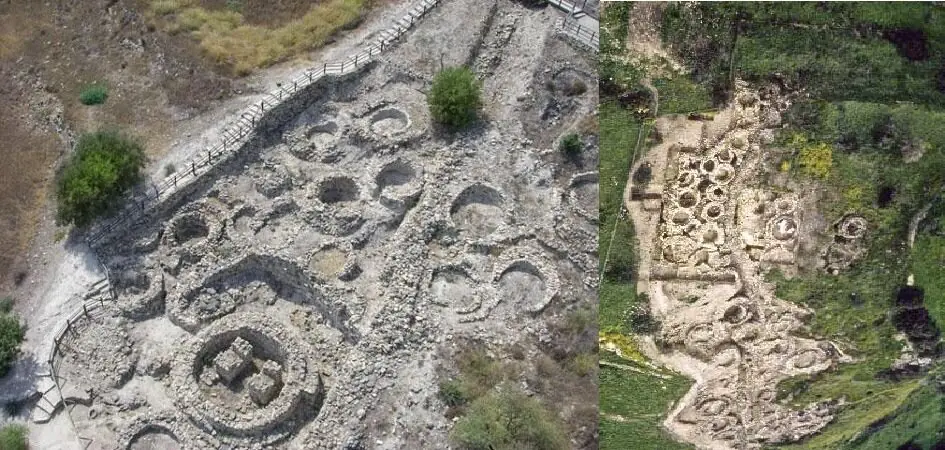 Fortifications in Ancient Cyprus: From Khirokitia to the Siege of PaphosThe walls, forts and enclosures Cypriots built in a few distinct episodes, from Aceramic Khirokitia to the city walls of the Iron Age kingdoms.NeolithicMiddle Bronze AgeLate Bronze AgeCypro-GeometricCypro-ArchaicCypro-Classical
Tools and Technologies
2 entriesSection overview
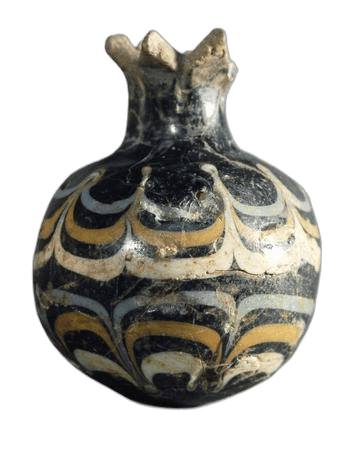 Glass in Ancient CyprusGlass vessels found on Cyprus from the Late Bronze Age to the Roman period, mostly from tombs, with local workshops argued but never excavated.Late Bronze AgeCypro-ClassicalHellenisticRoman
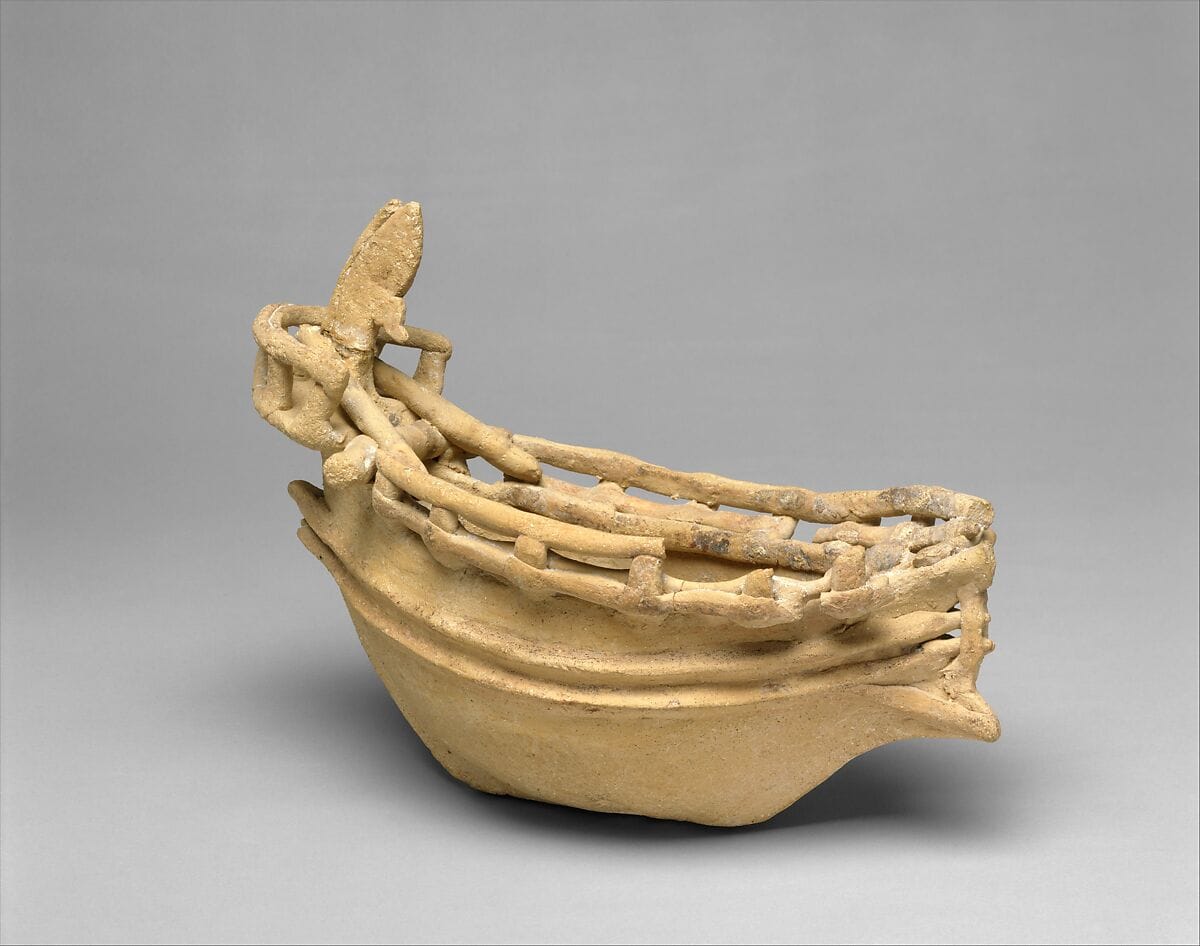 Seafaring and Ships in Ancient CyprusThe evidence for boats and seafaring around Cyprus from the first crossings to the Classical period, from anchors, models and graffiti to wrecks and shipsheds.NeolithicEarly Bronze AgeMiddle Bronze AgeLate Bronze AgeCypro-ArchaicCypro-Classical
Cultures
3 entriesSection overview
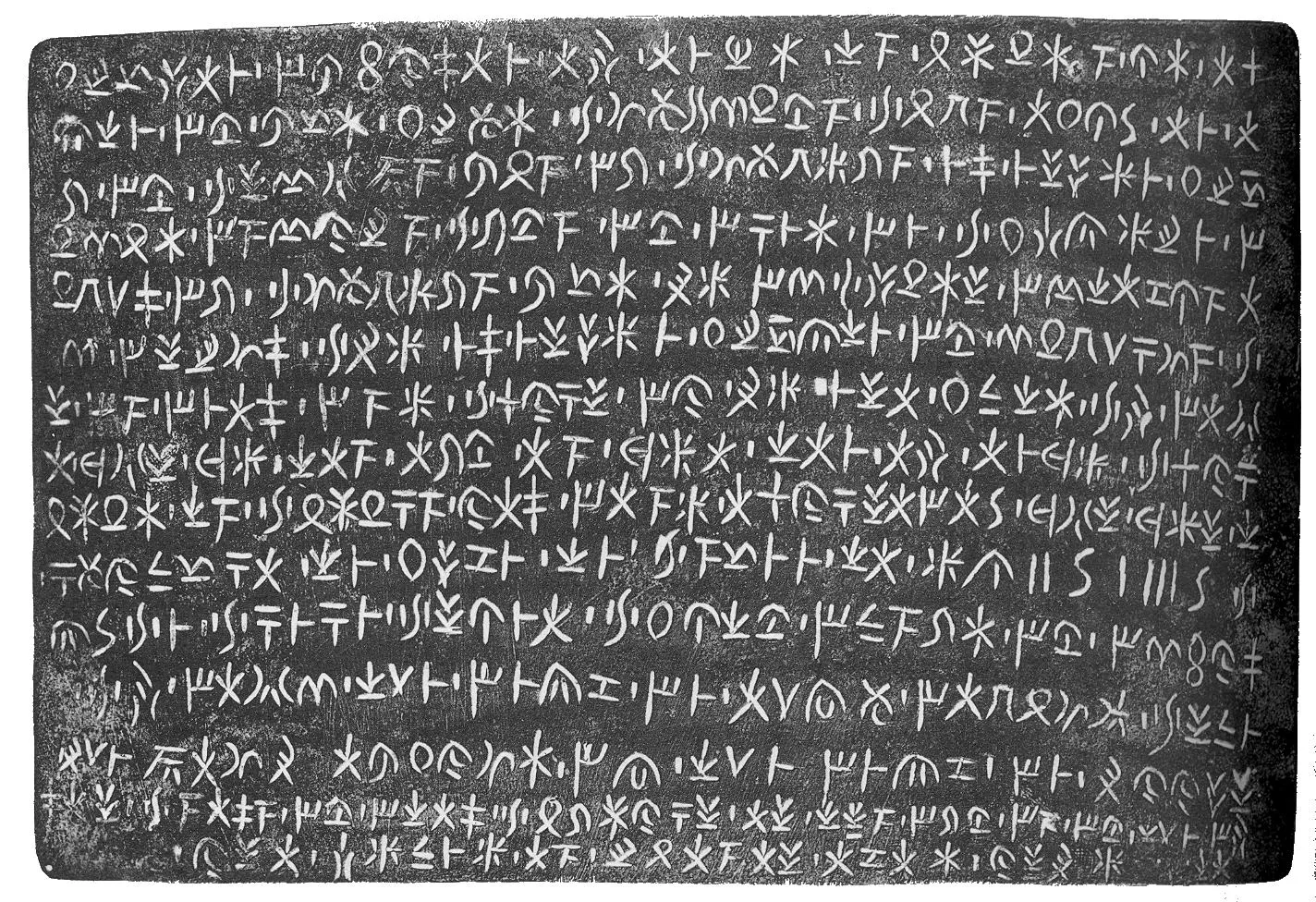 Achaemenid PersiaThe Persian Empire, which held the Cypriot city-kingdoms as tribute-paying client states from c. 545 or 525 BCE until 332 BCE.Cypro-ArchaicCypro-Classical
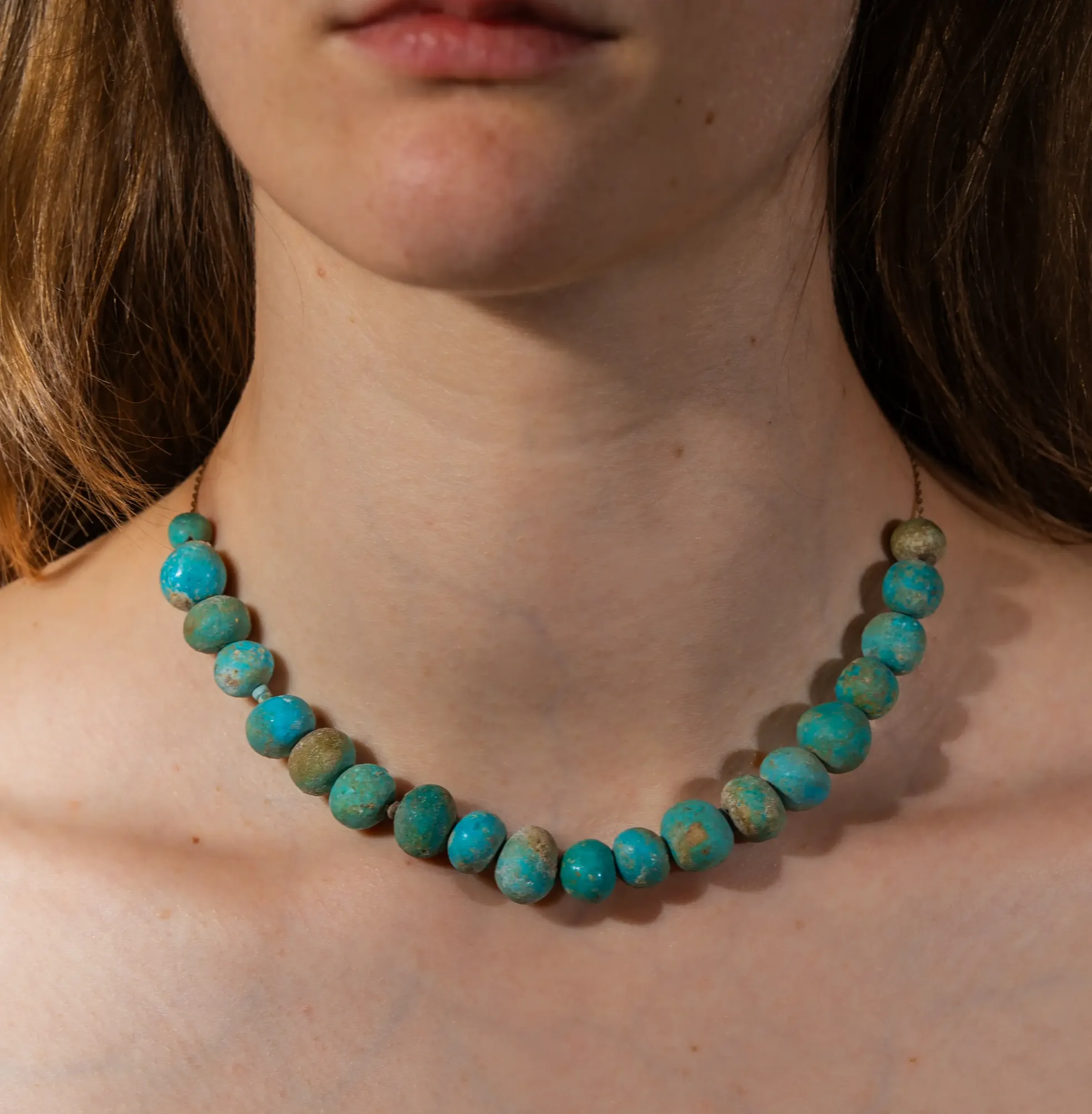 EgyptAncient Egypt, Cyprus's partner in copper, pottery and prestige goods from the Middle Kingdom to the Ptolemies, who annexed the island.Middle Bronze AgeLate Bronze AgeCypro-ArchaicCypro-ClassicalHellenistic
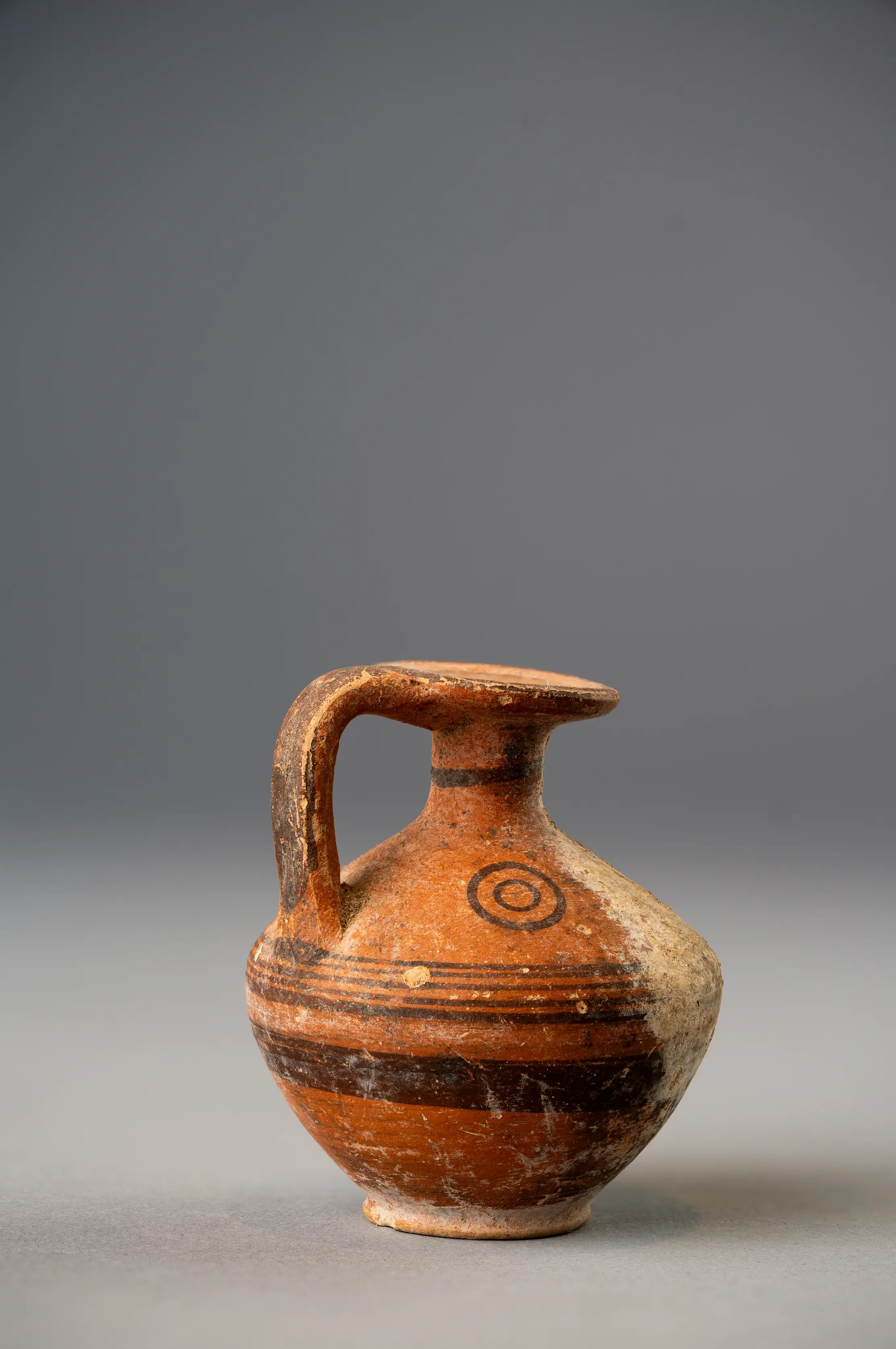 The PhoeniciansThe Iron Age city-states of the Levantine coast, whose traders and settlers made Kition a Phoenician kingdom and shared a hybrid culture with Cyprus.Cypro-GeometricCypro-ArchaicCypro-Classical
Daily Life
5 entriesSection overview
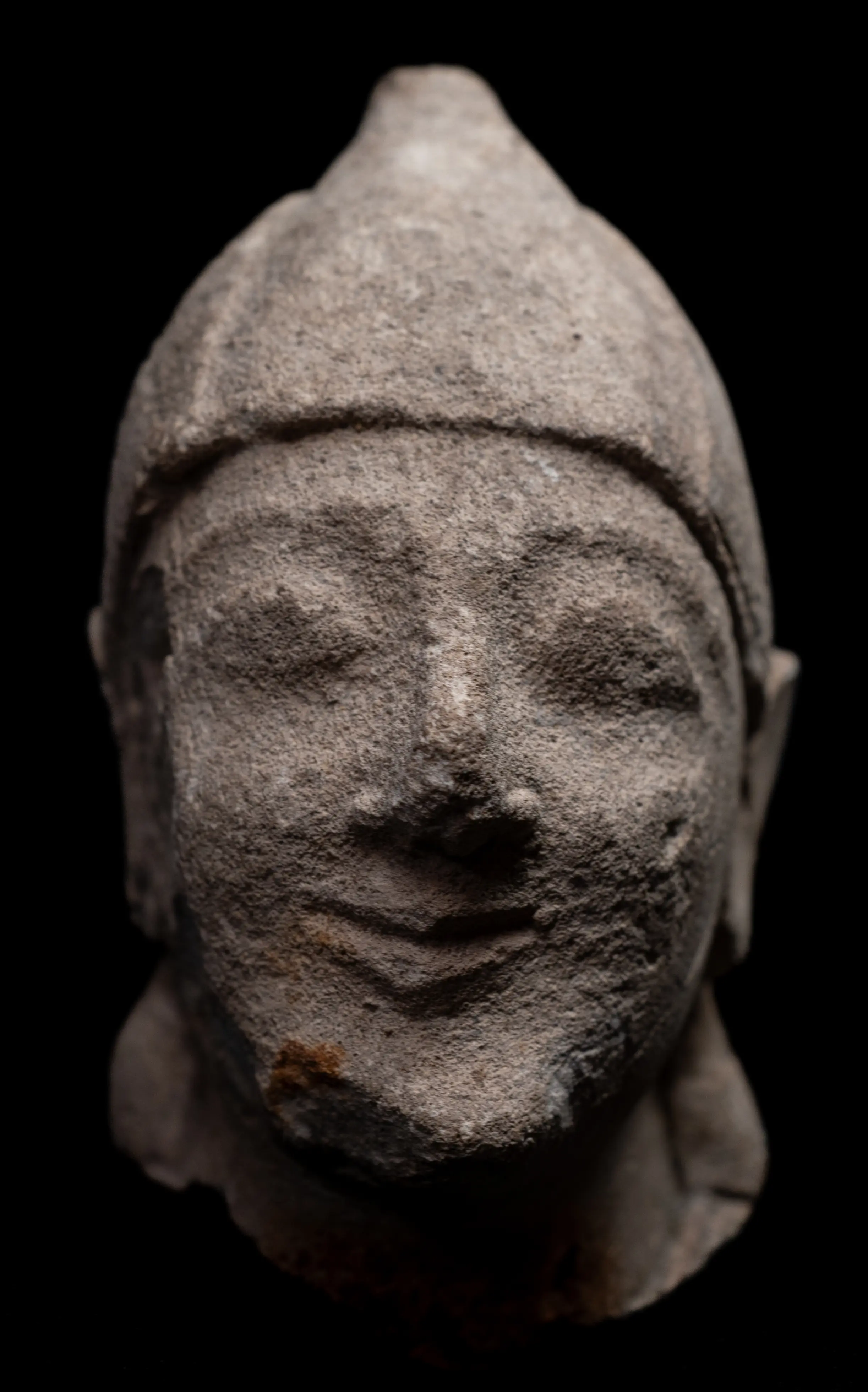 Clothing and Dress in Ancient CyprusWhat Cypriots wore from the Neolithic to the Cypro-Classical period, reconstructed from figurines, statues, textile tools and metal fasteners.NeolithicChalcolithicEarly Bronze AgeMiddle Bronze AgeLate Bronze AgeCypro-GeometricCypro-ArchaicCypro-Classical
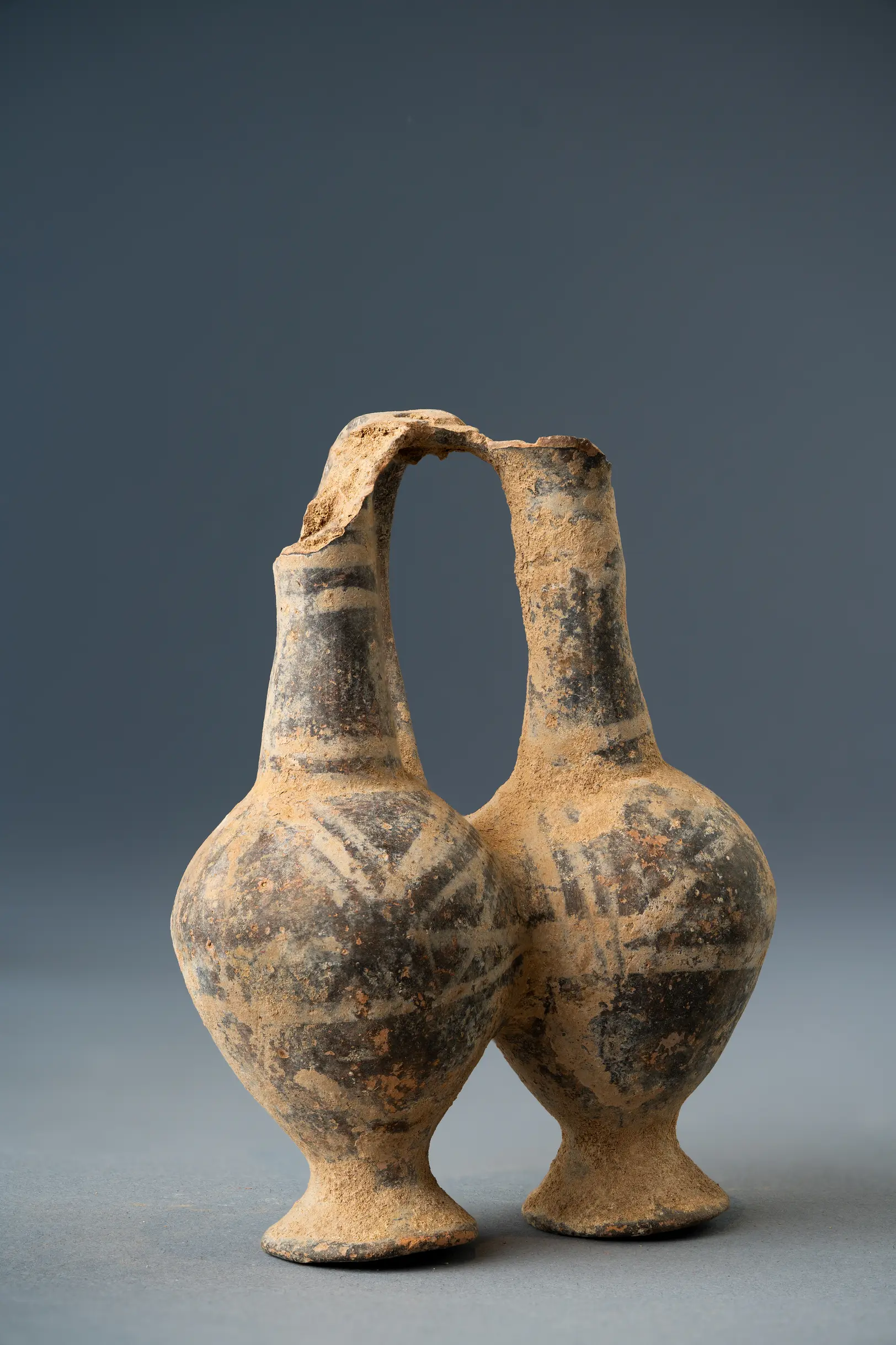 Medicine and Healing in Ancient CyprusDisease, drugs, doctors and healing cults in ancient Cyprus, from Neolithic skeletons to the physician Onasilos of Idalion in the early fifth century BCE.NeolithicLate Bronze AgeCypro-GeometricCypro-ArchaicCypro-Classical
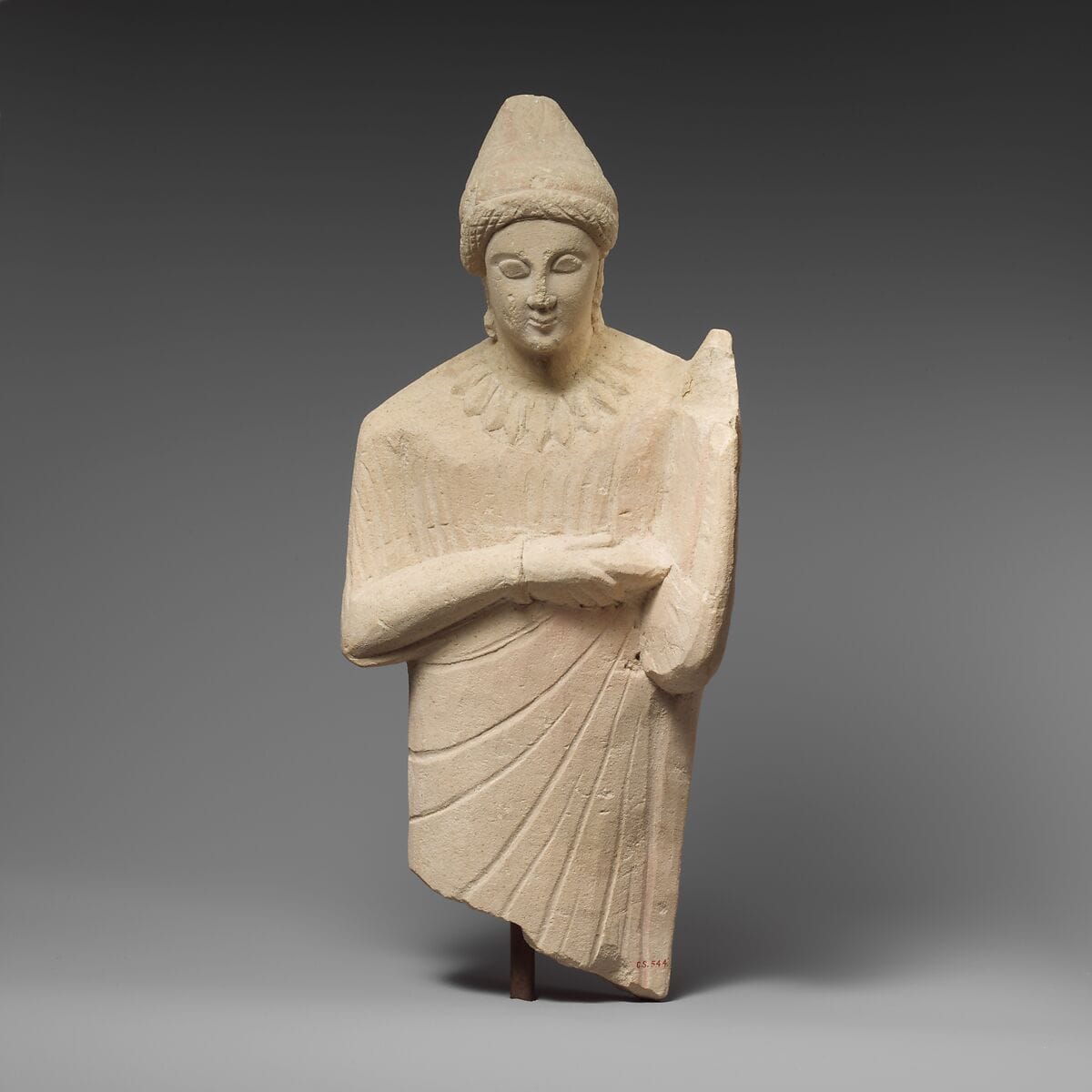 Music and Musical Instruments in Ancient CyprusLyres, double pipes, frame drums, cymbals and clay rattles in Cyprus from the Late Bronze Age to the Cypro-Classical period, known mostly from terracotta musicians.Late Bronze AgeCypro-GeometricCypro-ArchaicCypro-Classical
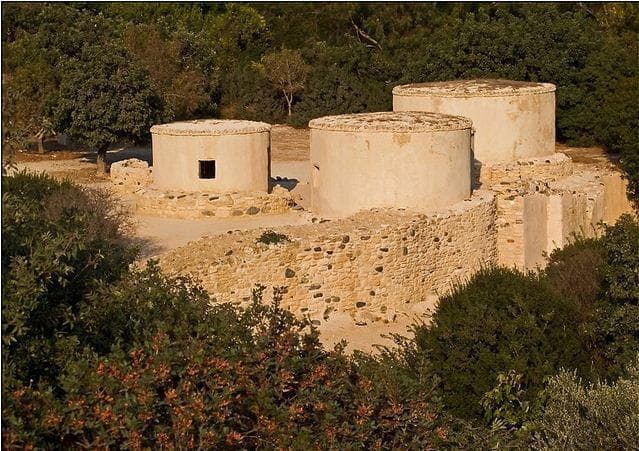 Population and Demography in Ancient CyprusThe methods and published estimates for how many people lived in ancient Cyprus, from Neolithic Khirokitia to the Classical kingdoms, where every figure is a model.NeolithicChalcolithicMiddle Bronze AgeLate Bronze AgeCypro-ArchaicCypro-Classical
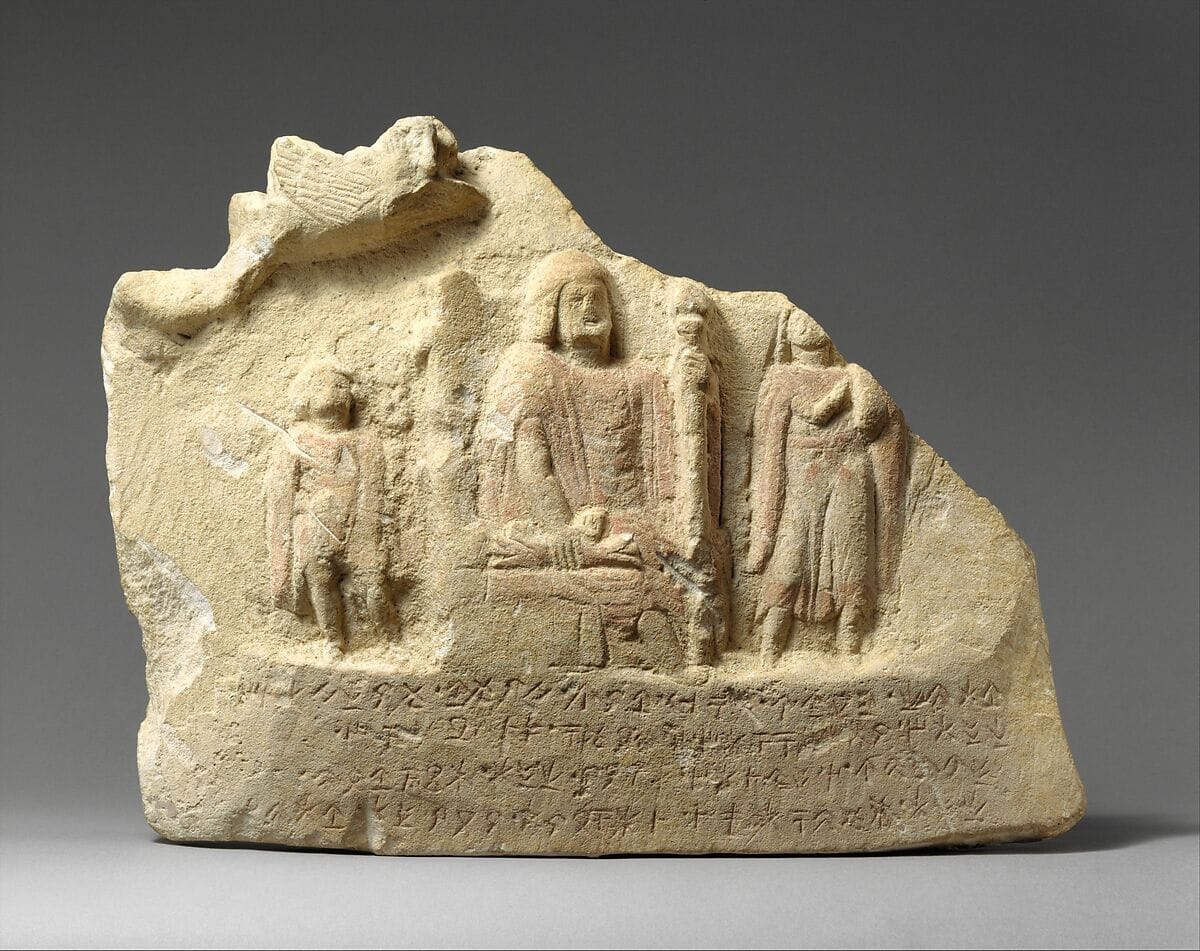 Writing and Literacy in Ancient CyprusThe scripts of ancient Cyprus, from undeciphered Cypro-Minoan to the Cypriot Syllabary, Eteocypriot, Phoenician and the Greek alphabet, and who used them.Late Bronze AgeCypro-GeometricCypro-ArchaicCypro-ClassicalHellenistic
Environment
1 entrySection overview