
Reading path
Kingdoms of the Iron Age
Between the end of the Bronze Age and the arrival of the Ptolemies, Cyprus was divided among a number of city-kingdoms. This route follows them from their debated origins in the Early Iron Age, through the scripts, arms and walls of their prime and the empires they paid tribute to, to their abolition by Ptolemy I.
Intermediate · 10 steps · 2 hr 25 min
Start reading →Step 1 · Chronology · 11 min read
Cypro-Geometric Cyprus
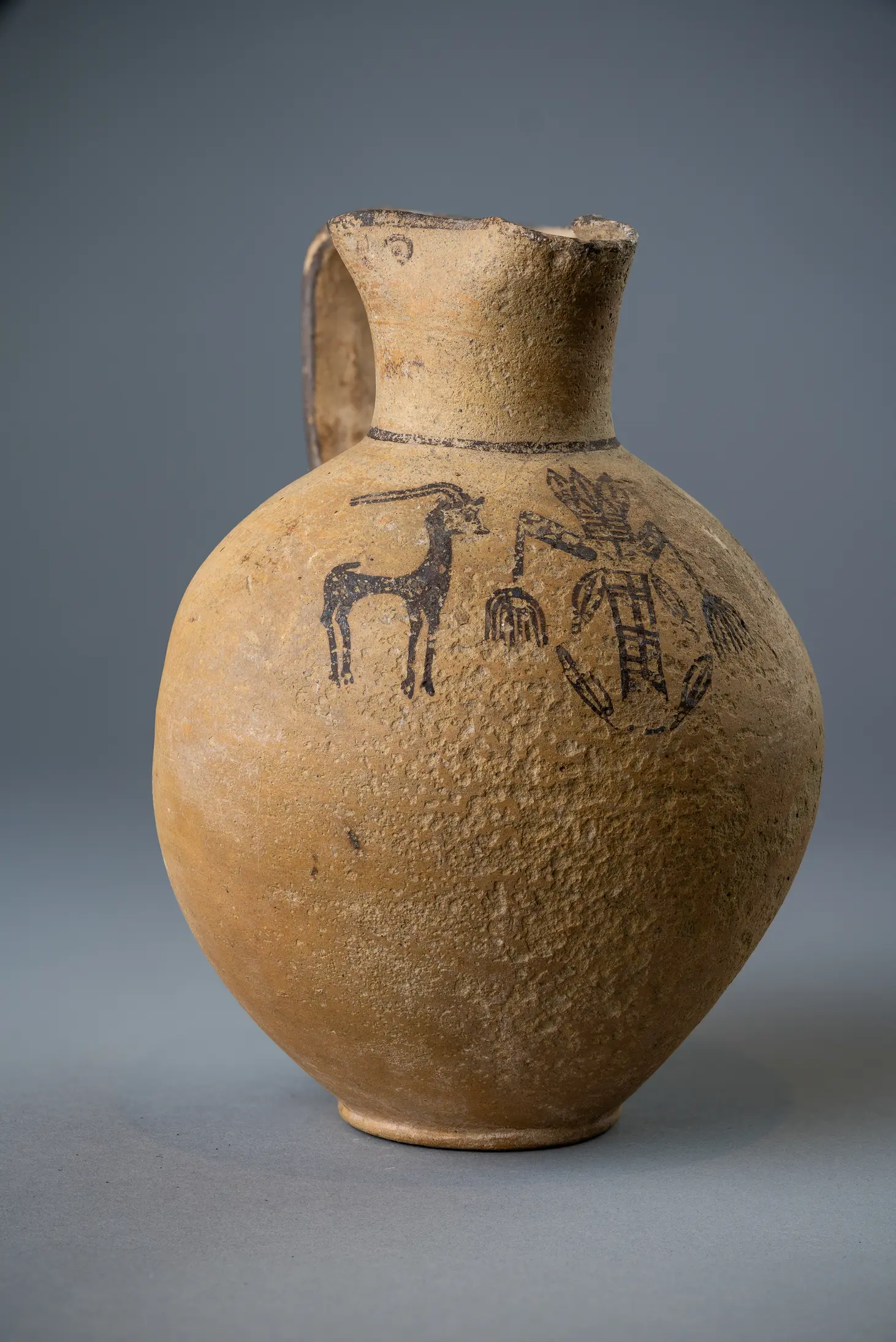
Where the kingdoms may begin: new dromos tombs, early ironworking, the Syllabary and the debate over their origins.
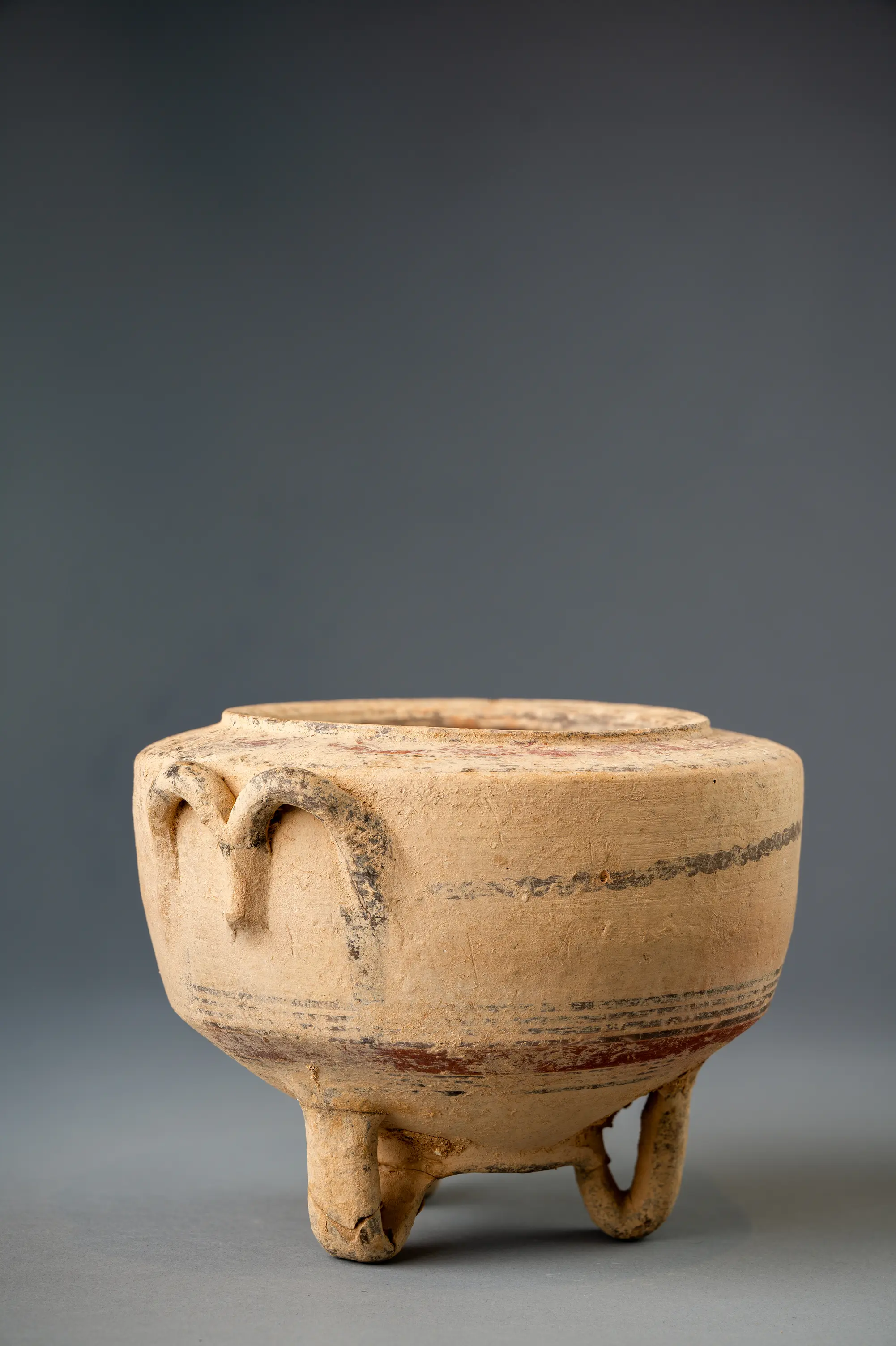
The Early Iron Age of Cyprus, c. 1050–750 BCE, of new dromos tombs, early ironworking, the Cypriot Syllabary and the debated origins of the city-kingdoms.
Step 2 · Daily Life · 18 min read
Writing and Literacy in Ancient Cyprus
The scripts in use, from the Cypriot Syllabary and Eteocypriot to Phoenician and the Greek alphabet, and who wrote them.
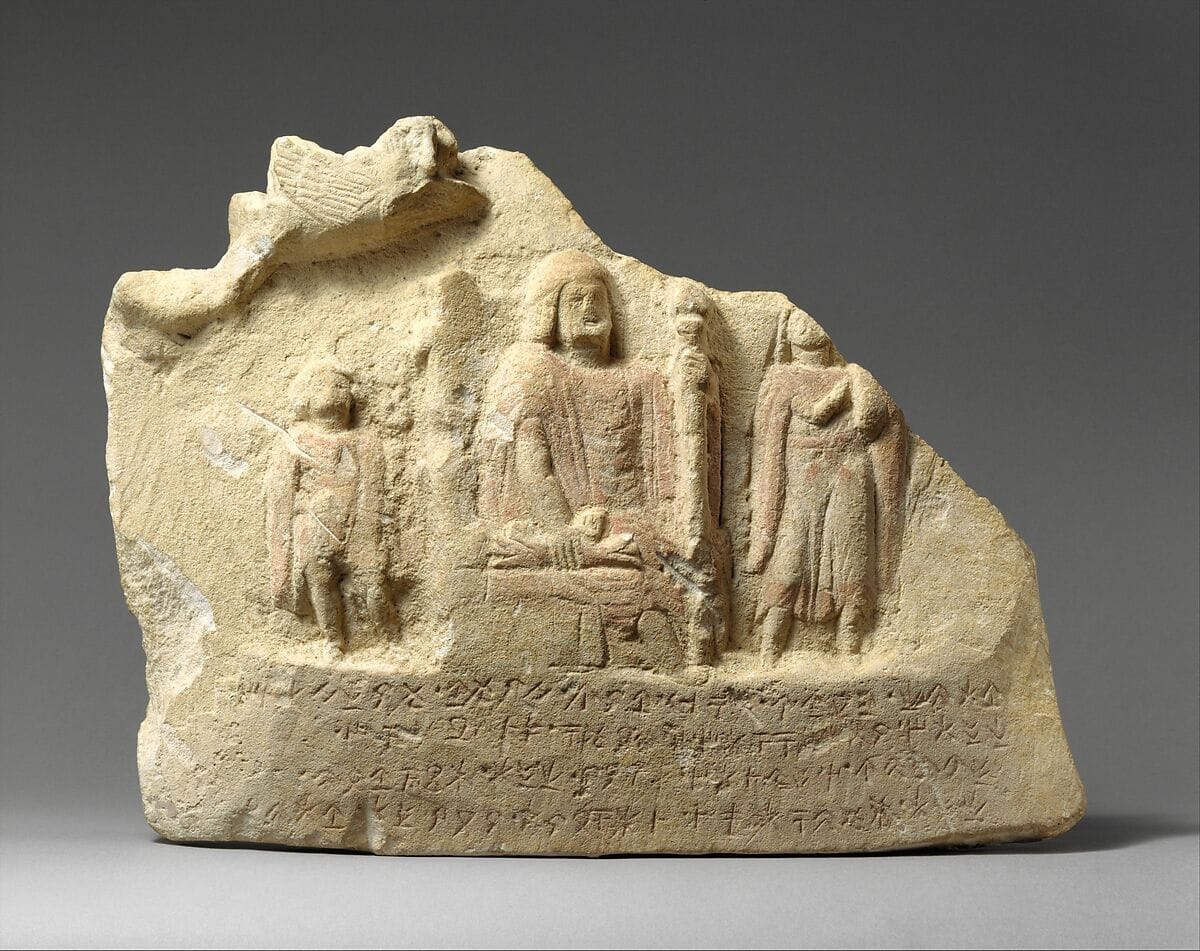
The scripts of ancient Cyprus, from undeciphered Cypro-Minoan to the Cypriot Syllabary, Eteocypriot, Phoenician and the Greek alphabet, and who used them.
Step 3 · Cultures · 11 min read
The Phoenicians
The Levantine traders and settlers who made Kition a Phoenician kingdom among the Cypriot ones.
The Iron Age city-states of the Levantine coast, whose traders and settlers made Kition a Phoenician kingdom and shared a hybrid culture with Cyprus.
Step 4 · Cultures · 12 min read
Neo-Assyrian Empire and Cyprus
Around 709 BCE the Cypriot kings submit to Assyria and become tribute-paying clients ruled indirectly.
The Mesopotamian empire to which the Cypriot kings submitted around 709 BCE, ruling them indirectly as tribute-paying clients.
Step 5 · Chronology · 11 min read
Cypro-Archaic Cyprus
The kingdoms at their height under Assyrian, Egyptian and Persian overlords, with rural sanctuaries and regional pottery.
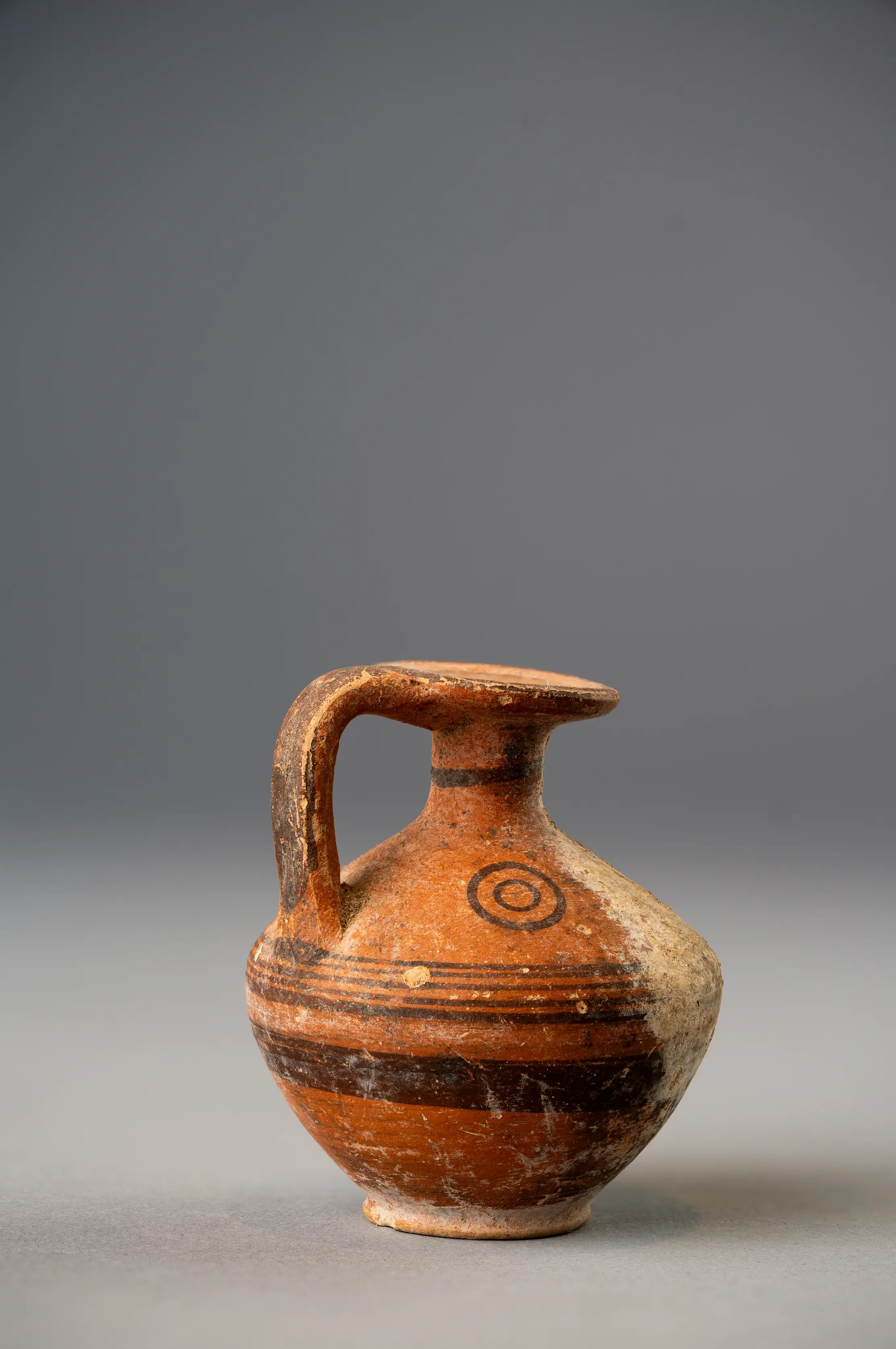
The age of the Cypriot city-kingdoms, c. 750–475 BCE, under Assyrian, Egyptian and Persian overlordship, with rural sanctuaries and regional pottery styles.
Step 6 · Weapons & Armor · 15 min read
Arms and Armour of Iron Age Cyprus
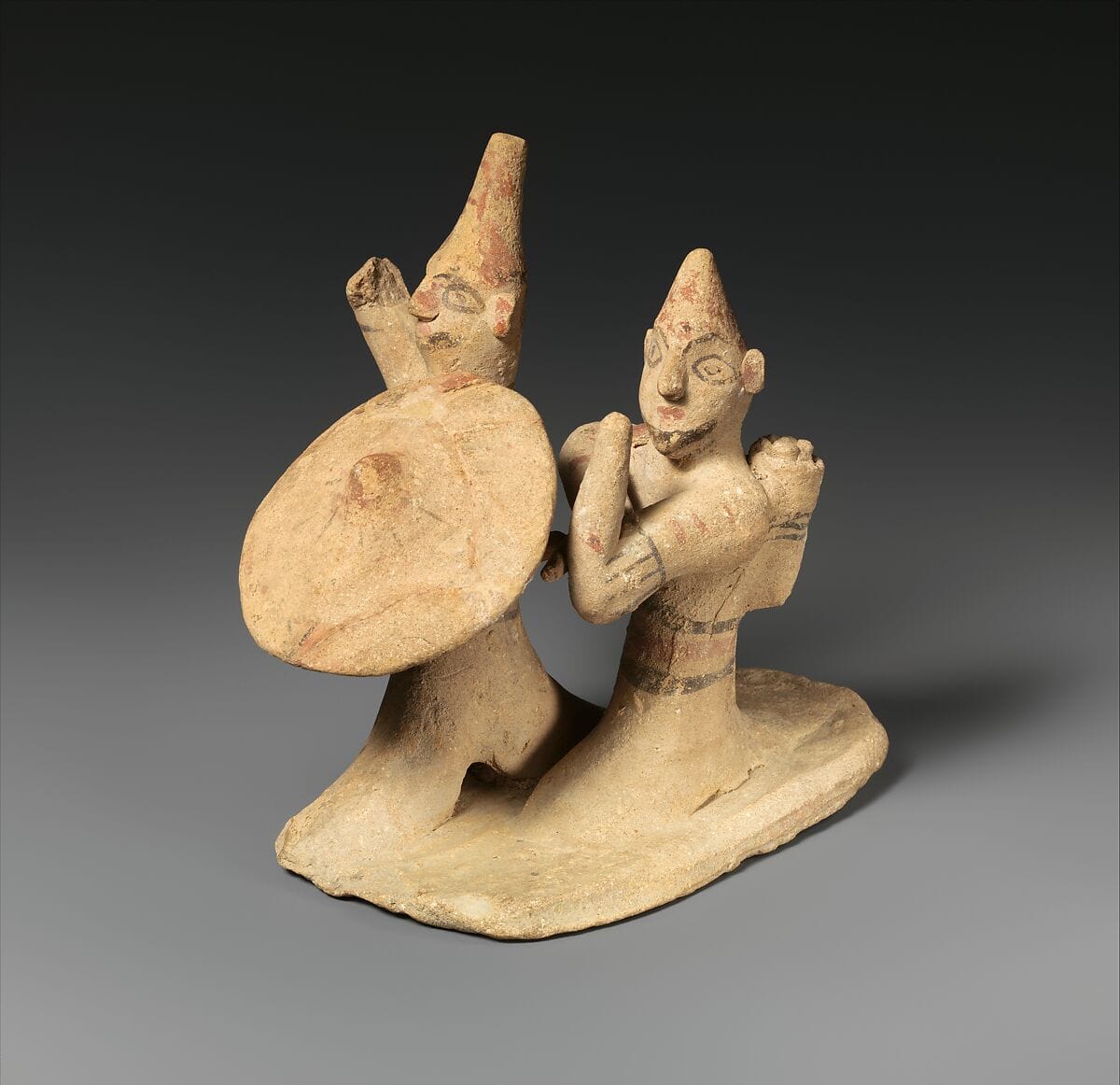
How the kingdoms fought: iron swords, armour, the Salamis chariot burials and the siege of Paphos in 498 BCE.
The iron and bronze weapons, armour and chariots of Cyprus from the first iron daggers of c. 1100–1050 BCE to the end of the city-kingdoms around 310 BCE.
Step 7 · Weapons & Armor · 16 min read
Fortifications in Ancient Cyprus: From Khirokitia to the Siege of Paphos
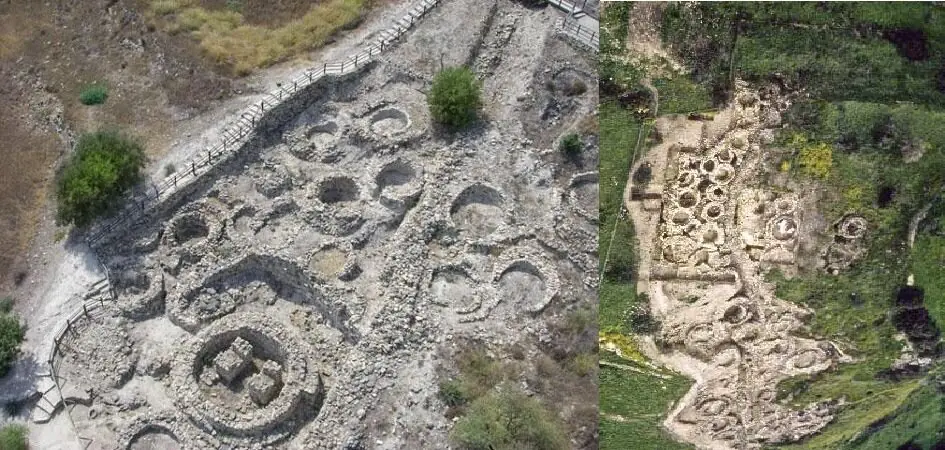
The city walls of the Iron Age kingdoms, set against the few earlier episodes of wall-building on the island.
The walls, forts and enclosures Cypriots built in a few distinct episodes, from Aceramic Khirokitia to the city walls of the Iron Age kingdoms.
Step 8 · Cultures · 19 min read
Achaemenid Persia
Persia's hold over the kingdoms as tribute-paying client states, from c. 545 or 525 BCE until 332 BCE.
The Persian Empire, which held the Cypriot city-kingdoms as tribute-paying client states from c. 545 or 525 BCE until 332 BCE.
Step 9 · Chronology · 20 min read
Cypro-Classical Cyprus
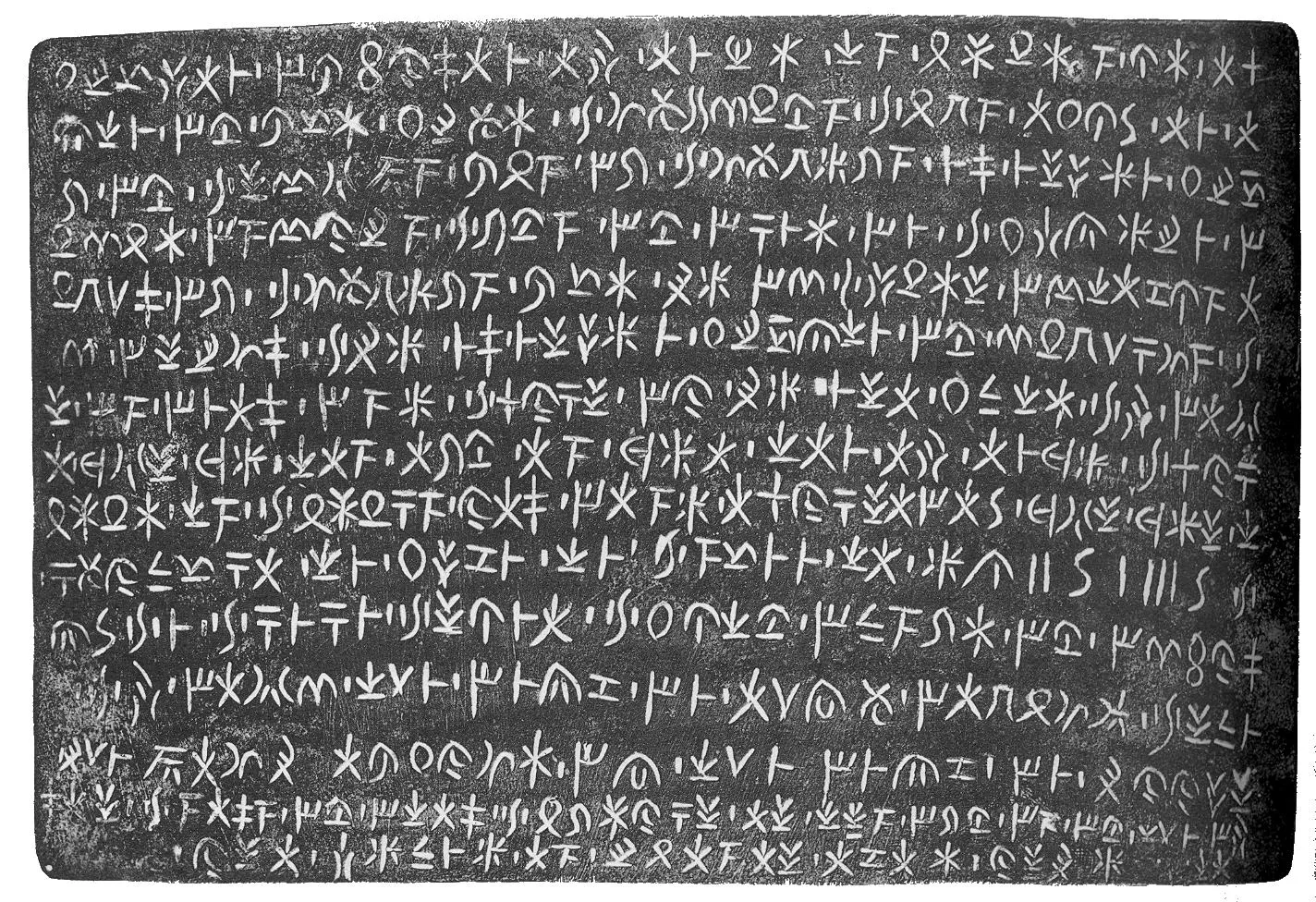
The last phase: Evagoras I of Salamis, the Idalion bronze tablet, coinage and the Hellenization debate.
The last phase of the Cypriot city-kingdoms, c. 480–310 BCE, under loose Persian overlordship, ending when Ptolemy I abolished the kings.
Step 10 · Chronology · 11 min read
Hellenistic Cyprus
The end of the kings: Ptolemaic Cyprus governed as a single province from Nea Paphos.
The Ptolemaic period in Cyprus, c. 310–31 BCE, when the city-kingdoms were abolished and the island was governed as one province from Nea Paphos.
Start with Cypro-Geometric Cyprus →
Other reading paths
- Start here: Cyprus in ten pagesOne page per period, from the island's first human visitors to the last Cypriot kings.
- Copper islandHow the Troodos ores shaped Cyprus, from hammered native copper to oxhide ingots and Roman mines.
- Reading Cypriot potteryHow to tell the island's main wares apart, from Red Polished to Black-on-Red.
- Shapes and motifsBowls, jugs and amphorae, and the circles, lotuses and single figures painted on them.
- Gods, graves and offeringsHow Cypriots buried their dead and what they gave their gods, from house burials to sanctuaries.
- Cyprus and its neighboursEgypt, Ugarit, Crete, Mycenae, Phoenicia and the empires, in the order Cyprus came to know them.
- Everyday lifeHouses, food, cloth and health in the farming villages where most Cypriots lived.
- Figures and statuesFrom small Neolithic stone figures to the painted limestone votaries of the Archaic sanctuaries.
- Collecting, looting and the lawHow Cypriot antiquities left the island, what changed in 1974, and what can be owned today.