
Reading path
Cyprus and its neighbours
Cyprus lies close to Anatolia and the Levant, and much of its history is a story of contact with other peoples. This route takes the cultures section roughly in the order in which each became important to the island, from Bronze Age trade with Egypt and Ugarit to the Assyrian and Persian kings who ruled the Cypriot kingdoms at a distance.
Intermediate · 10 steps · 2 hr 15 min
Start reading →Step 1 · Cultures · 14 min read
Neighboring Cultures
The overview, from the Anatolian connection at the dawn of the Bronze Age to hybrid identities in the Cypro-Archaic period.
Cyprus's relations with Anatolia, the Levant, Egypt, the Aegean and the Near Eastern empires, from the Chalcolithic to the Cypro-Archaic period.
Step 2 · Cultures · 17 min read
Egypt
Egypt, a partner in copper, pottery and prestige goods from the Middle Kingdom to the Ptolemies, who annexed the island.
Ancient Egypt, Cyprus's partner in copper, pottery and prestige goods from the Middle Kingdom to the Ptolemies, who annexed the island.
Step 3 · Cultures · 15 min read
Ugarit and the Levant
The Syrian port kingdom across the water, Cyprus's closest Bronze Age trading partner, and the wider Levantine coast.
The Syrian port kingdom of Ugarit and the wider Levantine coast, Cyprus's closest Bronze Age trading partners across the water.
Step 4 · Cultures · 11 min read
The Minoans
Palatial Crete, which took Cypriot copper and passed writing to Cyprus in the early Late Bronze Age.
The palatial Bronze Age civilization of Crete, which took Cypriot copper and passed writing to Cyprus in the early Late Bronze Age.
Step 5 · Cultures · 13 min read
Hittite Empire and Cyprus
The Anatolian empire that claimed Alashiya as a tributary, with Ugarit as go-between, yet left little trace on Cyprus.
The Late Bronze Age Anatolian empire that claimed Alashiya as a tributary but left almost no material trace on Cyprus.
Step 6 · Cultures · 13 min read
The Mycenaeans and Cyprus
The palaces of mainland Greece, whose pottery flooded Cypriot coastal towns in the 14th and 13th centuries BCE.
The palatial Late Bronze Age societies of mainland Greece, whose pottery flooded Cypriot coastal towns in the 14th and 13th centuries BCE.
Step 7 · Cultures · 11 min read
The Philistines
After the crisis: newcomers on the southern Levantine coast whose Aegean-style pottery, hearths and houses derive most directly from Cyprus.
The 12th-century BCE newcomers to the southern Levantine coast, whose Aegean-style pottery, hearths and houses derive most directly from Cyprus.
Step 8 · Cultures · 11 min read
The Phoenicians
Iron Age Levantine city-states whose traders and settlers made Kition a Phoenician kingdom and shared a hybrid culture with Cyprus.
The Iron Age city-states of the Levantine coast, whose traders and settlers made Kition a Phoenician kingdom and shared a hybrid culture with Cyprus.
Step 9 · Cultures · 12 min read
Neo-Assyrian Empire and Cyprus
The empire to which the Cypriot kings submitted around 709 BCE, ruling them indirectly as tribute-paying clients.
The Mesopotamian empire to which the Cypriot kings submitted around 709 BCE, ruling them indirectly as tribute-paying clients.
Step 10 · Cultures · 19 min read
Achaemenid Persia
The last overlord on this route: Persia, which held the kingdoms as tribute-paying client states until 332 BCE.
The Persian Empire, which held the Cypriot city-kingdoms as tribute-paying client states from c. 545 or 525 BCE until 332 BCE.
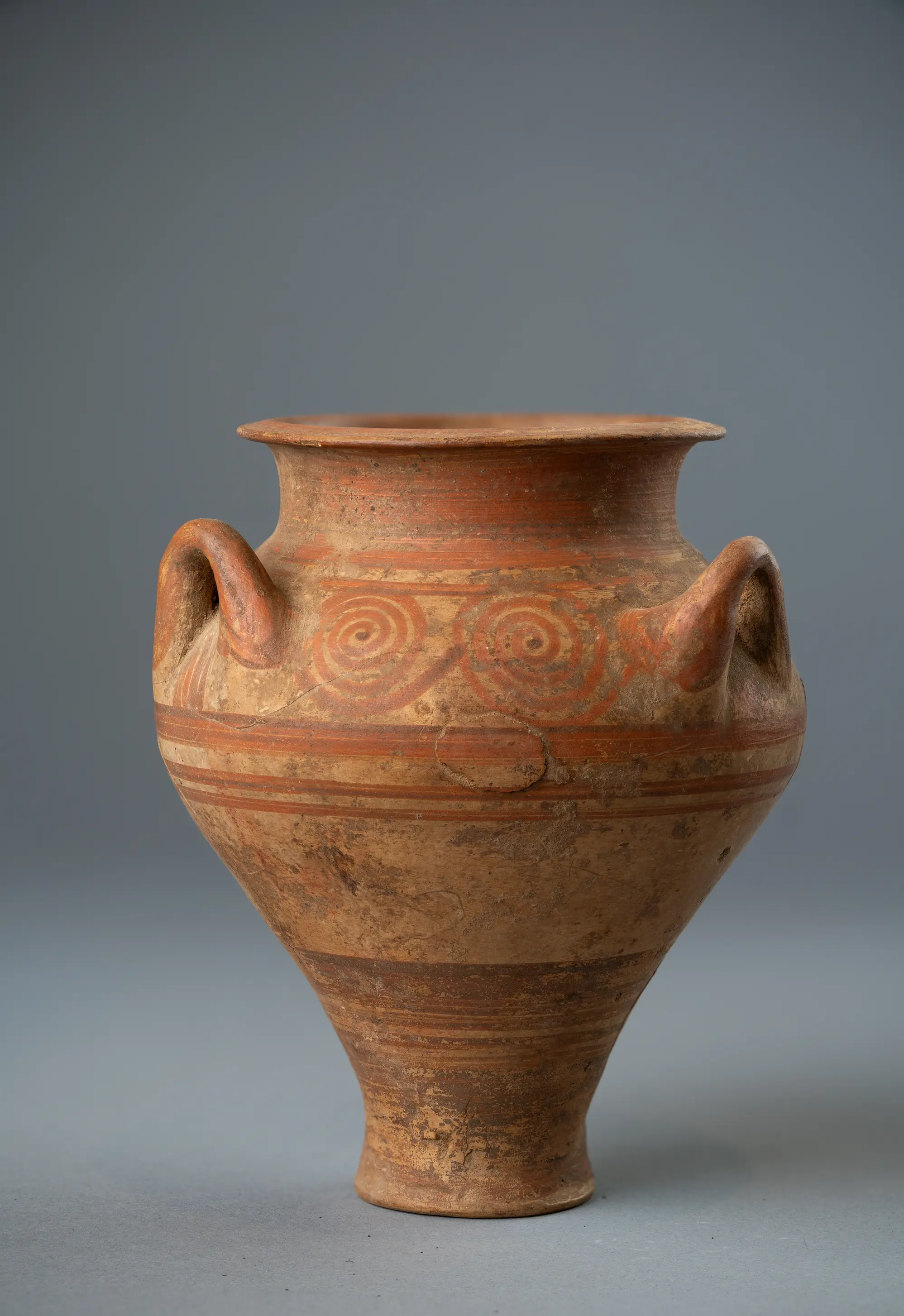
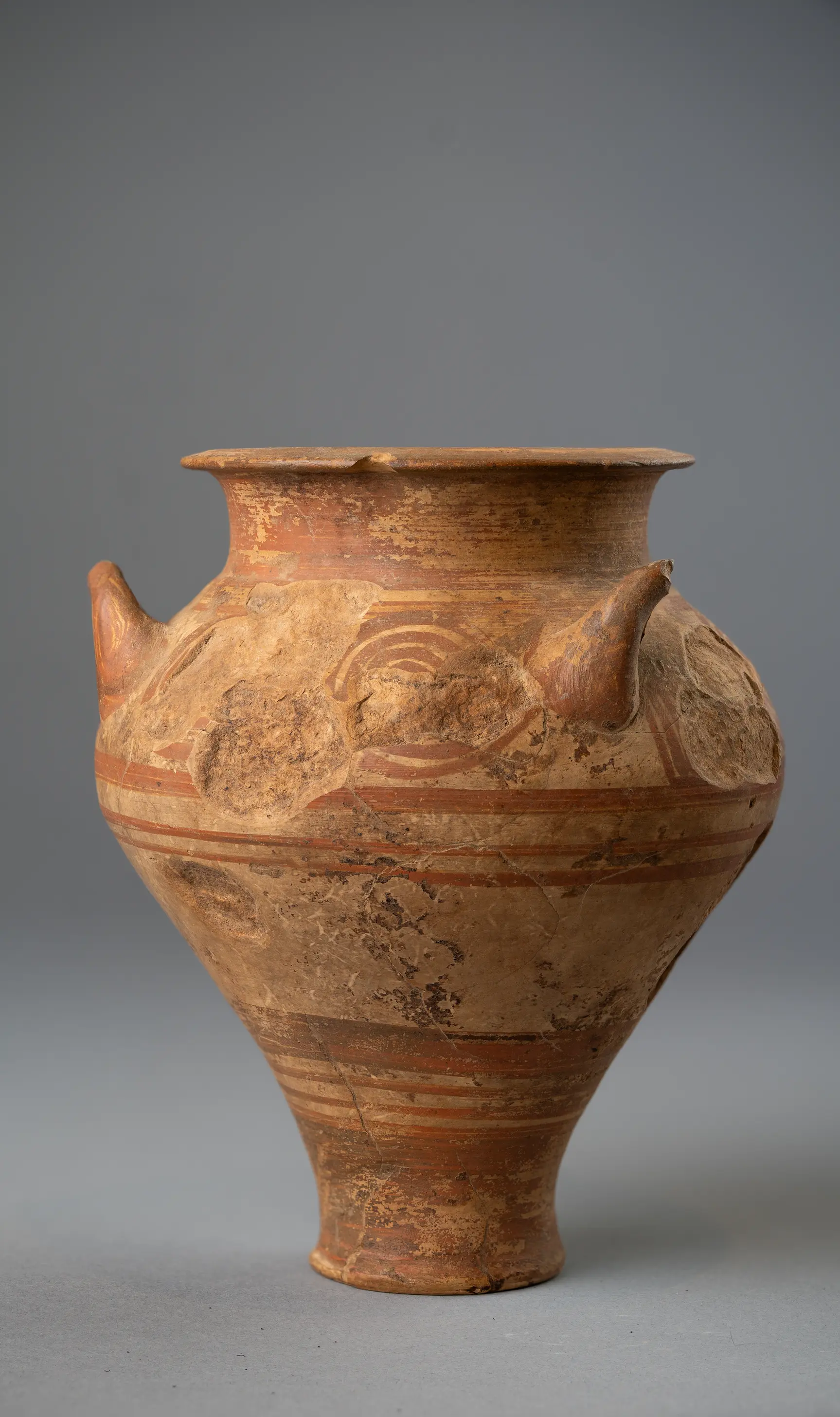
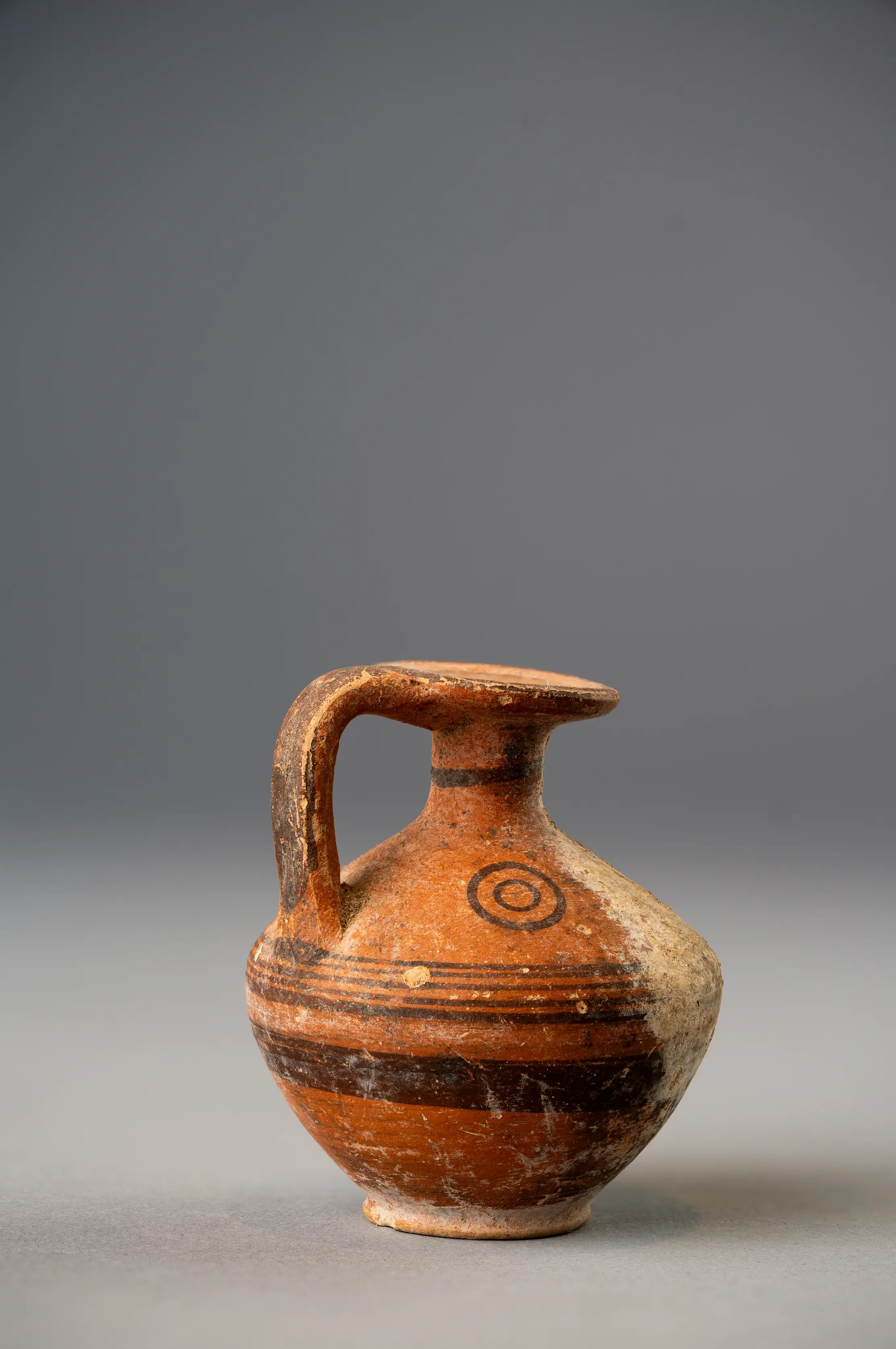
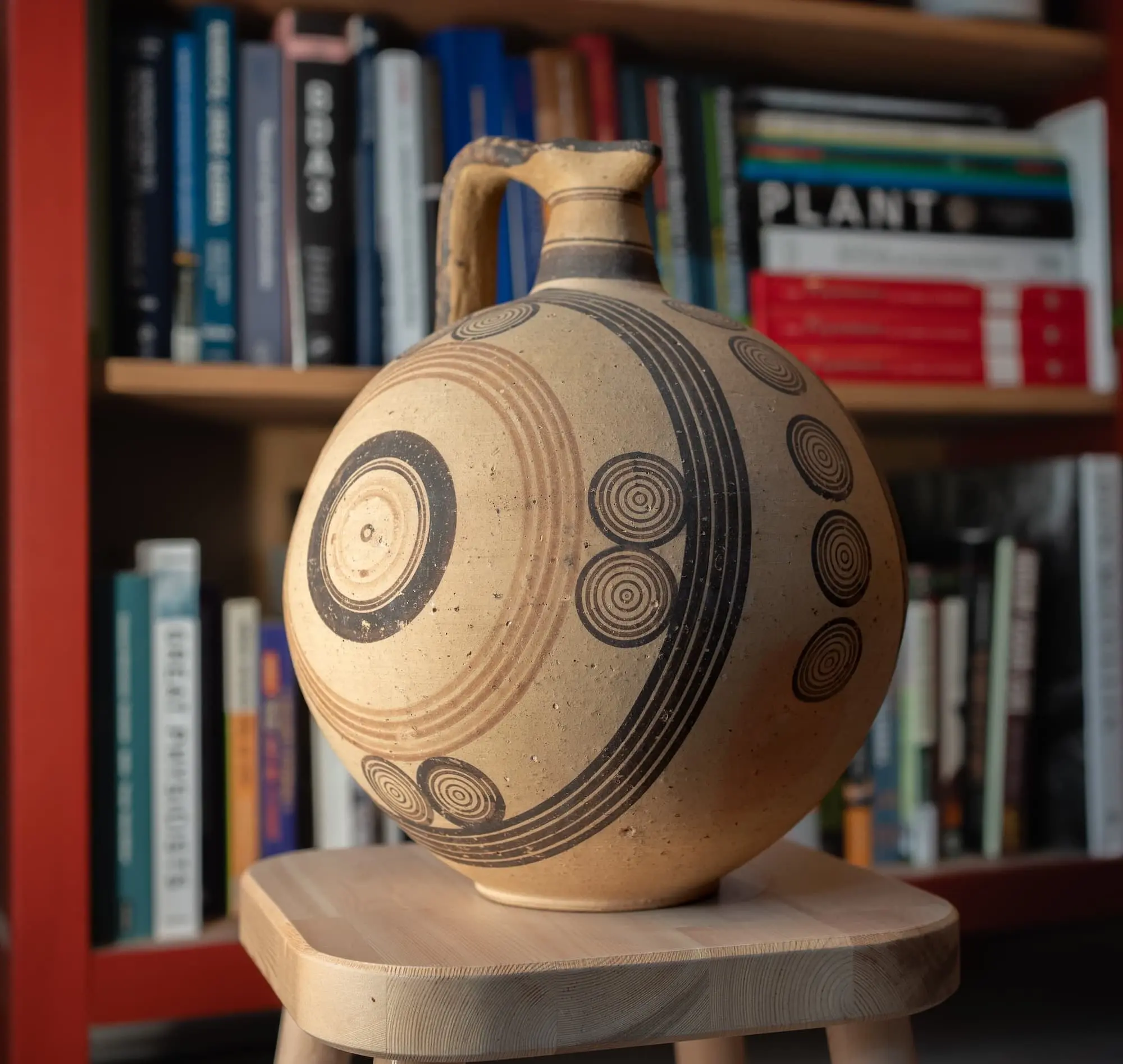
Start with Neighboring Cultures →
Other reading paths
- Start here: Cyprus in ten pagesOne page per period, from the island's first human visitors to the last Cypriot kings.
- Copper islandHow the Troodos ores shaped Cyprus, from hammered native copper to oxhide ingots and Roman mines.
- Reading Cypriot potteryHow to tell the island's main wares apart, from Red Polished to Black-on-Red.
- Shapes and motifsBowls, jugs and amphorae, and the circles, lotuses and single figures painted on them.
- Gods, graves and offeringsHow Cypriots buried their dead and what they gave their gods, from house burials to sanctuaries.
- Everyday lifeHouses, food, cloth and health in the farming villages where most Cypriots lived.
- Figures and statuesFrom small Neolithic stone figures to the painted limestone votaries of the Archaic sanctuaries.
- Kingdoms of the Iron AgeHow the Cypriot city-kingdoms rose, wrote, fought, paid tribute and finally lost their kings.
- Collecting, looting and the lawHow Cypriot antiquities left the island, what changed in 1974, and what can be owned today.