
Reading path
Figures and statues
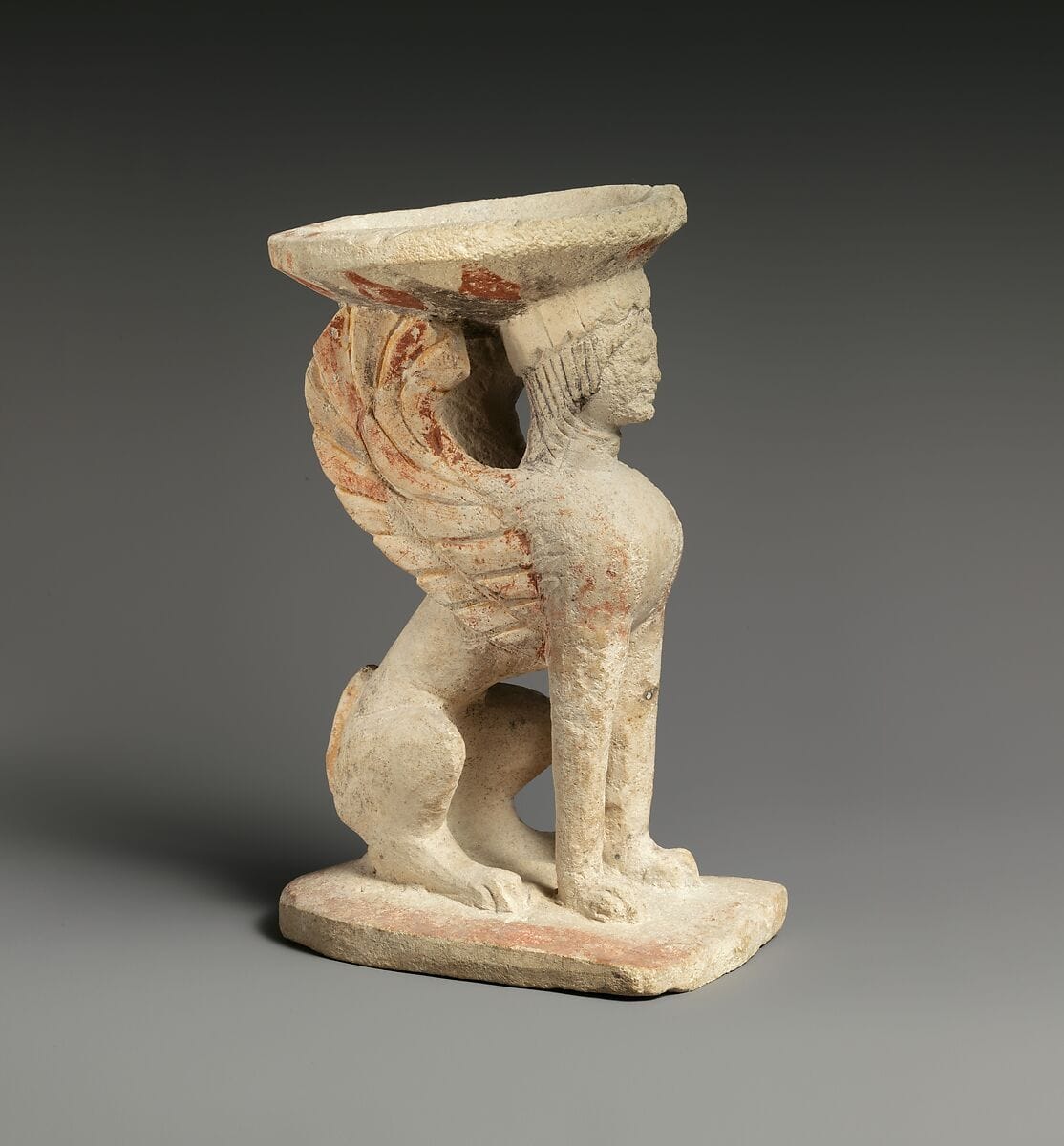
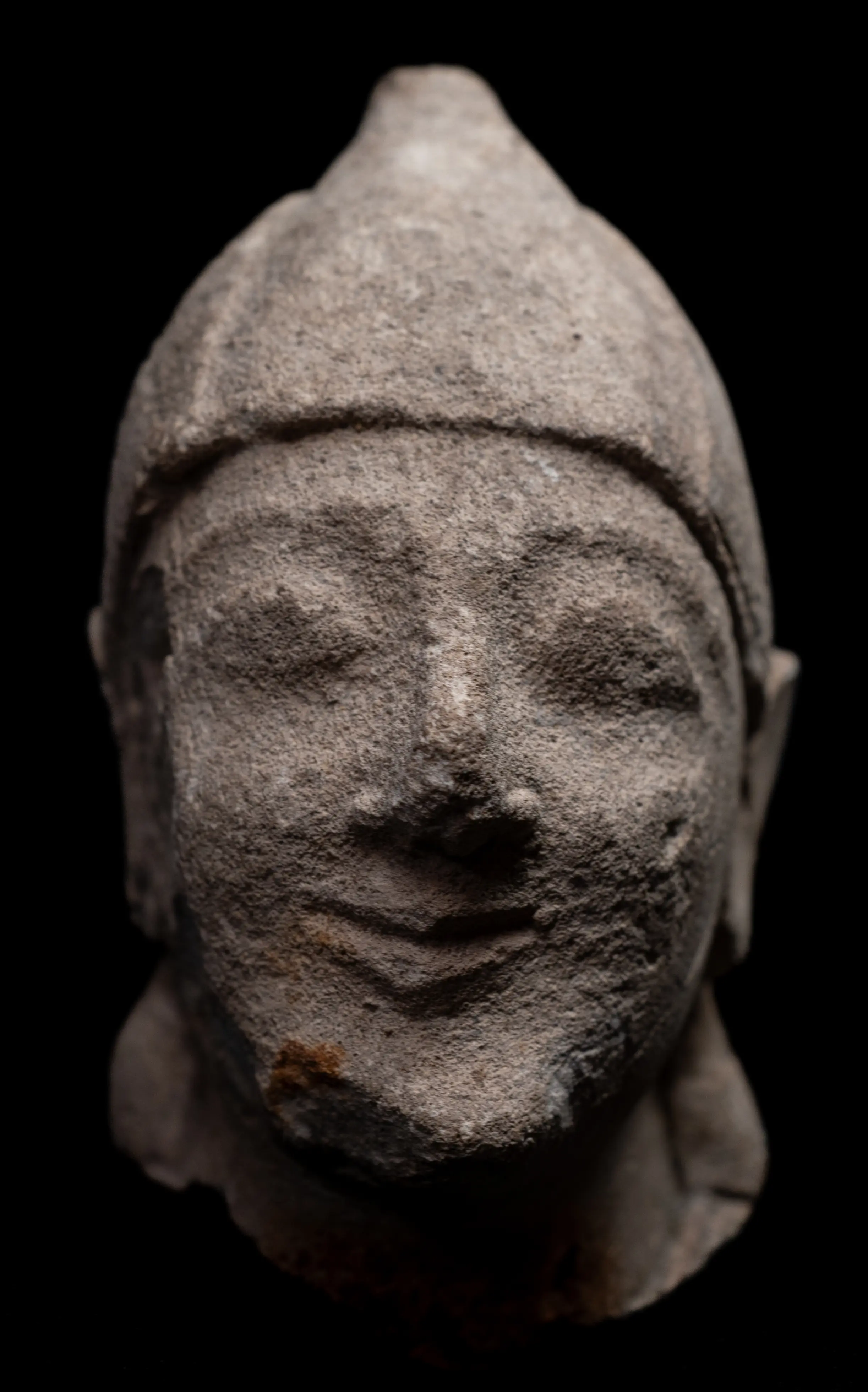
Cypriots made human and animal figures in almost every period, in stone, clay and later limestone. This route follows them in order: the picrolite cruciforms of the Chalcolithic, the flat plank figures of the Bronze Age, the handmade terracottas of the Iron Age and the limestone votaries of the Archaic sanctuaries. It ends with the systems specialists use to classify them.
Introductory · 10 steps · 2 hr 15 min
Start reading →Step 1 · Statues · 8 min read
The Statues of Ancient Cyprus
The overview: figures in stone, clay and metal, from Neolithic pebble figures to Hellenistic and Roman limestone votives.
The statues and figurines of ancient Cyprus, in stone, clay and metal, from Neolithic pebble figures to Hellenistic and Roman limestone votives.
Step 2 · Statues · 15 min read
Neolithic and Picrolite Figurines
The first figures, small, mostly stone and rarely sexed, and the early use of picrolite.
The small, mostly stone and rarely sexed human figures of Neolithic Cyprus, and the early use of picrolite that precedes the Chalcolithic cruciforms.
Step 3 · Statues · 13 min read
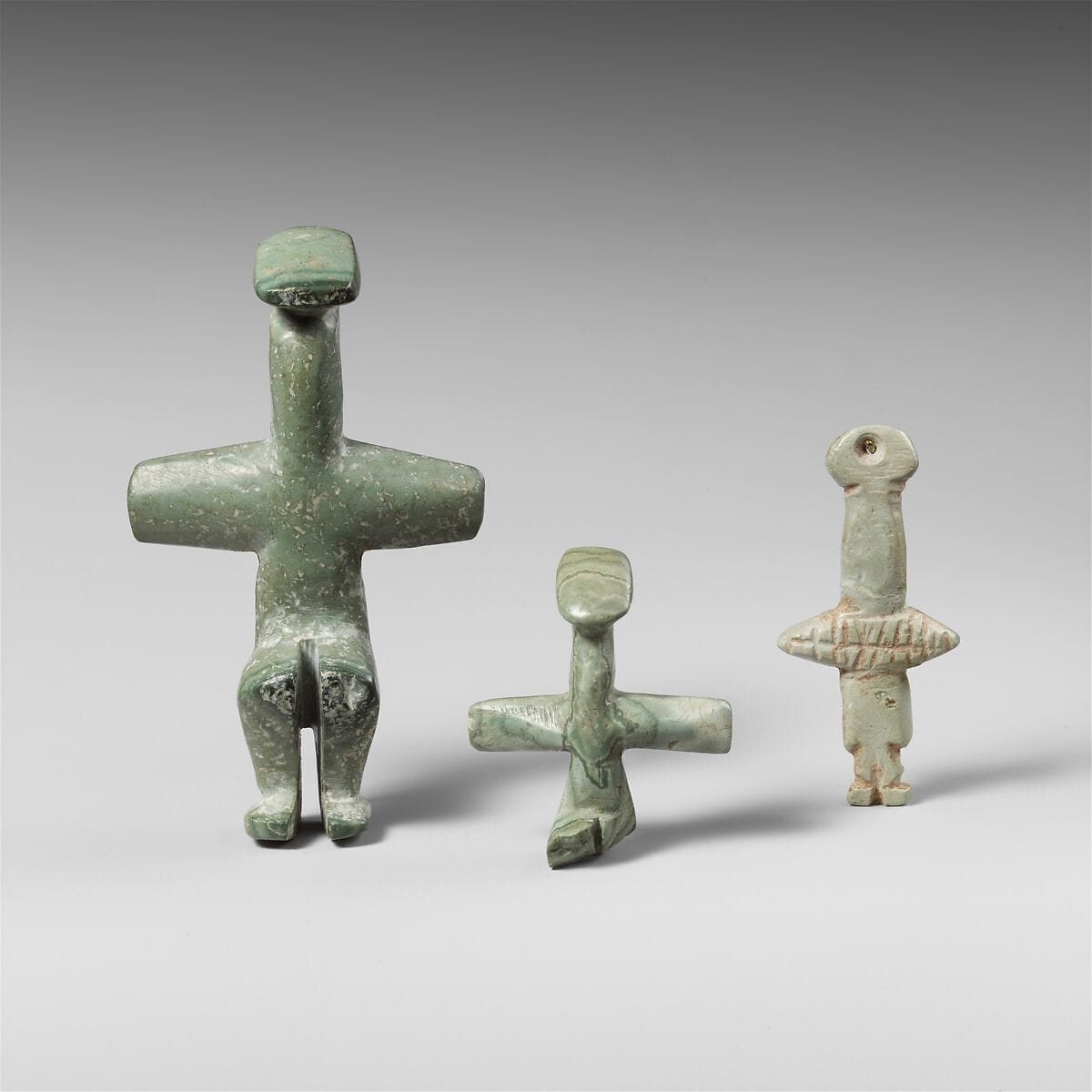
Cruciform Figurines
Chalcolithic figures with outstretched arms and bent legs, carved mostly in picrolite and often worn as pendants.
Small stylised human figures with outstretched arms and bent legs, carved mostly in picrolite in Chalcolithic Cyprus and often worn as pendants.
Step 4 · Statues · 12 min read
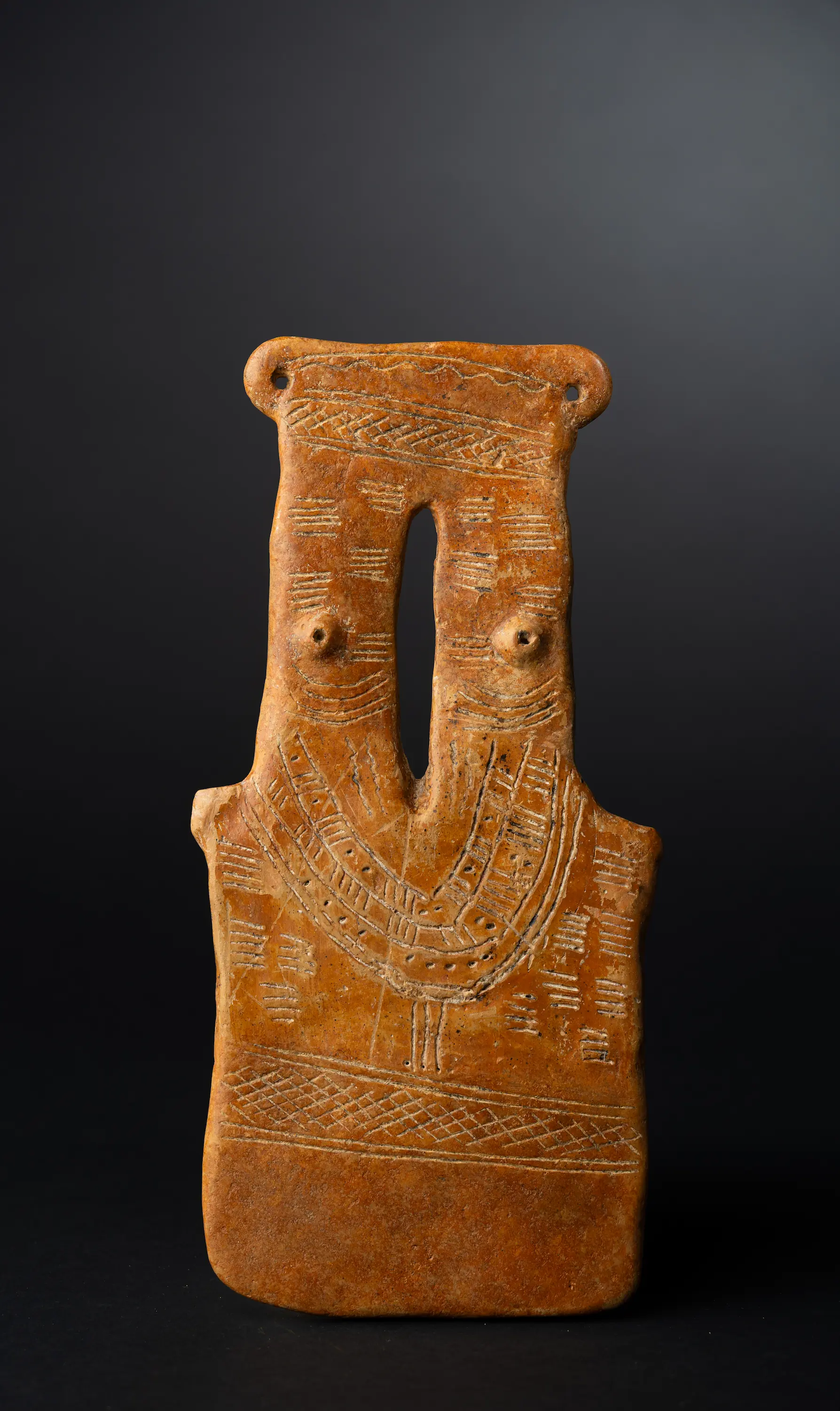
Plank Figures
Flat, rectangular human figures, mostly in incised Red Polished clay, made from Early Cypriot IIIA to Middle Cypriot II.
Flat, rectangular, stylised human figures, mostly in incised Red Polished clay, made in Cyprus from Early Cypriot IIIA to Middle Cypriot II.
Step 5 · Statues · 14 min read
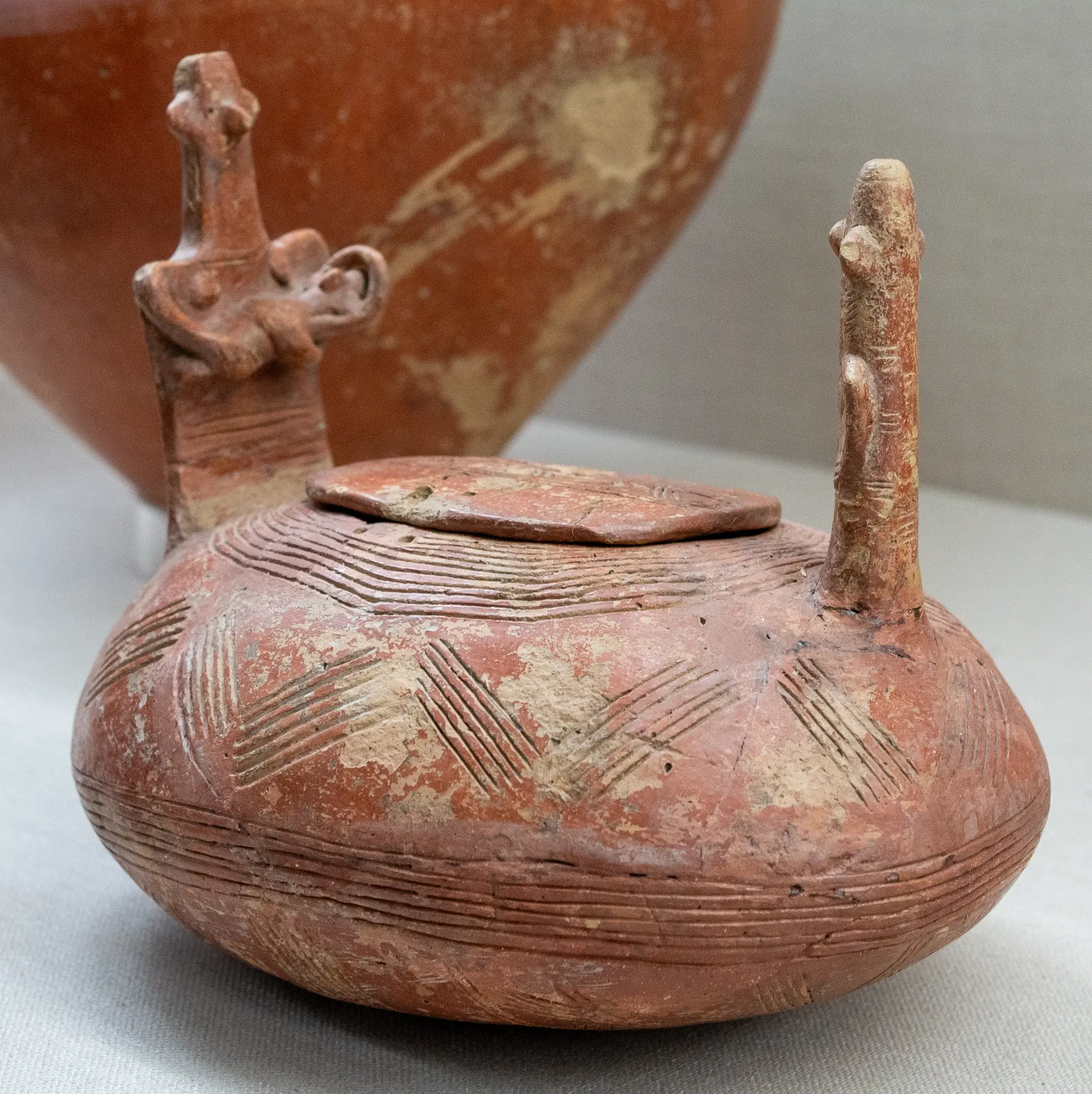
Red Polished Zoomorphic Vessels and Animal Figurines
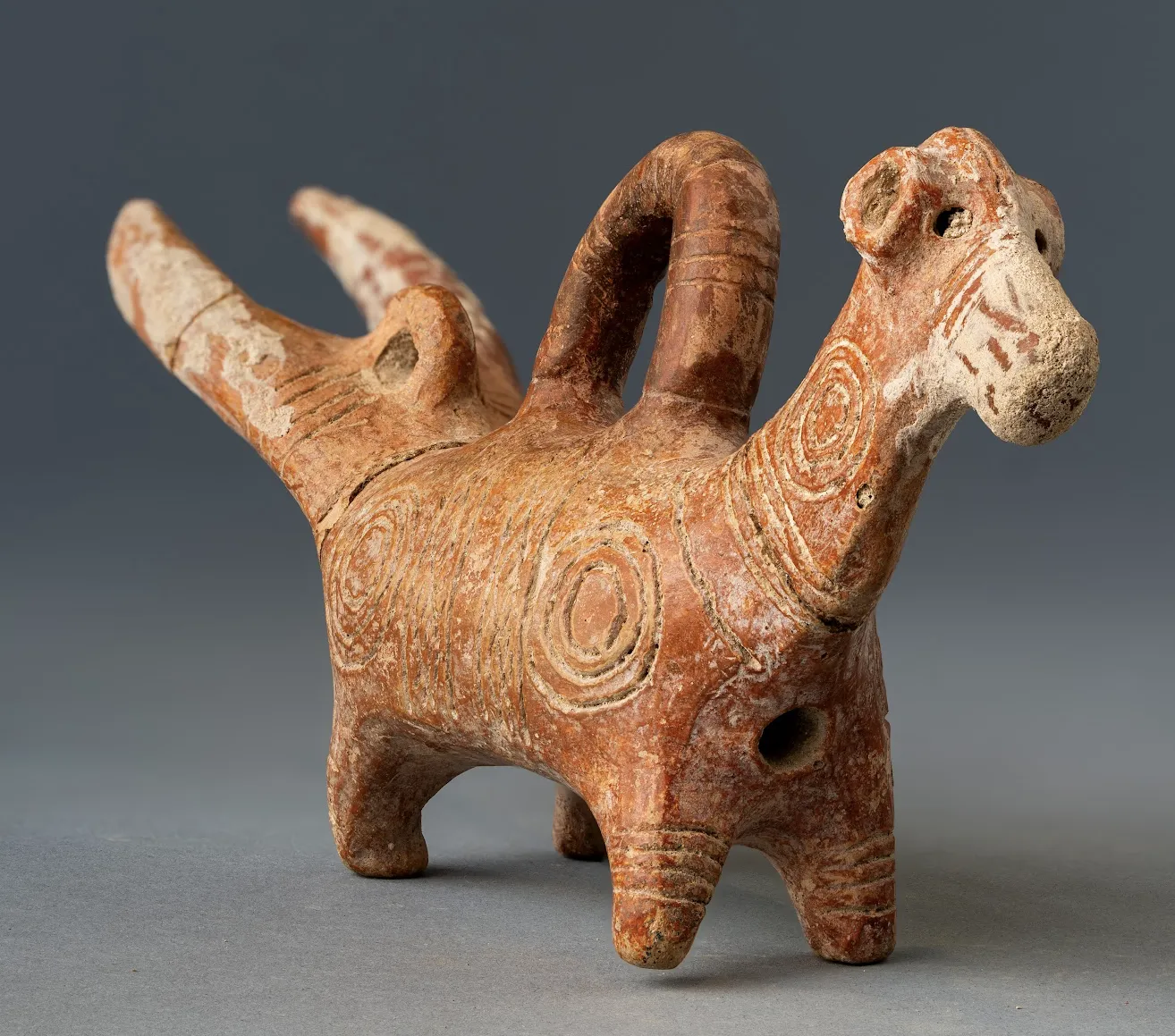
Animals in the same ware: figurines, protomes applied to vessels, and animal-shaped askoi, mostly from tombs.
Red Polished ware animal figurines, animal protomes applied to vessels, and animal-shaped askoi of Early and Middle Bronze Age Cyprus, mostly from tombs.
Step 6 · Statues · 13 min read
Base Ring Figurines (Astarte Type)
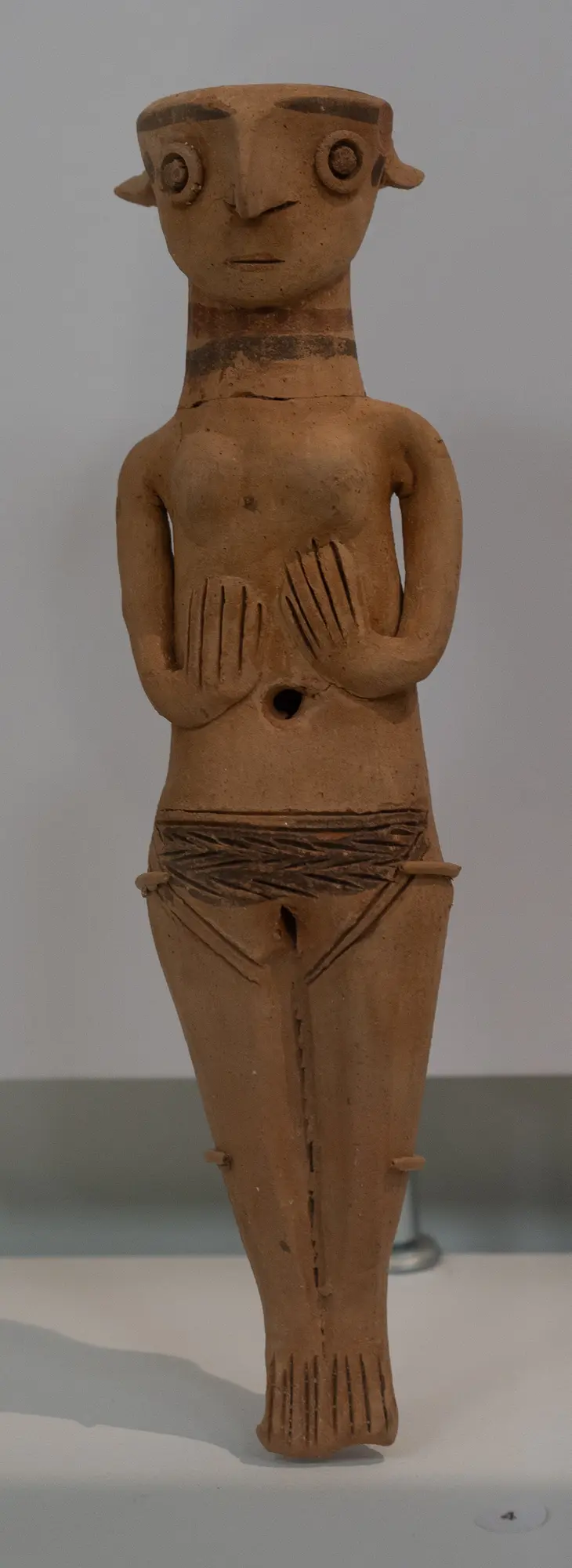
Late Bronze Age Base Ring figurines of nude women, found in tombs and houses and often linked to Astarte.
Handmade Base Ring ware terracotta figurines of nude women from Late Bronze Age Cyprus, found in tombs and houses and often linked to Astarte.
Step 7 · Statues · 16 min read
Snowman Figurines
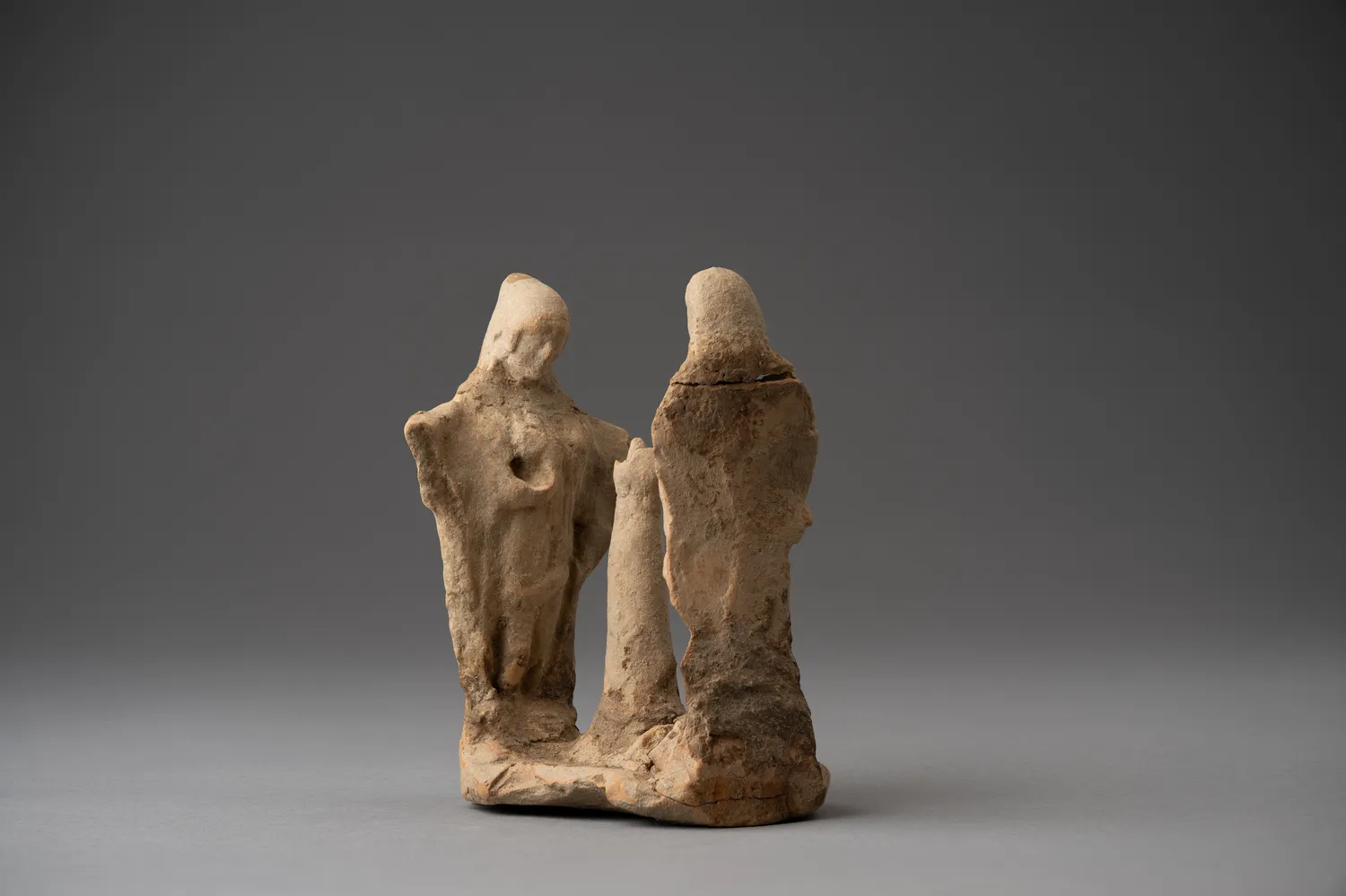
Iron Age terracotta votaries and musicians built up from a columnar lump of clay, with pinched beak noses and pellet features.
Hand-modelled terracotta votaries and musicians of Iron Age Cyprus, built up from a columnar lump of clay with a pinched beak nose and pellet features.
Step 8 · Statues · 13 min read
Archaic Limestone Statues
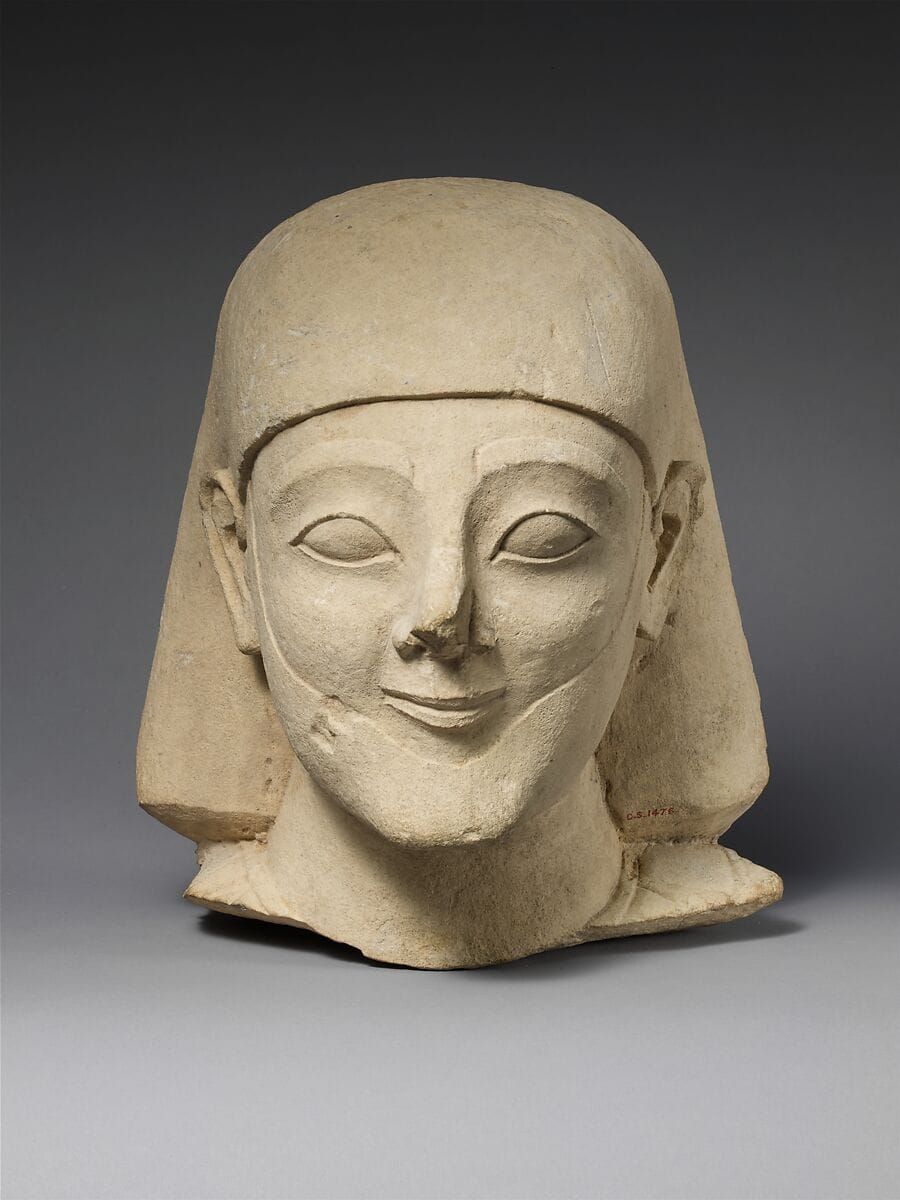
The turn to stone: limestone votive statues and statuettes of the Cypro-Archaic sanctuaries, many in Egyptianizing dress.
The limestone votive statues and statuettes dedicated in Cypriot sanctuaries of the Cypro-Archaic period, many in Egyptianizing dress.
Step 9 · Statues · 13 min read
Painted Stone: Colour on Cypriot Limestone Sculpture
How those statues were painted in red, black, yellow, green and blue, of which usually only traces now survive.
The painting of Cypriot limestone sculpture with red, black, yellow, green and blue, of which usually only traces now survive.
Step 10 · Statues · 16 min read
How Cypriot Figurines Are Classified
Finally the systems, from Winkelmann's N and C numbers to Coroplastic Art and Gjerstad's styles, and how they overlap.
The overlapping systems that classify Cypriot figurines and statues, from Winkelmann's N and C numbers to Karageorghis's Coroplastic Art and Gjerstad's styles.
Start with The Statues of Ancient Cyprus →
Other reading paths
- Start here: Cyprus in ten pagesOne page per period, from the island's first human visitors to the last Cypriot kings.
- Copper islandHow the Troodos ores shaped Cyprus, from hammered native copper to oxhide ingots and Roman mines.
- Reading Cypriot potteryHow to tell the island's main wares apart, from Red Polished to Black-on-Red.
- Shapes and motifsBowls, jugs and amphorae, and the circles, lotuses and single figures painted on them.
- Gods, graves and offeringsHow Cypriots buried their dead and what they gave their gods, from house burials to sanctuaries.
- Cyprus and its neighboursEgypt, Ugarit, Crete, Mycenae, Phoenicia and the empires, in the order Cyprus came to know them.
- Everyday lifeHouses, food, cloth and health in the farming villages where most Cypriots lived.
- Kingdoms of the Iron AgeHow the Cypriot city-kingdoms rose, wrote, fought, paid tribute and finally lost their kings.
- Collecting, looting and the lawHow Cypriot antiquities left the island, what changed in 1974, and what can be owned today.