
Reading path
Gods, graves and offerings
Much of what survives from ancient Cyprus came out of graves or sanctuaries. This route follows burial from pits beneath Neolithic houses to the reused chamber tombs of the Bronze Age, then turns to the figures that people placed in tombs and dedicated to their gods. It ends in the sanctuaries of the Iron Age kingdoms.
Intermediate · 10 steps · 2 hr 20 min
Start reading →Step 1 · Mortuary Practices · 13 min read
Society, Ritual, and Identity in Ancient Cypriot Mortuary Practice
The overview: from graves beneath Neolithic houses to rock-cut chamber tombs and the royal tombs of the Iron Age.
How the people of ancient Cyprus buried and remembered their dead, from graves beneath Neolithic houses to rock-cut chamber tombs and Iron Age royal tombs.
Step 2 · Mortuary Practices · 17 min read
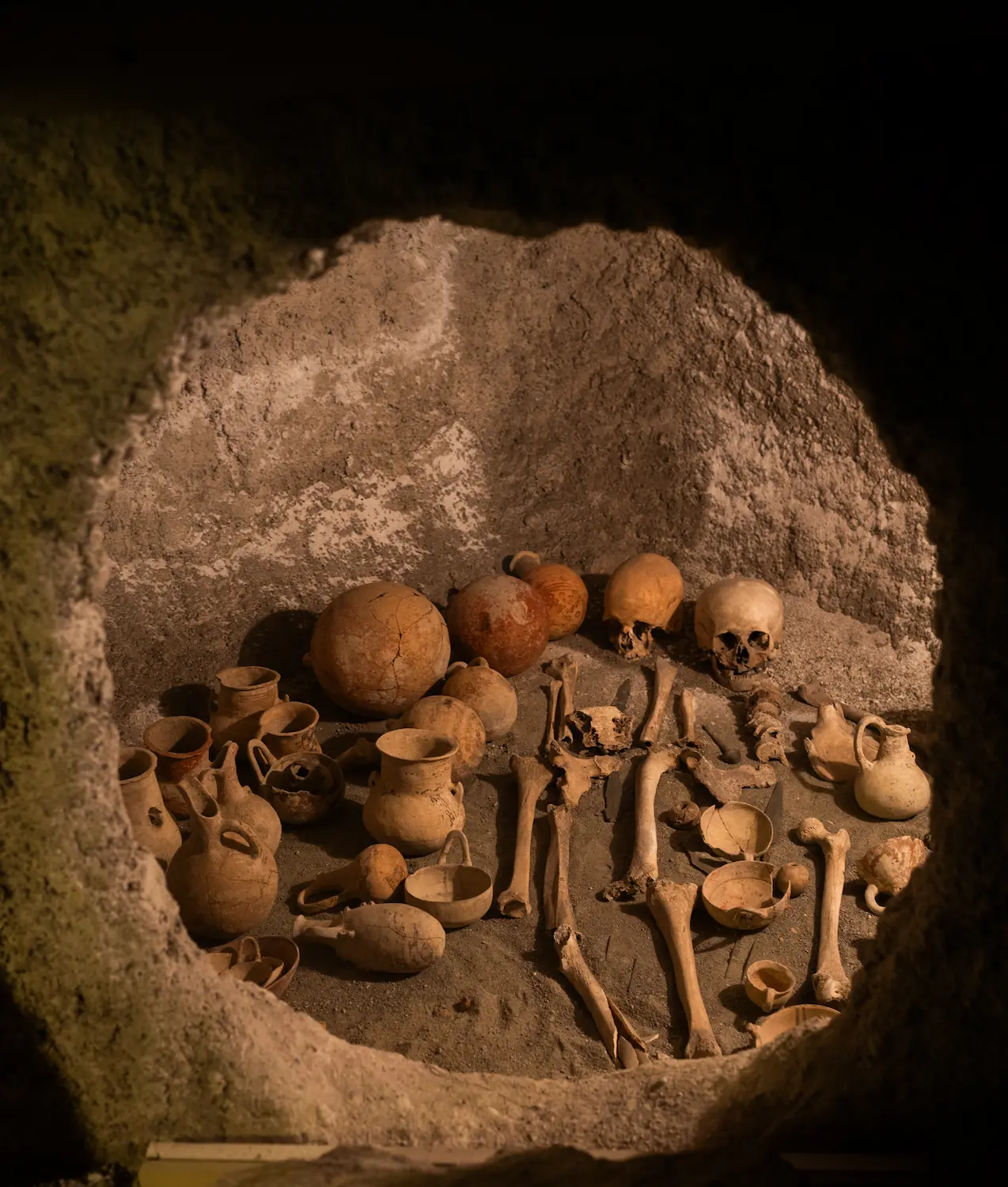
Neolithic and Chalcolithic Burial in Cyprus
The earliest burials, mostly contracted bodies in pits beneath or beside houses, down to the eve of the Bronze Age.
Burial on Cyprus from the first farming villages to the eve of the Bronze Age, mostly contracted bodies in pits beneath or beside houses.
Step 3 · Mortuary Practices · 20 min read
Bronze Age Chamber Tombs
Rock-cut chambers entered by a dromos and reopened for successive burials, the standard grave from Philia to the end of the Bronze Age.
Rock-cut chambers entered by a dromos and reopened for successive burials were the standard Cypriot grave from the Philia phase to the end of the Bronze Age.
Step 4 · Mortuary Practices · 15 min read
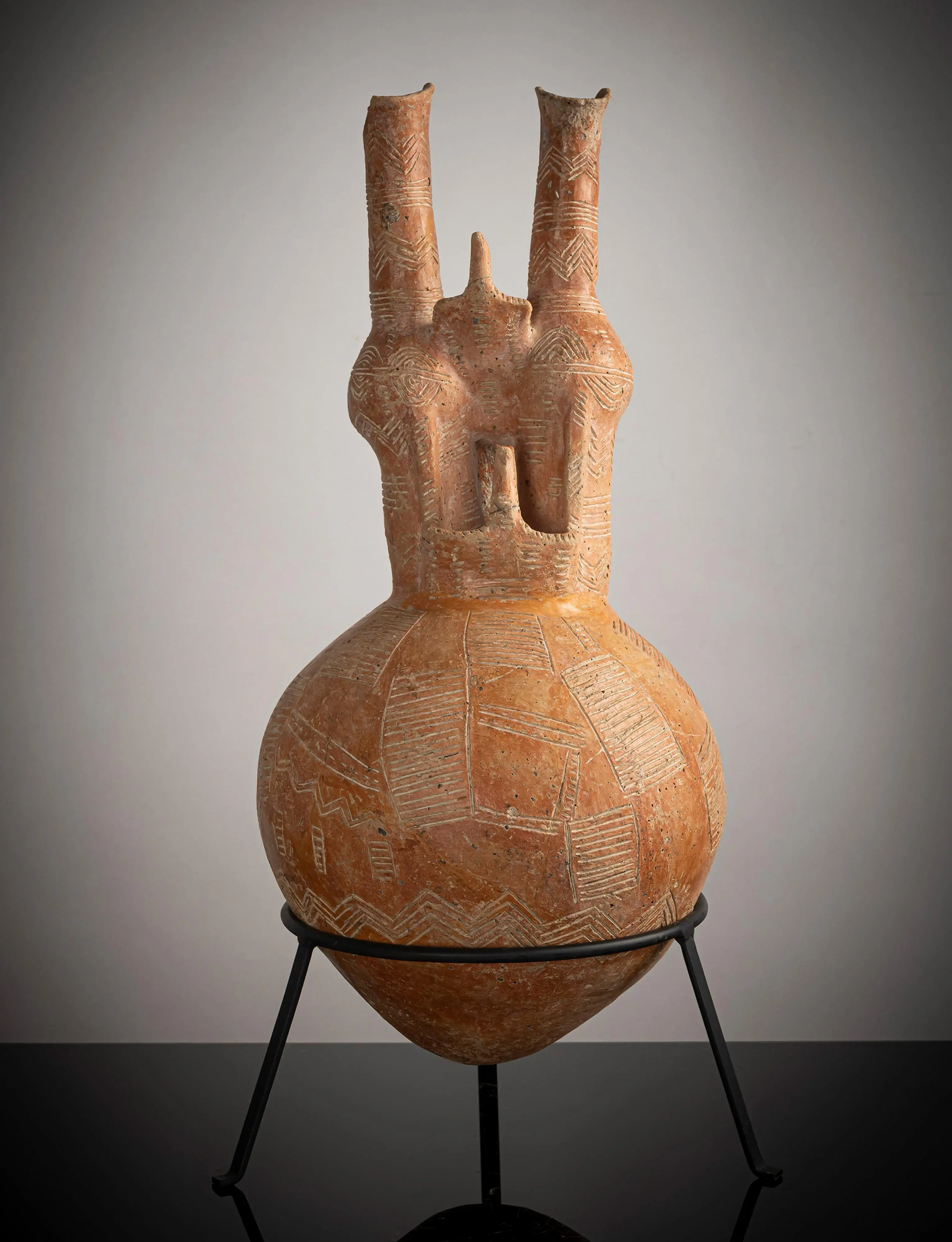
Vounous and Early Bronze Age Burial
One cemetery in close-up: the north-coast chamber tombs of Bellapais-Vounous and their figured Red Polished grave goods.
Bellapais-Vounous is a north-coast cemetery of rock-cut chamber tombs whose figured Red Polished grave goods define Early Bronze Age burial in Cyprus.
Step 5 · Pottery · 14 min read
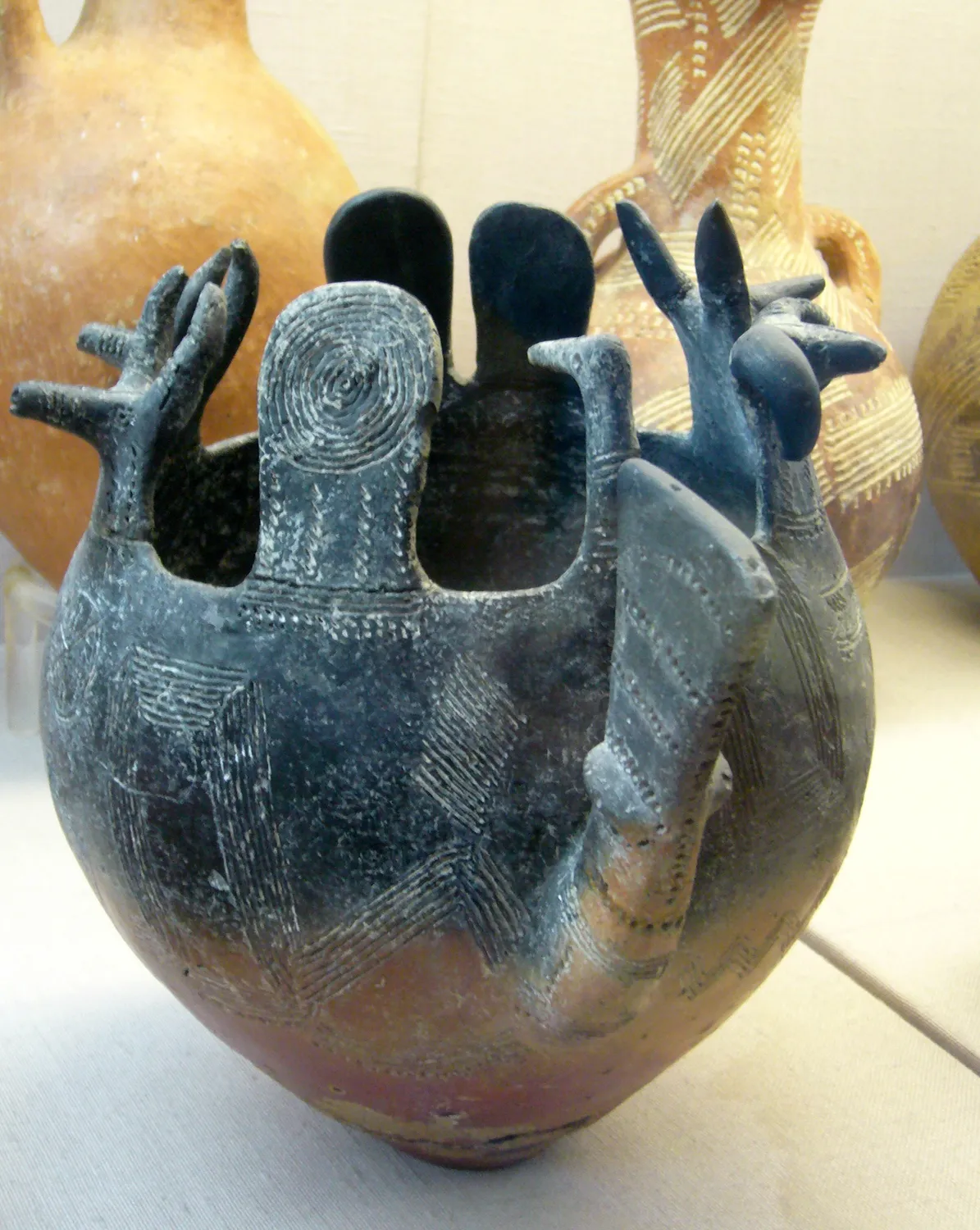
Tulip Bowls and Cult Vessels
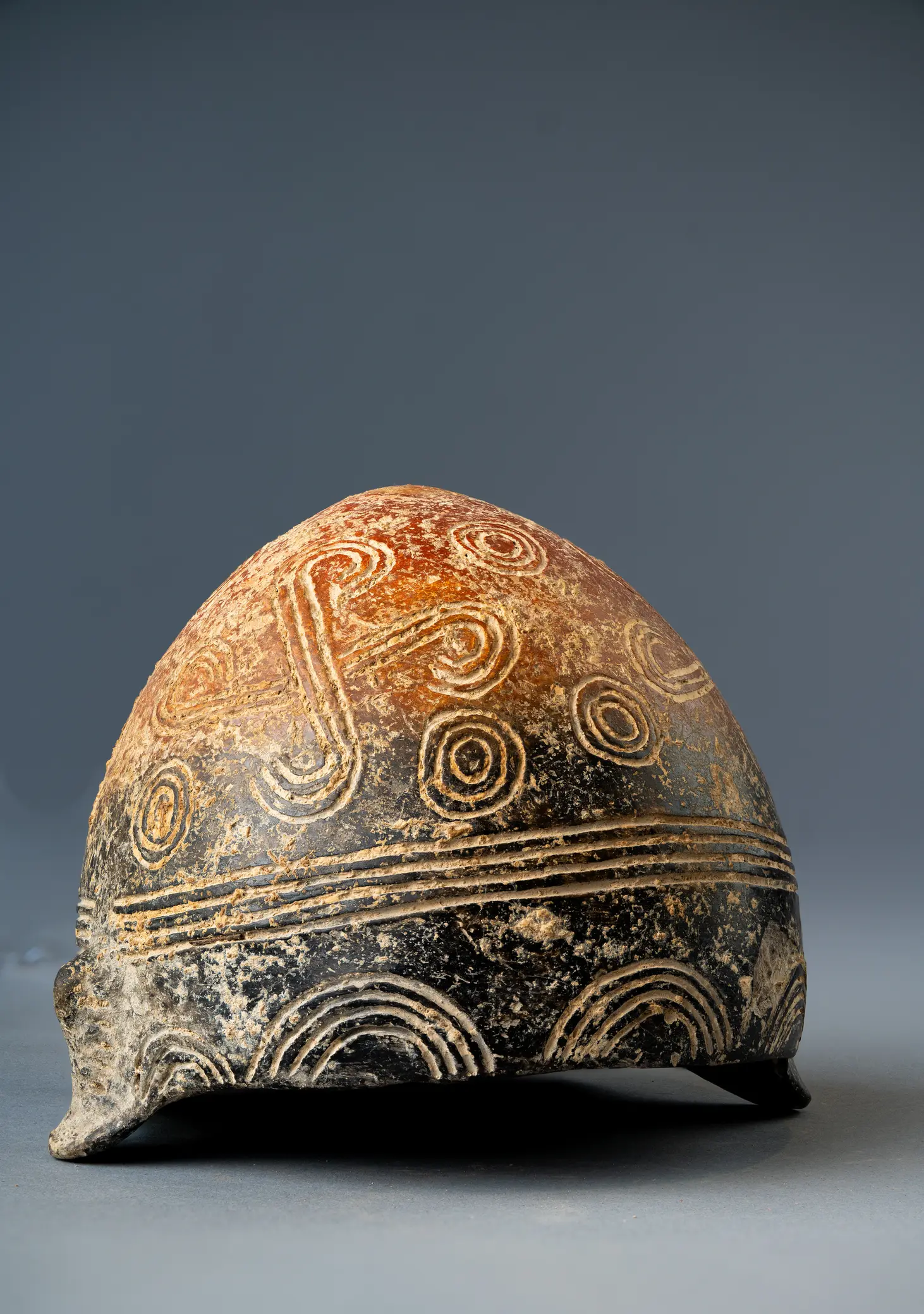
Some of those grave goods up close: deep black-topped tulip bowls and their elaborate protome-rimmed form.
Deep, conical, black-topped Red Polished bowls of Early Cypriot I–II, and their elaborate protome-rimmed form, known mostly from the tombs of Vounous.
Step 6 · Statues · 13 min read
Base Ring Figurines (Astarte Type)
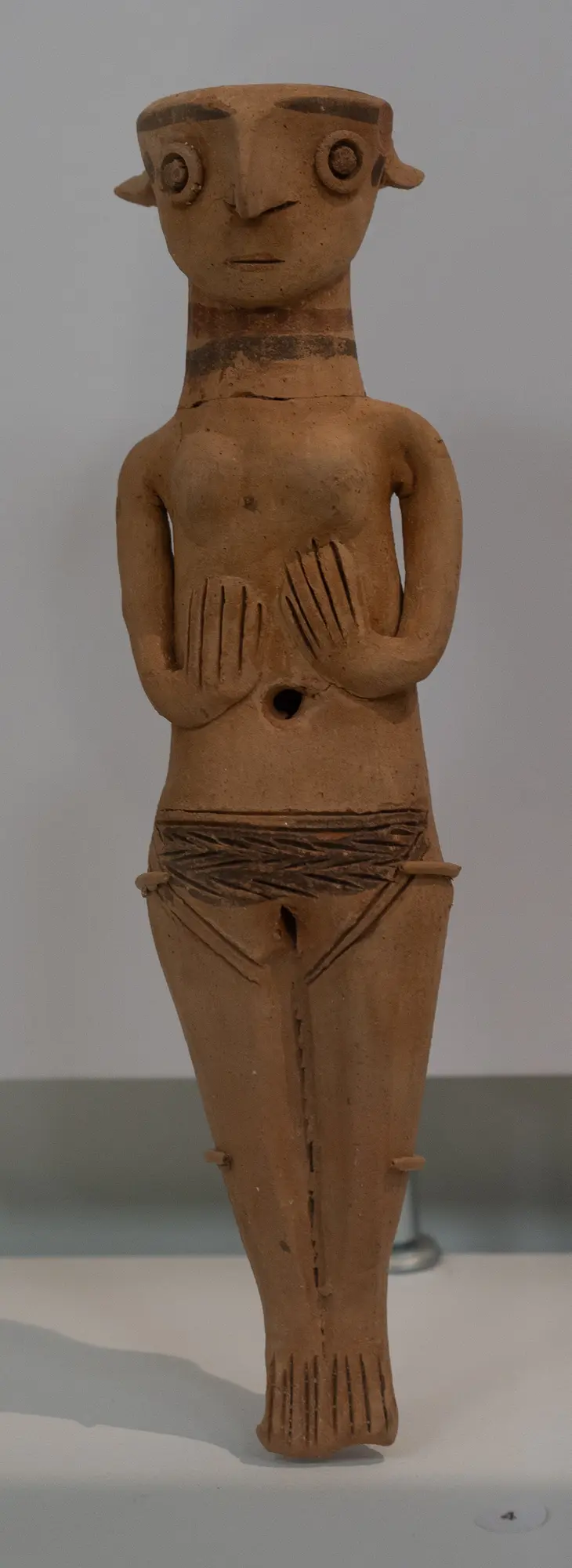
Late Bronze Age clay figurines of nude women, found in tombs and houses and often linked to the goddess Astarte.
Handmade Base Ring ware terracotta figurines of nude women from Late Bronze Age Cyprus, found in tombs and houses and often linked to Astarte.
Step 7 · Architecture · 11 min read
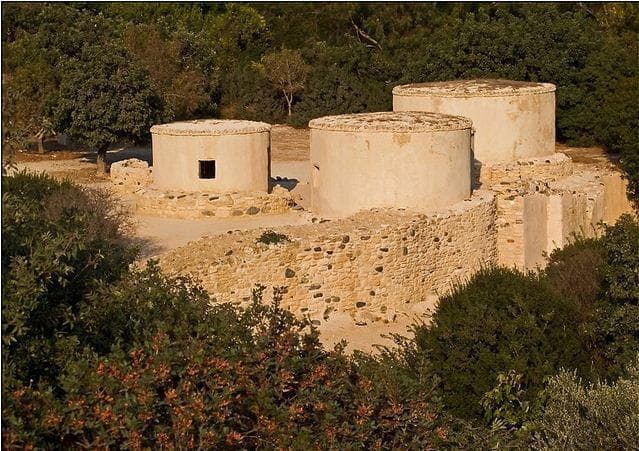
Architectural Transformations in Ancient Cyprus
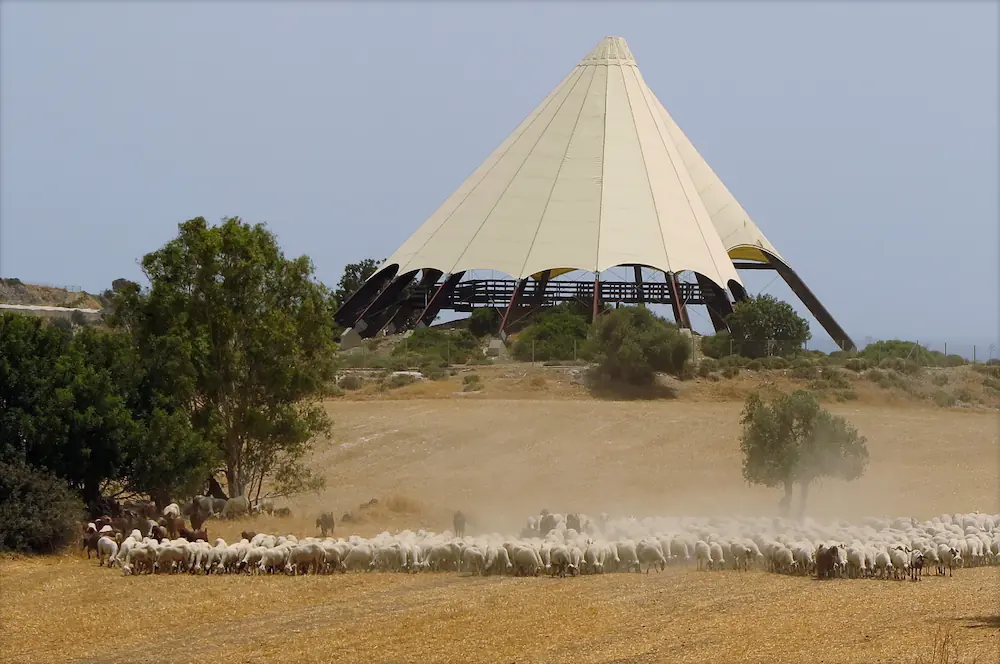
From tombs to temples: the built setting of Cypriot life and cult, ending with the new sanctuaries of the Iron Age.
The built environment of ancient Cyprus, from Neolithic round houses to Bronze Age rectilinear villages, ashlar buildings and Iron Age sanctuaries.
Step 8 · Statues · 13 min read
Archaic Limestone Statues
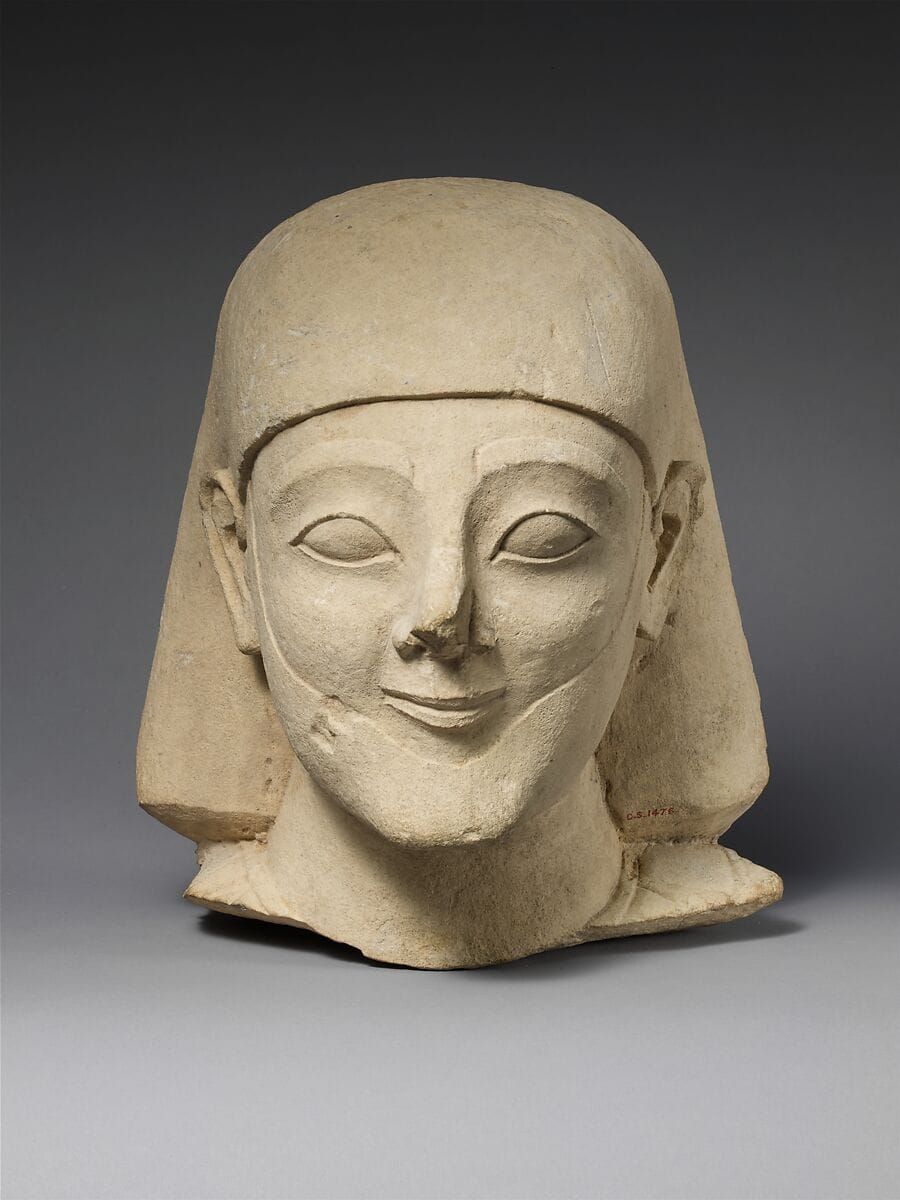
What filled those sanctuaries: limestone votive statues and statuettes of the Cypro-Archaic period, many in Egyptianizing dress.
The limestone votive statues and statuettes dedicated in Cypriot sanctuaries of the Cypro-Archaic period, many in Egyptianizing dress.
Step 9 · Statues · 12 min read
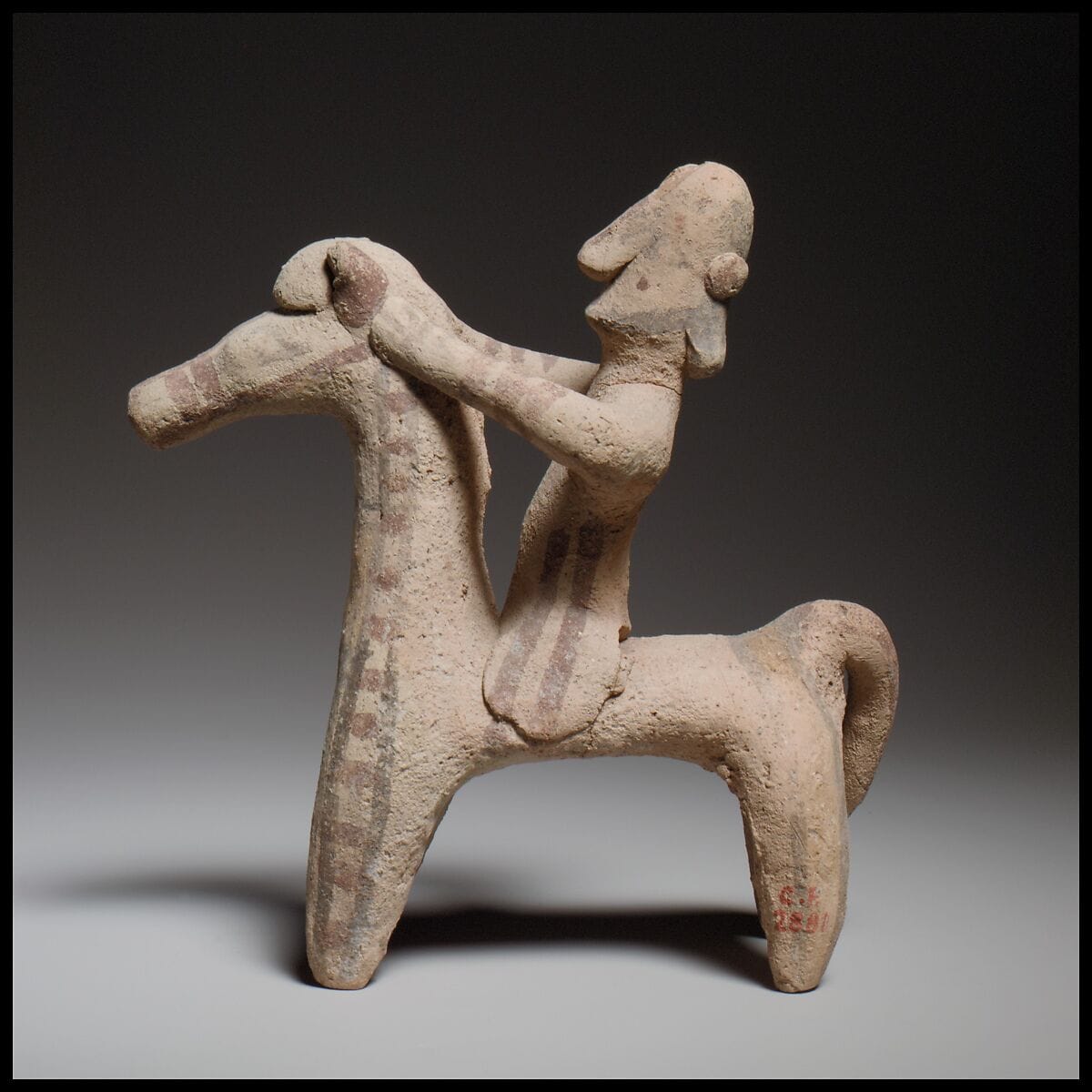
Horse and Rider Figurines
Terracotta riders dedicated in sanctuaries and placed in tombs, most abundantly in the Cypro-Archaic period.
Terracotta figurines of a mounted rider, dedicated in sanctuaries and placed in tombs across Iron Age Cyprus, most abundantly in the Cypro-Archaic period.
Step 10 · Statues · 10 min read
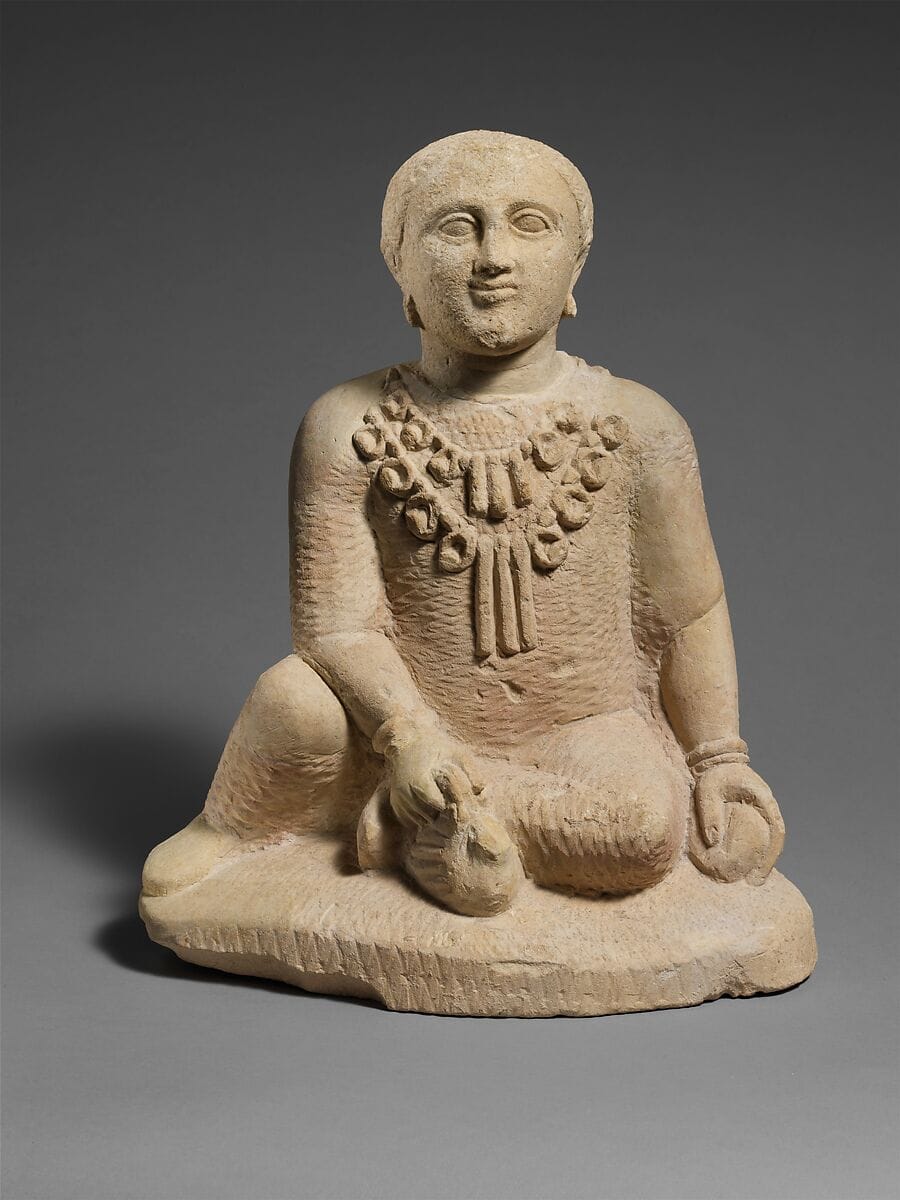
Temple Boys
A later votive type: limestone crouching children dedicated from the mid-5th century BCE into the Hellenistic period.
Small limestone votive statues of crouching young children, dedicated in Cypriot sanctuaries from the mid-5th century BCE into the Hellenistic period.
Start with Society, Ritual, and Identity in Ancient Cypriot Mortuary Practice →
Other reading paths
- Start here: Cyprus in ten pagesOne page per period, from the island's first human visitors to the last Cypriot kings.
- Copper islandHow the Troodos ores shaped Cyprus, from hammered native copper to oxhide ingots and Roman mines.
- Reading Cypriot potteryHow to tell the island's main wares apart, from Red Polished to Black-on-Red.
- Shapes and motifsBowls, jugs and amphorae, and the circles, lotuses and single figures painted on them.
- Cyprus and its neighboursEgypt, Ugarit, Crete, Mycenae, Phoenicia and the empires, in the order Cyprus came to know them.
- Everyday lifeHouses, food, cloth and health in the farming villages where most Cypriots lived.
- Figures and statuesFrom small Neolithic stone figures to the painted limestone votaries of the Archaic sanctuaries.
- Kingdoms of the Iron AgeHow the Cypriot city-kingdoms rose, wrote, fought, paid tribute and finally lost their kings.
- Collecting, looting and the lawHow Cypriot antiquities left the island, what changed in 1974, and what can be owned today.