
Archaic I
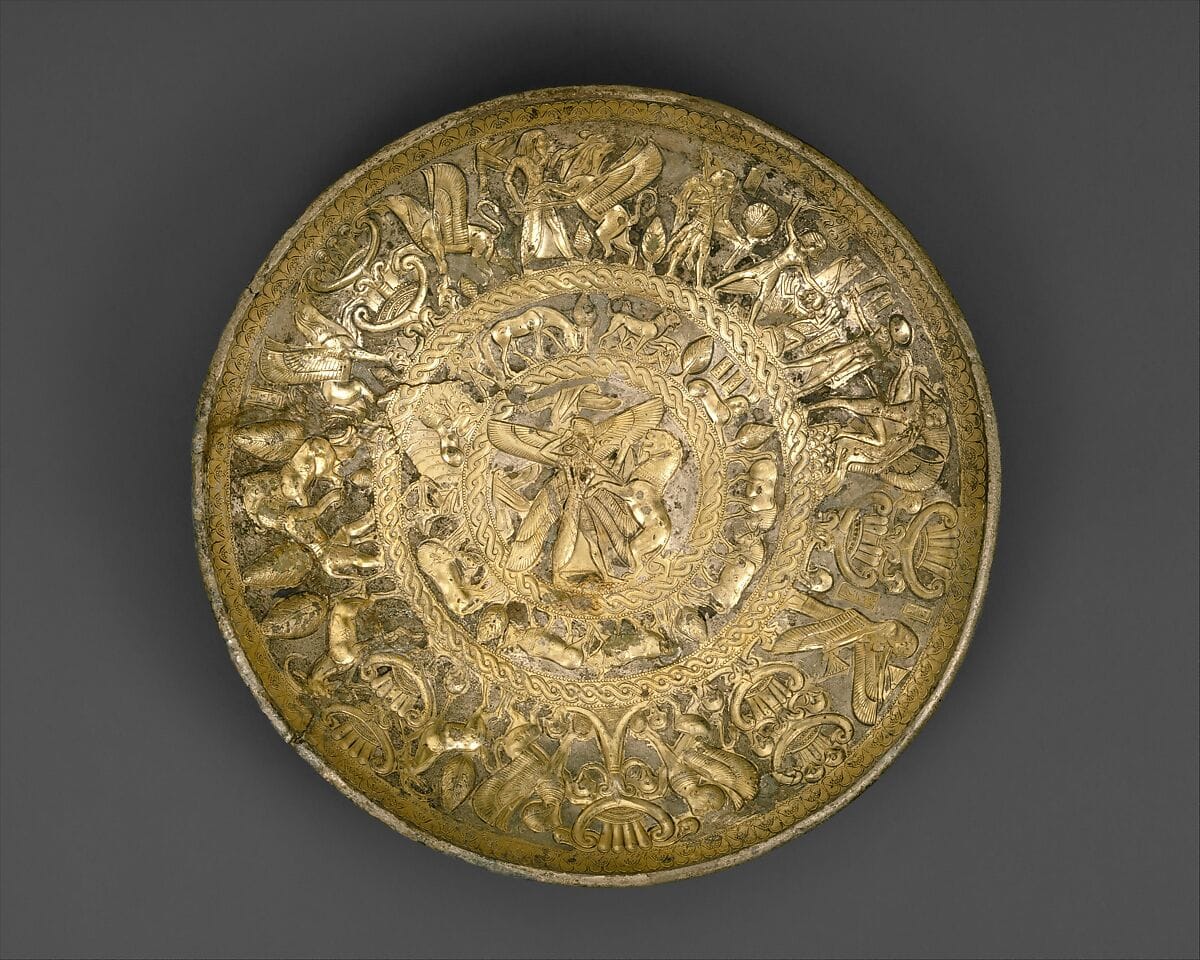
Silver-gilt bowl
The central tondo shows a winged deity of Assyrian type felling a rampant lion with a sword. The surrounding frieze presents a variety of animal and narrative motifs, including two specifically Egyptian subjects: a sphinx wearing the Egyptian double crown and a lion treading over a dead man, symbolizing the pharaoh dominating his enemies. The broad outer band features a variety of combats. Of greatest importance, however, are two inscriptions. At the top, above an Assyrianizing figure killing a lion, a Cypriot syllabic inscription reads, "I am [the bowl] of Akestor, king of Paphos." It was partly obliterated and replaced by "I am [the bowl] of Timokretes," presumably the next owner. The bowl is exceptionally significant for its excellent condition, high quality, and amalgam of Egyptian, Assyrian, and Phoenician features. H. 1 1/4 in. (3.1 cm) diameter 6 5/8 in. (16.8 cm)
Date
725 - 675 BC
Accession No.
74.51.4554
Collection
Metropolitan Museum of Art
Provenance
- Said to be from Kourion, Cyprus (Cesnola 1877, p. 329). Until 1874, Cesnola Collection, excavated by General Cesnola in Kourion, Cyprus; acquired 1874, purchased from General Luigi Palma di Cesnola.
References
- Cesnola, Luigi Palma di. 1878. Cyprus: Its Ancient Cities, Tombs, and Temples. A Narrative of Researches and Excavations During Ten Years' Residence in That Island. pp. 328-29, New York: Harper & Brothers.Myres, John L. 1914. Handbook of the Cesnola Collection of Antiquities from Cyprus. no. 4554, New York: The Metropolitan Museum of Art.Harper, Prudence. 1971. "Origin and Influence-Cultural Contacts: Egypt, the Ancient Near East, and the Classical World." Bulletin of the Metropolitan Museum of Art, 29(7): p. 322.Sophocleous, Sophocles. 1985. ""Atlas des représentations chypro-archaiques des divinités." Master's Diss.." Master's Diss. no. 1b, p. 175, fig. 22. Paul Aströms Förlag.Matthäus, Hartmut. 1985. Metallgefässe und Gefässuntersätze der Bronzezeit, der geometrischen und archaischen Periode auf Cypern: mit einem Anhang der bronzezeitlichen Schwertfunde auf Cypern, Prähistorische Bronzefunde, Abteilung II Bd. 8. cat. 429, pp. 164-5, 376, pl. 37, 429, München: Beck.Metropolitan Museum of Art. 1987. Greece and Rome. no. 4, pp. 16-7, New York: The Metropolitan Museum of Art.Masson, Olivier and Antoine Hermary. 1990. "Deux vases inscrits du Sanctuaire d'Aphrodite à Amathonte (1865-1987)." Bulletin de Correspondance Hellénique, 114(1): p. 198, fig. 14.Karageorghis, Vassos, Joan Mertens, and Marice E. Rose. 2000. Ancient Art from Cyprus: The Cesnola Collection in The Metropolitan Museum of Art. no. 299, pp. 182-3, New York: The Metropolitan Museum of Art.Lightfoot, Christopher S. 2000. "The New Cypriot Galleries at The Metropolitan Museum of Art." Minerva, 11(3): no. 3: 20-21, fig. 10.Karageorghis, Vassos. 2002. Early Cyprus: Crossroads of the Mediterranean. pl. 321, Los Angeles, California: J. Paul Getty Museum.Iacovou, Maria. 2003. "The Late Bronze Age Origins of Cypriot Hellenism and the Establishment of the Iron Age Kingdoms." From Ishtar to Aphrodite: 3200 years of Cypriot Hellenism, Treasures from the Museums of Cyprus pp. 79-85, fig. 7.Picón, Carlos A. 2007. Art of the Classical World in the Metropolitan Museum of Art: Greece, Cyprus, Etruria, Rome no. 279, pp. 240, 461, New York: The Metropolitan Museum of Art.Stylianou, Andreas and Patrick Schollmeyer. 2007. "Der Sarkophag aus Golgoi." Dynastensarkophage mit szenischen Reliefs aus Byblos und Zypern: Der Sarkophag aus Amathous als Beispiel kontaktinduzierten Wandels, 2. p. 151 n. 1246, pl. 38c, Mainz am Rhein: Philipp von Zabern.Aruz, Joan, Kim Benzel, and Jean M. Evans. 2009. Beyond Babylon: Art, Trade, and Diplomacy in the Second Millennium B.C. p. 446, fig. 143, New York: The Metropolitan Museum of Art.Satraki, Anna. 2013. "The Iconography of Basileis in Archaic and Classical Cyprus: Manifestations of Royal Power in the Visual Record." Bulletin of the American School of Oriental Research, 370: pp. 128-29, 134, fig. 3.Tassignon, Isabelle. 2013. "Le "Seigneur aux lions" d'Amathonte : étude d'iconographie et d'histoire des religions des statues trouvées sur l'agora." Études Chypriotes, 18: p. 37, fig. 20.Aruz, Joan, Sarah B. Graff, and Yelena Rakic. 2014. Assyria to Iberia at the Dawn of the Classical Age no. 52, pp. 159-60, New York: The Metropolitan Museum of Art.Karnava, Artemis and Massimo Perna. 2020. Inscriptiones Graecae, Inscriptiones Cypri, XV 1, 1. no. 120, p. 49, Berlin/ Boston: Walter de Gruyter & Co.Metropolitan Museum of Art. 2020. ART = Discovering Infinite Connections in Art History. p. 216, New York: Phaidon Press.
More from the Catalogue
Browse related objects
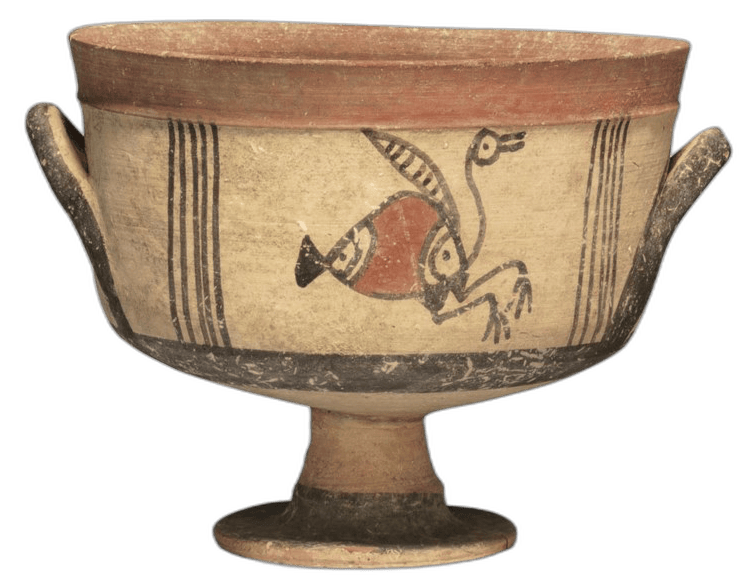
Bichrome Kylix with Bird Free Field Art
Geometric III
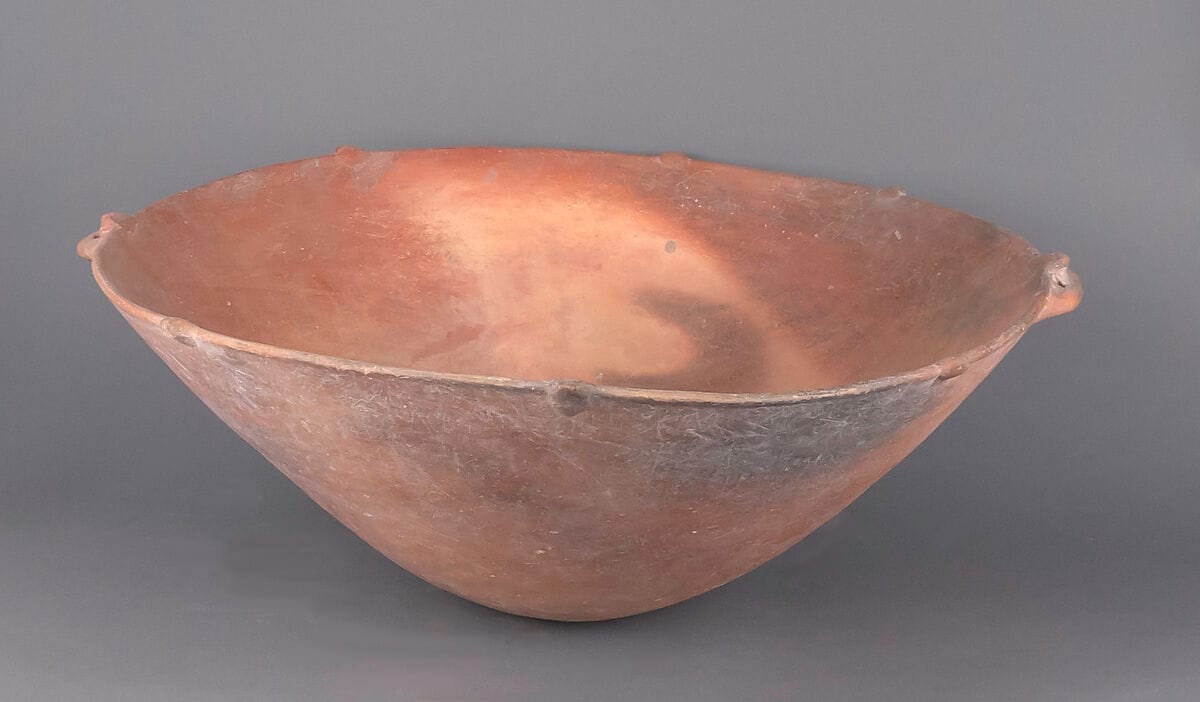
Milk bowl
Bronze Age
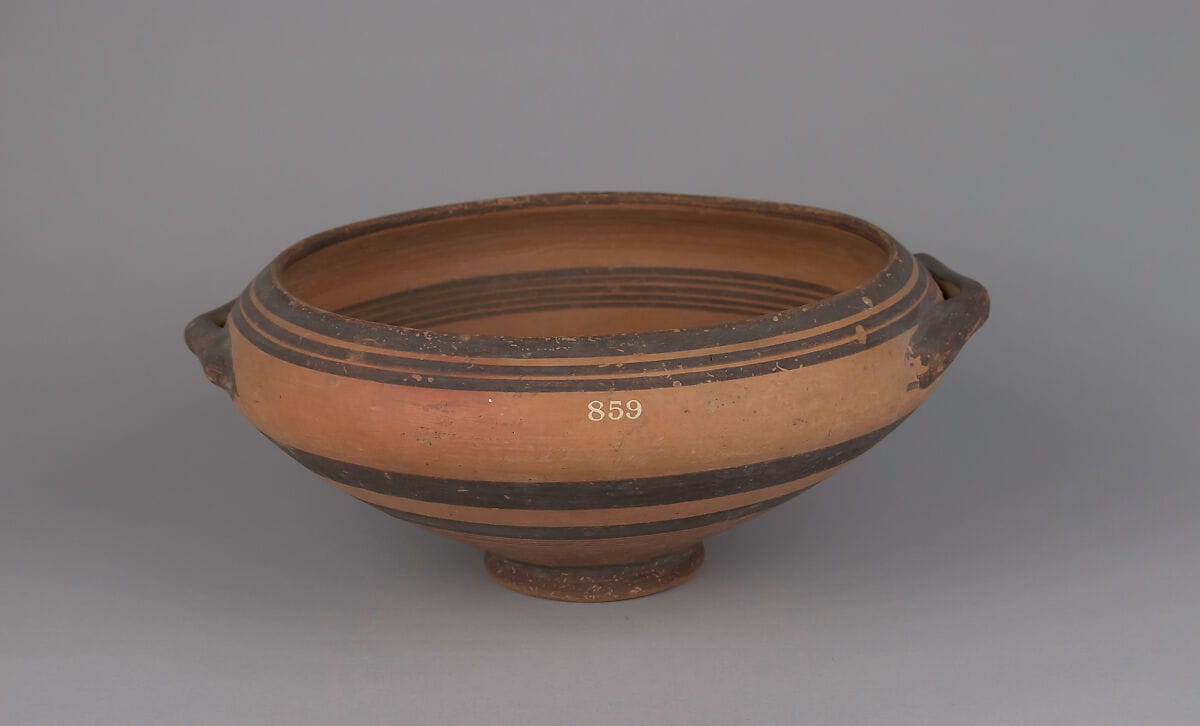
Bowl
Geometric III
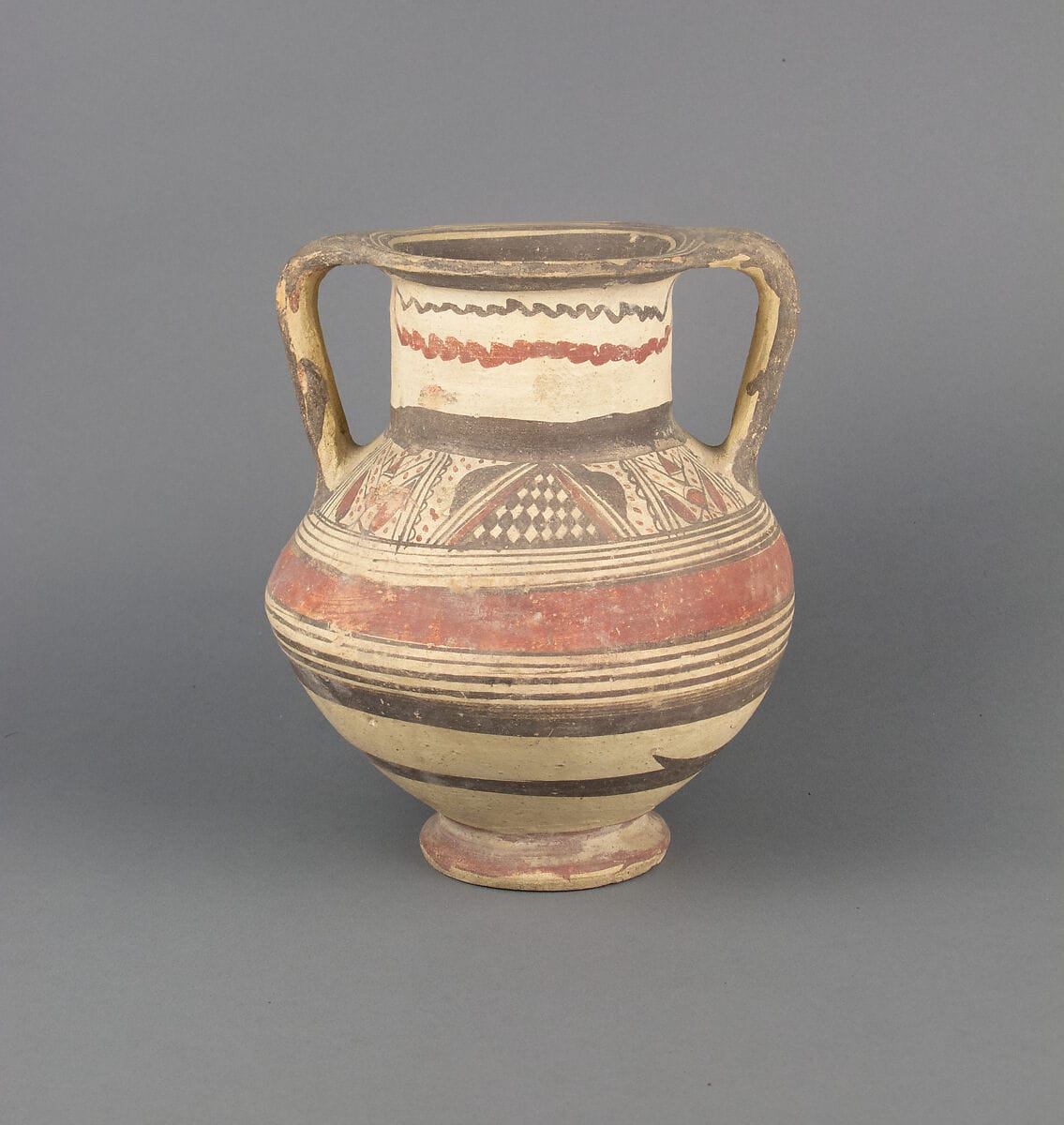
Krater
Archaic I
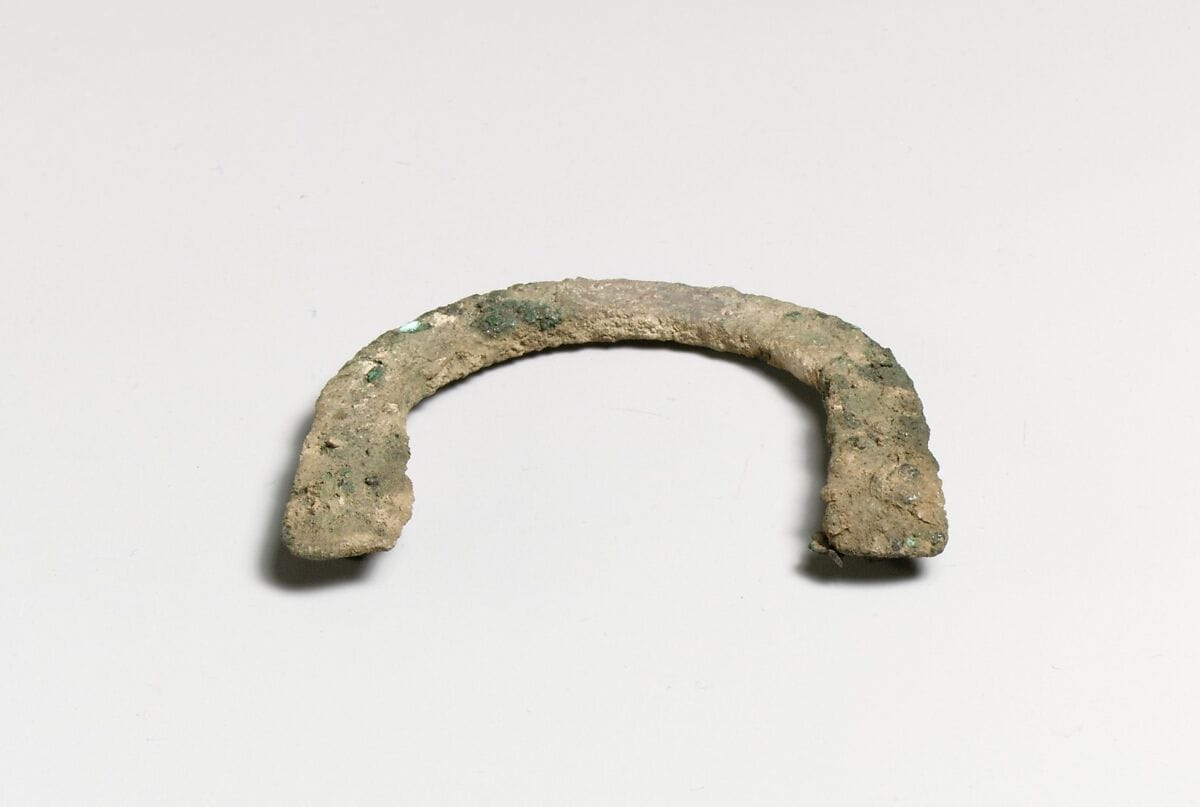
Handle of a bowl
Bronze Age
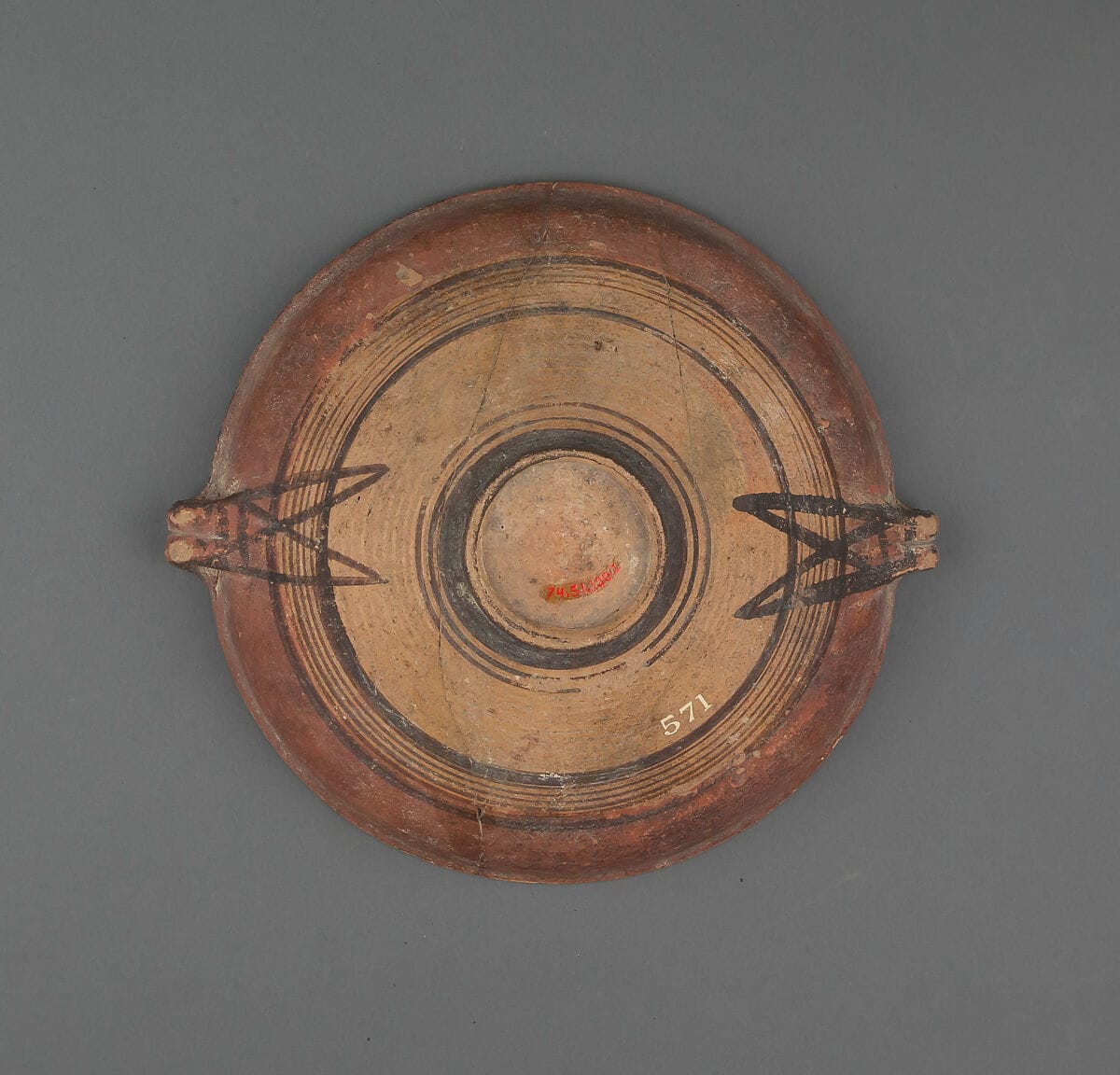
Bowl
Geometric I
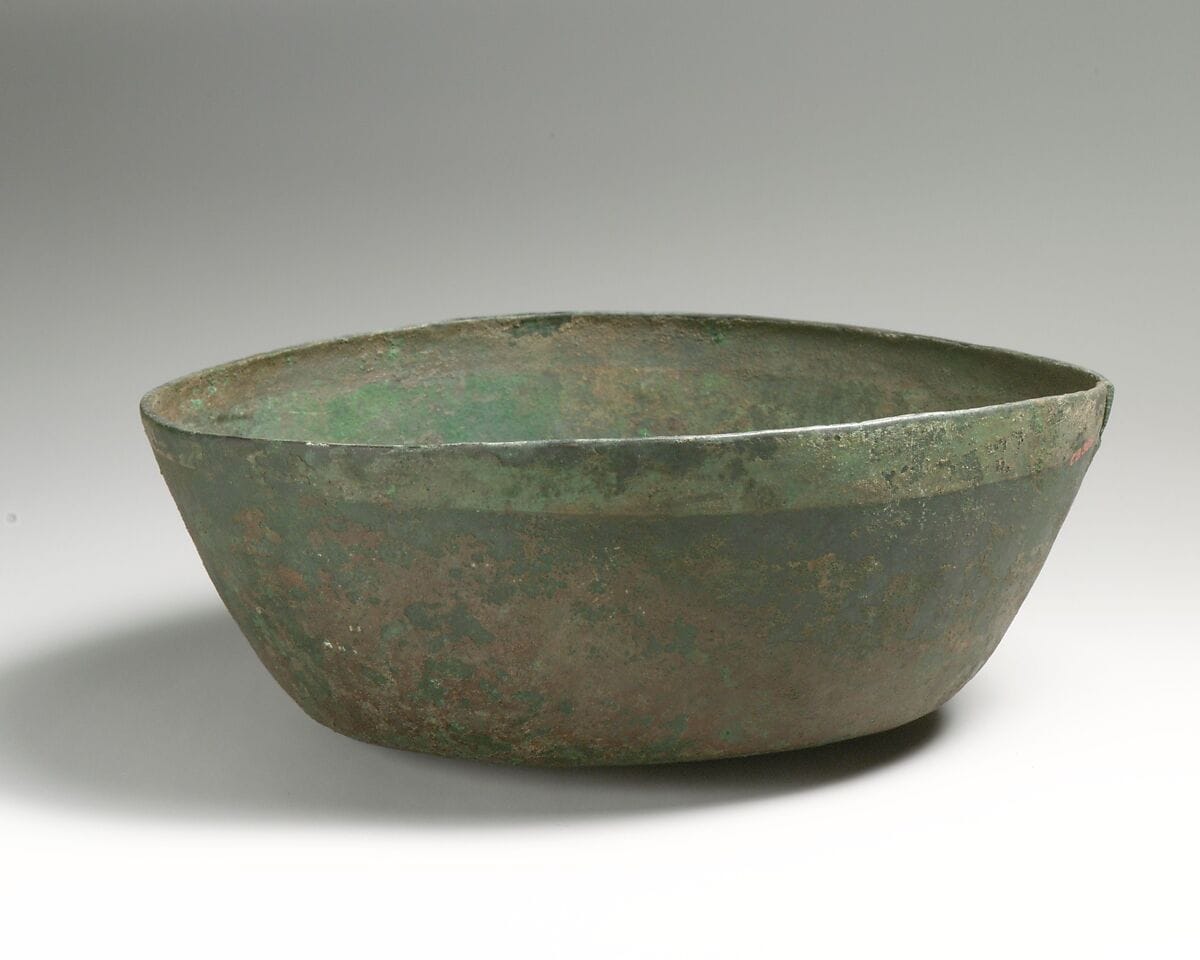
Bowl
Bronze Age
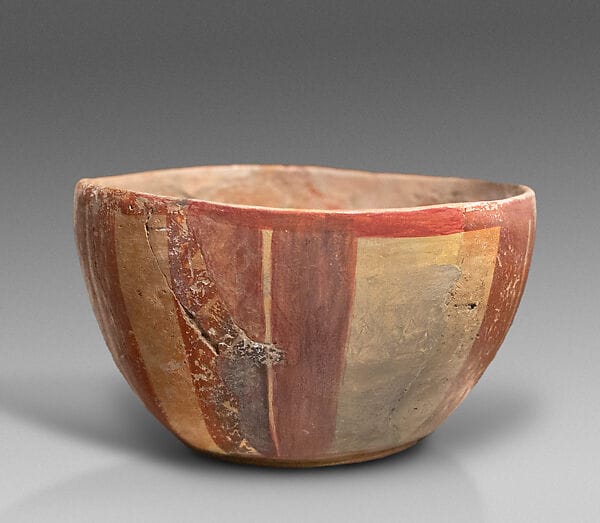
Terracotta bowl
Chalcolithic
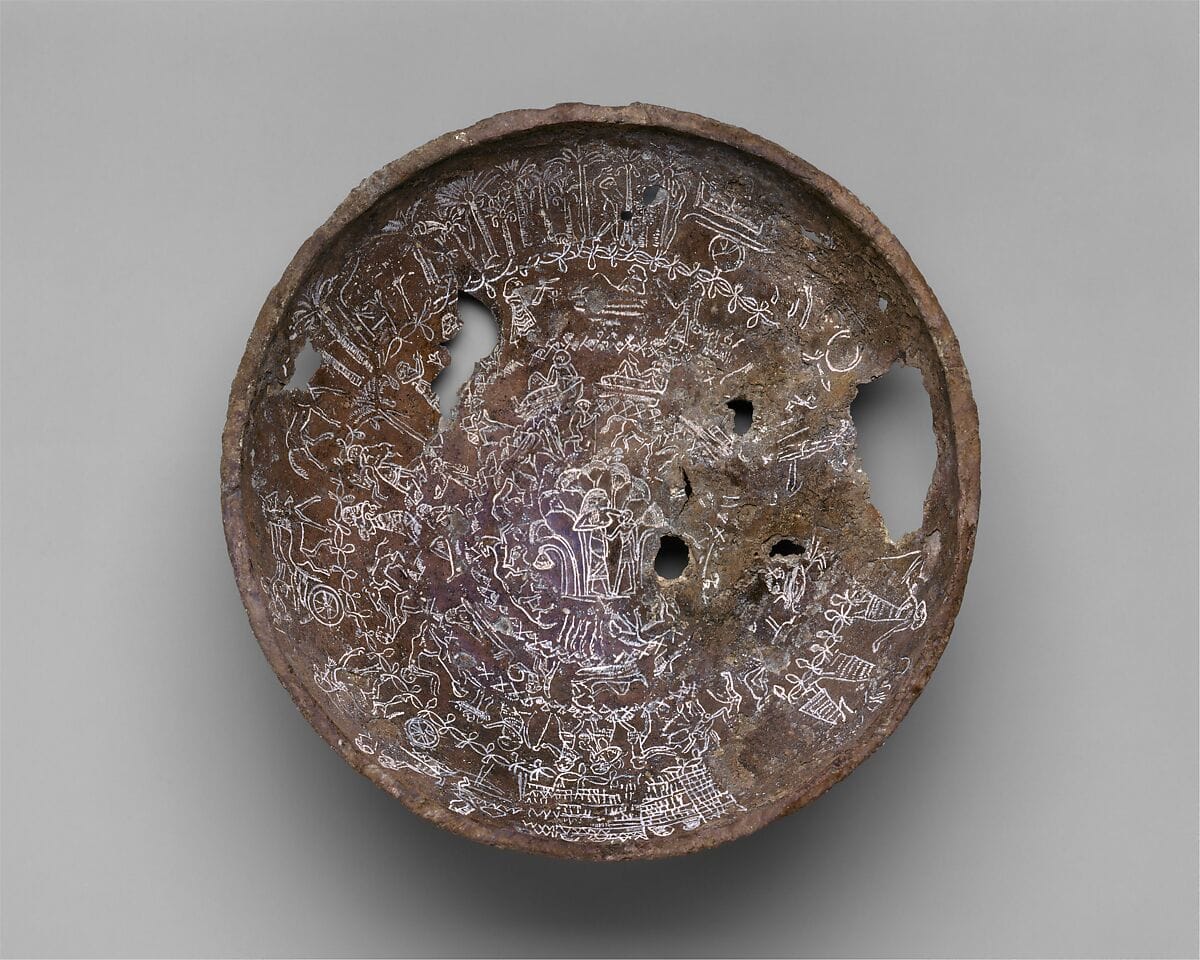
Silver bowl
Archaic I
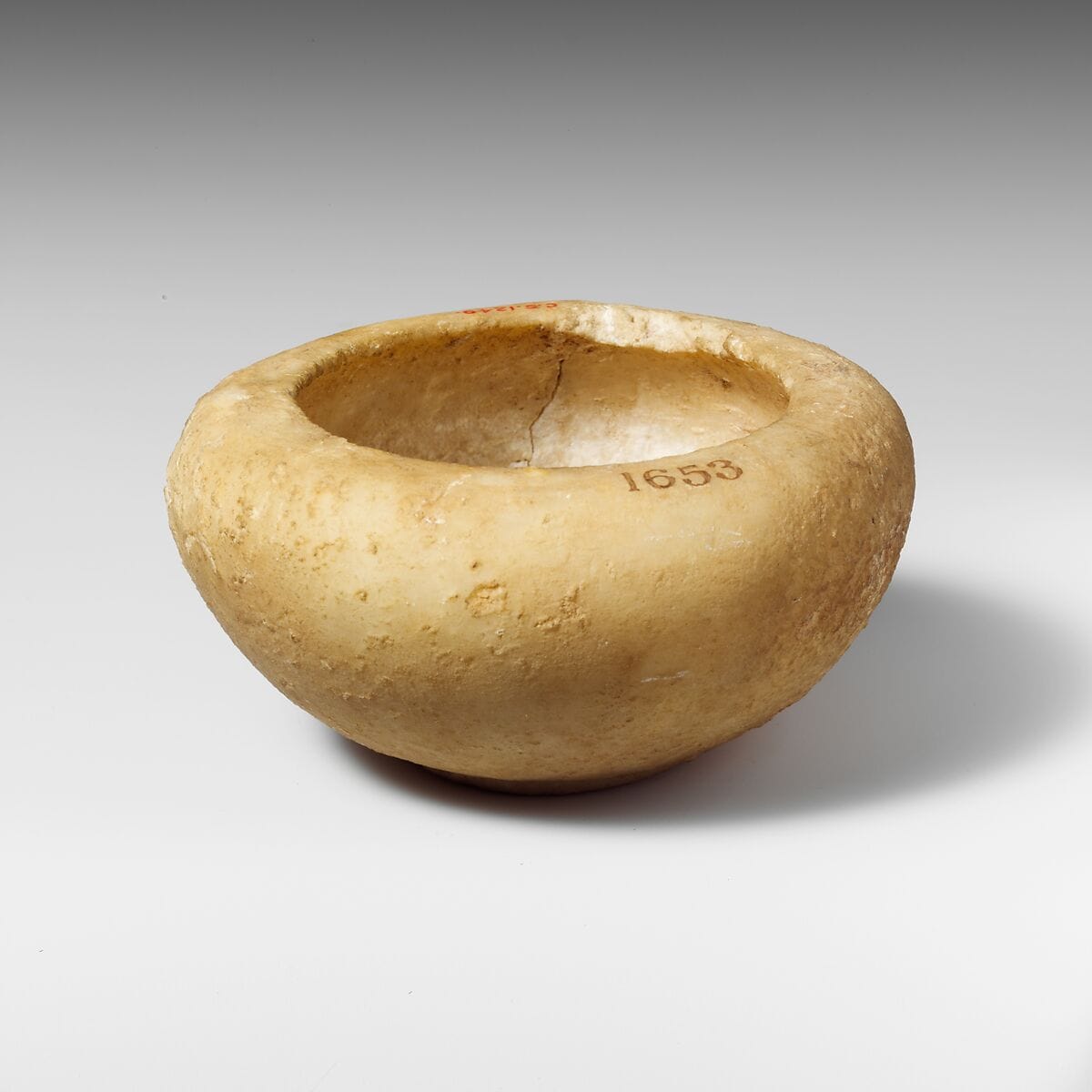
Alabaster bowl
Classical
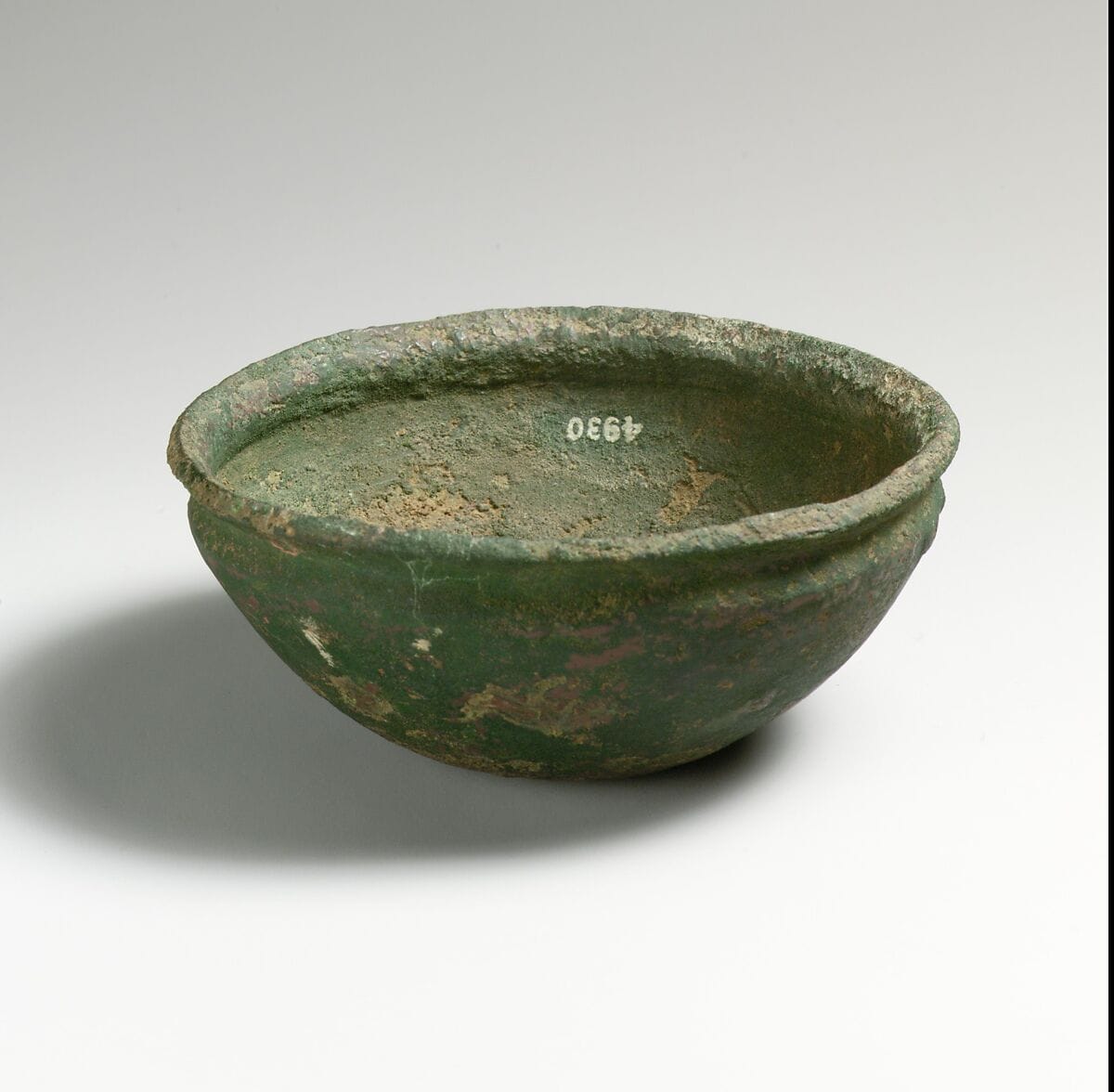
Bronze phiale (libation bowl)
Archaic II
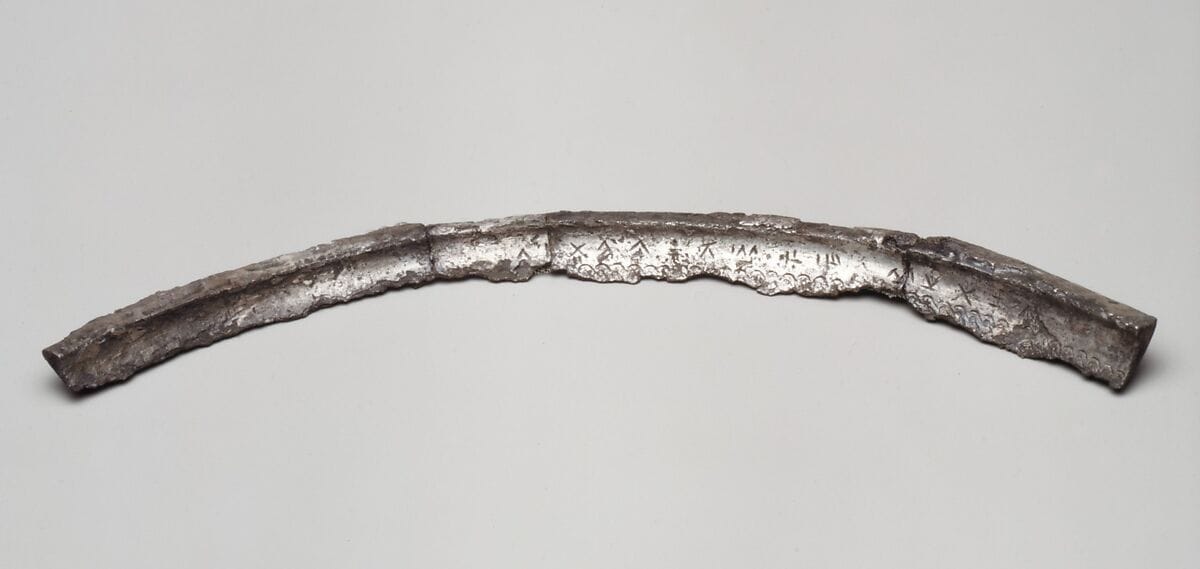
Bowl fragment, inscribed
Archaic II
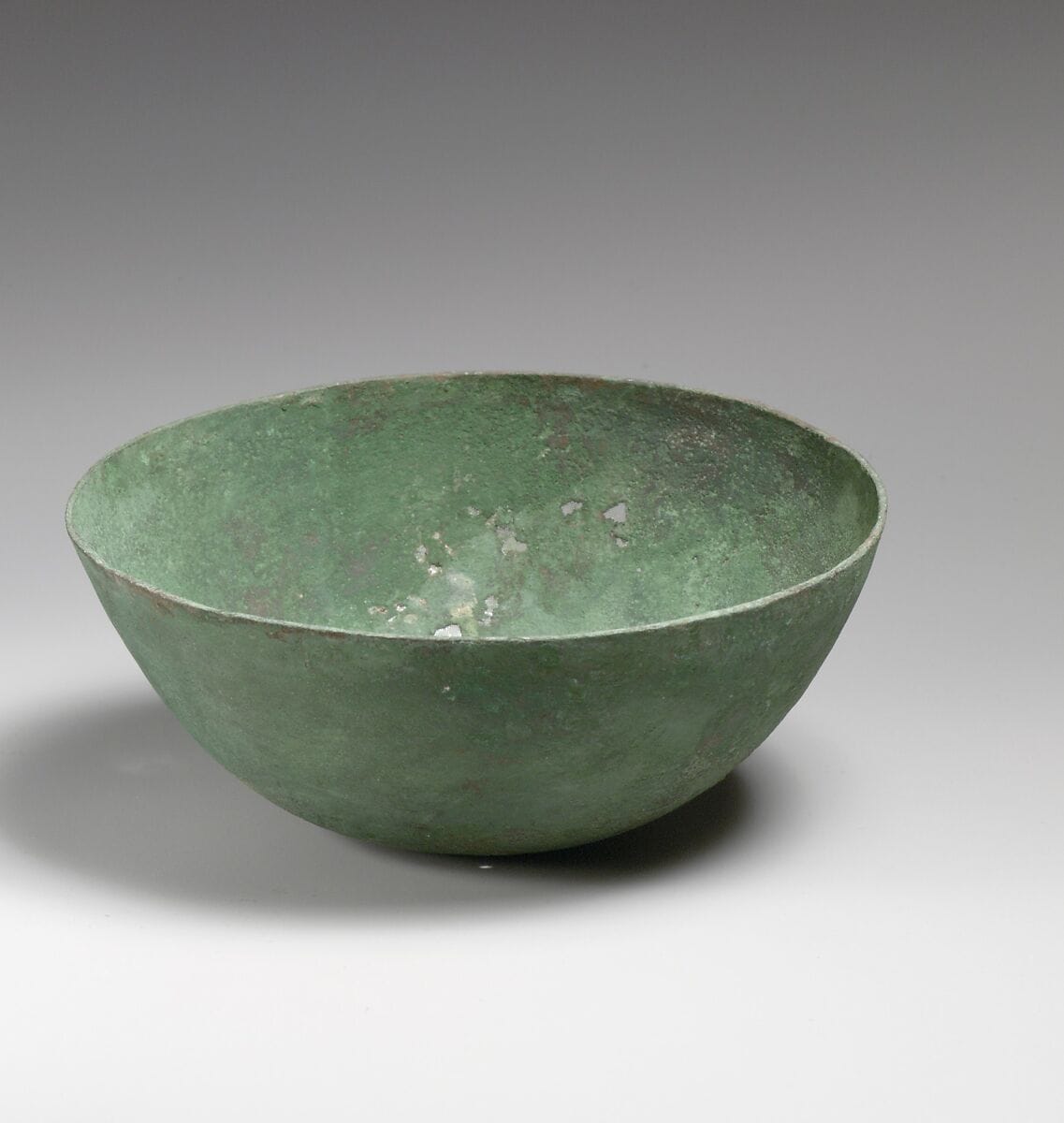
Bowl
Bronze Age
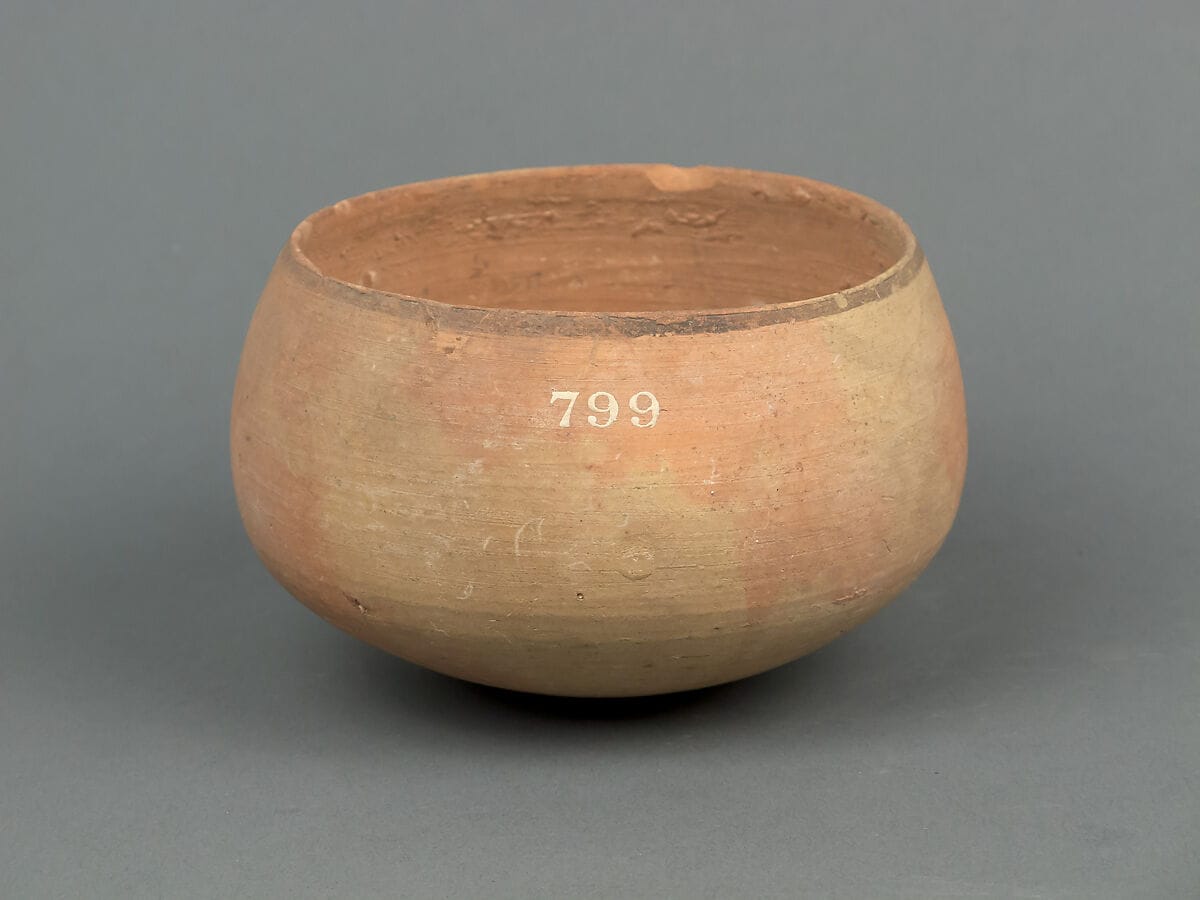
Bowl
Archaic I
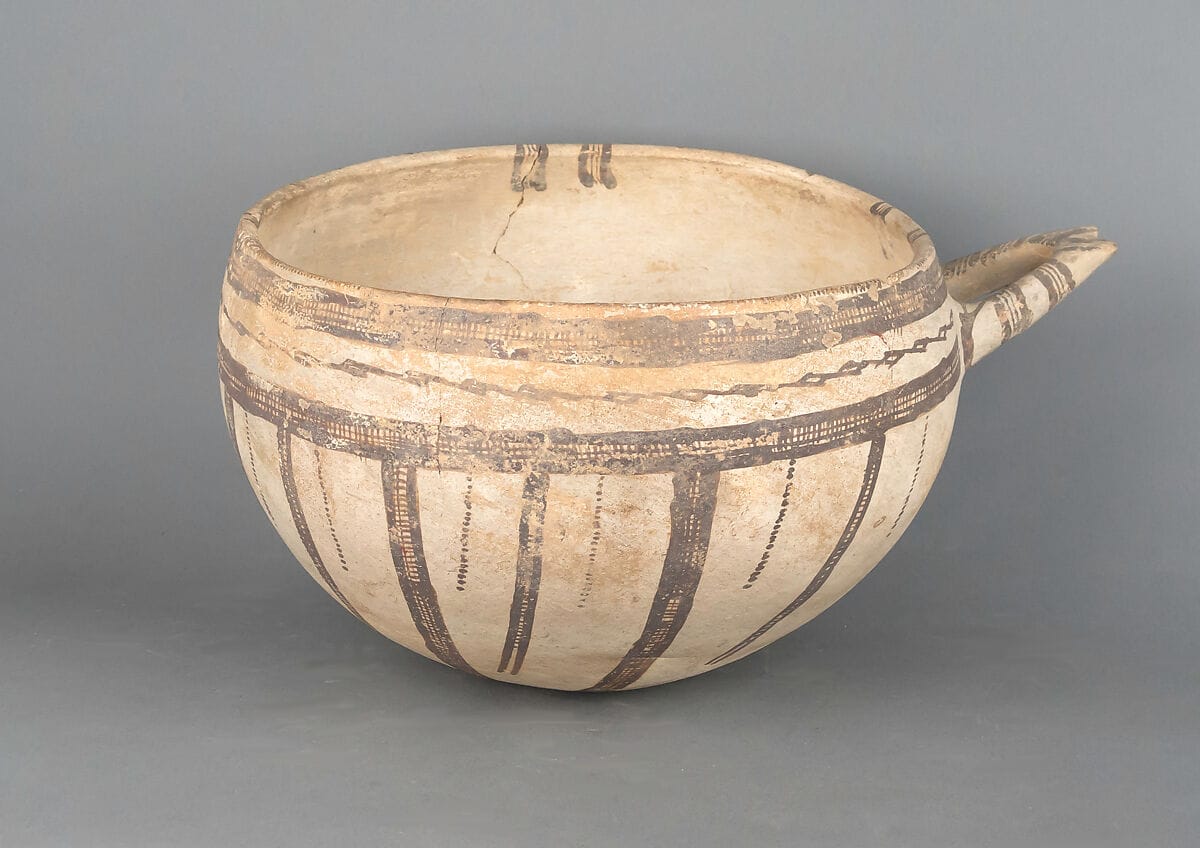
Bowl
Late Bronze Age II
Bowl
Geometric III
Terracotta footed bowl
Archaic I
Marble bowl fragment with Phoenician inscription
Classical