
Archaic I
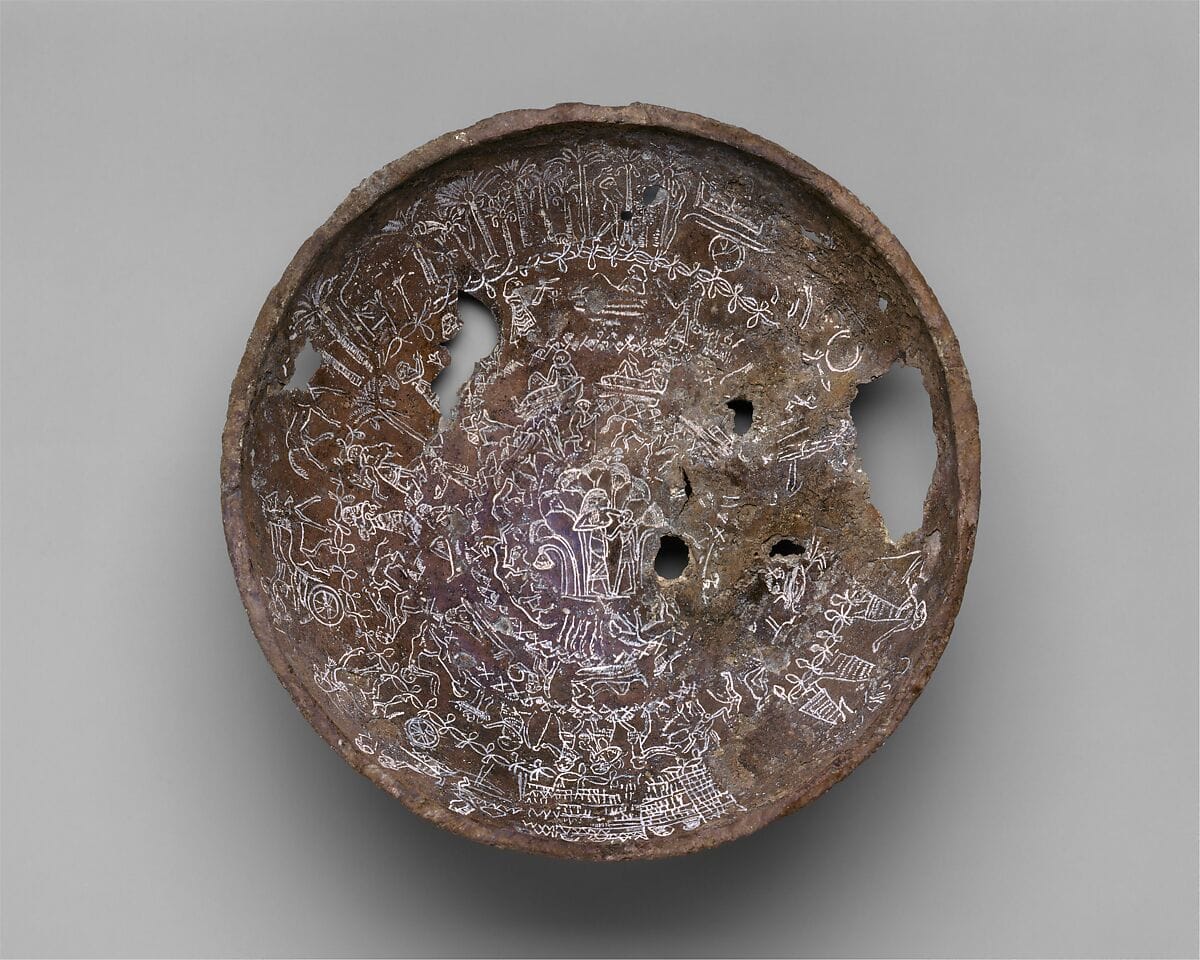
Silver bowl
The particularly dense decoration consists of a tondo surrounded by four friezes. In the center, the Egyptian goddess Isis suckles her son Horus amid papyrus plants. The innermost frieze shows a shepherd, a horse, a cow and calf. The next frieze presents six banqueters attended by men and women. The third zone combines banqueters with tribute bearers. The outermost zone depicts figures in carts departing from a citadel to a palm grove and going back. The carts are particularly reminiscent of the terracotta models. The Isis motif and the fortifications derive from Egyptian and Assyrian sources. H. 1 3/8 in. (3.5 cm) diameter 6 in. (15.3 cm)
Date
675 - 625 BC
Accession No.
74.51.4555
Collection
Metropolitan Museum of Art
Provenance
References
- Myres, John L. 1914. Handbook of the Cesnola Collection of Antiquities from Cyprus. no. 4555, New York: The Metropolitan Museum of Art.Childs, William A.P. 1978. The City-reliefs of Lycia. pp. 56-7, fig. 26, Princeton: Princeton University Press.Sophocleous, Sophocles. 1985. ""Atlas des représentations chypro-archaiques des divinités." Master's Diss.." Master's Diss. no. 2, p. 176. Paul Aströms Förlag.Matthäus, Hartmut. 1985. Metallgefässe und Gefässuntersätze der Bronzezeit, der geometrischen und archaischen Periode auf Cypern: mit einem Anhang der bronzezeitlichen Schwertfunde auf Cypern, Prähistorische Bronzefunde, Abteilung II Bd. 8. cat. 425, pp. 162-3, 376, pl. 35, 425, München: Beck.Karageorghis, Vassos, Joan Mertens, and Marice E. Rose. 2000. Ancient Art from Cyprus: The Cesnola Collection in The Metropolitan Museum of Art. no. 298, pp. 181-2, New York: The Metropolitan Museum of Art.Markoe, Glenn. 2008. "Phoenician Decorated Bowls: The Art of Diplomatic Exchange." Minerva, 19(1): p. 31, fig. 7.
More from the Catalogue
Browse related objects
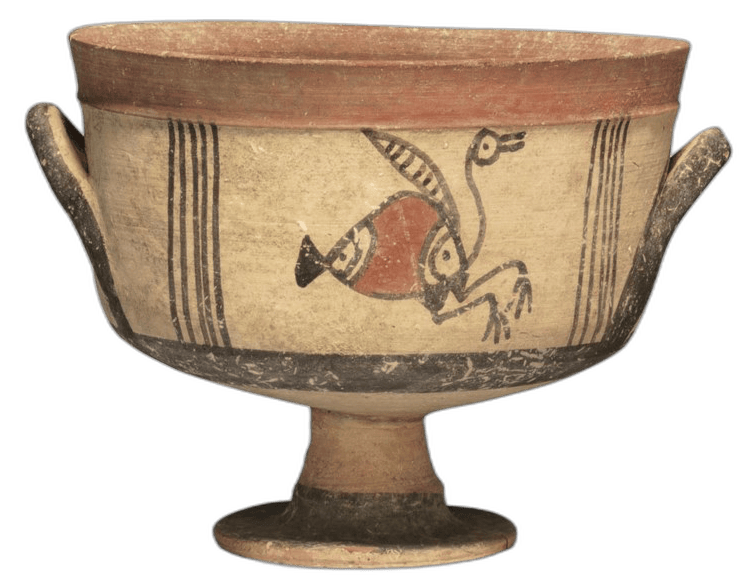
Bichrome Kylix with Bird Free Field Art
Geometric III
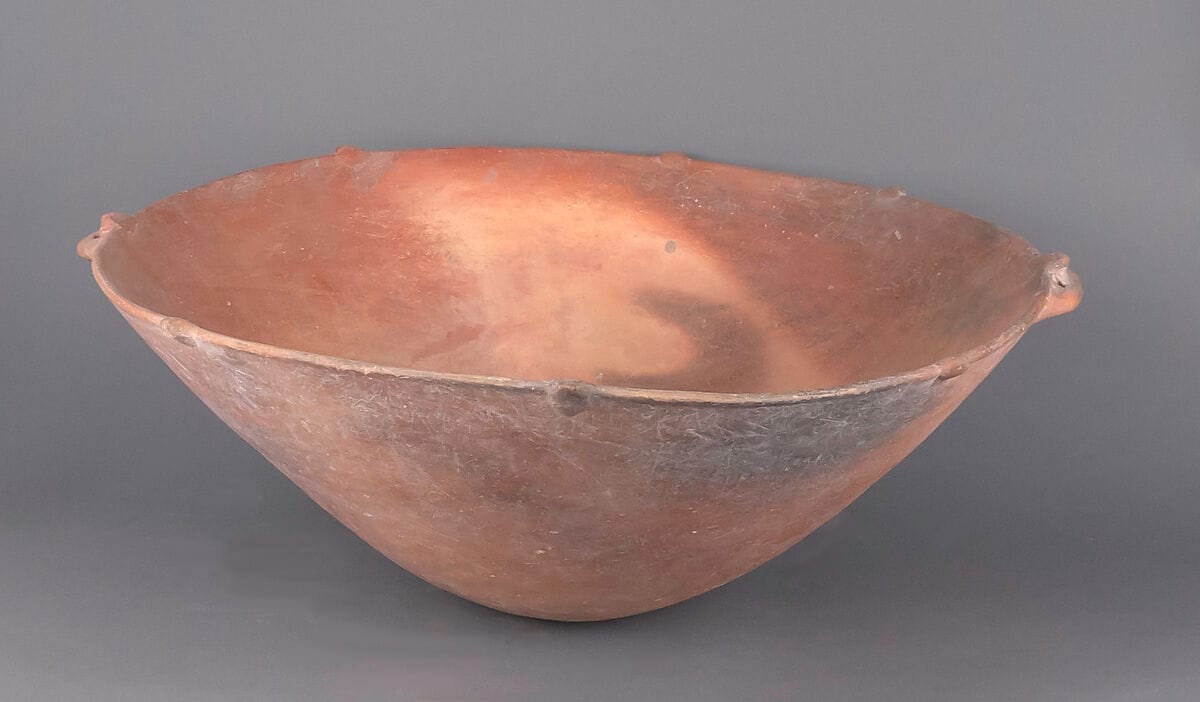
Milk bowl
Bronze Age
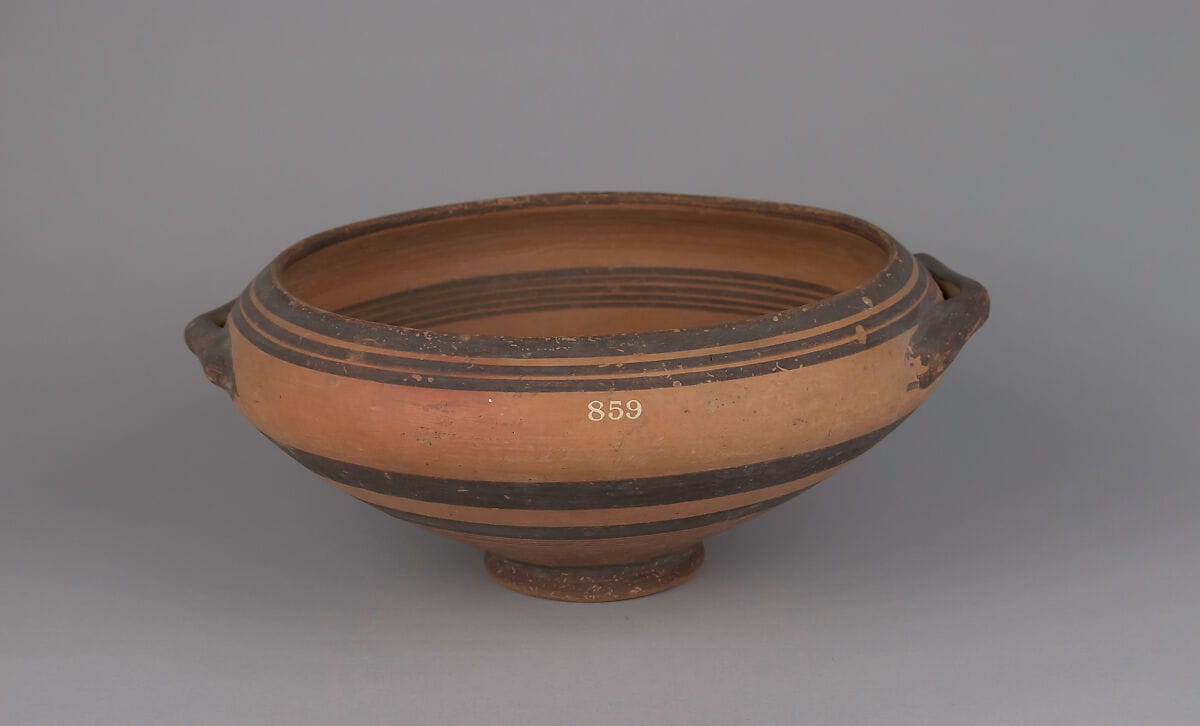
Bowl
Geometric III
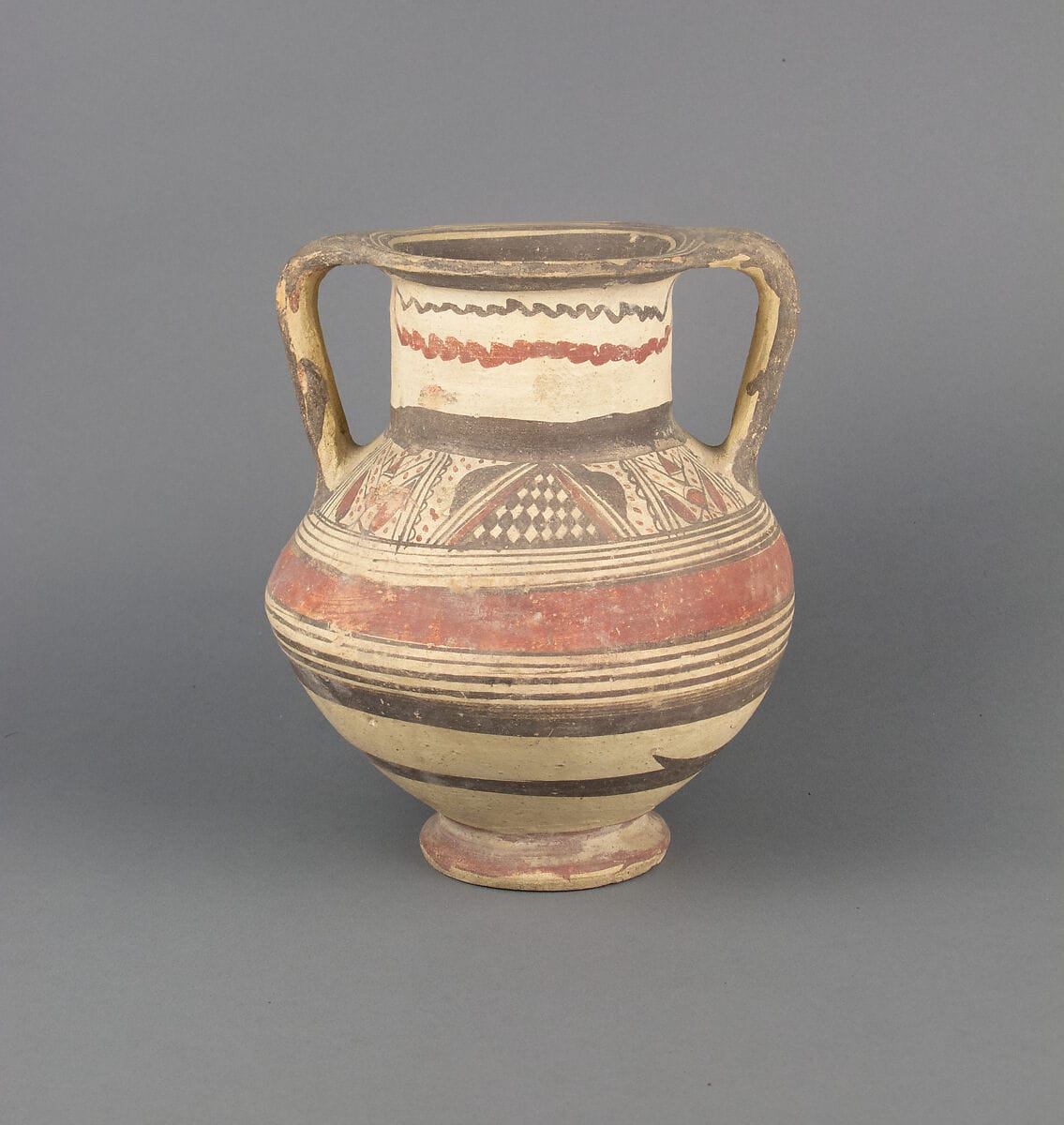
Krater
Archaic I
Handle of a bowl
Bronze Age
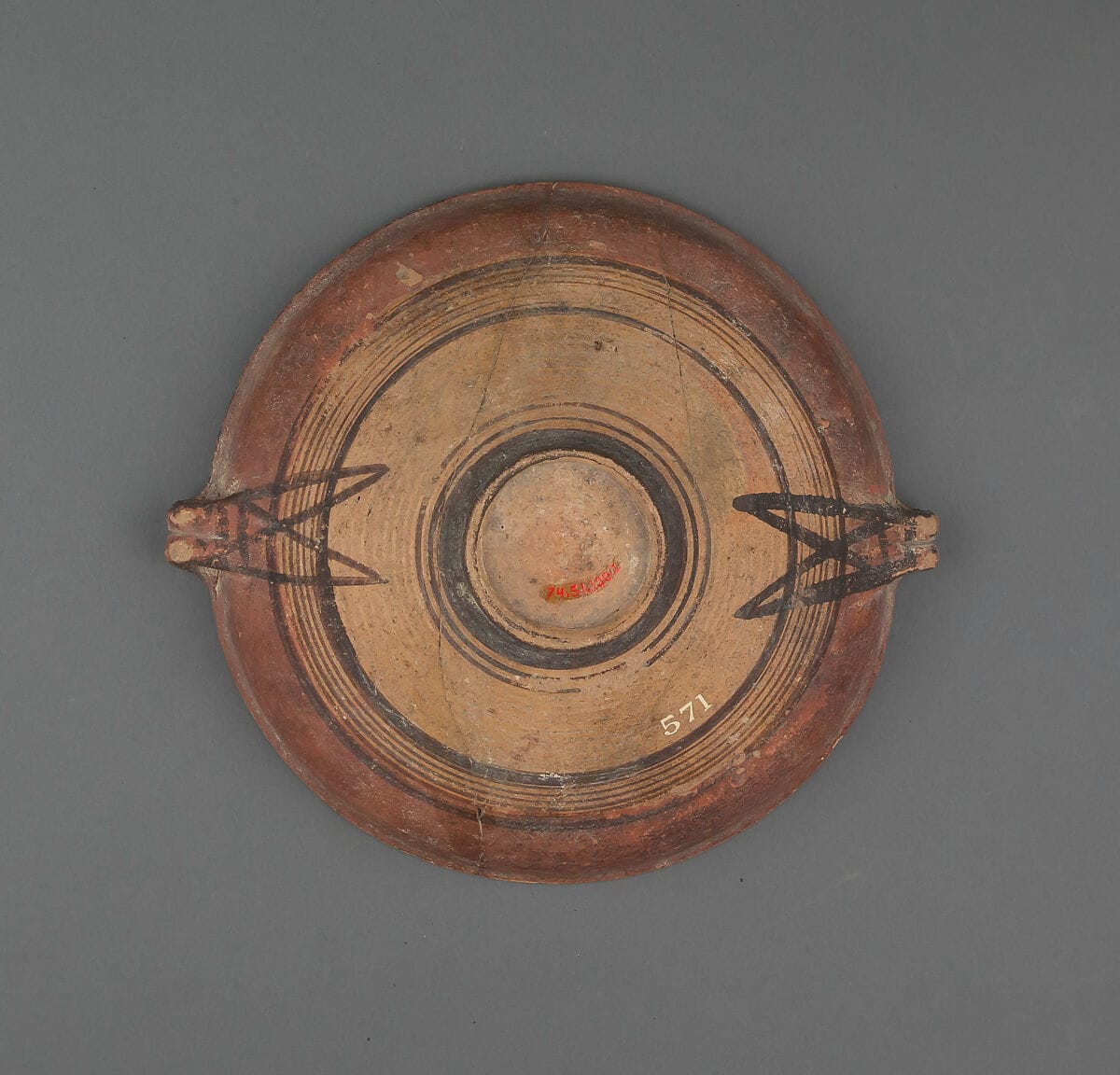
Bowl
Geometric I
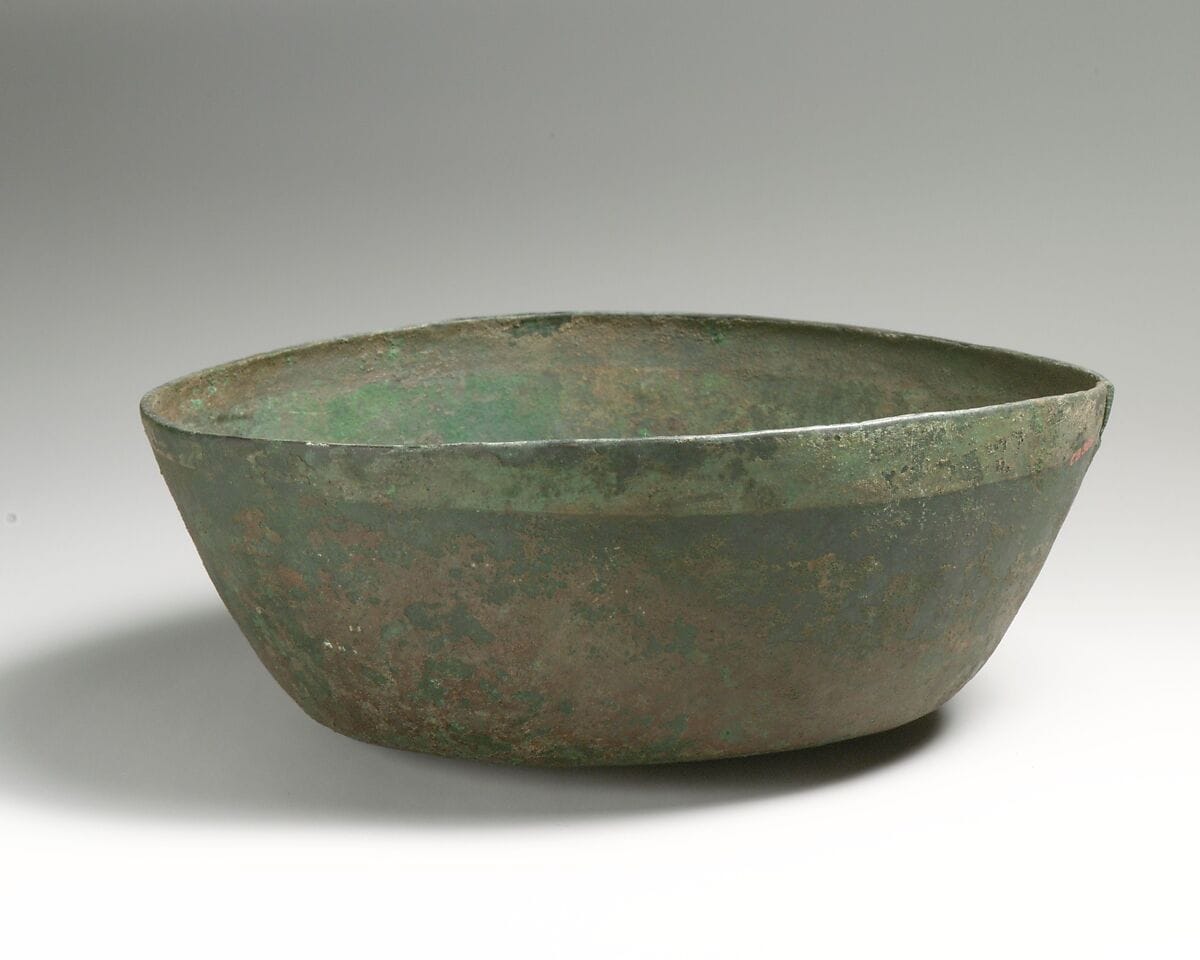
Bowl
Bronze Age
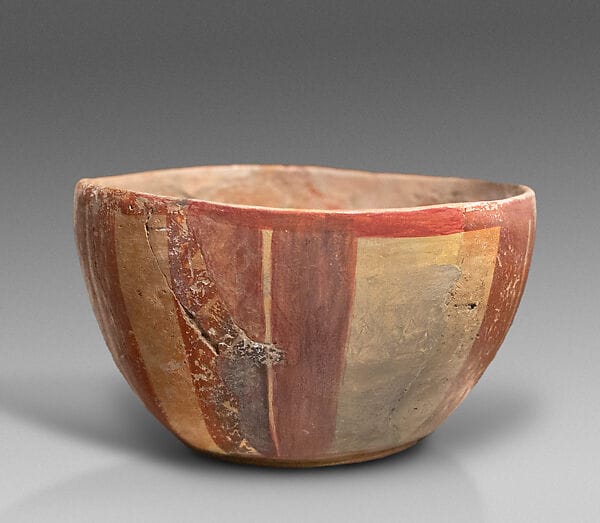
Terracotta bowl
Chalcolithic
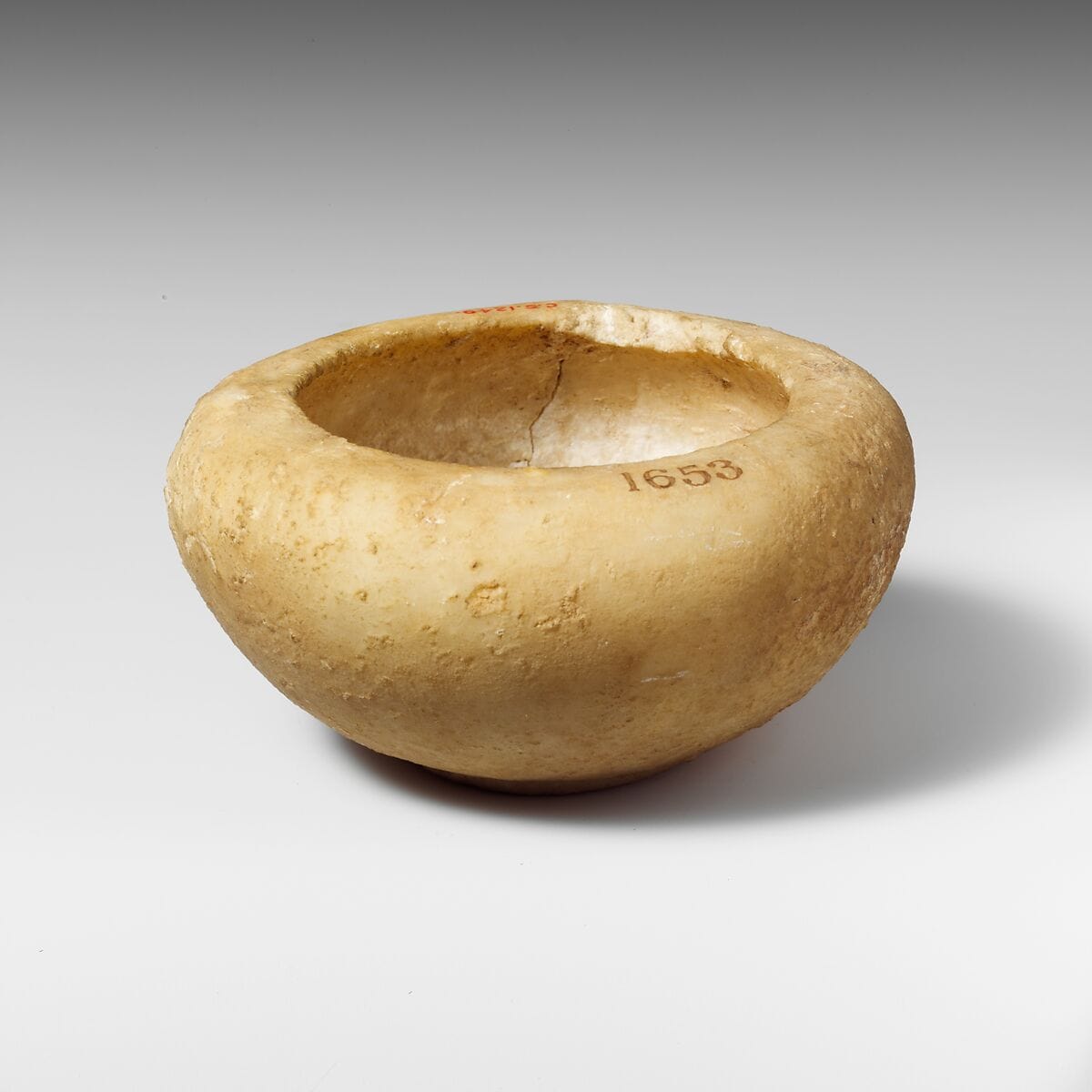
Alabaster bowl
Classical
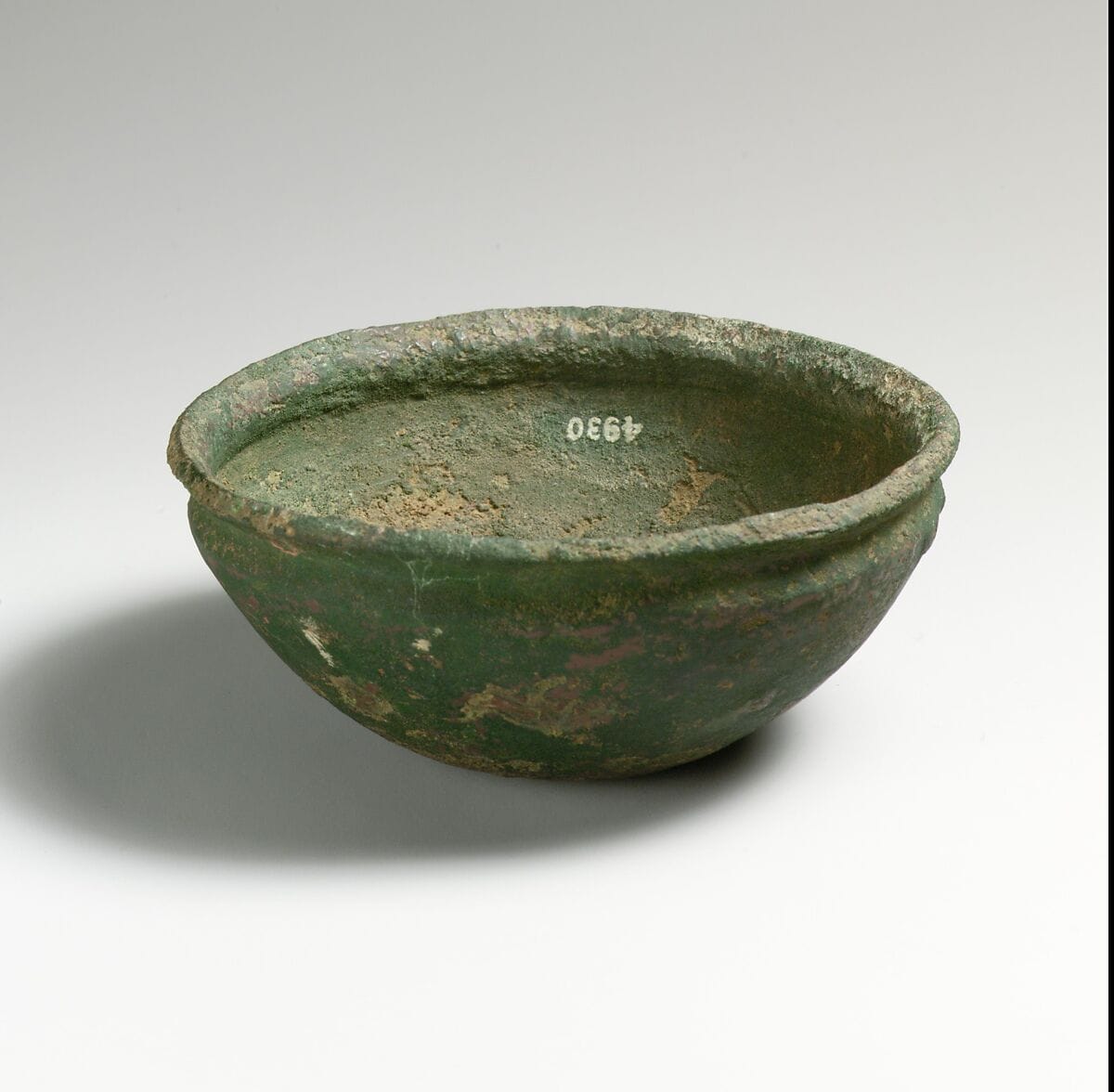
Bronze phiale (libation bowl)
Archaic II
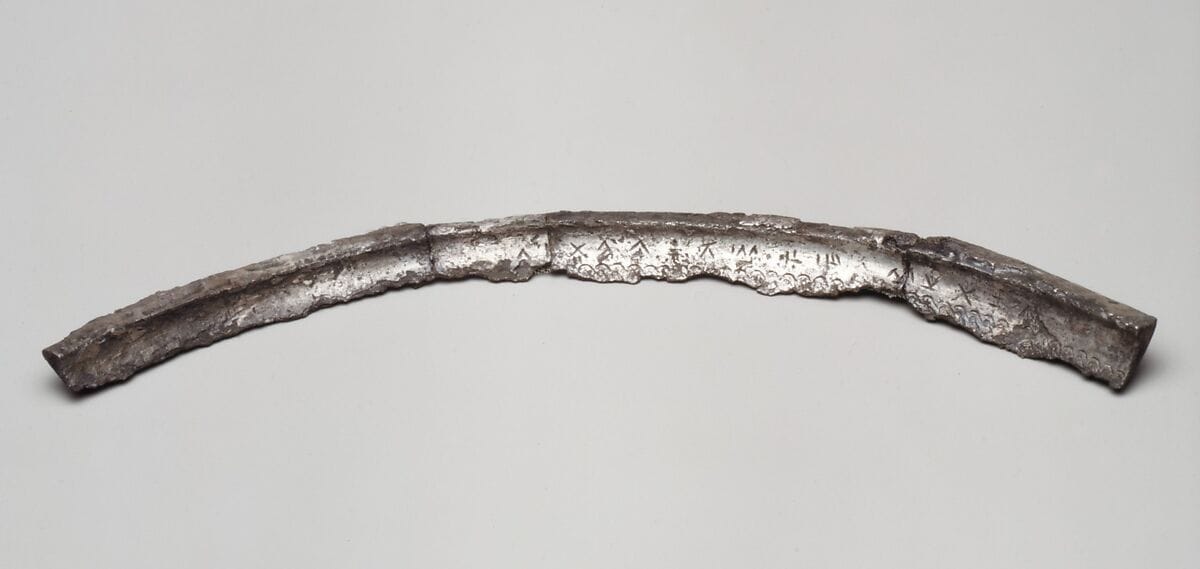
Bowl fragment, inscribed
Archaic II
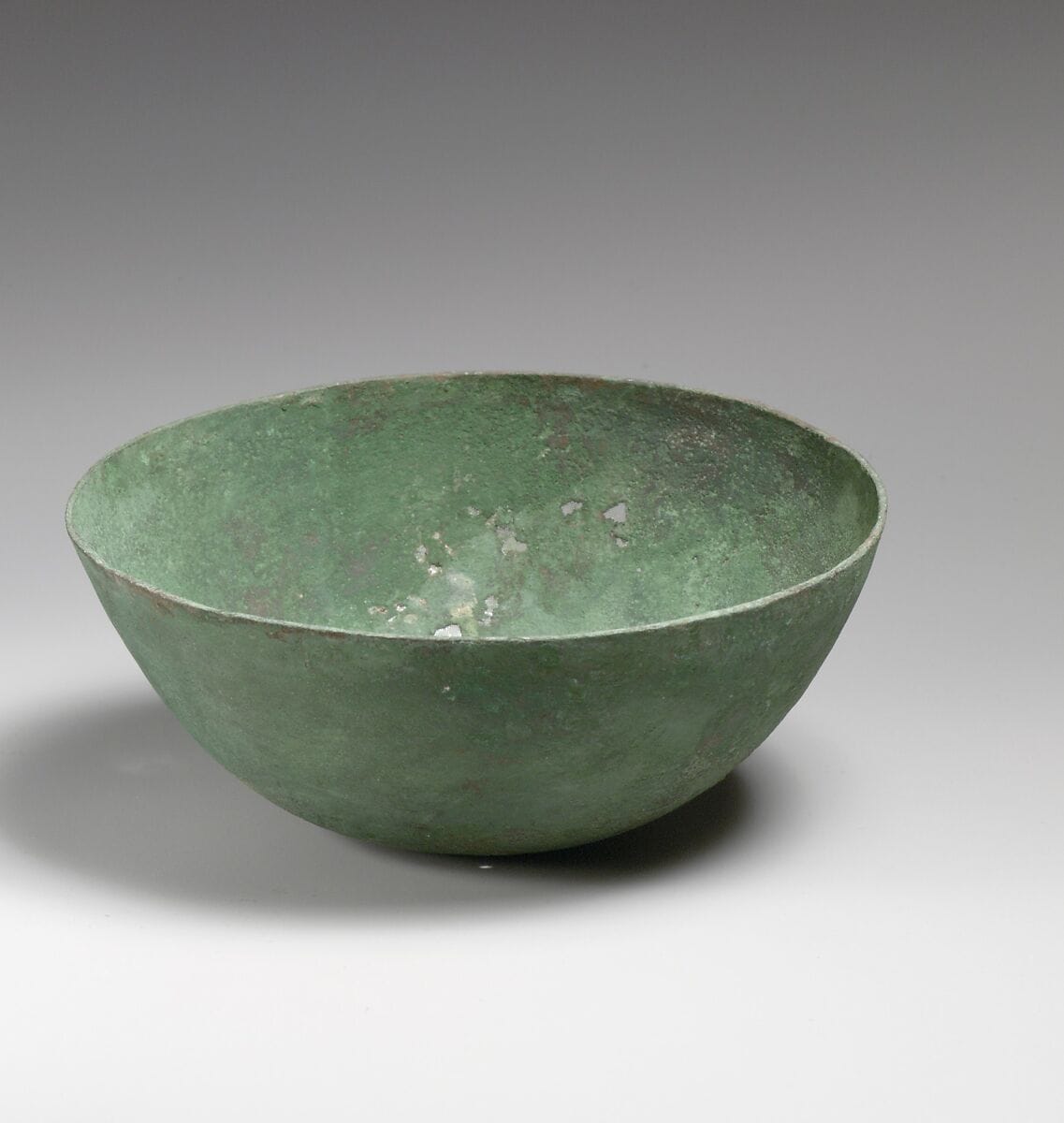
Bowl
Bronze Age
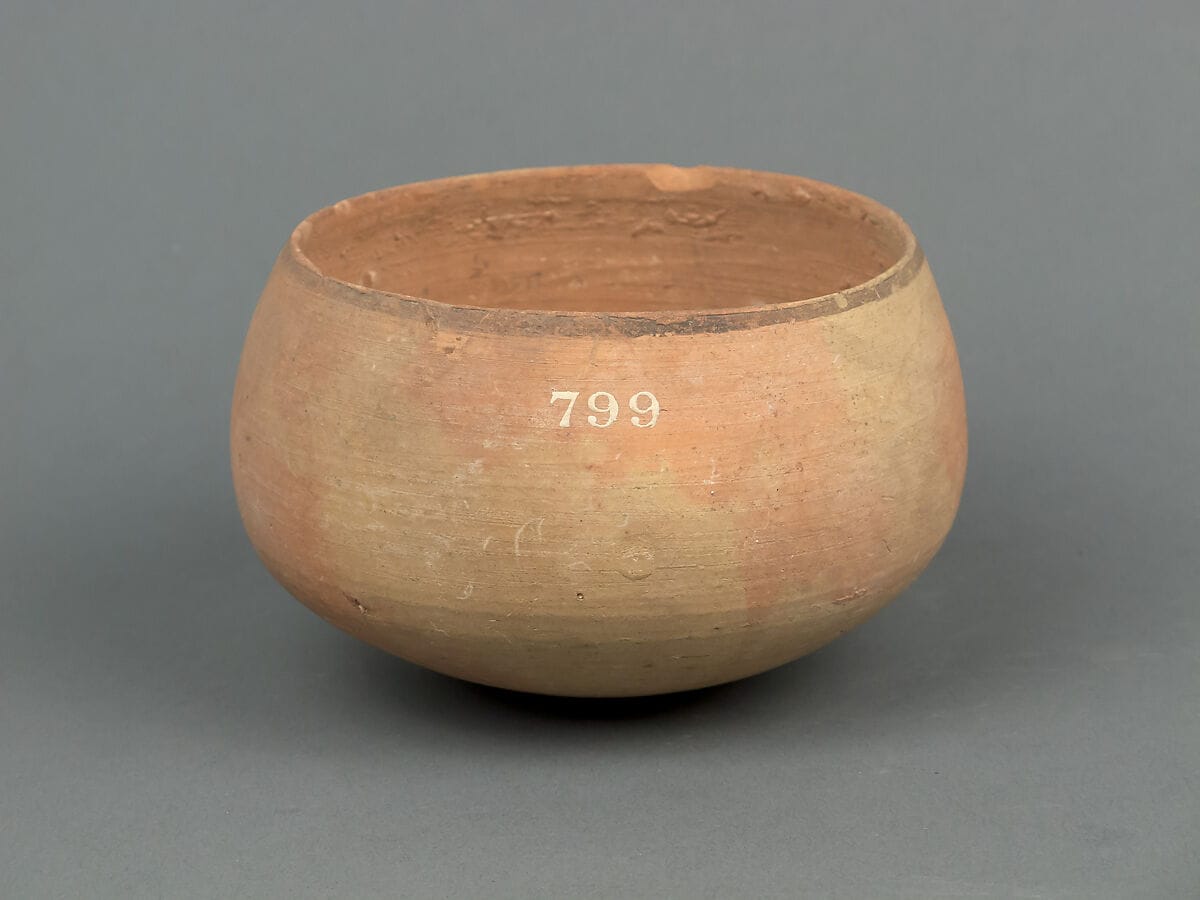
Bowl
Archaic I
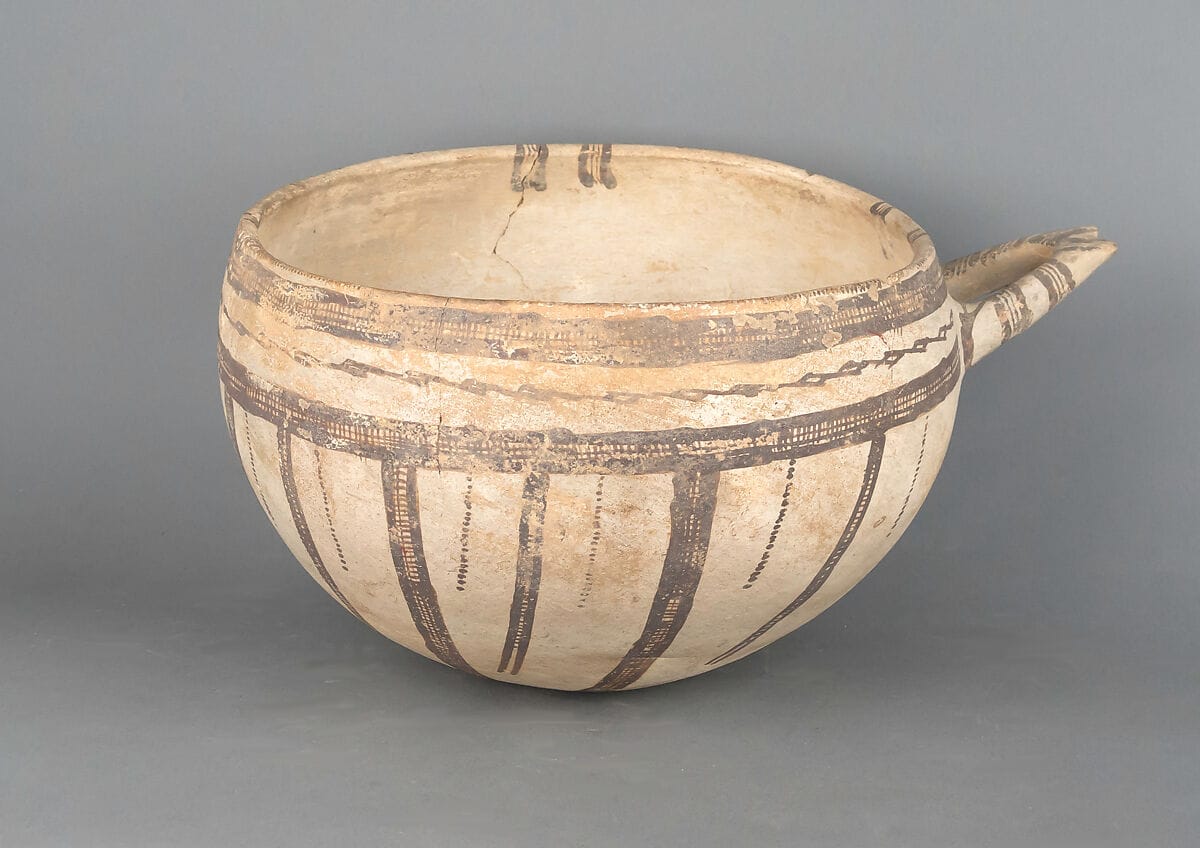
Bowl
Late Bronze Age II
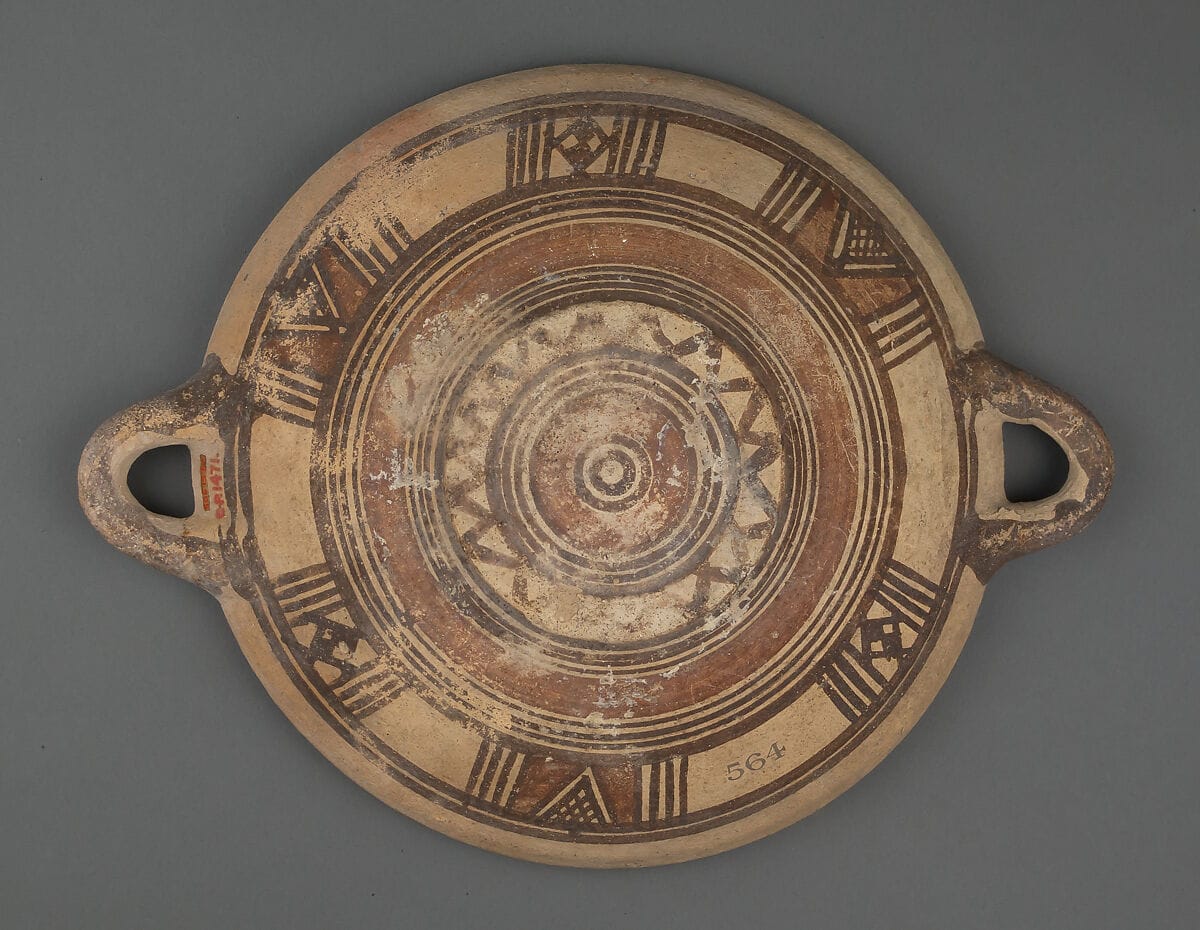
Bowl
Geometric III
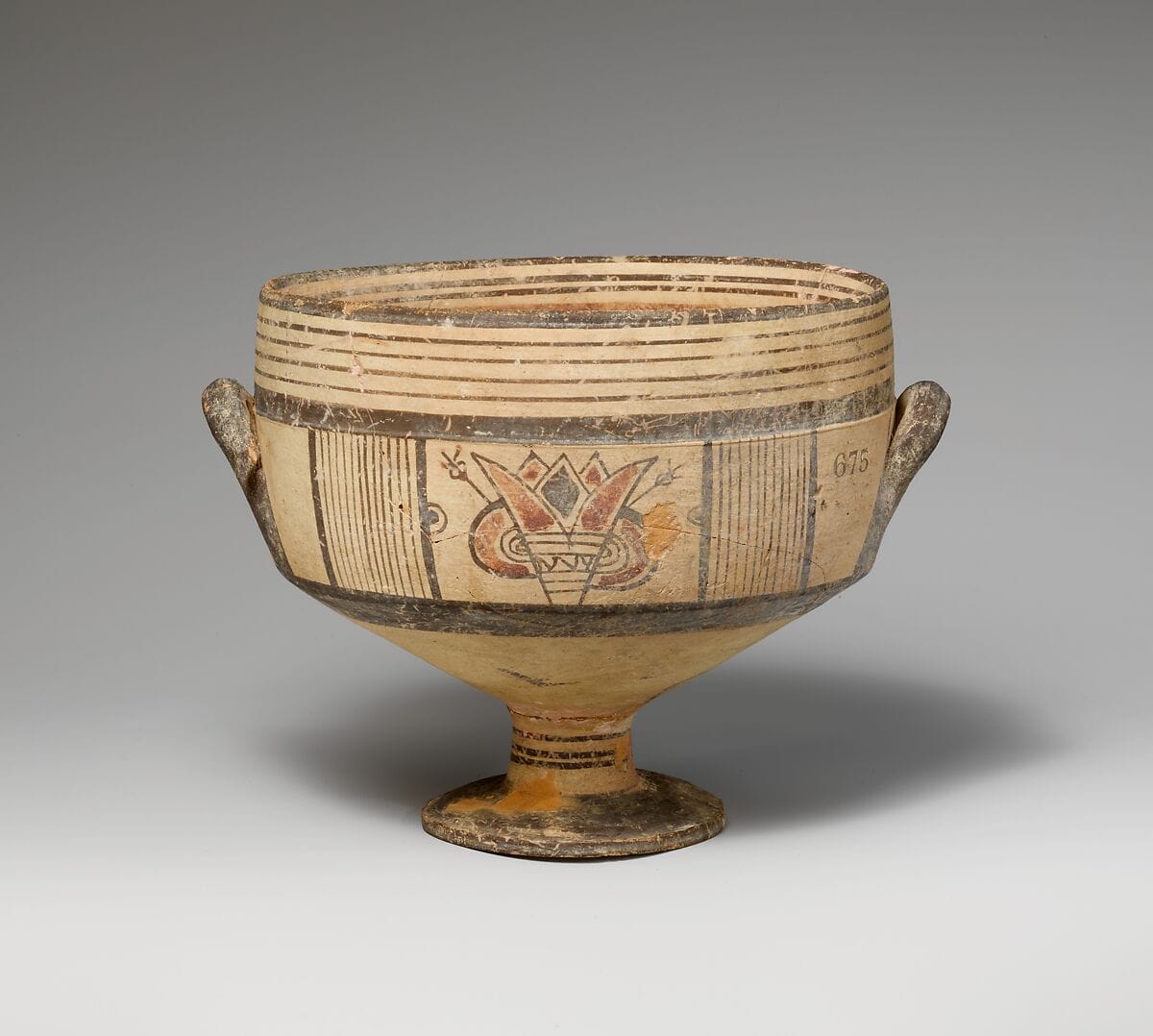
Terracotta footed bowl
Archaic I
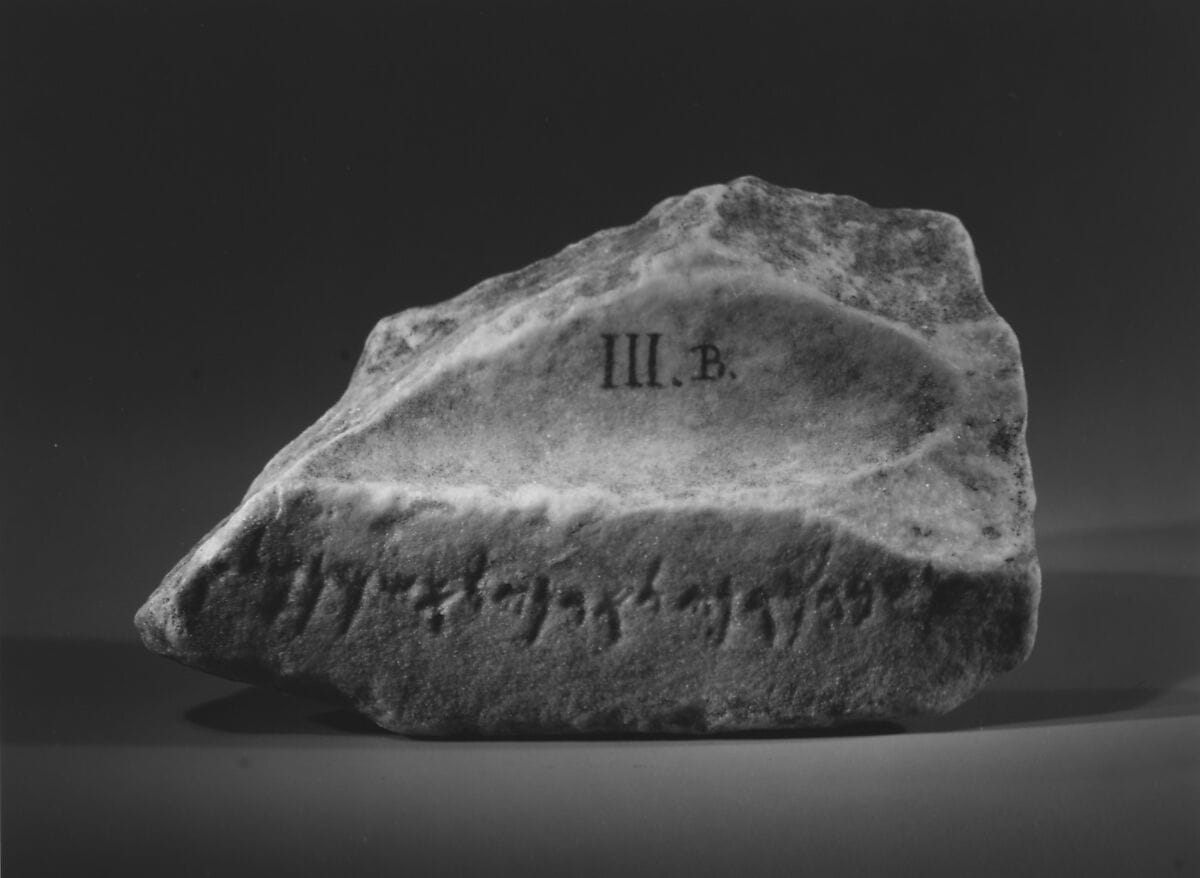
Marble bowl fragment with Phoenician inscription
Classical
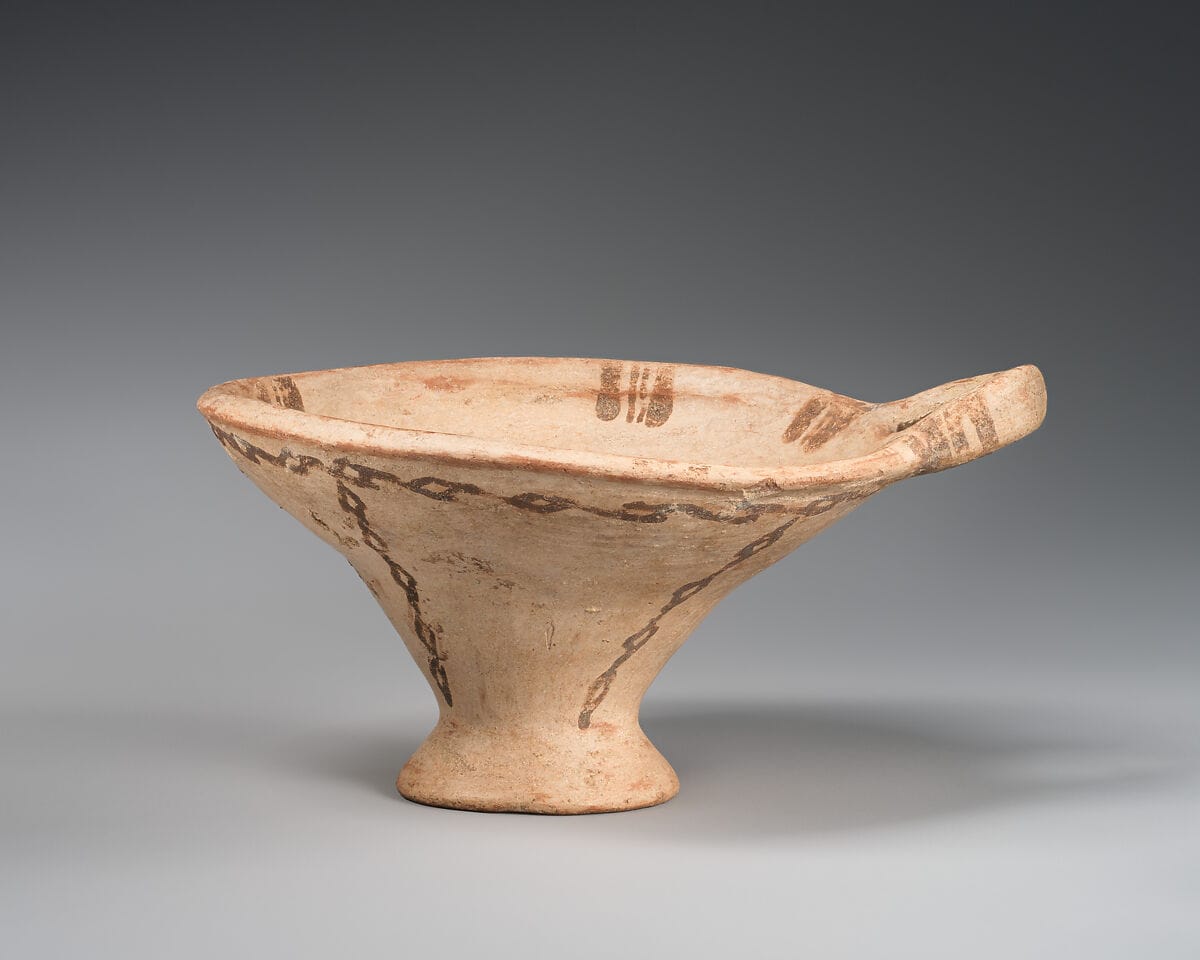
Terracotta bowl
Late Bronze Age II