
Middle Bronze Age I
Red Polished Two-Necked Plank Figure
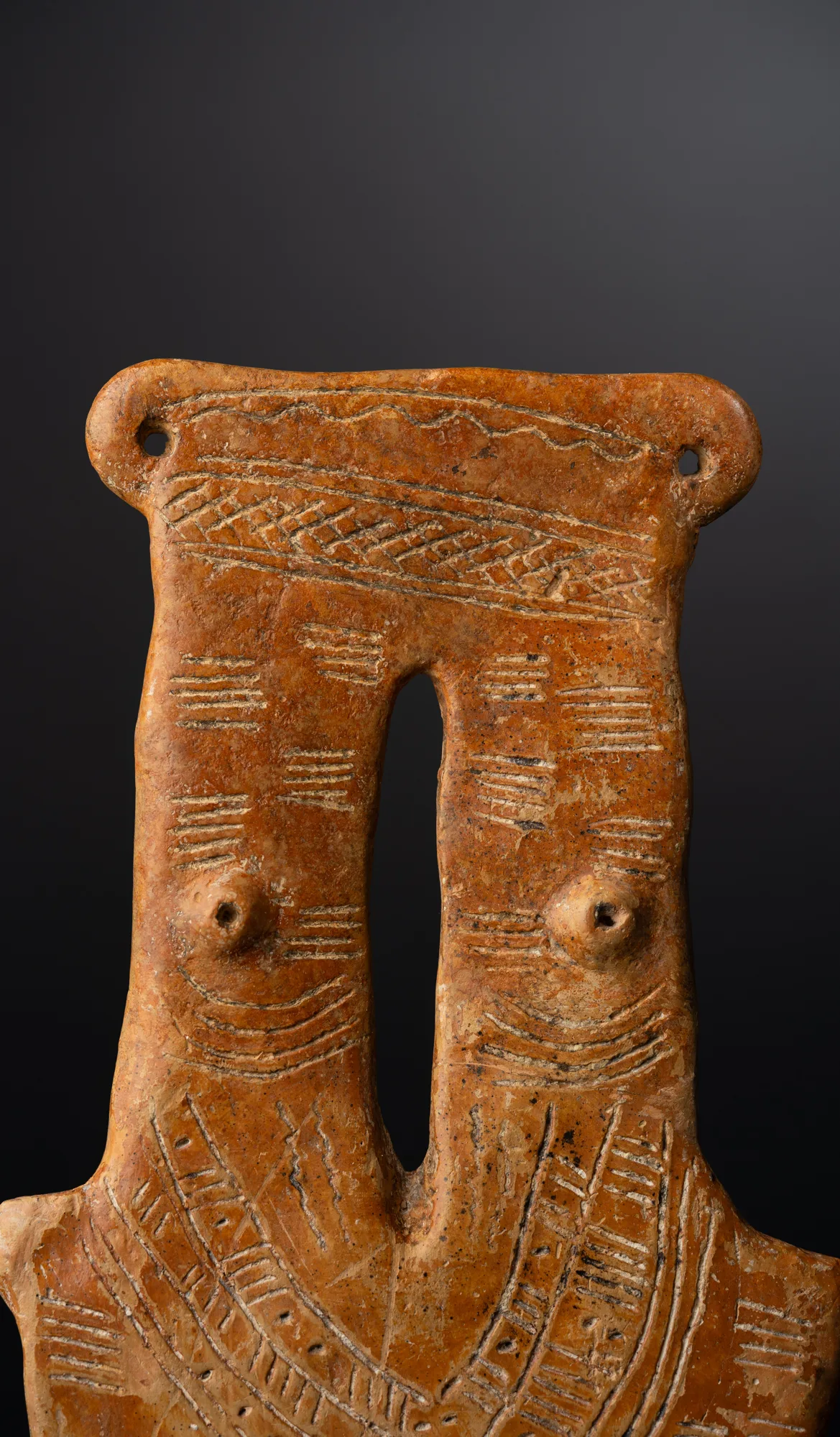
Red Polished plank figure with two necks bridged at the top, pellet breasts, a dotted collar and lattice band; ex-Brew, long on loan to the Ashmolean. c. 2000–1850 BCE.
Date
2000 - 1850 BC
Accession No.
STA-BA-003
Collection
Alexis Drakopoulos
Provenance
- 1960s, acquired in Cyprus by James Alfred Brew (1923–2008); left Cyprus before 1970
- 1972–2025, on loan from J. A. Brew and his estate to the Ashmolean Museum, Oxford (loan no. LI1100.80), on display
- 2025–present, Alexis Drakopoulos, London
Early Cypriot III–Middle Cypriot I, c. 2000–1850 BCE · Red Polished ware · Handmade slab, incised with white fill
A flat, paddle-shaped figure cut from a single slab of red clay, burnished on both faces. Two necks rise from angular shoulders, separated by a deep vertical slot and joined across the top by a bridge with a pierced ear at each corner; the bridge carries a hatched band and a wavy line. Short horizontal strokes run in groups down the edges of each neck. On each neck sits a small pellet breast with a punched nipple, curving lines beneath it; only the breast on the left neck is ancient. A deep collar of arched, dotted strands spans the chest from shoulder to shoulder, with three vertical lines hanging below, and a lattice band crosses the lower body. The right shoulder has a short arm-like projection. On the back, zigzags run down each neck. The tops of the necks, most of the right neck and the plain lower body are modern restoration.
Commentary
Plank figures, flat anthropomorphic slabs in Red Polished ware, are the principal figurine type of the Cypriot Early and Middle Bronze Age, and most come from the rock-cut tombs of the north coast, above all Lapithos. Nearly a third of the free-standing examples have more than one neck, and most of those have two [6]. Karageorghis published this figure as Bd.12 in his group Bd, "shoulder figurines with two necks, two perforated ears" [1]. It was earlier catalogued by Frankel in the Ashmolean corpus as no. 151 [2] and illustrated by Belgiorno among her two-headed Lapithos figures [3].
The bridge across the necks is the standard solution for the two-necked type: it braced the fragile necks and carried the features common to both faces. On the closest museum twin, a two-necked plank from Lapithos in Stockholm, Medelhavsmuseet L.S.N. 0001, a relief nose with eye depressions sits at the centre of the bridge, the ears are pierced, and each breast is punctured at the centre [4]. That piece shows what the restored top of this figure originally carried. Karageorghis noted the most unusual feature here: "the coroplast conceived the body as one, with one breast on each side of the chest," so that a single torso is shared between two necks [1]. The arched dotted collar matches the necklaces on two-headed planks from Lapithos tombs in the Cyprus Museum. Morris thought the multi-necked planks "probably the work of one, or a few artists" working mainly at Lapithos [5]. The figure has no recorded find-spot, and its attribution to that tradition rests on style.
The date follows the museum and published catalogue placement in Early Cypriot III, with the Stockholm twin dated Early Cypriot III–Middle Cypriot I; in calibrated terms this is c. 2000–1850 BCE. Knox argues that multi-headed planks are a late development within the class [8].
Interpretations of the doubled figures range from twins and a two-faced goddess to a married couple, and Talalay and Cullen argue that the ambiguity was deliberate [7]. None is demonstrated. What can be said is that planks were handled: Knox records figures that were stood upright for long periods and some mended in antiquity [8].
Restoration is extensive. Karageorghis records the upper parts of the necks and most of the right neck as restored and the lower part of the body as missing [1]. The ancient fragment measures 18.1 cm in height, and roughly a third of the figure as displayed is modern. The decoration on the bridge and upper right neck should therefore be read as reconstruction.
References
- 1.Karageorghis, V. (1991) The Coroplastic Art of Ancient Cyprus I: Chalcolithic–Late Cypriote I. Nicosia: A. G. Leventis Foundation, group Bd, no. Bd.12, pl. XXXVI:3.
- 2.Frankel, D. (1983) Corpus of Cypriote Antiquities 7: Early and Middle Bronze Age Material in the Ashmolean Museum, Oxford (SIMA XX:7). Göteborg: Paul Åströms Förlag, no. 151, pl. 12.
- 3.Belgiorno, M. R. (1984) 'Le statuette antropomorfe cipriote dell'età del bronzo (I parte)', in Studi Ciprioti e Rapporti di Scavo. Rome: CNR, fig. 17:2.
- 4.Medelhavsmuseet, Stockholm, L.S.N. 0001, Red Polished two-necked plank figure from Lapithos, Early Cypriot III–Middle Cypriot I; L. 20.0 cm, W. 9.0 cm.
- 5.Morris, D. (1985) The Art of Ancient Cyprus, with a Check-list of the Author's Collection. Oxford: Phaidon.
- 6.a Campo, A. L. (1994) Anthropomorphic Representations in Prehistoric Cyprus: A Formal and Symbolic Analysis of Figurines, c. 3500–1800 BC (SIMA-PB 109). Jonsered: Paul Åströms Förlag.
- 7.Talalay, L. E. and Cullen, T. (2002) 'Sexual Ambiguity in Plank Figures from Bronze Age Cyprus', in D. Bolger and N. Serwint (eds), Engendering Aphrodite: Women and Society in Ancient Cyprus. Boston: American Schools of Oriental Research, 181–195.
- 8.Knox, D. (2012) Making Sense of Figurines in Bronze Age Cyprus. PhD thesis, University of Manchester.
More from the Catalogue
Browse related objects
Horse and rider figurine
Archaic II
Seated female figurine of the dea gravida type
Archaic II
Terracotta rattle in the form of a pig
Hellenistic
Limestone head of a bearded male with a wreath of flowers
Archaic II
Limestone statuette of a beardless male votary in Greek dress
Archaic II
Terracotta head of a man
Archaic II
Fragment of a limestone throne (?) with the head of a horned lion
Roman
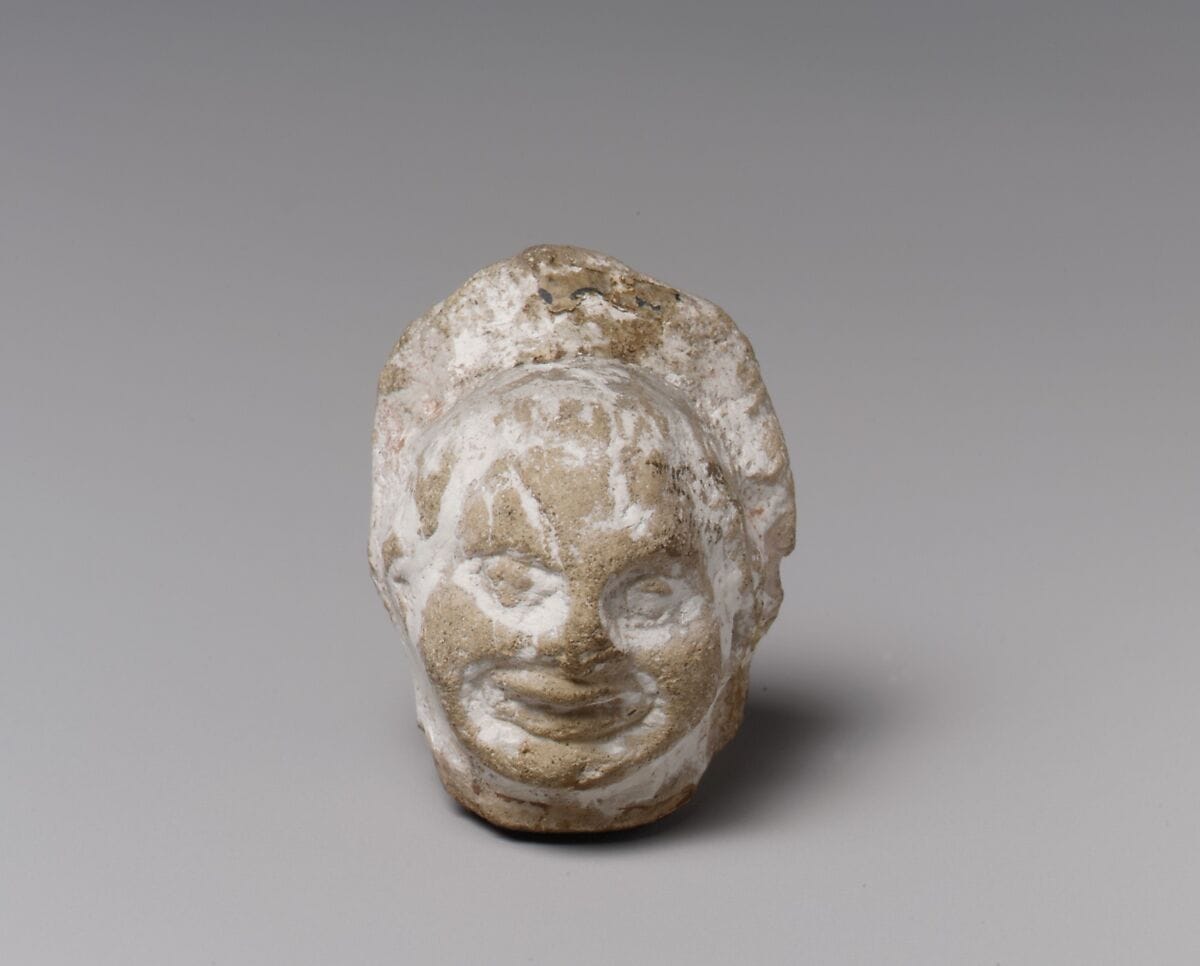
Head of a comic figurine
Hellenistic
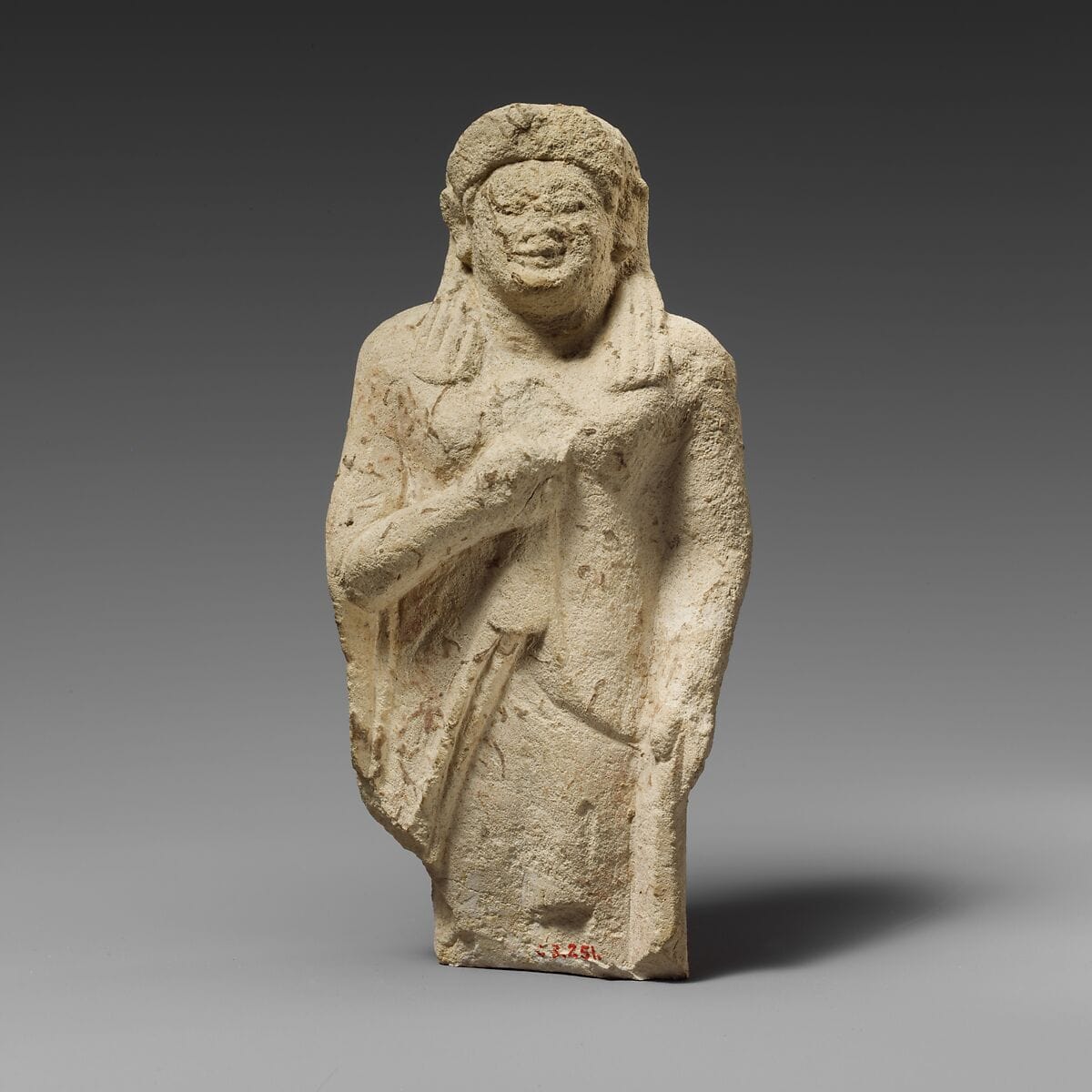
Limestone statuette of a female votary of the kore type
Archaic II
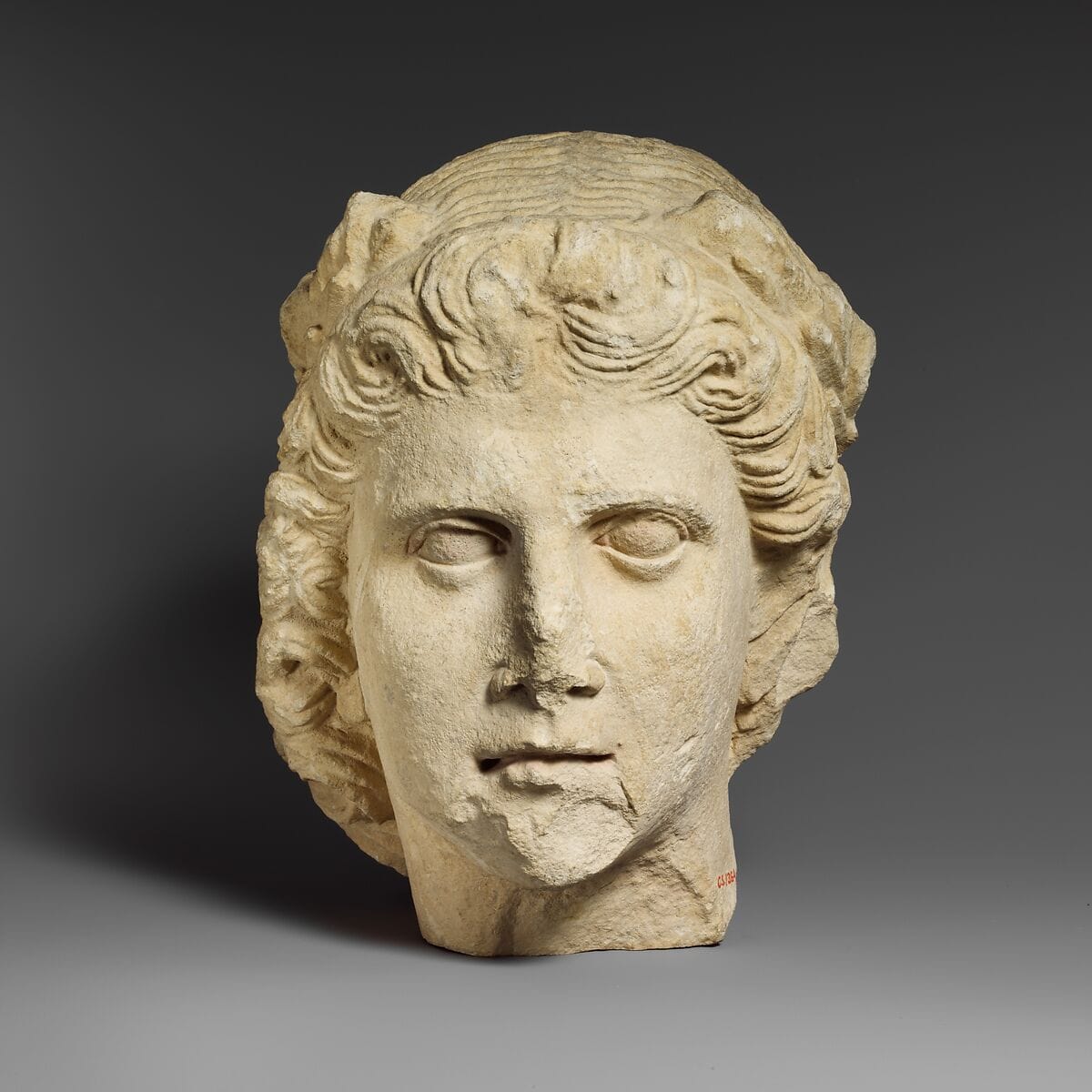
Limestone head of Apollo
Hellenistic
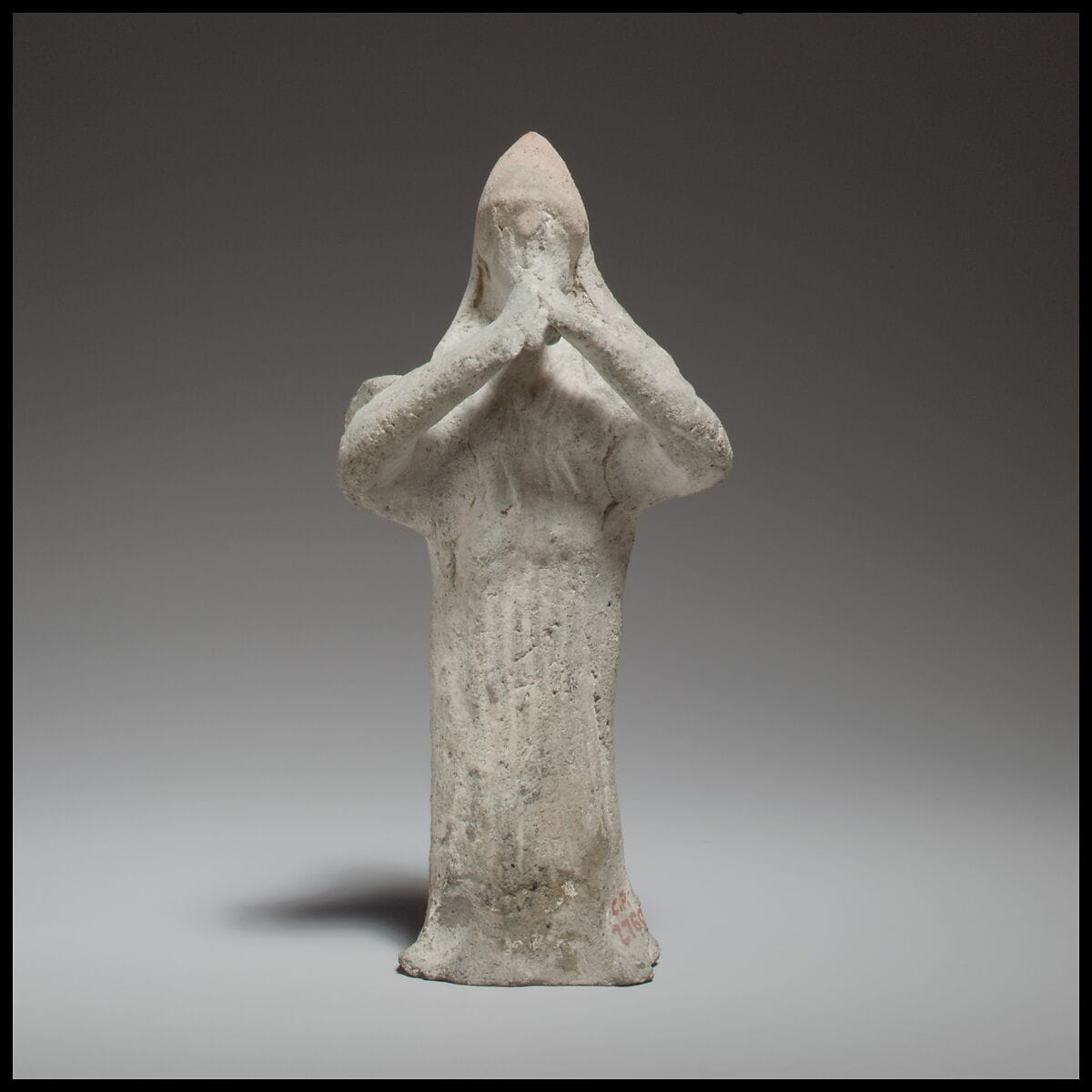
Standing female flute player
Classical
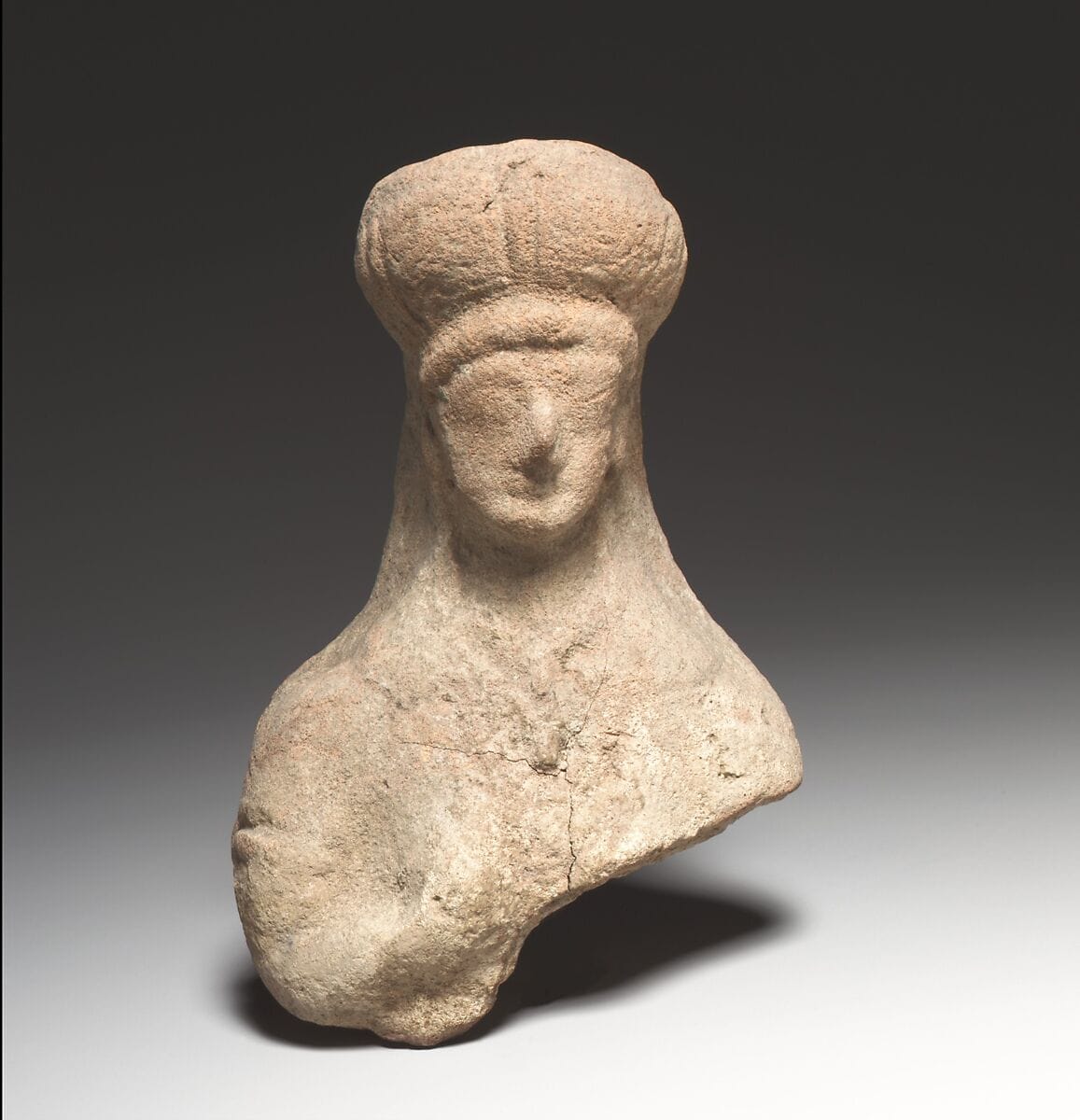
Standing female figurine
Archaic II
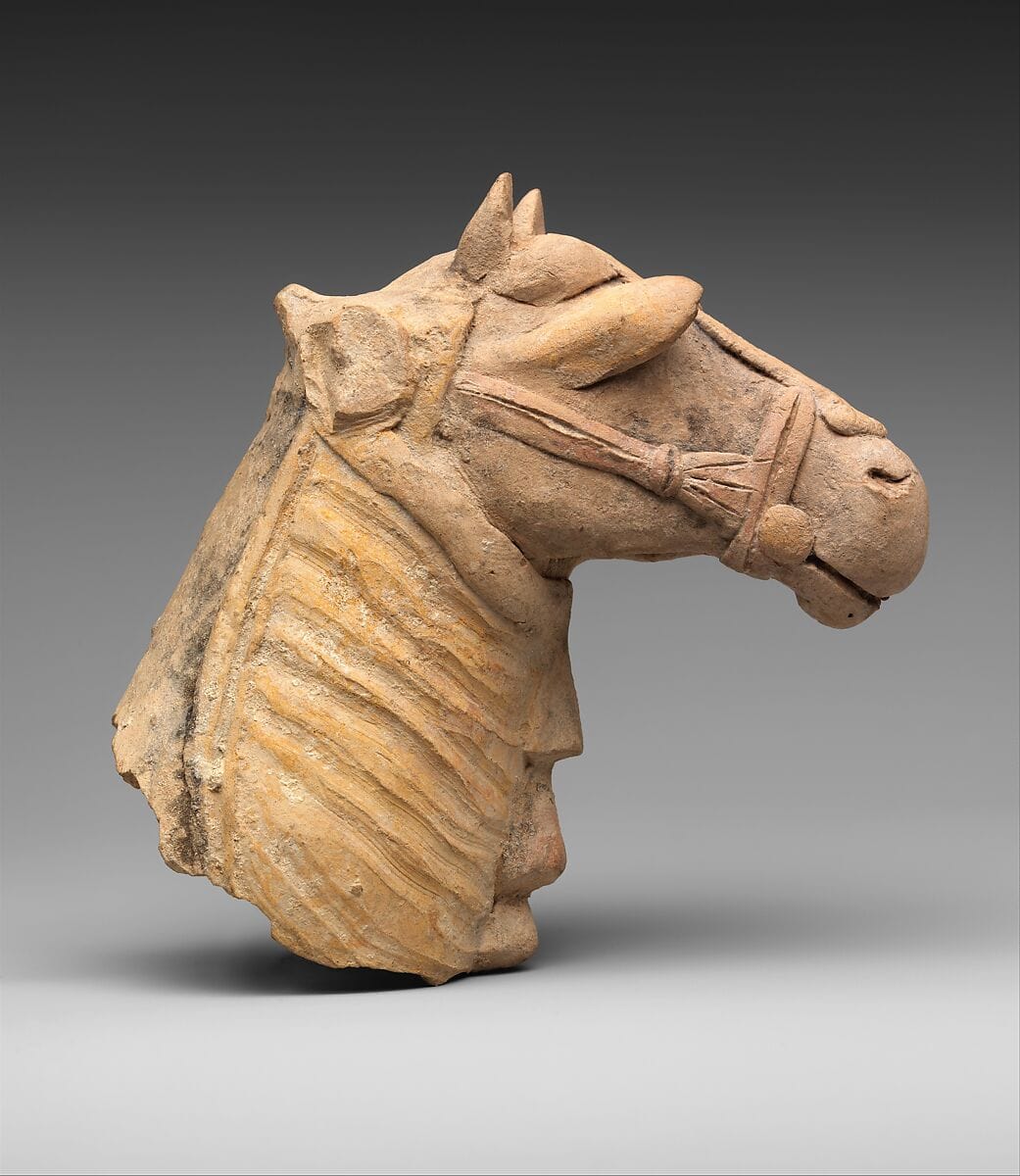
Horse's head with harness
Archaic II
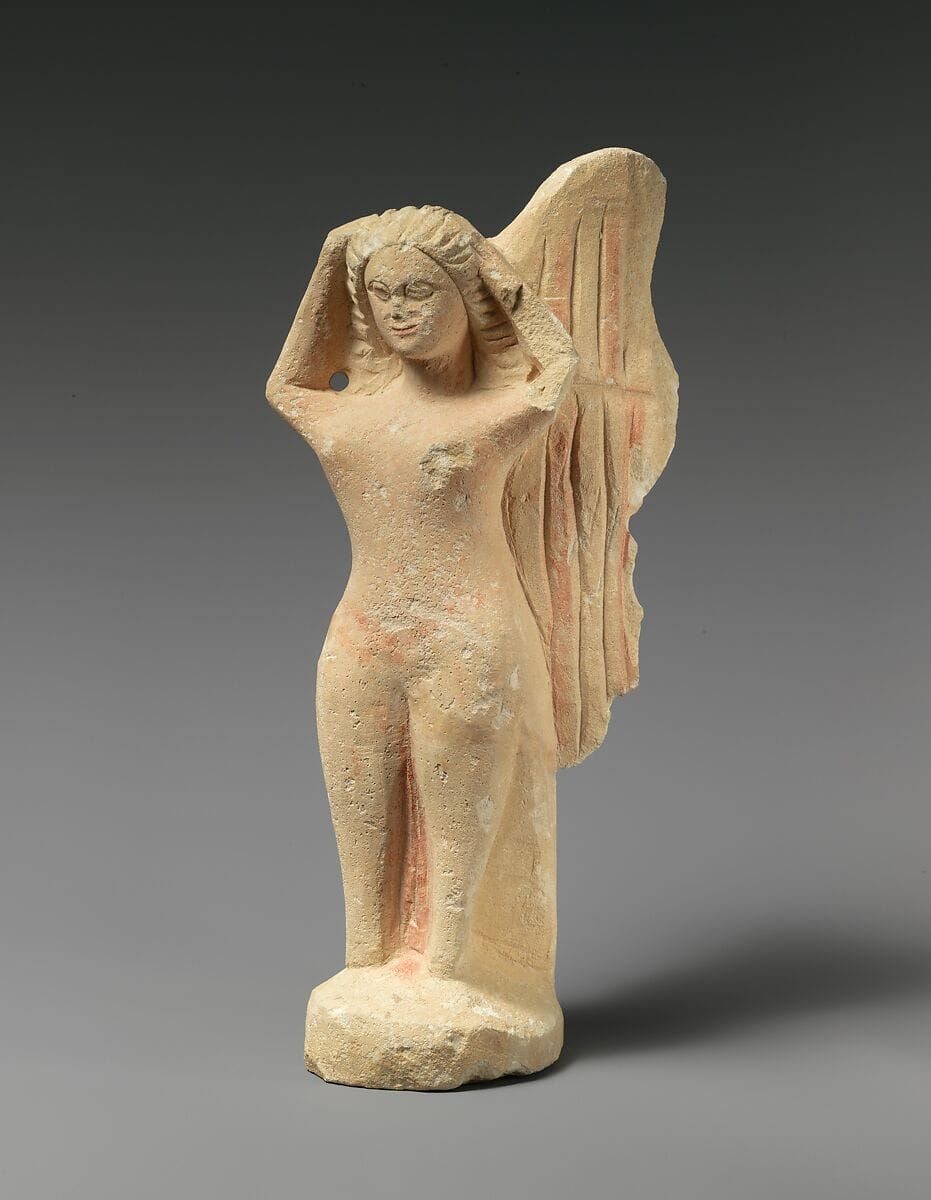
Limestone statuette of a mourning siren
Hellenistic
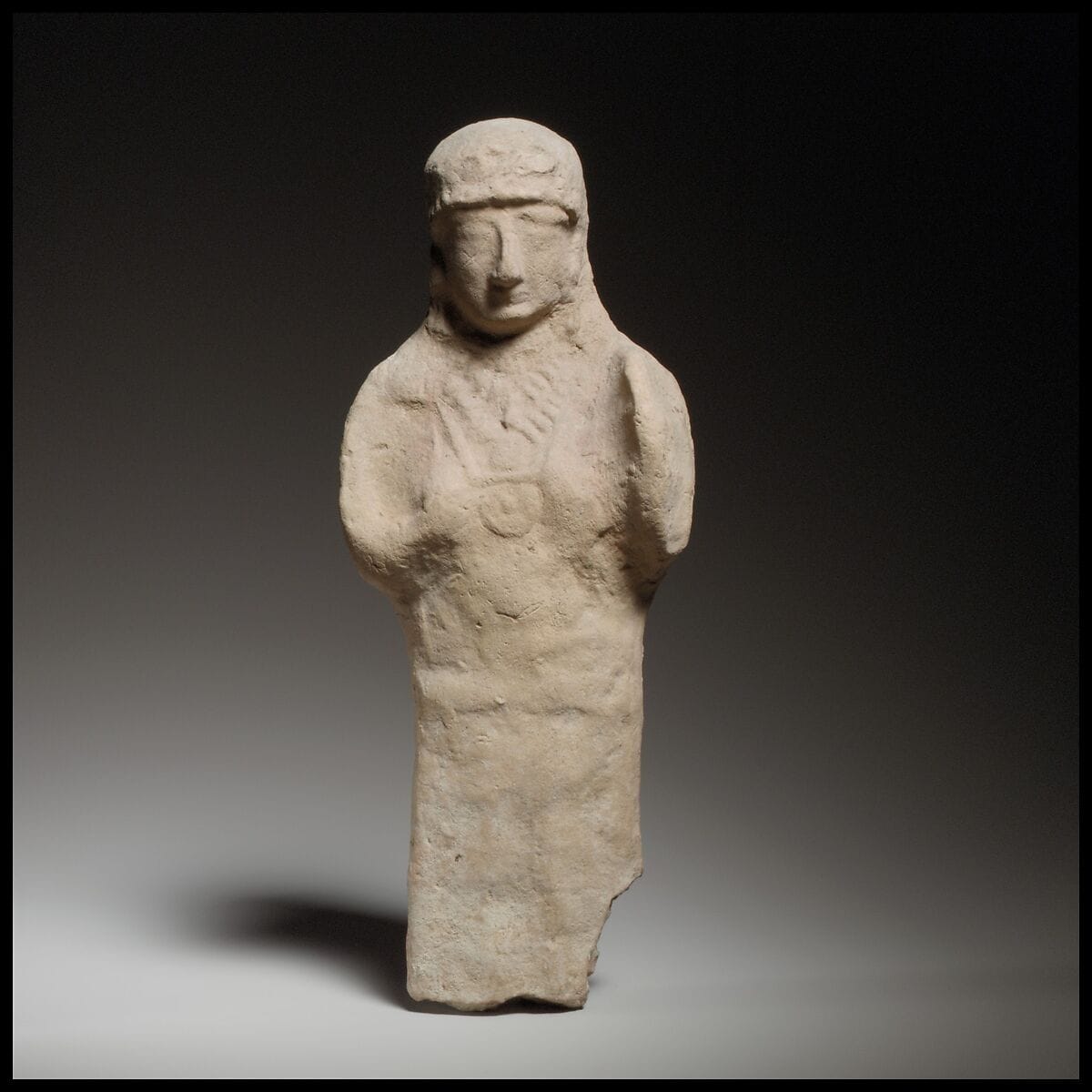
Standing female figurine
Archaic II
Terracotta statuette of Silenos (?) drinking
Hellenistic
Limestone head of beardless male votary with wreath of leaves
Hellenistic
Limestone statuette of a beardless male votary with a wreath of leaves
Classical