
Neolithic
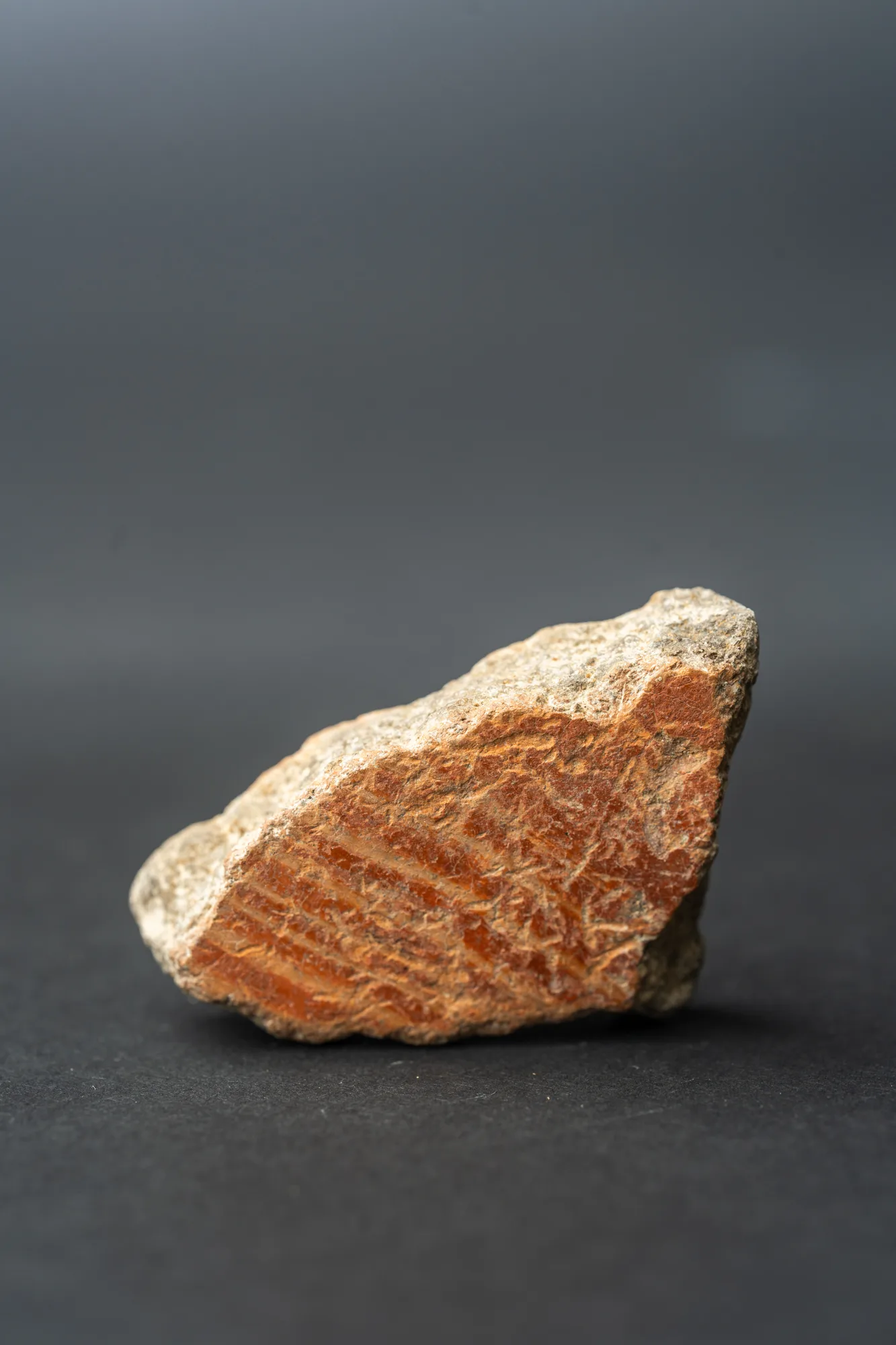
Combed Ware Bowl Fragment with Oblique Bands
Wedge-shaped Late Neolithic Combed Ware bowl sherd from Cyprus with oblique combed bands in heavily crazed red slip. Ex Judge G. C. Griffith-Williams.
Date
4500 - 3900 BC
Accession No.
BWL-NE-003
Collection
Alexis Drakopoulos
Provenance
- By 1963, George Cyril Griffith-Williams (b. 1893), Puisne Judge of the Supreme Court of Cyprus from 1938, Nicosia; mounted with four other sherds in a wooden Droste chocolate box with a handwritten label, "Neolithic. Painted and combed ware. c. 3500 BC."
- By 2026, Alexis Drakopoulos, London
Late Neolithic (Sotira culture), c. 4500–3900 BCE · Combed Ware · Handmade
A wedge-shaped body sherd with a thick section; the broken edges are rough, gritty and pale, and one long break exposes the full depth of the wall. On the better-preserved face a group of straight bands runs diagonally across the slip, clearest towards the left: narrow buff channels combed through an orange-red slip, evenly spaced and parallel. The slip is covered in a coarse network of crazing that has lifted and flaked in places and blurs the banding towards the right.
On the other face the slip is broken up into small red islands by a dense crackle over a buff ground, with faint banding running roughly across the width of the sherd.
Commentary
The sherd is Combed Ware of the Late Neolithic Sotira culture. Its red slip was combed while wet with a toothed tool, exposing the lighter body in reserved bands, and then polished [1]. The heavy crazing is typical of the ware: Dikaios found its slip hard and polished but soft enough, in most cases, to scratch with a fingernail, and the grey-cored, variably fired fabric he describes points to low firing temperatures, which leave a slip vulnerable to cracking and flaking in the ground [1].
The decoration on the main face belongs to Dikaios's group of double or multiple straight bands running obliquely, one of the standard Sotira schemes [1]. The Khirokitia report illustrates oblique multiple straight bands on several sherds from the ceramic occupation of the site, including a triangular fragment very like this one [2]. The closest museum parallel is a small fragment of a Combed Ware bowl from Sotira in the Ashmolean, decorated with oblique straight multiple bands [5].
Traces of red slip and banding on the second face show that both sides were slipped and probably both combed. Because Combed Ware jugs were decorated on the outside only, and bowls inside and out, this points to an open bowl [1]. The worn state of the second face means its scheme cannot be read, and we make no claim about the motif there.
As with the other combed sherds in the collection, the technique itself fixes the date. Combed Ware appears in the south after c. 4350 BCE on radiocarbon evidence [3] and was abandoned at the beginning of the Chalcolithic, surviving only vestigially in the earliest levels at Erimi and Kalavasos [4]. The "c. 3500 BC" on the label kept with the group was the uncalibrated estimate of the 1950s; the calibrated date is roughly a thousand years older. The vessel was most likely an everyday settlement bowl. The find-spot is unrecorded; combed pottery dominates southern Neolithic sites such as Sotira, Khirokitia and Kalavasos, which makes a south-coast origin likely without identifying a site [3].
References
- 1.Dikaios, P. (1961) Sotira. University Museum Monographs. Philadelphia: University of Pennsylvania, pp. 188–195, pls. 58–70 (Combed Ware).
- 2.Dikaios, P. (1953) Khirokitia: Final Report on the Excavation of a Neolithic Settlement in Cyprus on Behalf of the Department of Antiquities, 1936–1946. Oxford: Oxford University Press, pp. 295–301, pl. LXXII.
- 3.Clarke, J. (2007) On the Margins of Southwest Asia: Cyprus during the 6th to 4th Millennia BC. Oxford: Oxbow, pp. 42–46, 118–120.
- 4.Catling, H. W. (1966) Cyprus in the Neolithic and Bronze Age Periods. Cambridge Ancient History, revised ed., vol. I, fascicle. Cambridge: Cambridge University Press, p. 21.
- 5.Ashmolean Museum, Oxford, AN1970.863.f: fragment of a Combed Ware bowl, Sotira-Teppes; 4.8 × 2.5 cm; presented by H. W. Catling, 1970.
More from the Catalogue
Browse related objects
Two Fragments of a White Painted Deep Bowl with Panel Decoration
Geometric III
Combed Ware Bowl Fragment with Parallel Bands
Neolithic
Combed Ware Bowl Fragment with Multiple Wavy Bands
Neolithic
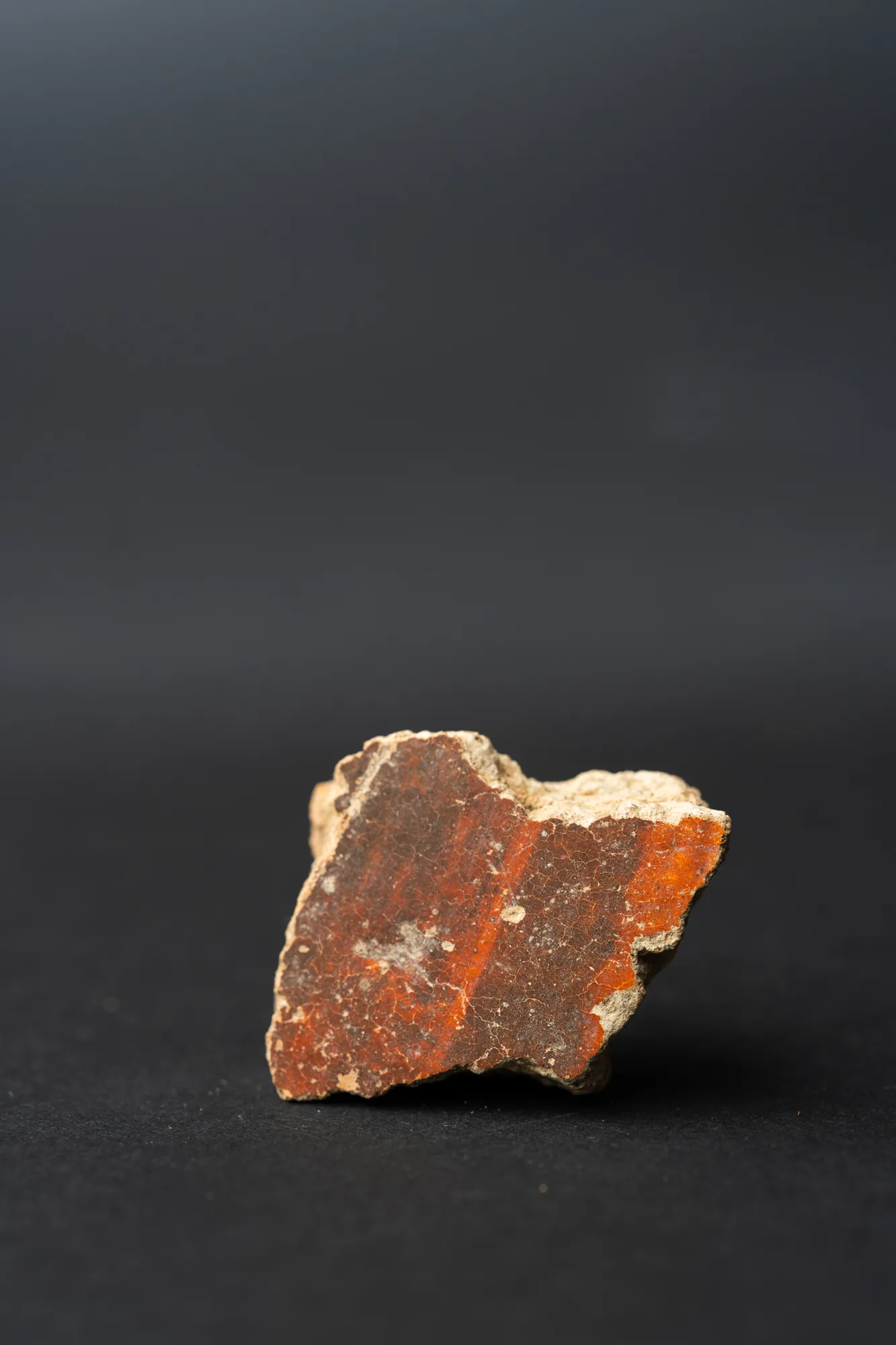
Red Lustrous Ware Body Sherd with Fire-Mottled Slip
Neolithic
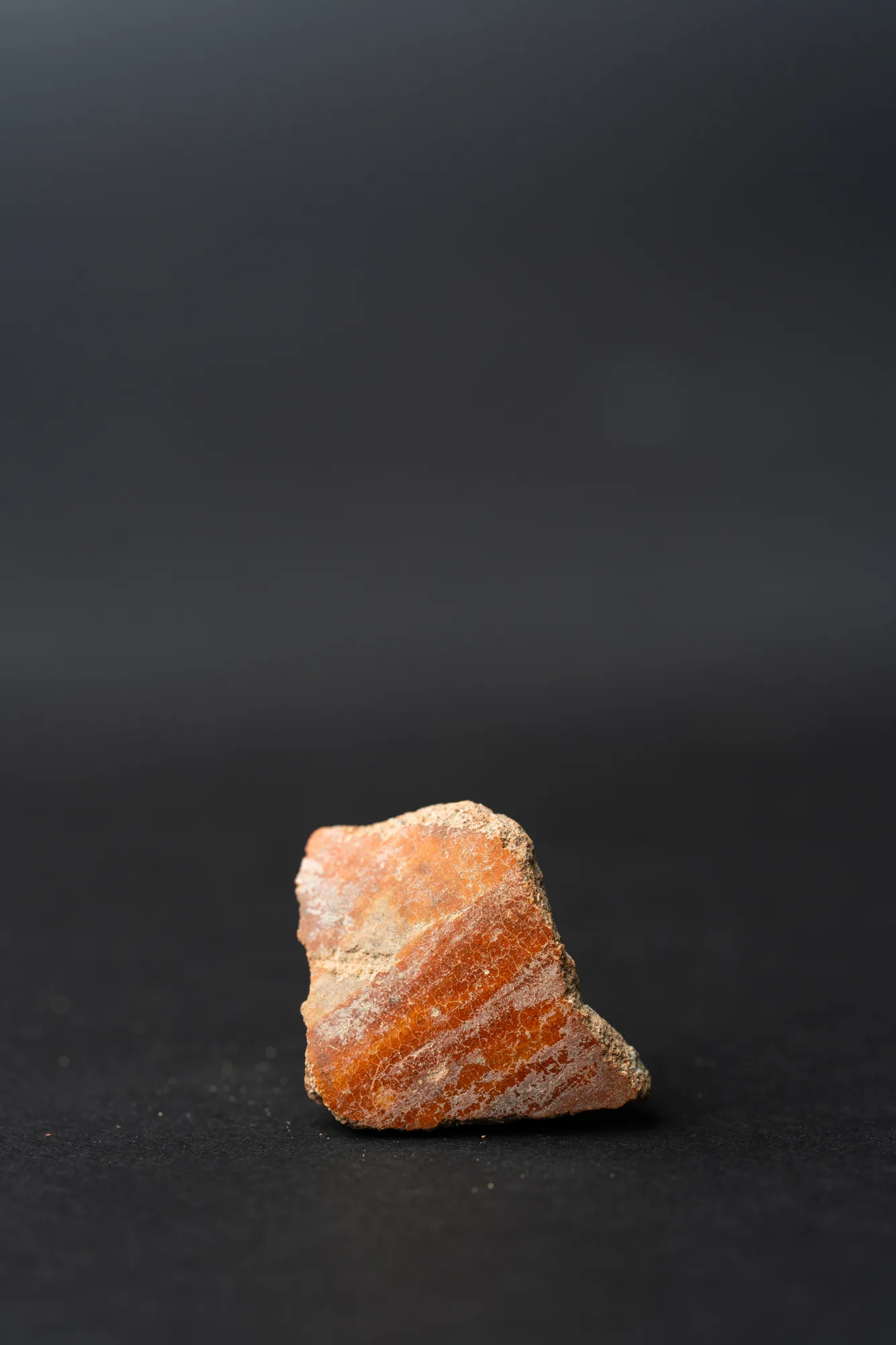
Red Slip Ware Body Sherd with Streaked Slip
Chalcolithic
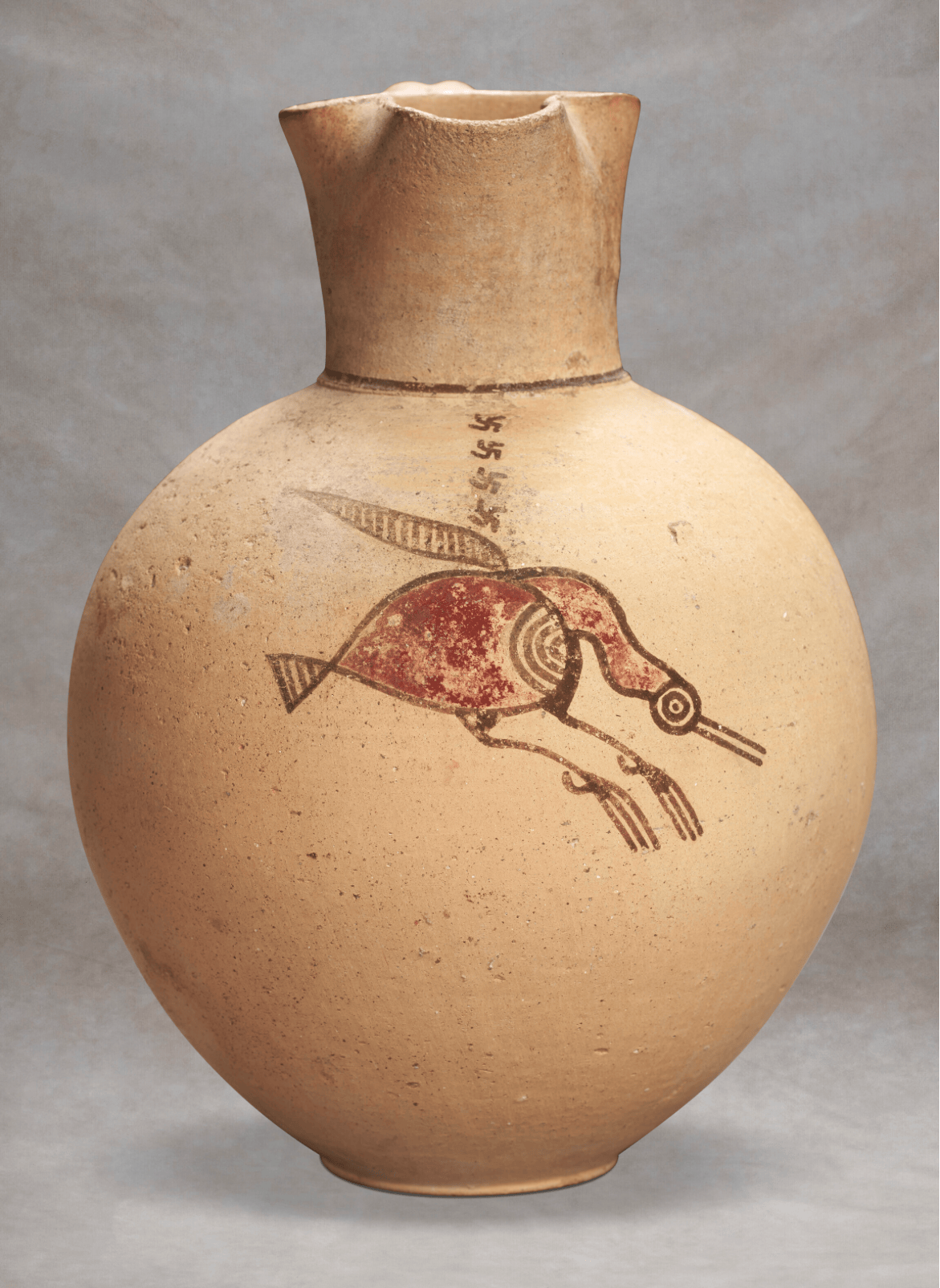
Bichrome Oinochoe
Archaic I
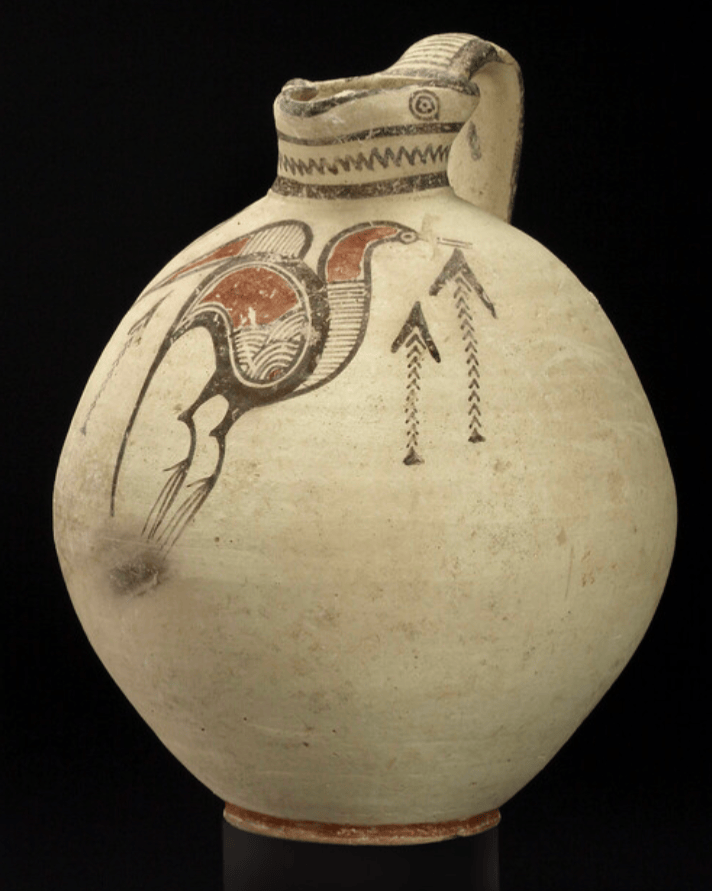
Free-field bichrome jug with image of an Ibis bird and reeds
Archaic
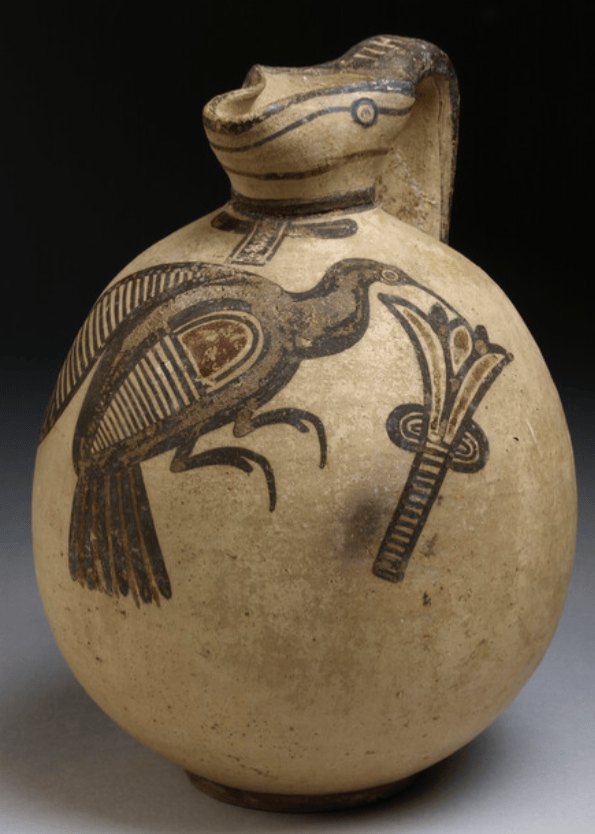
Squat bichrome jug in free-field style with image of bird picking a lotus flower
Archaic
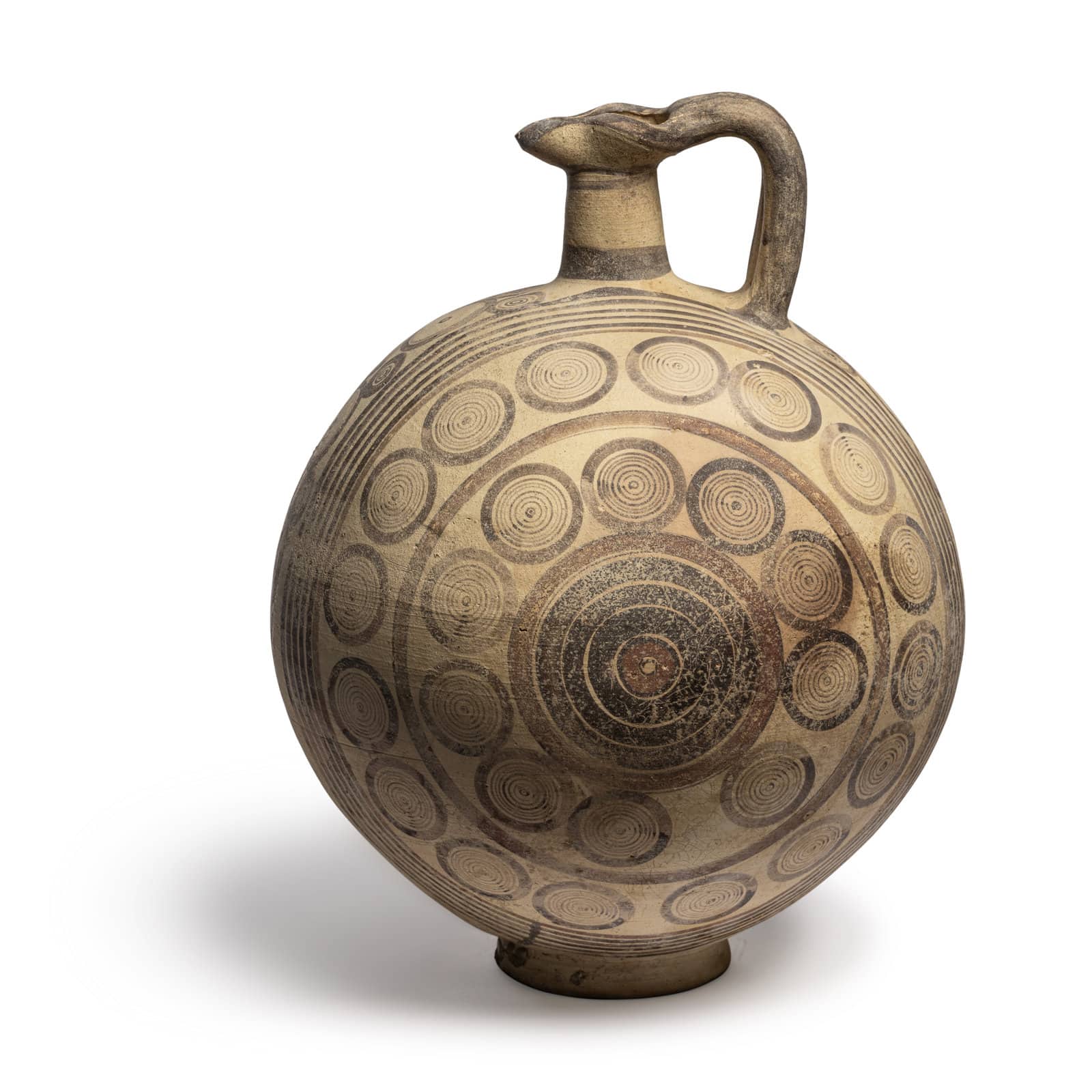
A Cypriot Bichrome-Ware Oinochoe Jug
Archaic I
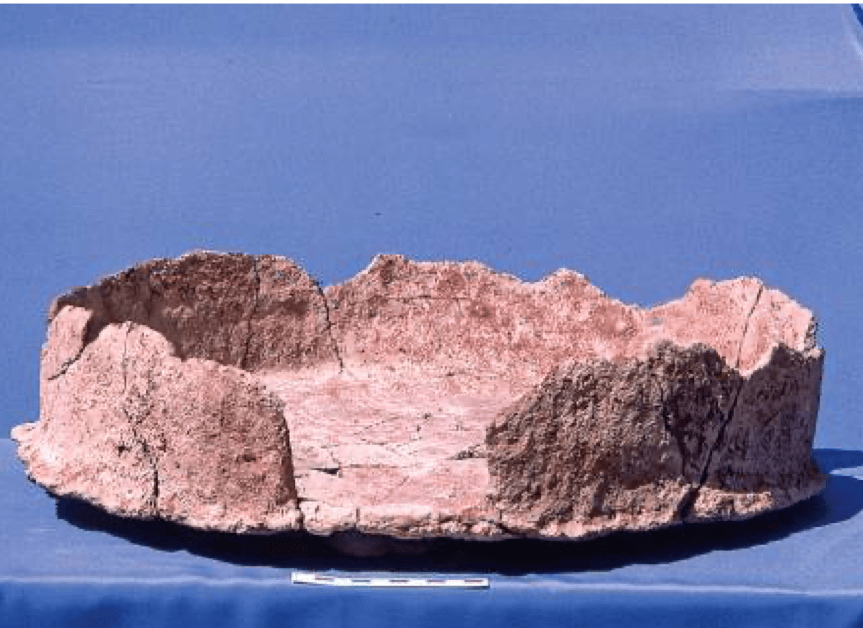
Flanged-base Tray
Chalcolithic
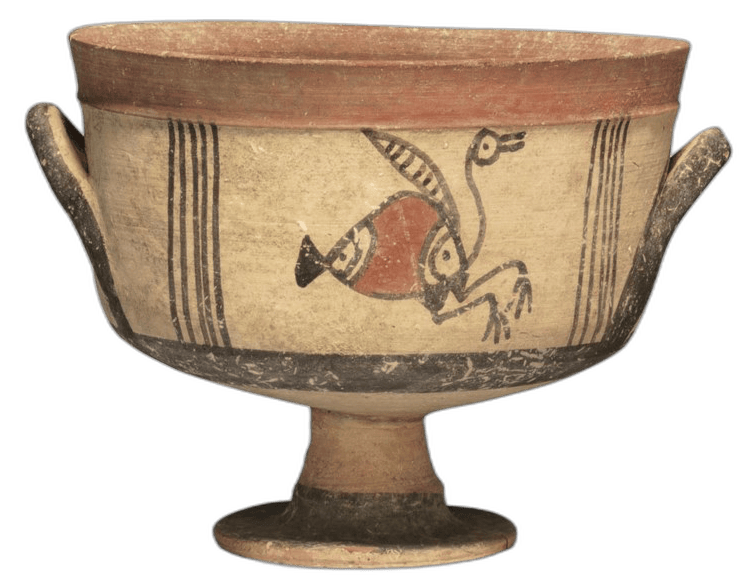
Bichrome Kylix with Bird Free Field Art
Geometric III
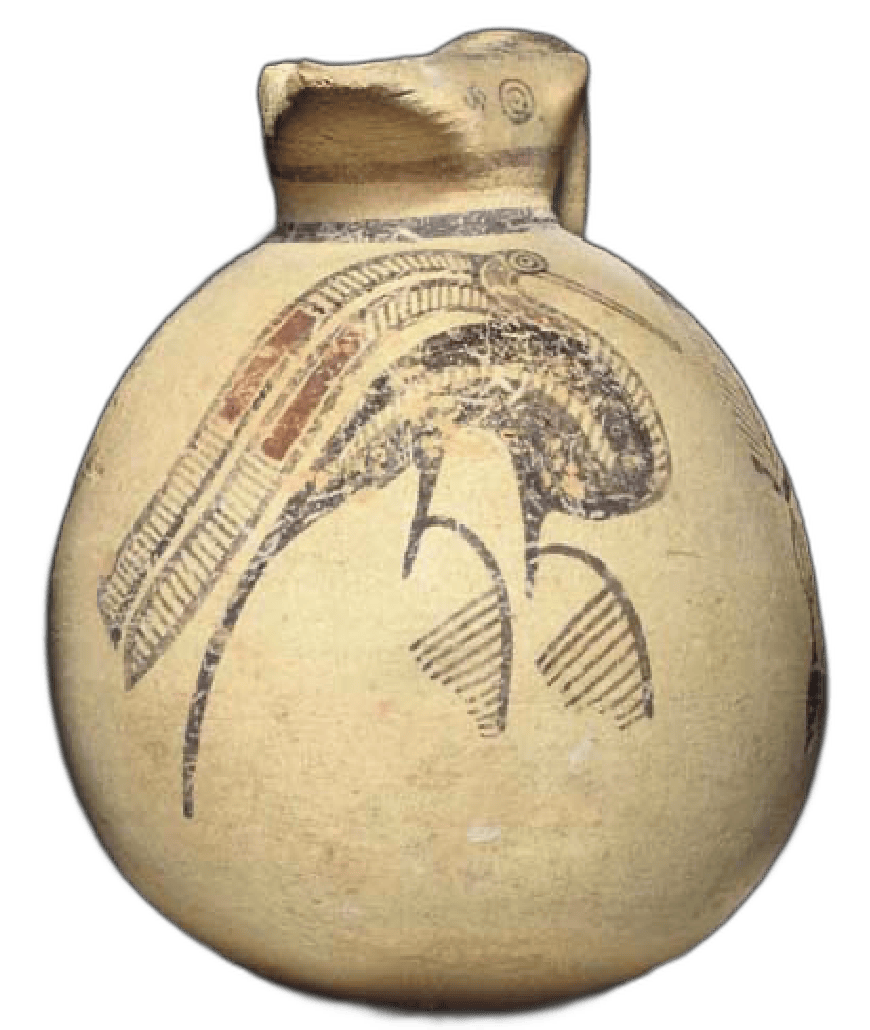
Oinochoe with Free Field Bird
Archaic I
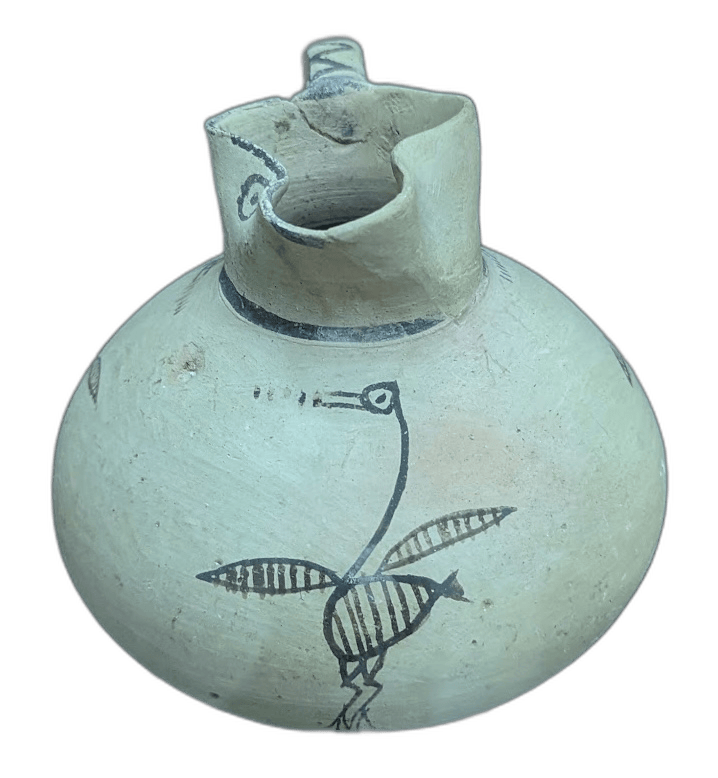
Small Oinochoe with Free Field Bird
Archaic I
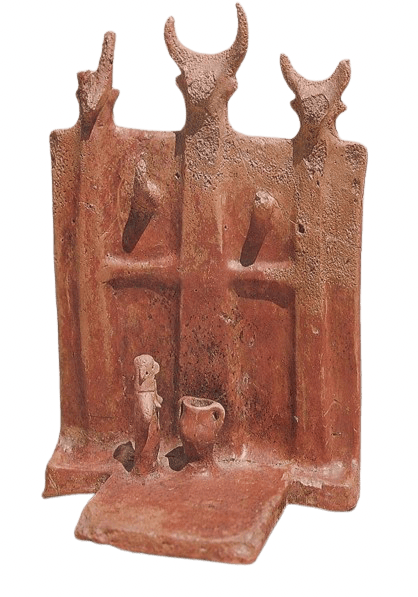
Red Polished Shrine
Middle Bronze Age I
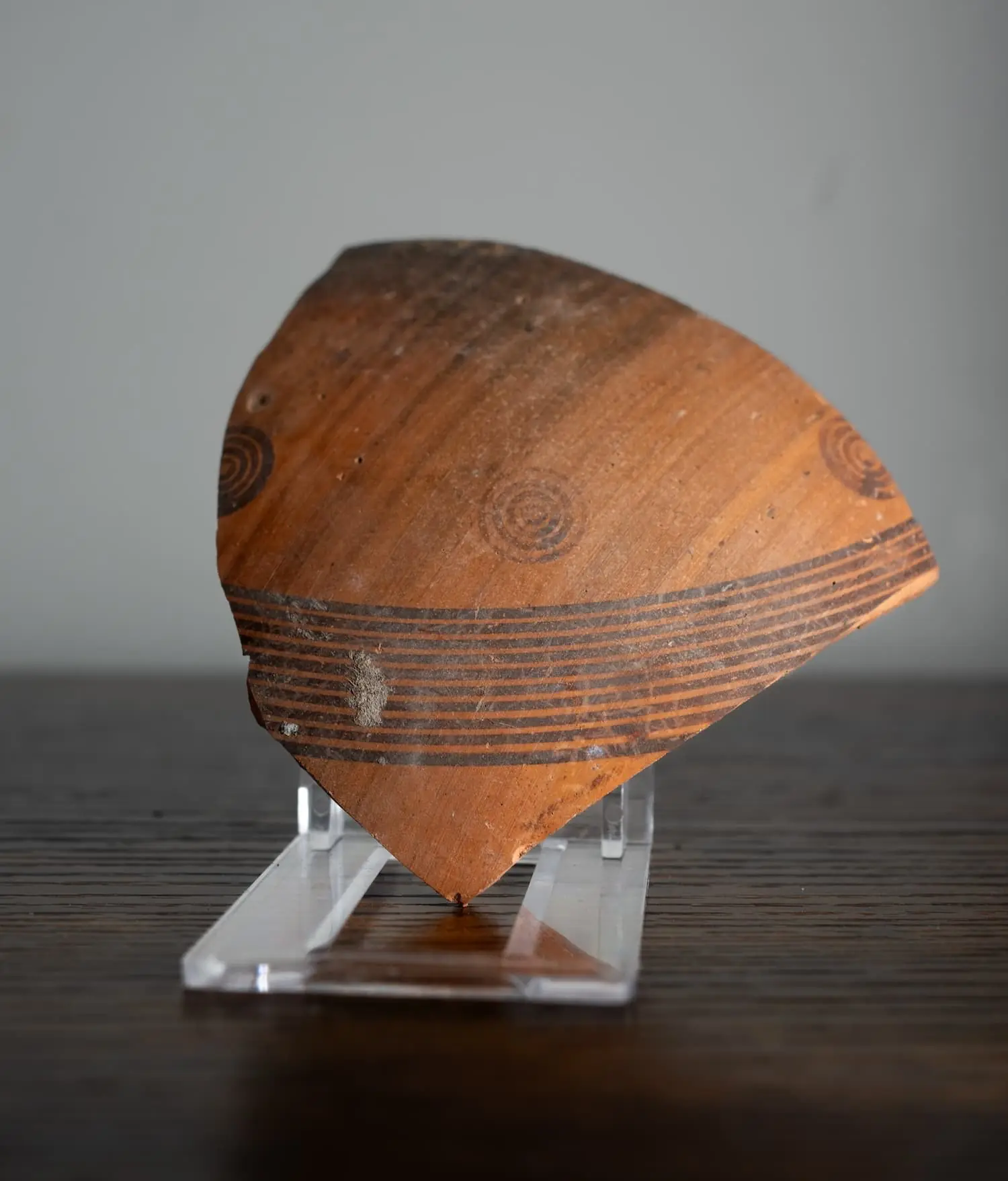
Black-On-Red Geometric Jug Sherd
Geometric II
Bichrome Jug
Geometric
Bichrome Juglet
Geometric
Bichrome Oinochoe
Geometric