
Late Bronze Age II
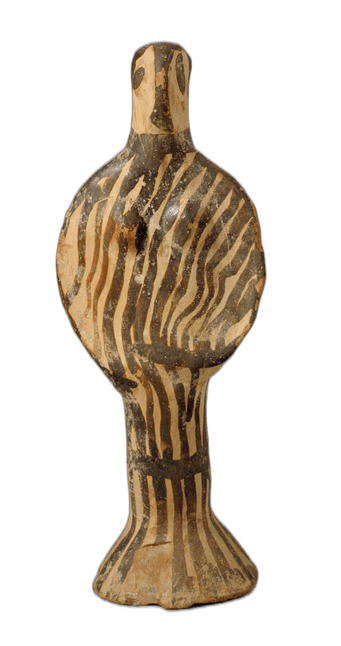
Female phi idol
Female phi idol from the flowering and late period of Mycenaean culture, which is its greatest extent during the 14th and 13th centuries BC.BC experienced and is named after the famous castle of Mycenae, small female tonidole come in which the mycenaian tendency towards extreme schematization becomes clearly recognizable: characteristic of these simply shaped and painted figures are a foot -long, accommodated and fold -rich robe, oneType crown and certain arms.These types are known today under the names of the Greek letters Phi and PSI, which they are remarkable in their form.The older phi type stylizes an attitude in which - as with prayer - the arms are put under the breasts.With the arms raised on both sides, the PSI type shows a cultic gesture, which as an appearance (epiphany) in images of gods as early as the early 2nd millennium BC.Is attested. H. 10,7 cm, B. 4,1 cm
Date
1450 - 1400 BC
Accession No.
Antikensammlung, V 3253
Collection
Vienna Museum
Provenance
- Friedinger-Pranter, Robert Dr., Vienna;1969 gift from the estate
More from the Catalogue
Browse related objects
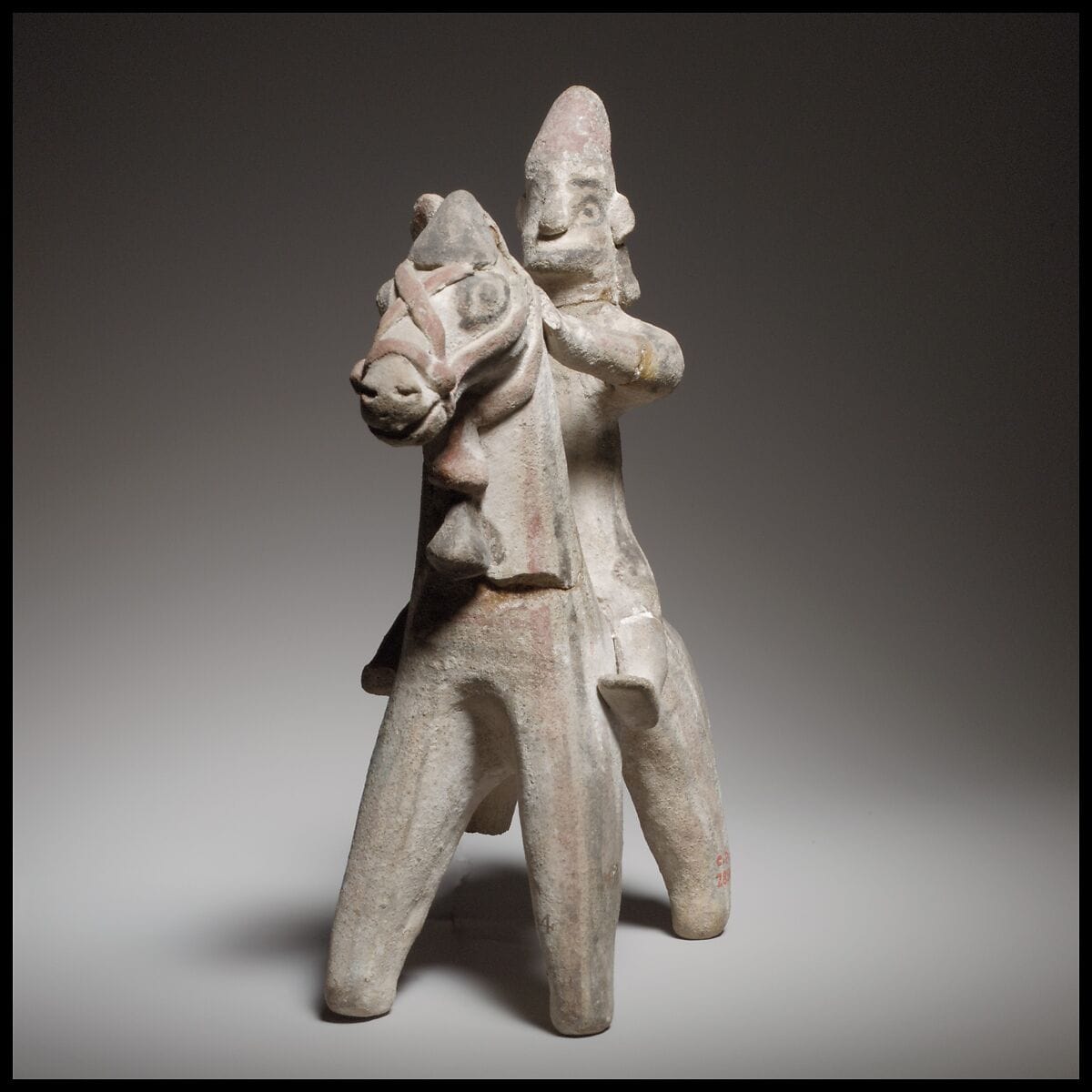
Horse and rider figurine
Archaic II
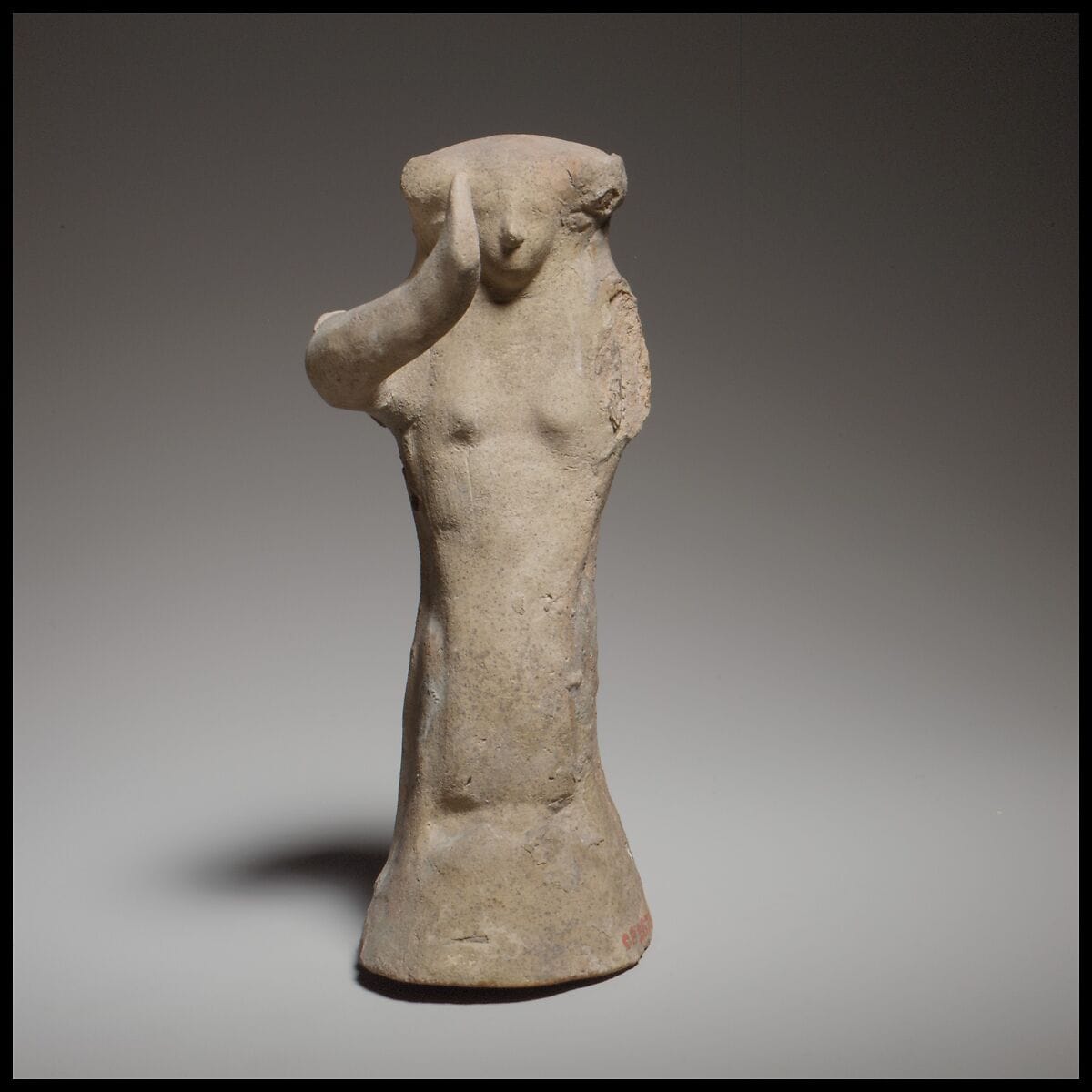
Seated female figurine of the dea gravida type
Archaic II
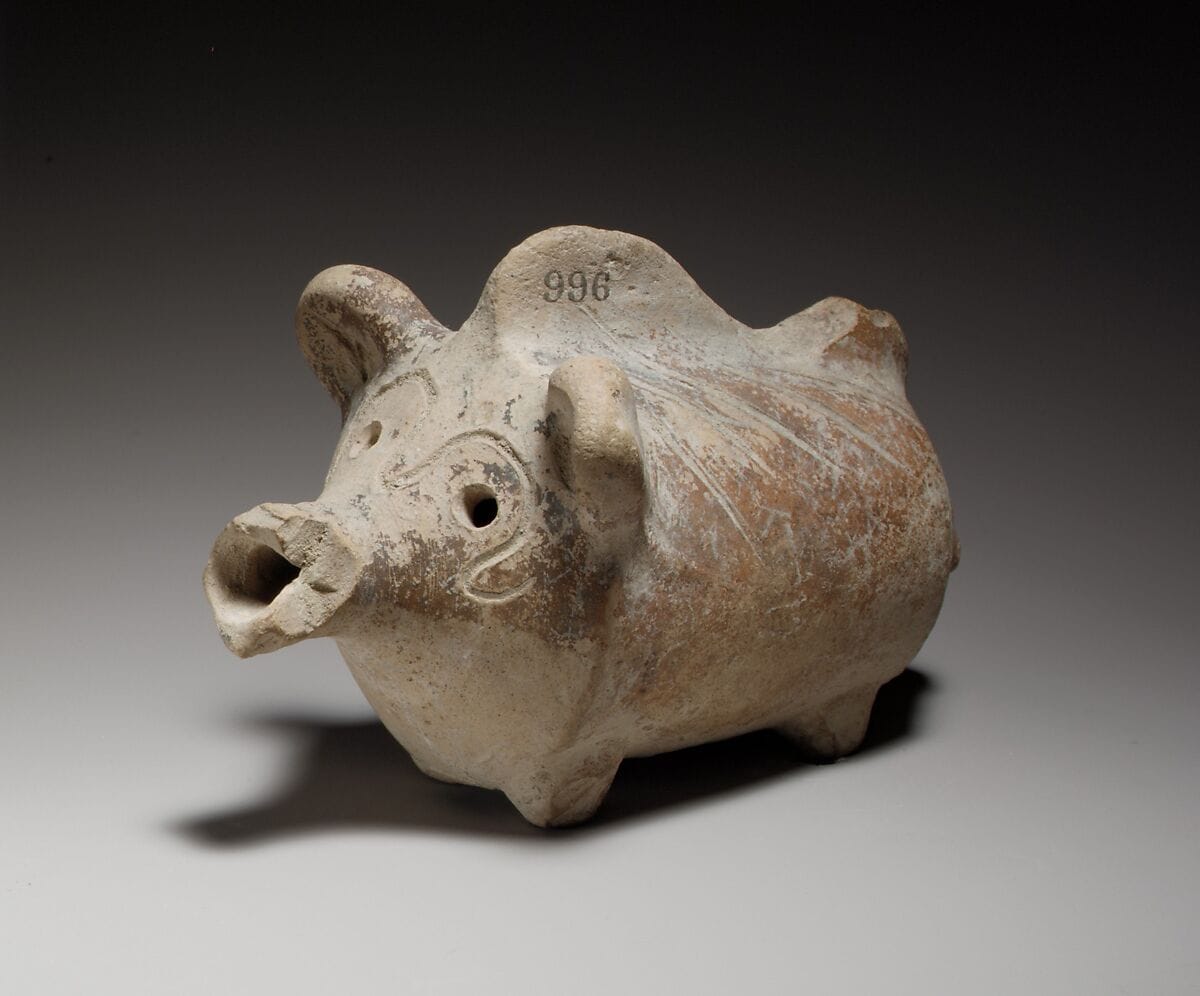
Terracotta rattle in the form of a pig
Hellenistic
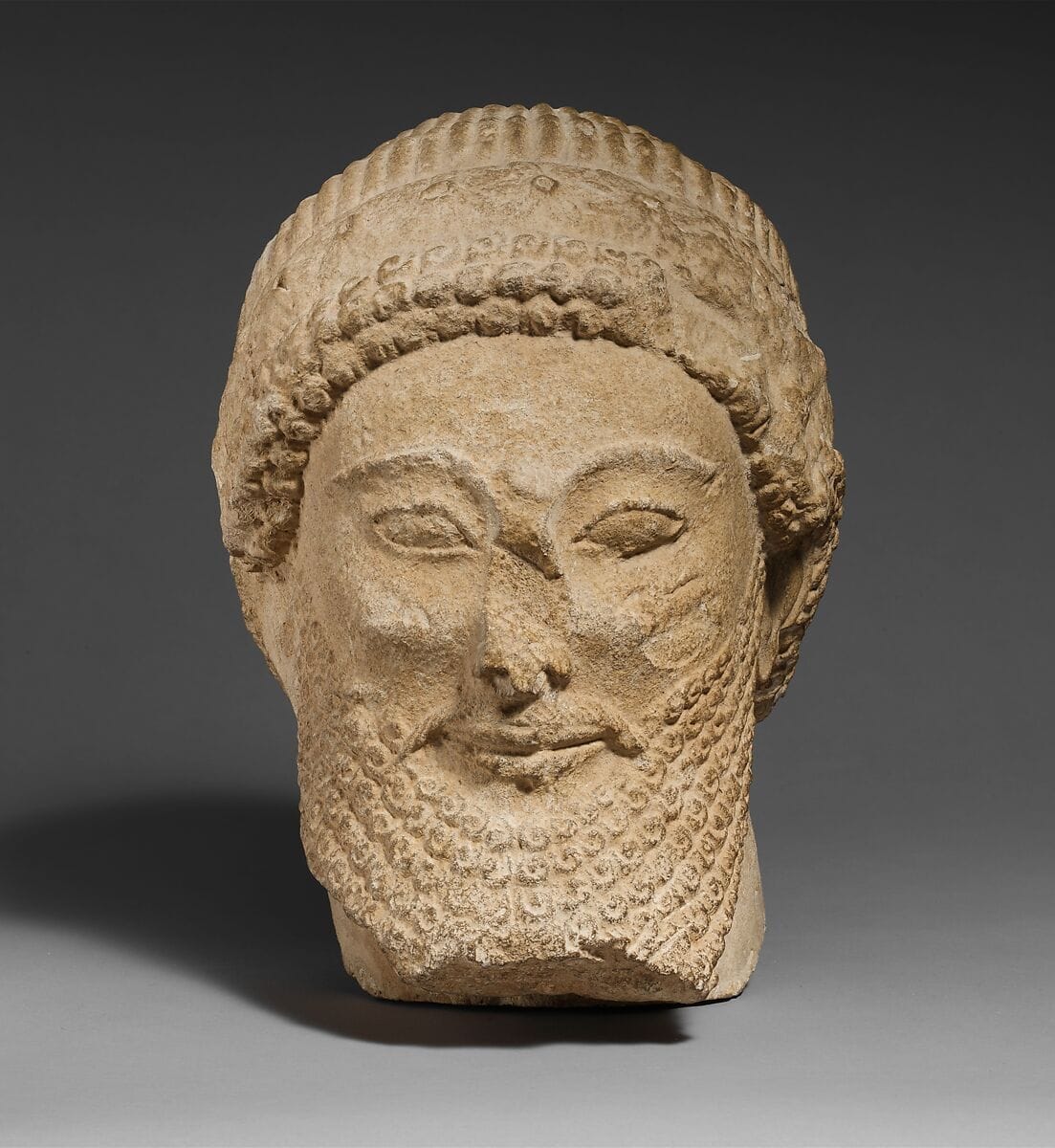
Limestone head of a bearded male with a wreath of flowers
Archaic II
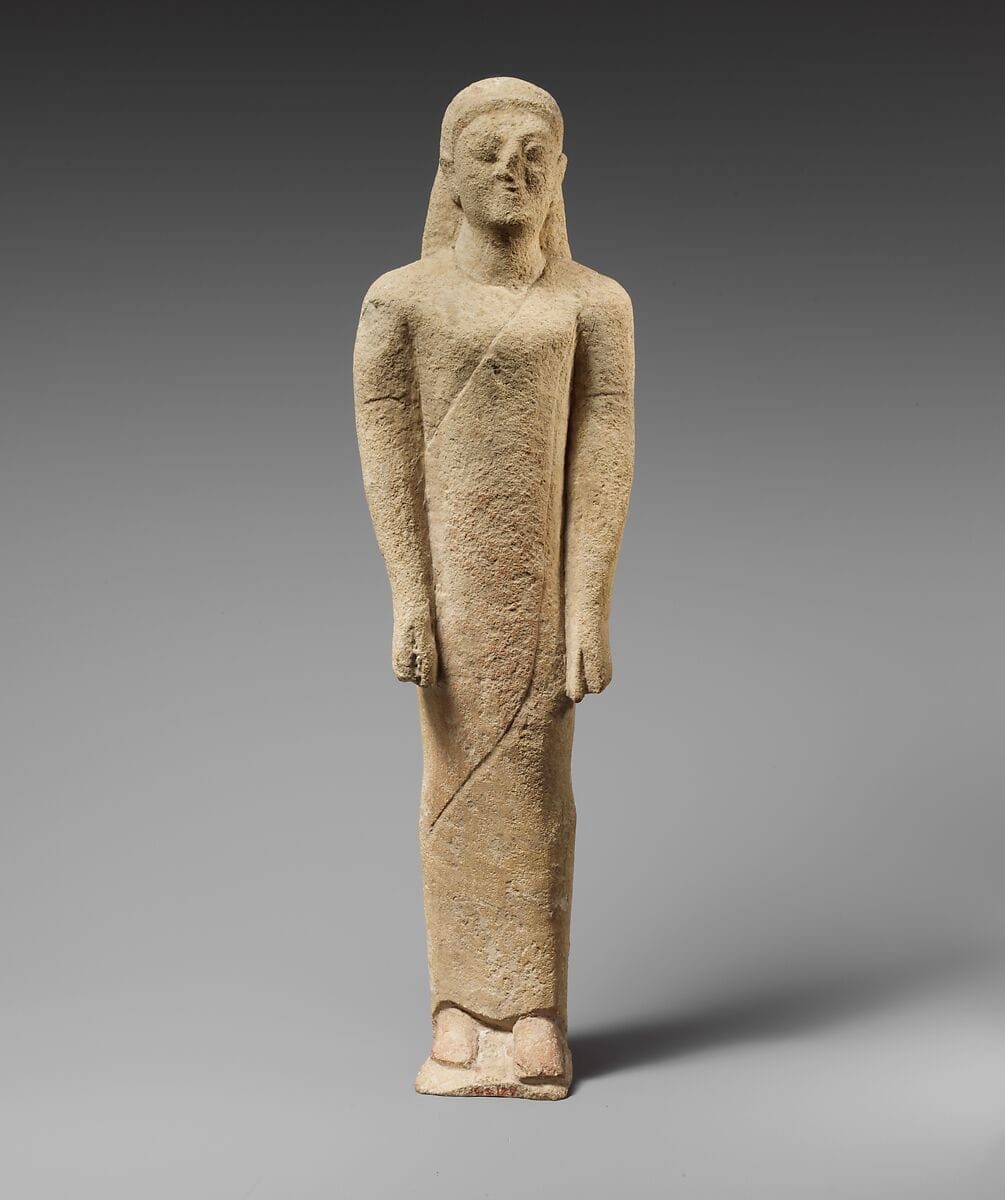
Limestone statuette of a beardless male votary in Greek dress
Archaic II
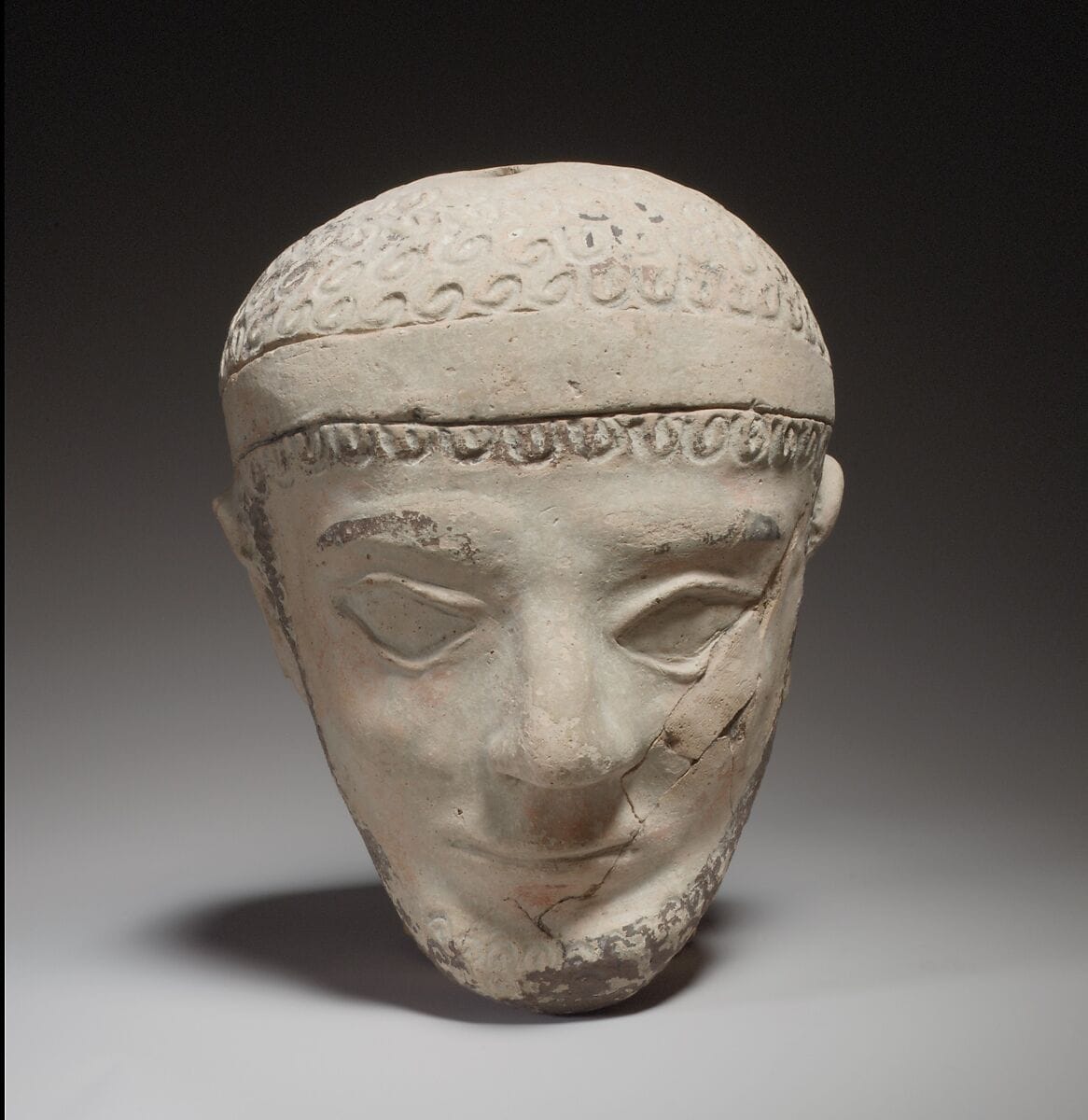
Terracotta head of a man
Archaic II
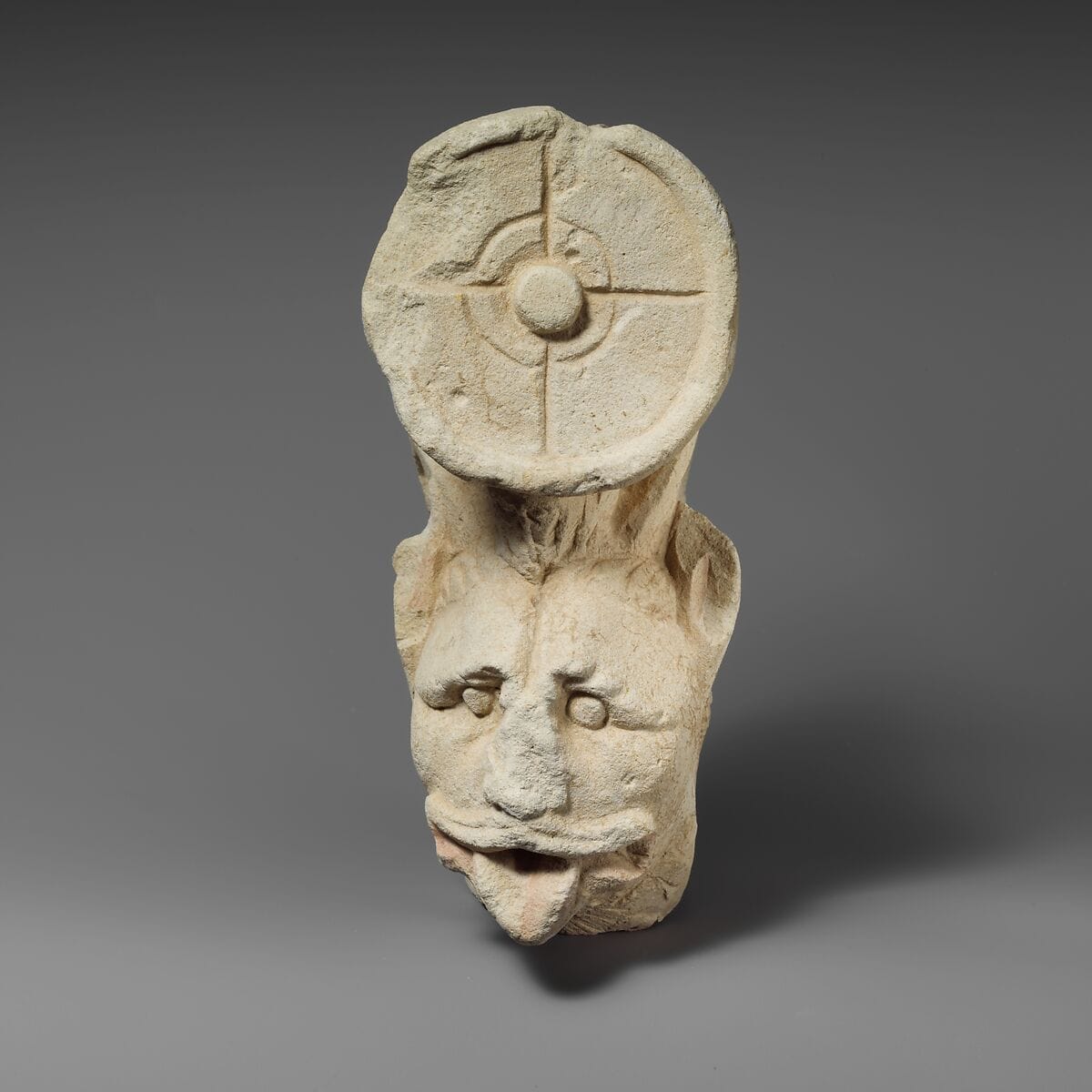
Fragment of a limestone throne (?) with the head of a horned lion
Roman
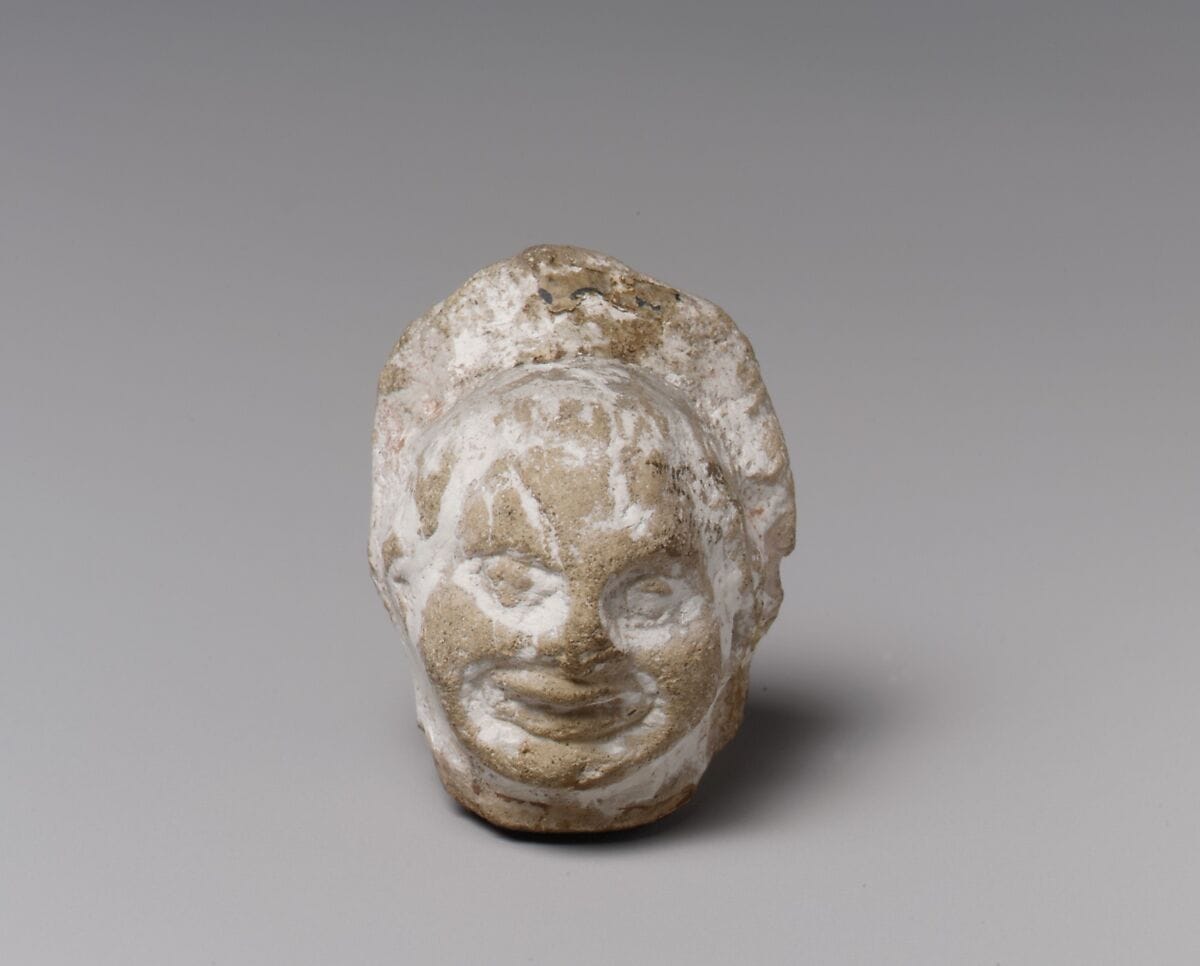
Head of a comic figurine
Hellenistic
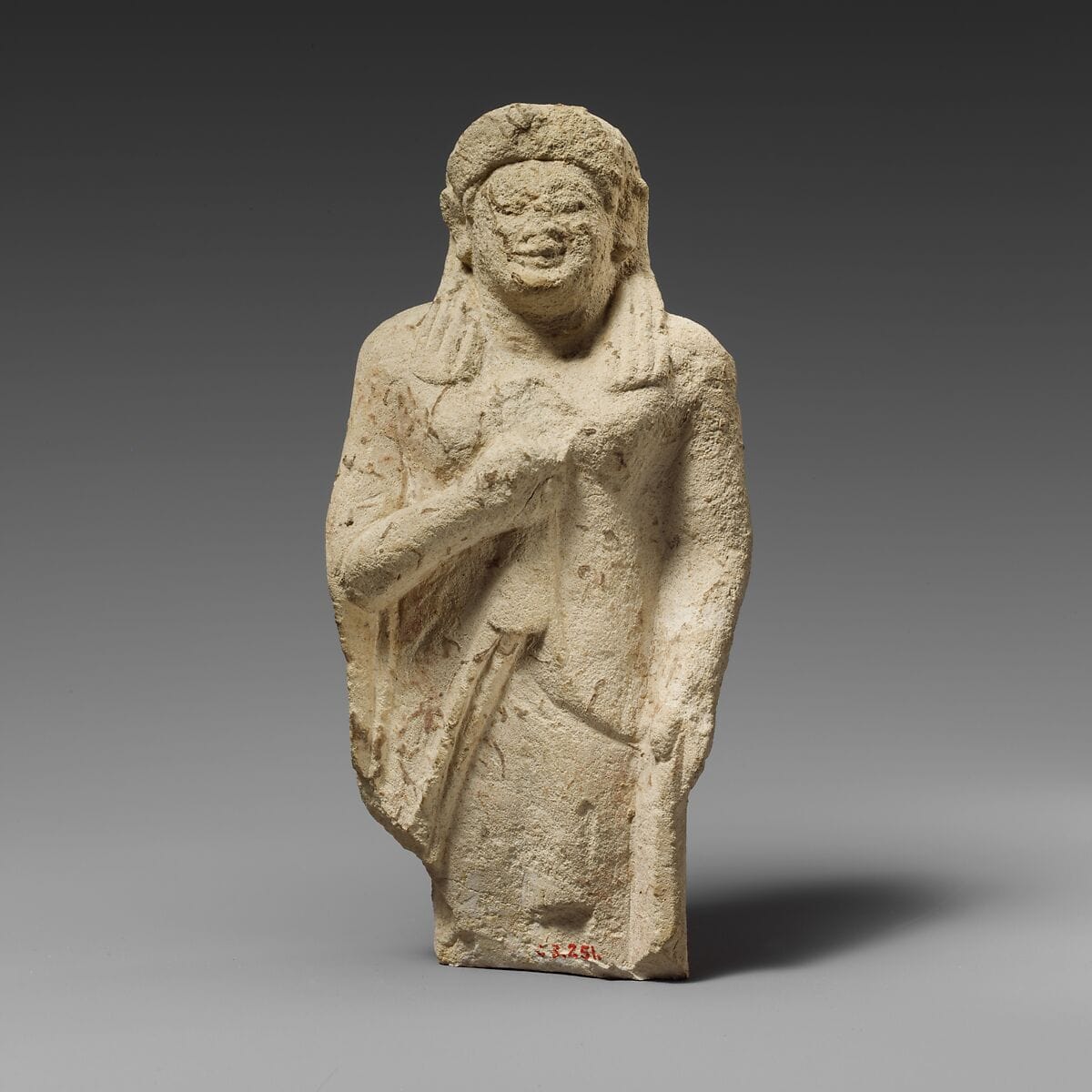
Limestone statuette of a female votary of the kore type
Archaic II
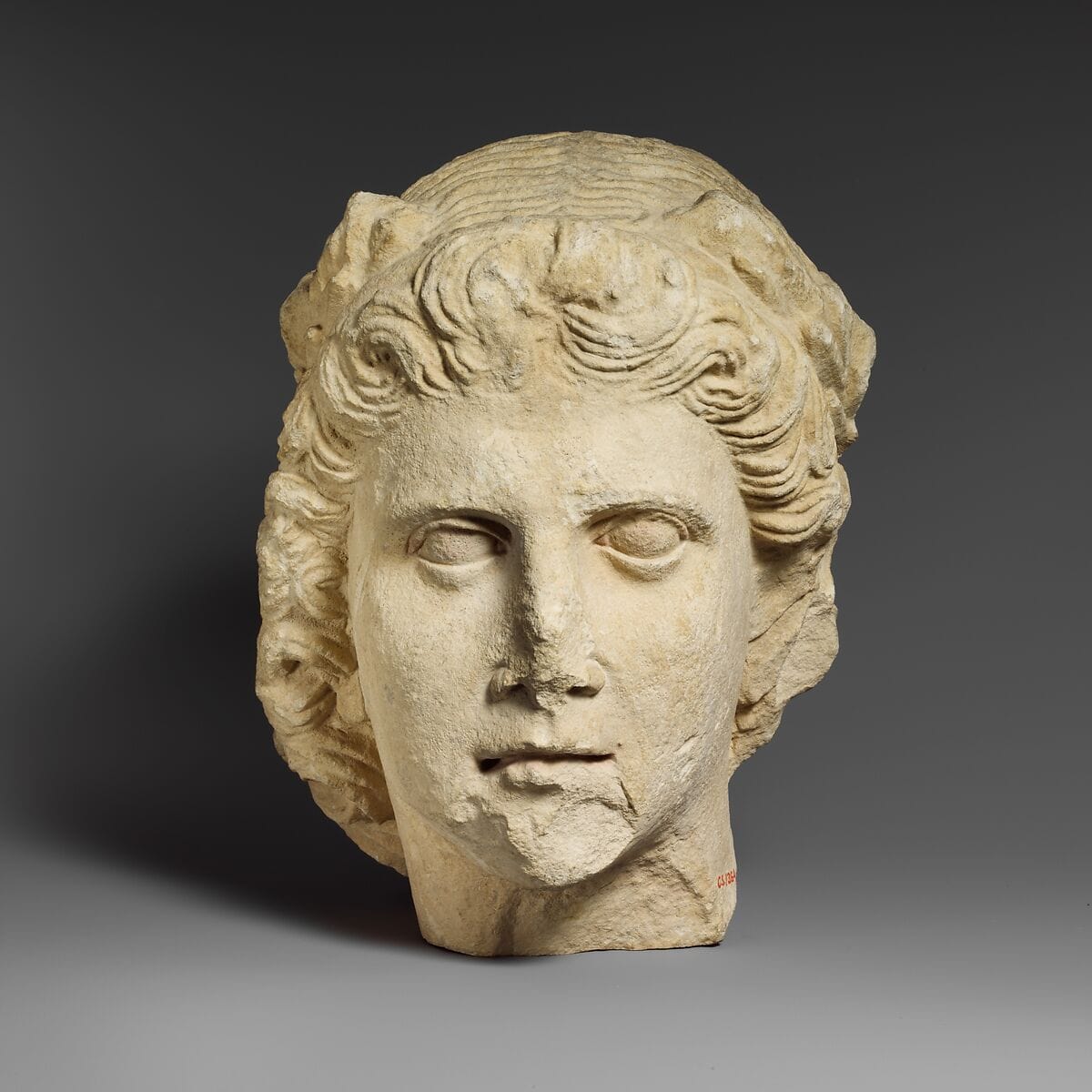
Limestone head of Apollo
Hellenistic
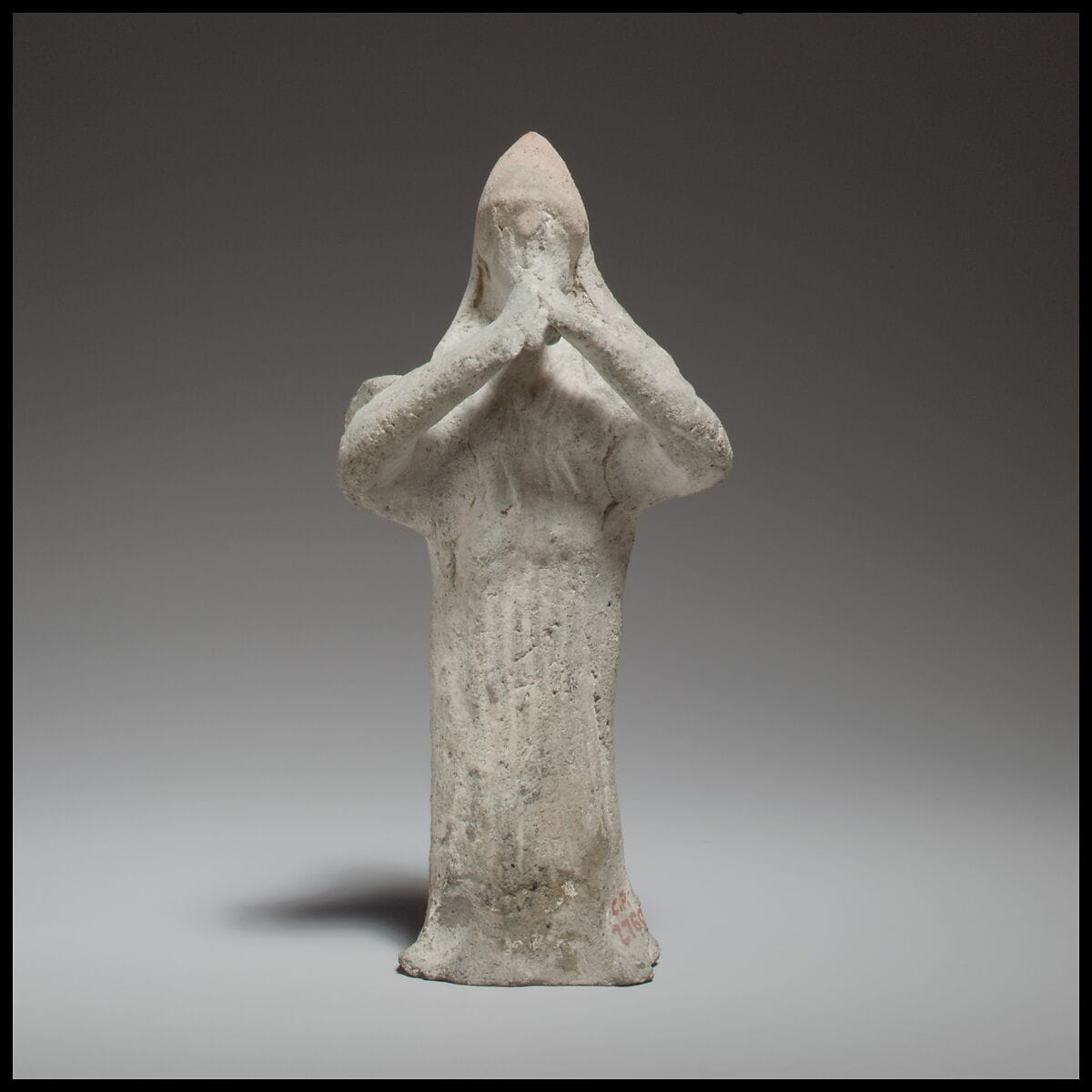
Standing female flute player
Classical
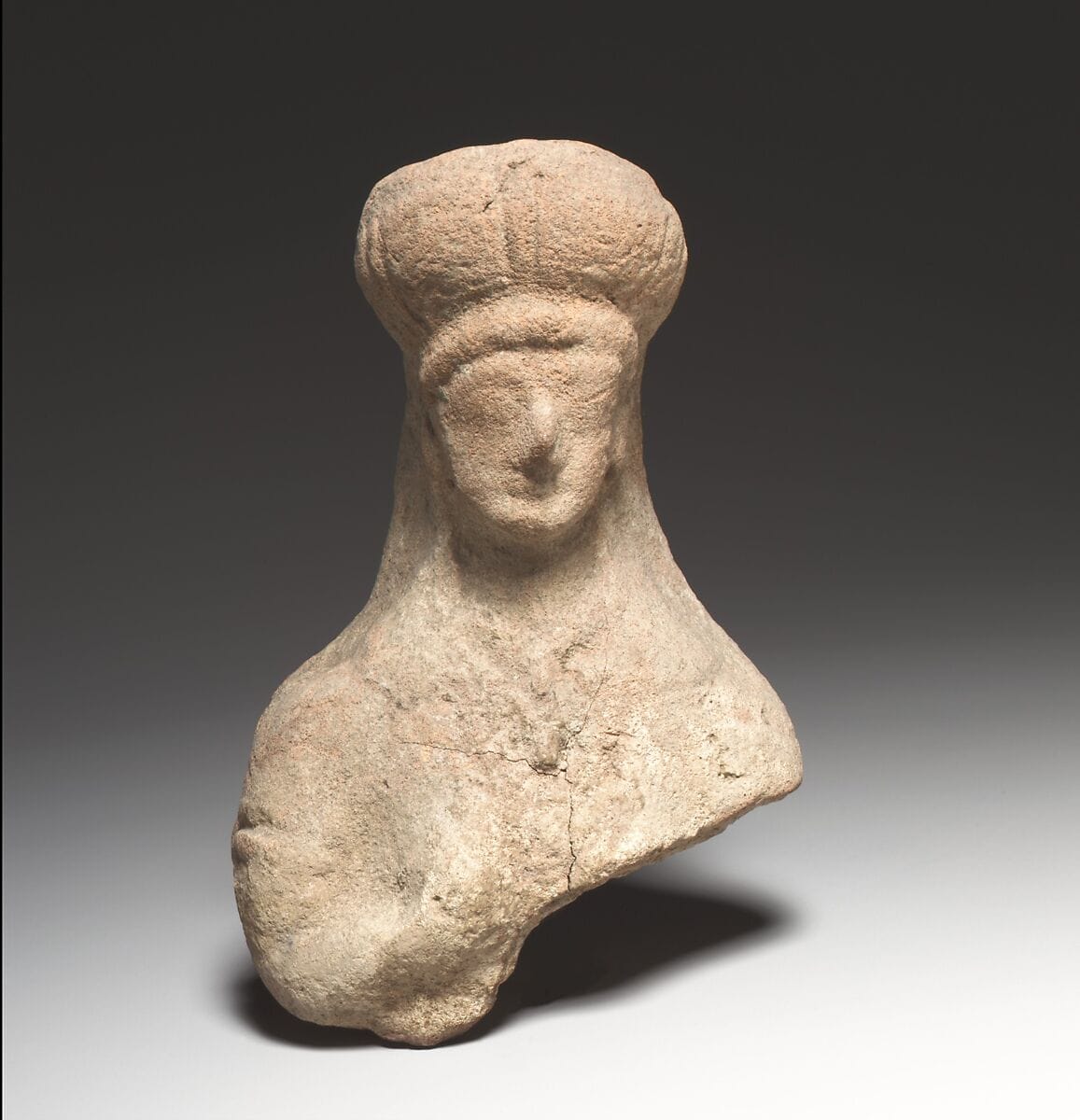
Standing female figurine
Archaic II
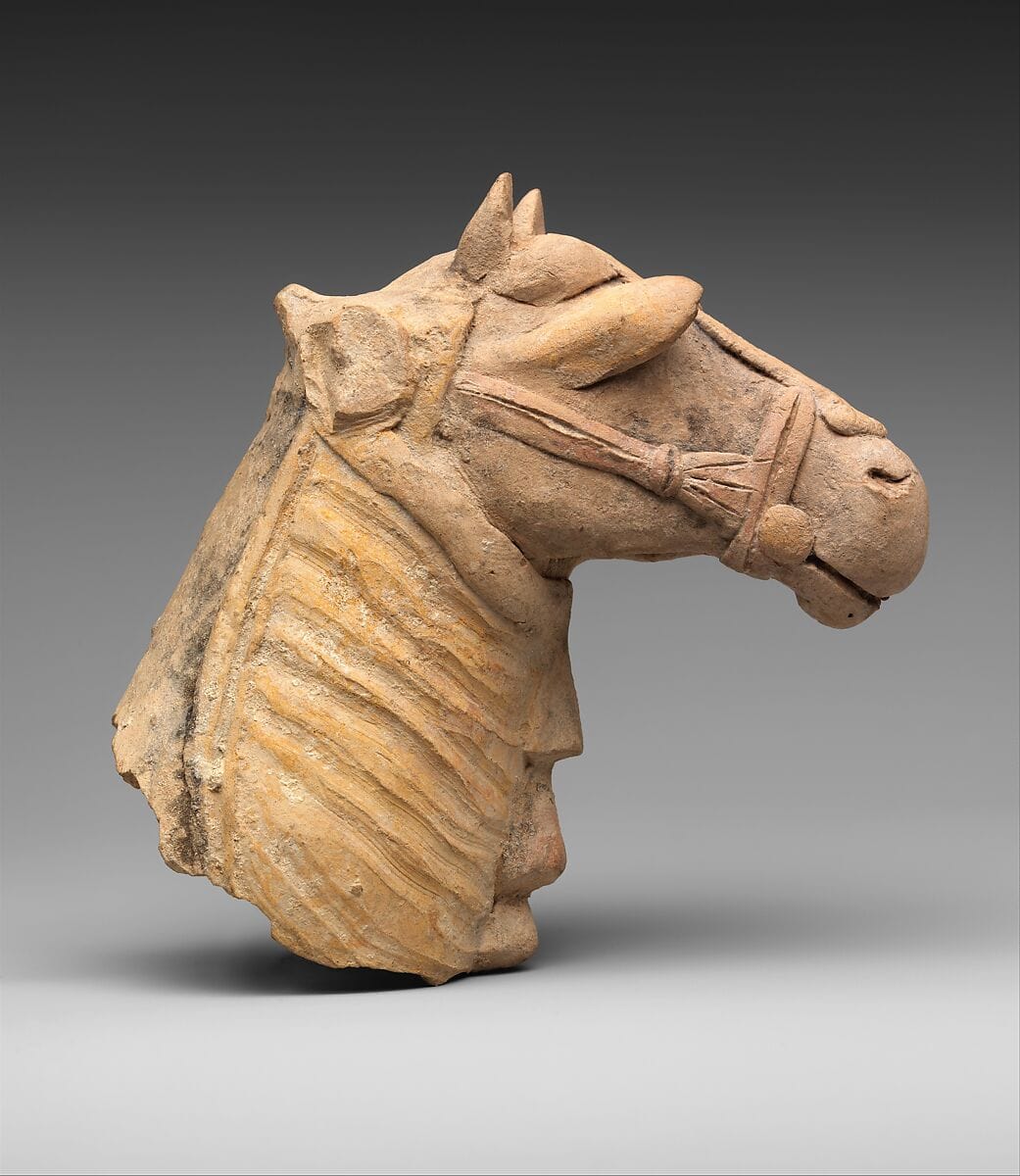
Horse's head with harness
Archaic II
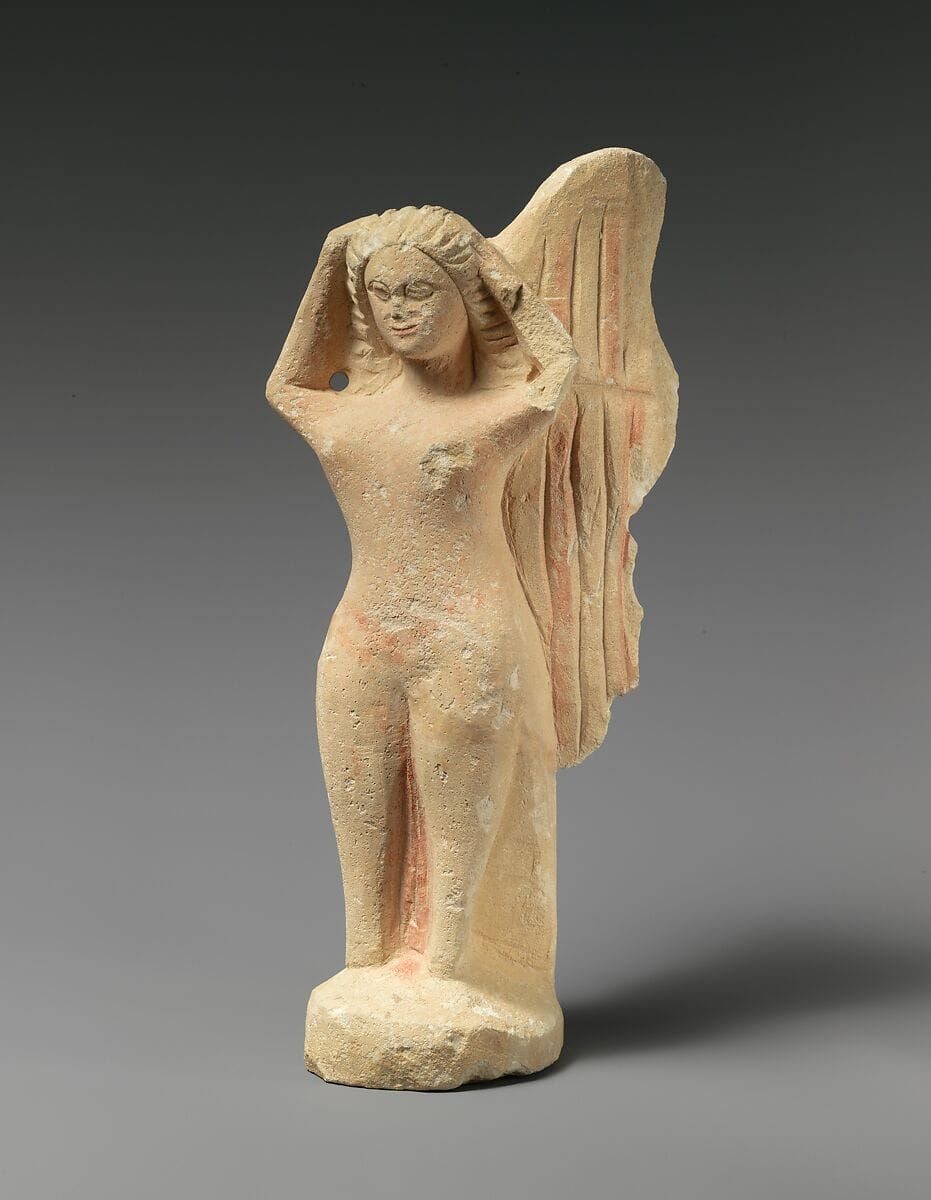
Limestone statuette of a mourning siren
Hellenistic
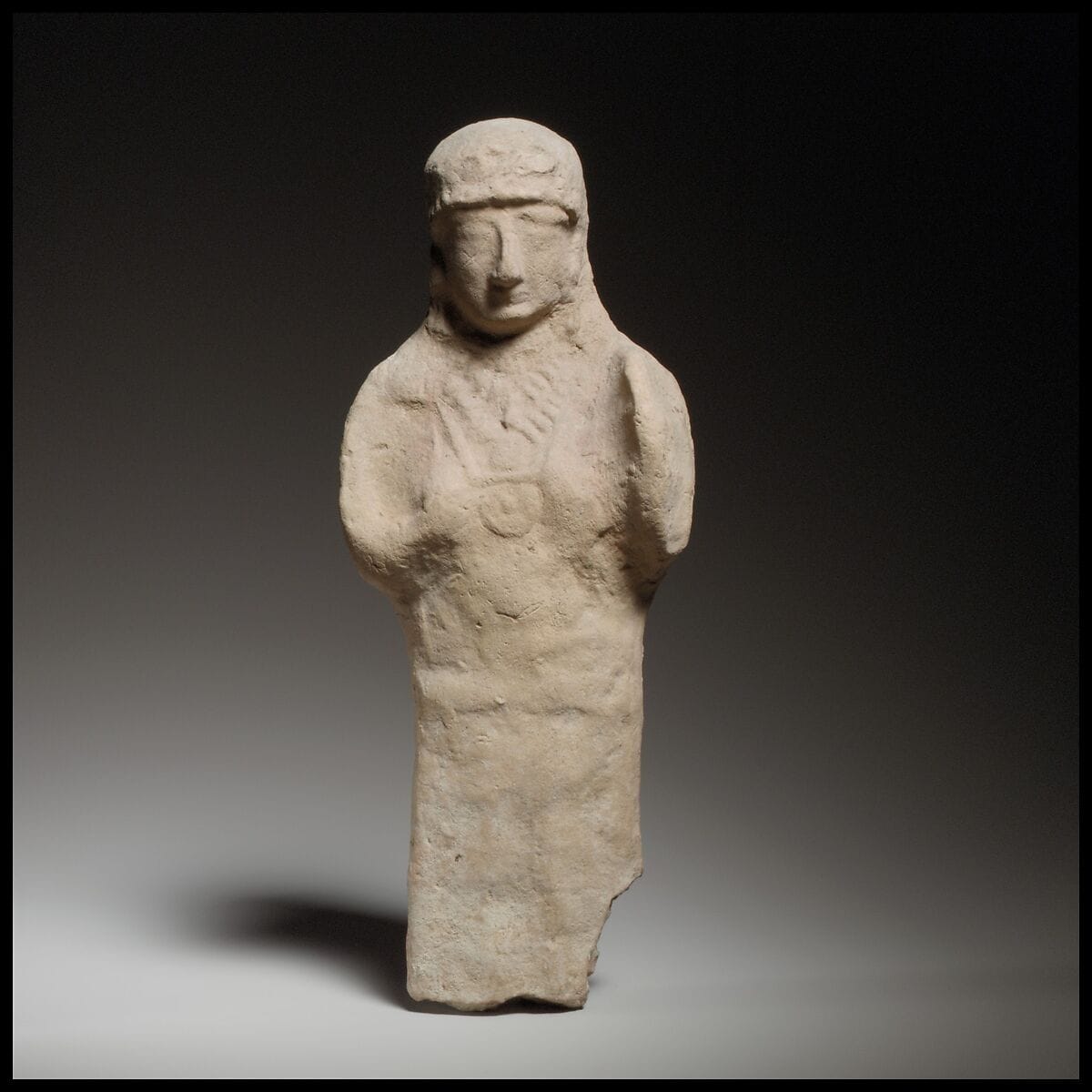
Standing female figurine
Archaic II
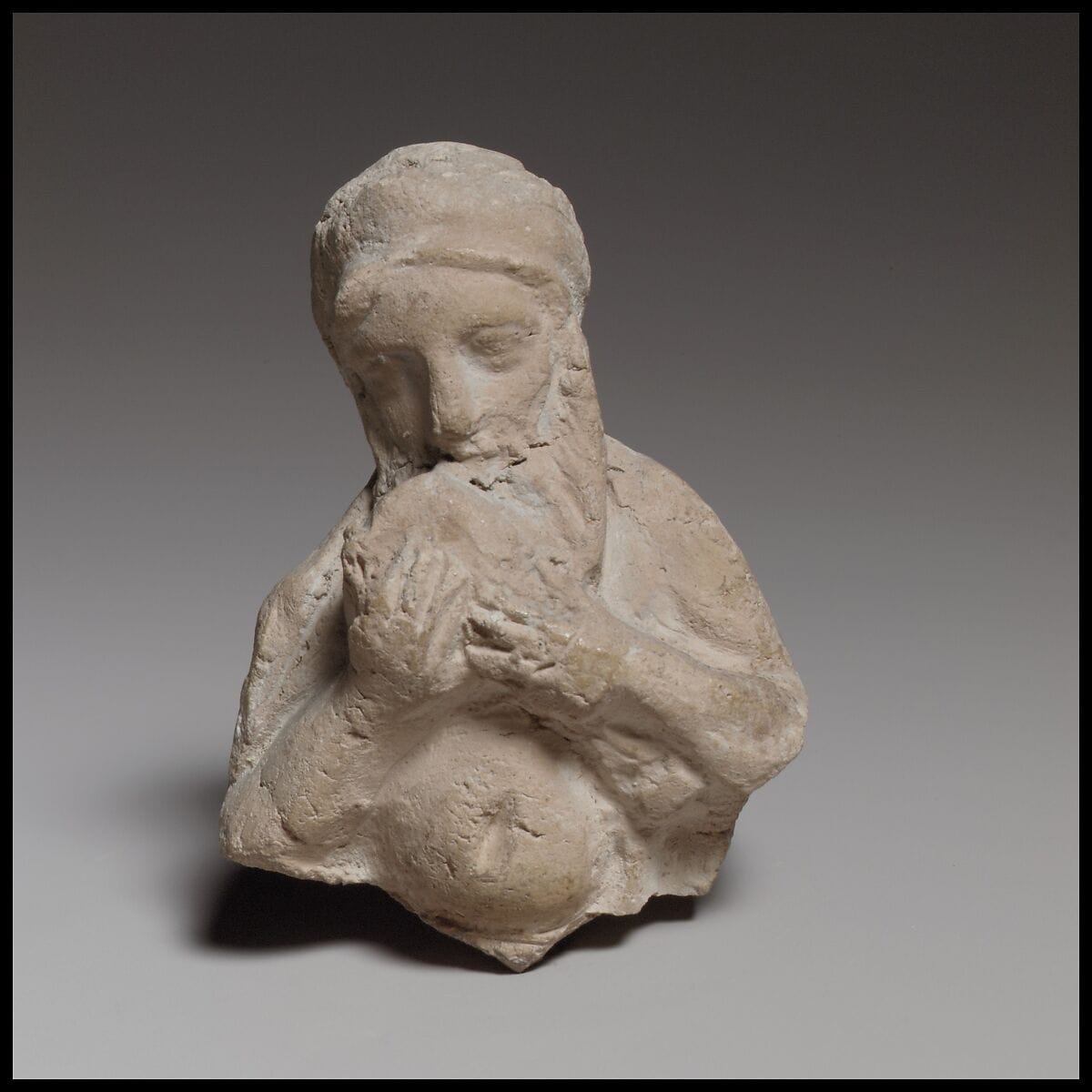
Terracotta statuette of Silenos (?) drinking
Hellenistic
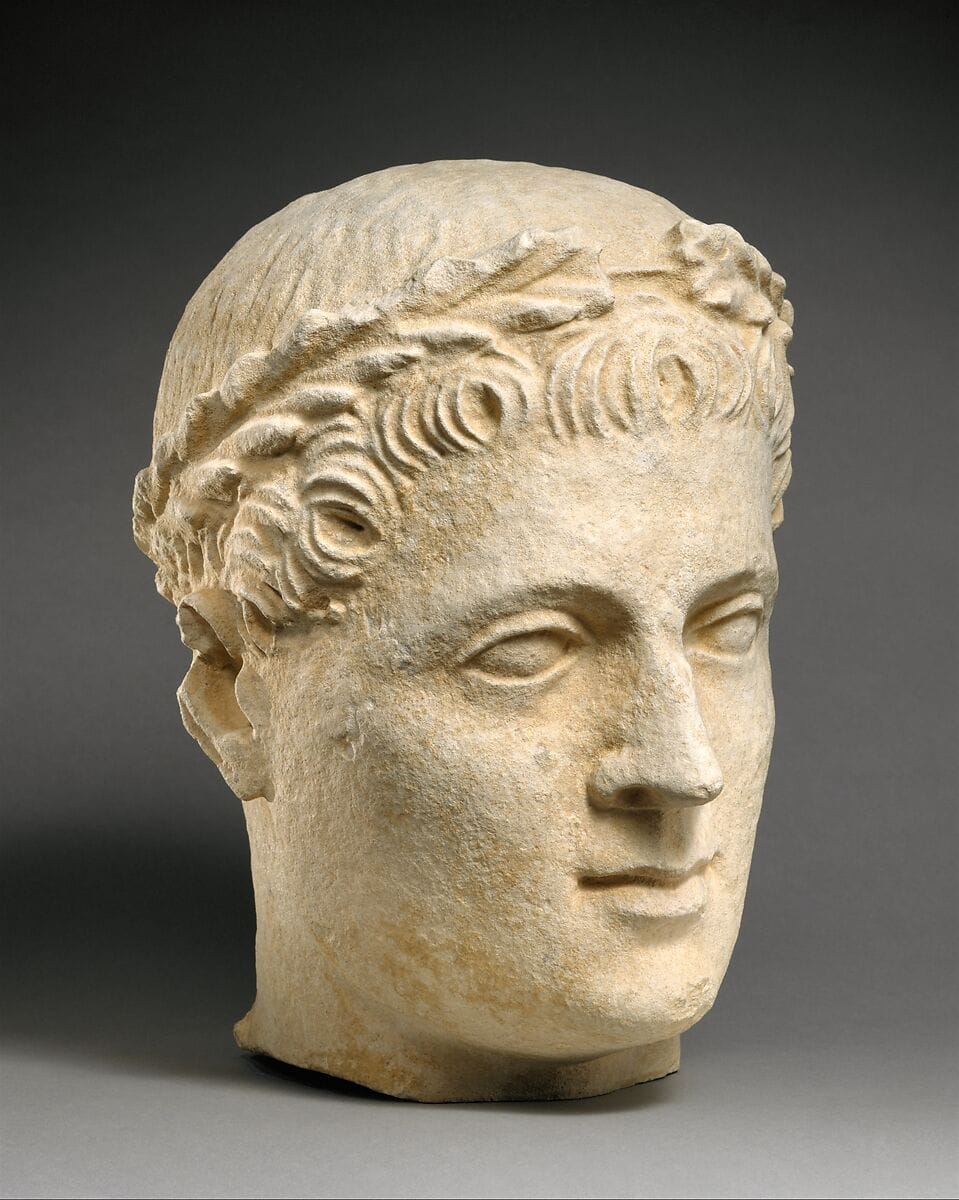
Limestone head of beardless male votary with wreath of leaves
Hellenistic
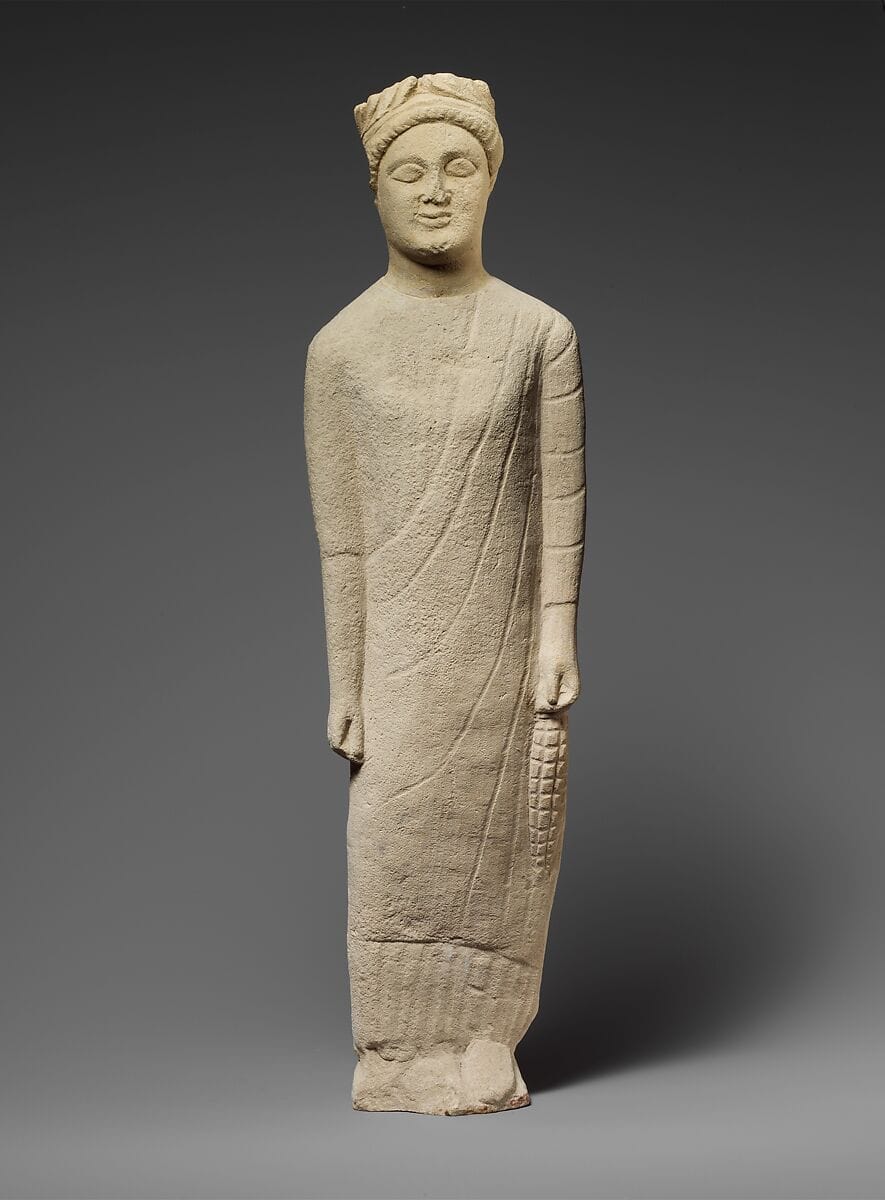
Limestone statuette of a beardless male votary with a wreath of leaves
Classical