
Middle Bronze Age II
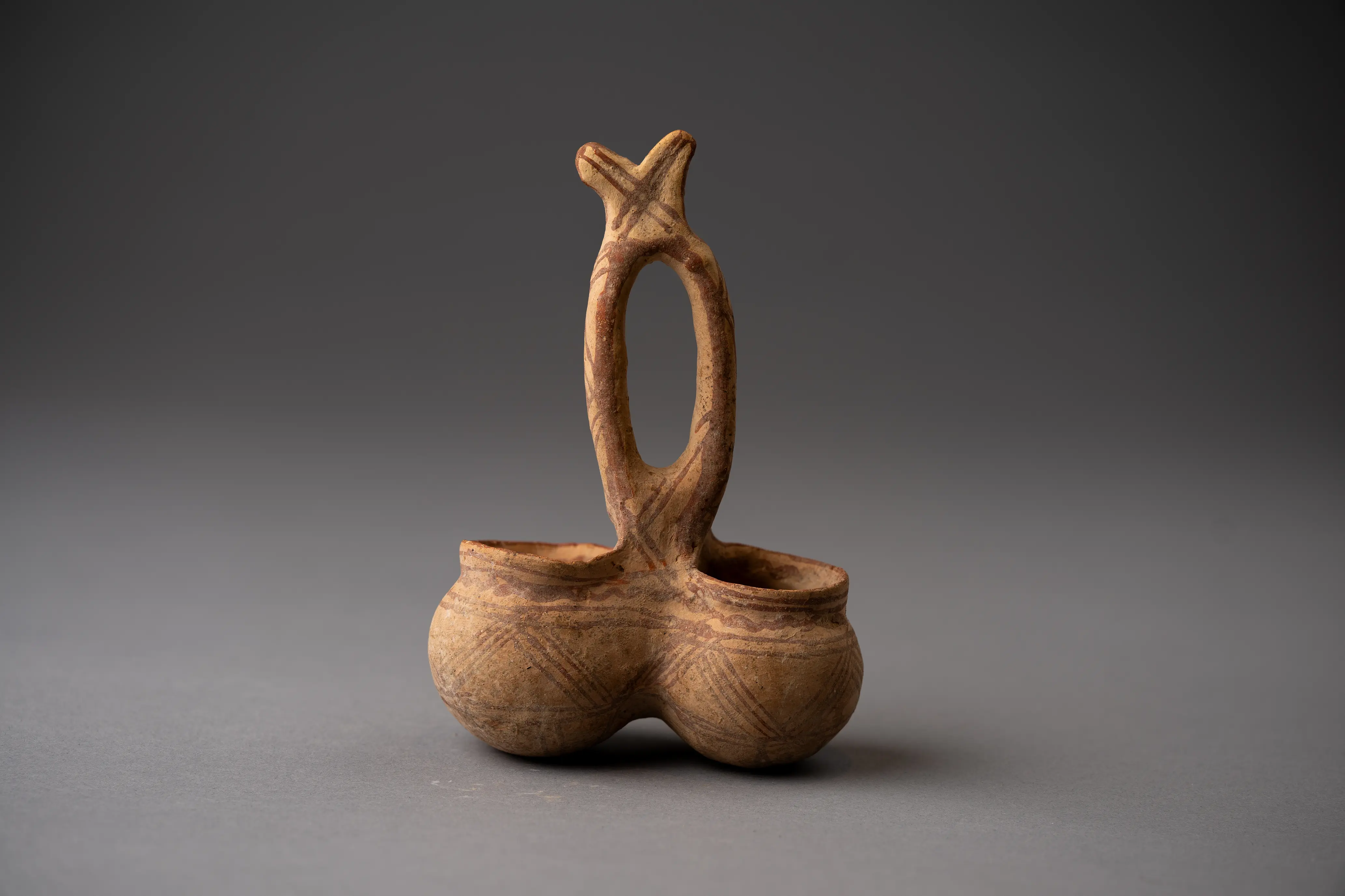
White Painted Double Bowl with Tall Loop Handle
Two joined globular White Painted bowls beneath a tall loop handle with a forked finial, painted with wavy lines and lattice lozenges.
Date
1850 - 1650 BC
Accession No.
BWL-BA-016
Collection
Alexis Drakopoulos
Provenance
- 1965–2025, The Goodman Collection (acquired between 1965 and 1969)
- 2025–present, Alexis Drakopoulos, London
Middle Cypriot II–III, c. 1850–1650 BCE · White Painted III–IV ware · Handmade
Two small globular bowls, joined along their sides, each with a round base and a short, slightly everted collar rim. From the point where the rims meet rises a single tall, narrow loop handle, open in a long oval, which ends in a forked finial of two short splayed arms.
The decoration is in brown matt paint, now faded, on a buff surface with darker patches. A wavy line runs round each collar above encircling lines, and on each body crossing bands of parallel oblique lines build a loose lattice of lozenges. The handle is striped with oblique strokes, crossed at its base, and the finial carries a painted X. The vessel appears intact.
Commentary
Composite vessels, in which two or more small bowls or jugs share a common handle, are one of the distinctive forms of Cypriot Bronze Age pottery. Frankel's glossary of White Painted shapes treats them as a class of their own [4]. The form was taken over from Red Polished III coupled vases of the late Early Cypriot and early Middle Cypriot periods and continued in White Painted.
The best published parallel is a White Painted III–IV double bowl in the Severis Collection, Nicosia, dated Middle Cypriot II–III and described as two bowls "joined by a common raised vertical loop handle, now missing", decorated in matt brown paint [1]. The present piece keeps the handle that the Severis bowls have lost, and shows how that element could dominate the vessel. A pair of joined White Painted bowls in the Ashmolean Museum is dated Middle Cypriot III [2]. At the grander end of the series stands a coupled vase from Lapithos Tomb 319, three deep globular bowls around a tall staff-shaped handle, catalogued as White Painted II and dated Middle Cypriot I–II [3]. The same idea of a tall central handle rising above small containers links all of them.
The dark matt paint, the wavy line under the rim and the lattice of crossed oblique bands fit the White Painted III–IV stage in Åström's scheme, which he placed in Middle Cypriot II–III [5]. The numbered classes are approximate and overlap between authorities, so a range is given here. No find-spot is recorded for this vessel.
The forked finial may be a schematic animal or bird head, or simply a flourish for the thumb. Similar double bowls on display in the Pierides Museum, Larnaca, are joined by handles in zoomorphic or anthropomorphic form, which makes a figural reading possible here, but the finial is too abstract to name. The function of such vessels is also open. Two linked cups suggest serving or offering two substances side by side, yet we know of no residue analysis for the type, and most examples come from tombs.
References
- 1.Karageorghis, V. (2010) Ancient Cypriote Art in the Severis Collection. 2nd edn. Nicosia: A.G. Leventis Foundation, Supplement no. S.5.
- 2.Oxford, Ashmolean Museum, AN1885.540. White Painted double or joined bowls, Middle Cypriot III, H. 5.33 cm, W. 13.2 cm.
- 3.Gjerstad, E., Lindros, J., Sjöqvist, E. and Westholm, A. (1934) The Swedish Cyprus Expedition I: Finds and Results of the Excavations in Cyprus 1927–1931. Stockholm: Swedish Cyprus Expedition, Lapithos Tomb 319, Chamber B, no. 44 (pp. 128–132); = Stockholm, Medelhavsmuseet, L. 319B:044.
- 4.Frankel, D. (1974) Middle Cypriot White Painted Pottery: An Analytical Study of the Decoration. Studies in Mediterranean Archaeology 42. Göteborg: Paul Åströms Förlag, pp. 32–36.
- 5.Åström, P. (1972) The Swedish Cyprus Expedition IV:1B. The Middle Cypriote Bronze Age. Lund: Swedish Cyprus Expedition.
More from the Catalogue
Browse related objects
Amphoriskos
Archaic I
Askos in the form of a bird
Middle Bronze Age II
Askos
Middle Bronze Age II
Limestone votive vase fragment
Classical
Terracotta bil-bil
Late Bronze Age II
Terracotta zoomorphic askos (vessel)
Middle Bronze Age II
Amphoriskos
Archaic II
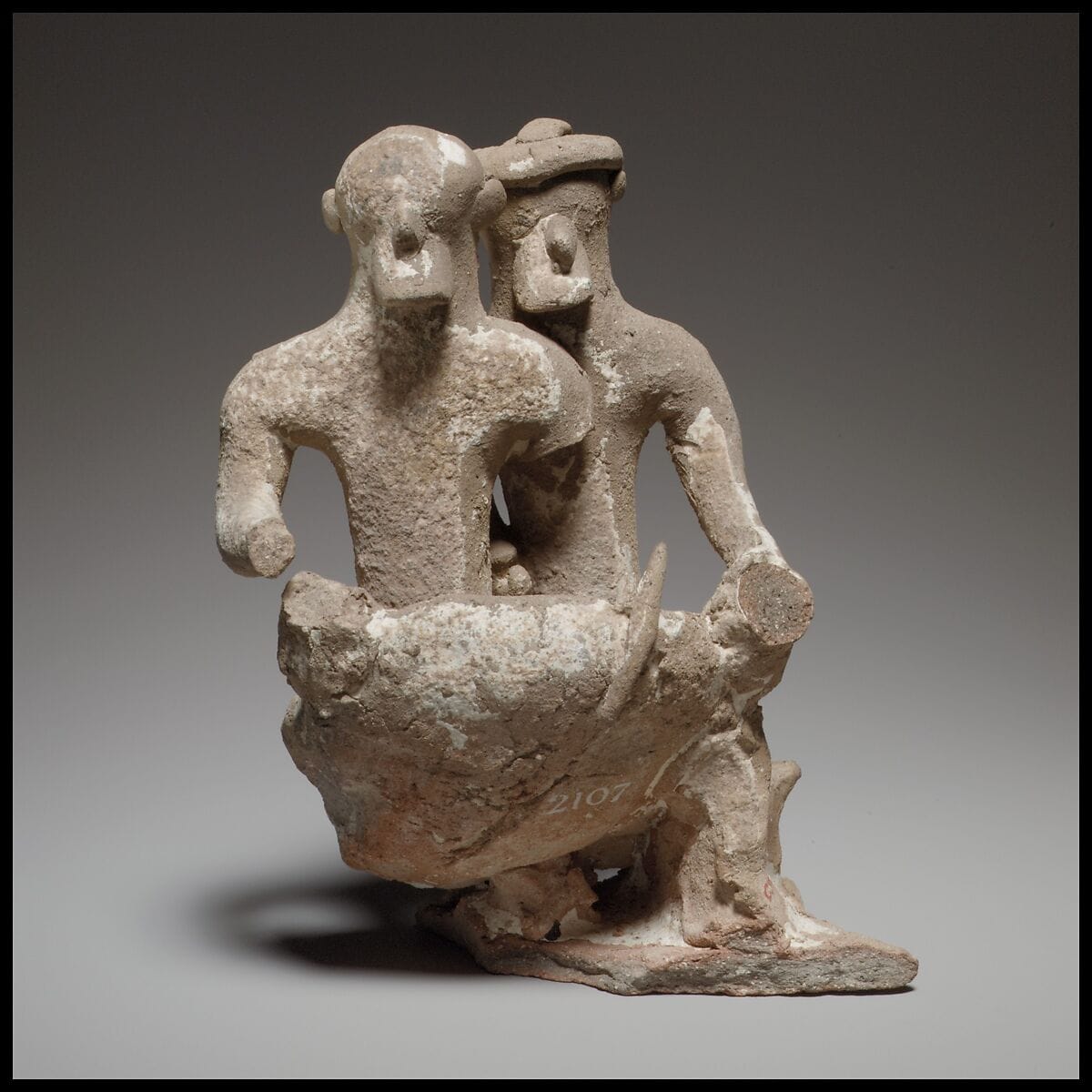
Model of a chariot with driver
Geometric II
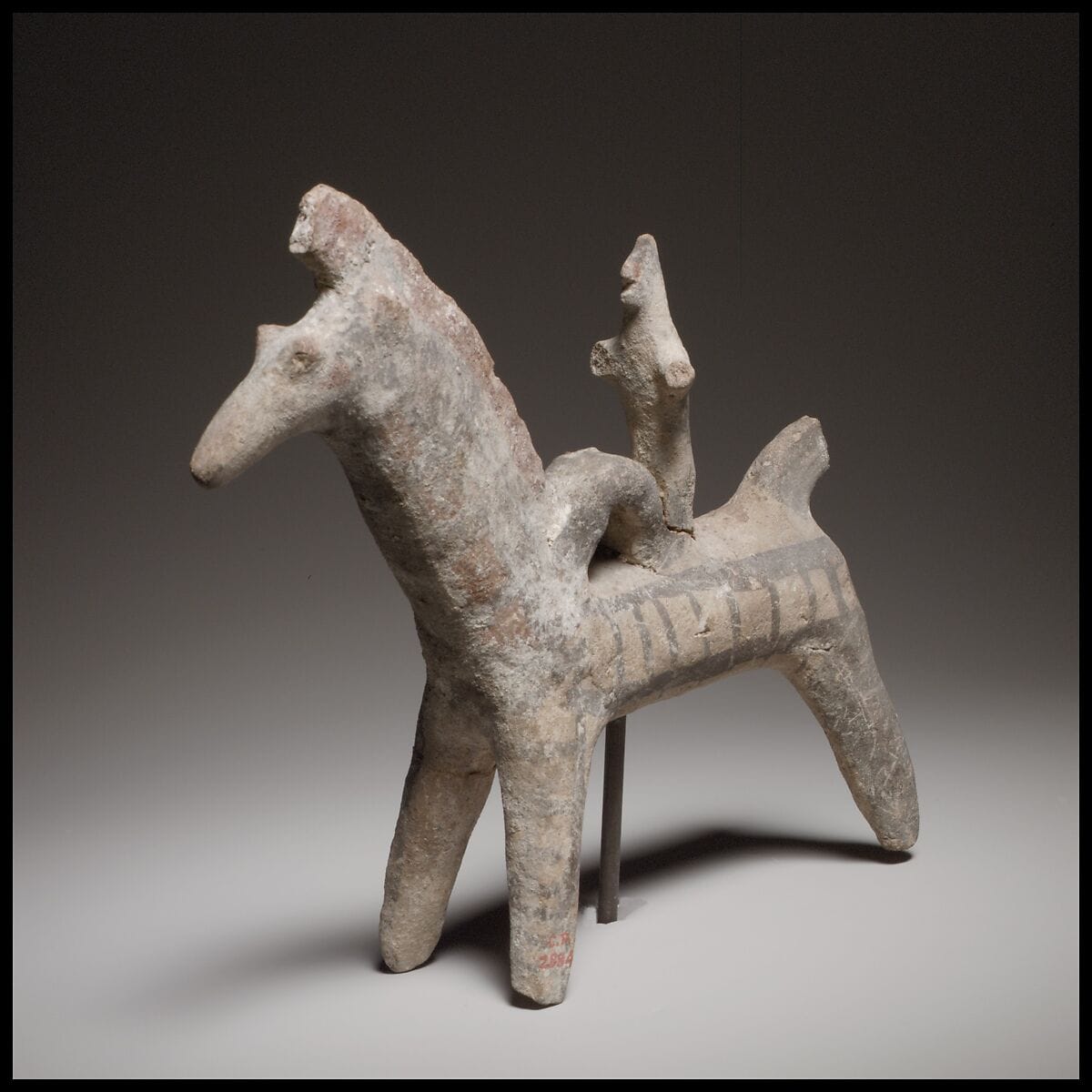
Horse and rider
Archaic I
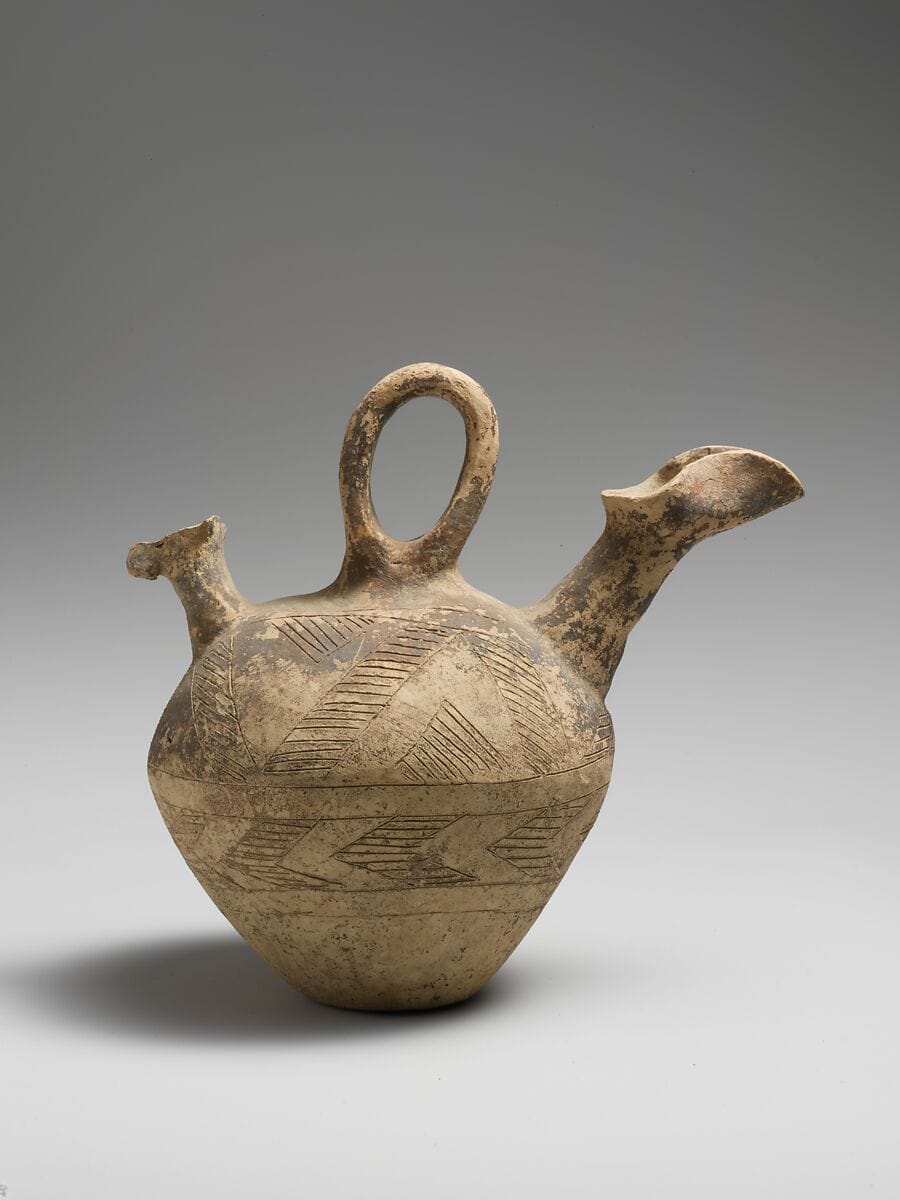
Terracotta zoomorphic askos (vessel)
Middle Bronze Age III
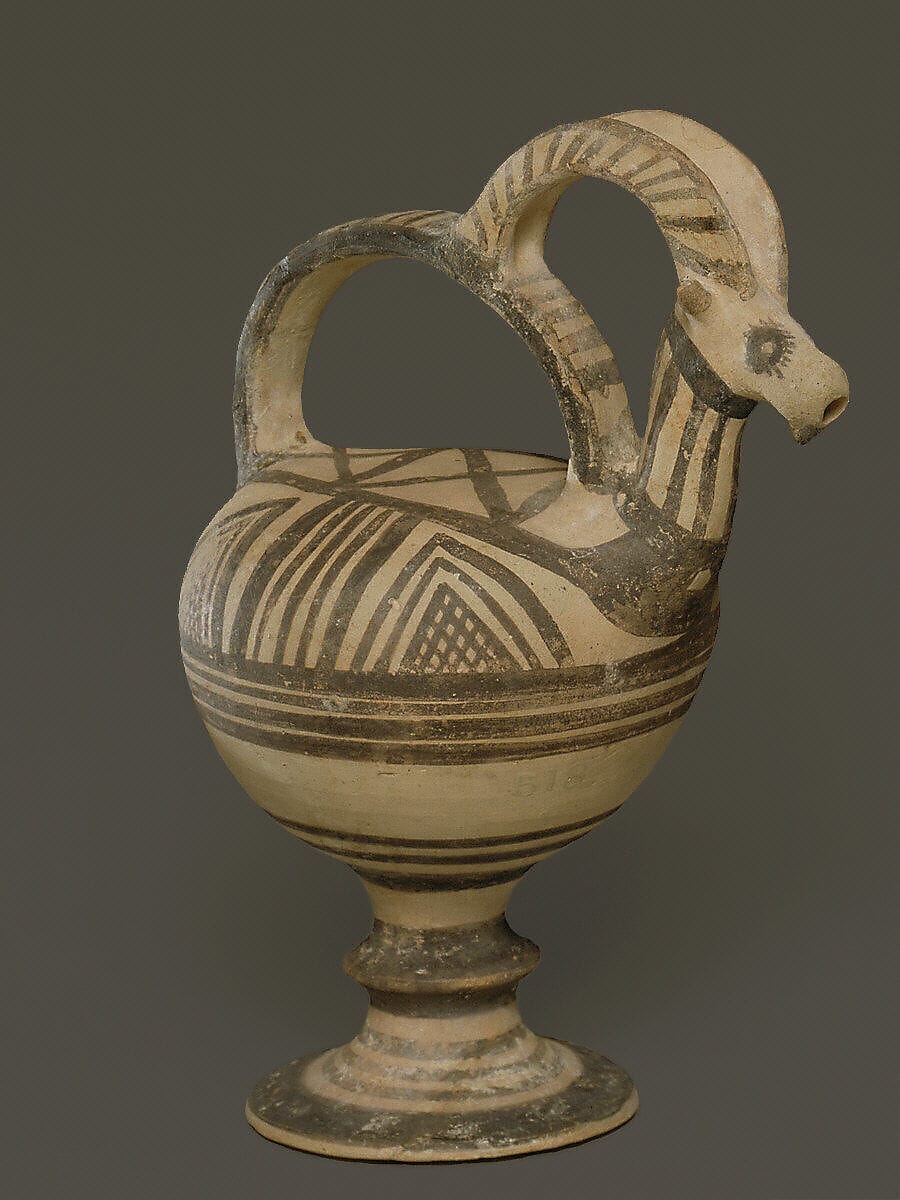
Terracotta trick vase
Geometric I
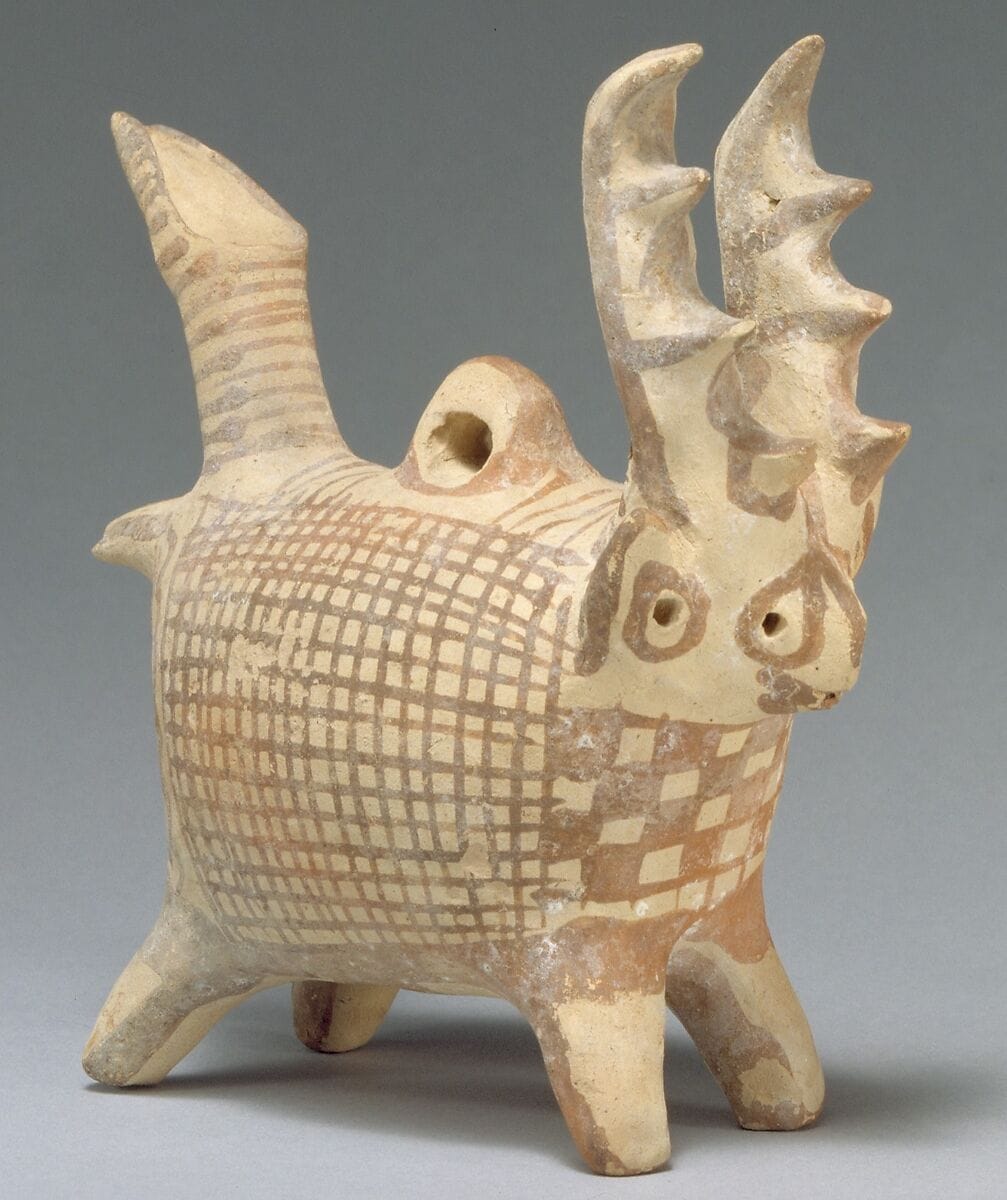
Terracotta zoomorphic askos (vessel) with antlers
Middle Bronze Age III
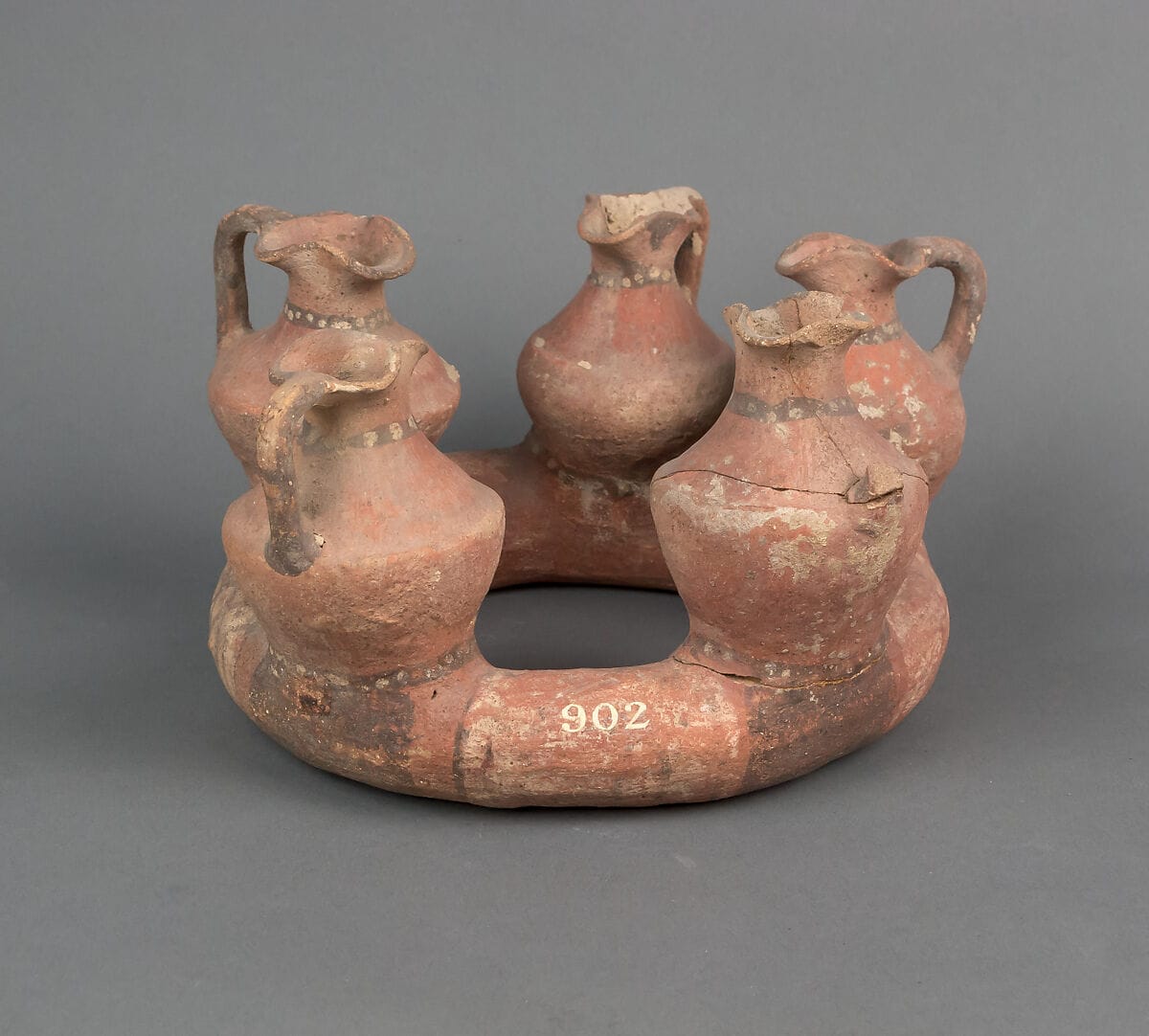
Ring-kernos
Archaic II
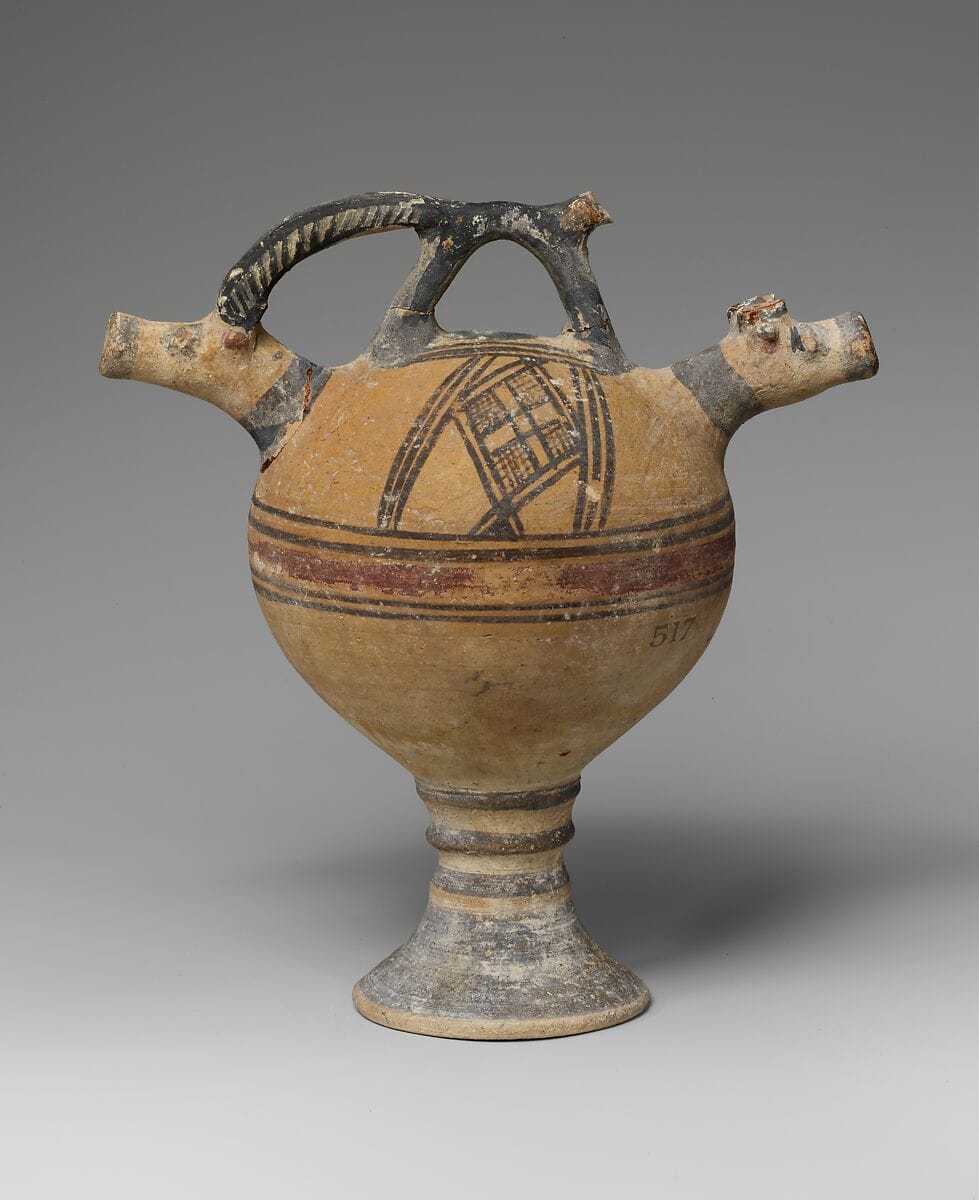
Terracotta vase on a high foot with two goats' heads in relief
Geometric I
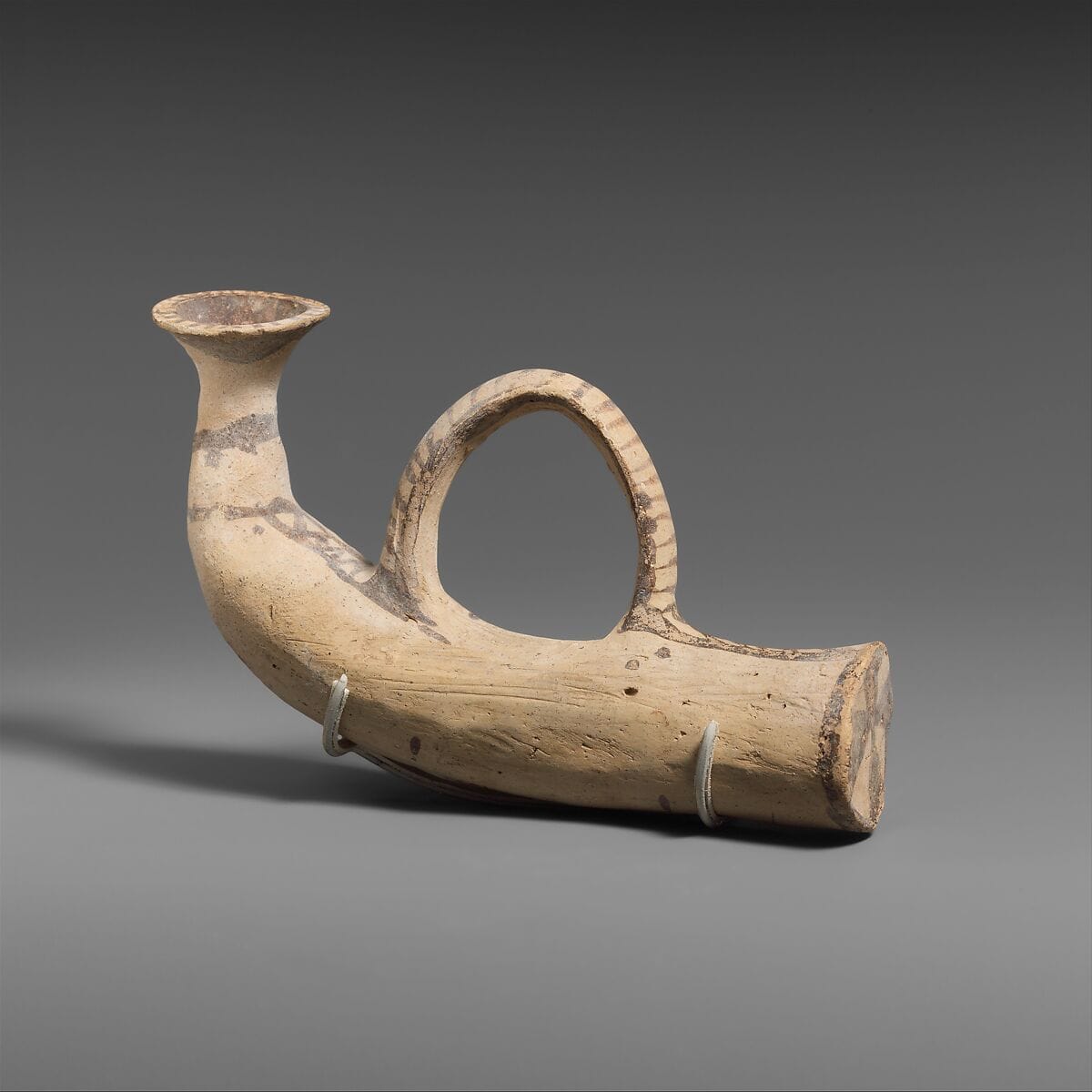
Terracotta vase in the shape of a horn
Geometric I
Askos in the form of an animal
Middle Bronze Age II
Terracotta double bil-bil
Late Bronze Age I
Limestone thymiaterion (incense burner)
Classical