
Early Bronze Age III
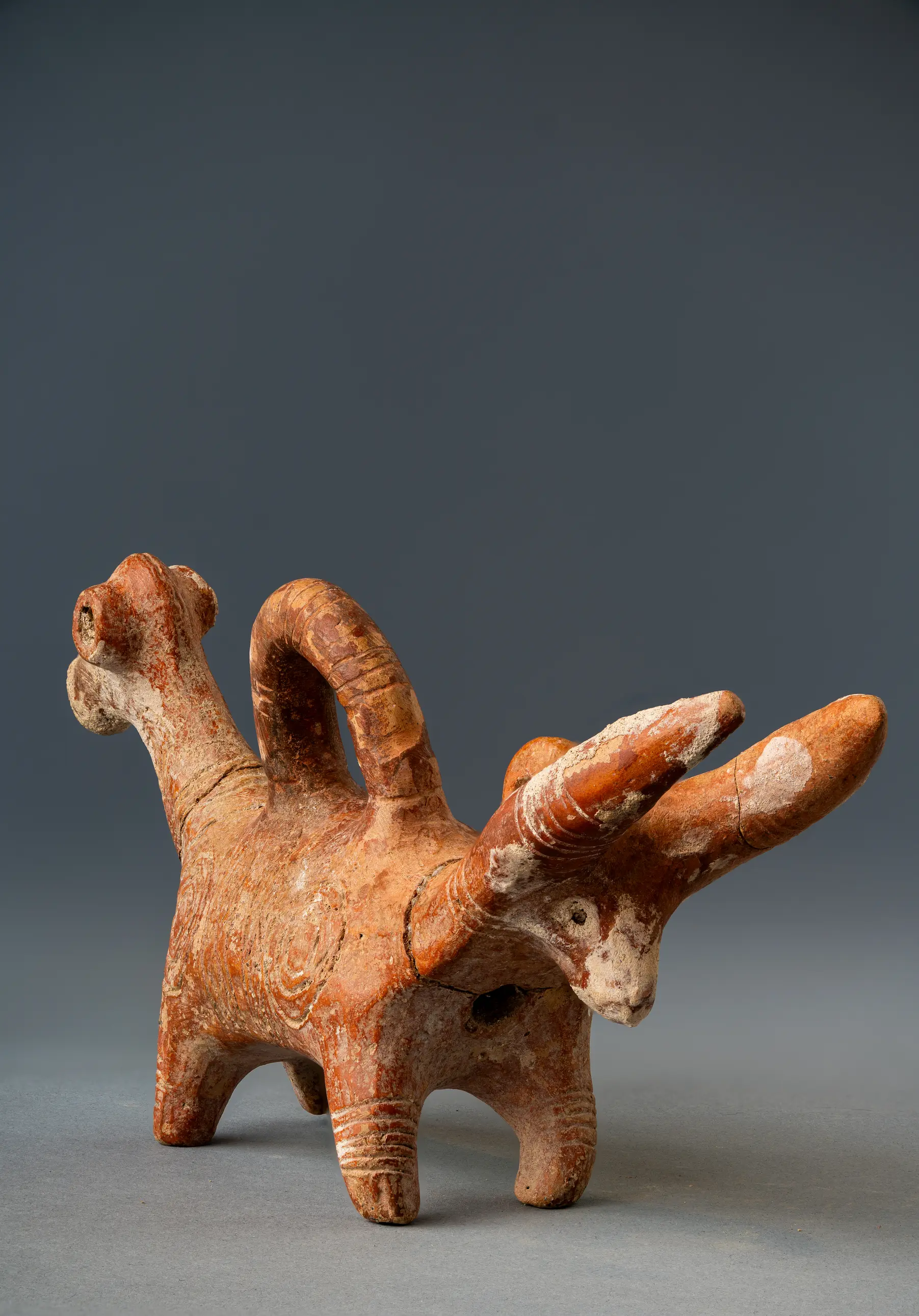
Red Polished Two-Headed Zoomorphic Askos with a Bull and a Long-Eared Head
Handmade Red Polished animal askos with a bull's head at one end and a long-eared donkey or deer head at the other, incised with white-filled circles. c. 2100–1850 BCE.
Date
2100 - 1850 BC
Accession No.
STA-BA-001
Collection
Alexis Drakopoulos
Provenance
- 1965–2025, The Goodman Collection (acquired 1965–1969; photographed 1969)
- 2025–present, Alexis Drakopoulos, London
Early Cypriot III–Middle Cypriot I, c. 2100–1850 BCE · Red Polished ware · Handmade, incised with white fill
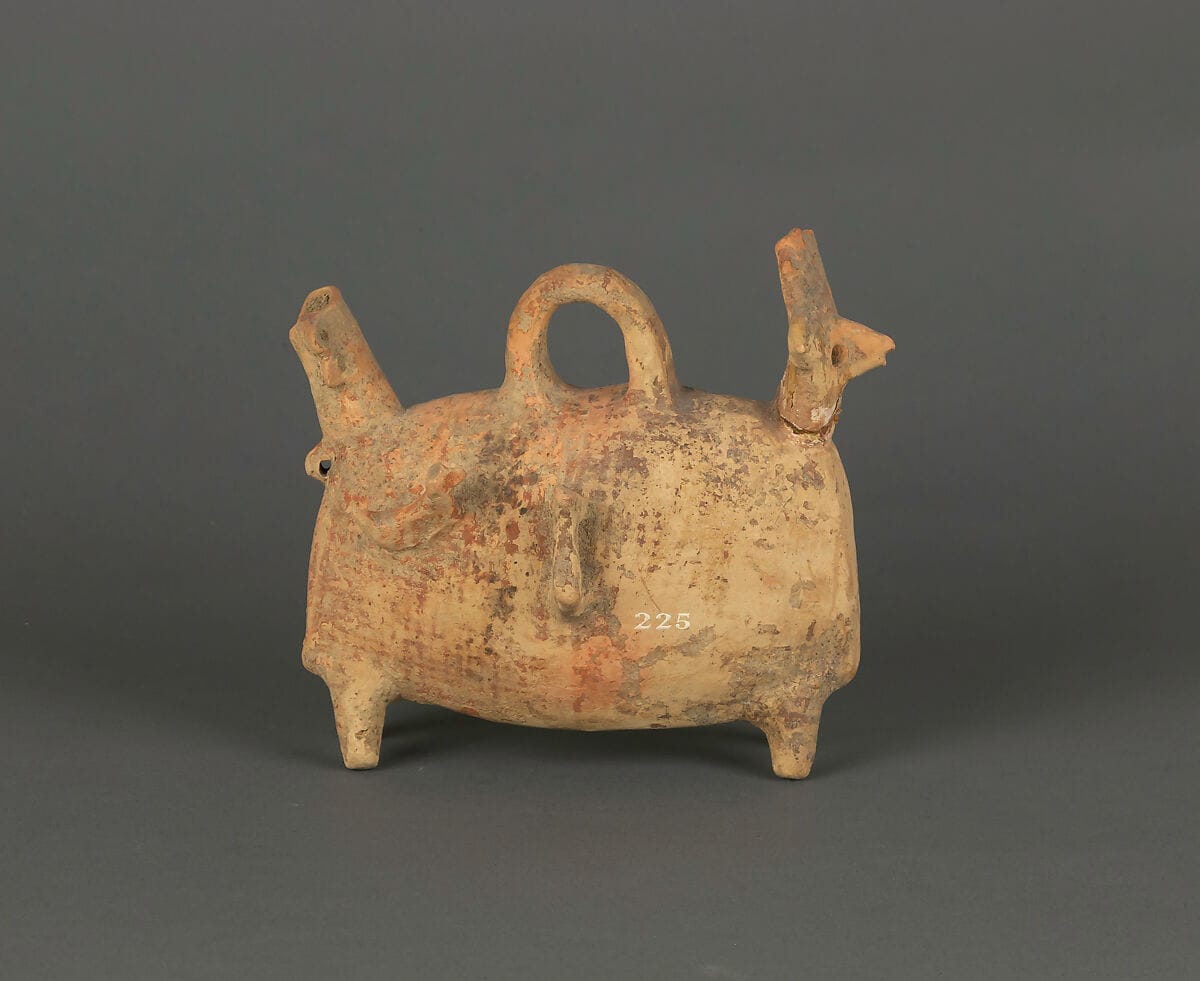
A hollow, barrel-bodied animal stands on four short stub legs, with a head at each end of the body and a tall loop handle arching over the spine. At one end is a bull: a broad white-washed muzzle, drilled eyes and two long horns thrust forward and outward. At the other a long neck carries a narrower head with round pierced ear-lugs, drilled eyes and a whitened muzzle marked in red. The burnished red-brown slip is cut all over with freehand concentric circles on the flanks and neck, and ringed or hatched bands on the legs, neck and handle, every groove packed with white paste. A round hole opens in the flank near the base of each neck. Both necks carry old, crude repairs.
Commentary
The vessel is a Red Polished zoomorphic askos, a hollow container in animal form, and so it belongs with the pottery. Karageorghis drew that line explicitly, separating hollow animal vases from similar figures "in solid clay, which are terracottas and not vases" [3]. The single-headed bull askos with a basket handle is a familiar Early and Middle Cypriot form. The version with a different animal at each end is rare, and this piece has an almost exact twin in the Ashmolean Museum, AN1971.856, which pairs a bull with a stag on the same short-legged body, under the same handle, with the same white-filled concentric circles [1]. Brown and Catling, publishing the Oxford vessel, read the bull-and-stag pairing as "an exceptional interest in potency" [2].
The second head here is harder to name. Its ears are rounded knobs and it has no antlers, so the choice lies between a donkey and a deer, and the modelling does not settle it. A horse is unlikely: the donkey reached Cyprus in the Philia phase at the start of the Bronze Age, while the horse probably arrived only in the Middle or Late Cypriot period [8]. Morris's observation that on these vessels "almost any powerful horned head will do" warns against reading a precise species or a named deity into the pairing [6]. Other two-animal compositions of the period make the same point in different forms: a solid Red Polished bull-and-ram figure in the form of an askos in the Metropolitan Museum, 74.51.1336 [4], and a deep Red Polished bowl from Kotchati, formerly in the Hadjiprodromou Collection, Famagusta, with bull and stag protomes set opposite each other on the rim [5].
The date rests on the Ashmolean twin, dated by the museum to Early Cypriot III–Middle Cypriot I, c. 2100–1850 BCE [1], and on the decoration. Fine, all-over, white-filled incision on a soft, well-burnished red fabric is the manner of the north-coast workshops around Vounous and Lapithos, and in calibrated terms it belongs to the late third and early second millennium [7]. The piece has no recorded find-spot, so the north-coast attribution is one of style. Where such figural vessels have a context, it is almost always a rock-cut chamber tomb.
Function is uncertain. Two open holes at opposite ends make an impractical pourer, and the fresh state of many elaborate Red Polished vessels points to objects made for the funeral. No residue analysis of a Cypriot animal askos has been published.
The open question is physical. Both necks, the thin bridges between body and head, have been broken and rejoined with old repairs, and these are the places where heads from different bodies could have been married. A photograph taken in 1969 already shows the vessel in its present two-headed form. Form, decoration and date are all consistent with the Oxford twin, but the joins have not been examined, and a study of the fabric at each break, with thermoluminescence sampling of body and heads, would be needed to confirm that the three parts belong together.
References
- 1.Ashmolean Museum, Oxford, AN1971.856, 'Zoomorphic vessel with stag-head on one end and bull head on opposite end', Early Cypriot III–Middle Cypriot I, c. 2100–1850 BCE; H. 11.3 cm, L. 13.6 cm.
- 2.Brown, A. C. and Catling, H. W. (1980) Ancient Cyprus. Oxford: Ashmolean Museum, no. 22.
- 3.Karageorghis, V. (1991) The Coroplastic Art of Ancient Cyprus I: Chalcolithic–Late Cypriote I. Nicosia: A. G. Leventis Foundation, p. 261.
- 4.Karageorghis, V., Mertens, J. R. and Rose, M. E. (2000) Ancient Art from Cyprus: The Cesnola Collection in The Metropolitan Museum of Art. New York: The Metropolitan Museum of Art, no. 4 (74.51.1336).
- 5.Karageorghis, V. (1971) 'Chronique des fouilles et découvertes archéologiques à Chypre en 1970', Bulletin de correspondance hellénique 95: 31, 35, fig. 69.
- 6.Morris, D. (1985) The Art of Ancient Cyprus, with a Check-list of the Author's Collection. Oxford: Phaidon.
- 7.Manning, S. W. (2013) 'Appendix: A New Radiocarbon Chronology for Prehistoric and Protohistoric Cyprus, ca. 11,000–1050 Cal BC', in A. B. Knapp, The Archaeology of Cyprus: From Earliest Prehistory through the Bronze Age. Cambridge: Cambridge University Press, 485–533.
- 8.Recht, L. 'Equids at the End of the Bronze Age on Cyprus'.
More from the Catalogue
Browse related objects
Amphoriskos
Archaic I
Askos in the form of a bird
Middle Bronze Age II
Askos
Middle Bronze Age II
Limestone votive vase fragment
Classical
Terracotta bil-bil
Late Bronze Age II
Terracotta zoomorphic askos (vessel)
Middle Bronze Age II
Amphoriskos
Archaic II
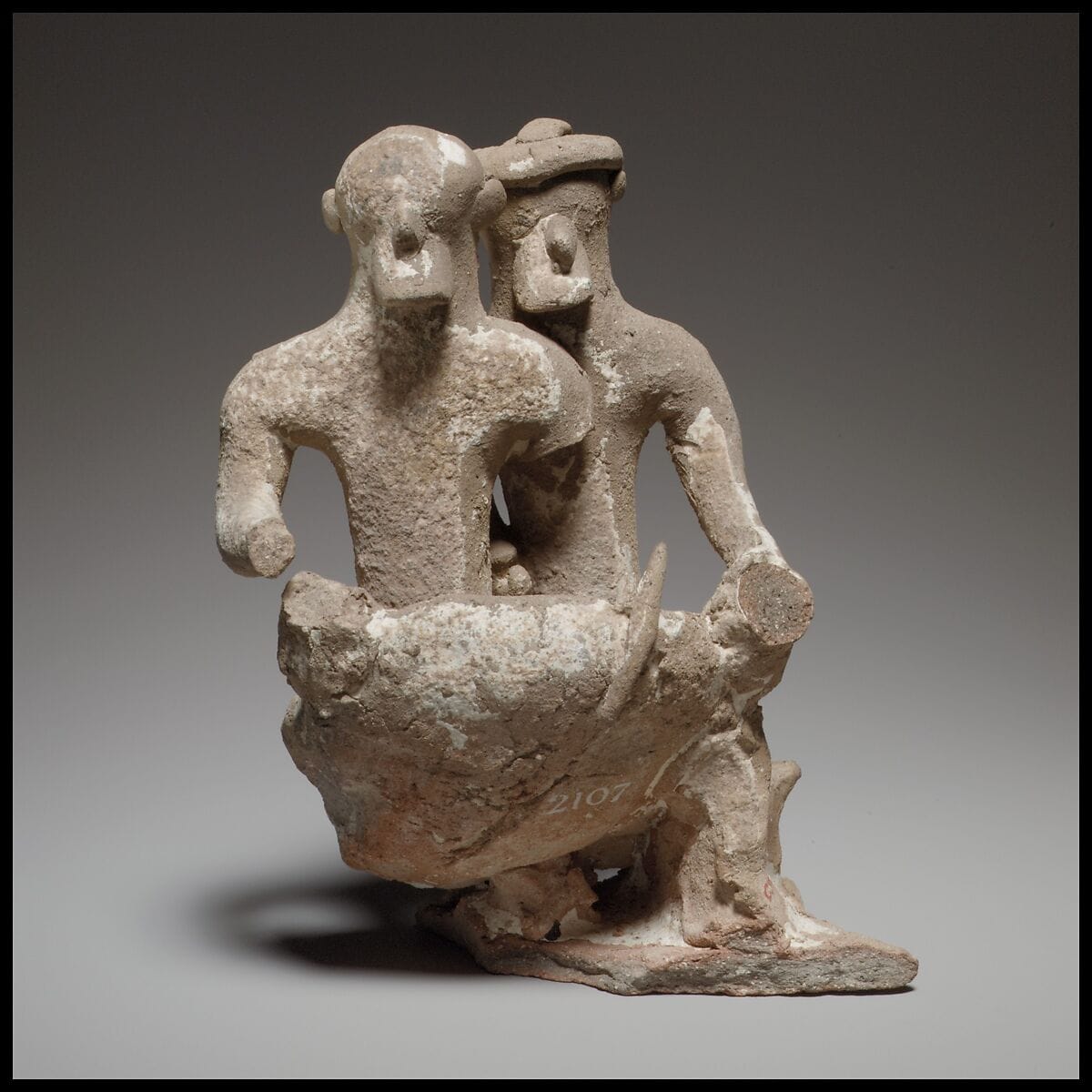
Model of a chariot with driver
Geometric II
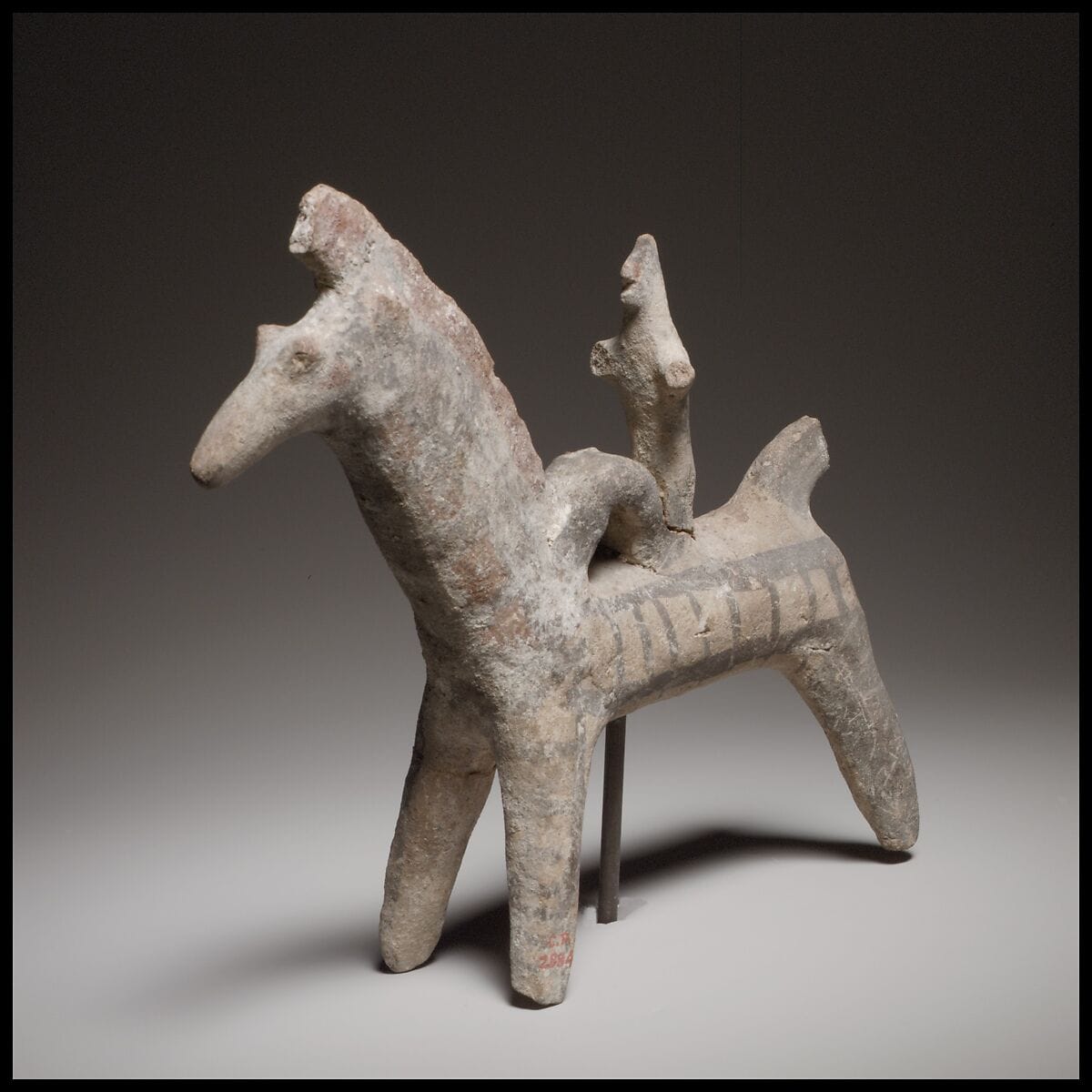
Horse and rider
Archaic I
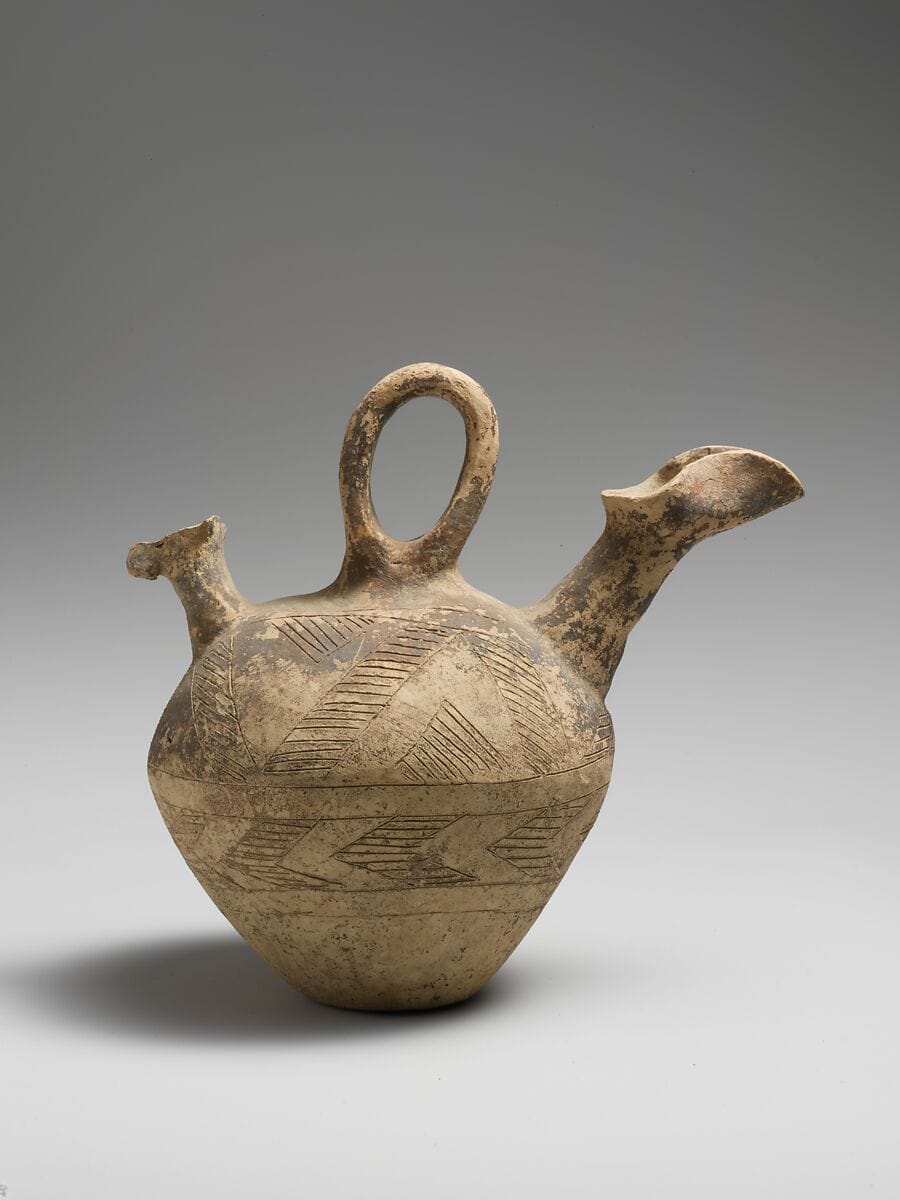
Terracotta zoomorphic askos (vessel)
Middle Bronze Age III
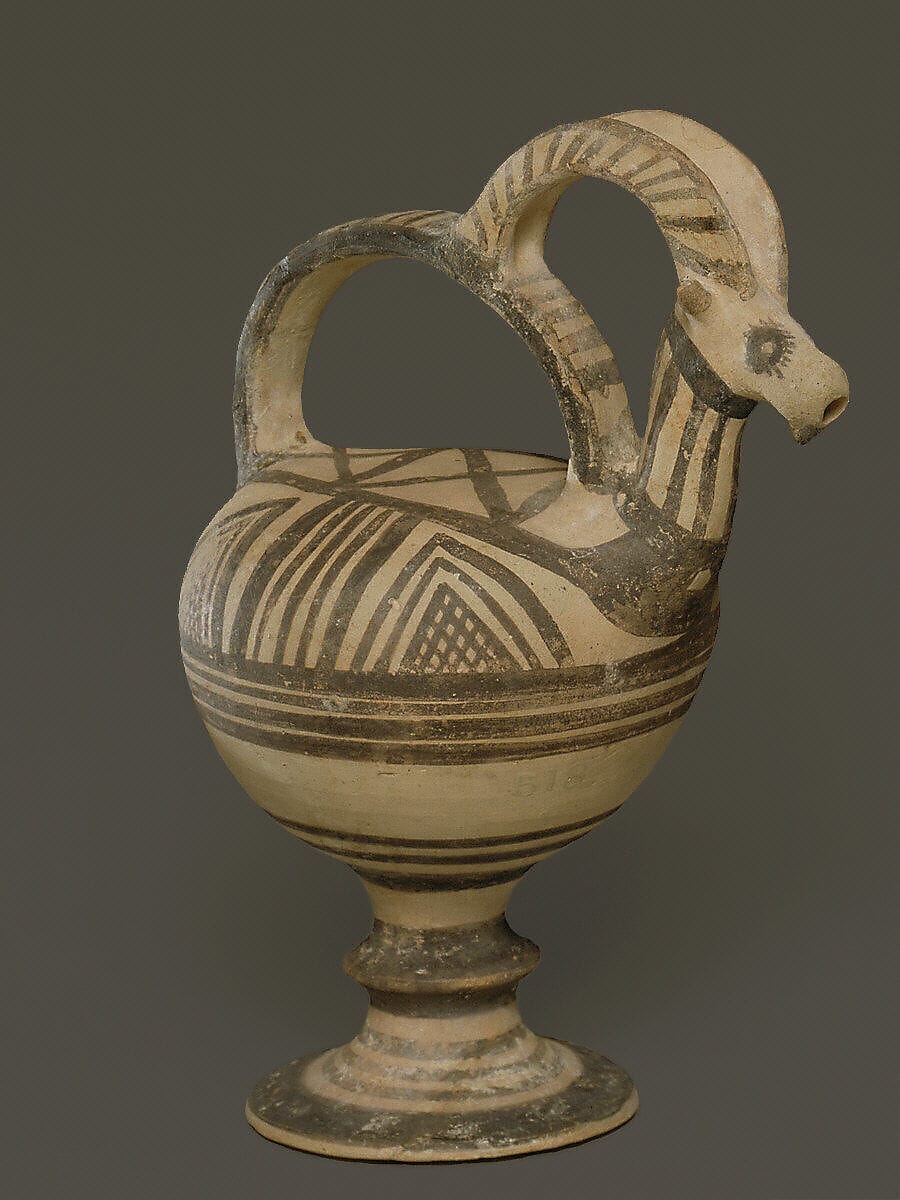
Terracotta trick vase
Geometric I
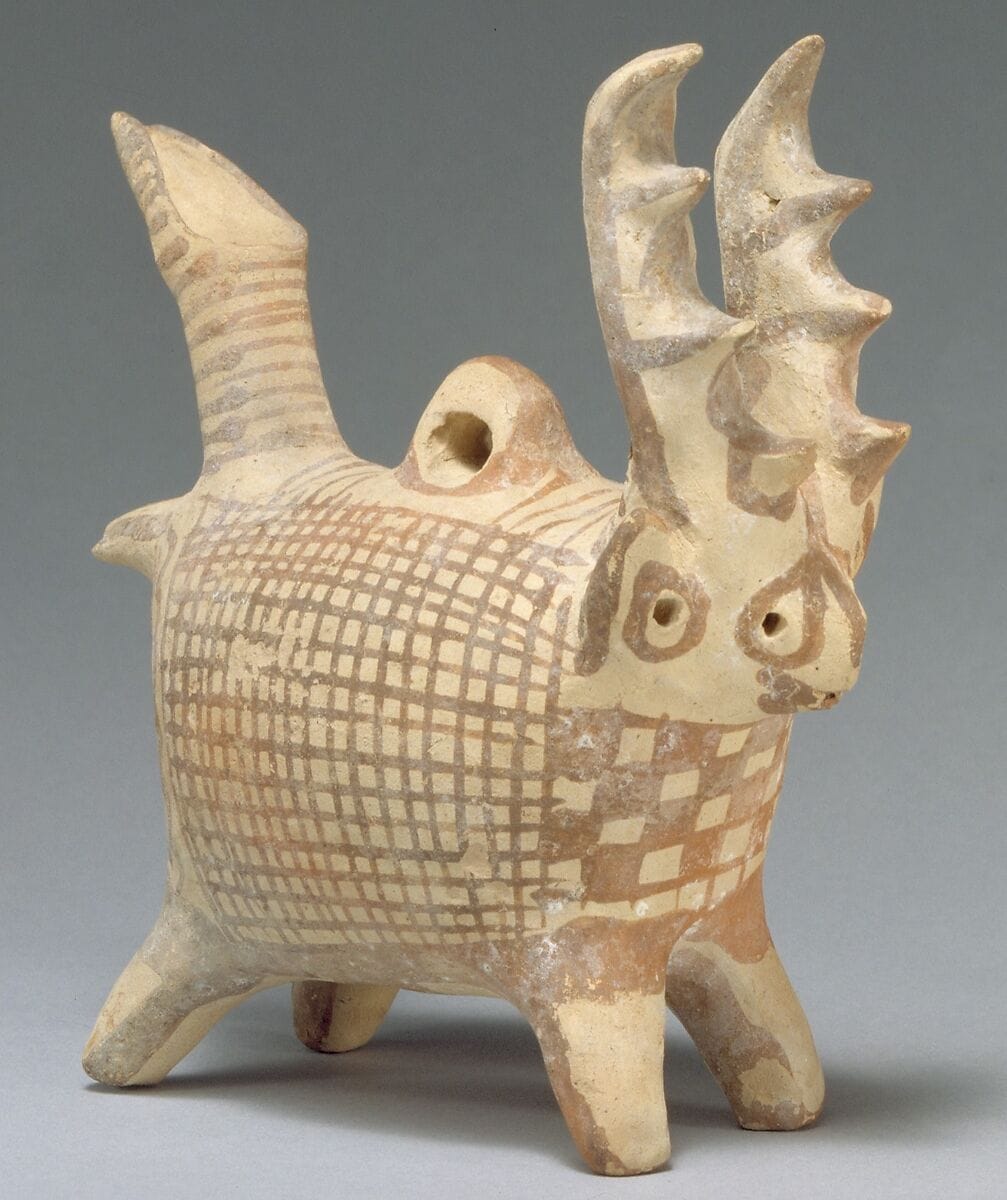
Terracotta zoomorphic askos (vessel) with antlers
Middle Bronze Age III
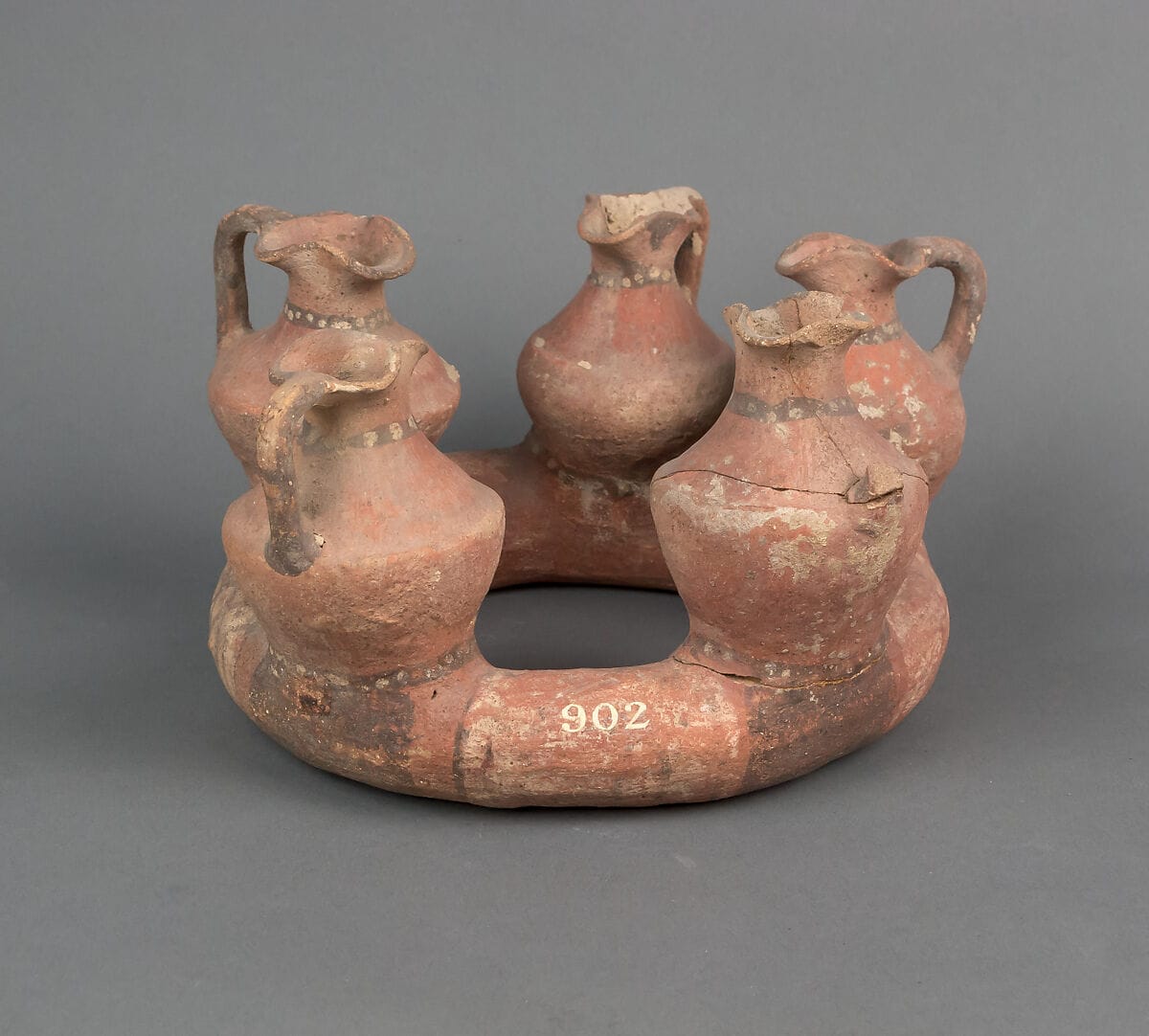
Ring-kernos
Archaic II
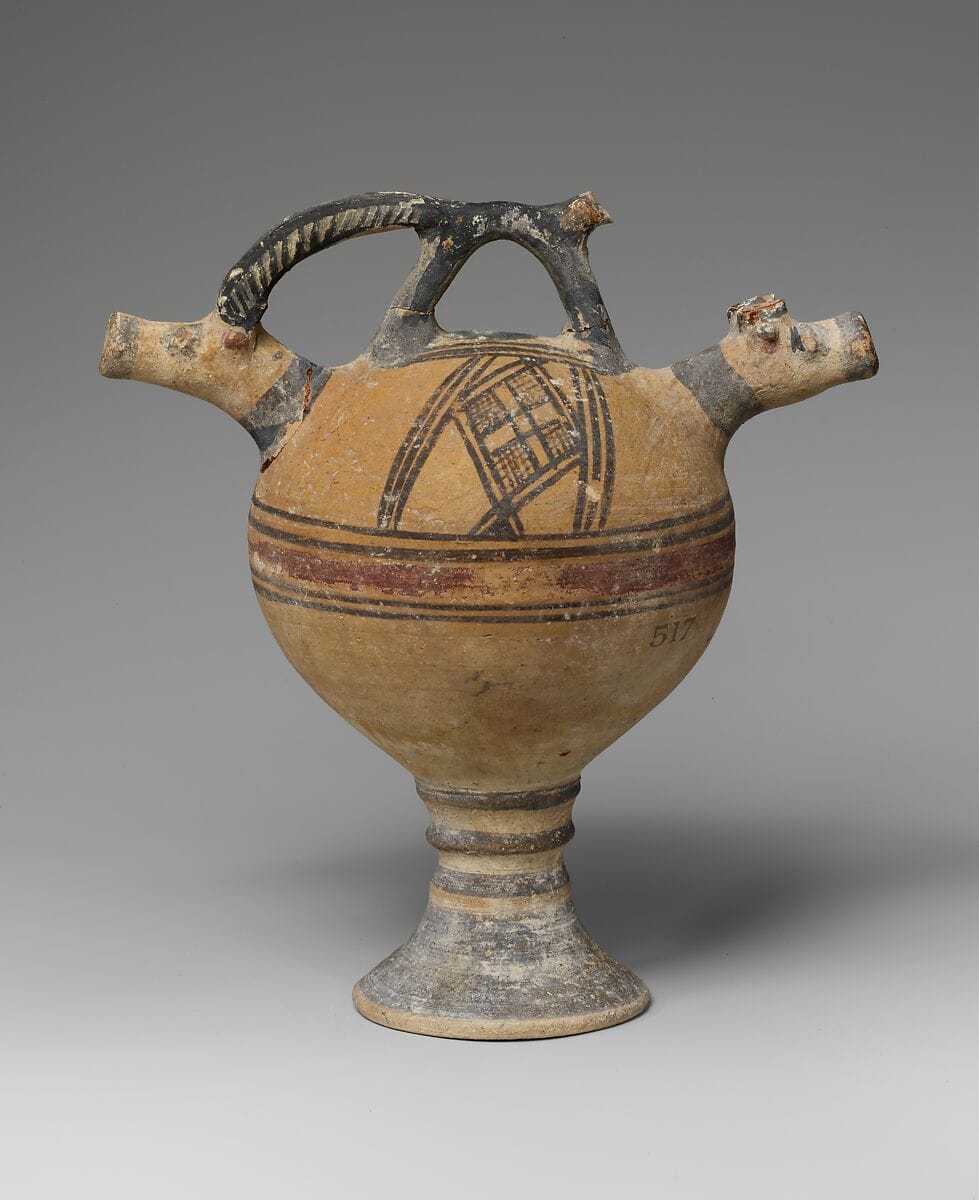
Terracotta vase on a high foot with two goats' heads in relief
Geometric I
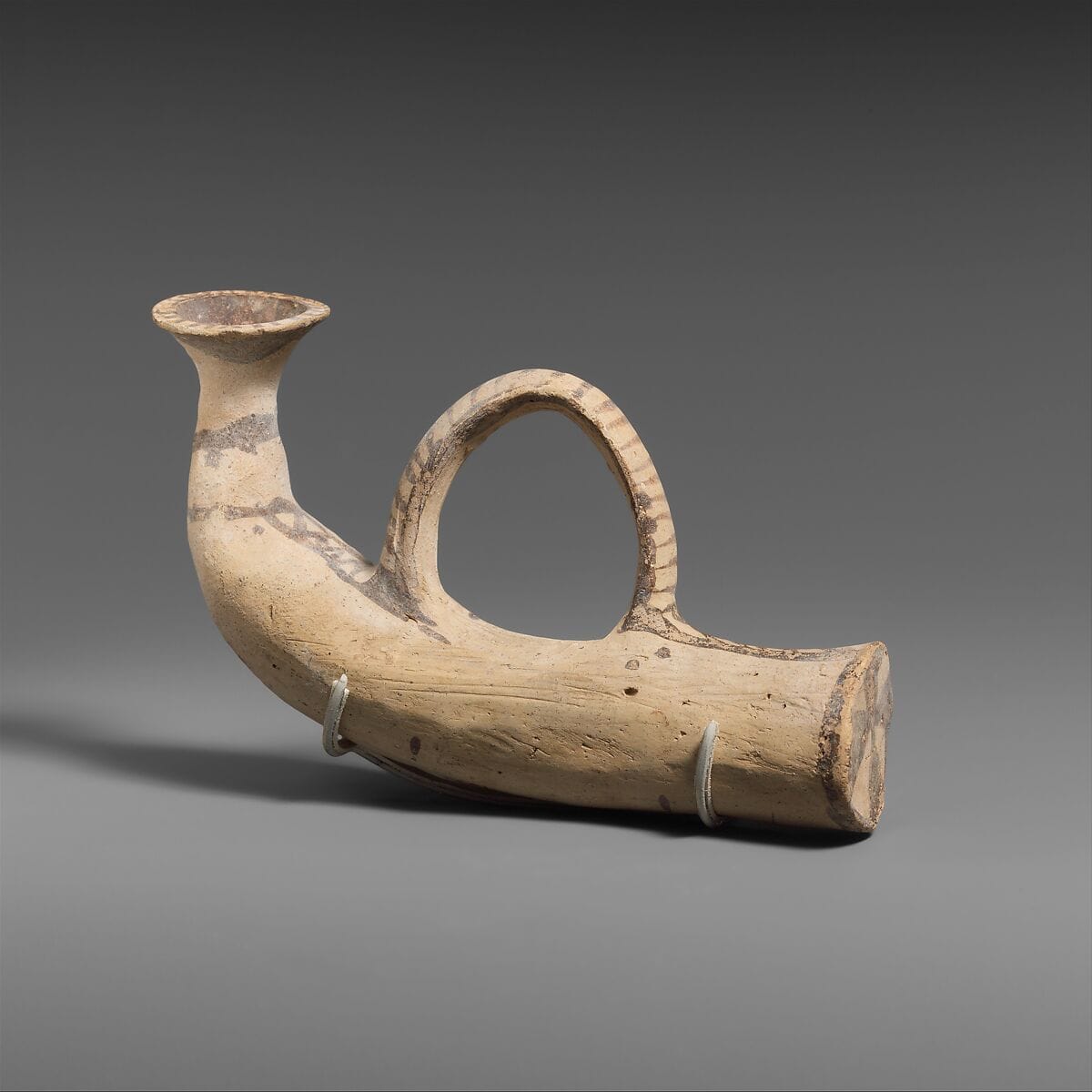
Terracotta vase in the shape of a horn
Geometric I
Askos in the form of an animal
Middle Bronze Age II
Terracotta double bil-bil
Late Bronze Age I
Limestone thymiaterion (incense burner)
Classical