
Geometric I
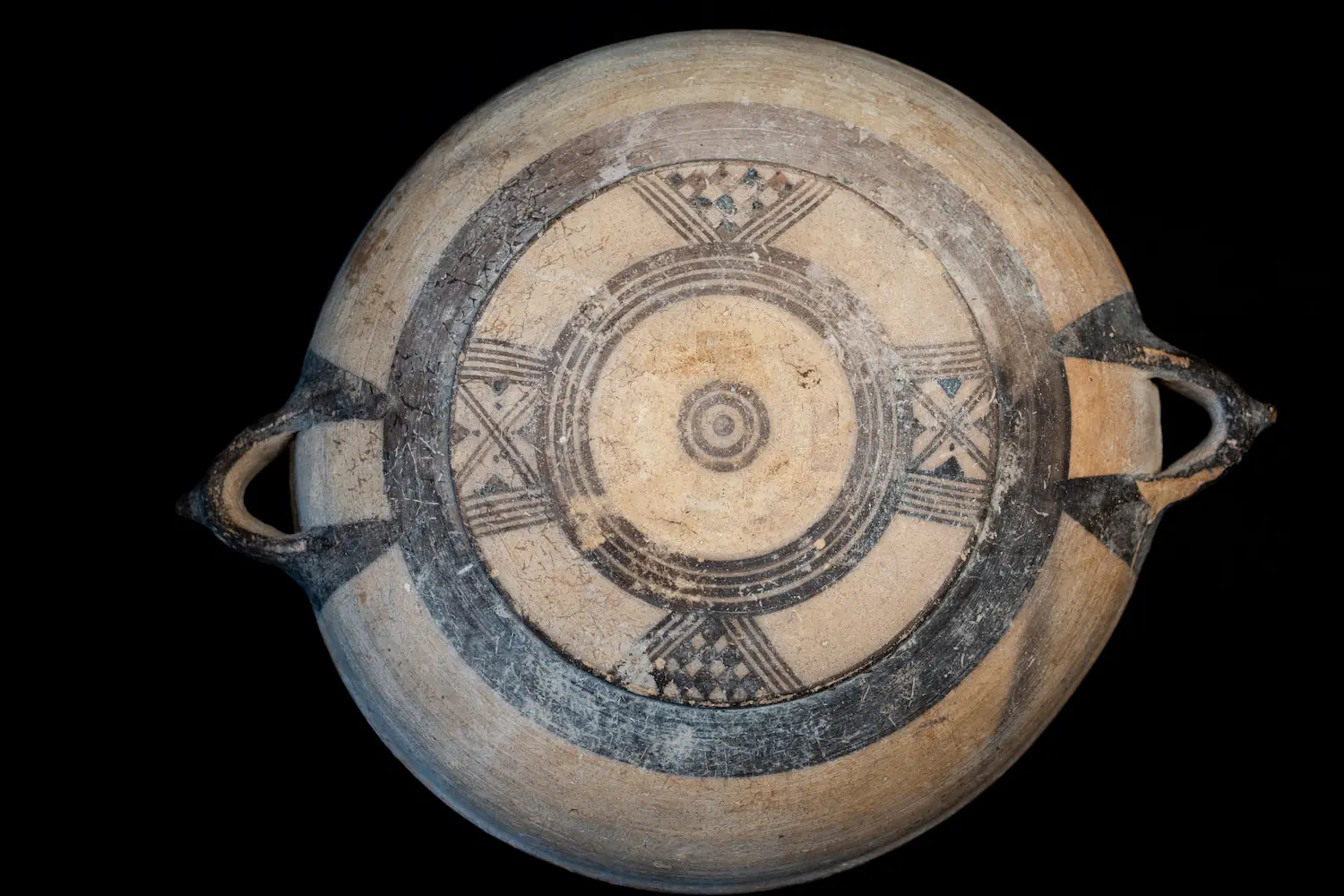
Large White Painted Plate with Knobbed Handles and a Four-Armed Cross on the Underside
Large Cypro-Geometric White Painted plate with knobbed handles; its underside is painted with a four-armed cross of line groups enclosing chequered and crossed panels.
Date
1050 - 850 BC
Accession No.
DSH-GE-005
Collection
Alexis Drakopoulos
Provenance
- Before 2021, Private collection, Japan
- 2021–2024, Private collection, Chicago
- 2024, Hindman, Chicago
- 2024–present, Alexis Drakopoulos, London
Cypro-Geometric I–II, c. 1050–850 BCE · White Painted ware · Wheel-made
A broad, shallow plate of pale buff clay, thrown on the wheel, with a flattened rim and a low raised base. Two loop handles rise obliquely from just below the rim and end in a pointed knob. All the ornament is in one matt paint that fires from near-black to smoky grey. The underside carries the main design: a small target of circles at the centre, a ring of encircling lines, and four arms of parallel lines that cross the base like the spokes of a wheel. Two opposed arms enclose chequered triangles set point to point; the other two frame a crossed panel with small hatched and solid triangles. A heavy dark band rings the base, and the paint on each handle spills onto the body in a triangular patch.
Inside, the plate is almost bare: a painted rim, one broad band and a pale grey ring at the centre, over clear wheel striations. There is brown staining and encrustation near the upper rim. The lower handle has been broken at both roots and rejoined with a light-coloured fill.
Commentary
The plate is the characteristic large serving plate of early Iron Age Cyprus, decorated in White Painted ware, the island's standard painted fabric of the Cypro-Geometric period. Maria Iacovou showed that the flat plate is absent from Proto-White Painted pottery, did not exist in the last phase of the Late Bronze Age, and appears first in White Painted, Bichrome and Black Slip Painted groups of advanced Cypro-Geometric I, with a circulation essentially limited to the Cypro-Geometric period [1]. The earlier description of this piece as "White Slip ware" should be set aside: White Slip is a handmade Late Bronze Age ware with a thick white coating, and nothing in the fabric, shape or painting here matches it.
The Swedish Cyprus Expedition catalogues describe this type in terms that fit the piece closely: a shallow plate with curved outline, raised base, "horizontal, knobbed handles below rim", the principal ornament on the base and "handles and rim black" [2][3]. The four-armed scheme belongs to a family of cross and radiating designs on these undersides. Idalion Tomb 3 no. 13, a White Painted I plate, has a diametrical band framed by vertical lines with "a transverse, hatched band" on either side, a close structural relative of the crossing arms here [3]. Lapithos Tomb 408 no. 56, a White Painted II plate, combines "latticed and chequered triangles" in framed bands on the base, the same vocabulary as the chequered panels on this plate [2]. Gjerstad's type series sets these plates in White Painted I and II [4], and on that basis a date in Cypro-Geometric I–II, c. 1050–850 BCE, is proposed. A slightly later date cannot be excluded, since the absolute chronology of the period rests on links with Greek and Levantine sequences.
In size the plate sits at the top of the range. The Cesnola plate in the Metropolitan Museum, 74.51.967, dated c. 1050–900 BCE, measures 37.9 cm across and is decorated on its underside in the same way [5]. A White Painted plate in the British Museum, 1908,0411.46, has a central cross on the exterior surrounded by concentric bands and "solid handles with paint continuing beyond the junction with the body like a festoon", which is exactly the treatment of the handle roots on this piece [6]. A plate in the Brooklyn Museum, dated Cypro-Geometric II–III, shows a simpler four-armed cross of latticed triangles on the base [7].
Excavated examples come almost entirely from chamber tombs, where plates were placed with jugs, amphorae and bowls as part of the burial assemblage. Their size suggests the serving of food at funerary or household meals. The placing of the best decoration on the underside suggests that the plate was often seen from below or set on edge, and it has been suggested that such dishes were displayed on a wall by their handles. That remains a hypothesis. The find-spot of this plate is unknown, and we know of no evidence that would assign it to a particular regional workshop.
References
- 1.Iacovou, M. (1991) 'Proto-White Painted Pottery: A Classification of the Ware', in J. A. Barlow, D. L. Bolger and B. Kling (eds), Cypriot Ceramics: Reading the Prehistoric Record. Philadelphia: University Museum.
- 2.Gjerstad, E., Lindros, J., Sjöqvist, E. and Westholm, A. (1934) The Swedish Cyprus Expedition I: Finds and Results of the Excavations in Cyprus 1927–1931. Stockholm: Swedish Cyprus Expedition, Lapithos Tomb 408, nos. 6 and 56.
- 3.Gjerstad, E., Lindros, J., Sjöqvist, E. and Westholm, A. (1935) The Swedish Cyprus Expedition II: Finds and Results of the Excavations in Cyprus 1927–1931. Stockholm: Swedish Cyprus Expedition, Idalion Tomb 3, nos. 13, 15, 33 and 34.
- 4.Gjerstad, E. (1948) The Swedish Cyprus Expedition IV.2: The Cypro-Geometric, Cypro-Archaic and Cypro-Classical Periods. Stockholm: Swedish Cyprus Expedition.
- 5.The Metropolitan Museum of Art, New York, Plate, Cesnola Collection, acc. no. 74.51.967 (collection record).
- 6.The British Museum, London, White Painted plate, reg. no. 1908,0411.46 (collection record).
- 7.Brooklyn Museum, New York, Plate, Charles Edwin Wilbour Fund (online collection record 160369).
More from the Catalogue
Browse related objects
Flanged-base Tray
Chalcolithic
Terracotta plate
Geometric I
Basalt mortar or plate
Late Bronze Age II
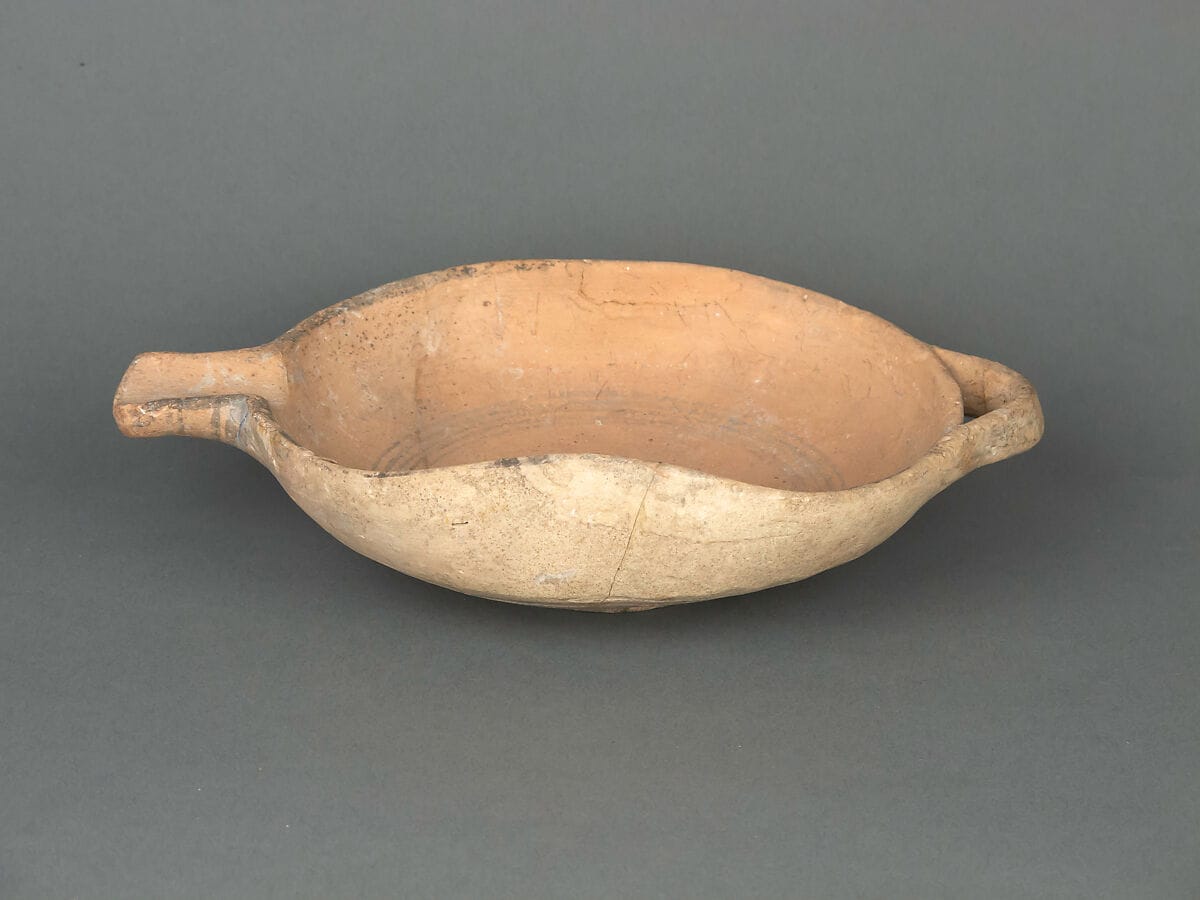
Plate
Geometric I
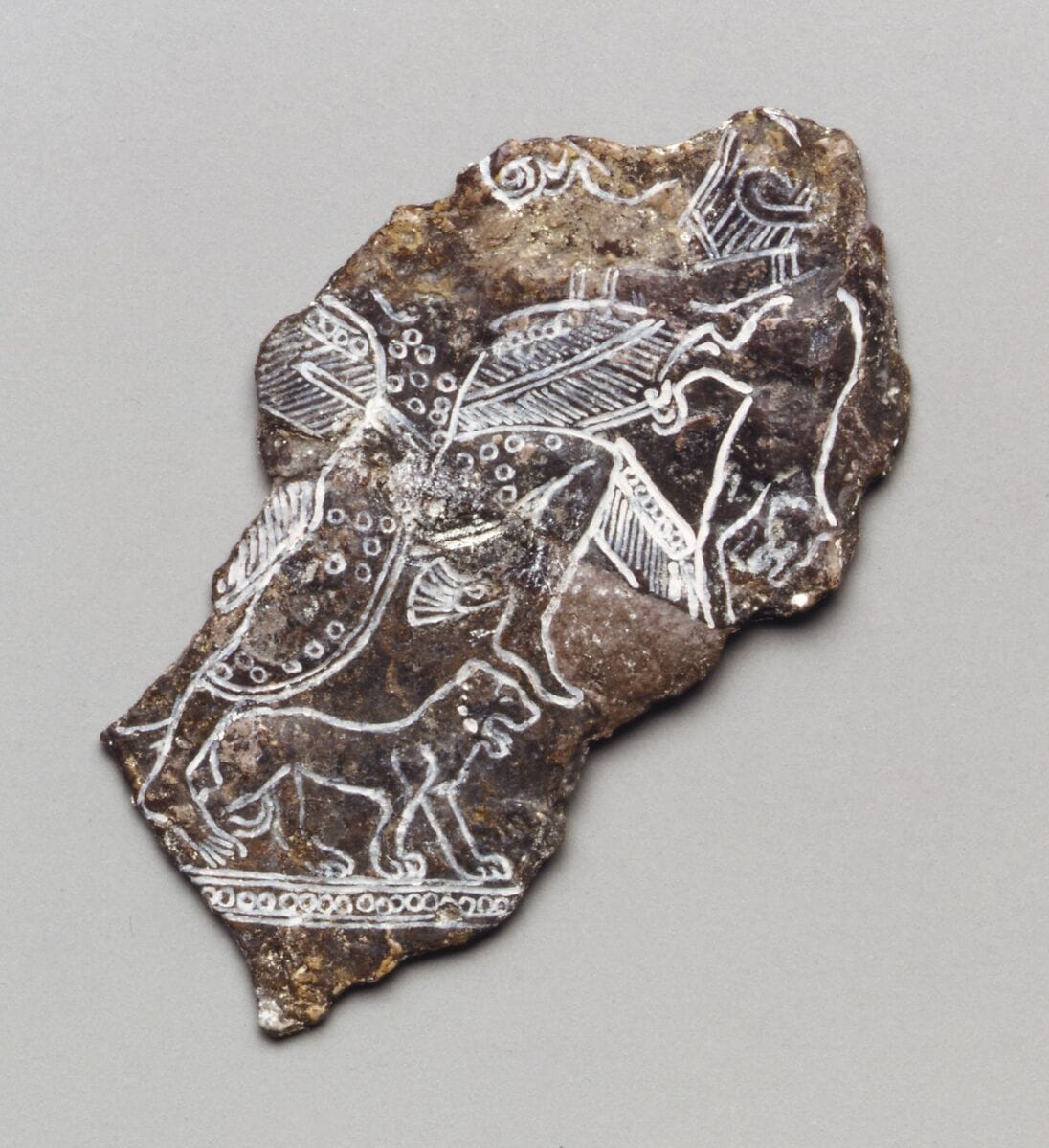
Fragment of a silver bowl
Archaic I
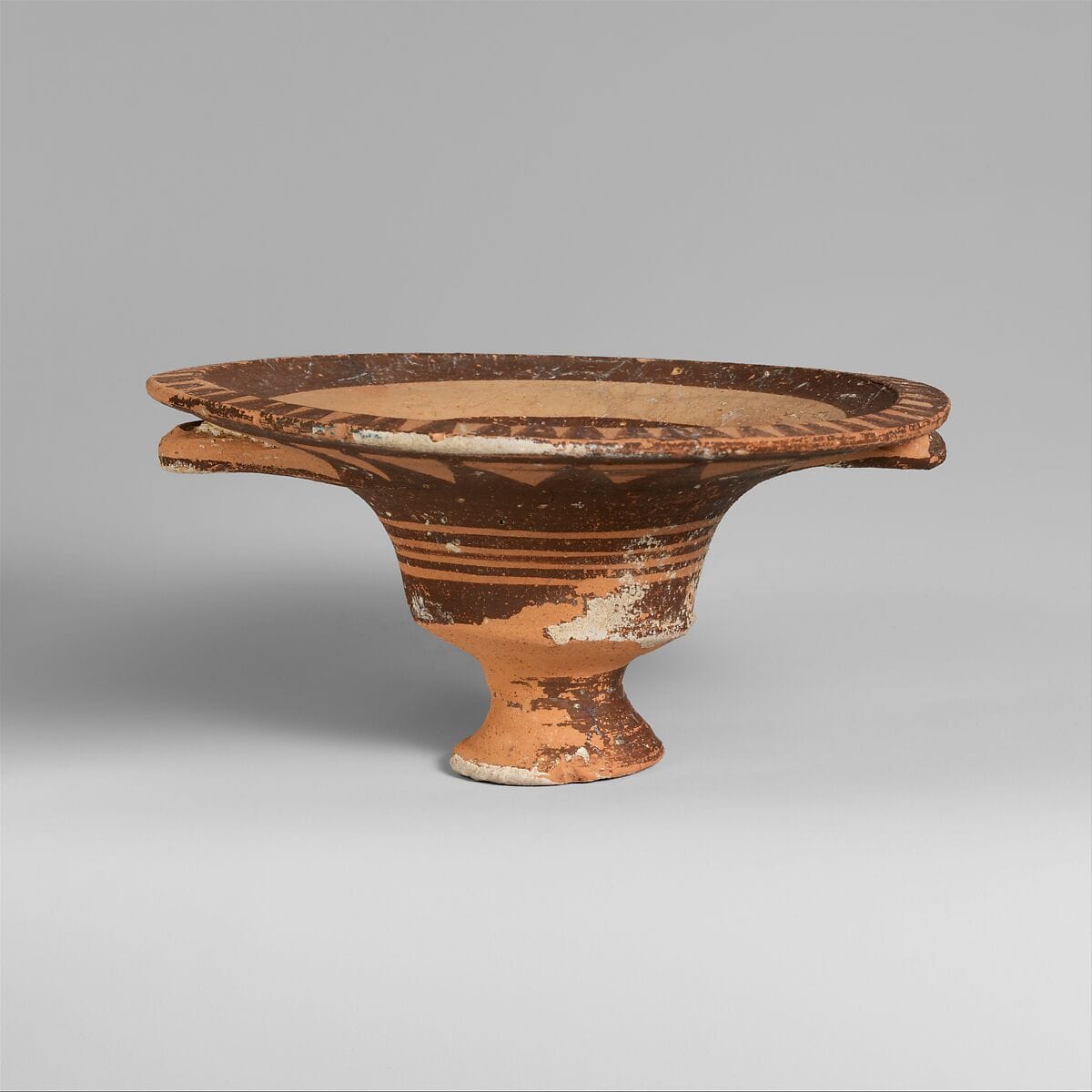
Terracotta stemmed dish with two handles
Geometric I
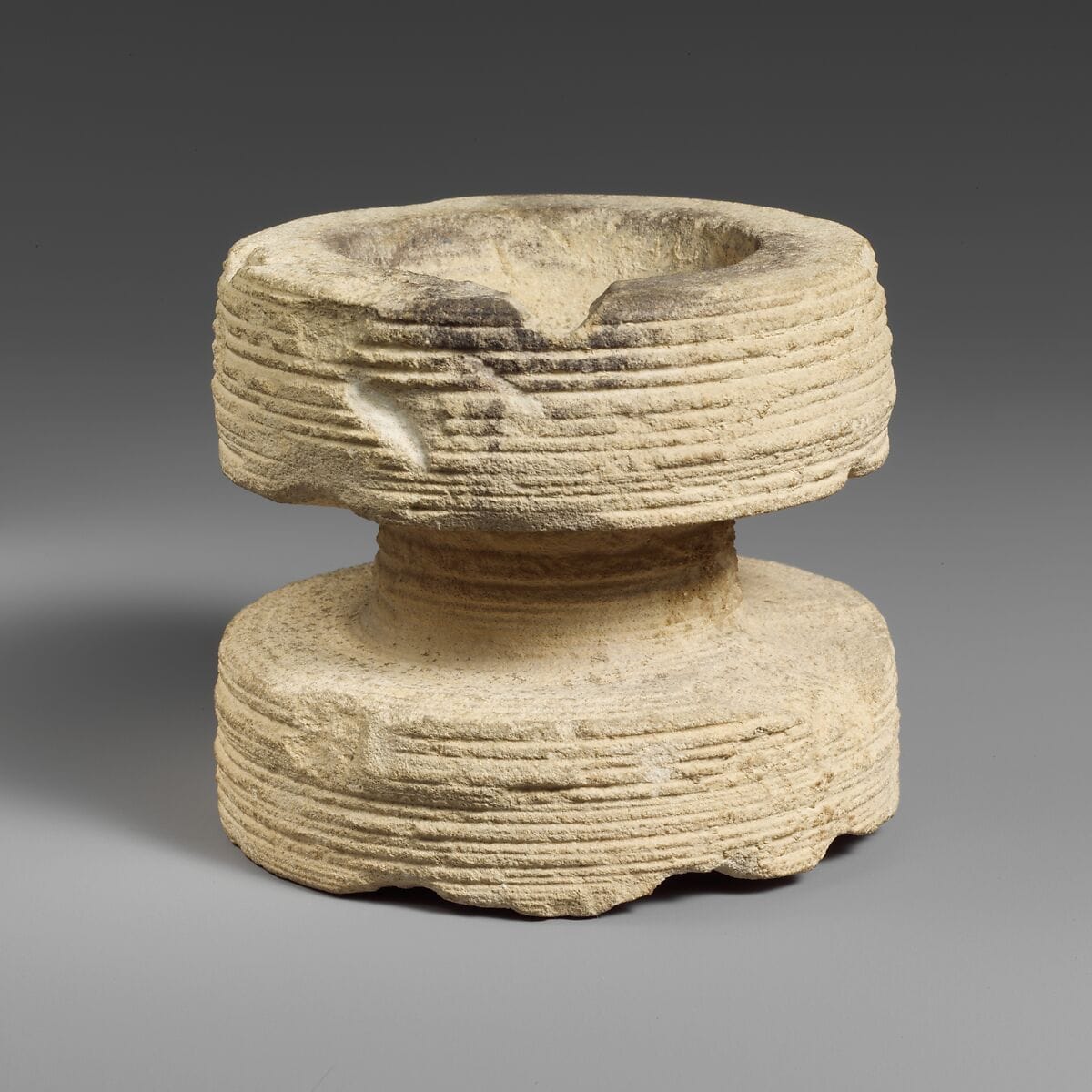
Circular limestone incense burner
Bronze Age
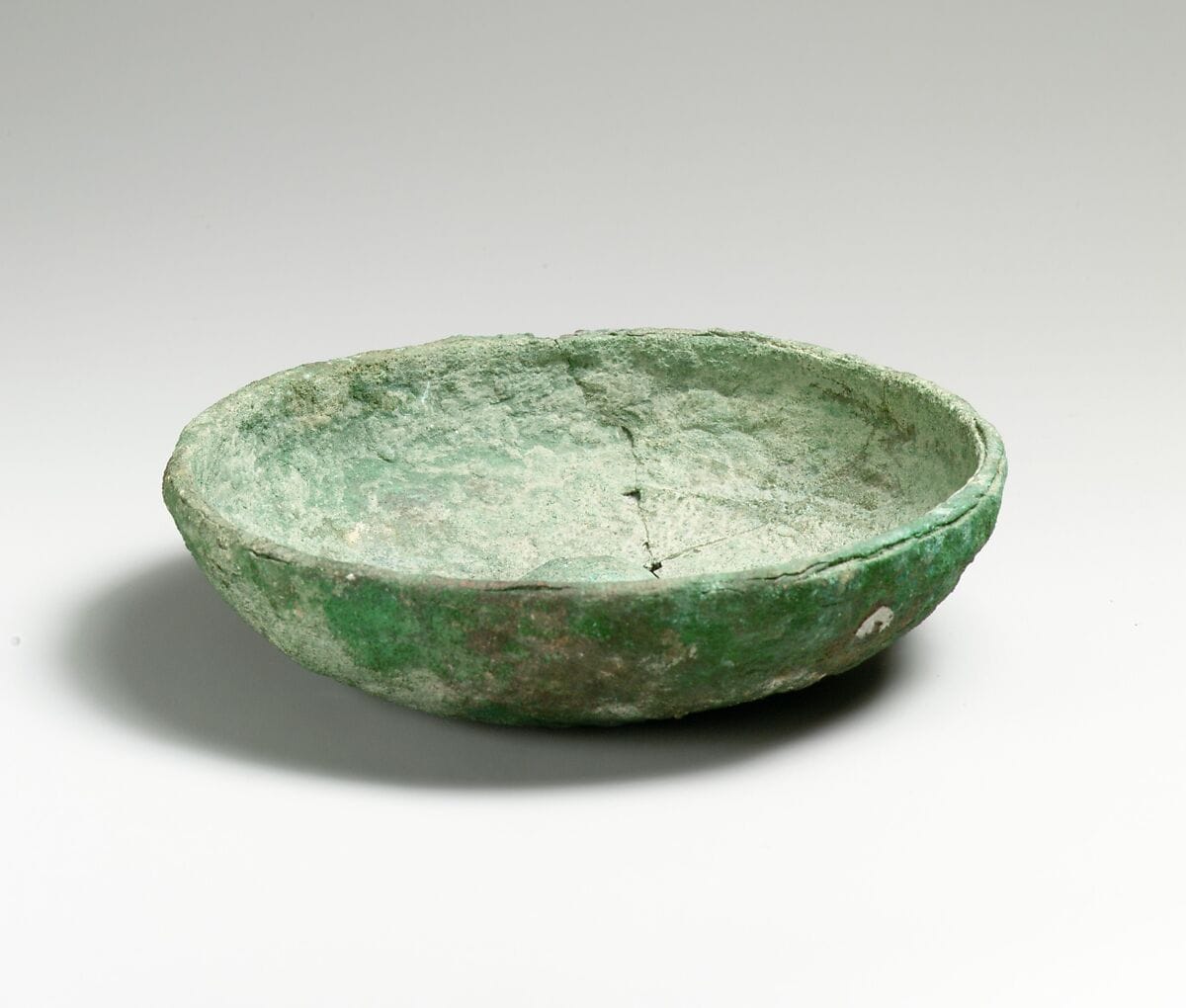
Phiale
Classical
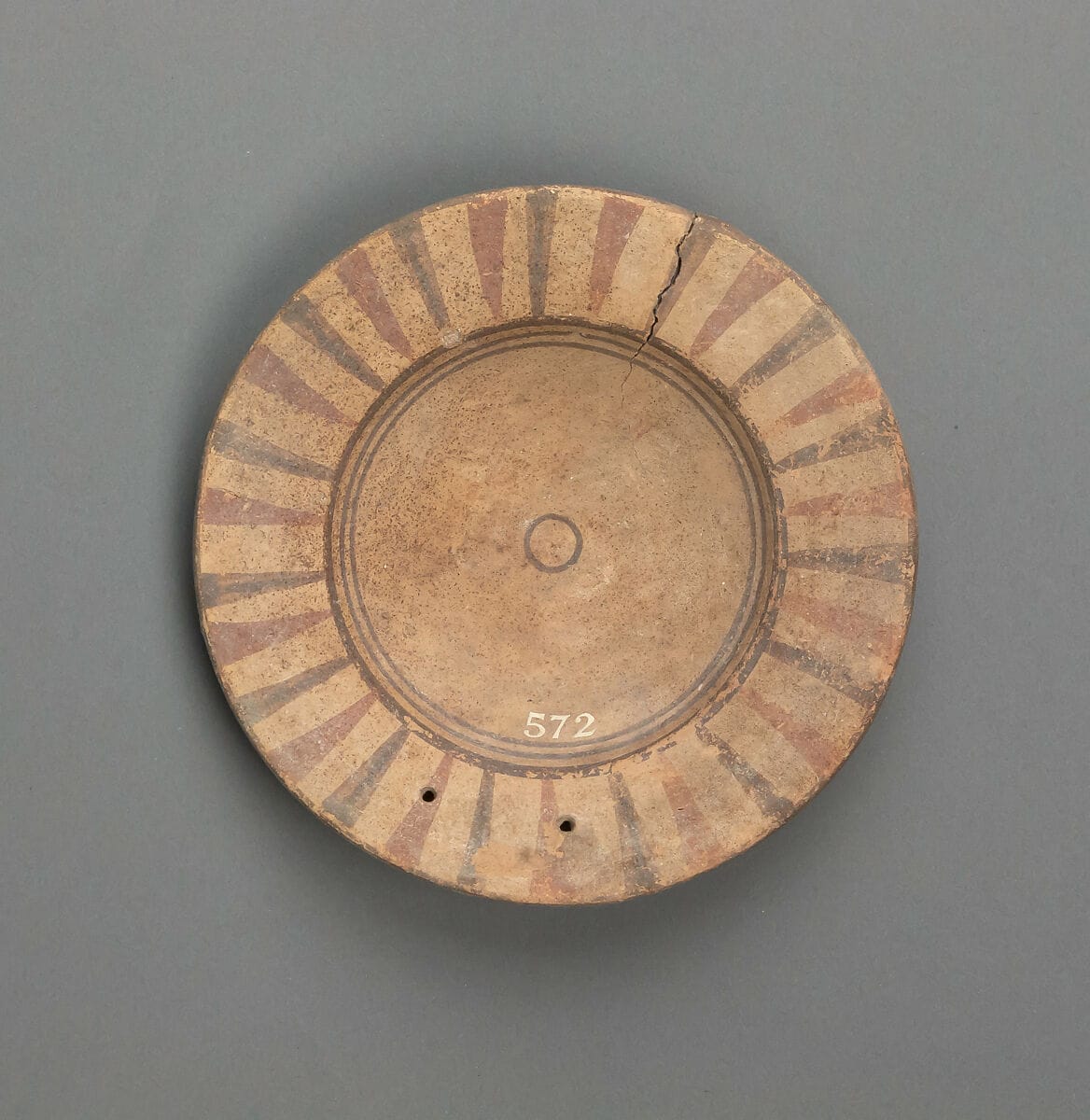
Plate
Archaic I
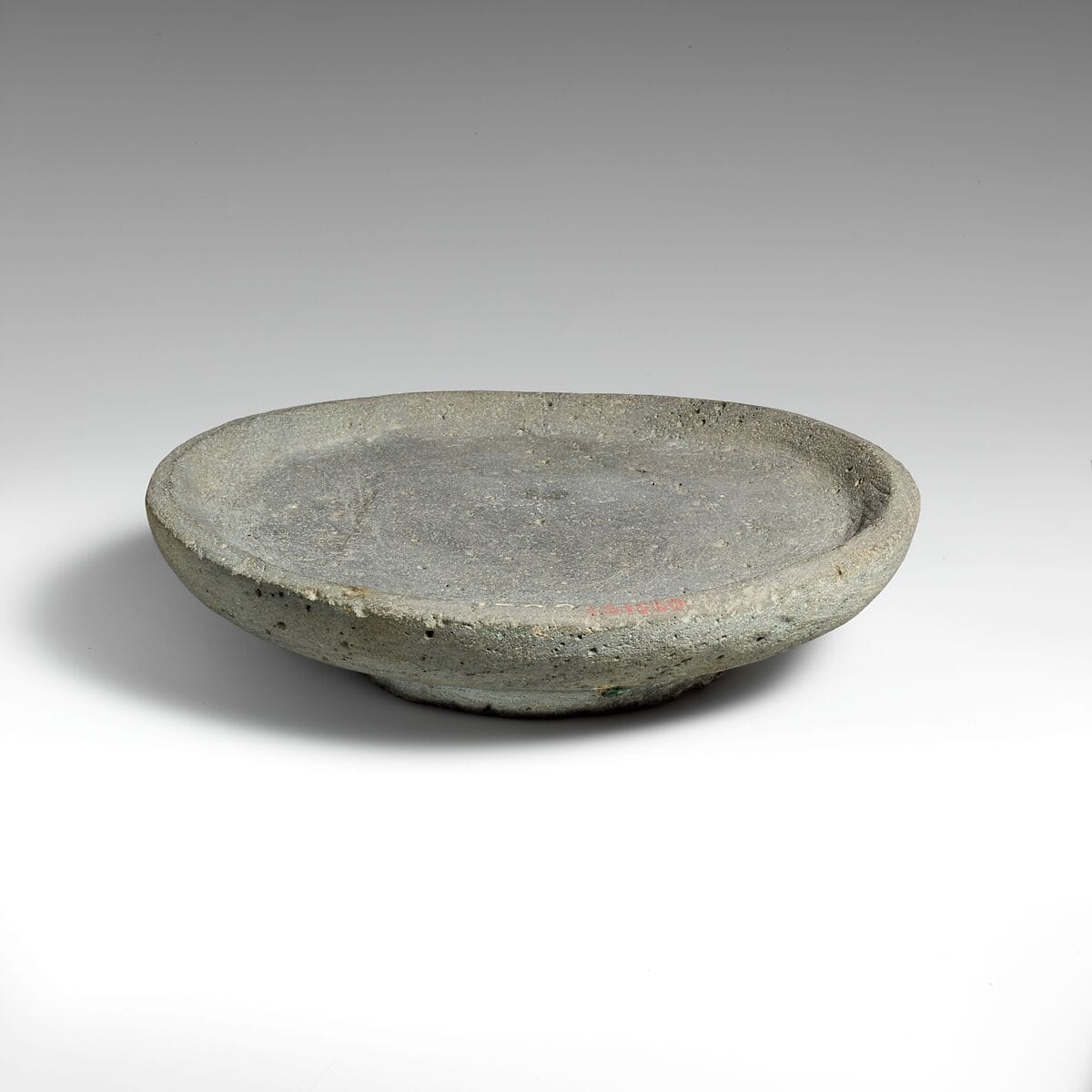
Vesicular basalt mortar or plate
Late Bronze Age II
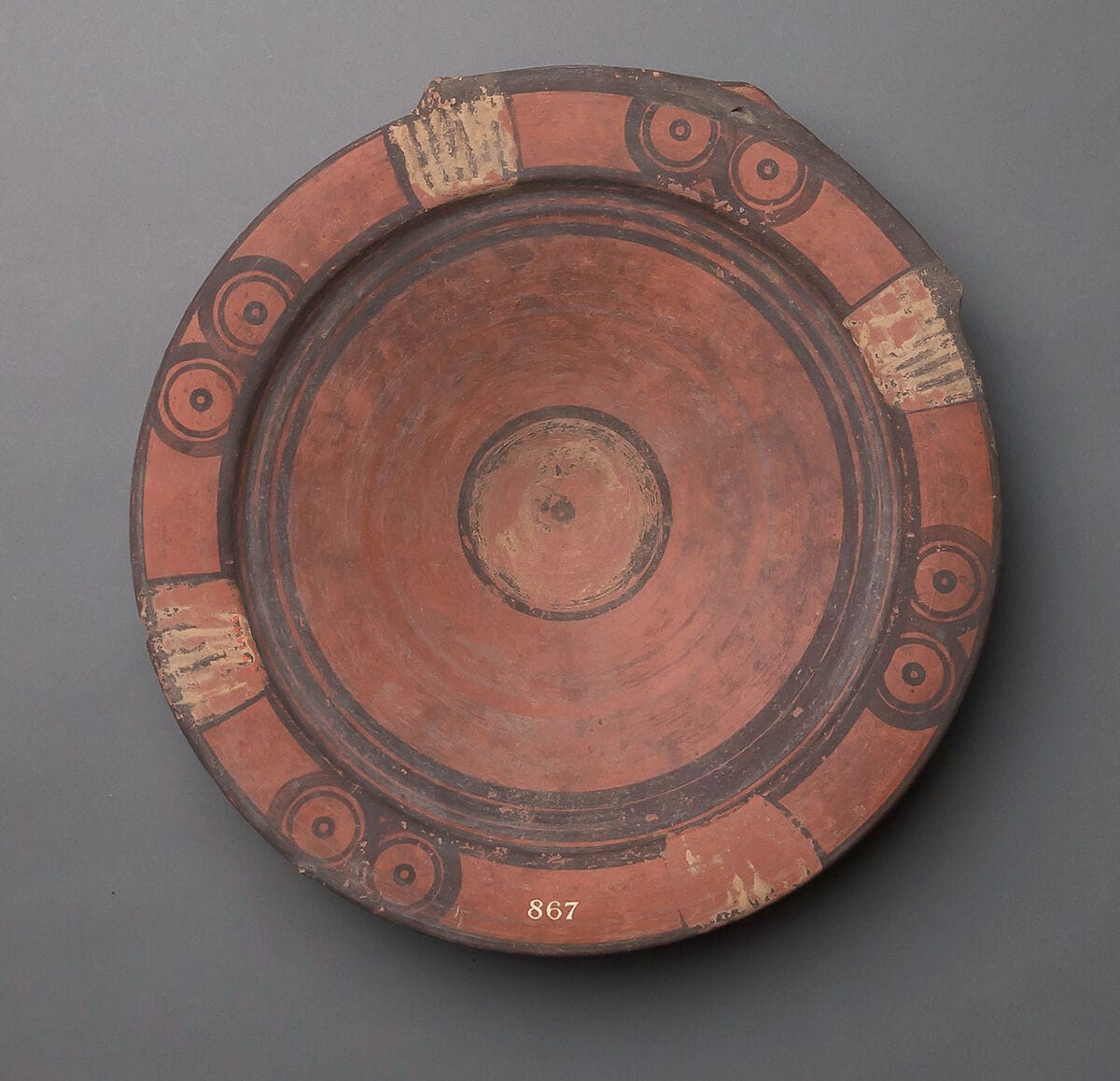
Plate
Archaic I
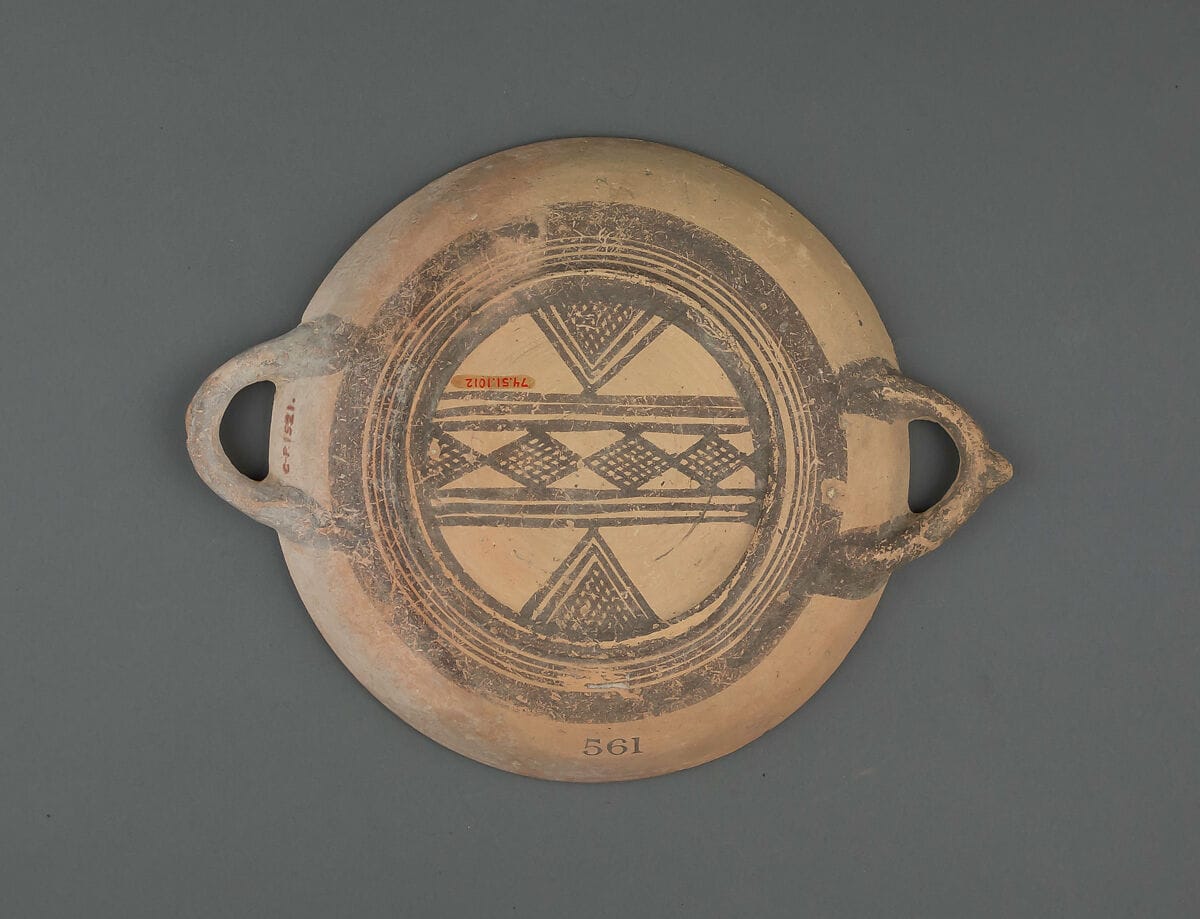
Plate
Geometric I
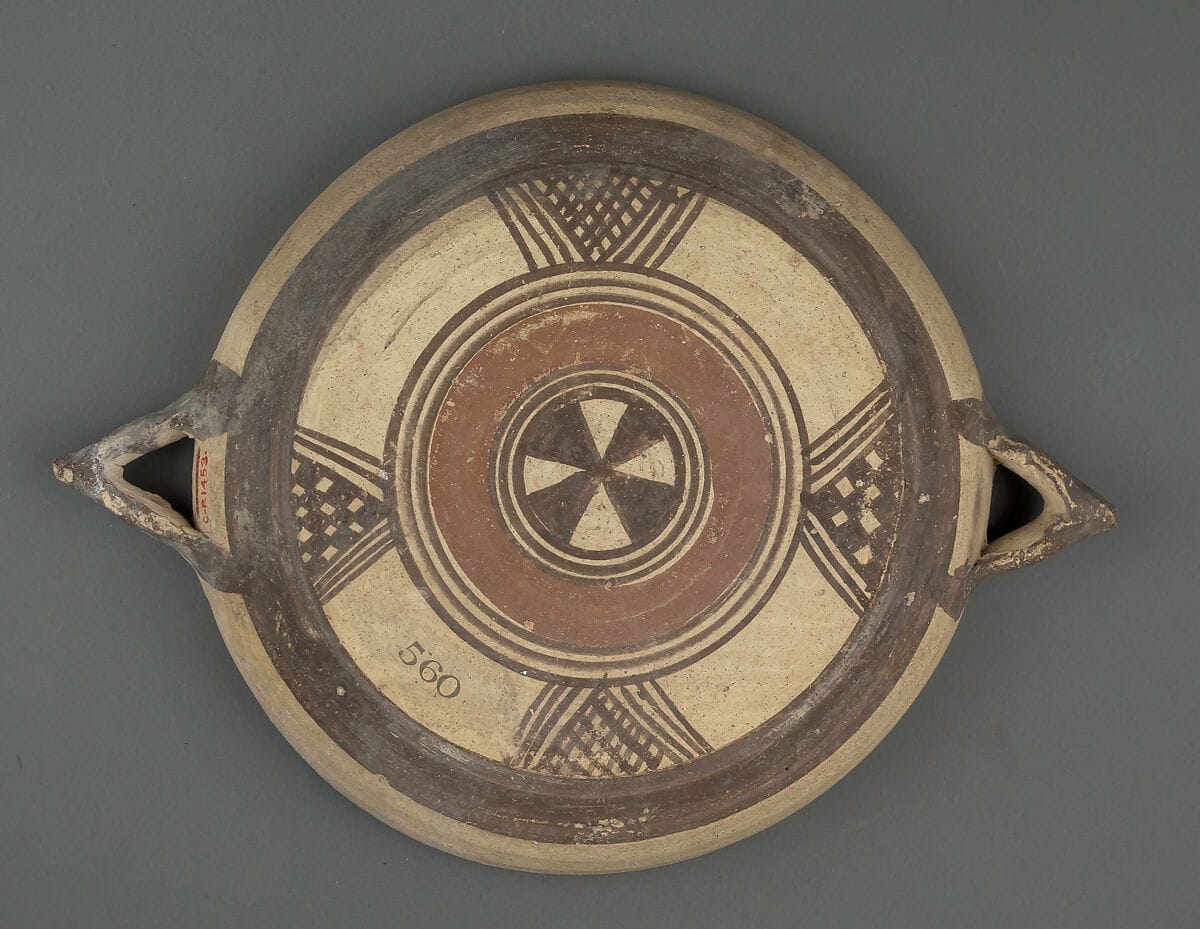
Terracotta plate with horned handles
Geometric II
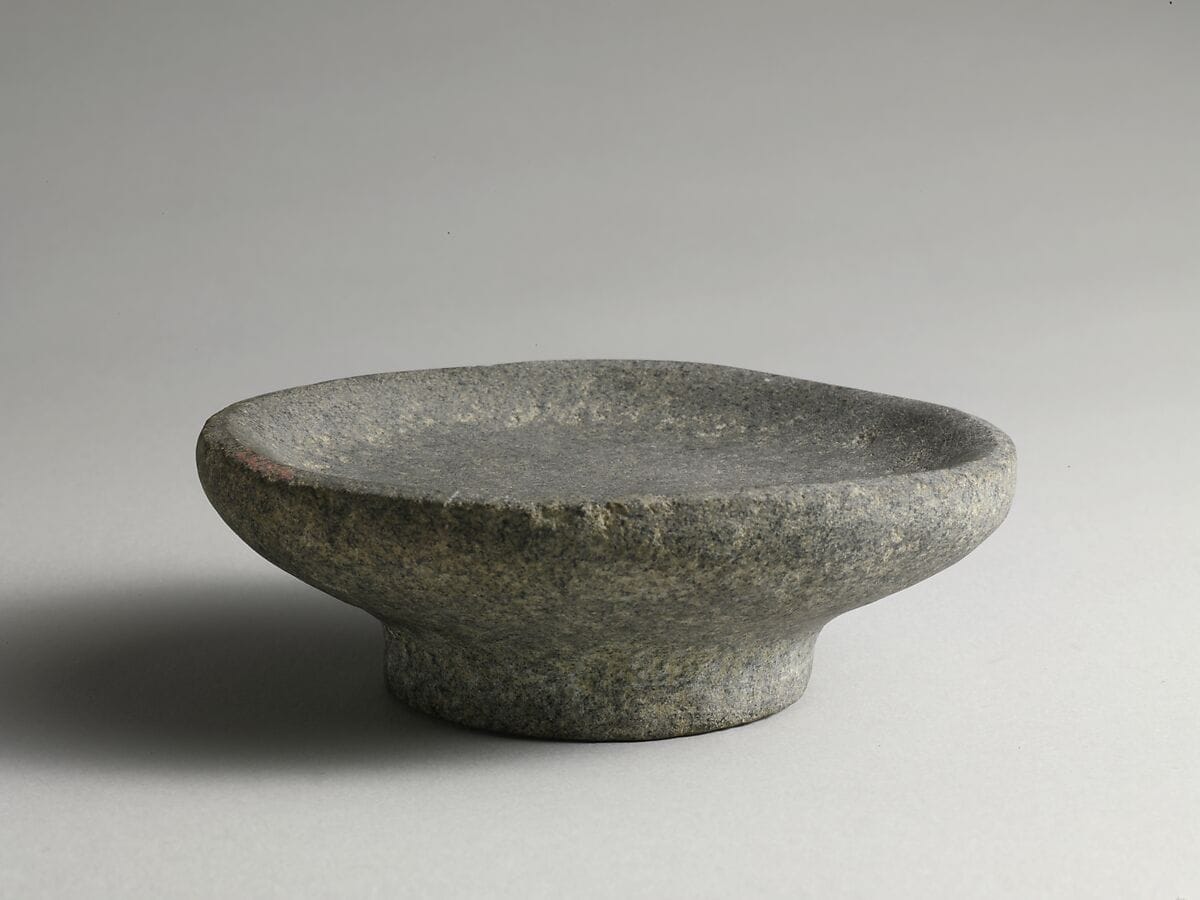
Gabbro mortar or plate
Late Bronze Age II
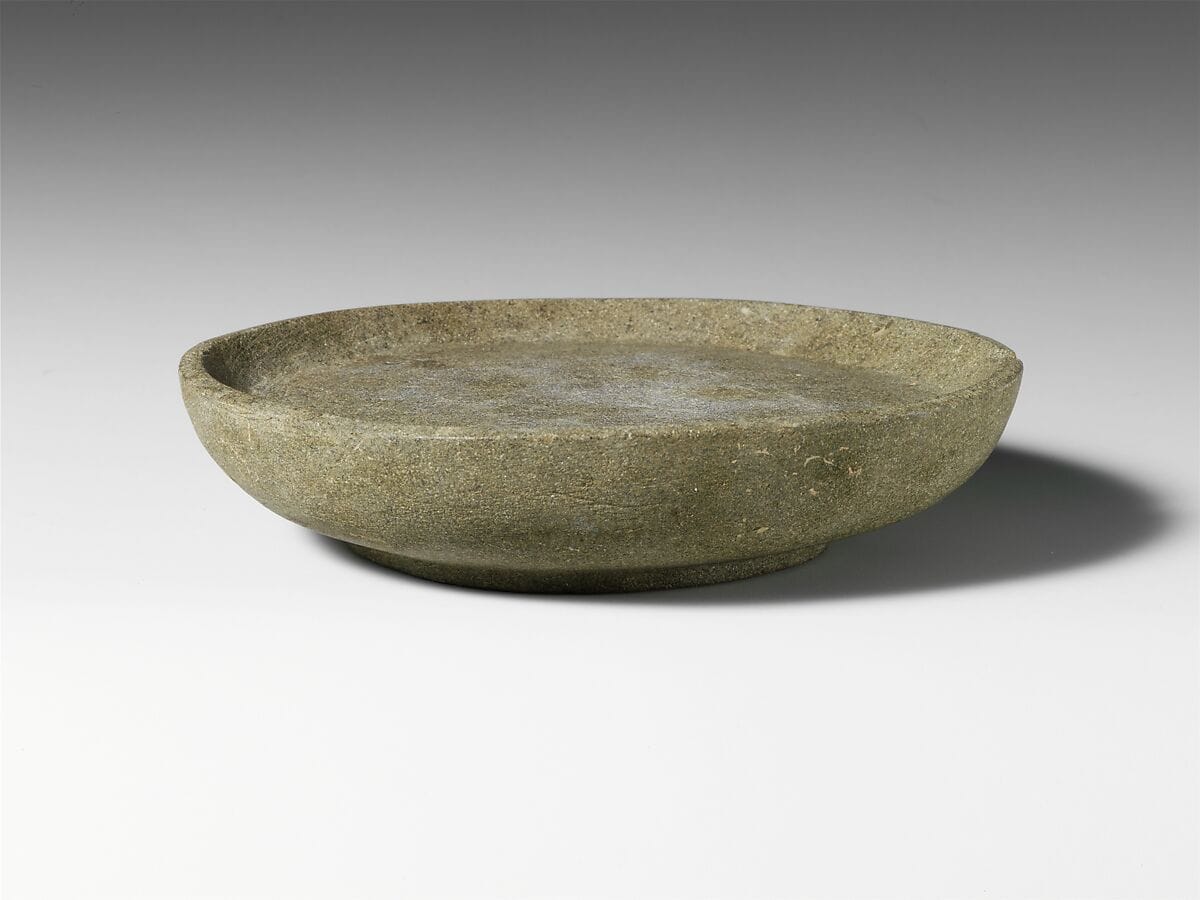
Andesite mortar or plate
Late Bronze Age II
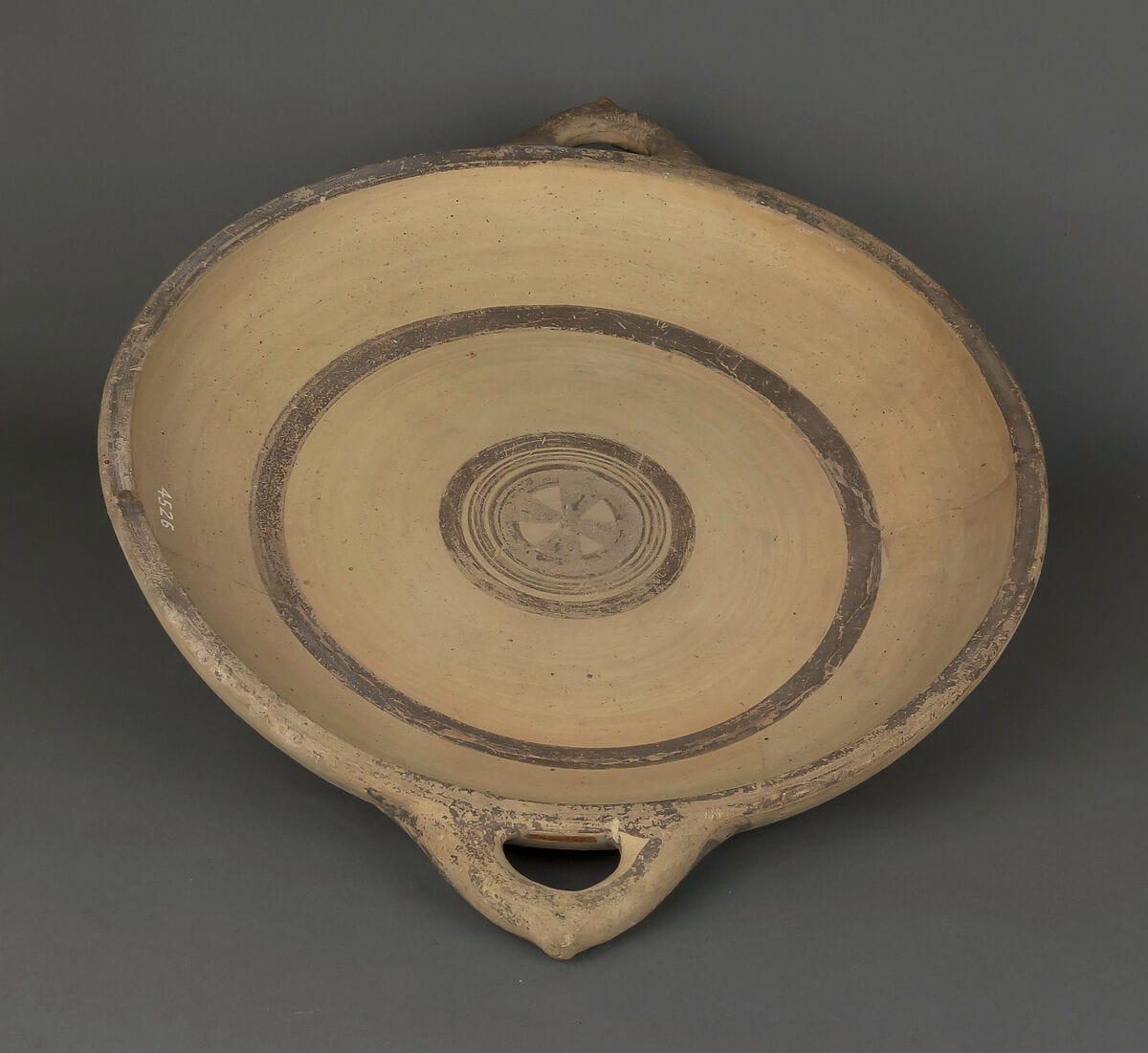
Plate
Geometric I
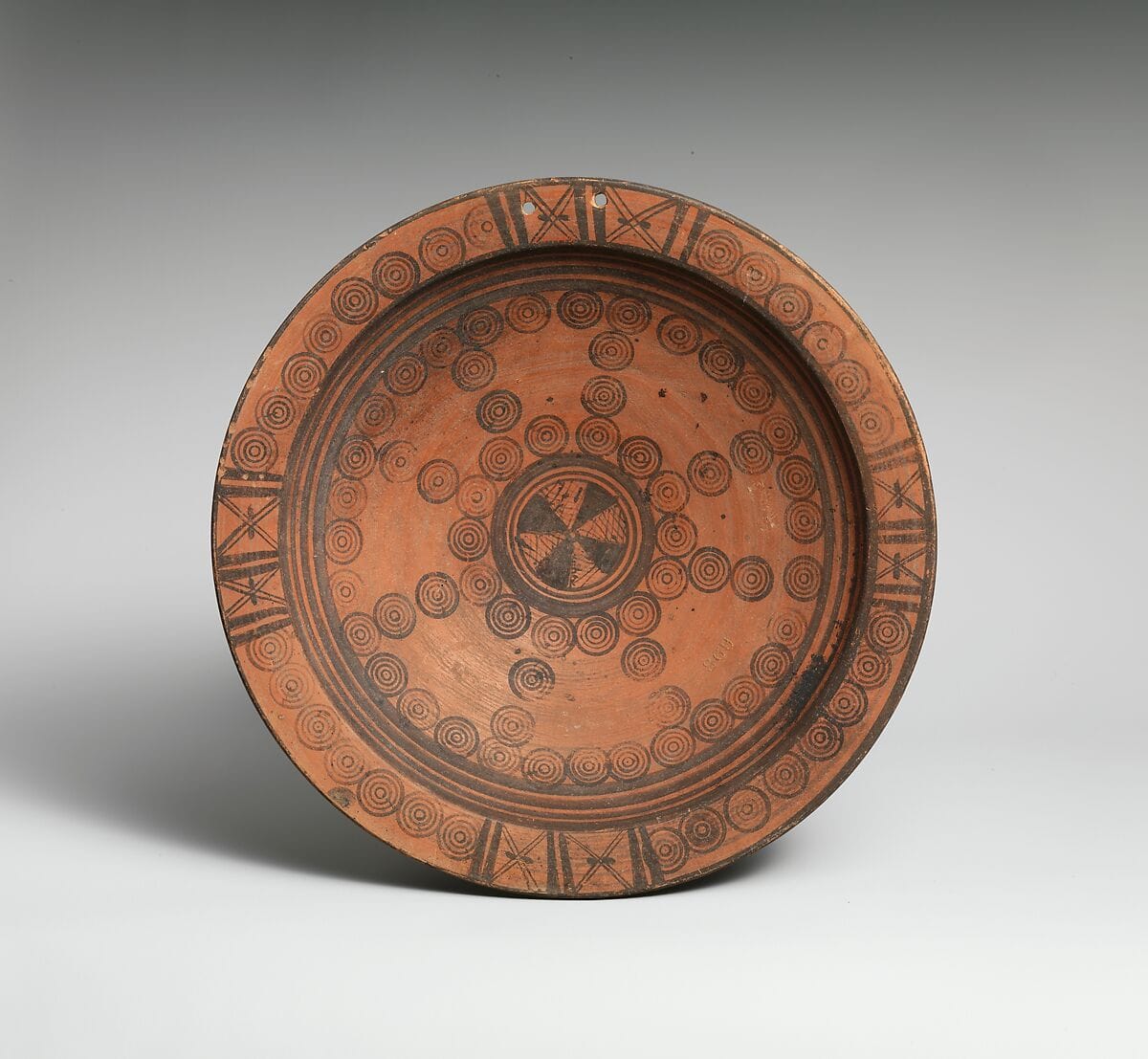
Plate
Archaic I
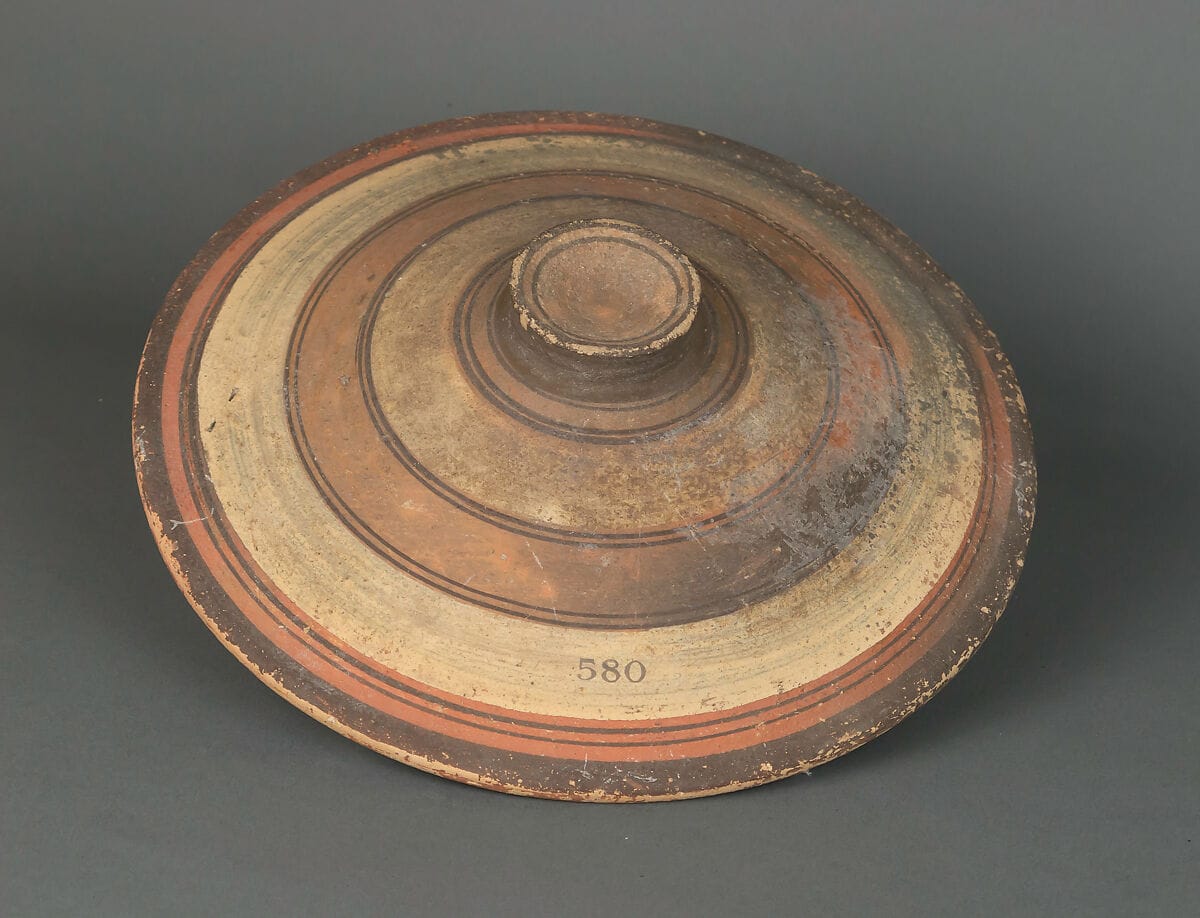
Lid of a bowl with knob
Archaic