
Geometric III
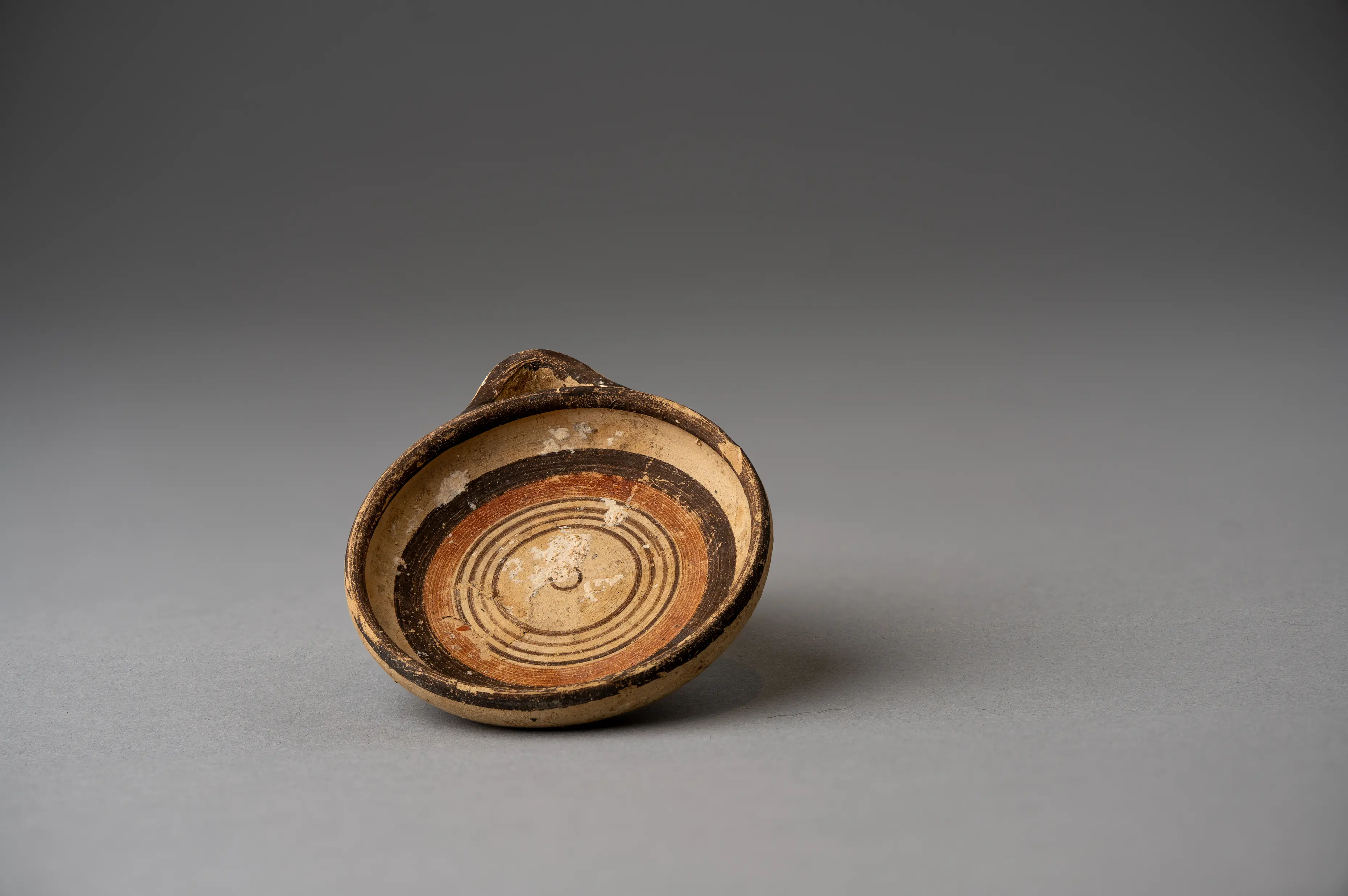
Miniature Bichrome Plate with Concentric Circles
Miniature Cypriot Bichrome plate, its interior painted with a red band crossed by fine black concentric circles; probably Cypro-Archaic I.
Date
850 - 600 BC
Accession No.
DSH-GE-001
Collection
Alexis Drakopoulos
Provenance
- 1960s, The Goodman Collection
- 2025–present, Alexis Drakopoulos, London
Probably Cypro-Archaic I, c. 750–600 BCE (range c. 850–600 BCE) · Bichrome ware · Wheel-made
A miniature shallow plate with a rounded, slightly in-turned rim and a small raised handle at the rim. The interior is painted in black and red on a pale cream ground. A dark band covers the lip; below a narrow reserved zone, a broad black band gives way to a wide band of red, within which the painter drew a set of fine black concentric circles, the red showing between them. The reserved centre holds more circles around a small painted ring. Wheel striations are visible through the red.
The handle is darkened with paint. The rim is chipped on one side, and whitish lime encrustation clings to the centre and the upper wall.
Commentary
Black and red paint on a pale ground places the plate in Bichrome ware, the two-colour counterpart of White Painted in the Cypriot Iron Age. As in most Bichrome, the red is used as a fill inside a black framework [1]; here the painter laid the red band first and then drew the black circles across it.
Its small scale and form point to a group of little plates that the Swedish Cyprus Expedition found in Cypro-Archaic tombs at Stylli in the Famagusta district. These are Bichrome IV plates with in-turned rims, "encircling lines outside and inside" and "red handles", with diameters as small as 10.5–10.6 cm (nos. 5 and 28), and with two wavy handles pierced by string-holes at the rim [2]. One from Stylli Tomb 17 in Stockholm measures only 9.5 cm [3]. In Gjerstad's system Bichrome IV corresponds to Cypro-Archaic I, c. 750–600 BCE [4], which is the most likely date for this piece.
A single handle rises from the rim. If the plate once had a second, now lost, the Stylli type fits well. If it was made with one handle only, a comparison opens with earlier single-handled plates such as a White Painted I example from Lapithos Tomb 408 with one horizontal handle and a shaft opposite [5], which would push the date back. For that reason the range is given as c. 850–600 BCE, with Cypro-Archaic I the more likely date.
Plates this small held little and are found in tomb groups alongside full-sized vessels. They may have held a token offering of food or oil for the dead.
References
- 1.Iacovou, M. (1991) 'Proto-White Painted Pottery: A Classification of the Ware', in Barlow, J. A., Bolger, D. L. and Kling, B. (eds) Cypriot Ceramics: Reading the Prehistoric Record. Philadelphia: University Museum, p. 226.
- 2.Gjerstad, E., Lindros, J., Sjöqvist, E. and Westholm, A. (1935) The Swedish Cyprus Expedition II: Finds and Results of the Excavations in Cyprus 1927–1931. Stockholm: Swedish Cyprus Expedition, Stylli tombs, Bichrome IV plates nos. 5, 12, 28.
- 3.Stockholm, Medelhavsmuseet, St. 017:032: Bichrome IV plate, Stylli Tomb 17 (museum record).
- 4.Gjerstad, E. (1948) The Swedish Cyprus Expedition IV.2: The Cypro-Geometric, Cypro-Archaic and Cypro-Classical Periods. Stockholm: Swedish Cyprus Expedition.
- 5.Gjerstad, E., Lindros, J., Sjöqvist, E. and Westholm, A. (1934) The Swedish Cyprus Expedition I: Finds and Results of the Excavations in Cyprus 1927–1931. Stockholm: Swedish Cyprus Expedition, Lapithos Tomb 408, no. 59.
More from the Catalogue
Browse related objects
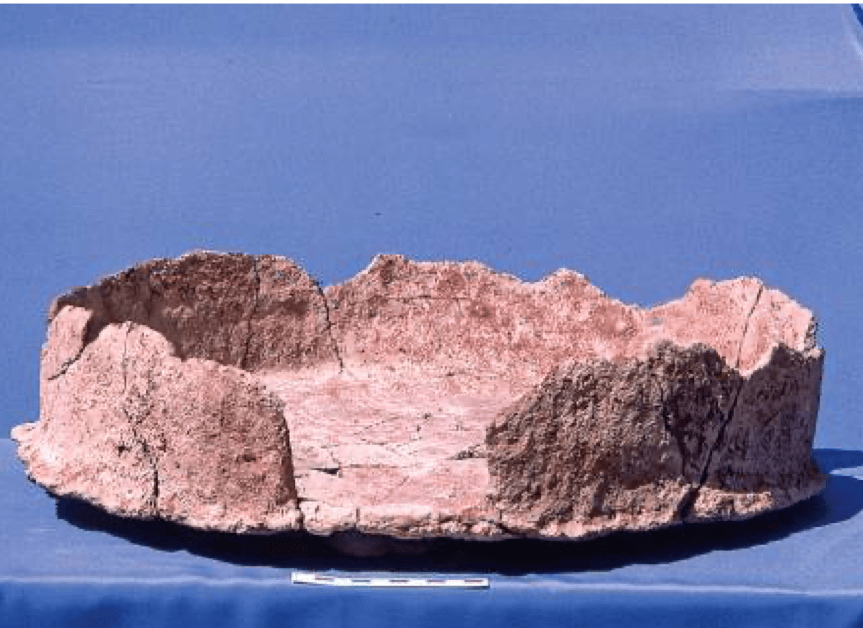
Flanged-base Tray
Chalcolithic
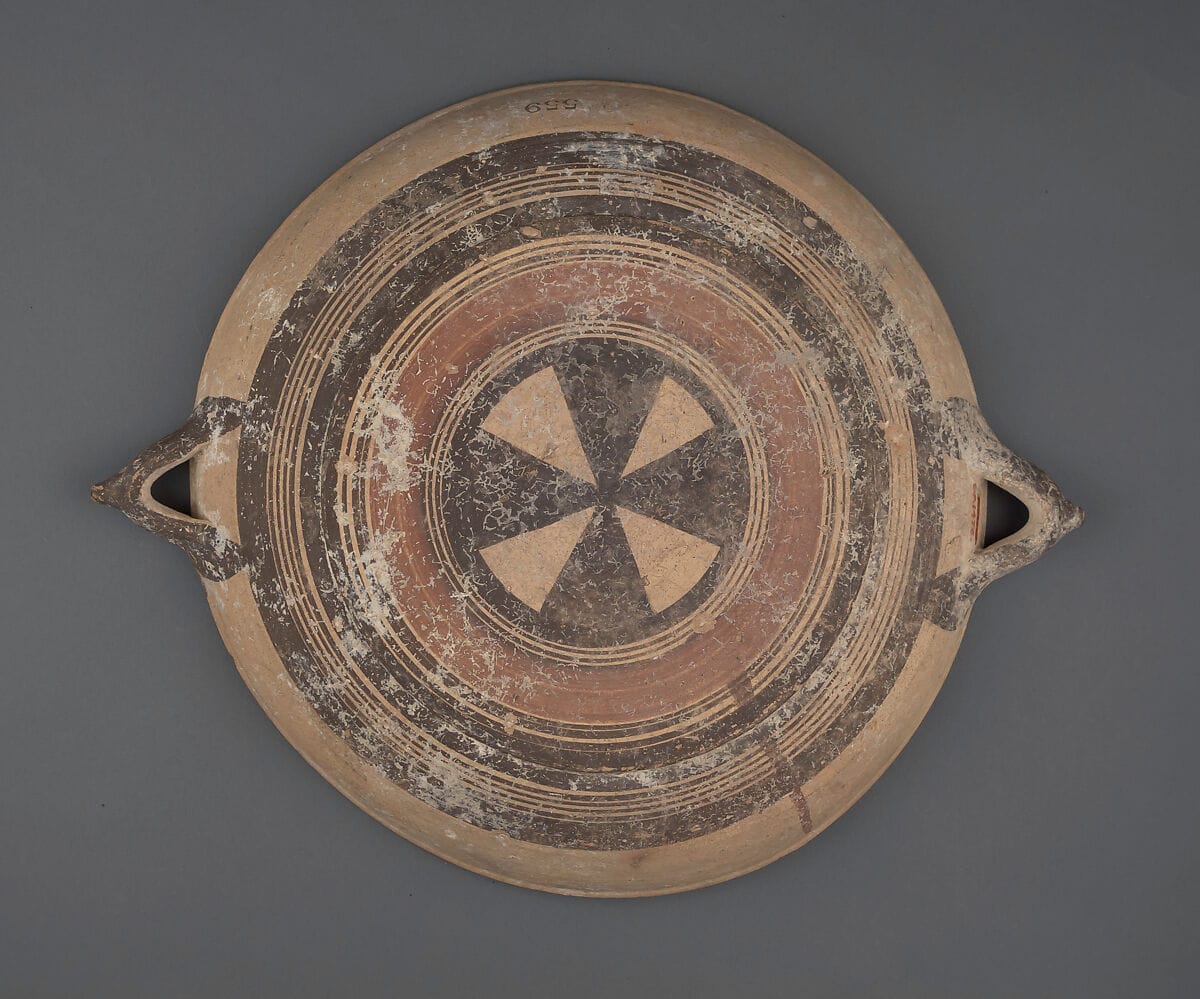
Terracotta plate
Geometric I
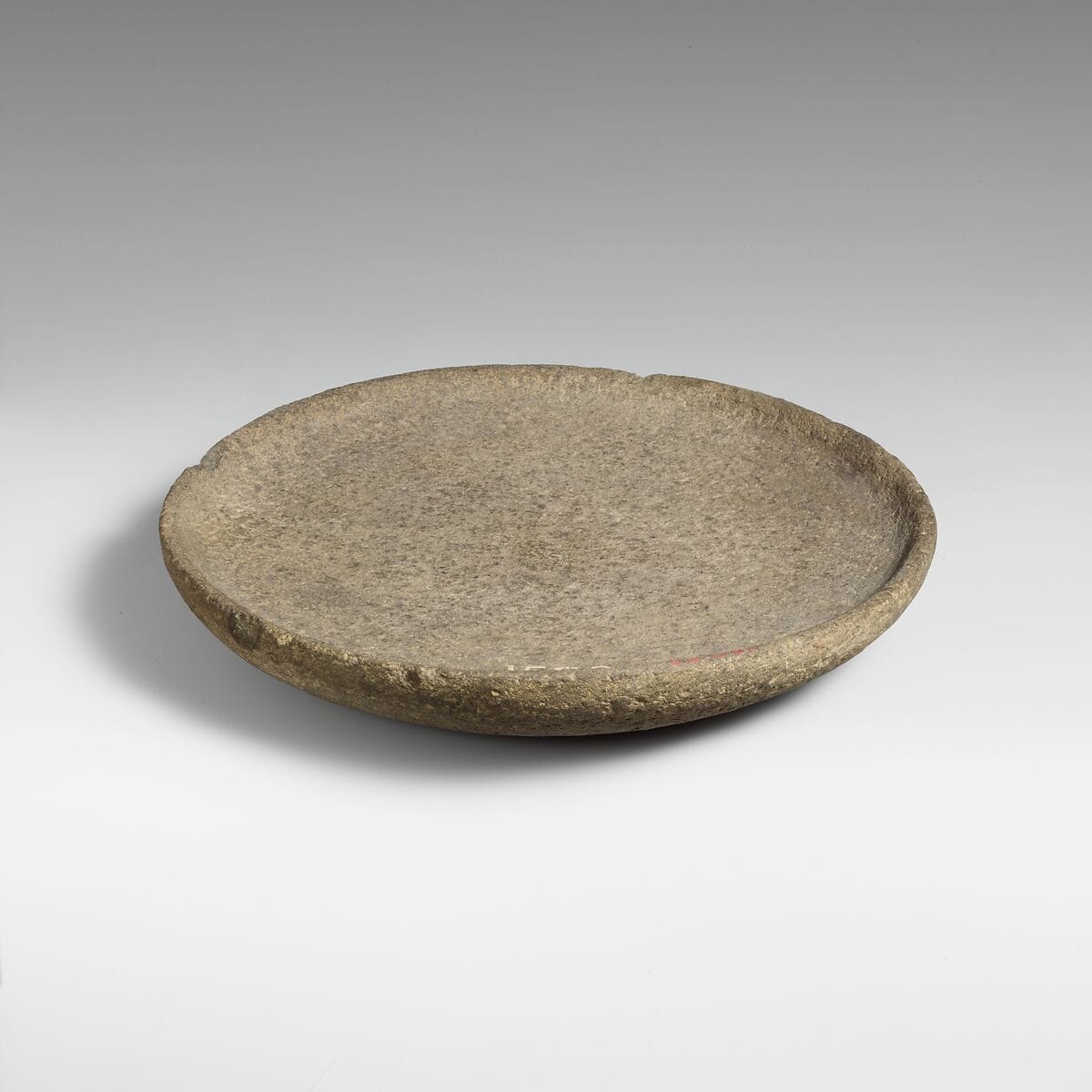
Basalt mortar or plate
Late Bronze Age II
Plate
Geometric I
Fragment of a silver bowl
Archaic I
Terracotta stemmed dish with two handles
Geometric I
Circular limestone incense burner
Bronze Age
Phiale
Classical
Plate
Archaic I
Vesicular basalt mortar or plate
Late Bronze Age II
Plate
Archaic I
Plate
Geometric I
Terracotta plate with horned handles
Geometric II
Gabbro mortar or plate
Late Bronze Age II
Andesite mortar or plate
Late Bronze Age II
Plate
Geometric I
Plate
Archaic I
Lid of a bowl with knob
Archaic