
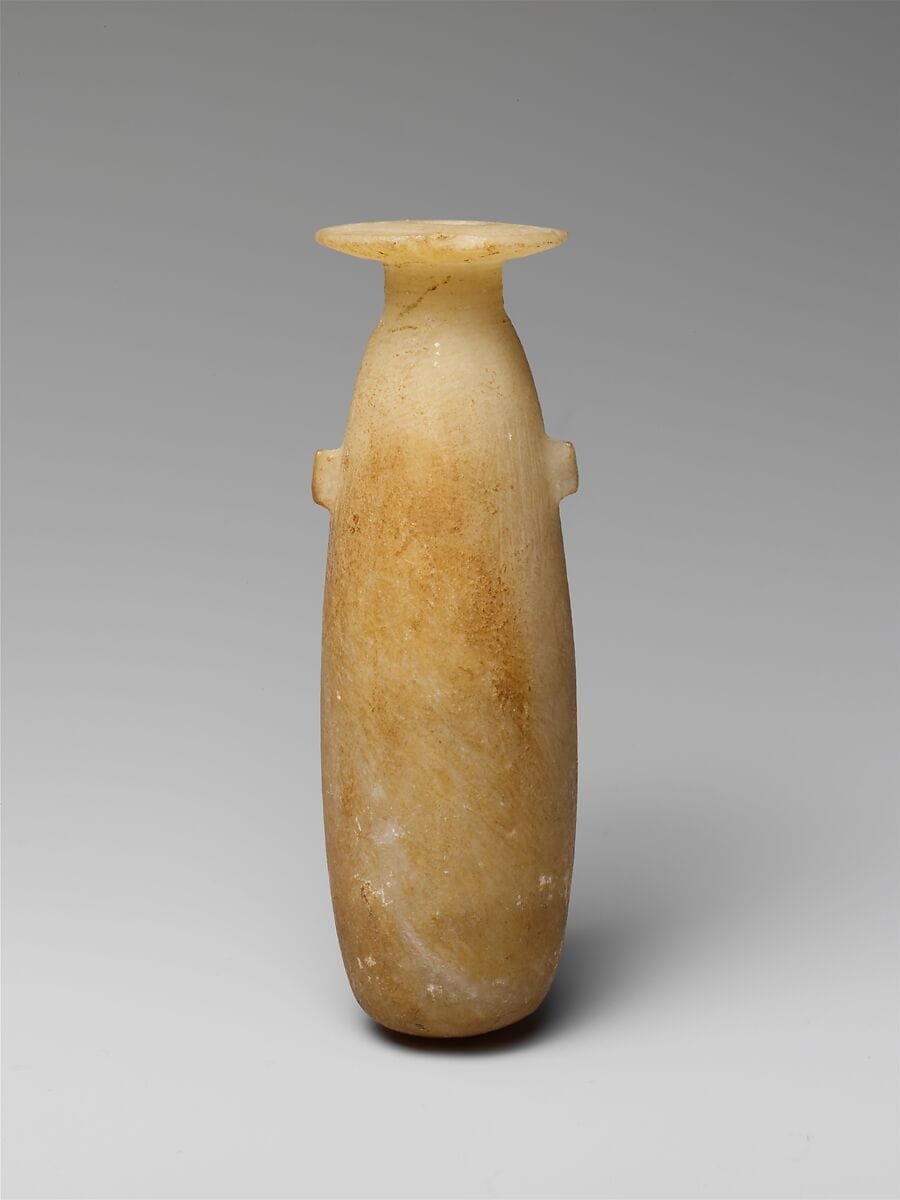
Classical
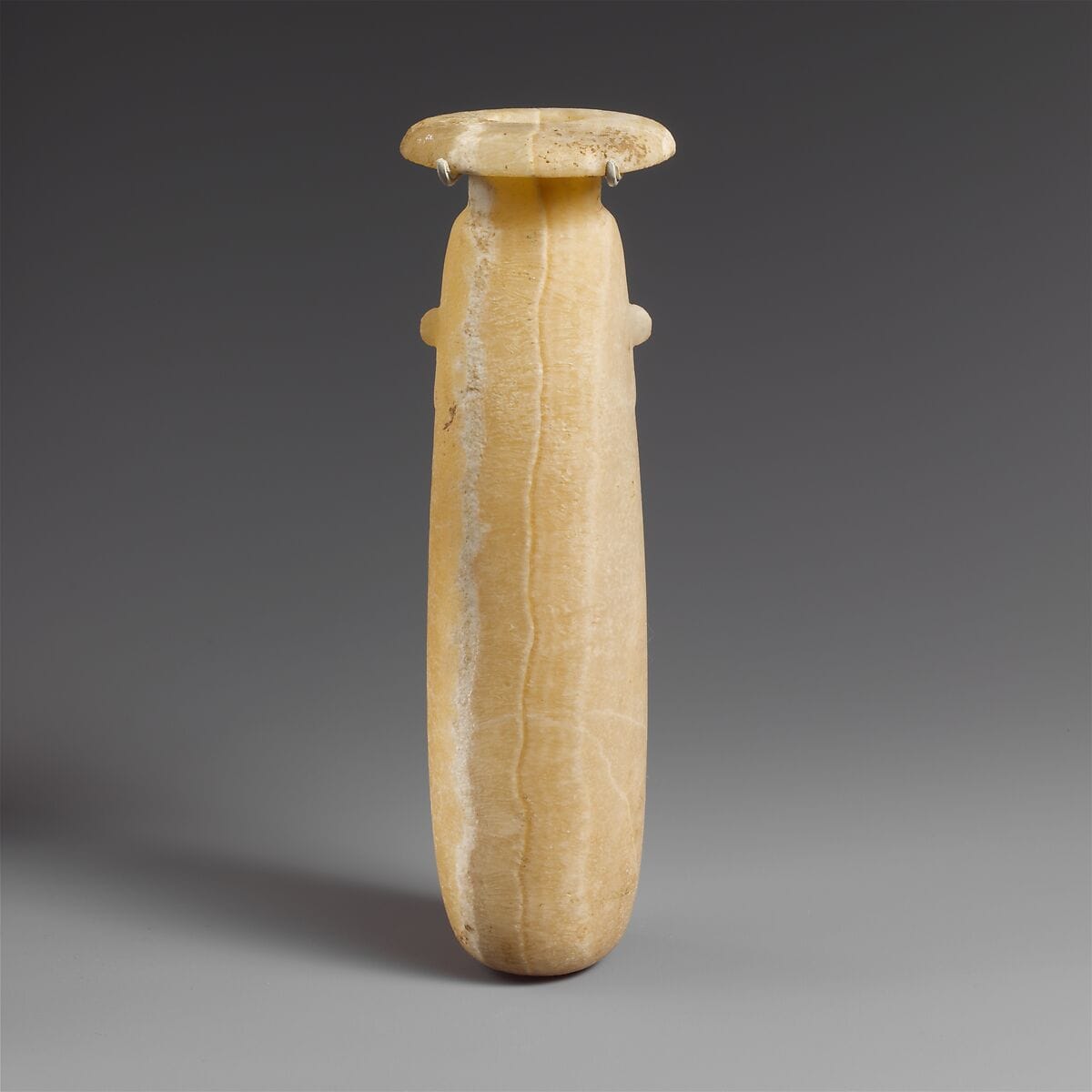
Alabaster alabastron (perfume vase)
Alabastra are ubiquitous in the Greek world and frequent in neighboring regions, particularly the Levant and Egypt. On Cyprus, stone examples begin during the Archaic period (seventh and sixth centuries B.C.) and become widespread during Classical times. The consistency of the shape makes it difficult to date them and to distinguish local from imported examples. Deposits of alabaster exist on the island. Alabastra served men and women in life and frequently were placed in burials. H. 5 1/4 x 1 3/4 in. (13.3 x 4.4 cm)
Date
499 - 300 BC
Accession No.
74.51.5101
Collection
Metropolitan Museum of Art
Provenance
- From Cyprus
References
- Myres, John L. 1914. Handbook of the Cesnola Collection of Antiquities from Cyprus. no. 1614, New York: The Metropolitan Museum of Art.Hermary, Antoine and Joan R. Mertens. 2013. The Cesnola Collection of Cypriot Art : Stone Sculpture. no. 548, p. 395, Online Publication, New York: The Metropolitan Museum of Art.
More from the Catalogue
Browse related objects
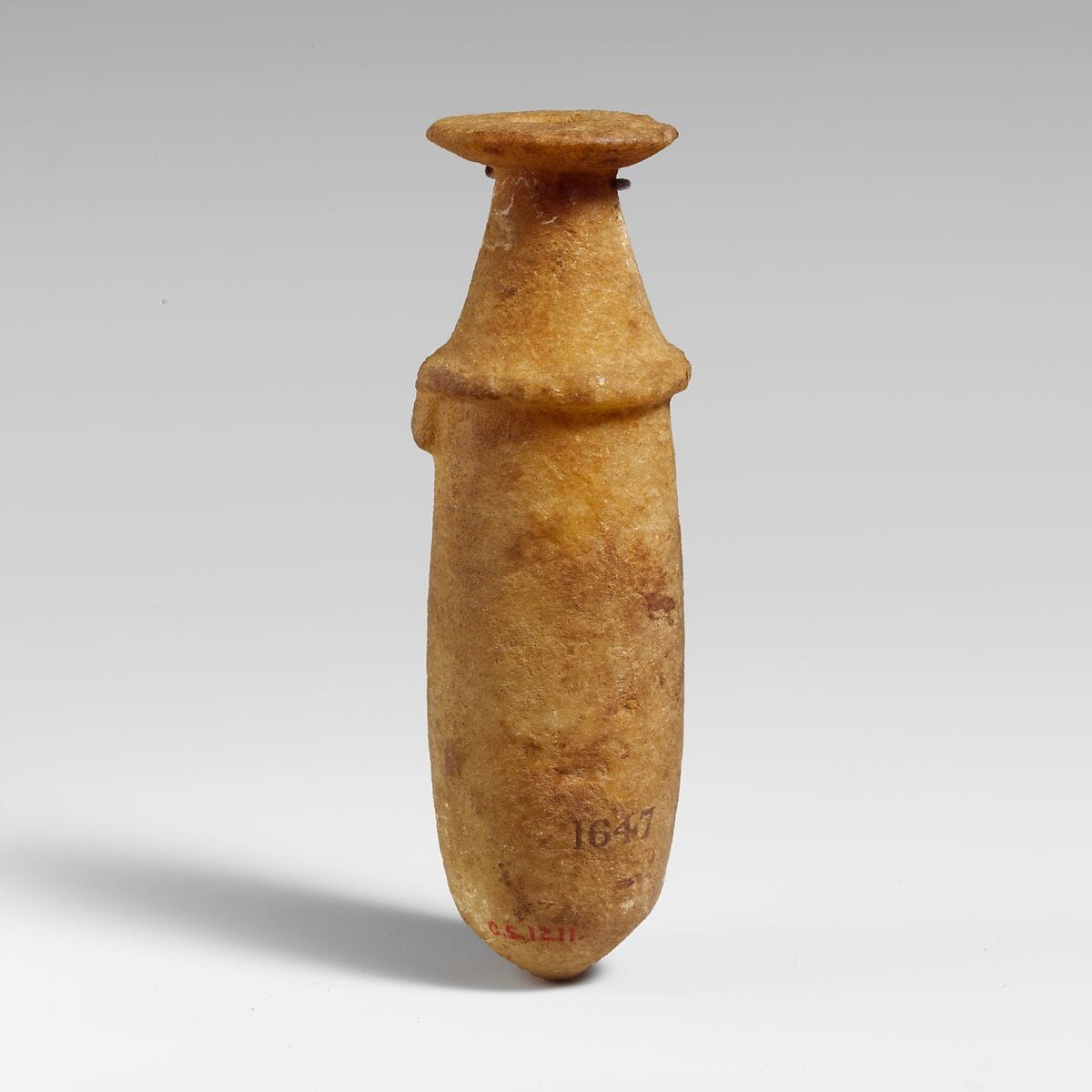
Alabaster alabastron (perfume vase)
Classical
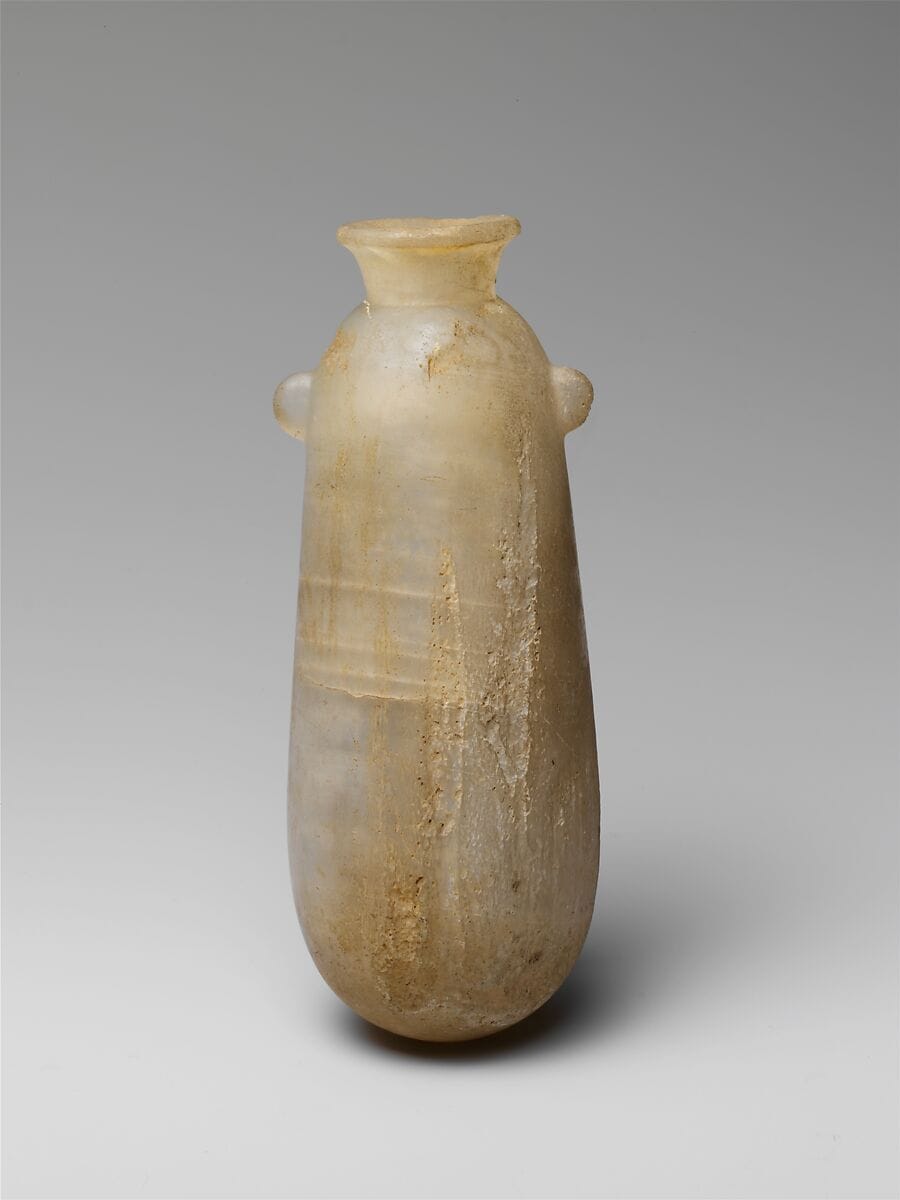
Alabaster alabastron (perfume vase)
Classical
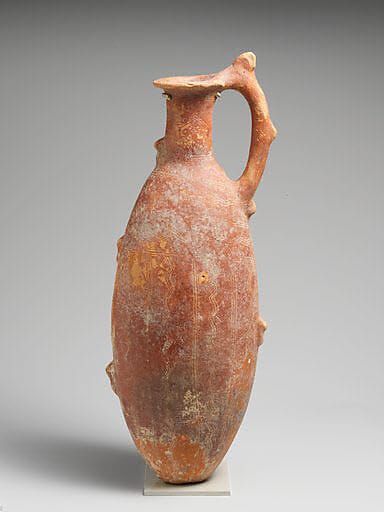
Terracotta flask
Middle Bronze Age I
Alabaster alabastron (perfume vase)
Classical
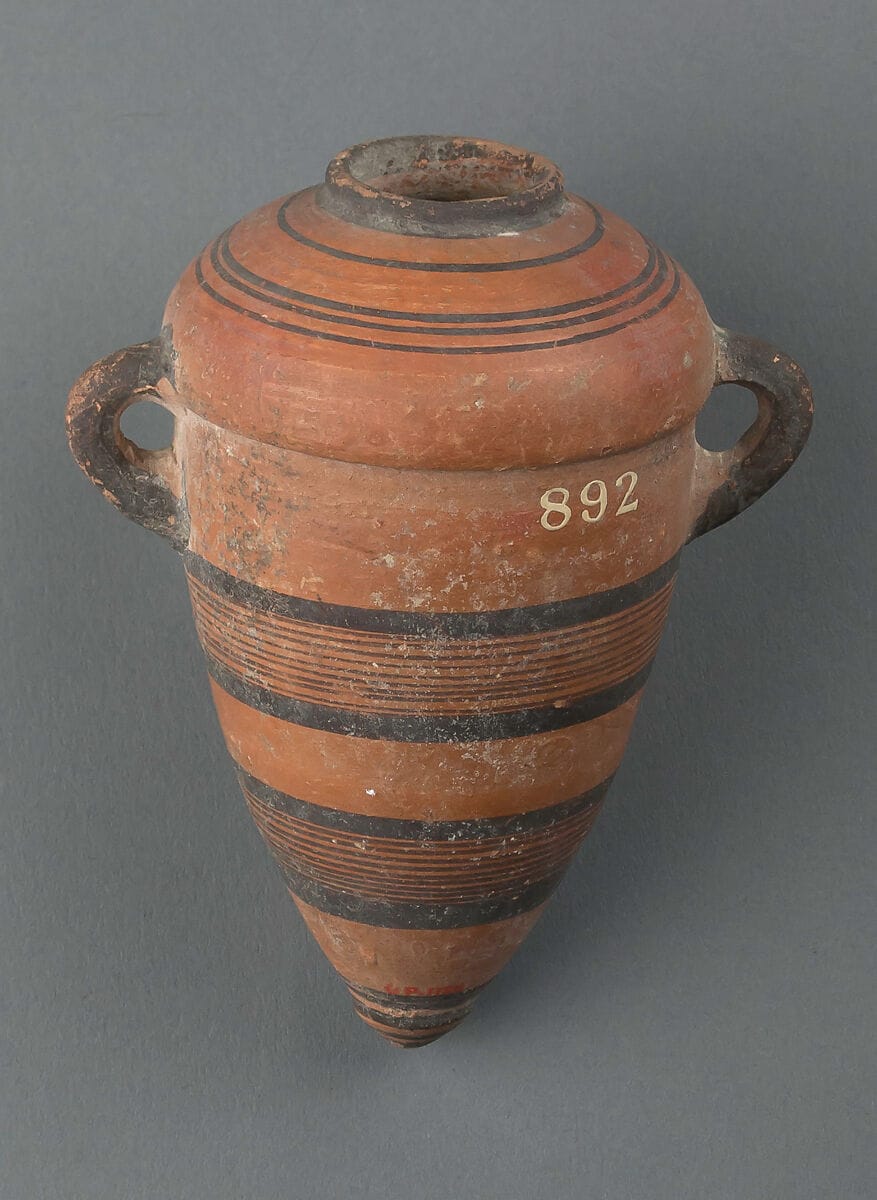
Amphoriskos
Geometric III
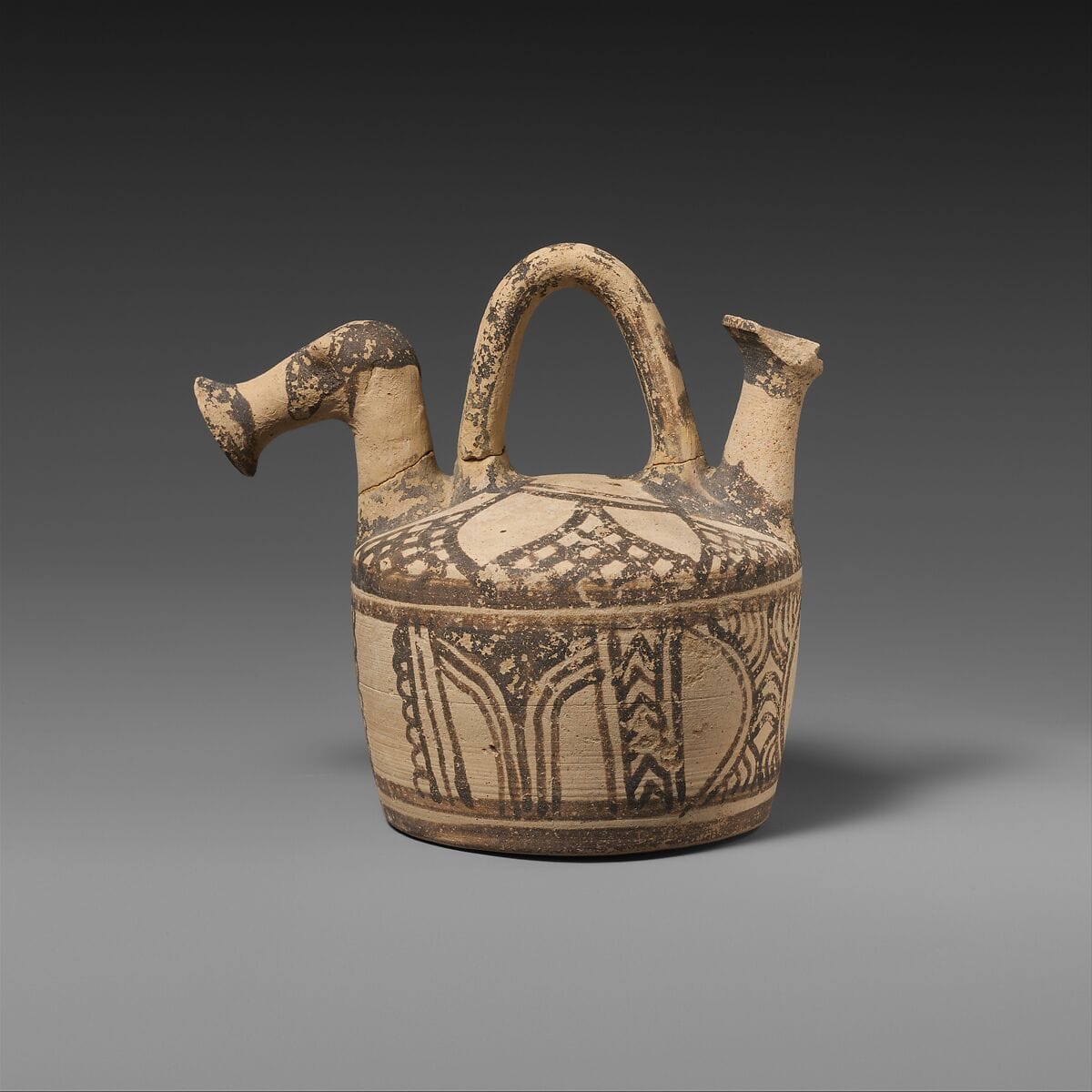
Terracotta askos (flask with spout and handle over the top)
Late Bronze Age III
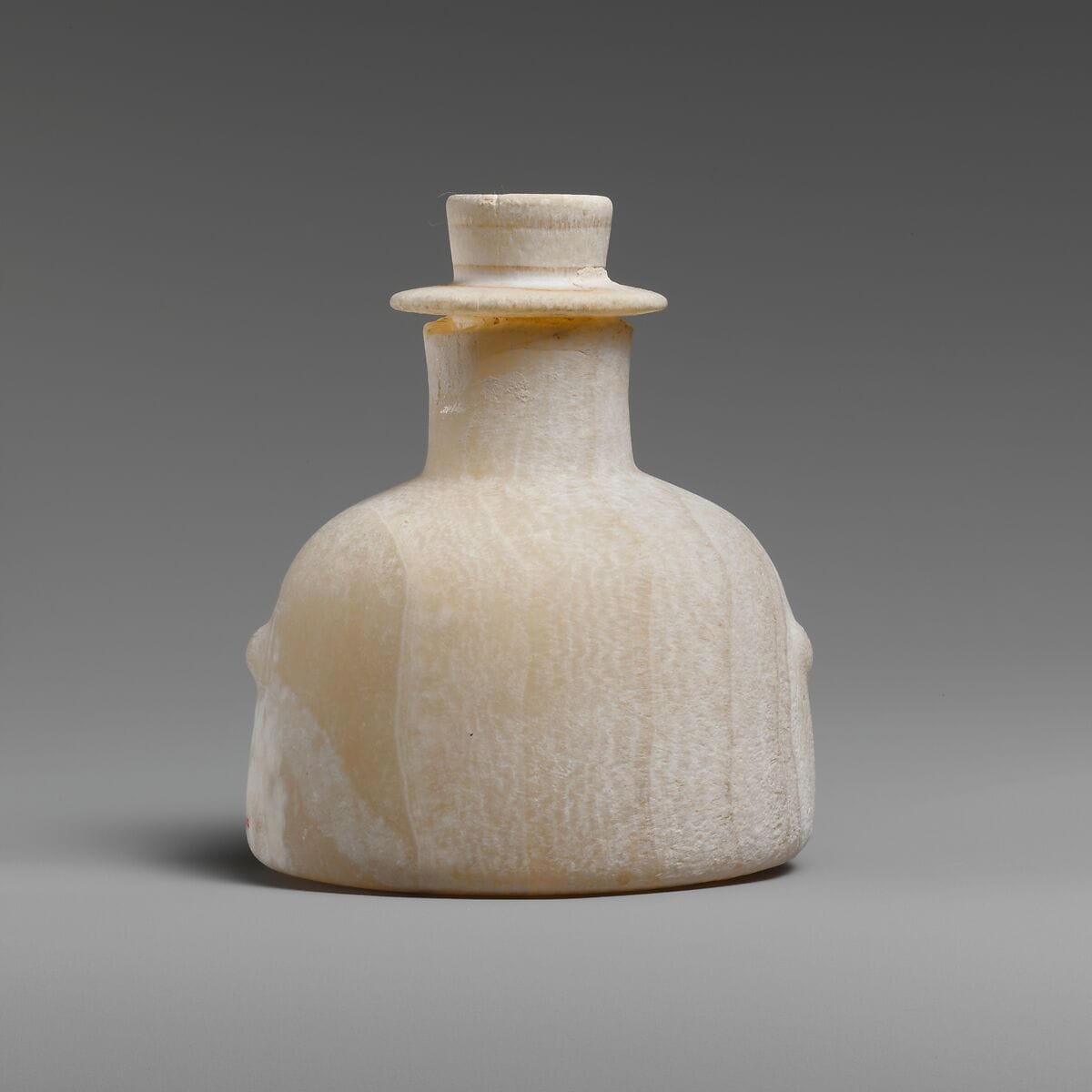
Alabaster flask with stopper
Hellenistic
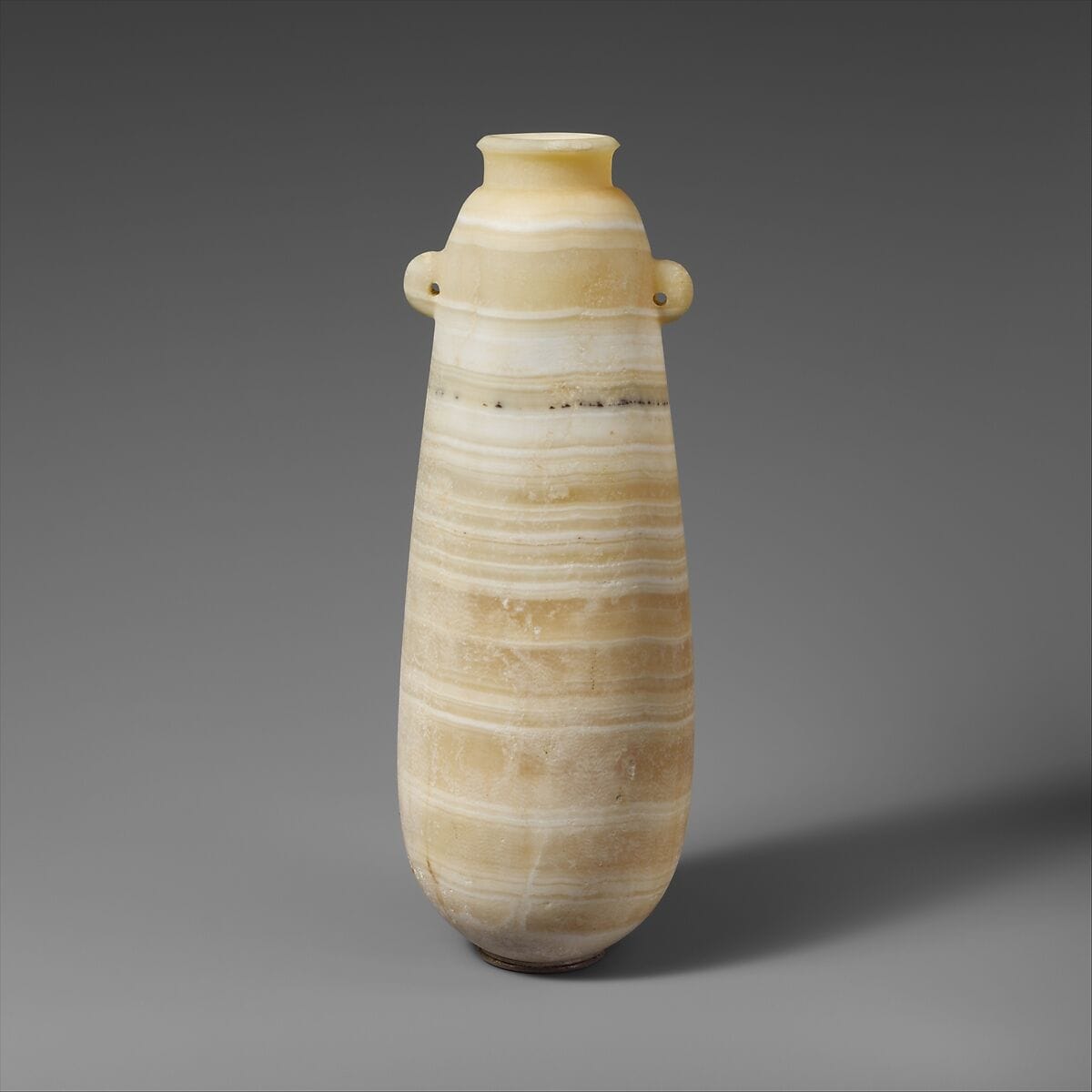
Alabaster alabastron (perfume vase)
Archaic II
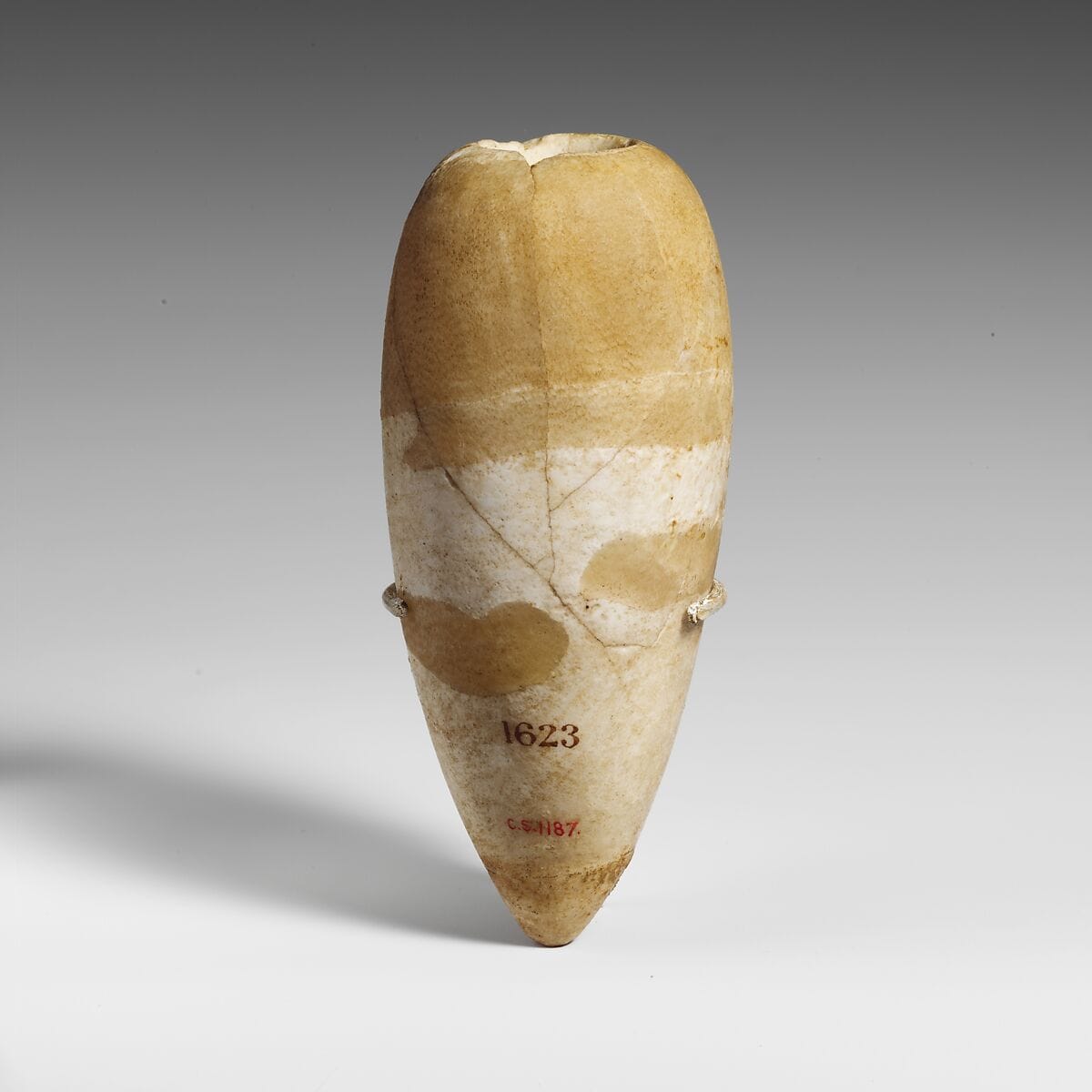
Alabaster pointed alabastron
Late Bronze Age II
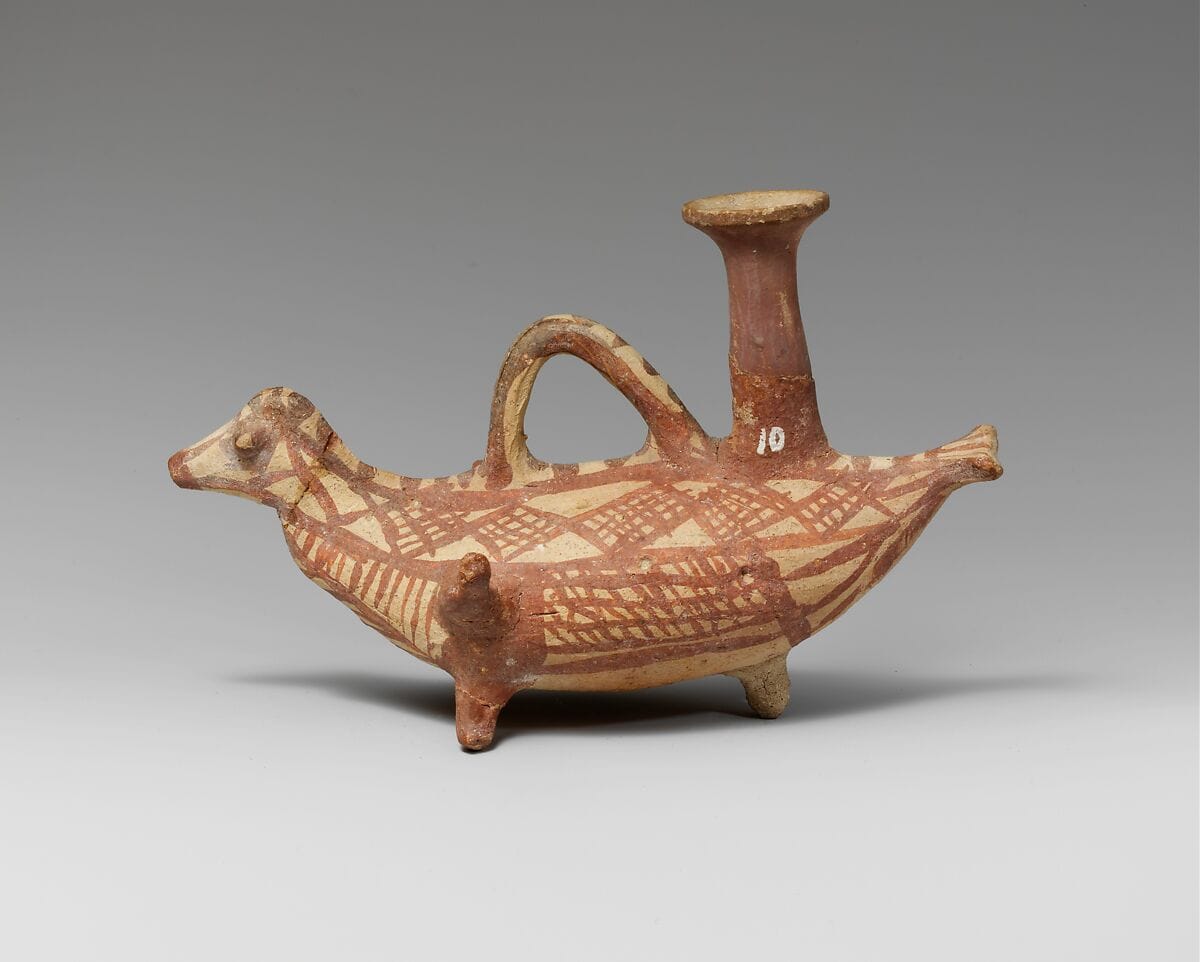
Terracotta askos (flask with a spout and handle over the top) in the form of a bird
Late Bronze Age III
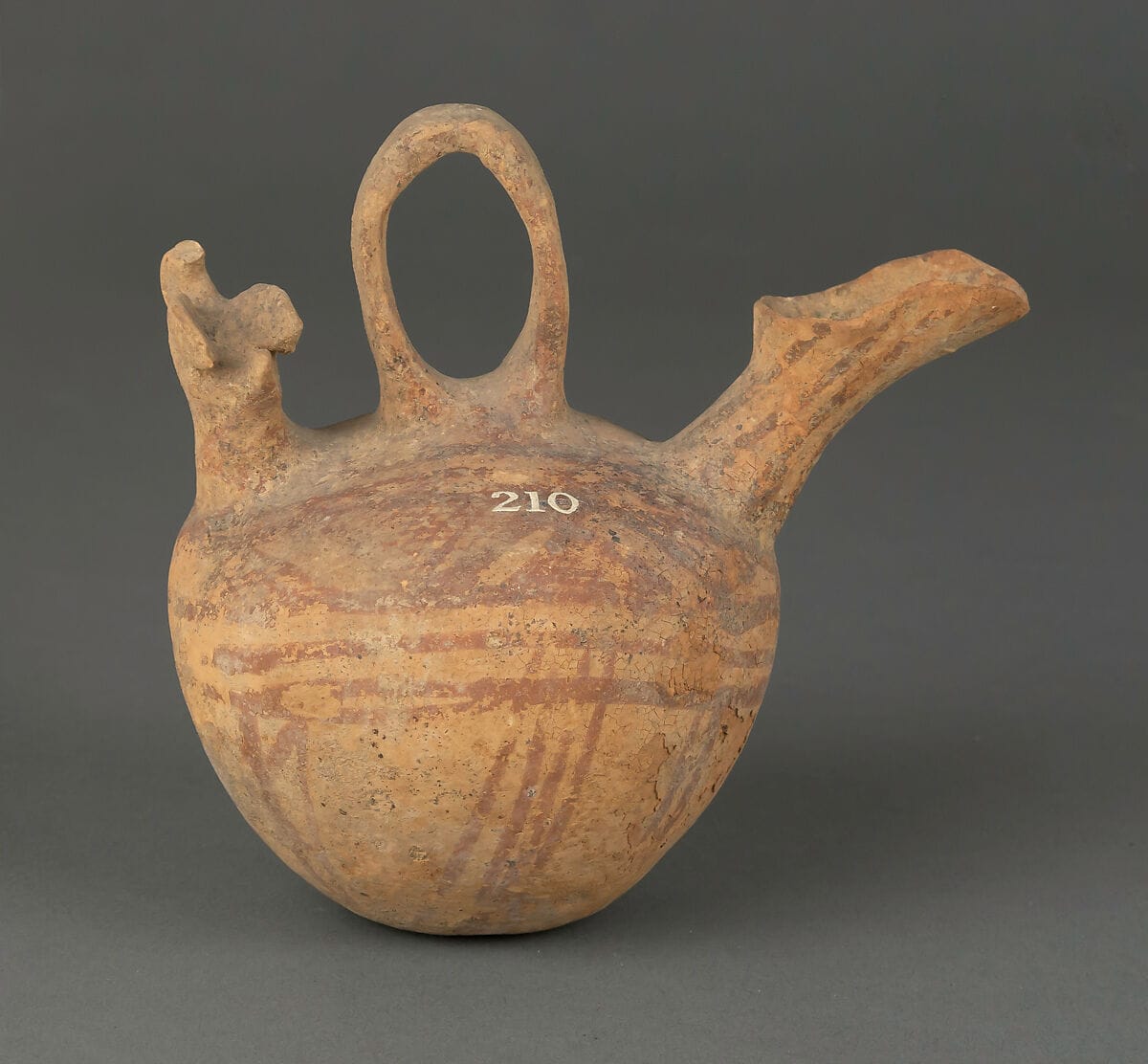
Askos in the form of an animal
Middle Bronze Age II
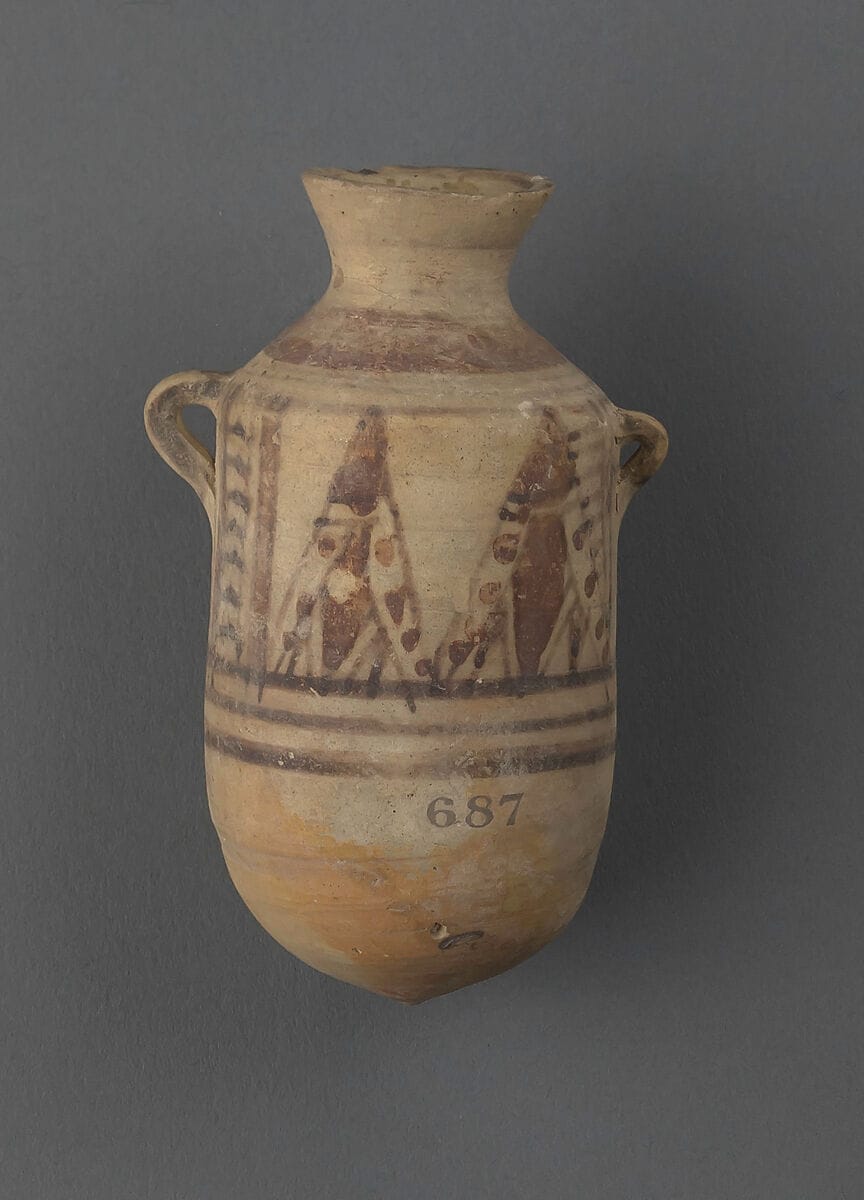
Flask
Archaic II
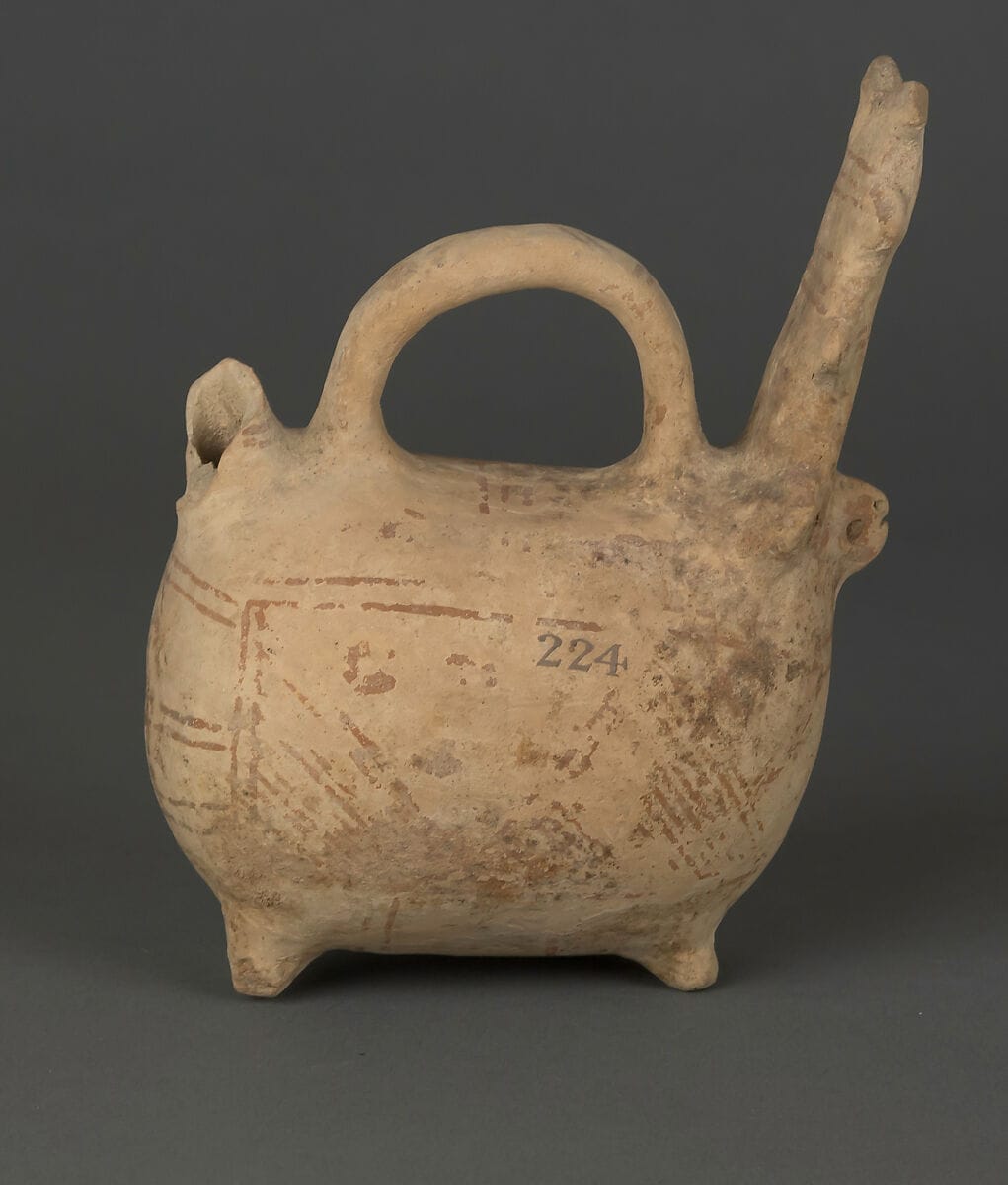
Askos in the form of an animal
Middle Bronze Age II
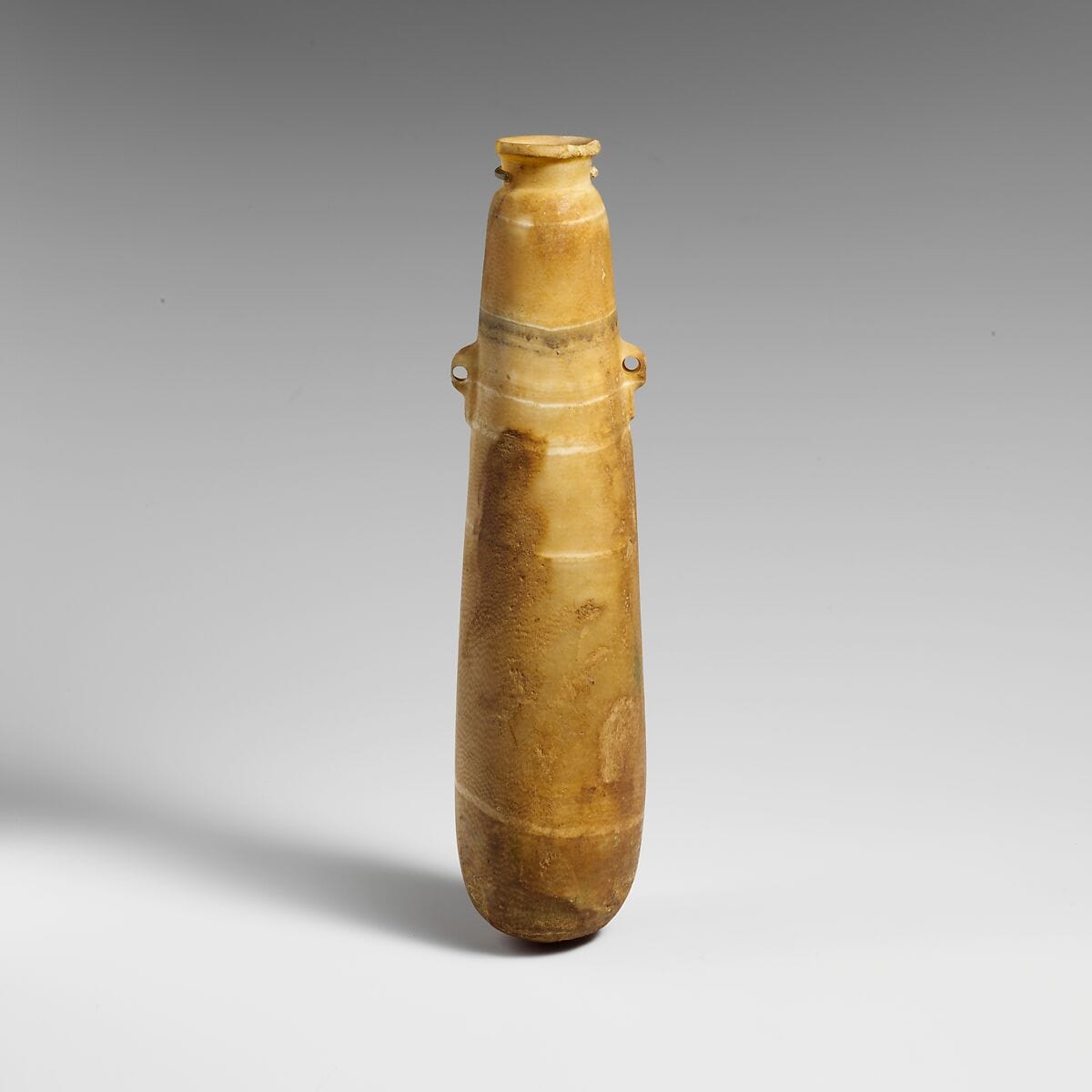
Alabaster alabastron (perfume vase)
Classical
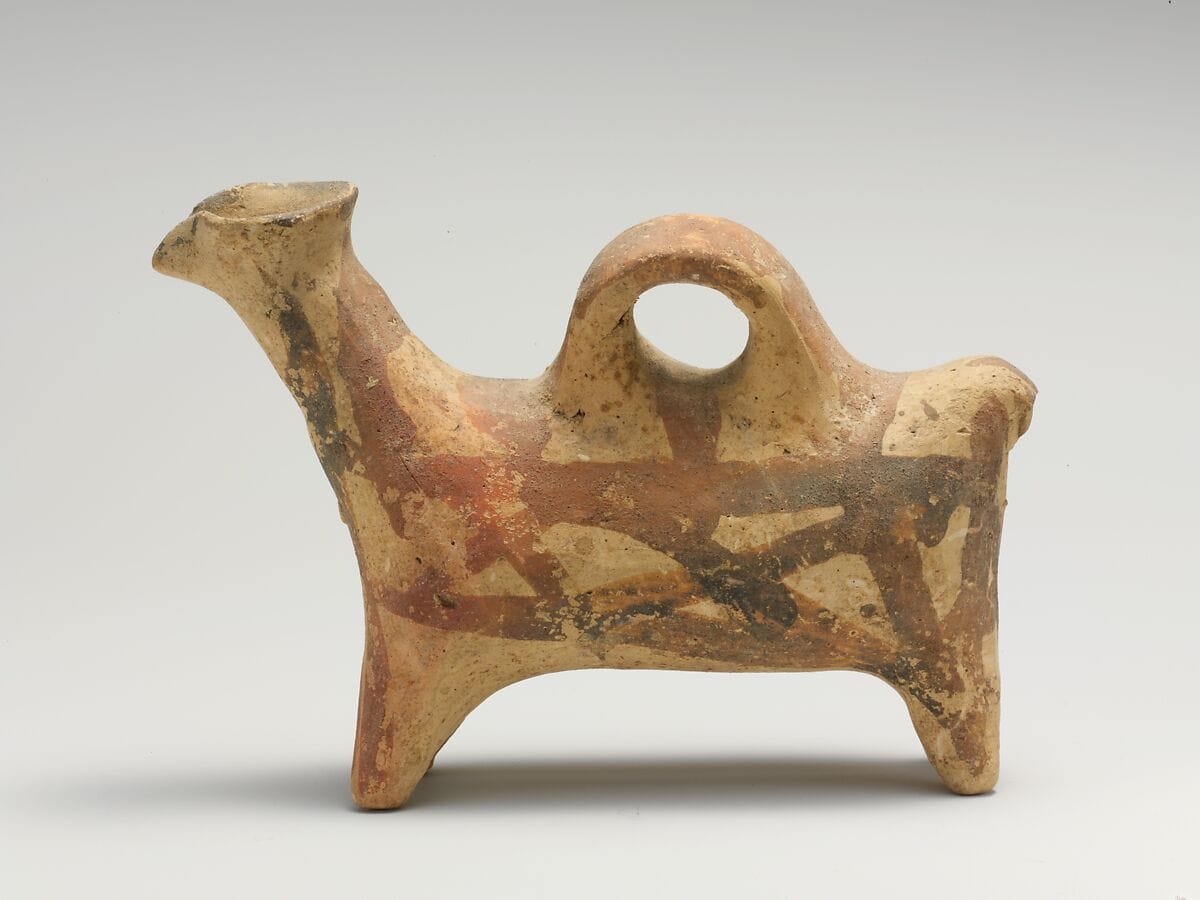
Terracotta zoomorphic askos (vessel)
Middle Bronze Age II
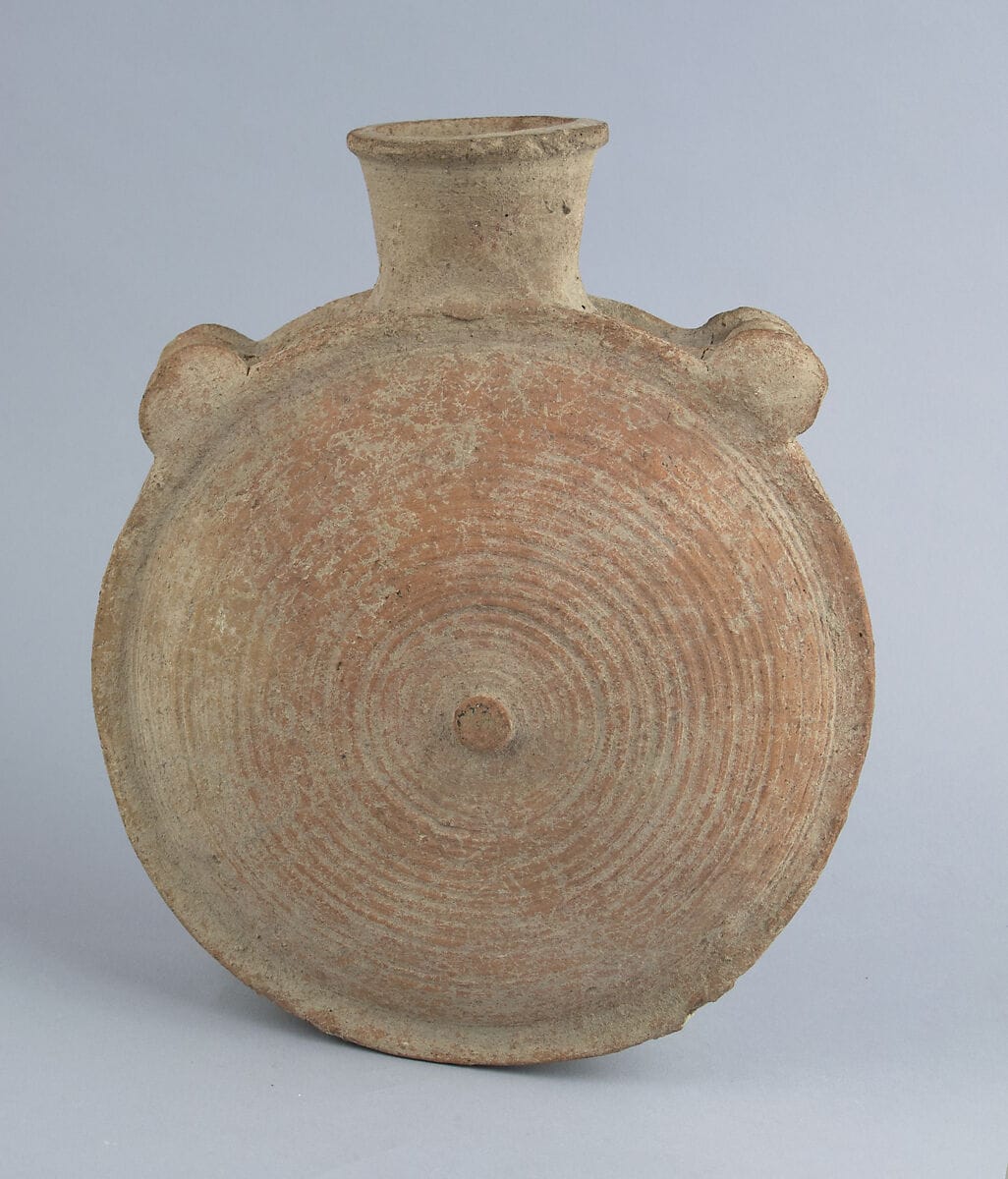
Pilgrim flask
Bronze Age
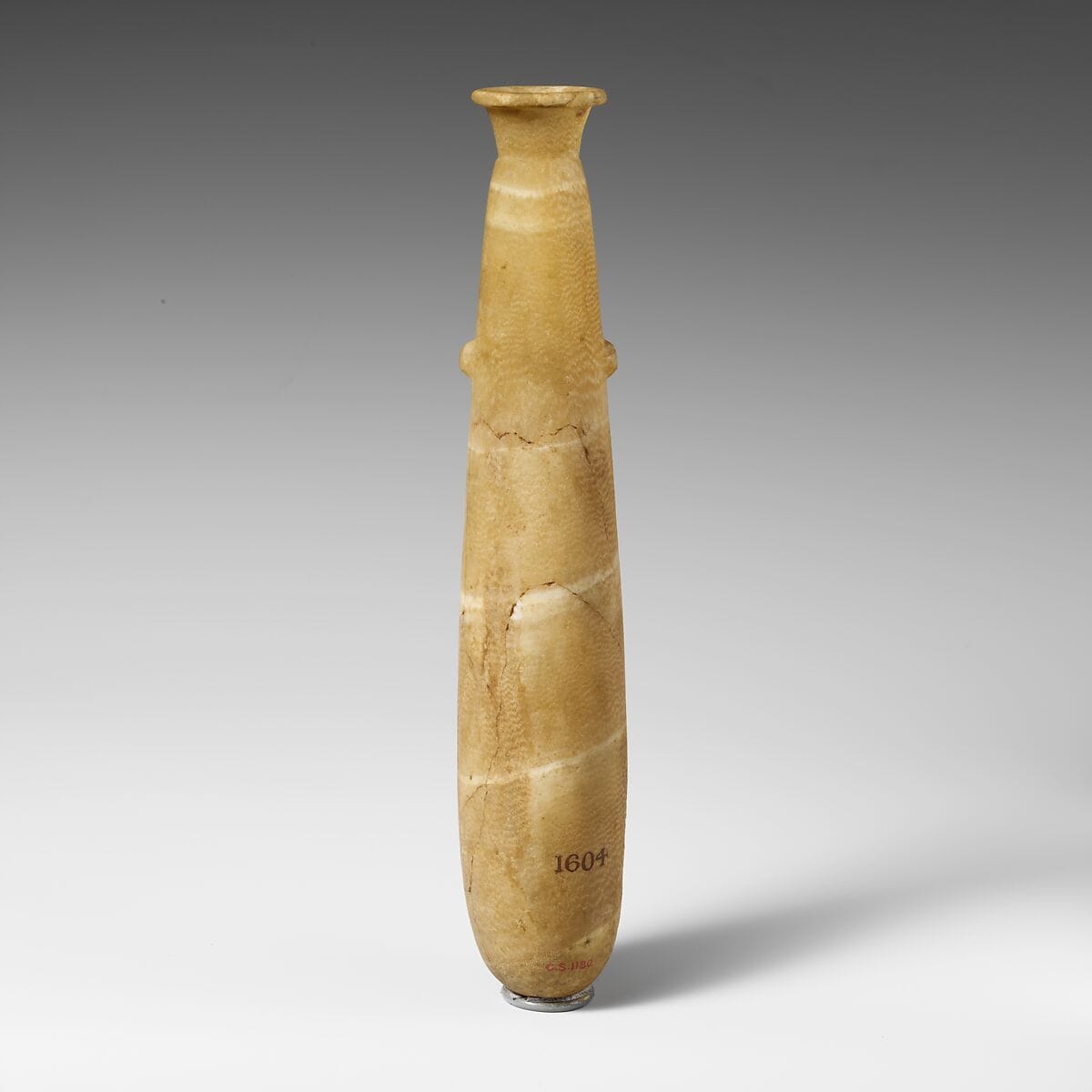
Alabaster alabastron (perfume vase)
Archaic II
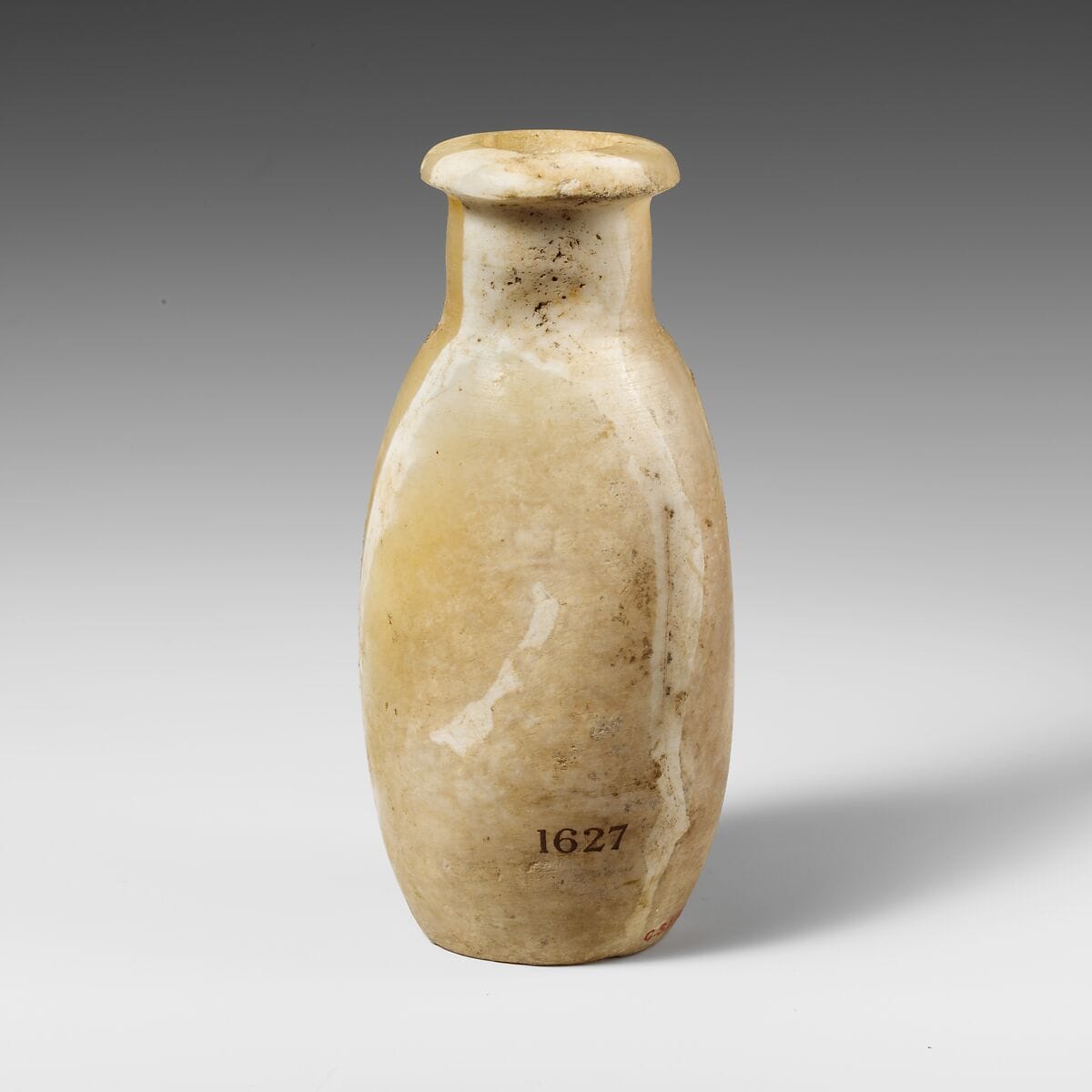
Alabaster flask
Late Bronze Age II