
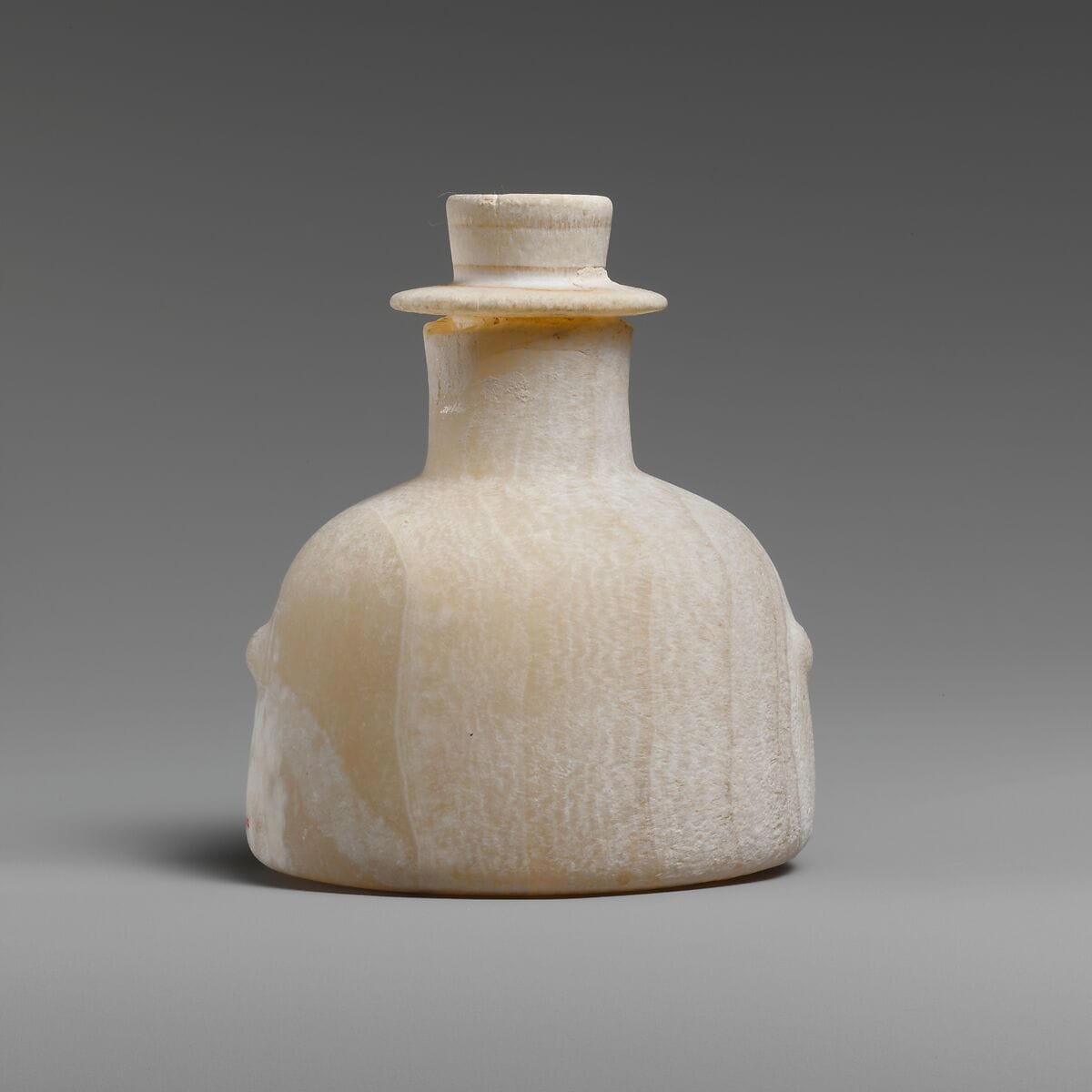
Hellenistic
Alabaster flask with stopper
In the Hellenistic period stone and glass vessels shared many of the same shapes and uses. Some cast glass alabastra, for example, have stoppers that are similar to this alabaster flask. Glass, however, gradually came to supplant the use of stone for such perfume bottles during the first century B.C. WebPub GR 2012 Cesnola: 3 7/16 in., 0.5 lb. (8.8 cm, 0.2 kg)
Date
199 - 50 BC
Accession No.
74.51.5110a, b
Collection
Metropolitan Museum of Art
Provenance
References
- Myres, John L. 1914. Handbook of the Cesnola Collection of Antiquities from Cyprus. no. 1633, New York: The Metropolitan Museum of Art.Hermary, Antoine and Joan R. Mertens. 2013. The Cesnola Collection of Cypriot Art : Stone Sculpture. no. 551, p. 396, Online Publication, New York: The Metropolitan Museum of Art.
More from the Catalogue
Browse related objects
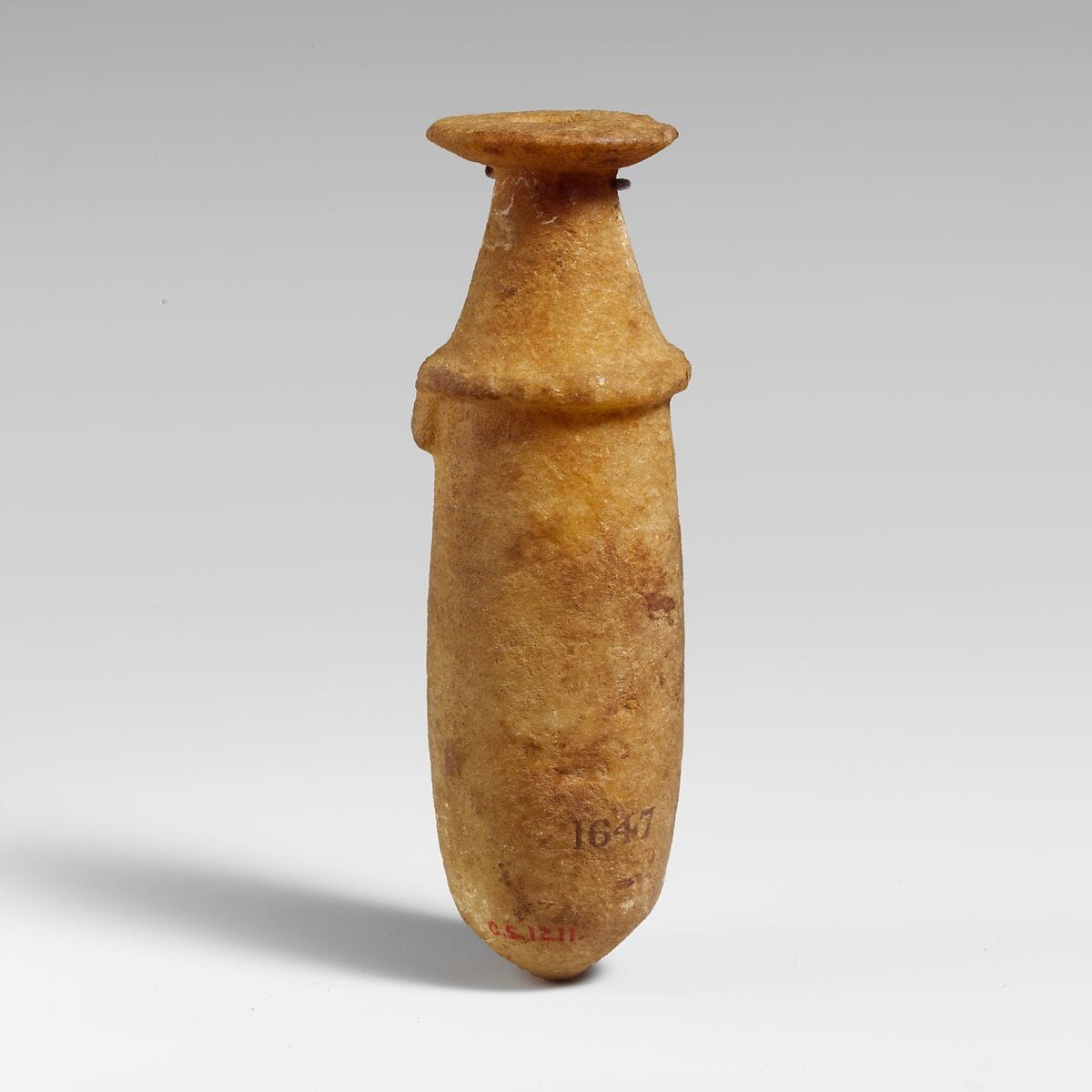
Alabaster alabastron (perfume vase)
Classical
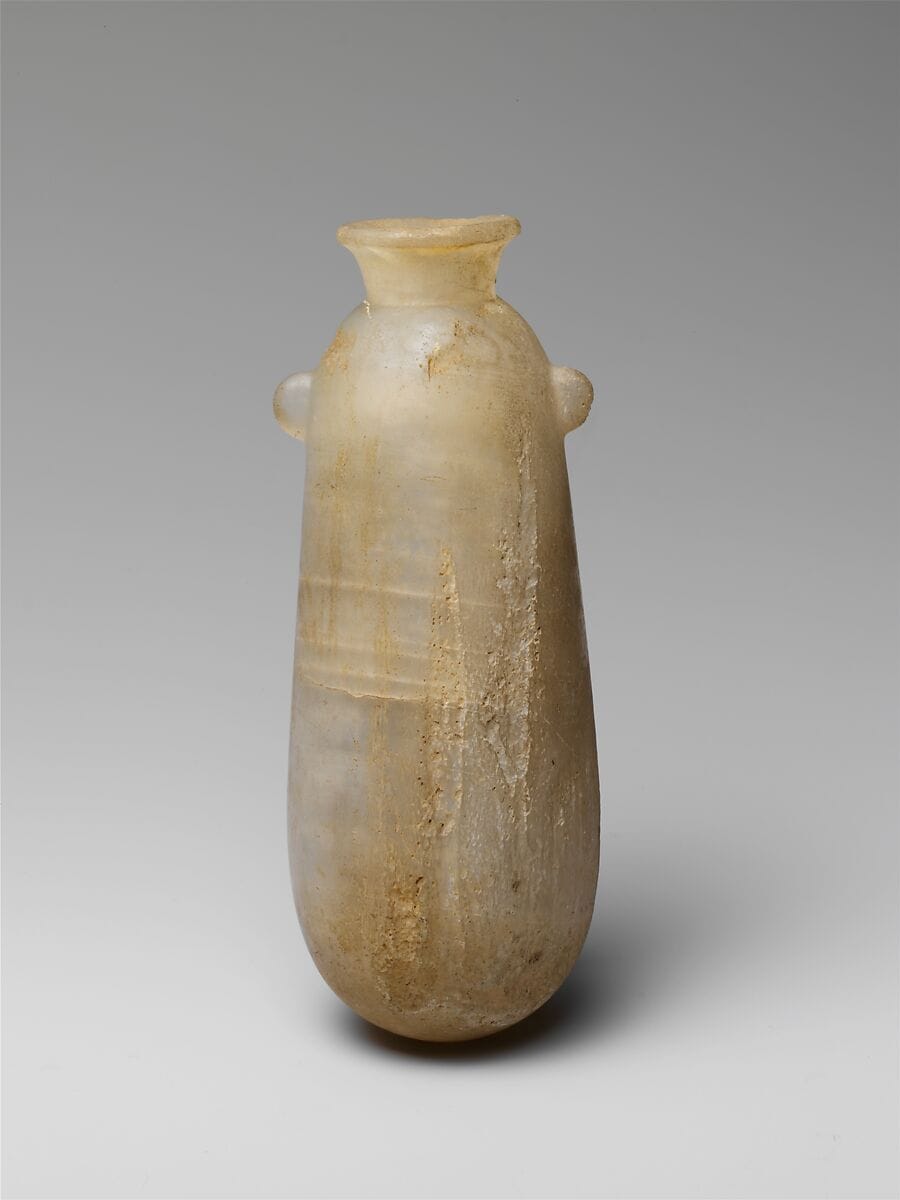
Alabaster alabastron (perfume vase)
Classical
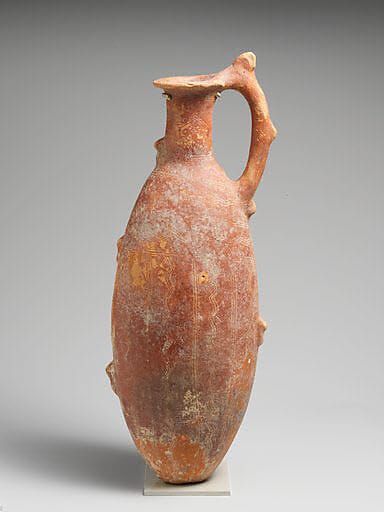
Terracotta flask
Middle Bronze Age I
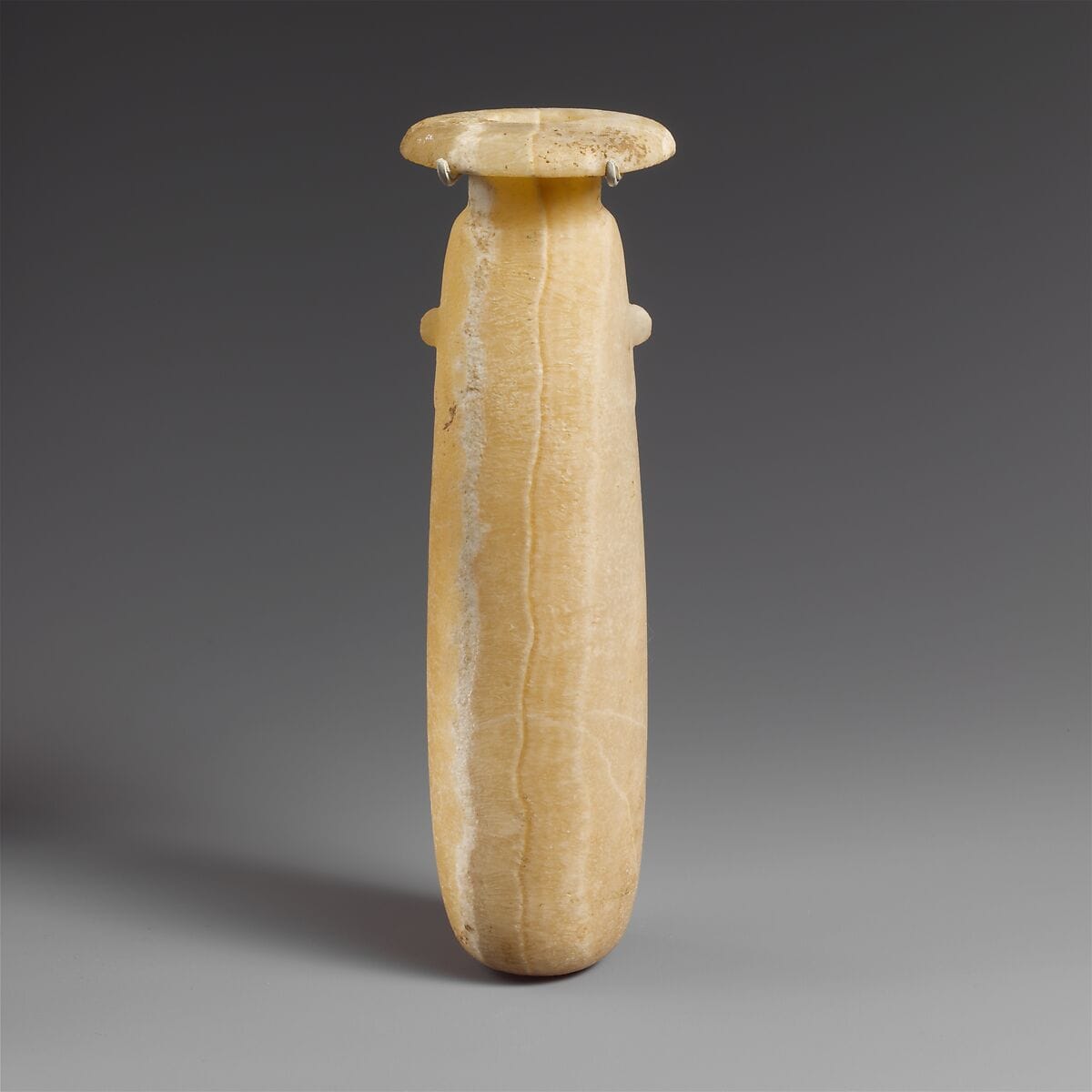
Alabaster alabastron (perfume vase)
Classical
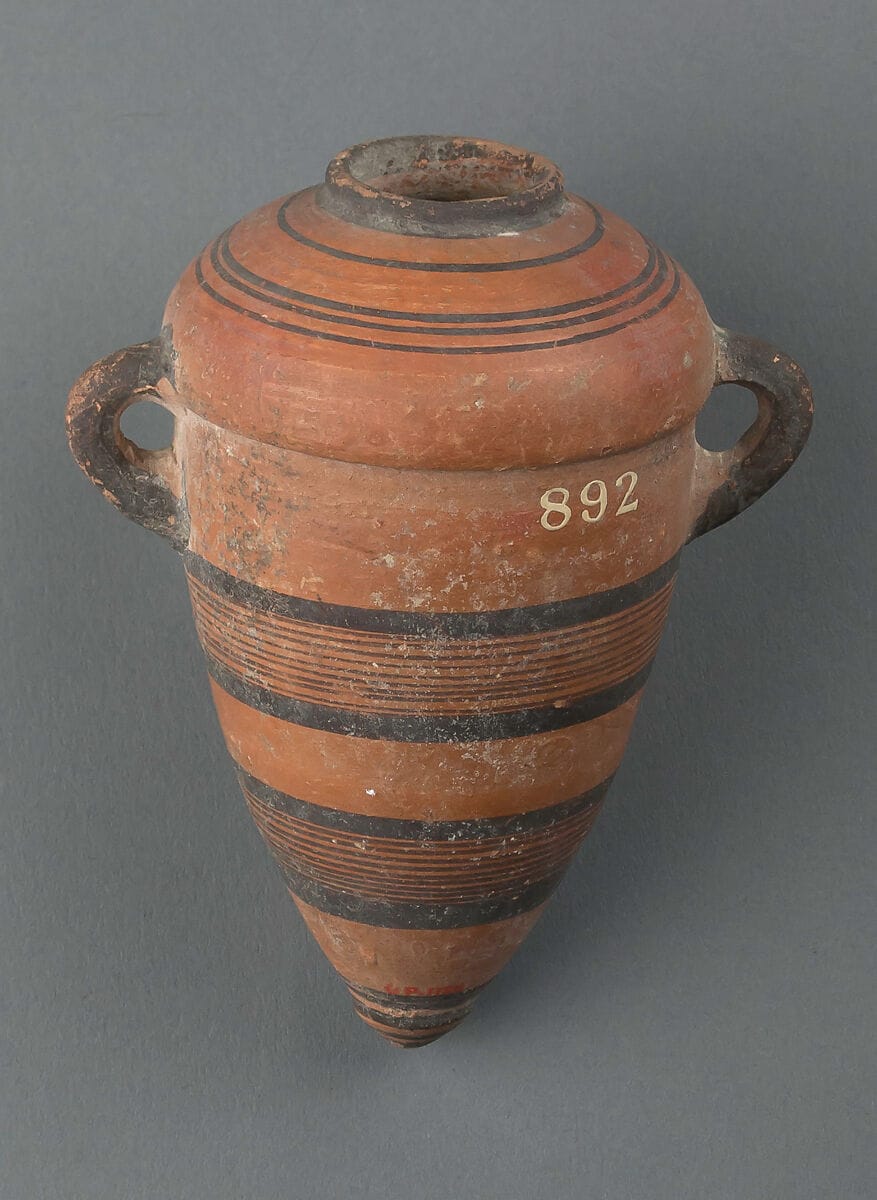
Amphoriskos
Geometric III
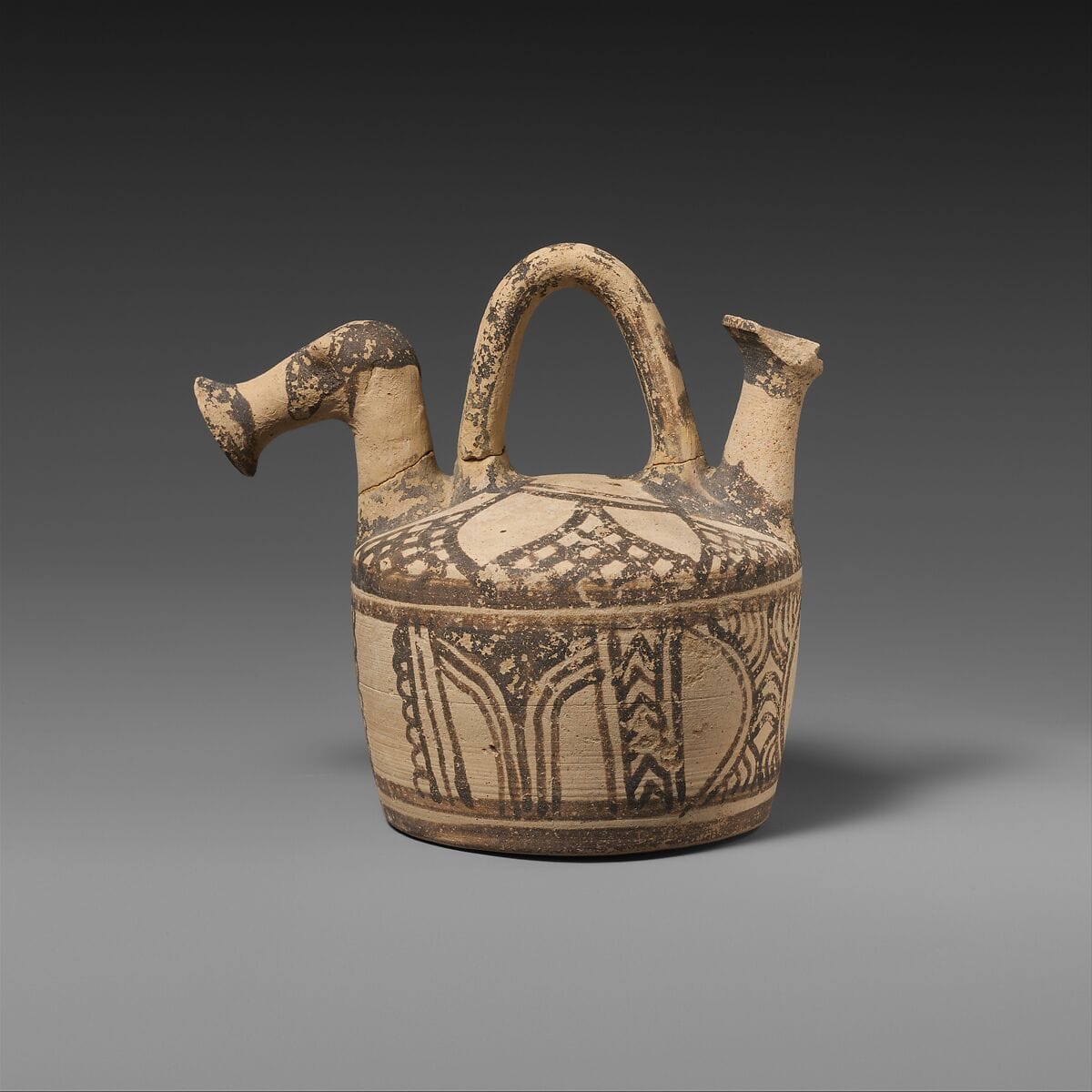
Terracotta askos (flask with spout and handle over the top)
Late Bronze Age III
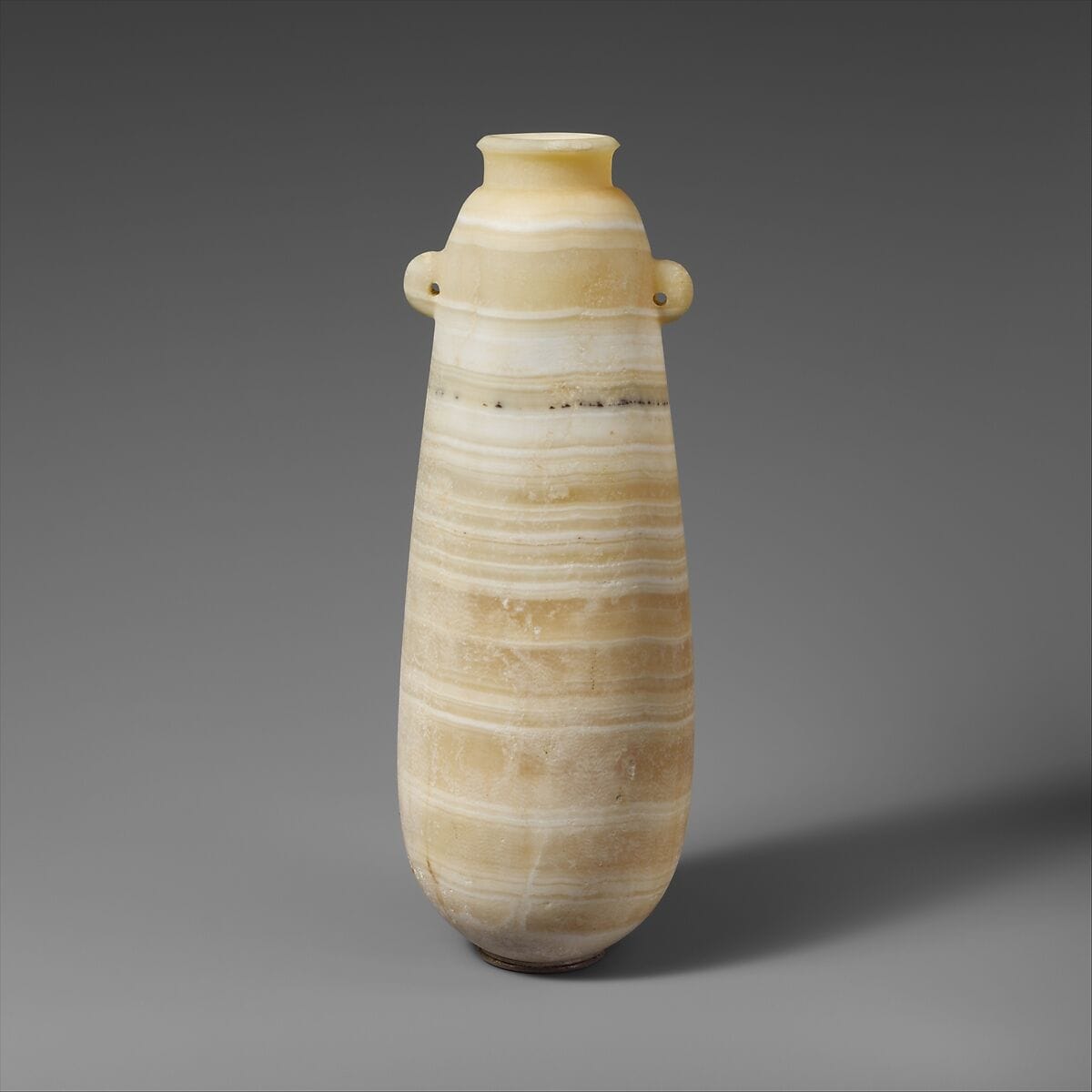
Alabaster alabastron (perfume vase)
Archaic II
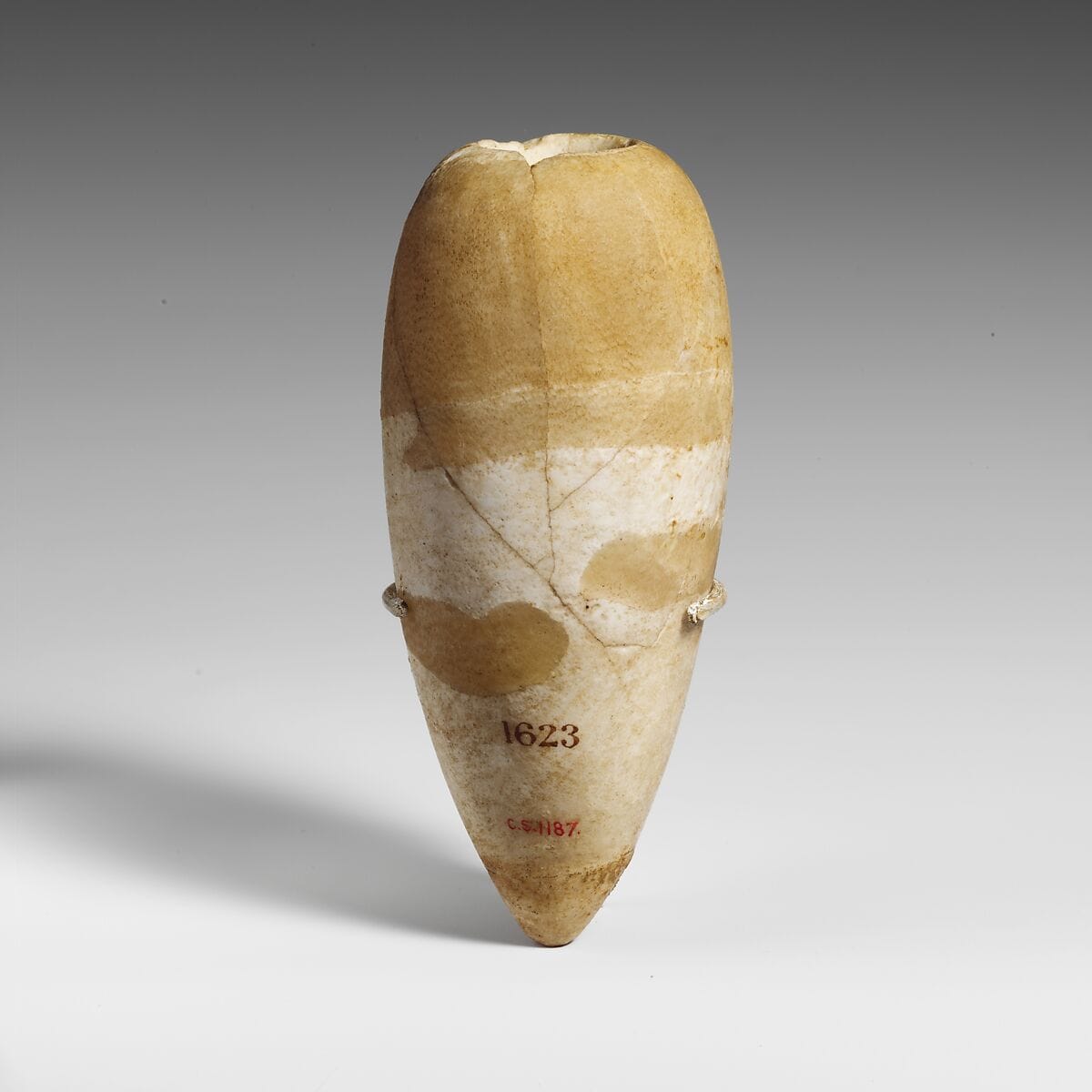
Alabaster pointed alabastron
Late Bronze Age II
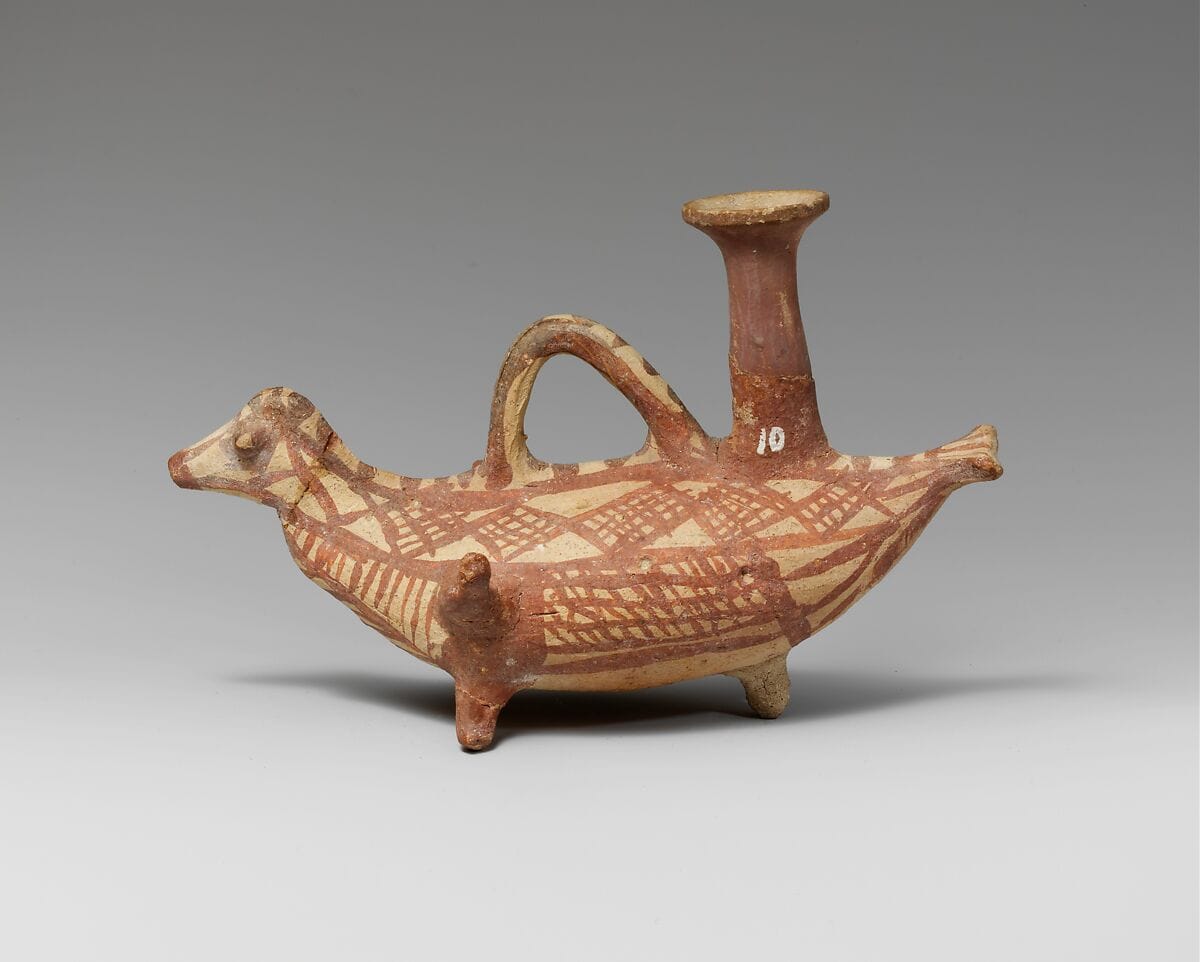
Terracotta askos (flask with a spout and handle over the top) in the form of a bird
Late Bronze Age III
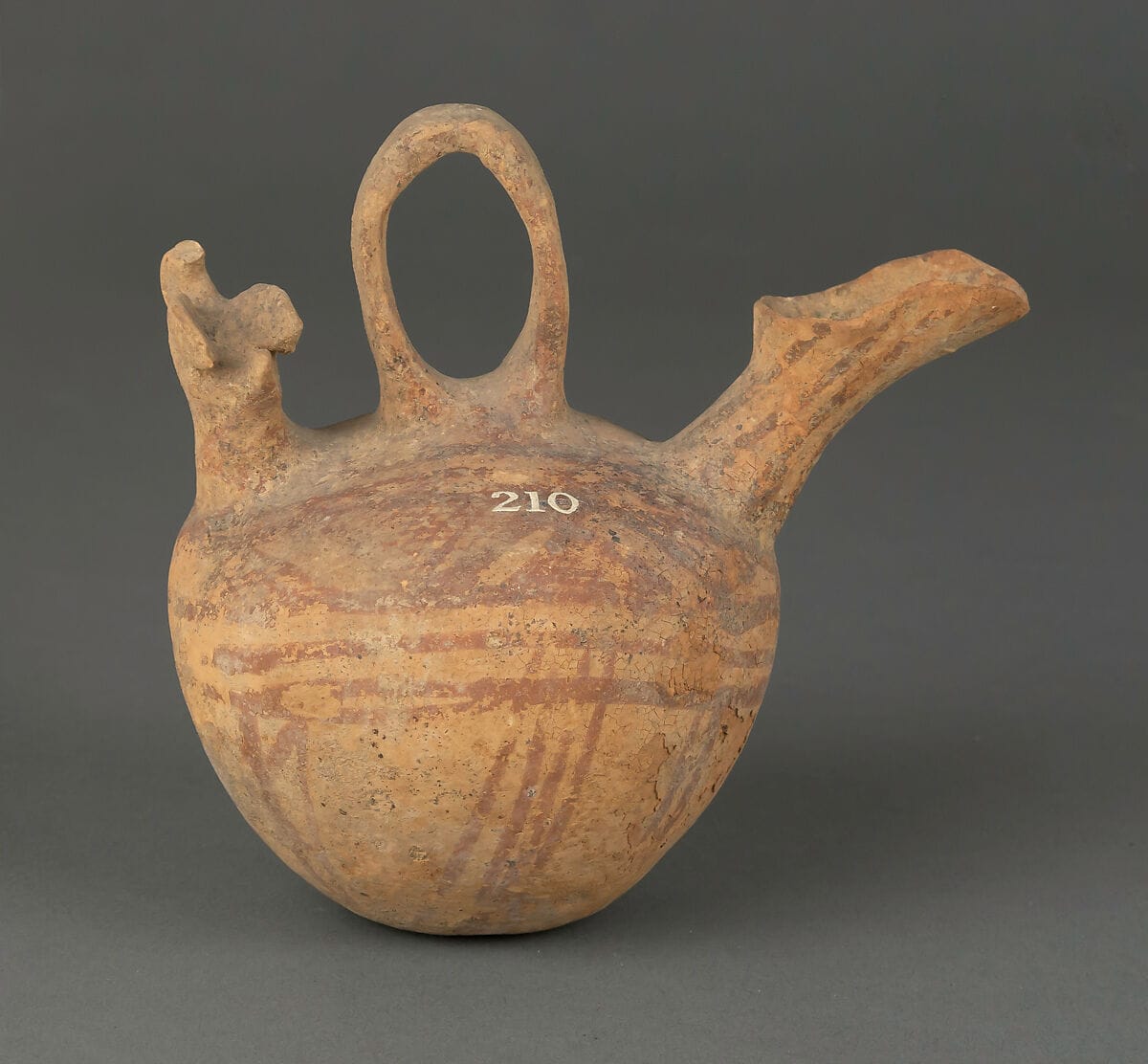
Askos in the form of an animal
Middle Bronze Age II
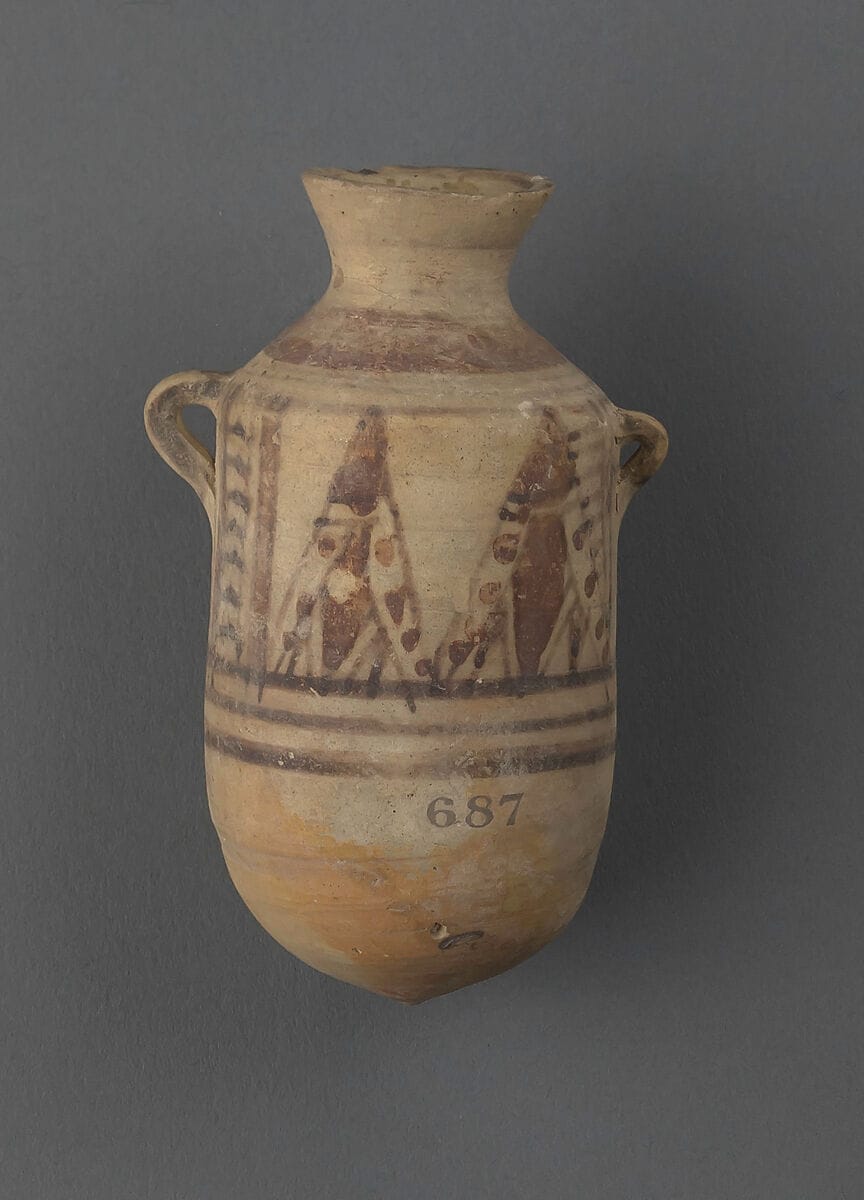
Flask
Archaic II
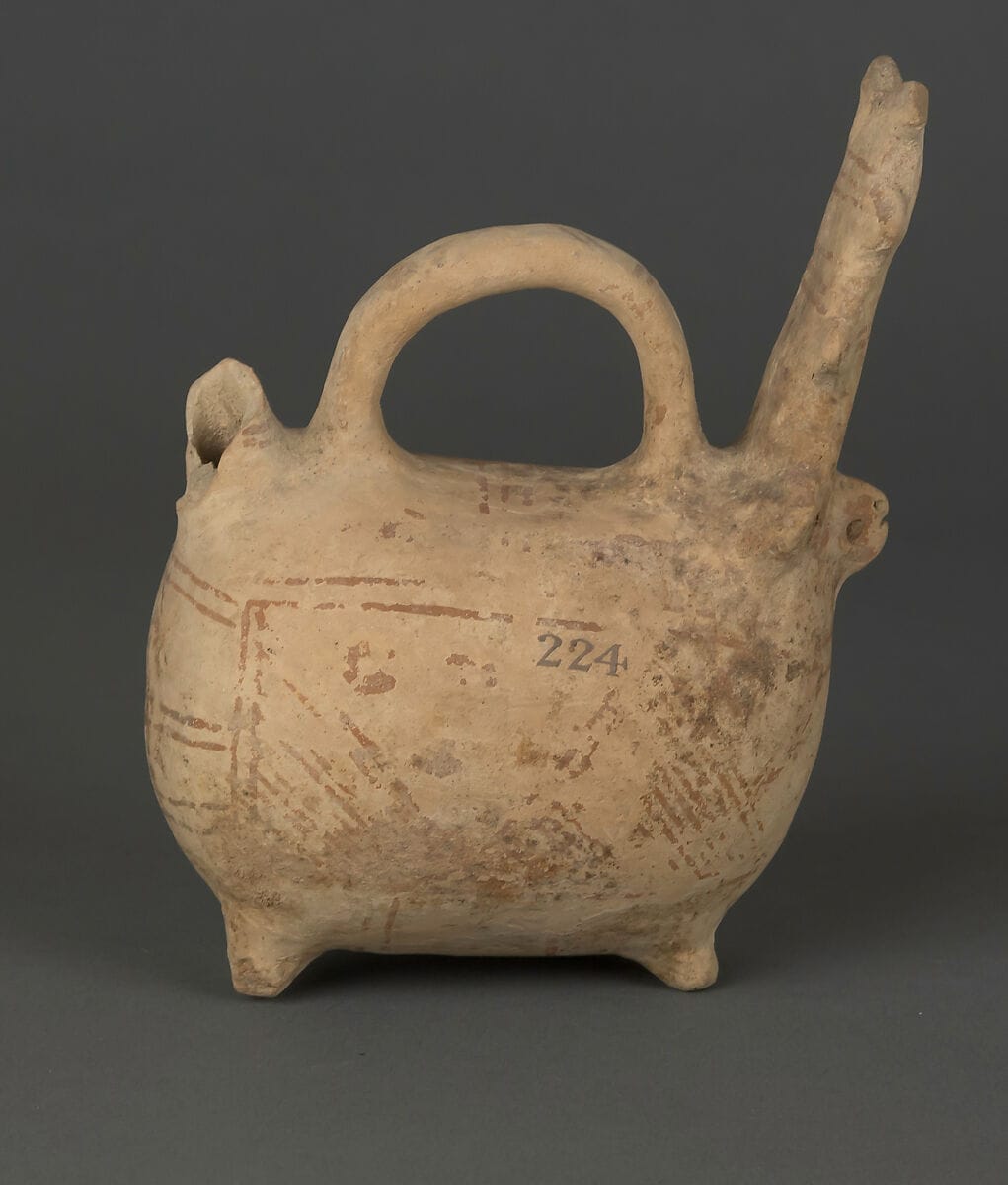
Askos in the form of an animal
Middle Bronze Age II
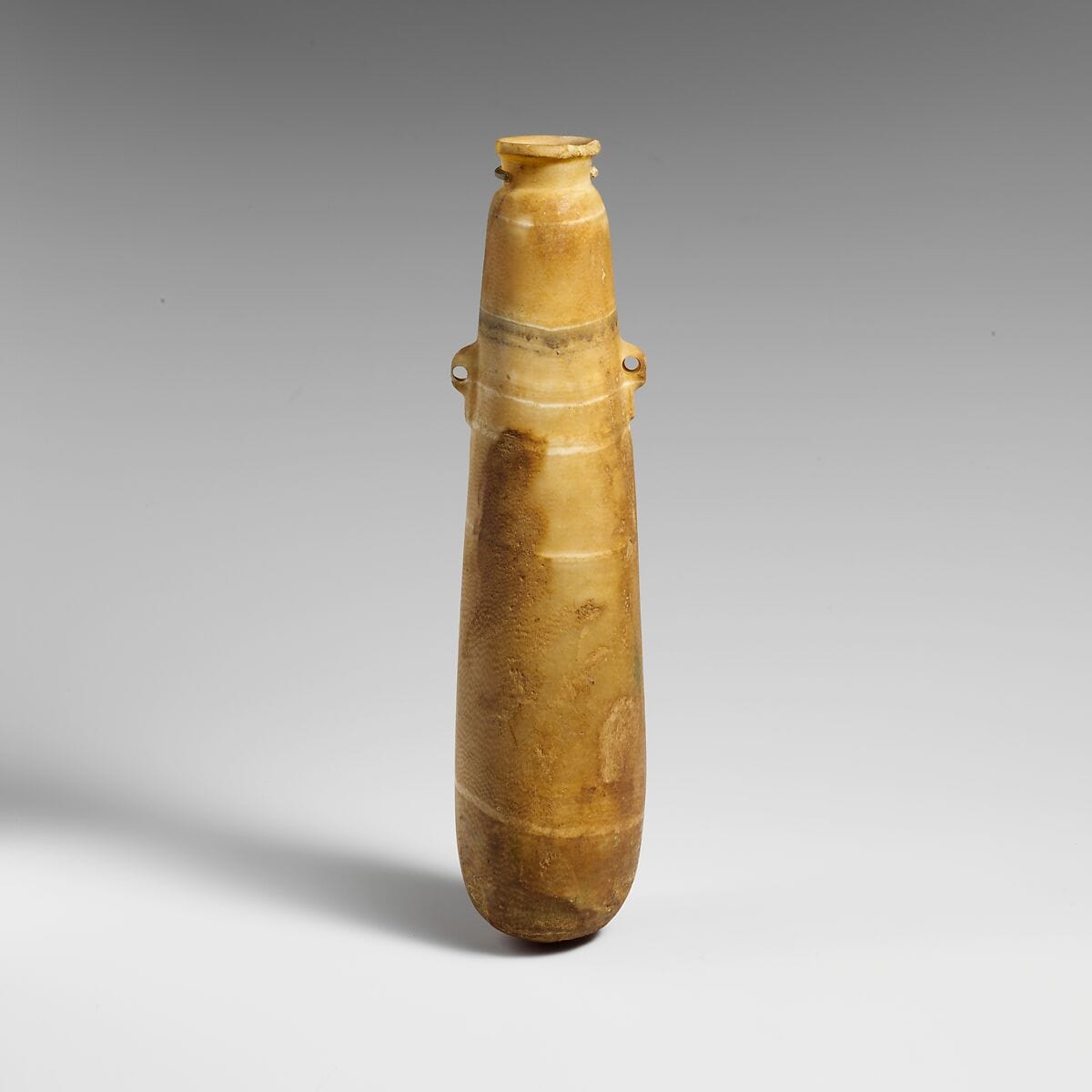
Alabaster alabastron (perfume vase)
Classical
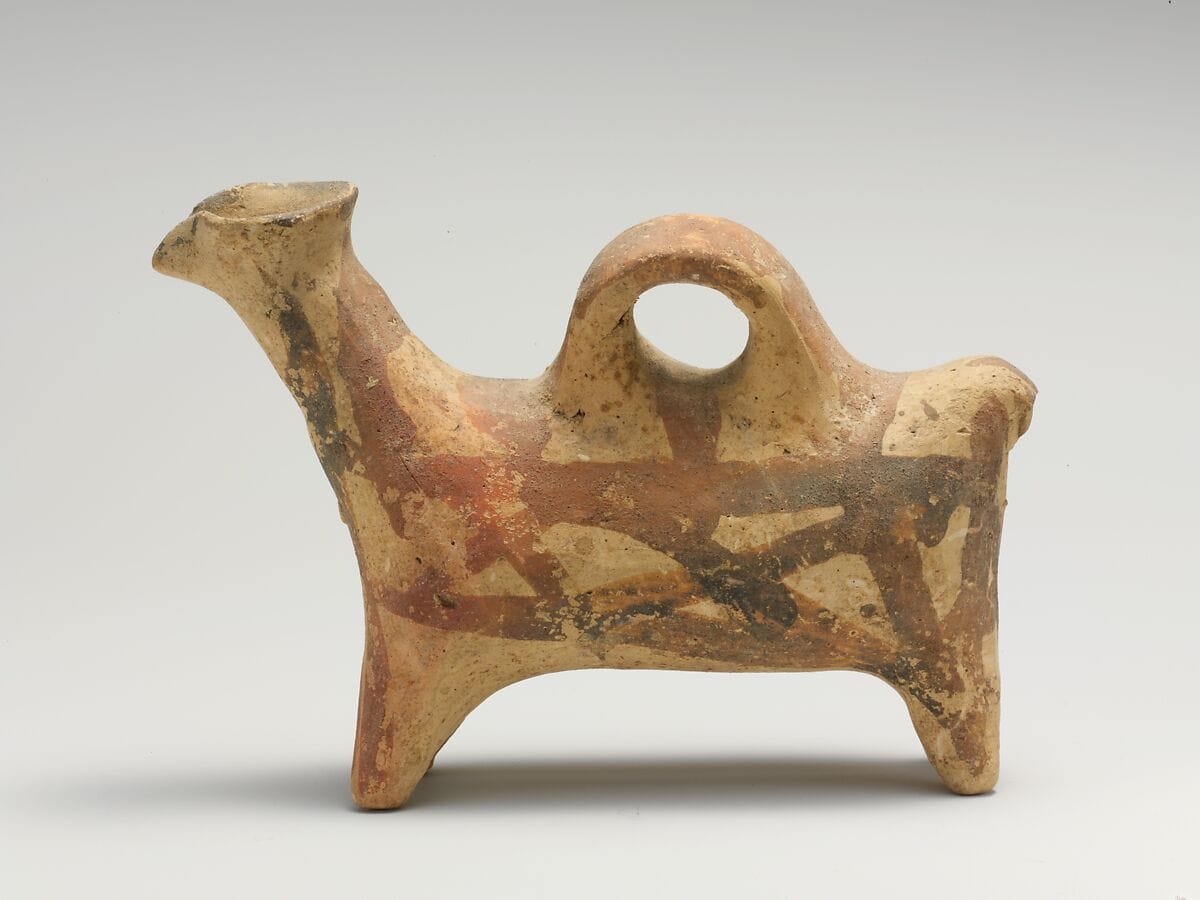
Terracotta zoomorphic askos (vessel)
Middle Bronze Age II
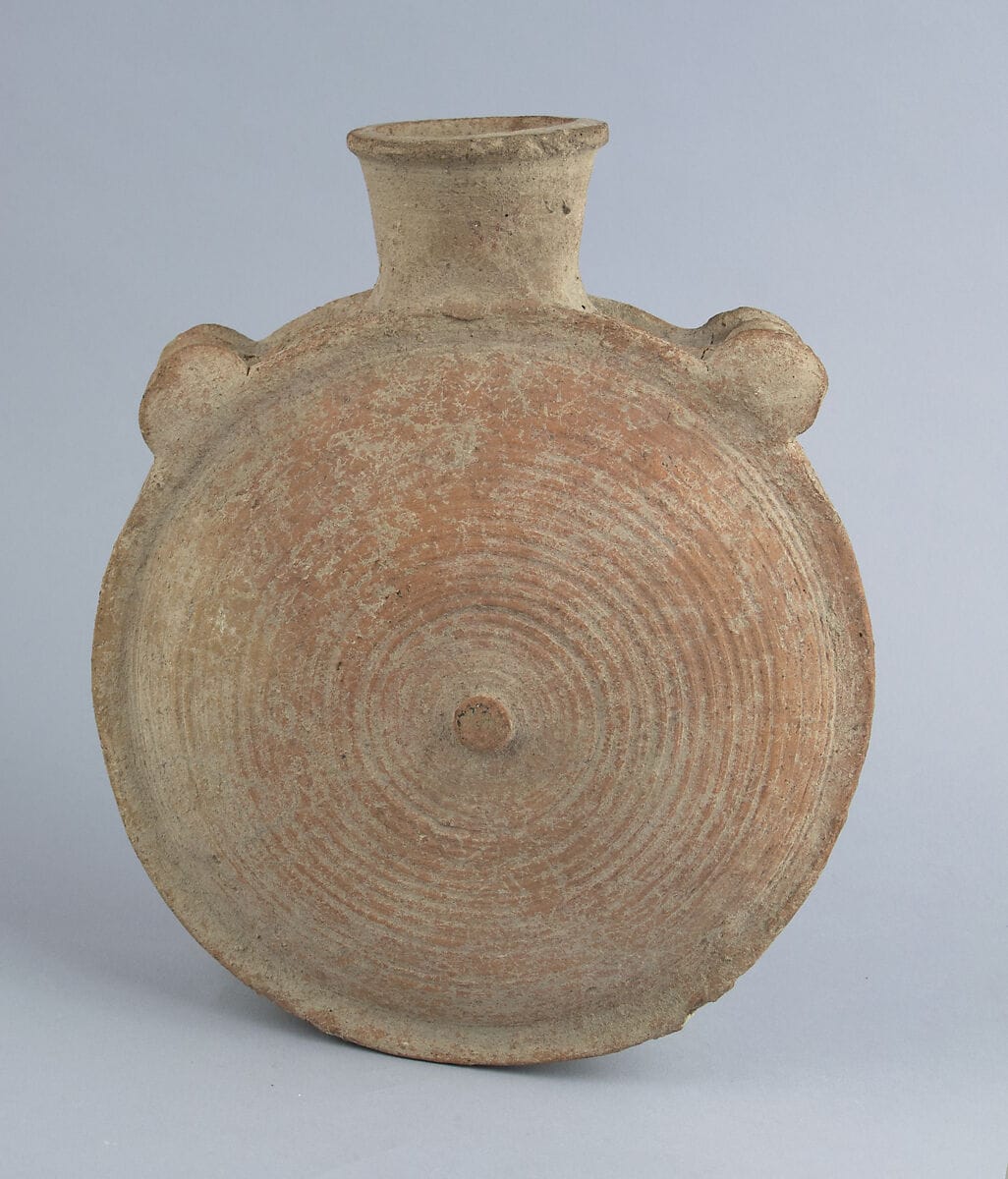
Pilgrim flask
Bronze Age
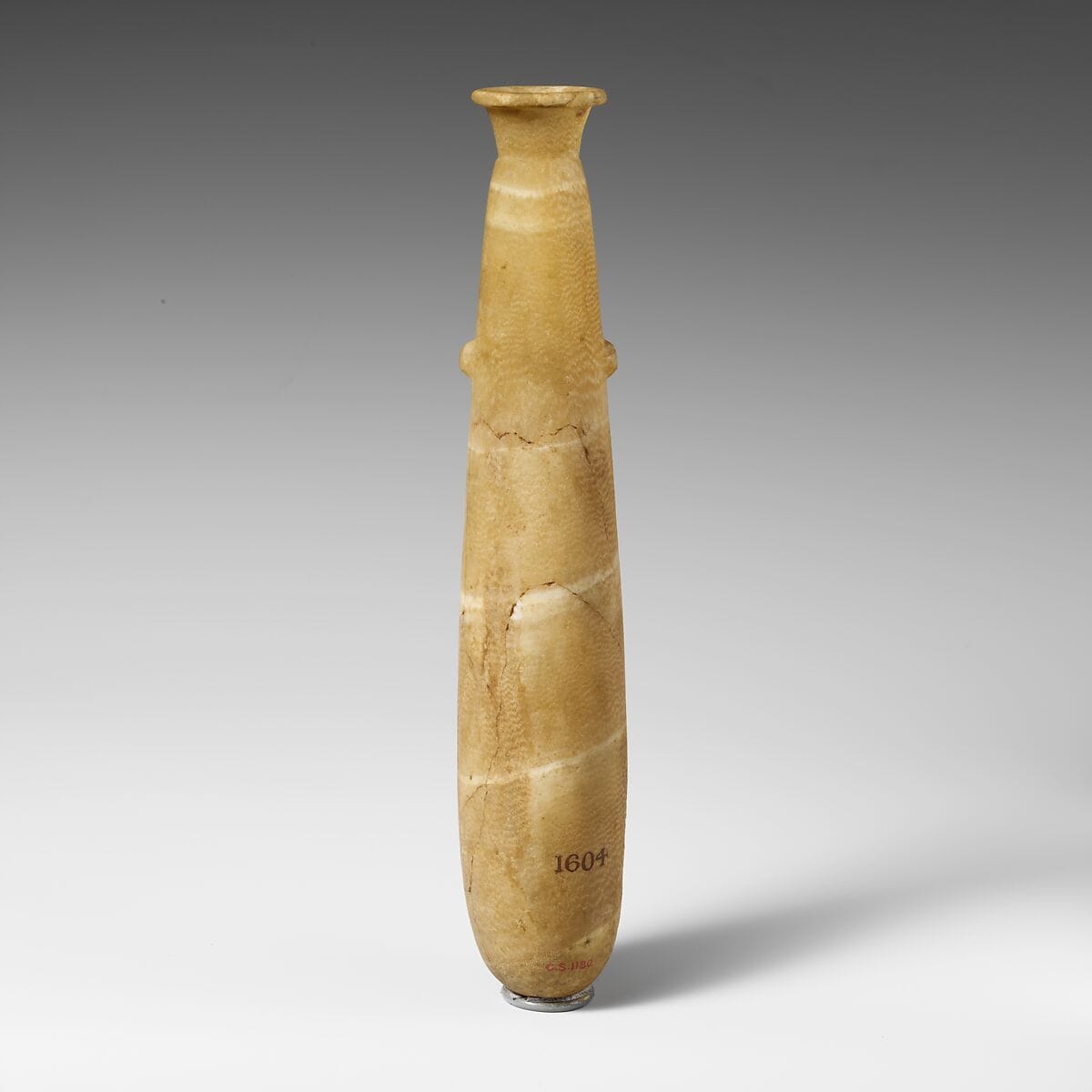
Alabaster alabastron (perfume vase)
Archaic II
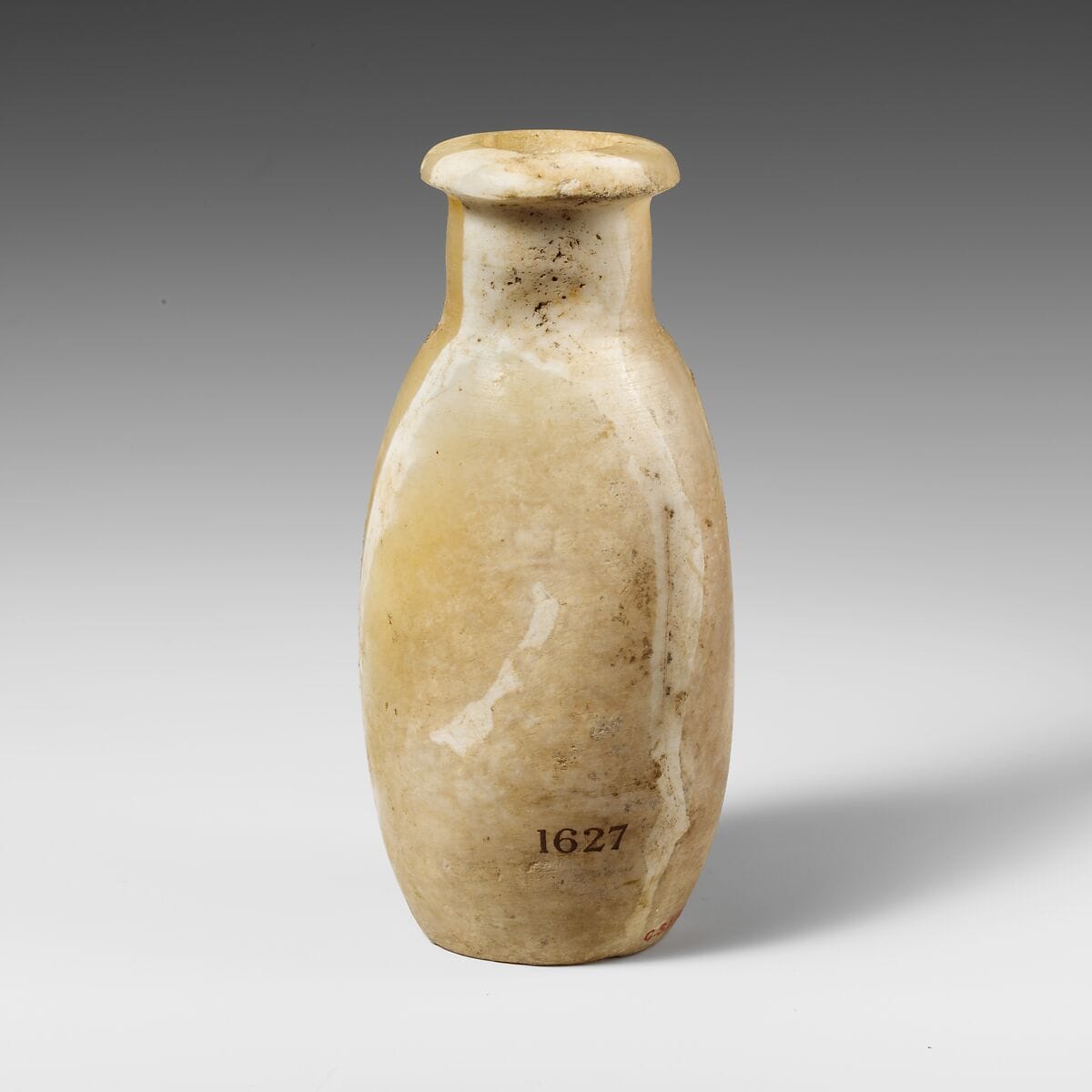
Alabaster flask
Late Bronze Age II
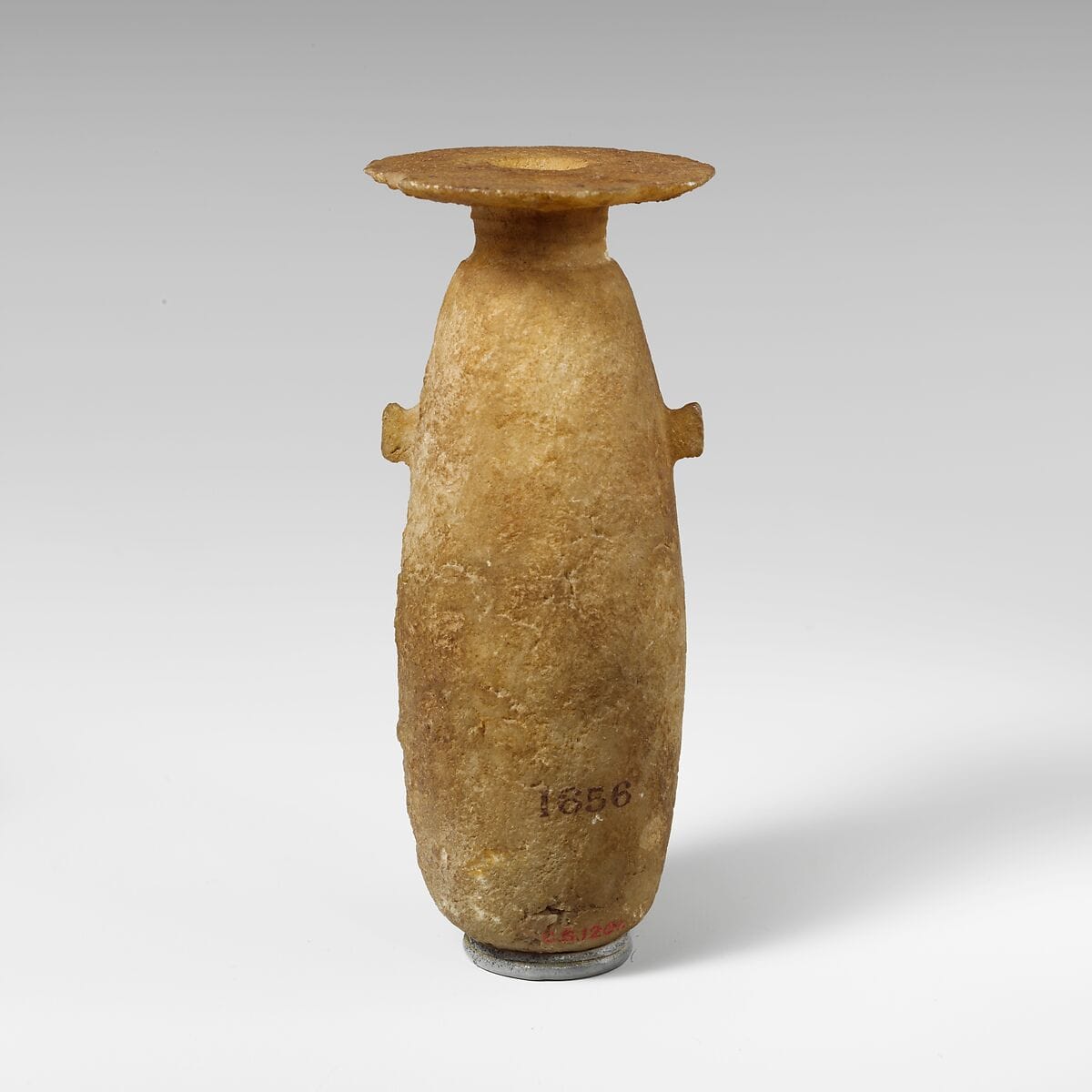
Alabaster alabastron (perfume vase)
Classical