
Classical
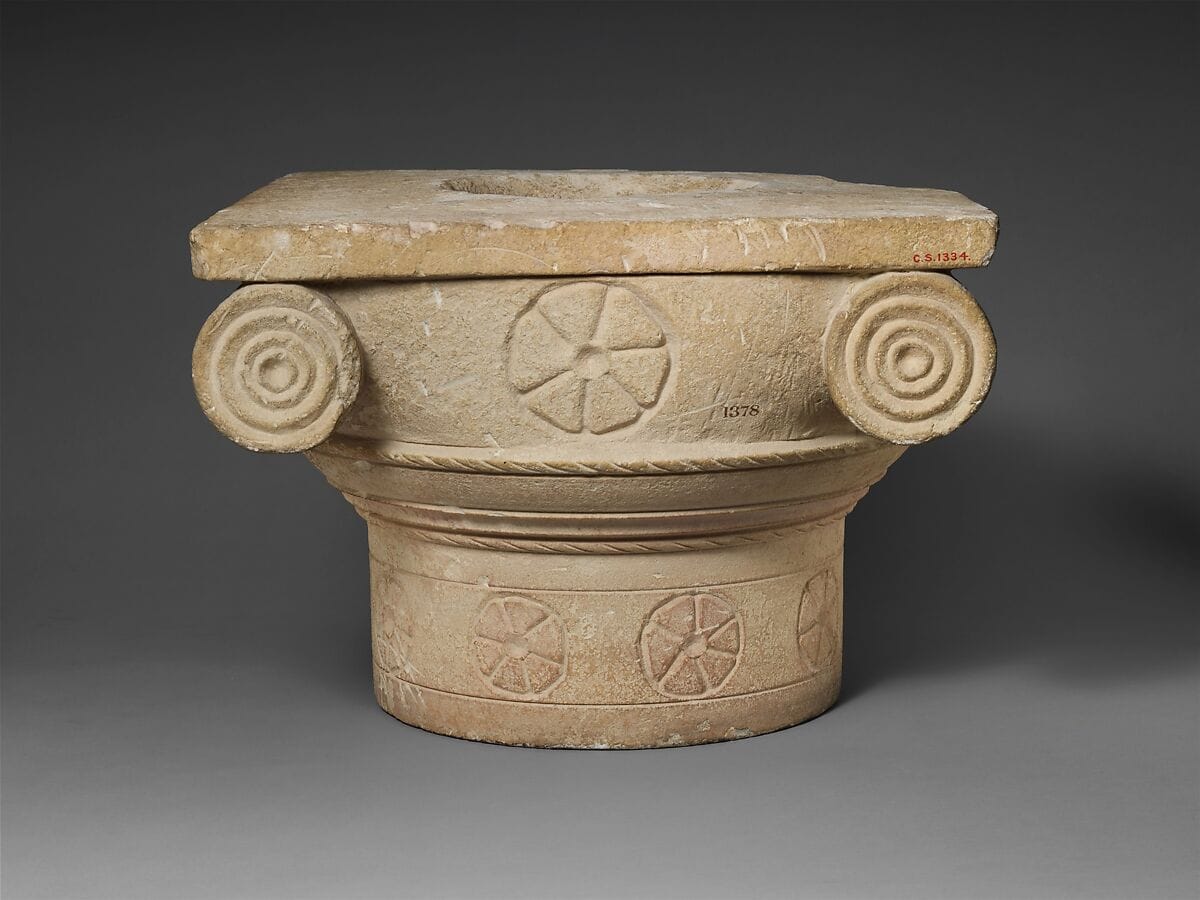
Limestone votive capital
The capital combines elements of the Doric and Ionic orders. The molding between the column shaft and the square top recalls a Doric capital. Above, the volutes are rendered as simplified disks with concentric circles. The addition of the six-petalled rosettes as decoration is another unusual aspect of the capital. It is unlikely to have served as an architectural element of a building but rather, like the triangular Ionic capital in the adjacent gallery (74.51.2796), as part of a free-standing votive monument. The hollow in the top can thus be interpreted as a setting for a dedication. WebPub GR 2012 Cesnola: 13 1/4 × 18 1/4 × 18 3/4 in., 163 lb. (33.7 × 46.4 × 47.6 cm, 73.9 kg)
Date
400 - 325 BC
Accession No.
74.51.2797
Collection
Metropolitan Museum of Art
Provenance
- “From the city of Golgoi”
References
- Cesnola, Luigi Palma di. 1885. A Descriptive Atlas of the Cesnola Collection of Cypriote Antiquities in the Metropolitan Museum of Art, New York, Vol. 1. pl. I.3, Boston: James R. Osgood and Company.Myres, John L. 1914. Handbook of the Cesnola Collection of Antiquities from Cyprus. no. 1378, New York: The Metropolitan Museum of Art.Hermary, Antoine and Joan R. Mertens. 2013. The Cesnola Collection of Cypriot Art : Stone Sculpture. no. 434, p. 307, Online Publication, New York: The Metropolitan Museum of Art.
More from the Catalogue
Browse related objects
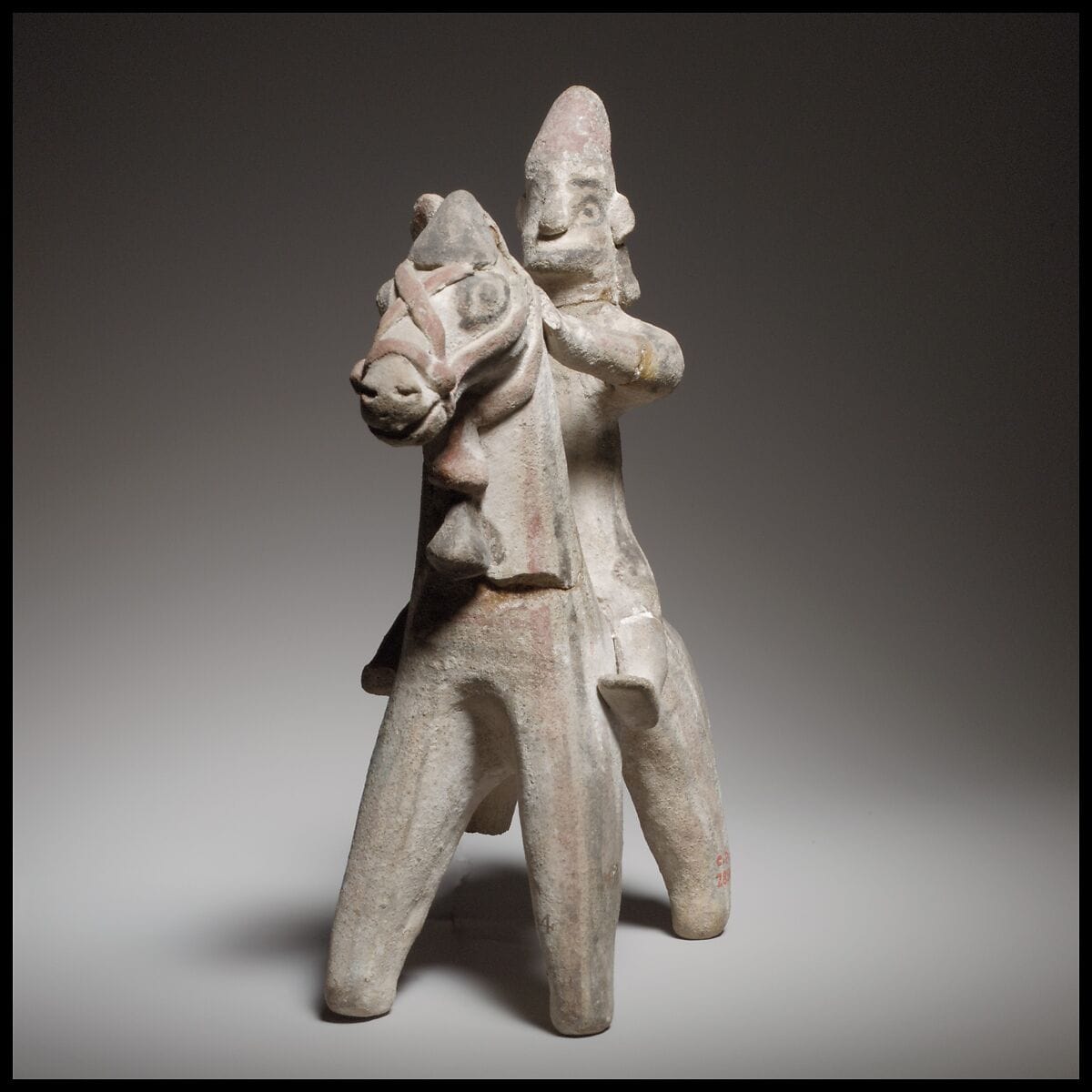
Horse and rider figurine
Archaic II
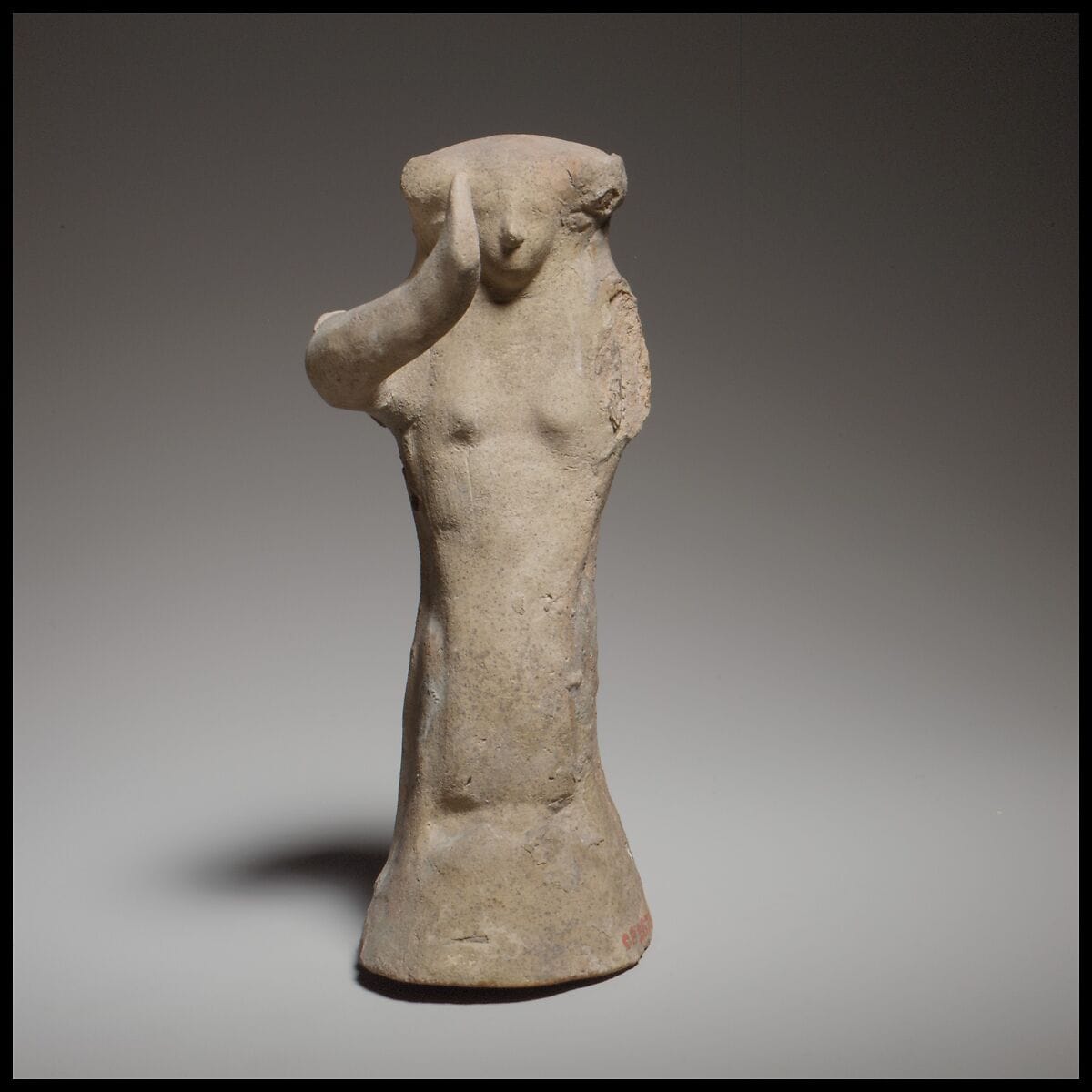
Seated female figurine of the dea gravida type
Archaic II
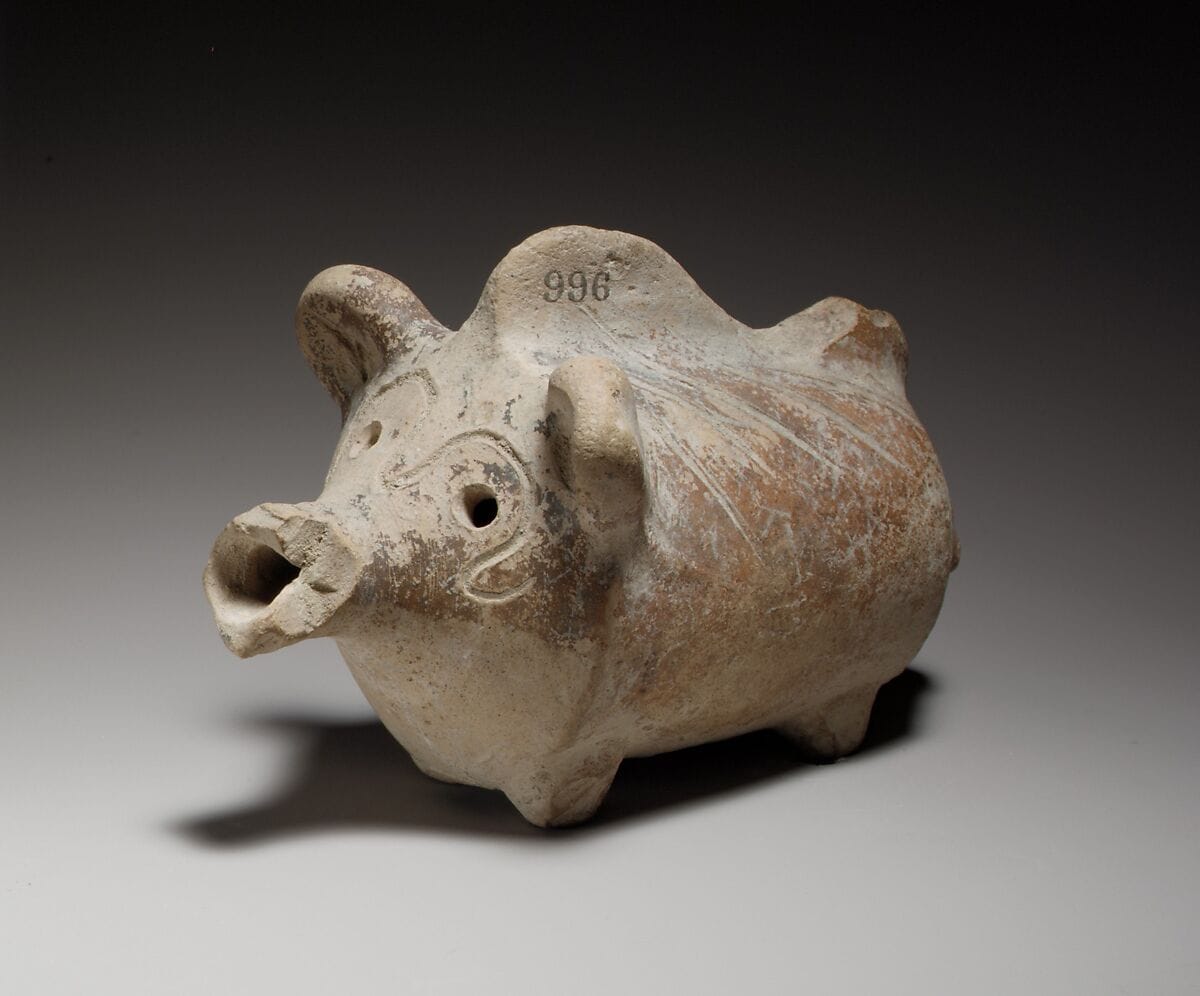
Terracotta rattle in the form of a pig
Hellenistic
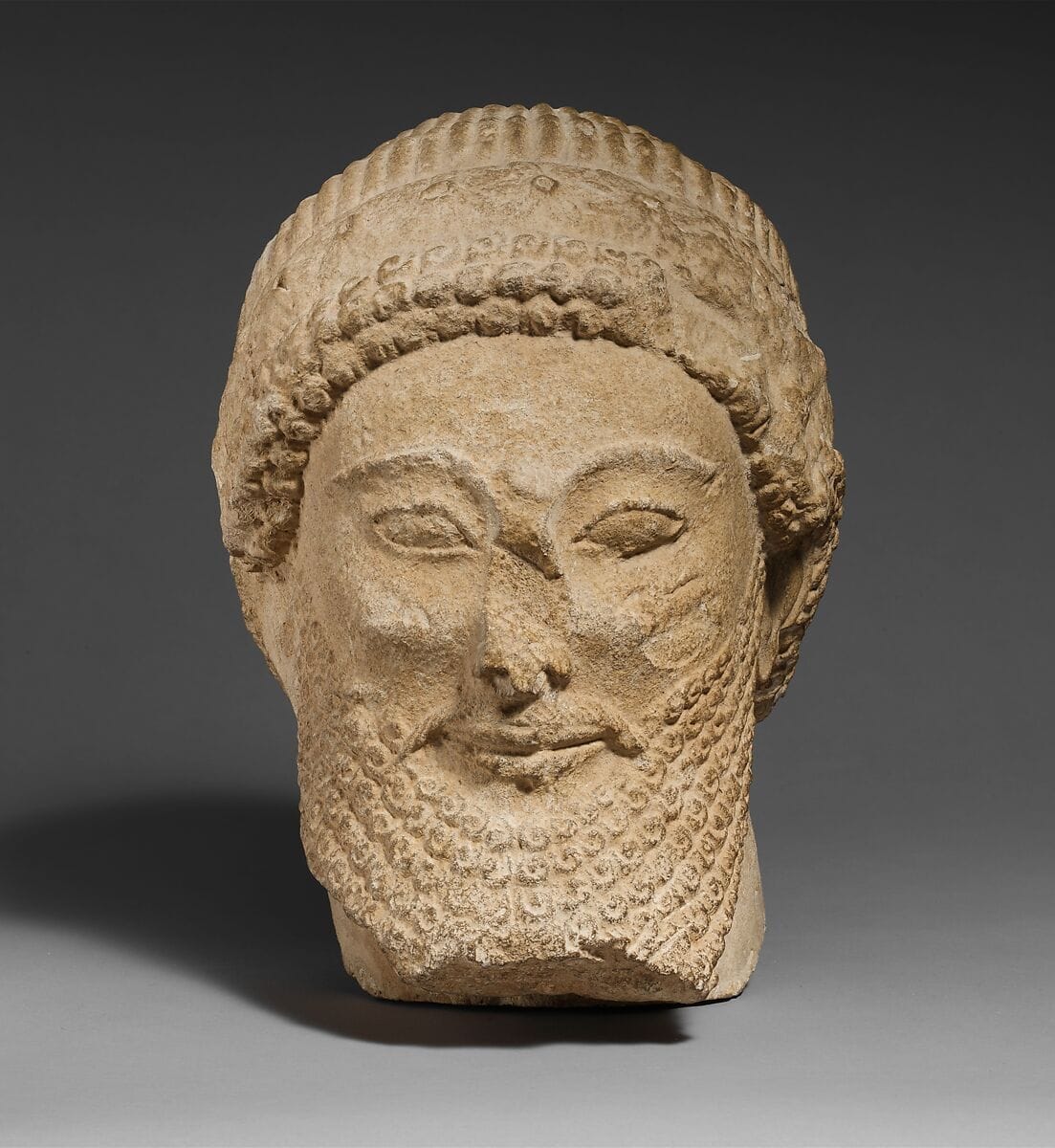
Limestone head of a bearded male with a wreath of flowers
Archaic II
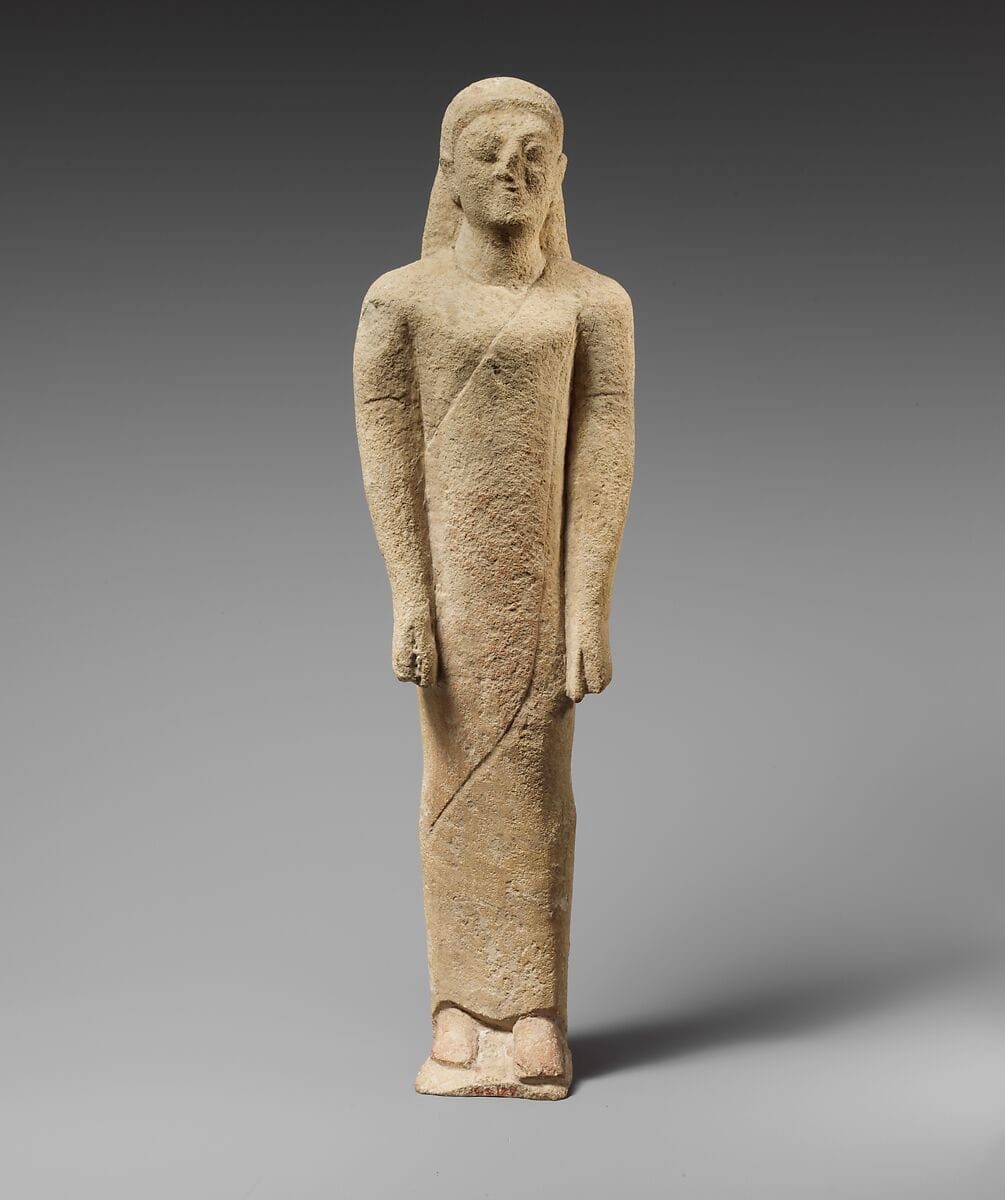
Limestone statuette of a beardless male votary in Greek dress
Archaic II
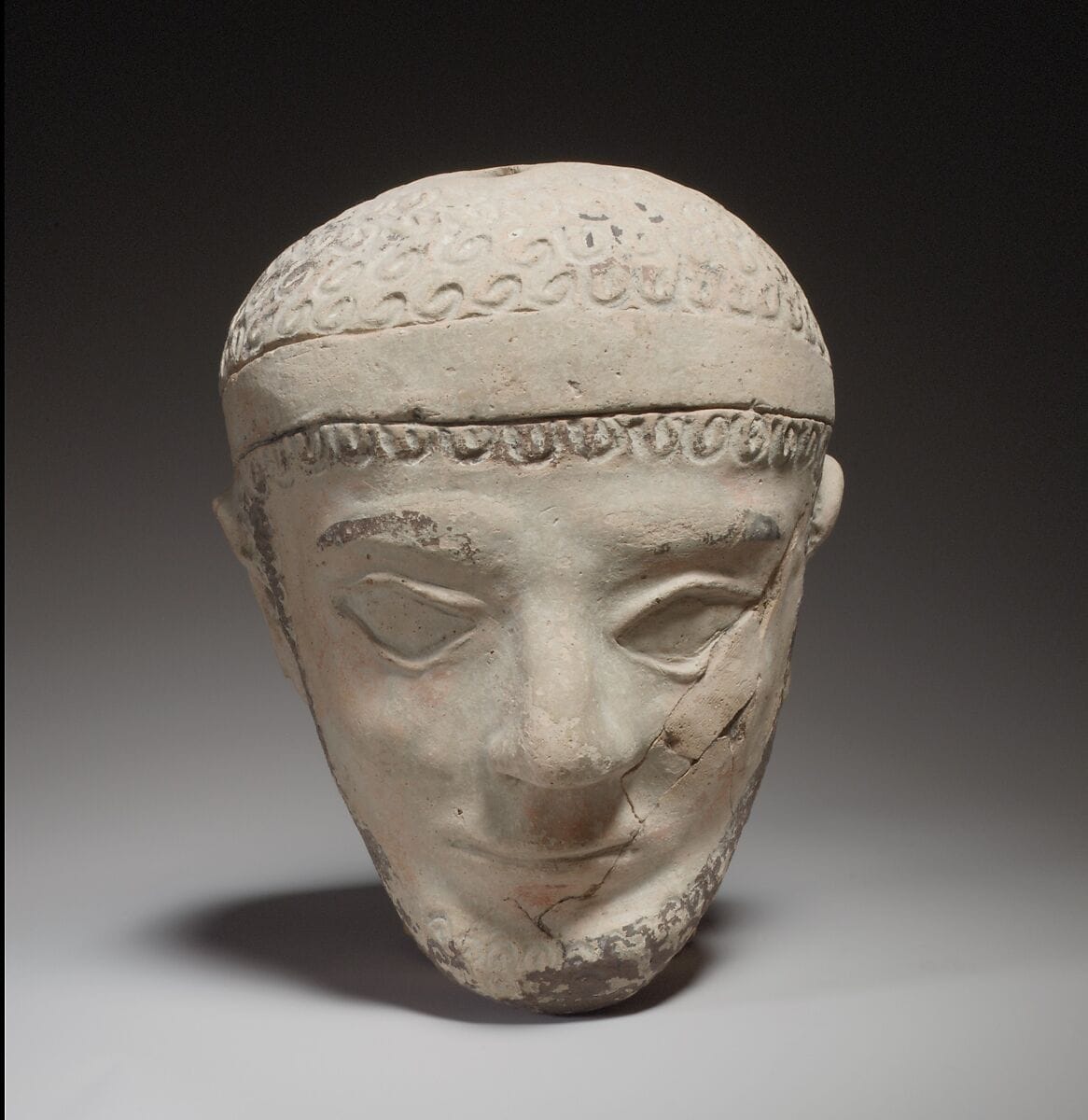
Terracotta head of a man
Archaic II
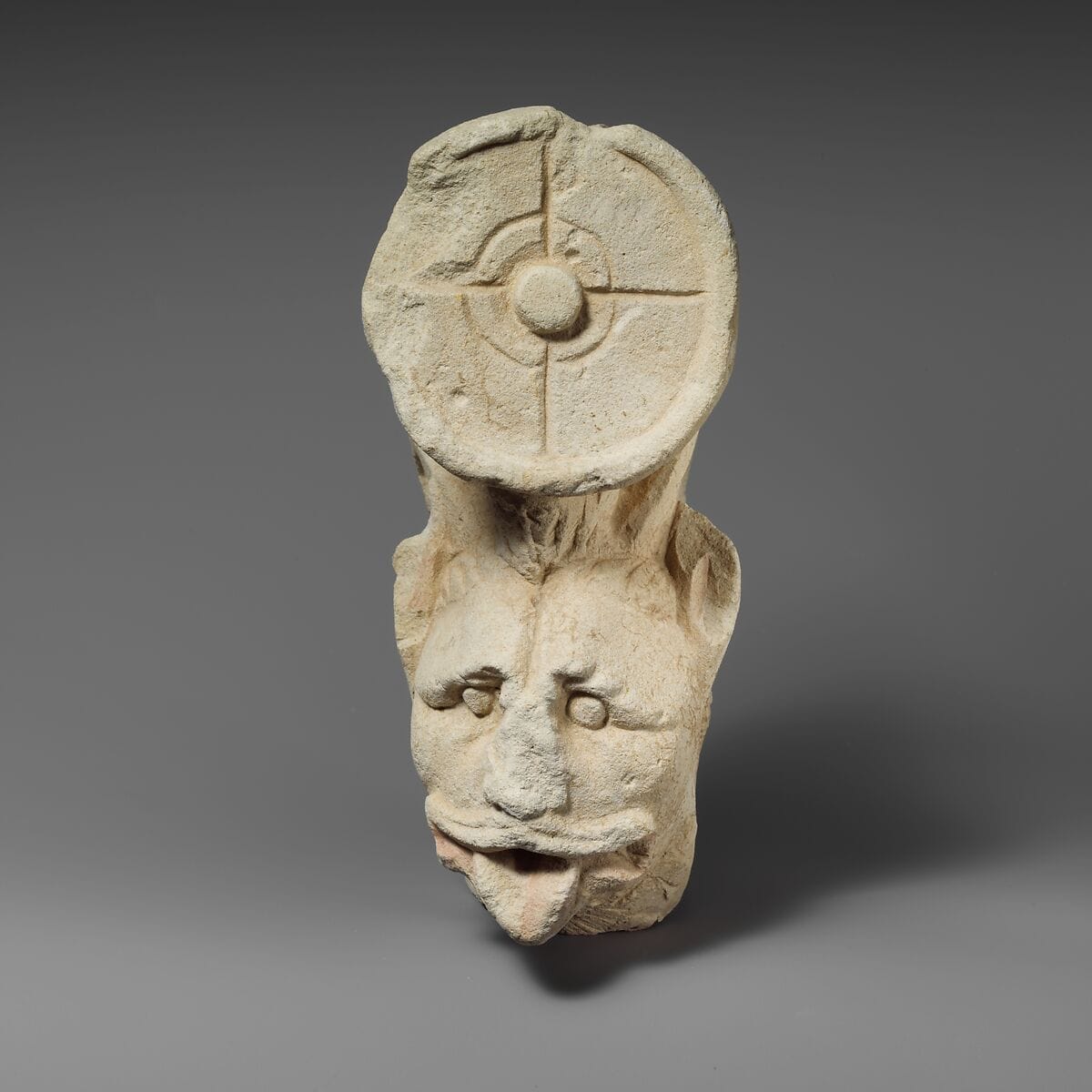
Fragment of a limestone throne (?) with the head of a horned lion
Roman
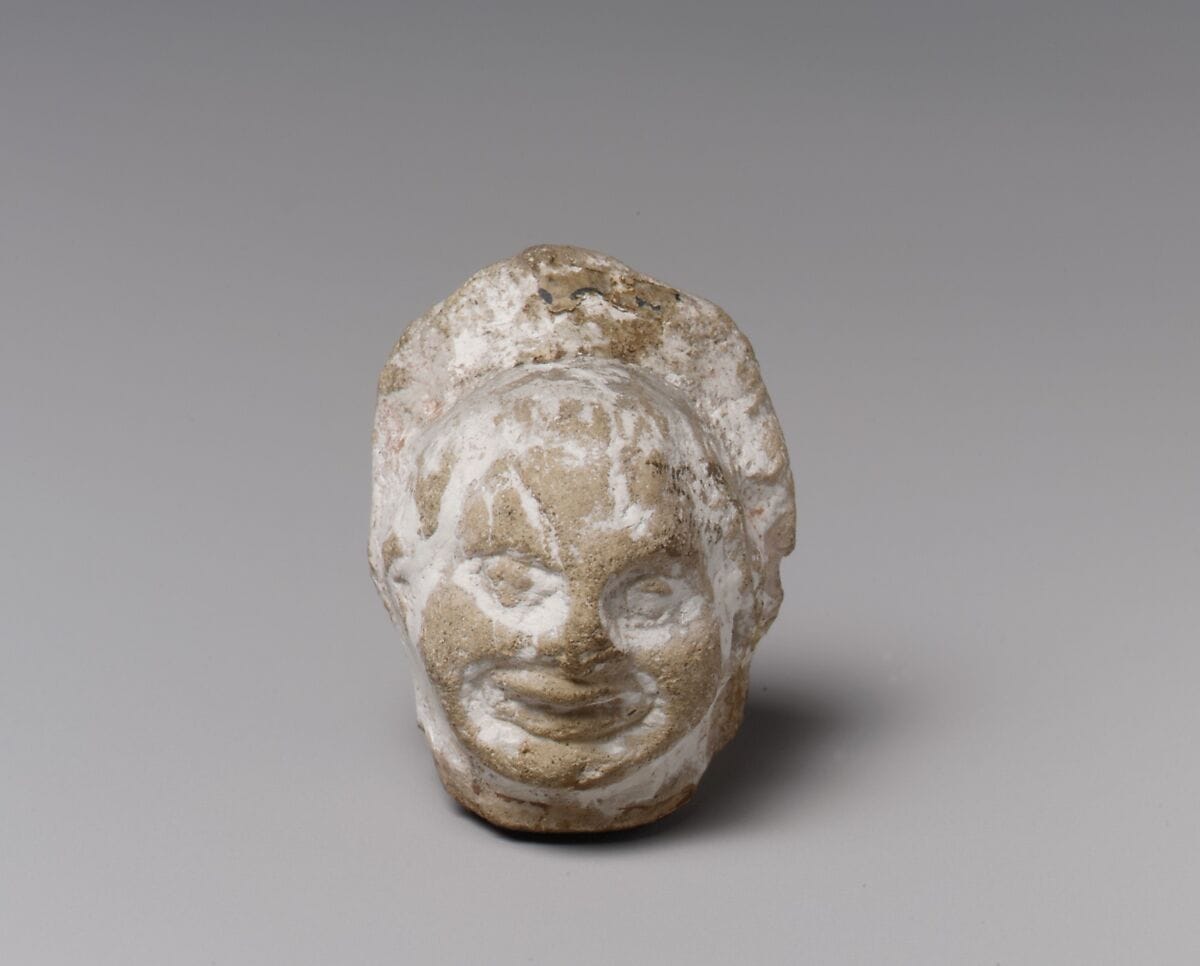
Head of a comic figurine
Hellenistic
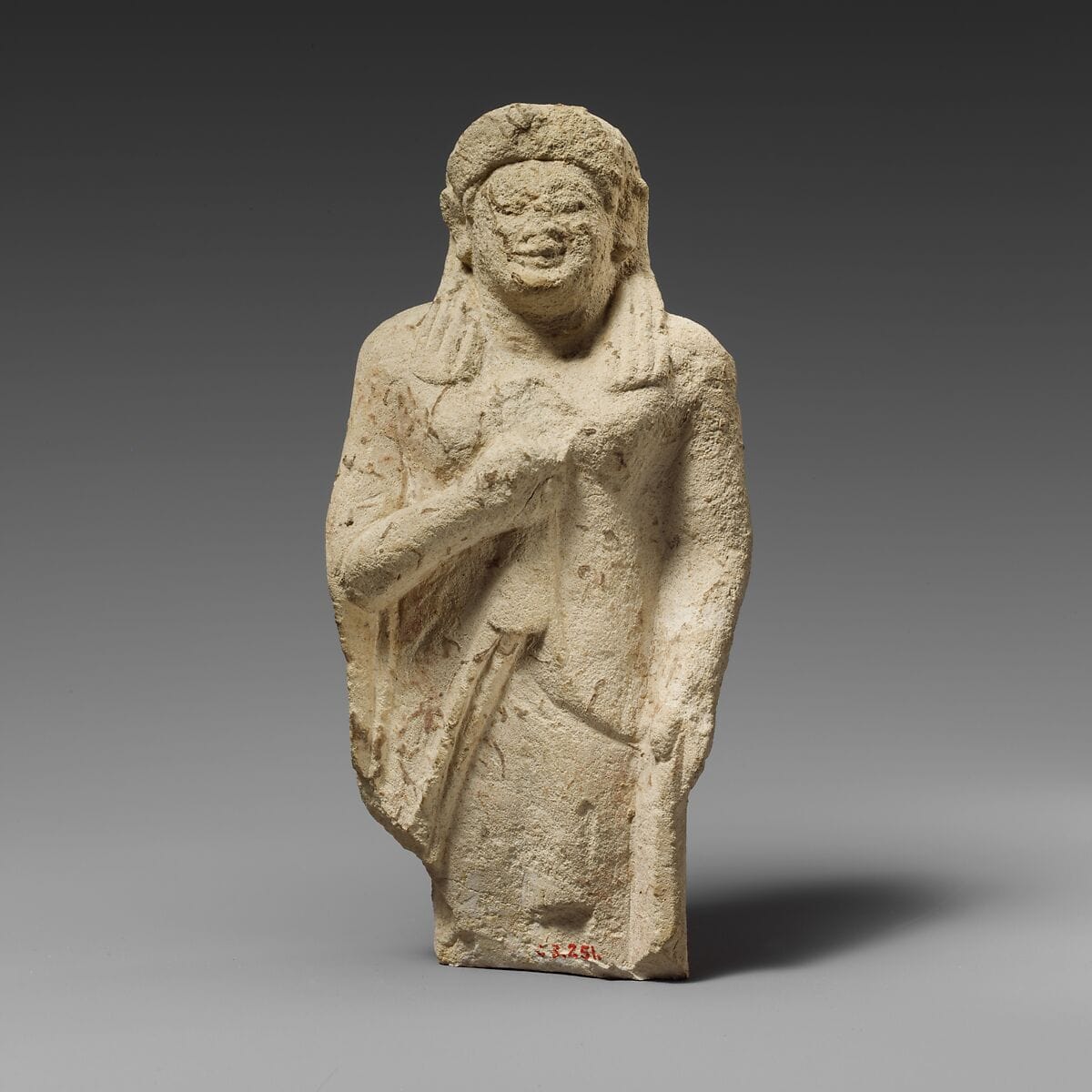
Limestone statuette of a female votary of the kore type
Archaic II
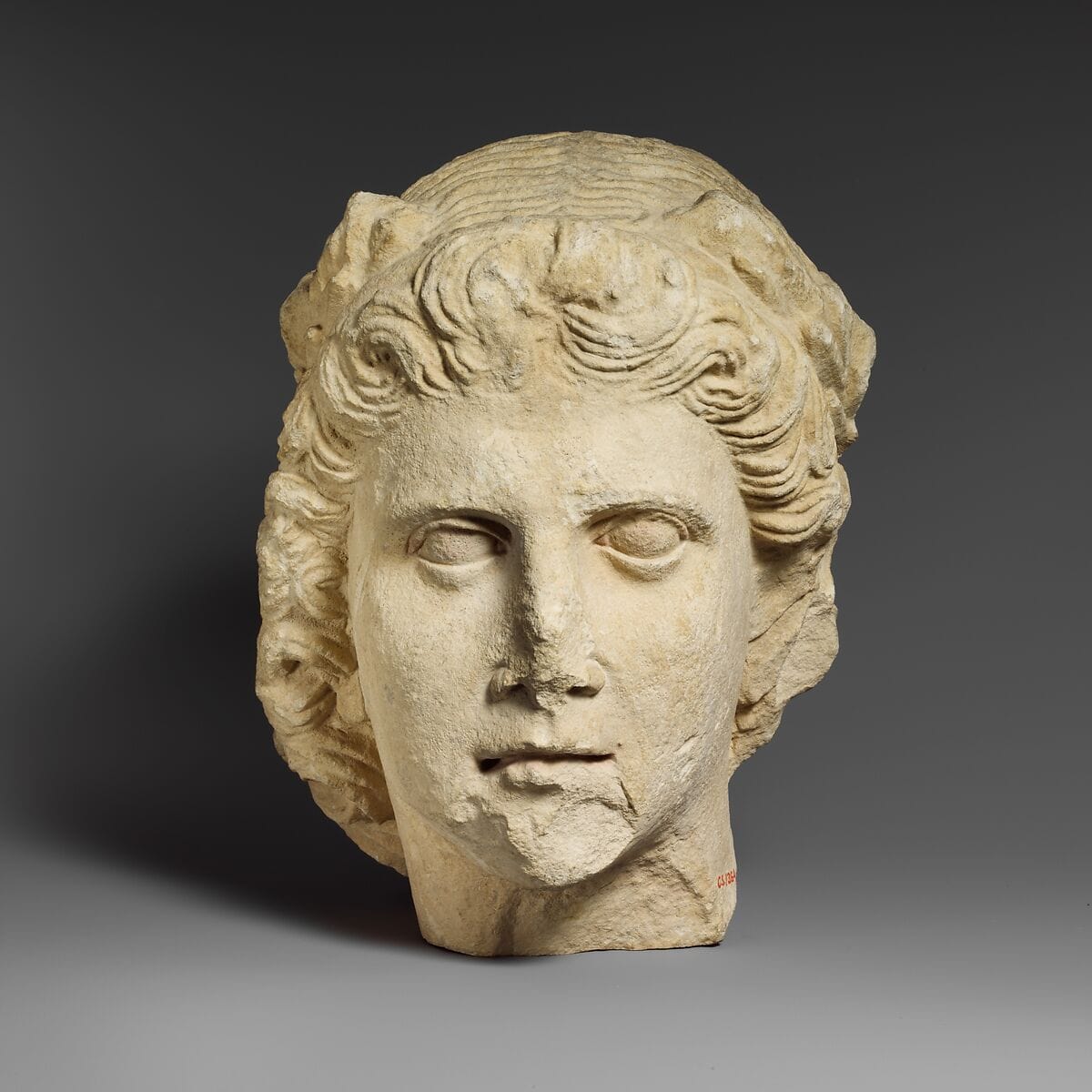
Limestone head of Apollo
Hellenistic
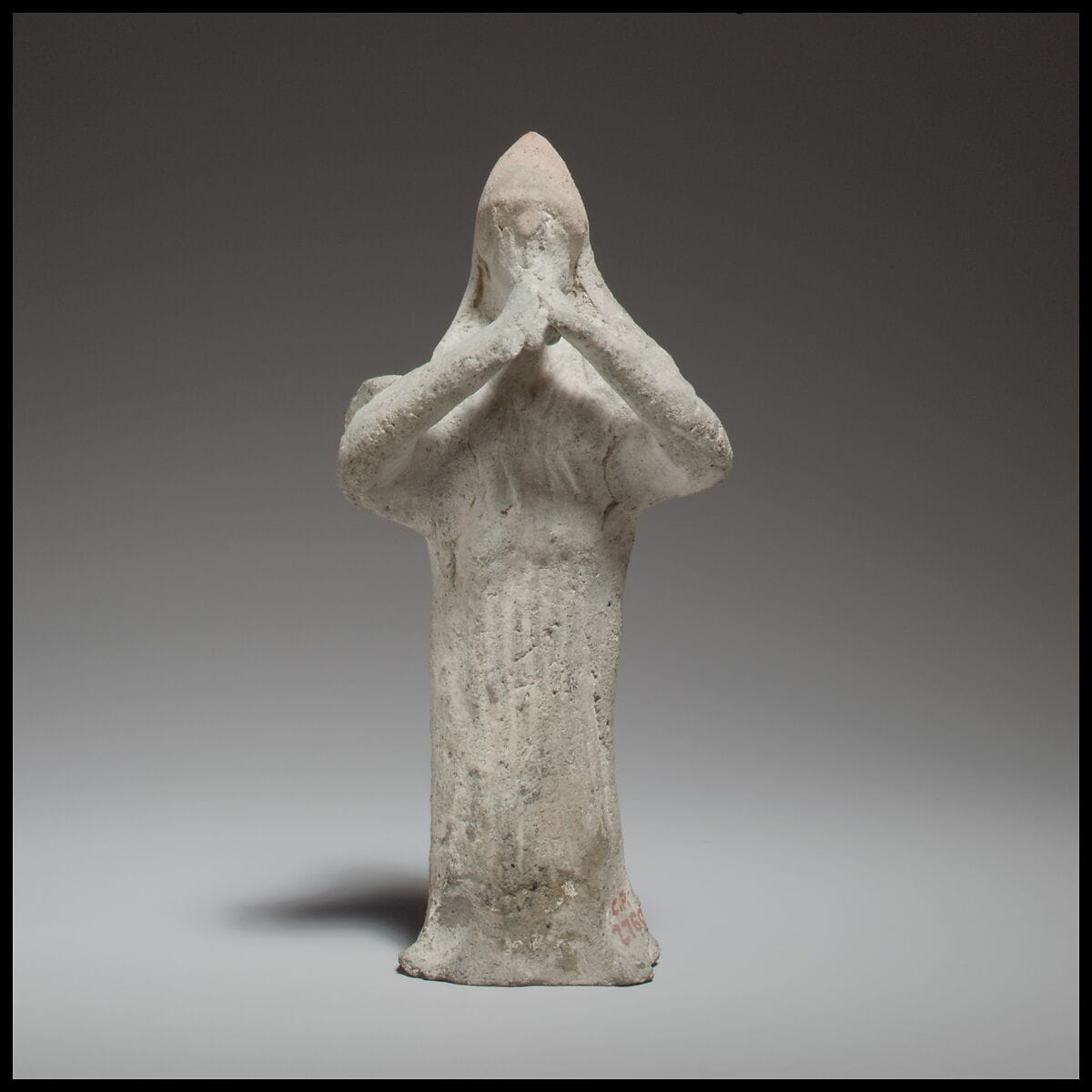
Standing female flute player
Classical
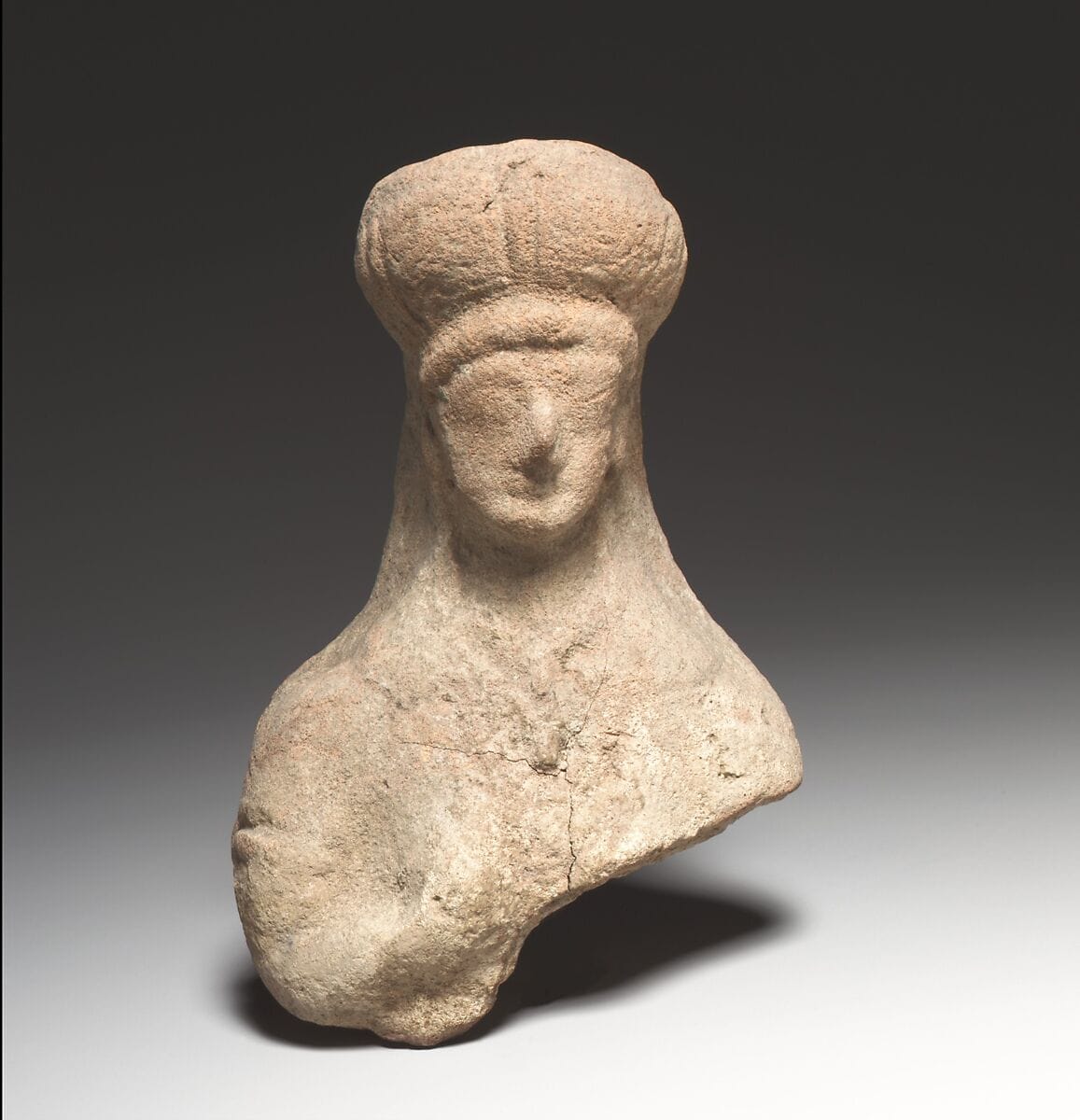
Standing female figurine
Archaic II
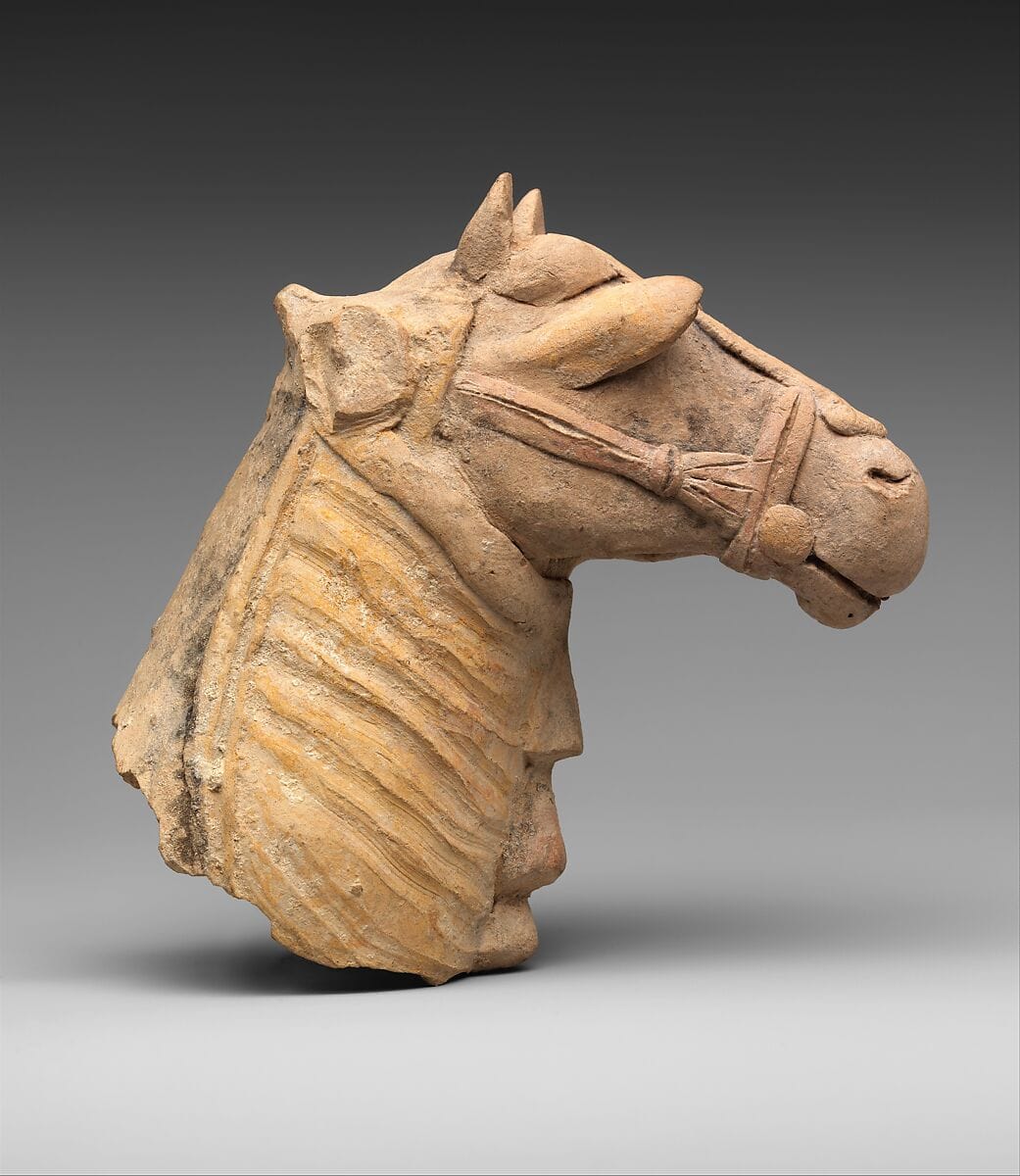
Horse's head with harness
Archaic II
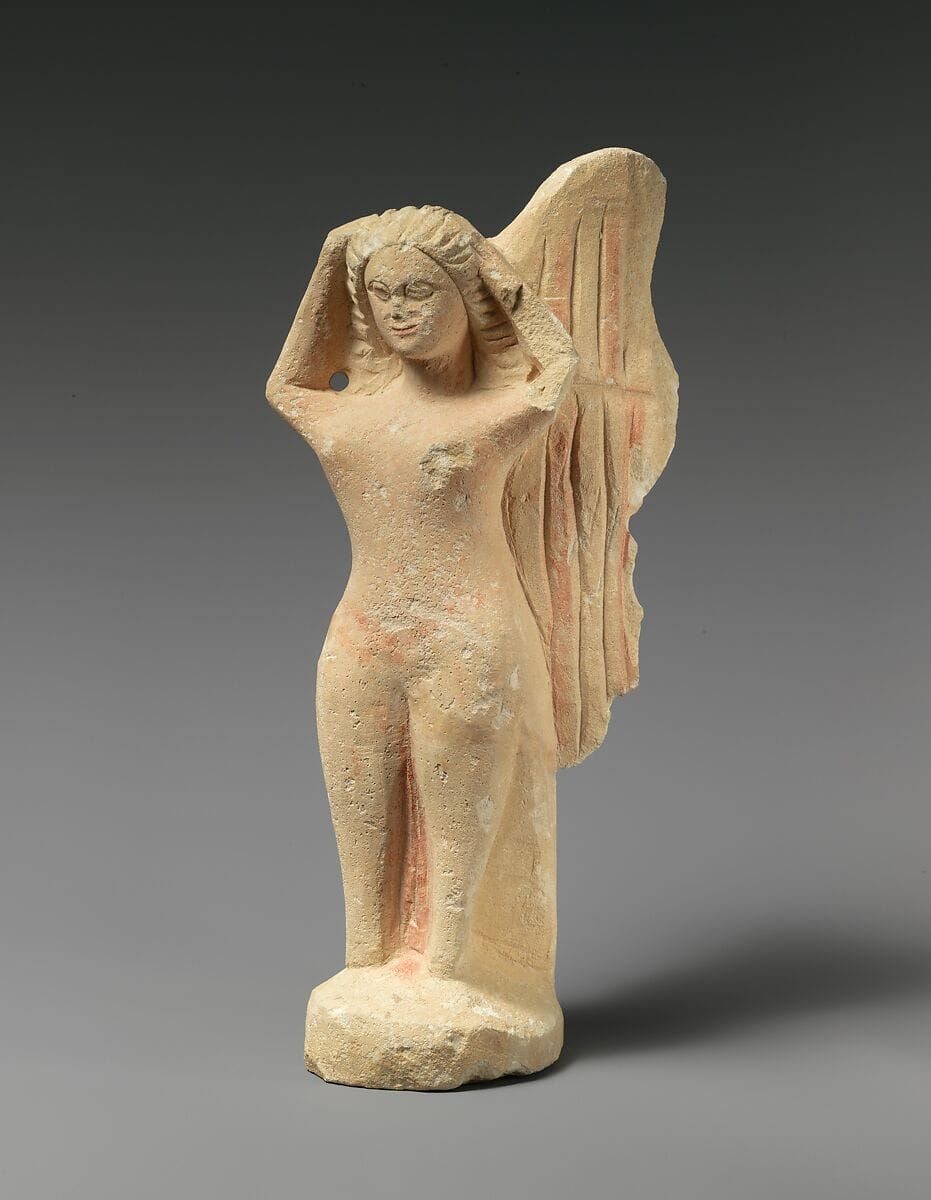
Limestone statuette of a mourning siren
Hellenistic
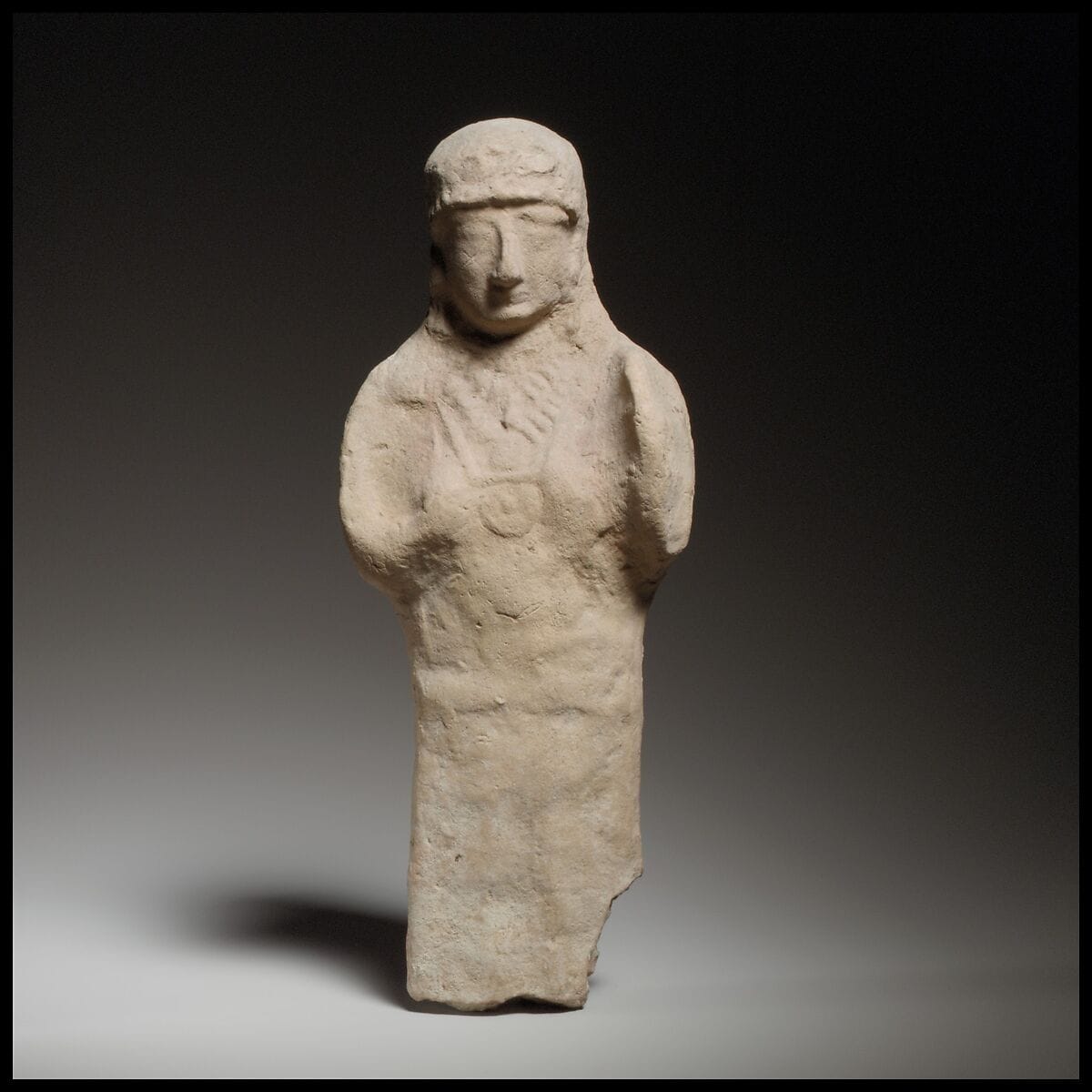
Standing female figurine
Archaic II
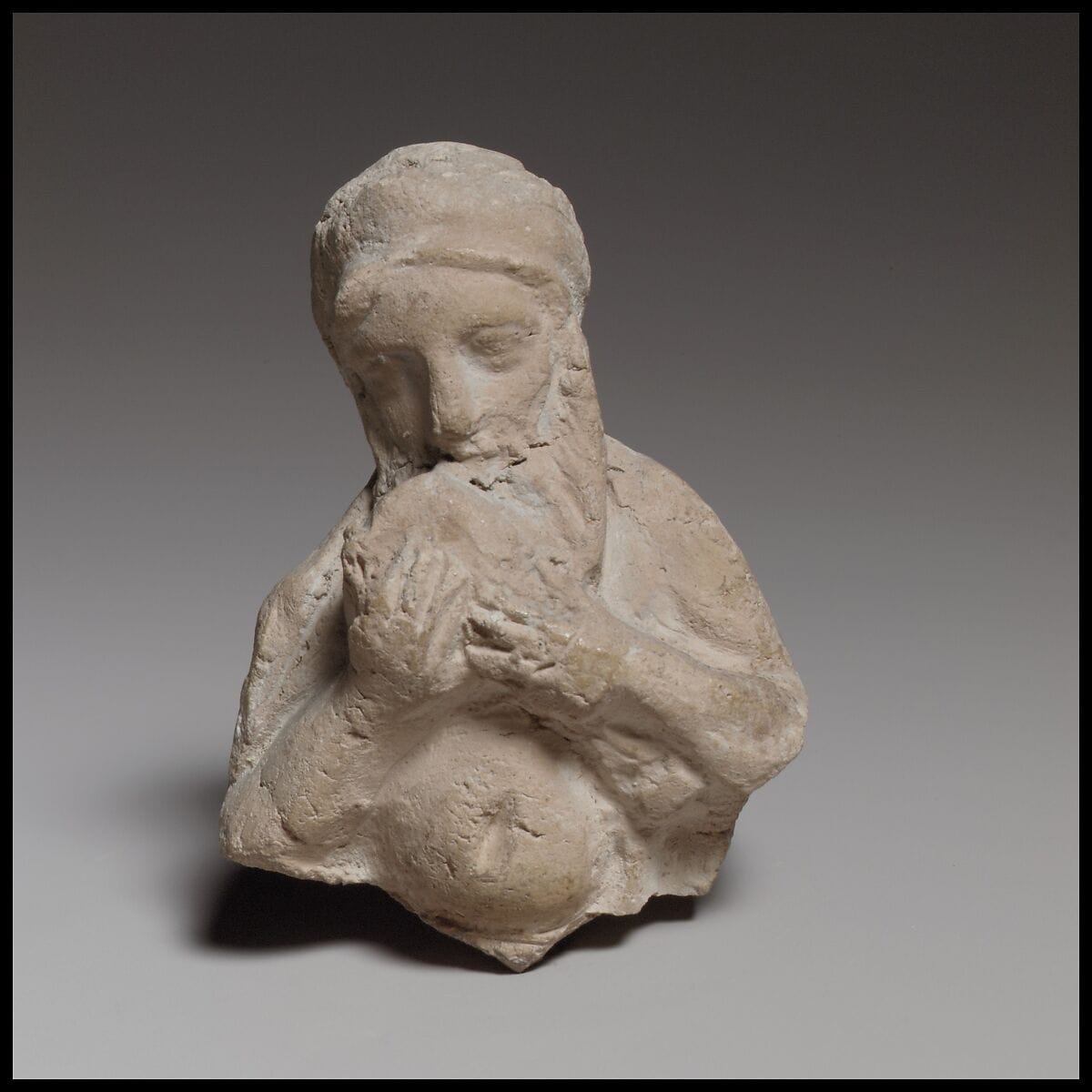
Terracotta statuette of Silenos (?) drinking
Hellenistic
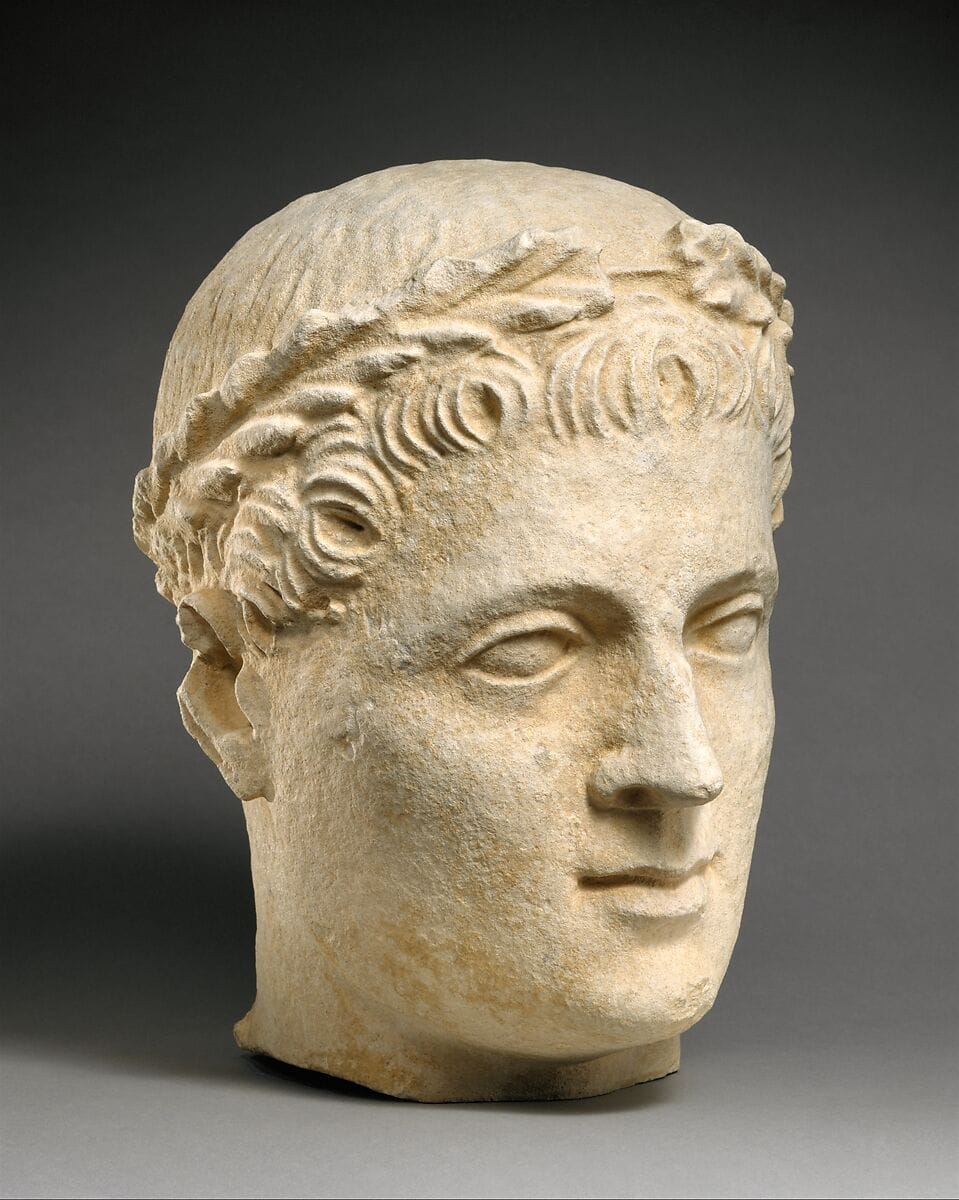
Limestone head of beardless male votary with wreath of leaves
Hellenistic
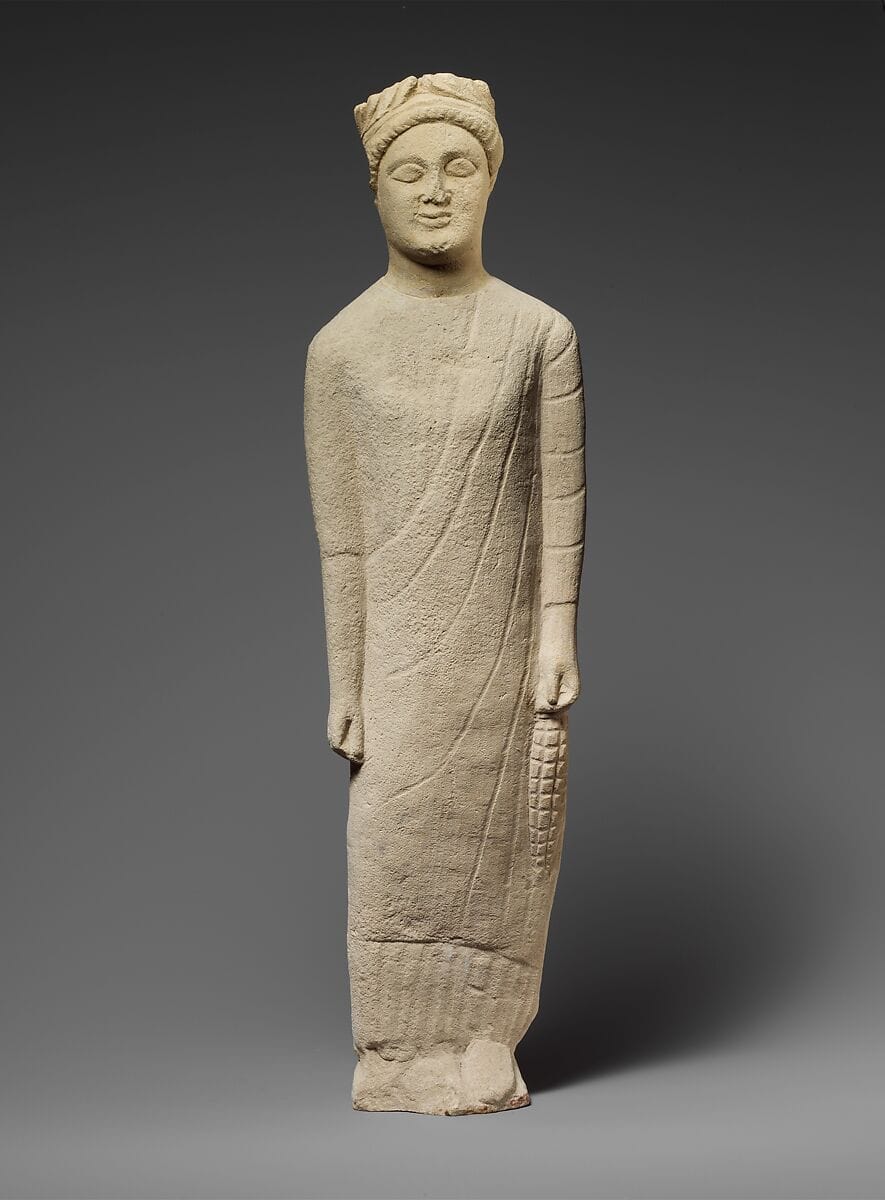
Limestone statuette of a beardless male votary with a wreath of leaves
Classical