
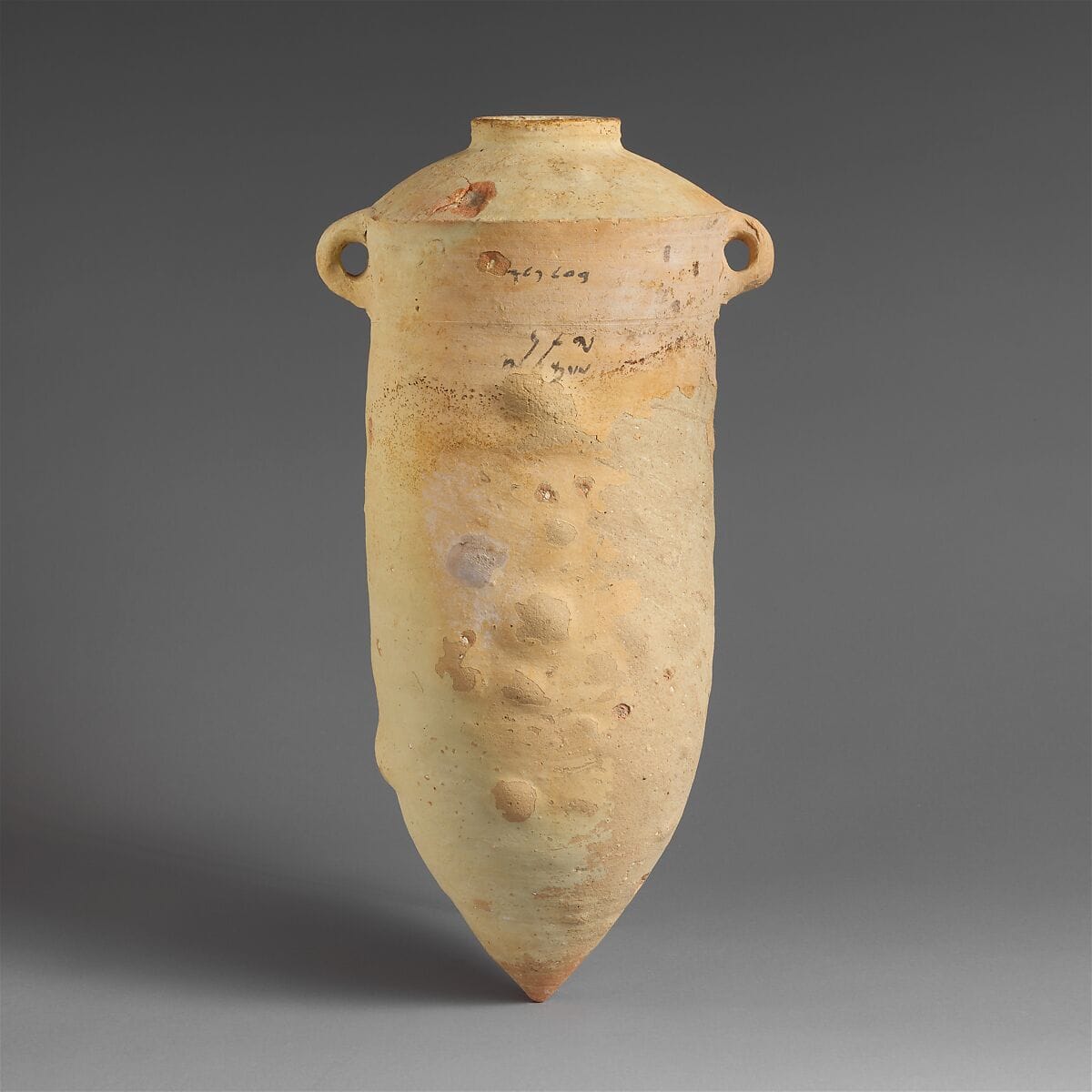
Archaic II
Terracotta amphora with Phoenician inscription
There is a painted inscription of three lines: at top, Baalpilles, probably the name of the owner; below, Yaton, inspector. Production of such Phoenician amphorae appears to have taken place on Cyprus, but finds at shipwrecks sites show that they were widely dispersed thoughout the eastern Mediterranean. H.: 22 3/4 in. (57.8 cm)
Date
599 - 400 BC
Accession No.
74.51.2300
Collection
Metropolitan Museum of Art
Provenance
- From Cyprus, said to be from the sanctuary of the Phoenician diety Eshmun-melqarth at Kition (modern Larnaka)
References
- Cesnola, Luigi Palma di. 1885. A Descriptive Atlas of the Cesnola Collection of Cypriote Antiquities in the Metropolitan Museum of Art, New York, Vol. 1. pl. CXLI.1049, Boston: James R. Osgood and Company.Myres, John L. 1914. Handbook of the Cesnola Collection of Antiquities from Cyprus. no. 1827, New York: The Metropolitan Museum of Art.Teixidor, Javier. 1976. "The Phoenician Inscriptions of the Cesnola Collection." Metropolitan Museum Journal, 11: no. 23, p. 66.Yon, Marguerite. 2004. Kition-Bamboula V. Kition Dans Les Textes: Testimonia litteraires et epigraphiques et corpus des inscriptions., V. no. 1082, p. 186, Paris: Editions Recherché sur les Civilisations.
More from the Catalogue
Browse related objects
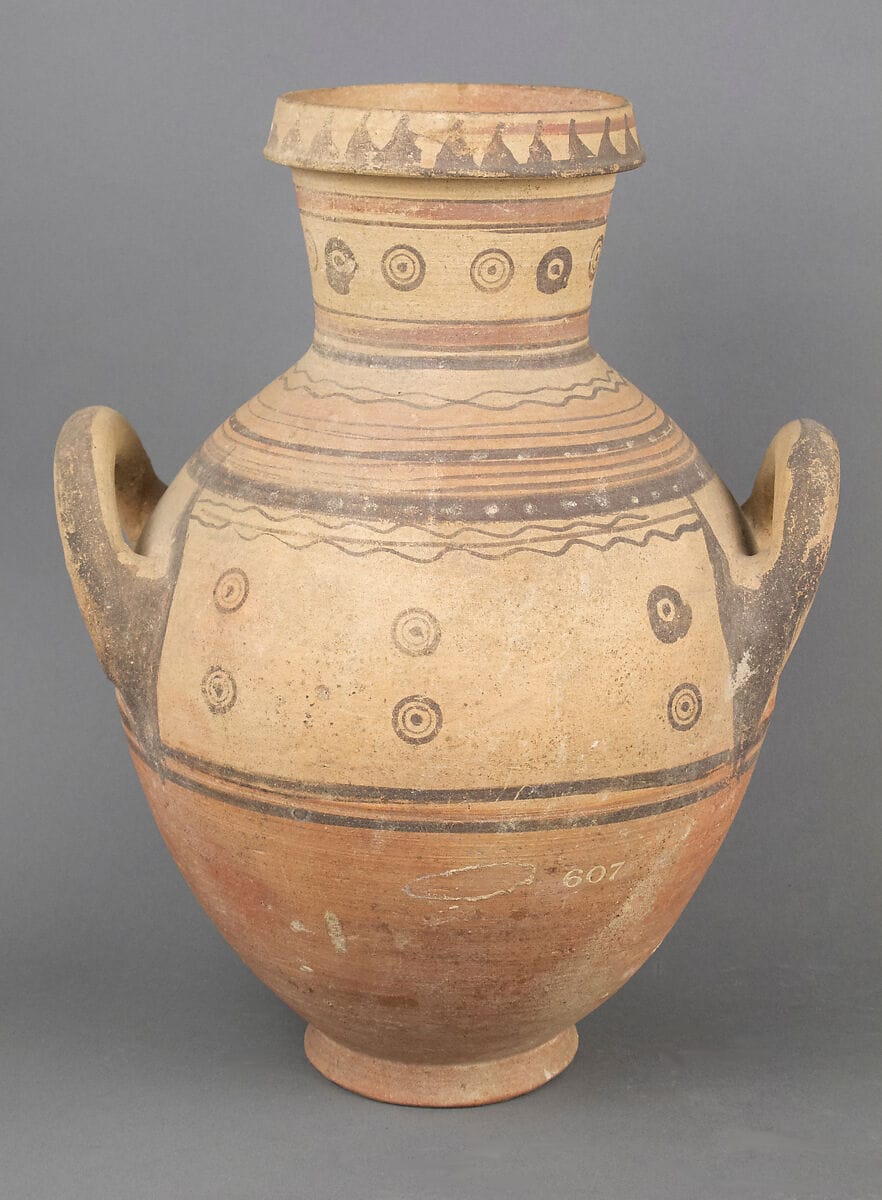
Amphora
Archaic II
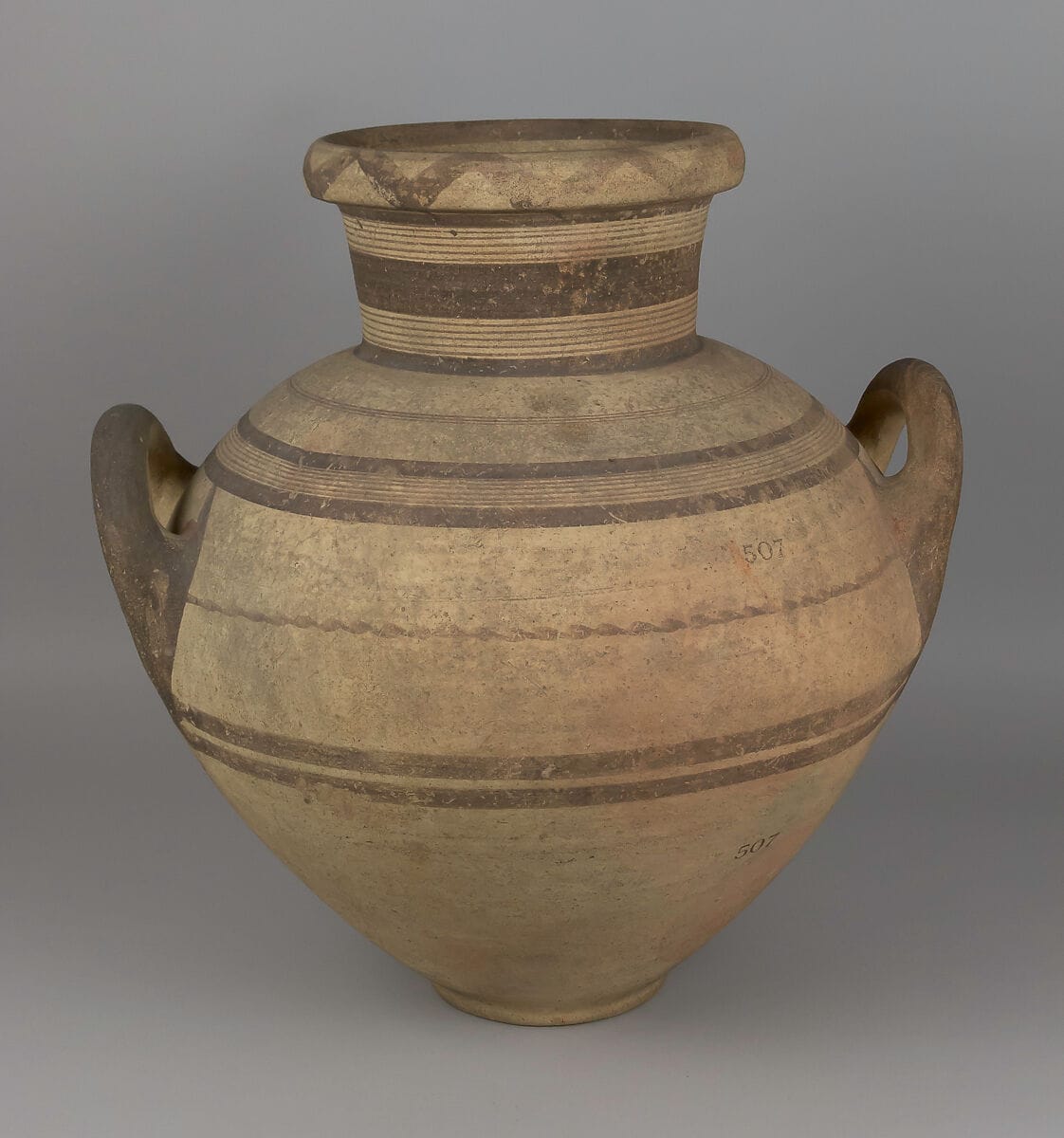
Amphora
Geometric I
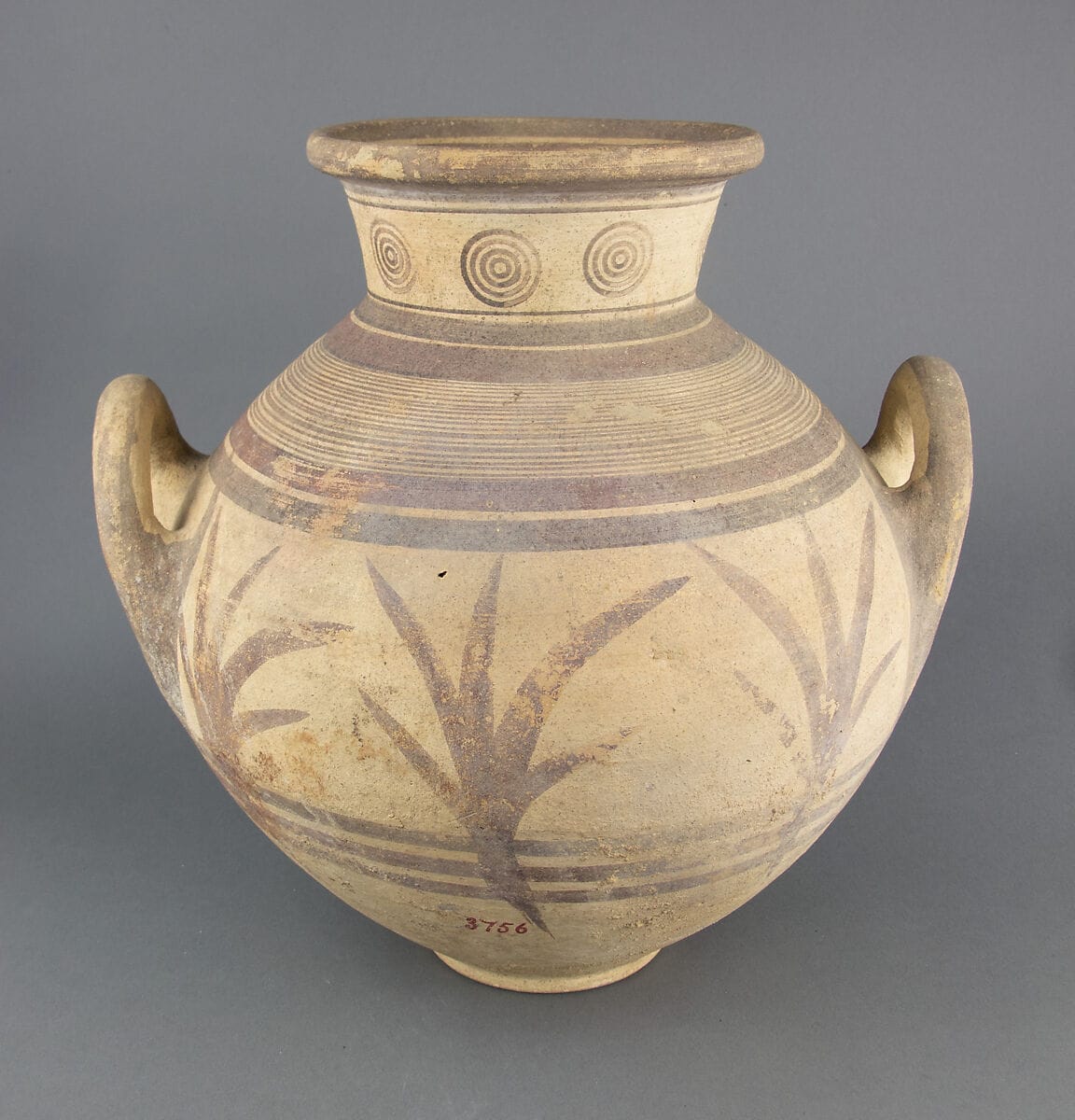
Amphora
Archaic II
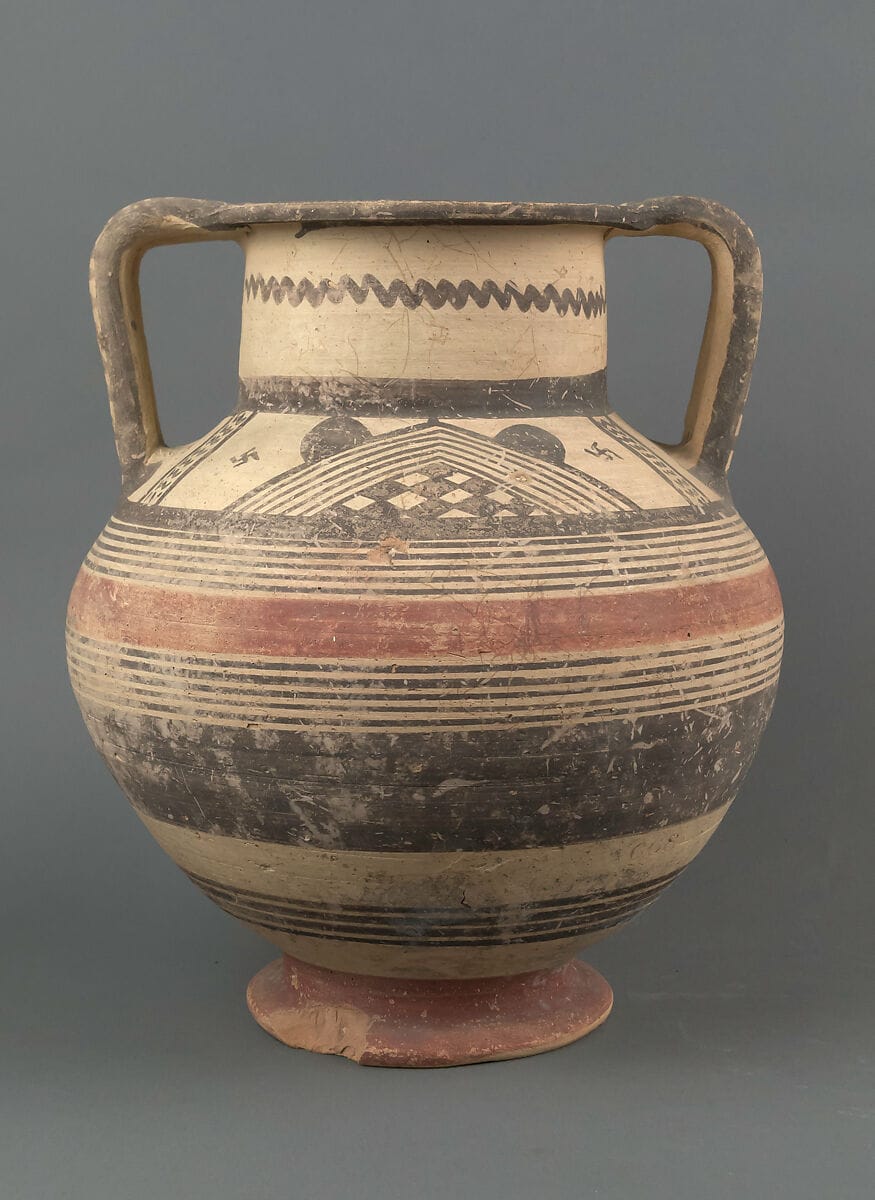
Amphora
Archaic I
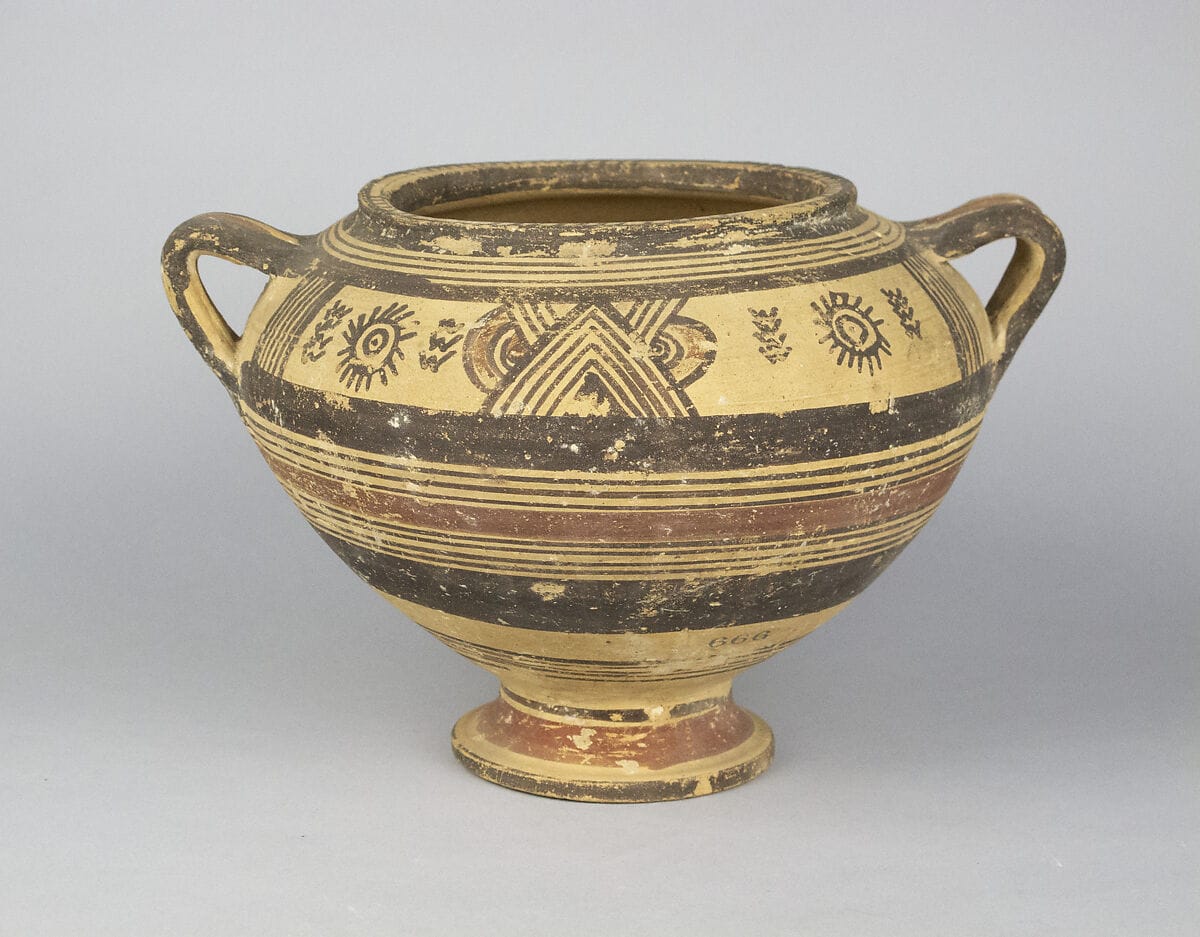
Dinos
Archaic I
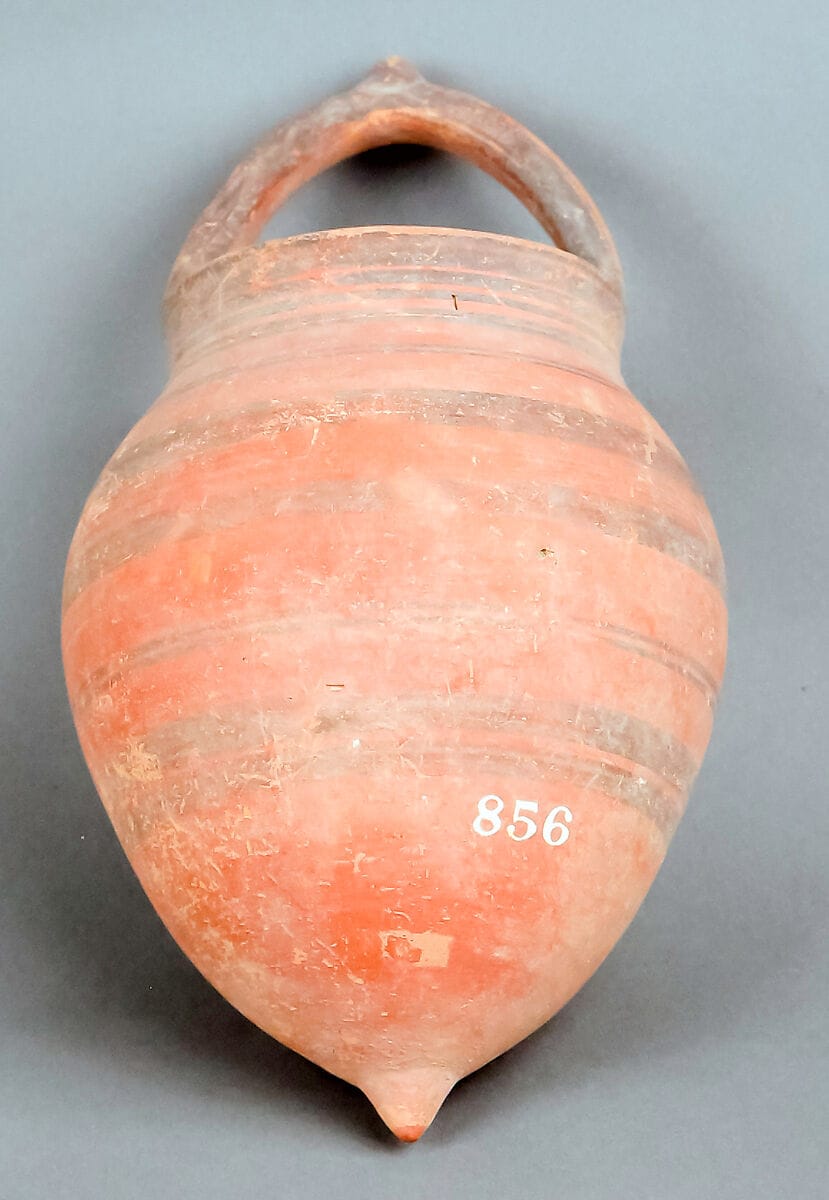
Amphoriskos
Geometric III
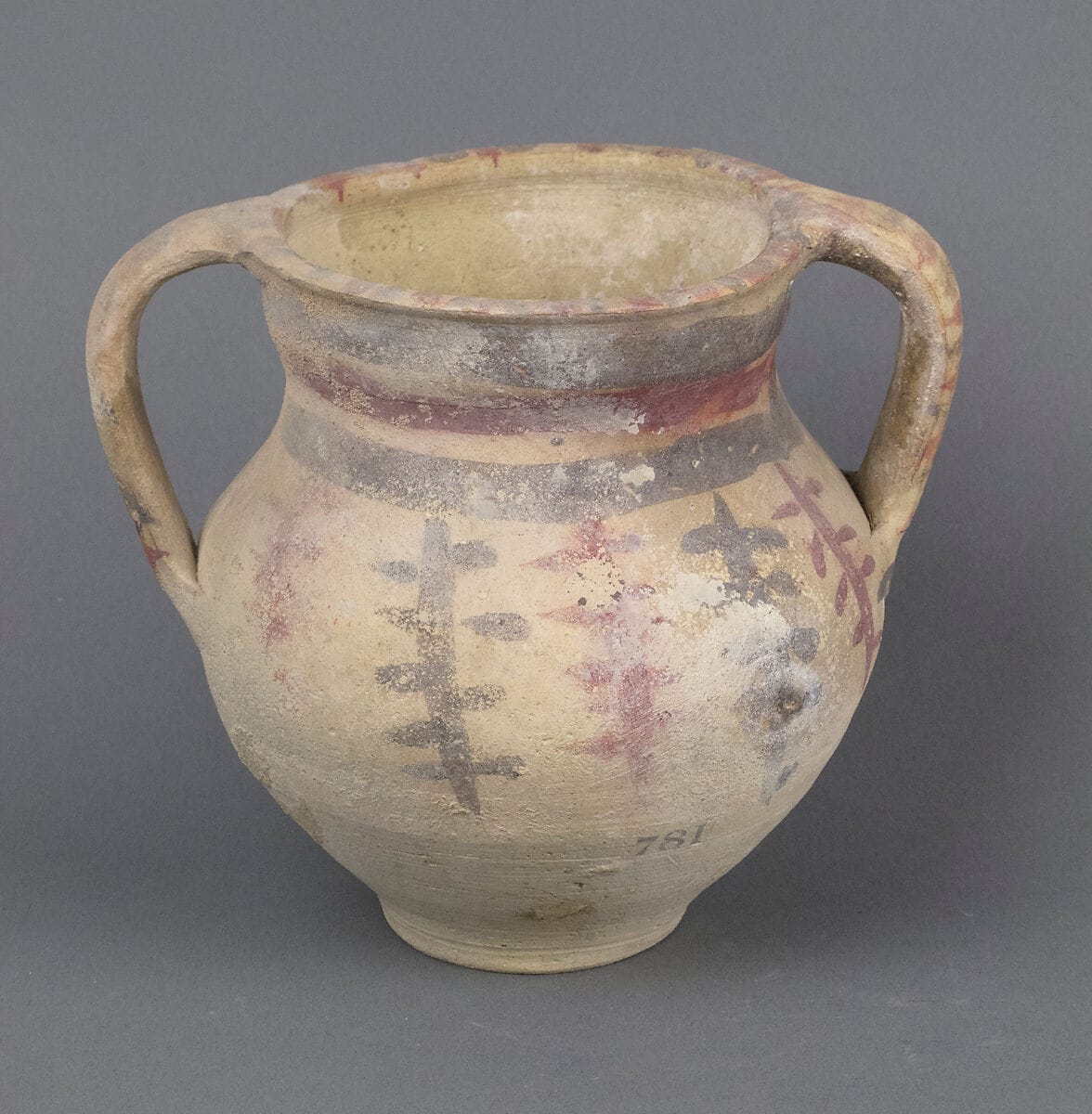
Amphoriskos
Archaic II
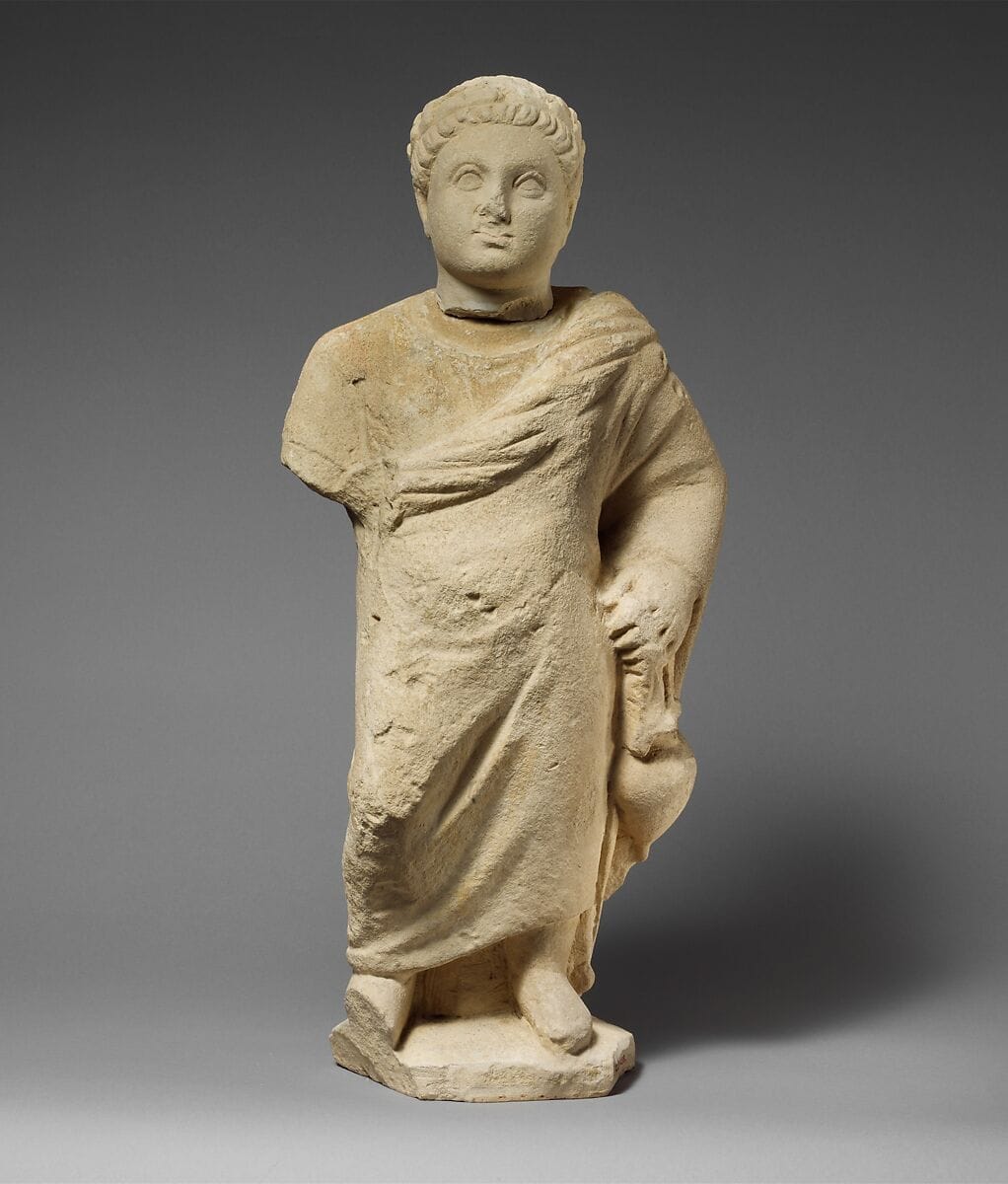
Limestone statuette of a boy holding an amphora
Hellenistic
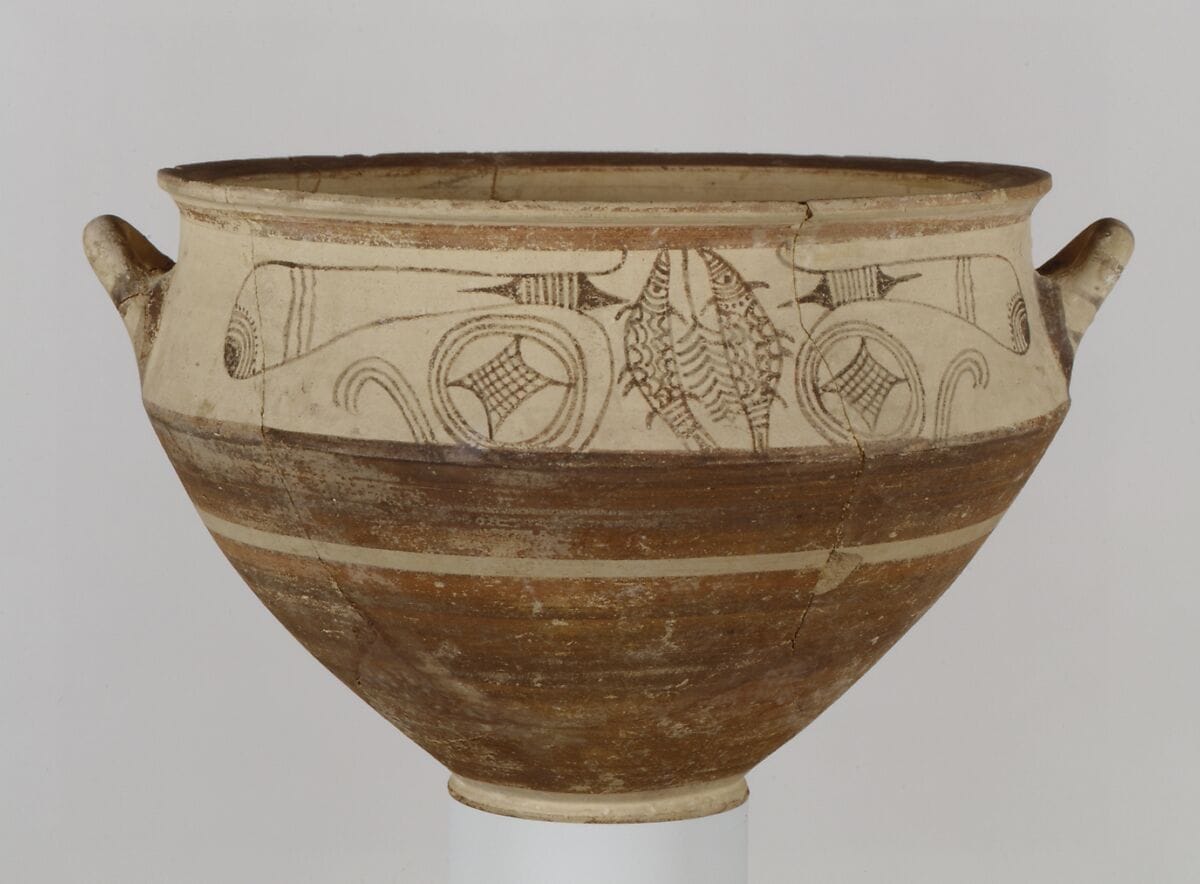
Terracotta krater
Late Bronze Age III
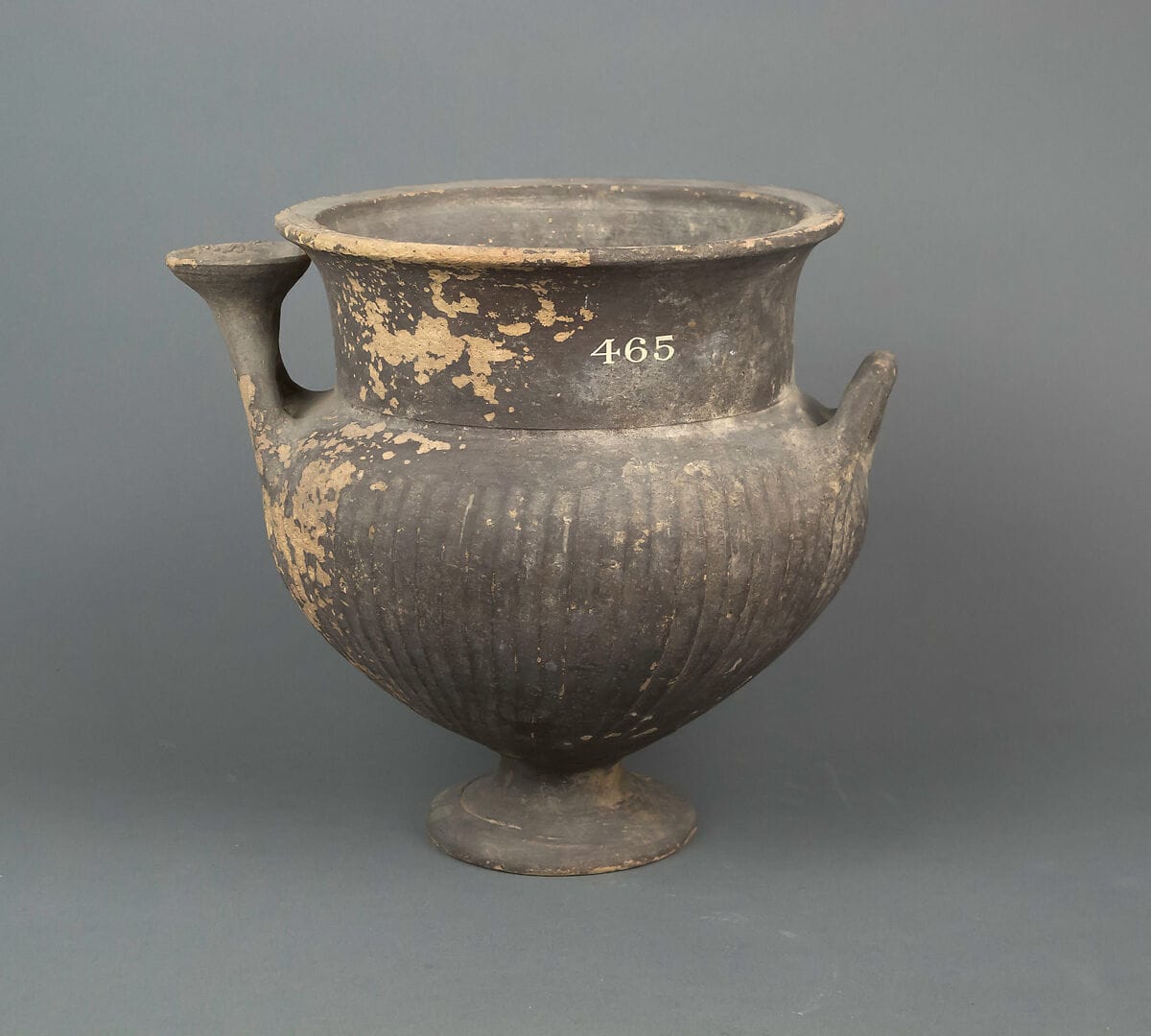
Krater
Geometric I
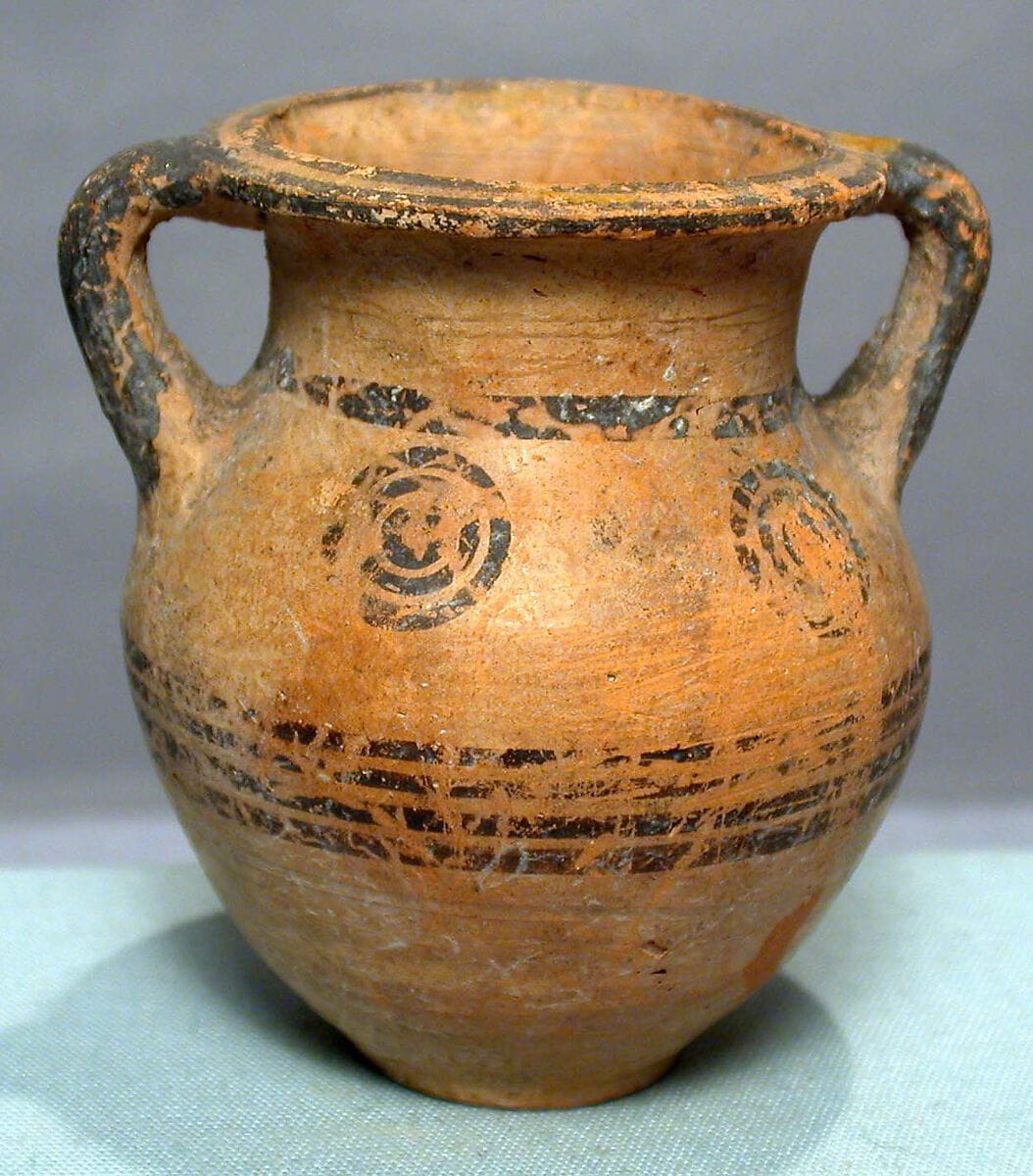
Terracotta miniature amphora
Geometric III
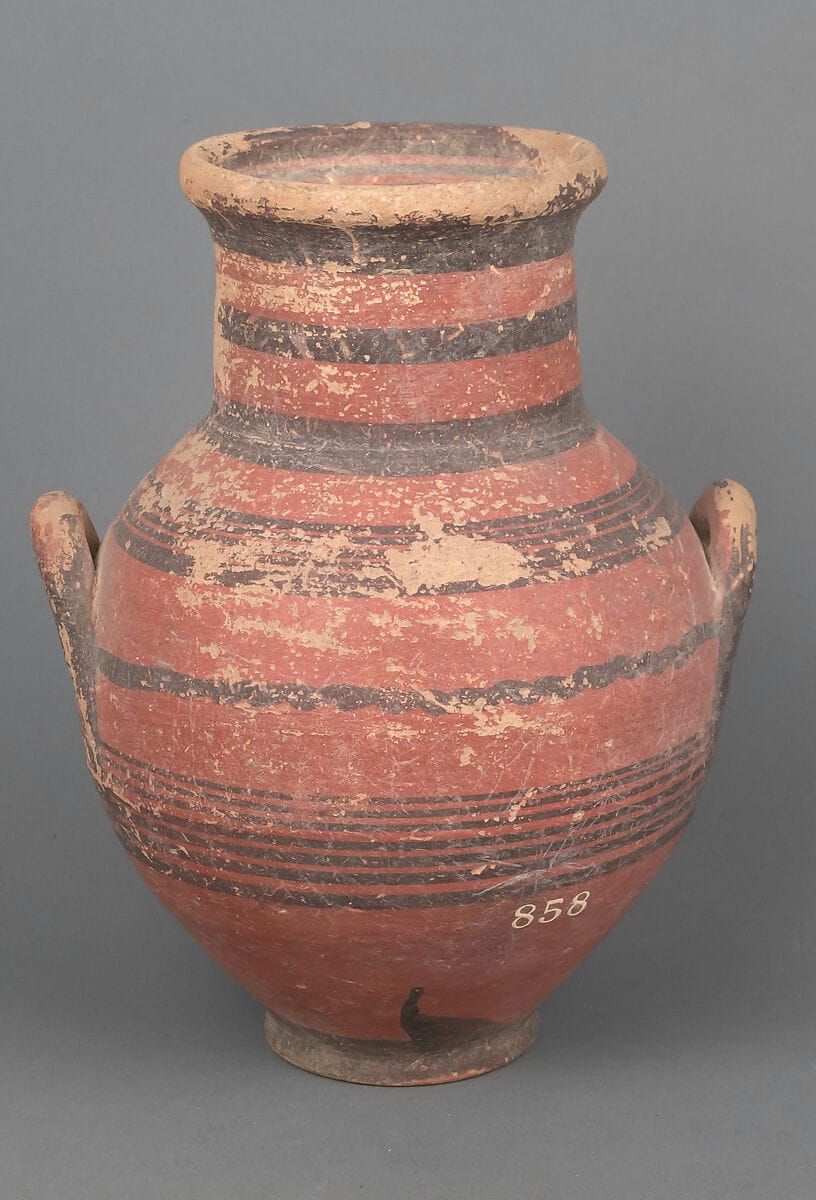
Amphora
Late Bronze Age III
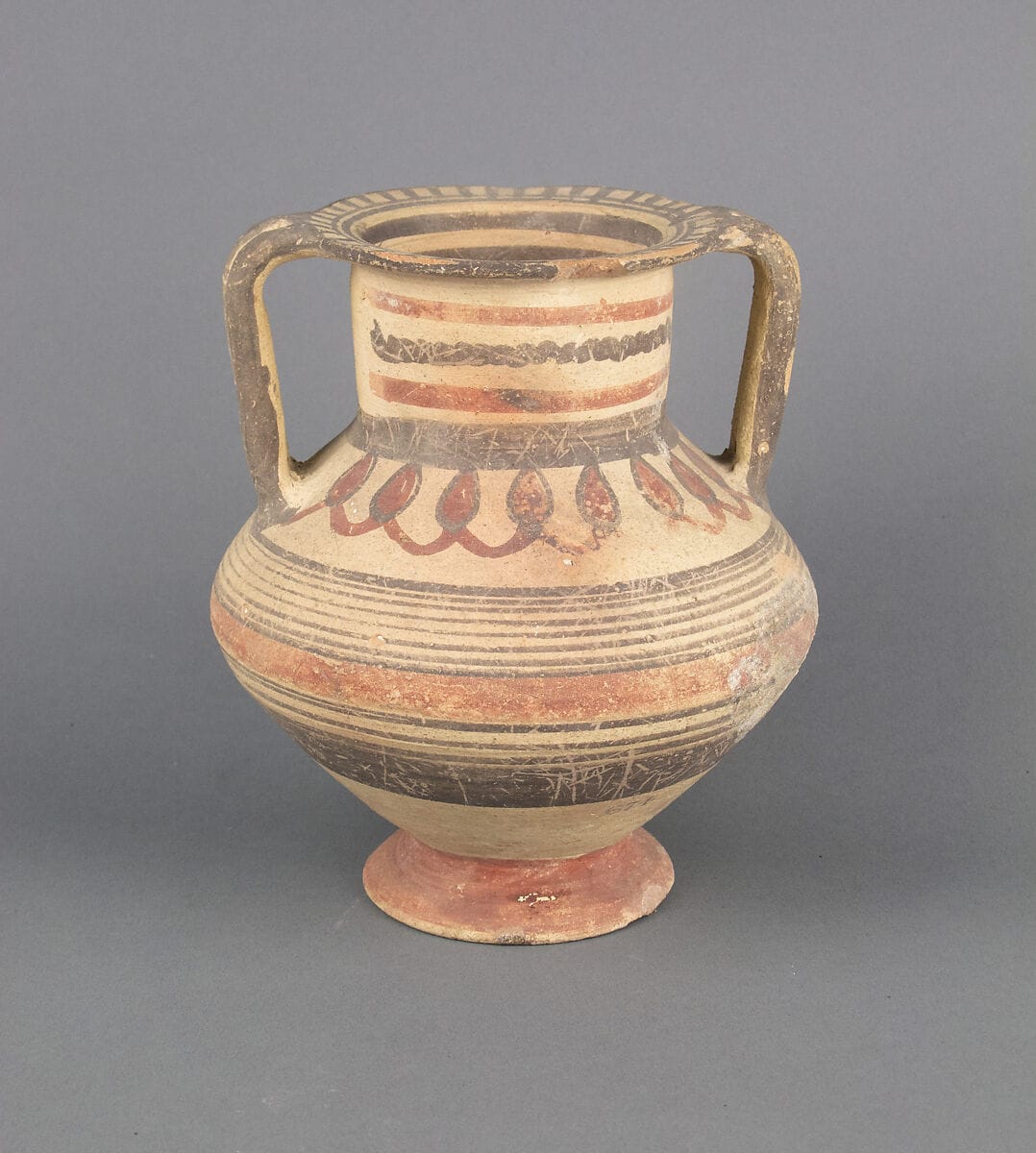
Amphora
Archaic II
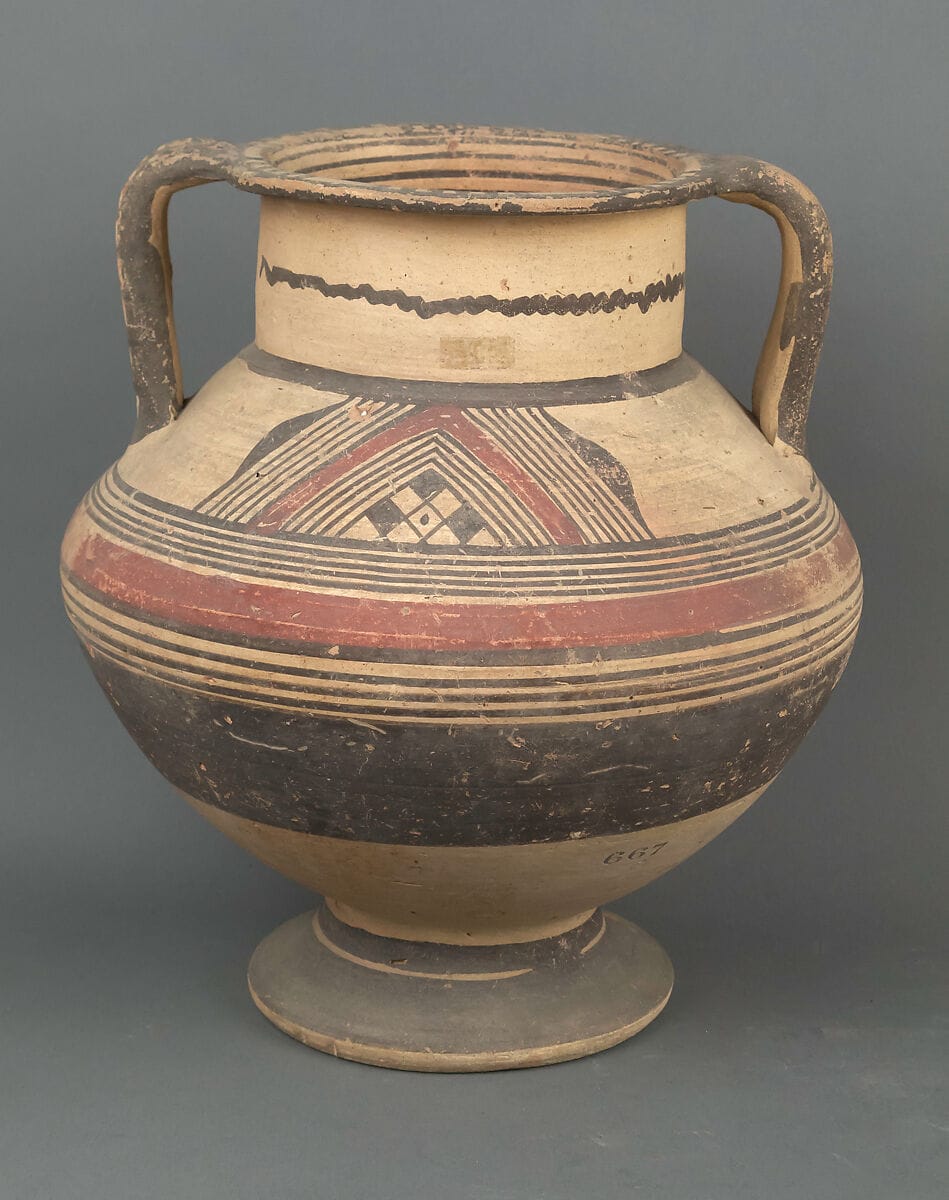
Krater
Late Bronze Age III
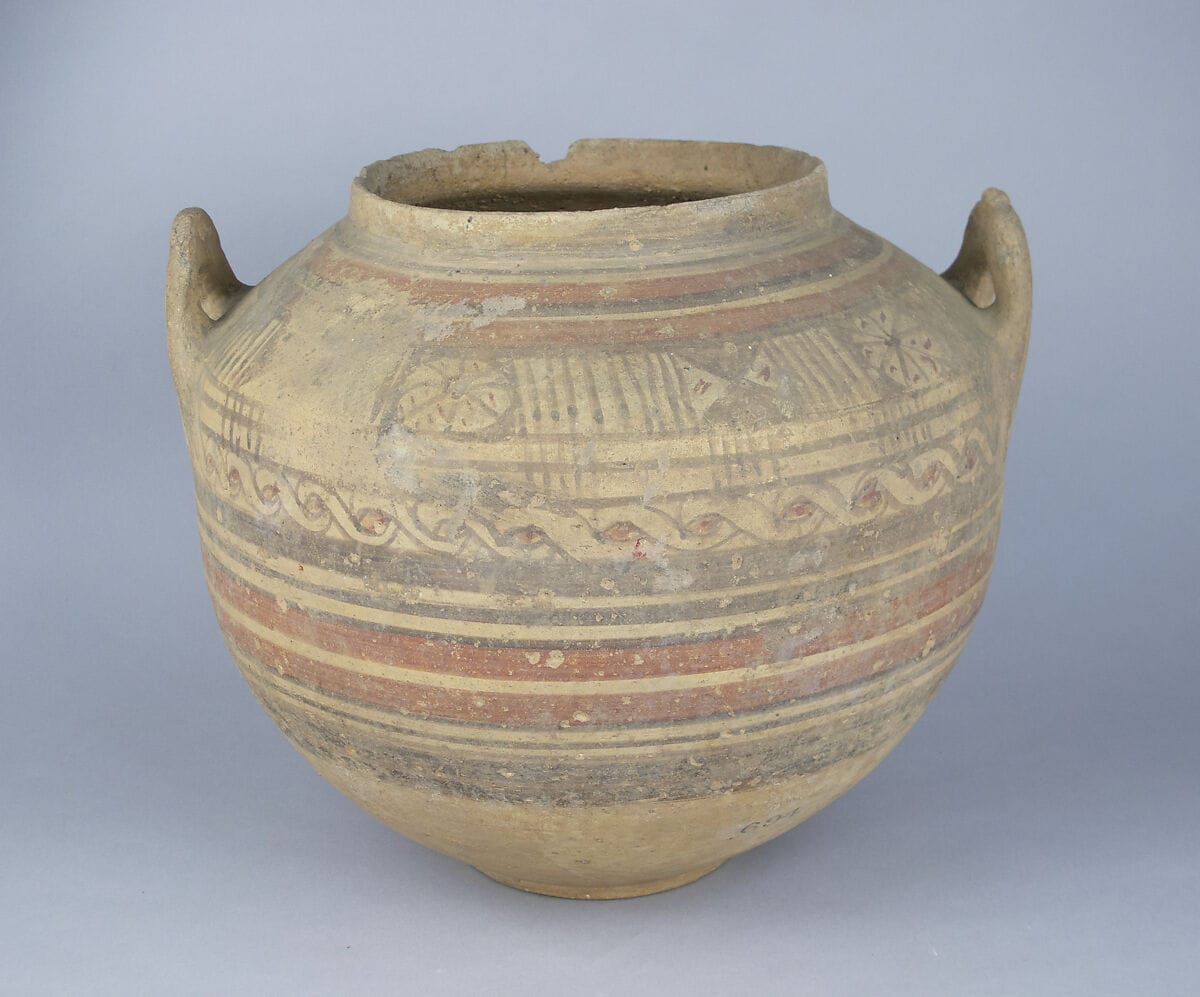
Dinos
Archaic I
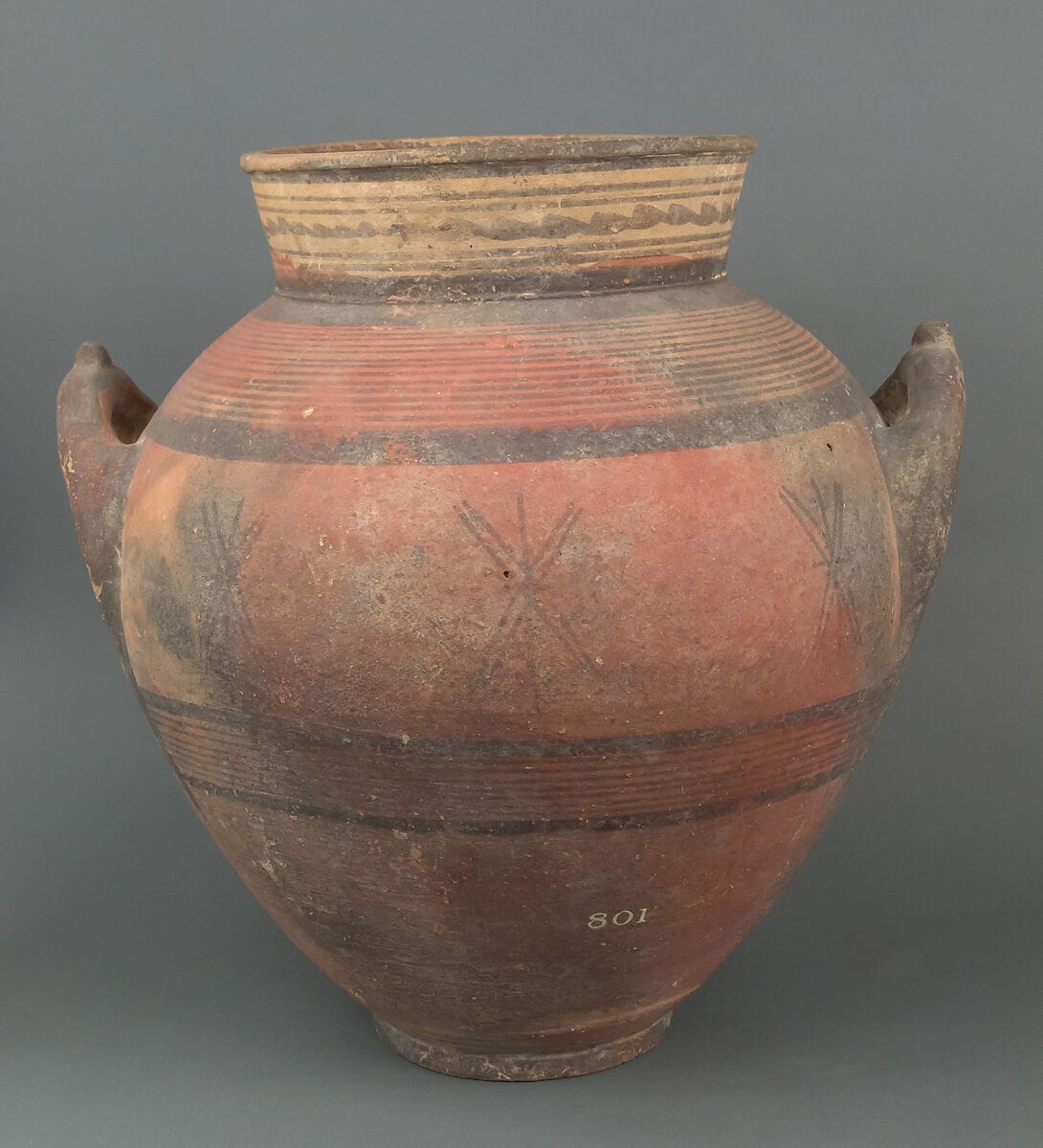
Amphora
Archaic
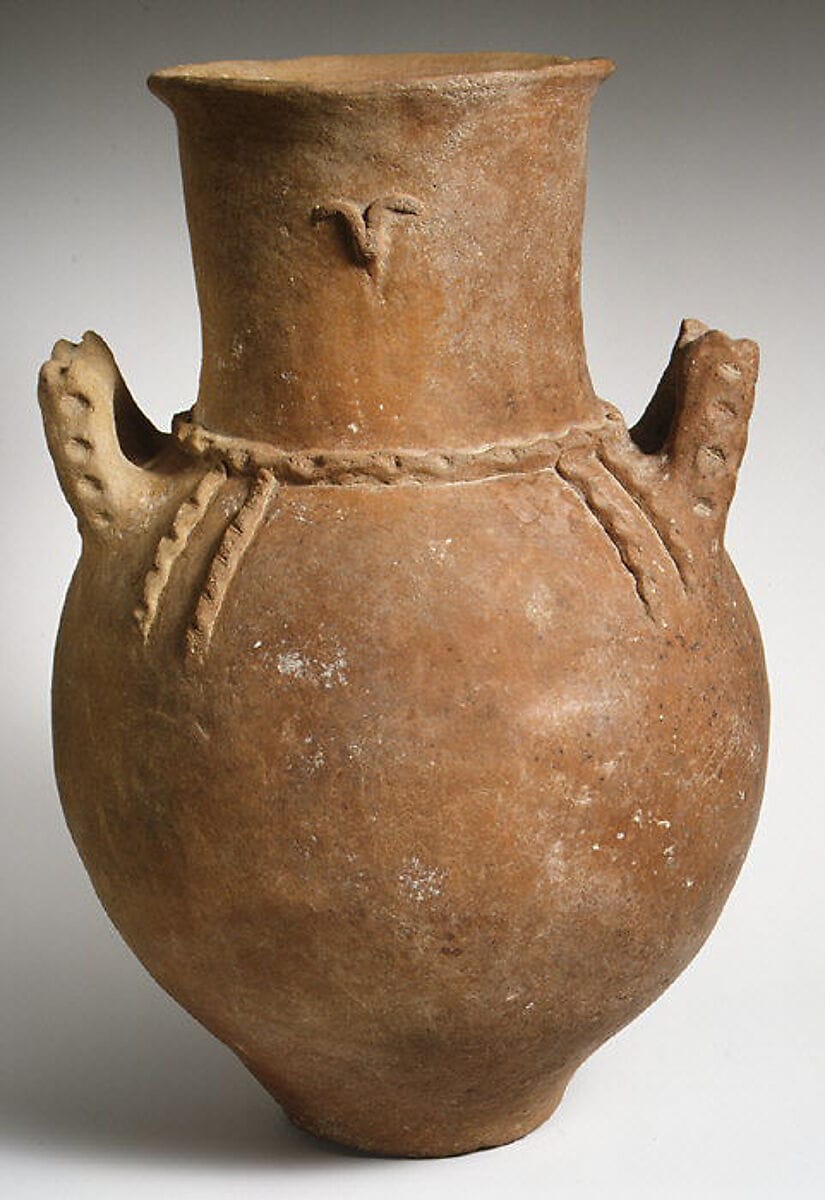
Terracotta amphora
Middle Bronze Age II
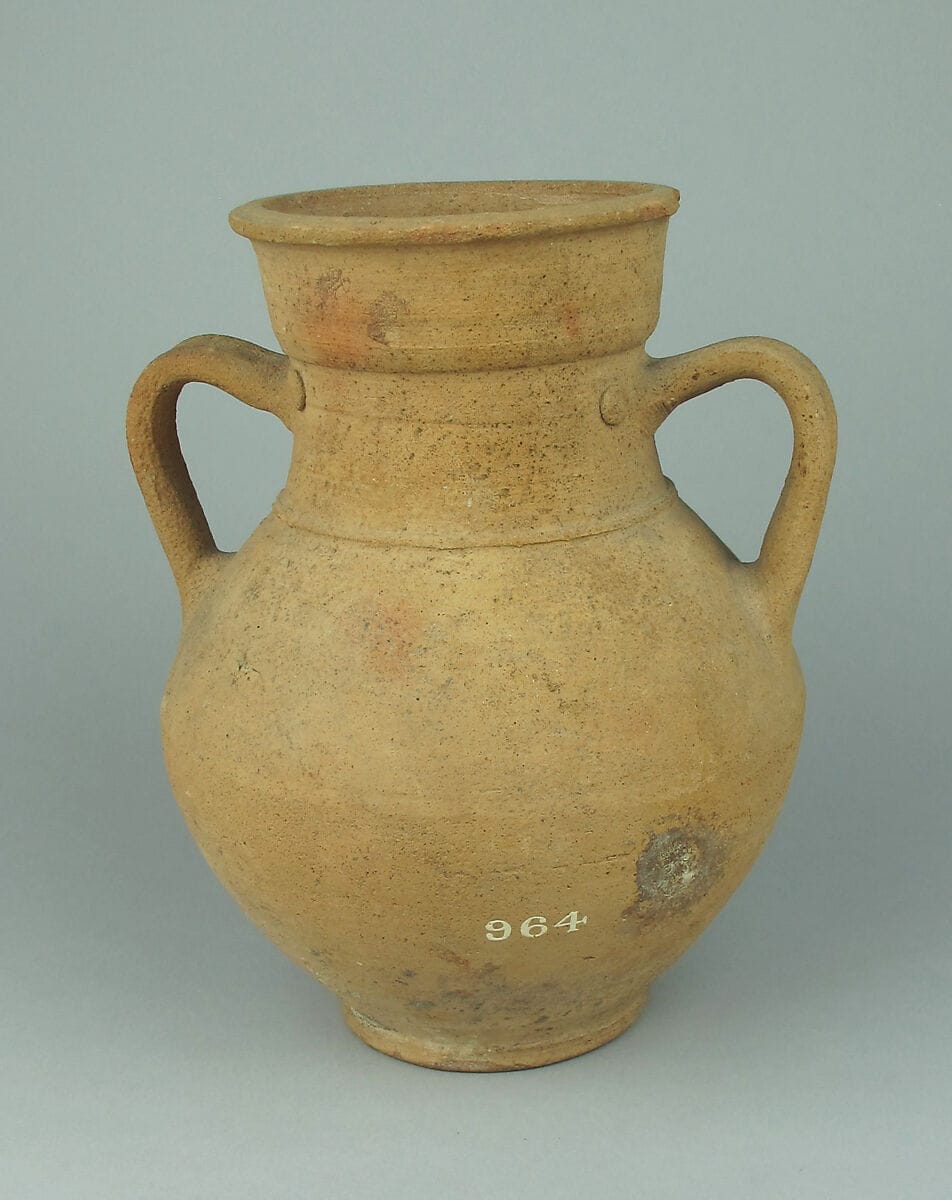
Amphora
Bronze Age