
I Inherited Ancient Antiquities — Now What?
Inheriting ancient artifacts — Cypriot, Greek, Roman, Egyptian, or otherwise — can be as bewildering as it is fascinating. This starting-point guide walks you through the first steps: understanding the law, weighing whether to keep, sell, donate, or repatriate, and working out what your pieces actually are and what they are worth.

Alexis Drakopoulos
February 11, 2025·Guides · Collecting·6 min read


Share


Alexis Drakopoulos is a Greek Cypriot Machine Learning Engineer working in Financial Crimes. He is passionate about Archeology and making it accessible to everyone. About Me.
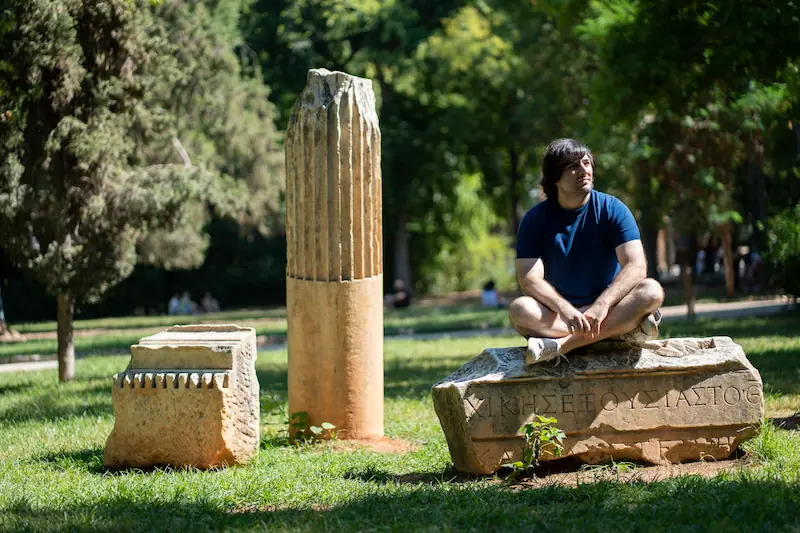
Few inheritances are as intriguing — or as quietly daunting — as a box of antiquities. Perhaps a relative has left you ancient Cypriot pottery, Greek black-figure ware, Roman coins, Egyptian figurines, or pre-Columbian objects. The thrill of holding something thousands of years old is real, and so are the questions that follow. What are your rights and responsibilities as the new owner? May you keep, sell, or donate these pieces? What are they worth — and are they even genuine? If you find yourself in this situation, don't panic, and don't rush. With a little research and the right guidance, inherited antiquities are very manageable.
Think of this as a starting point. If you already know you want to sell, our fuller walkthrough on how to sell antiquities goes deeper into the process. If your pieces are Cypriot, see our companion guides to owning Cypriot antiques and selling an inherited Cypriot collection.
First, Don't Rush
The most common mistake is acting too quickly. Don't clean, repair, or "restore" anything before it has been properly assessed — well-meant cleaning can strip away surface detail, ancient pigment, or encrustation that an expert would want to study, and it can sharply reduce a piece's value. Resist the urge to list items online for a fast sale before you understand what they are and whether they can legally be sold. Photograph everything where it sits, gather any paperwork that came with the collection, and give yourself time.
Understanding the Legal Landscape
The first real step is to understand the legal status of your inherited artifacts. Laws governing the sale, ownership, and transport of cultural property vary widely depending on the age and origin of the objects, as well as where you live.
Antiquities are subject to far more oversight than ordinary personal property. Many countries have national ownership laws asserting that any cultural artifact discovered within their borders automatically belongs to the state, and removing such objects — even with good intentions — can be treated as theft or trafficking. The 1970 UNESCO Convention aimed to curb the looting of archaeological sites and the illegal export of cultural heritage by allowing nations to request the return of stolen antiquities that ended up abroad.
For objects exported before 1970 — as many pieces circulating in the private market for generations were — the picture is more favourable, but it depends on the specific laws of the country of origin. You may well have clear legal title, but it is worth researching the relevant treaties before assuming so, and consulting an attorney who specialises in cultural property. In the US and much of Europe, laws such as the National Stolen Property Act and, for Native American material, NAGPRA can also come into play. Much depends on when and how your artifacts entered the country.
We aren't lawyers, but we can help you make sense of the landscape and point you toward specialists who give formal legal advice. If you're unsure where your pieces stand, feel free to get in touch.
To Keep, Sell, Donate, or Repatriate?
Once you understand the legal status of your collection, the question becomes what to do with it. There is rarely a single "right" answer — only the one that fits your circumstances and the significance of the pieces.
- Keep them. There is nothing wrong with keeping a well-documented heirloom, enjoying it, and caring for it properly. Understanding an object's story often matters more to families than any sale ever could.
- Sell them. Selling is a completely legitimate route, provided the sale is lawful. Our guide on how to sell antiquities covers the process in detail.
- Donate them. Some owners prefer to see their artifacts enter a public collection where they will be preserved and studied, and donations can carry tax benefits. Be aware, though, that many museums now decline antiquities that lack solid provenance.
- Repatriate them. Returning objects to their country of origin is often presented as the most ethical choice. It is not usually a legal requirement for pieces exported before the relevant conventions, but for items with strong cultural ties or a murky export history it can be the most responsible path.
If the objects are rare and significant, you may come under pressure from foreign governments, international bodies, or activist groups to repatriate, even where you have a legal right to sell — sometimes with assertions of questionable provenance or illicit excavation. Here, proper documentation of your rightful ownership is critical, and a reputable cultural-property lawyer can advise on your rights and handle any inquiries.
Determining Authenticity and Value
Whether you plan to keep, sell, or donate, an accurate assessment of historical significance and fair market value is essential. Appraising antiquities is unlike valuing other art and collectibles: there are far fewer price comparables, and the market is more opaque. We are happy to advise on appraisers and their specialisations — we have helped identify and estimate well over 200 antiquities to date.
Authentication matters just as much, because forgeries and misrepresented objects are common in the antiquities trade. Scientific testing of materials, expert evaluation of style and manufacture, and deep provenance research all help establish authenticity. If you have any doubt about a piece, a full authentication report from a respected expert or institution is a worthwhile investment — both for peace of mind and for any future sale or donation.
A Word on Provenance
Through all of this, one thing matters more than almost anything else: provenance, the documented history of where a piece has been. Before you do anything, hunt for whatever helps tell that story — old photographs showing the object in a room, letters or diaries that mention it, dealer receipts, auction catalogues, insurance schedules, exhibition labels, or simply a relative's account of when and how it was acquired. Even a single dated photograph can transform an object's standing. Keep these documents together with the pieces; they are often worth as much as the objects themselves.
We're Here to Help
AncientCyprus.com was created as a non-profit, non-revenue-generating project to share the knowledge of Ancient Cyprus and its Levantine neighbours. As part of that mission we maintain a small, specialised collection of Cypriot antiquities — and over the years we have heard from many readers facing exactly the questions above. We are glad to advise on the paths open to you, free of charge. We can help you:
- Navigate the international and domestic legal frameworks surrounding your objects
- Clarify questions of ownership and provenance
- Identify and document your pieces, and provide condition reports
- Advise on valuation and a sensible approach for anything you wish to part with
- Facilitate donations or loans to museums and academic institutions
- Point you toward trusted appraisers, conservators, transporters, and cultural-property lawyers
Whether you choose to sell, donate, or simply hold onto your artifacts, we will support you in making an informed and responsible decision. Many of our readers have stood exactly where you are standing now.