
How to Sell Antiquities: A Guide to Ethical and Legal Considerations
Selling an ancient artifact is unlike selling any other heirloom. This guide explains how to do it legally and ethically — establishing provenance, confirming legal status, understanding market value, and weighing a sale against donation or repatriation — so you can act with confidence and protect the heritage in your care.

Alexis Drakopoulos
February 11, 2025·Guides · Collecting·6 min read


Share


Alexis Drakopoulos is a Greek Cypriot Machine Learning Engineer working in Financial Crimes. He is passionate about Archeology and making it accessible to everyone. About Me.
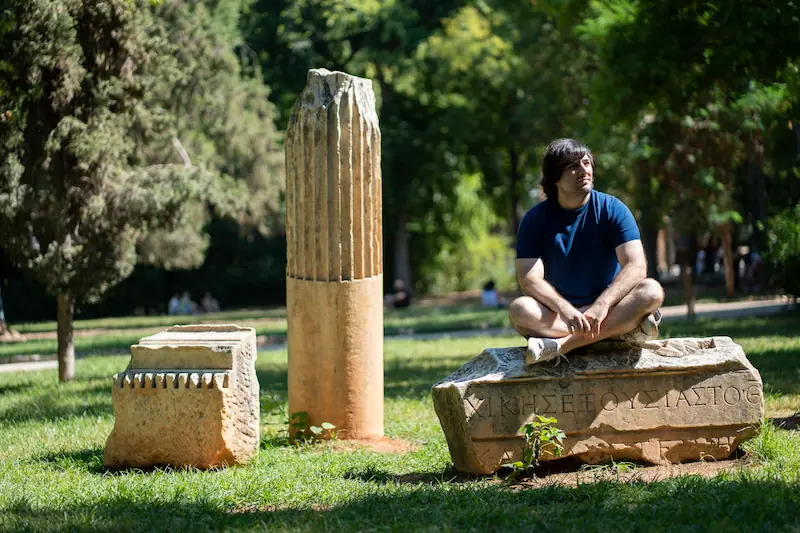
The decision to sell an antiquity is a profound responsibility, one that intersects with centuries of cultural heritage, international law, and ethics. Whether you have inherited ancient artifacts, are managing an estate, or otherwise find yourself in possession of archaeological pieces, knowing how to proceed legally and ethically is crucial. This guide walks through the practical process of selling antiquities responsibly while helping to preserve our shared past.
If you are still deciding whether to sell at all — as opposed to keeping, donating, or repatriating — start with our overview on what to do with inherited antiquities. For Cypriot pieces specifically, see our guide to selling an inherited Cypriot collection.
Why Selling Antiquities Requires Special Care
The global antiquities market sits at a critical junction between preservation and commerce. Every ancient artifact tells a story — not only about its original makers and users, but about the journey of human civilisation itself. These objects are tangible links to our collective past, which is exactly why their handling and documentation matter so much.
The market has changed enormously in recent decades. Where antiquities once traded freely without documentation, today's landscape is governed by international conventions, national laws, and ethical guidelines. These rules exist not to prevent legitimate trade but to protect cultural heritage from vanishing into private hands without record — or, worse, being lost to history. They are also growing steadily stricter and more complex, and they vary by region and by the type of antiquity in question.
We don't offer legal advice, but we can give you an overview of the landscape and point you to people who do. If that would help, reach out any time.
What Makes an Antiquity Legal to Sell
Provenance and Documentation
The single most important factor in an antiquity's legal status is its provenance — the documented history of ownership and origin. Legal antiquities typically have evidence that they were acquired before 1970, the year of the UNESCO Convention on the Means of Prohibiting and Preventing the Illicit Import, Export and Transfer of Ownership of Cultural Property. Useful documentation includes old sales receipts, inheritance papers, exhibition records, auction catalogues, and insurance schedules.
An object with no provenance before 1970 may still be legal to own, while some pieces that left their country before 1970 may nonetheless have been exported illegally. The picture is rarely black and white. We maintain a large database of provenance records and can sometimes help reconnect a piece with its past.
Export Permits and International Regulations
Many countries have specific laws on the export of cultural objects. An antiquity legally exported from its country of origin will usually have accompanying permits or documentation. The absence of such paperwork doesn't automatically mean an object left illegally — particularly for items that departed before the relevant rules existed — but it does call for careful investigation.
Cultural Property Laws
Different countries define national cultural property differently. Some nations claim ownership of all archaeological material found within their borders, regardless of when it was discovered or removed. Understanding the law of the country of origin is essential to determining whether a piece can be sold.
Steps to Take When Selling an Antiquity
1. Assess and Document the Piece
Before considering any sale, have your antiquity professionally assessed. This means documenting its physical characteristics, condition, and any existing provenance. Professional photographs, careful measurements, detailed descriptions, and expert opinions on authenticity and age all form part of proper documentation. We are able to help identify and document pieces — we have done so for well over 200 to date. One word of caution: don't clean or restore anything beforehand, as this can erase evidence and value alike.
2. Establish Legal Status
The legal status of an antiquity isn't always obvious, especially for objects that have been in a family for generations. Working with people who specialise in cultural heritage can help establish whether a piece can be sold and what documentation will be needed.
3. Understand Market Value
The value of antiquities varies enormously with age, condition, rarity, artistic merit, historical significance, and — crucially — provenance. A well-documented piece will command far more than an identical object with unknown history. Appraisers who specialise in ancient art can provide detailed valuations based on current market conditions and recent comparable sales. We can suggest the right specialist for your material — just ask.
4. Choose the Right Channel
Reputable auction houses and established dealers who prioritise legal and ethical sourcing are usually the safest route. Transparency about provenance is not a weakness in a sale — increasingly, it is what allows the sale to happen at all.
Ethical Considerations
Cultural Significance
Some objects carry particular cultural or religious significance to specific communities. Even where a sale is legal, it is worth weighing the ethics — sometimes repatriation or donation is the more appropriate choice. Ancient objects also need specific conservation conditions, and a responsible buyer should be able to demonstrate they can care for the piece properly.
Public Access and Research
Consider whether an object has significant research value or public interest. Some sellers choose to favour buyers who will allow some form of public access or academic study, even if the piece stays in private hands.
Donating to a Museum
Donating can ensure proper conservation, study, and public access, and many museums offer tax benefits for gifts — some may even propose purchase arrangements that suit both sides. Be aware, however, that many museums now decline antiquities, particularly those without clear provenance, given the complex legal and ethical environment.
Repatriating Antiquities
For objects with clear cultural significance to a particular community or nation, voluntary repatriation may be appropriate. This can often be arranged through cultural-heritage organisations or government agencies, and we can help advise on the process and connect you with the right officials.
How We Can Help
Our mission is to educate the public on Ancient Cypriot and Levantine archaeology. What we didn't anticipate was how many readers would write to us having inherited or otherwise come into possession of antiquities, unsure how to proceed. Many museums and charities won't discuss privately owned antiquities at all; we think it is a conversation worth having, and we are glad to advise on the moral and legal steps open to you.
We never charge for this — we are a non-revenue-generating project. We may occasionally decline a request, but we will never bill you for anything.
The market continues to move toward transparency, documentation, and ethical trade, and responsible sellers help shape that future by working through proper channels. Whether you ultimately sell, donate, or hold onto your pieces, the goal is an informed decision that respects both your interests and the heritage in your hands.