
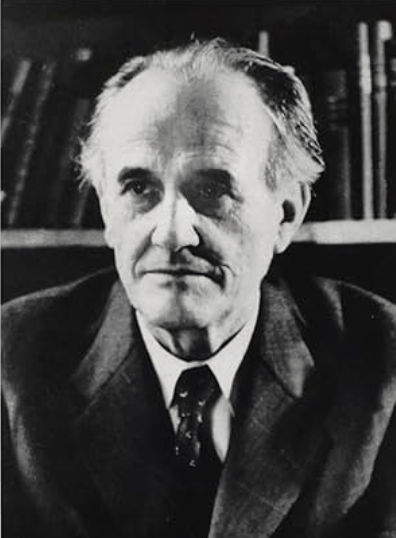
Paul Åström
Paul Åström (1929–2008) was a Swedish archaeologist whose work significantly advanced the study of Cypriot archaeology. Known for his methodical approach and comprehensive studies, Åström’s contributions helped unravel the complex history of Cyprus, from the Bronze Age through to the Roman period. His dedication to uncovering the past was matched by his commitment to scholarly excellence and the dissemination of knowledge.
Åström's career in archaeology began with his studies at the University of Uppsala, where he developed a keen interest in the ancient civilizations of the Mediterranean. His research took him to Cyprus, a place that would become the main focus of his academic and fieldwork pursuits. Over the years, Åström led numerous excavations on the island, uncovering artifacts and settlements that provided valuable insights into its ancient cultures. Perhaps one of his most significant contributions was the excavation and study of the Late Bronze Age settlement at Hala Sultan Tekke, which offered critical clues about trade, social structures, and cultural exchanges in the Eastern Mediterranean.
Beyond his fieldwork, Åström was also a prolific writer and editor. He founded the journal "Studies in Mediterranean Archaeology," which has become an essential resource for scholars in the field. Through this and numerous books and articles, he shared his findings and theories, sparking further research and discussion among archaeologists, historians, and scholars worldwide.
Åström's legacy extends beyond his discoveries and publications. He was a mentor to many young archaeologists, imparting not just his knowledge but also his passion for uncovering the stories of the past. His work laid the groundwork for future generations of researchers in Cyprus and the wider Mediterranean region, ensuring that the rich history of these areas continues to be explored and understood.