
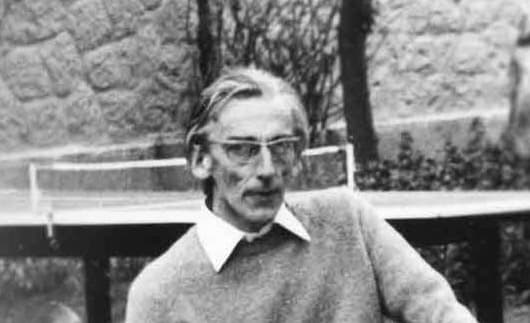
Hector Catling
Hector William Catling was a British archaeologist whose work significantly advanced the understanding of Cypriot archaeology. Born in 1924, Catling's early interest in archaeology led him to study at the University of Oxford, where he would later return as a lecturer and eventually the director of the British School at Athens.
Catling's contributions to archaeology are vast but are particularly notable in Cyprus, where his excavations and studies shed new light on the ancient civilizations of the island. His work at sites like the Bronze Age settlement of Hala Sultan Tekke offered invaluable insights into trade, culture, and social practices of ancient Cypriots. Catling was not just focused on fieldwork; he also made significant contributions to the study of Cypriot pottery and terracottas, helping to classify and understand these artifacts in the broader context of Mediterranean archaeology.
Beyond his direct contributions to archaeology, Catling played a crucial role in the protection of Cyprus's cultural heritage. He was instrumental in efforts to combat the illegal trade of antiquities, advocating for stricter regulations and the return of stolen items to their country of origin. His work in this area helped to raise awareness about the importance of cultural heritage and the need for its protection.
Catling's legacy is not only in the artifacts and sites he studied but also in the generations of archaeologists he taught and inspired. His commitment to rigorous research, combined with a deep respect for the cultures he studied, sets a standard for those in the field of archaeology. Hector Catling's work continues to influence the study of Cypriot archaeology and the broader understanding of the ancient Mediterranean world.