
Archaic II
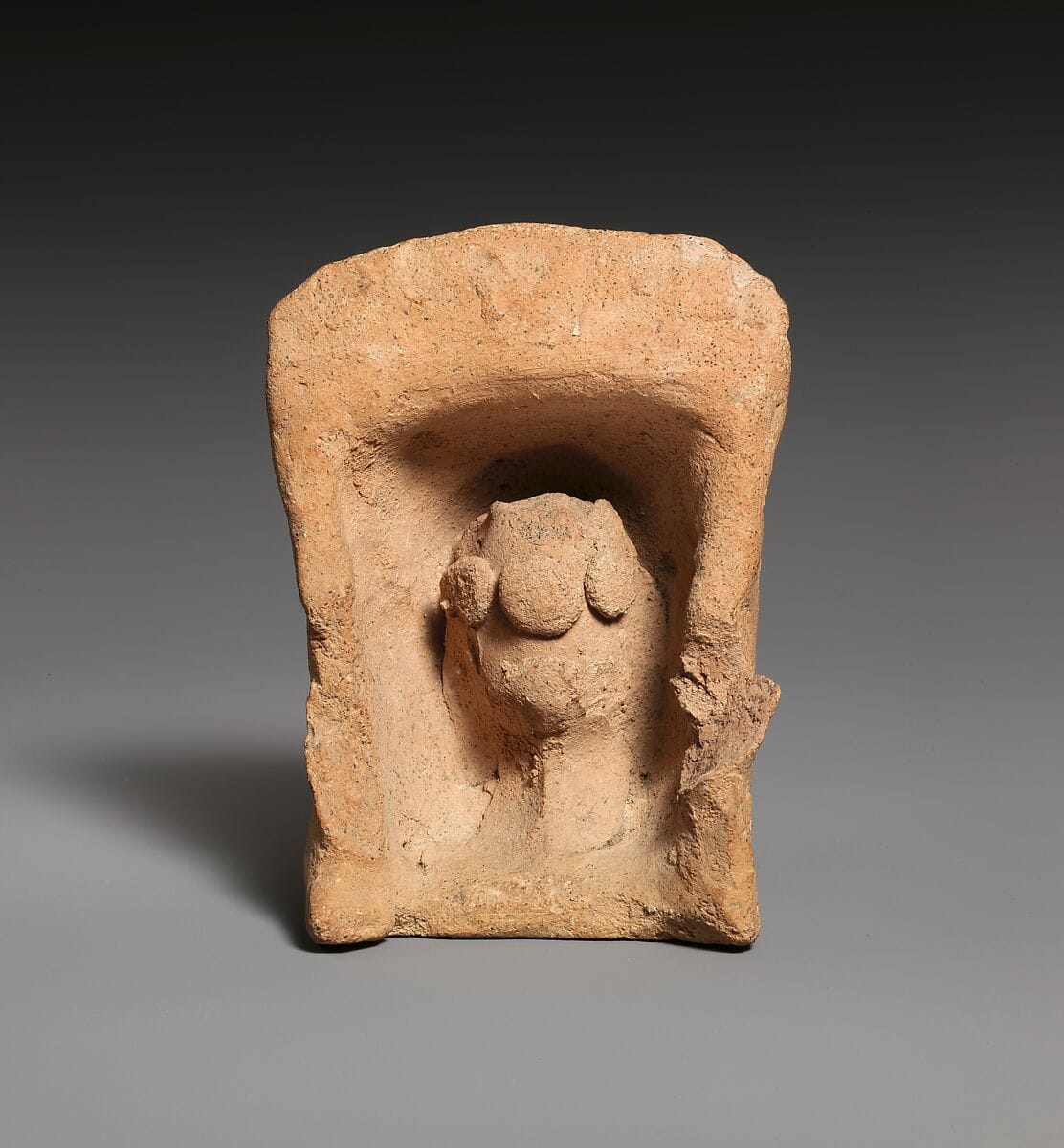
Terracotta model of a shrine
The model originally had pilasters on either side of the opening. The vertical form inside is an aniconic representation of the fertility goddess Astarte. Similar depictions are known from the Levant and Cyprus. Model shrines began to be made in Cyprus during the Chalcolithic period and, due to Phoenician influence, were produced in particular quantity during the Archaic period. All of the excavated examples come from tombs. H. 3 15/16 in. (10 cm)
Date
600 - 480 BC
Accession No.
74.51.1754
Collection
Metropolitan Museum of Art
Provenance
References
- Cesnola, Luigi Palma di. 1894. A Descriptive Atlas of the Cesnola Collection of Cypriote Antiquities in the Metropolitan Museum of Art, New York, Vol. 2. pl. XIII.103, Boston: James R. Osgood and Company.Metropolitan Museum of Art. 1895. The Terracottas and Pottery of the Cesnola Collection of Cypriote Antiquities in Halls 4 and 15. no. 337, p. 29, New York: The Metropolitan Museum of Art.Myres, John L. 1914. Handbook of the Cesnola Collection of Antiquities from Cyprus. no. 2131, p. 348, New York: The Metropolitan Museum of Art.Culican, William. 1976. "A Terracotta Shrine from Achzib." Zeitschrift des Deutschen Palastina-Vereins, 92(1). p. 47, n.2.Karageorghis, Vassos. 1996. "The Cypro-archaic period monsters, animals and miscellanea." The Coroplastic Art of Ancient Cyprus, Vol. 6. no. T10, p. 64, pl. XXXV.6, Nicosia: Foundation Anastasios G. Leventis.Karageorghis, Vassos, Joan Mertens, and Marice E. Rose. 2000. Ancient Art from Cyprus: The Cesnola Collection in The Metropolitan Museum of Art. no. 218, pp. 144-45, New York: The Metropolitan Museum of Art.Karageorghis, Vassos, Gloria Merker, and Joan R. Mertens. 2016. The Cesnola Collection of Cypriot Art : Terracottas. no. 258, pp. 149-50, Online Publication, [CD-Rom 2004], New York: The Metropolitan Museum of Art.
More from the Catalogue
Browse related objects
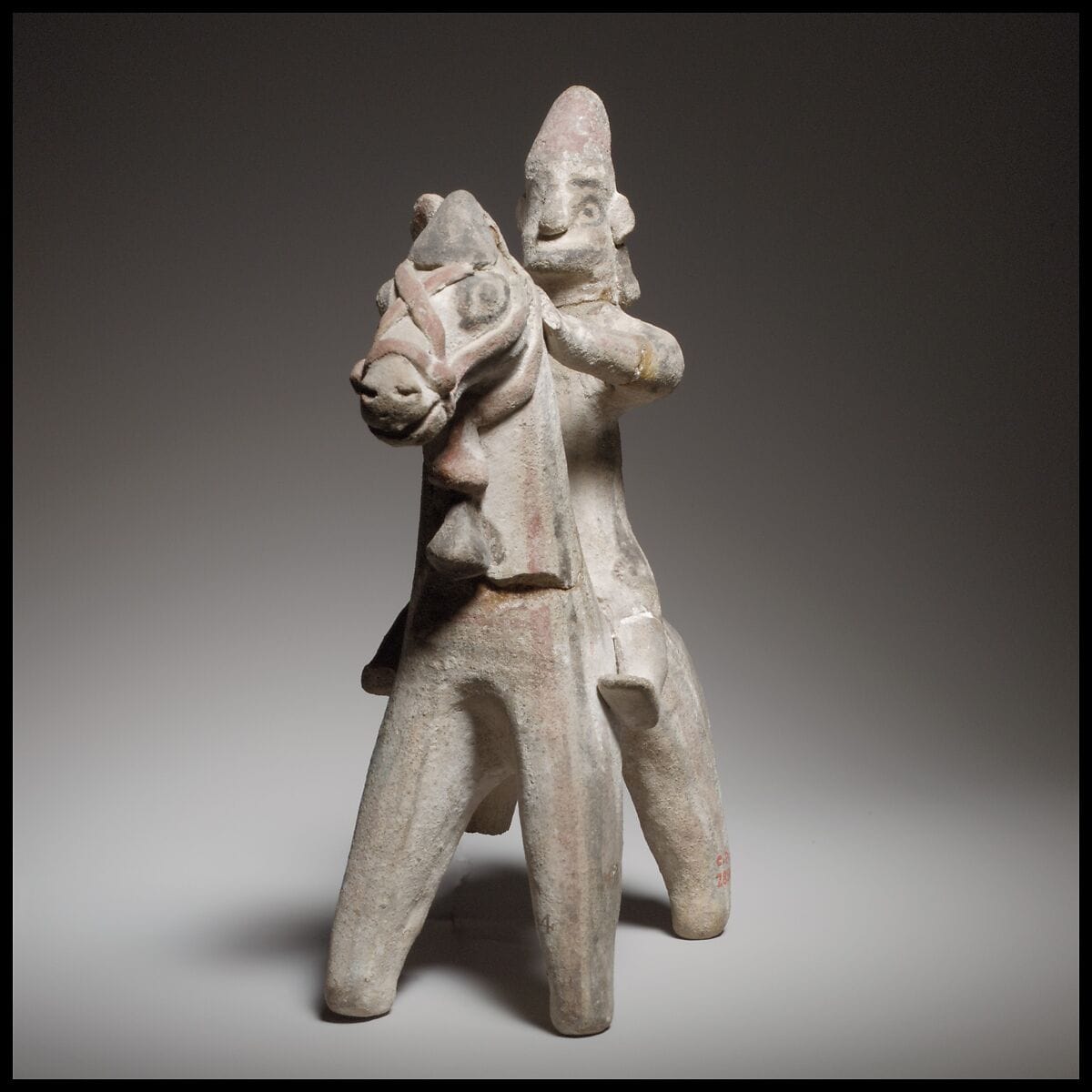
Horse and rider figurine
Archaic II
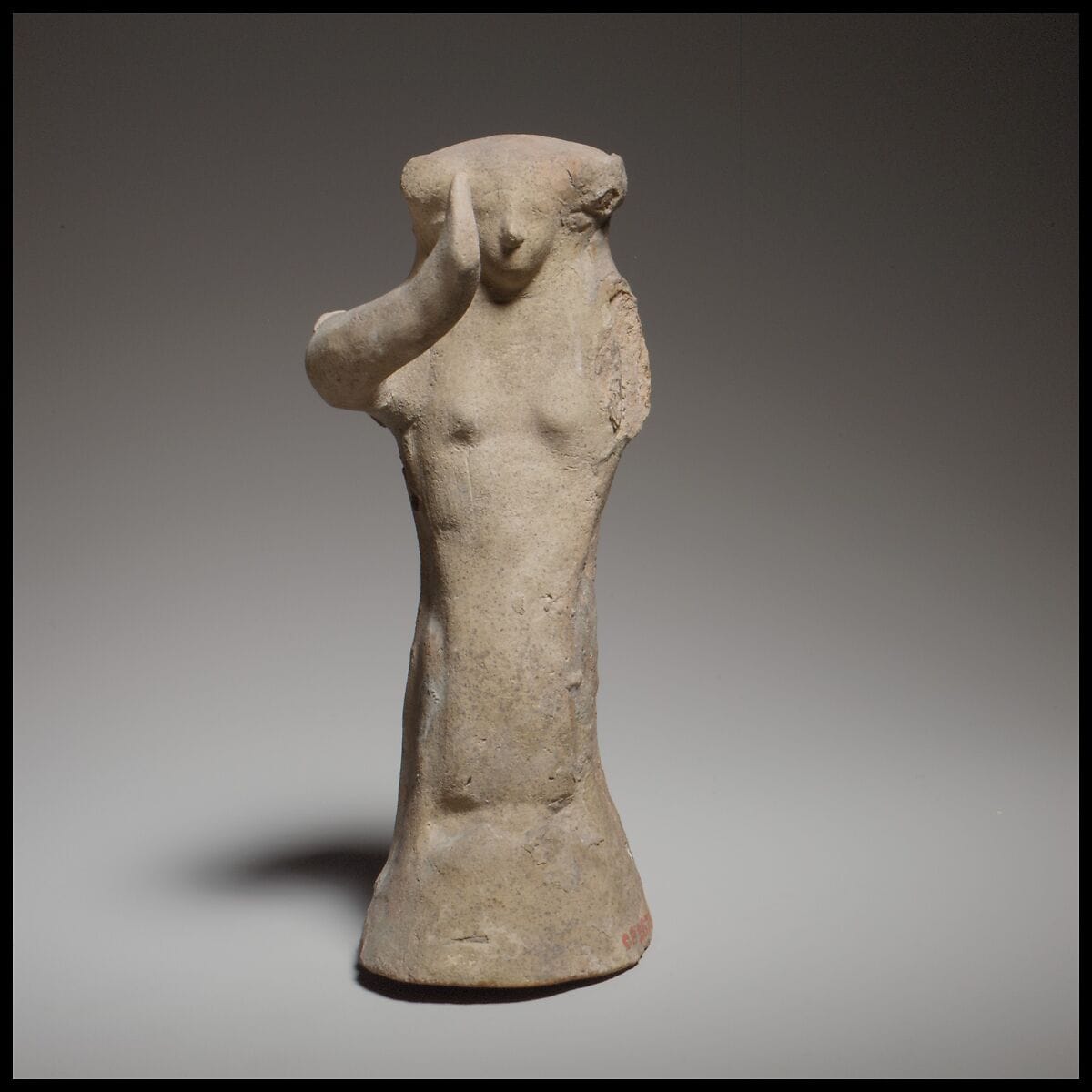
Seated female figurine of the dea gravida type
Archaic II
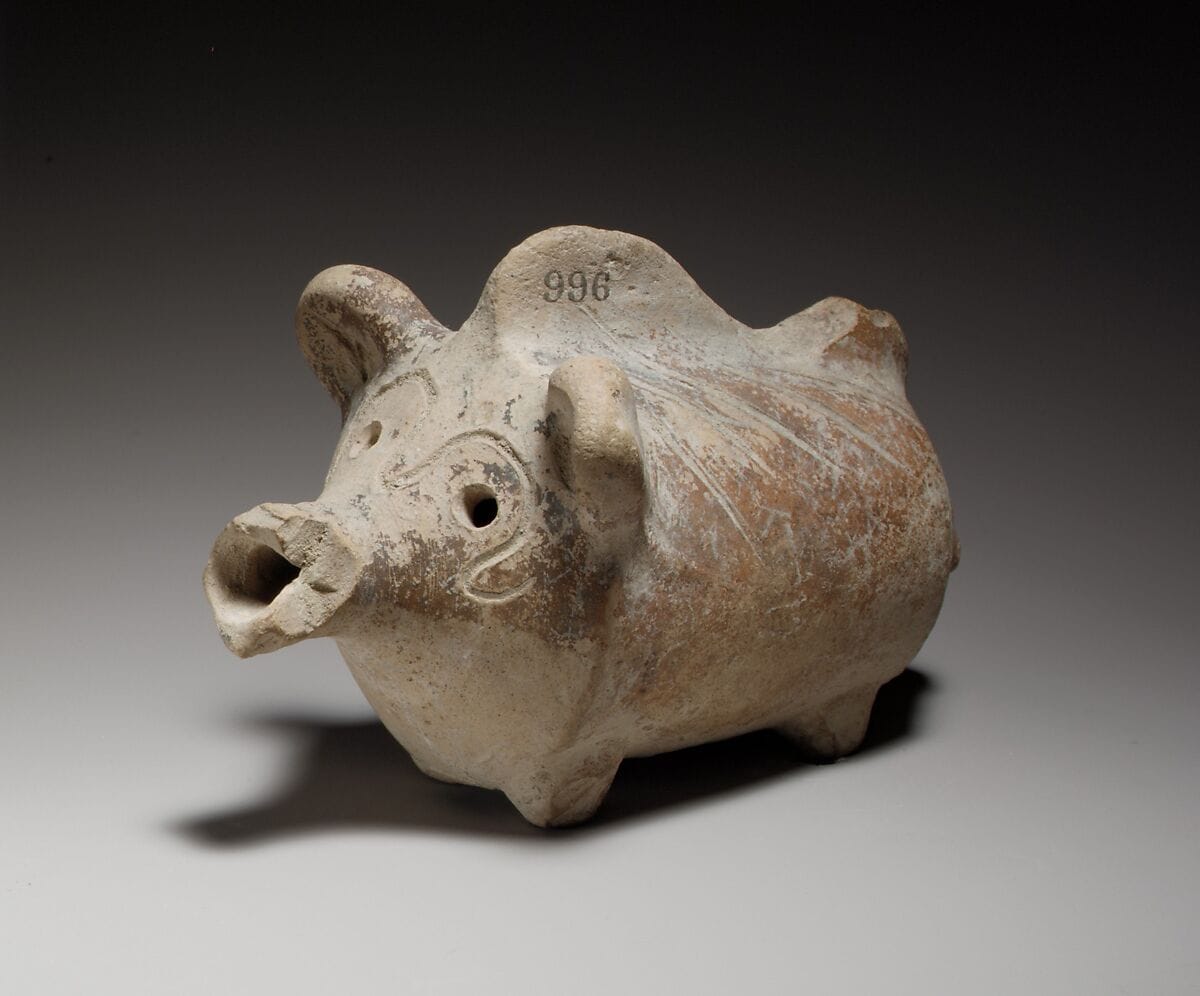
Terracotta rattle in the form of a pig
Hellenistic
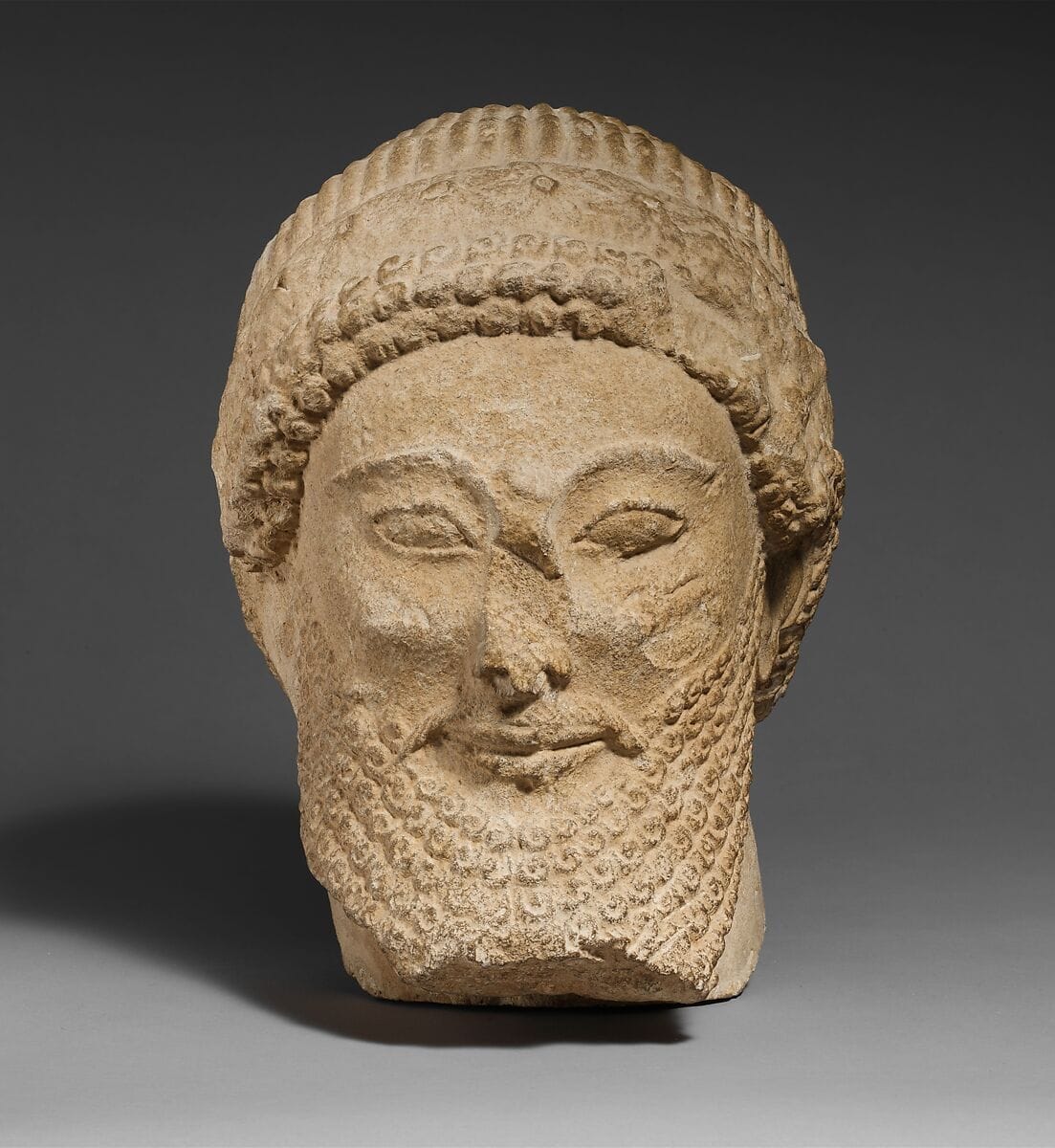
Limestone head of a bearded male with a wreath of flowers
Archaic II
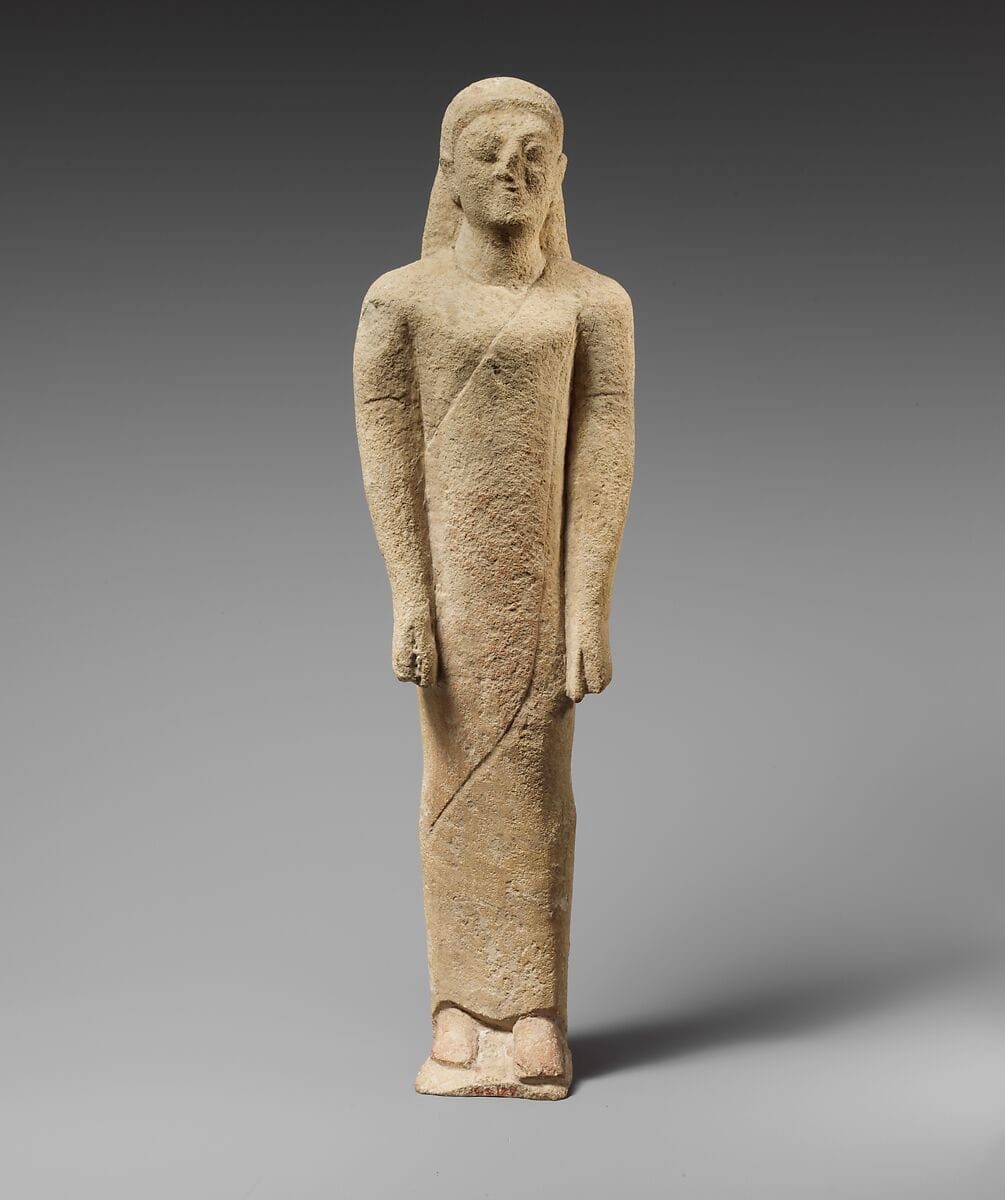
Limestone statuette of a beardless male votary in Greek dress
Archaic II
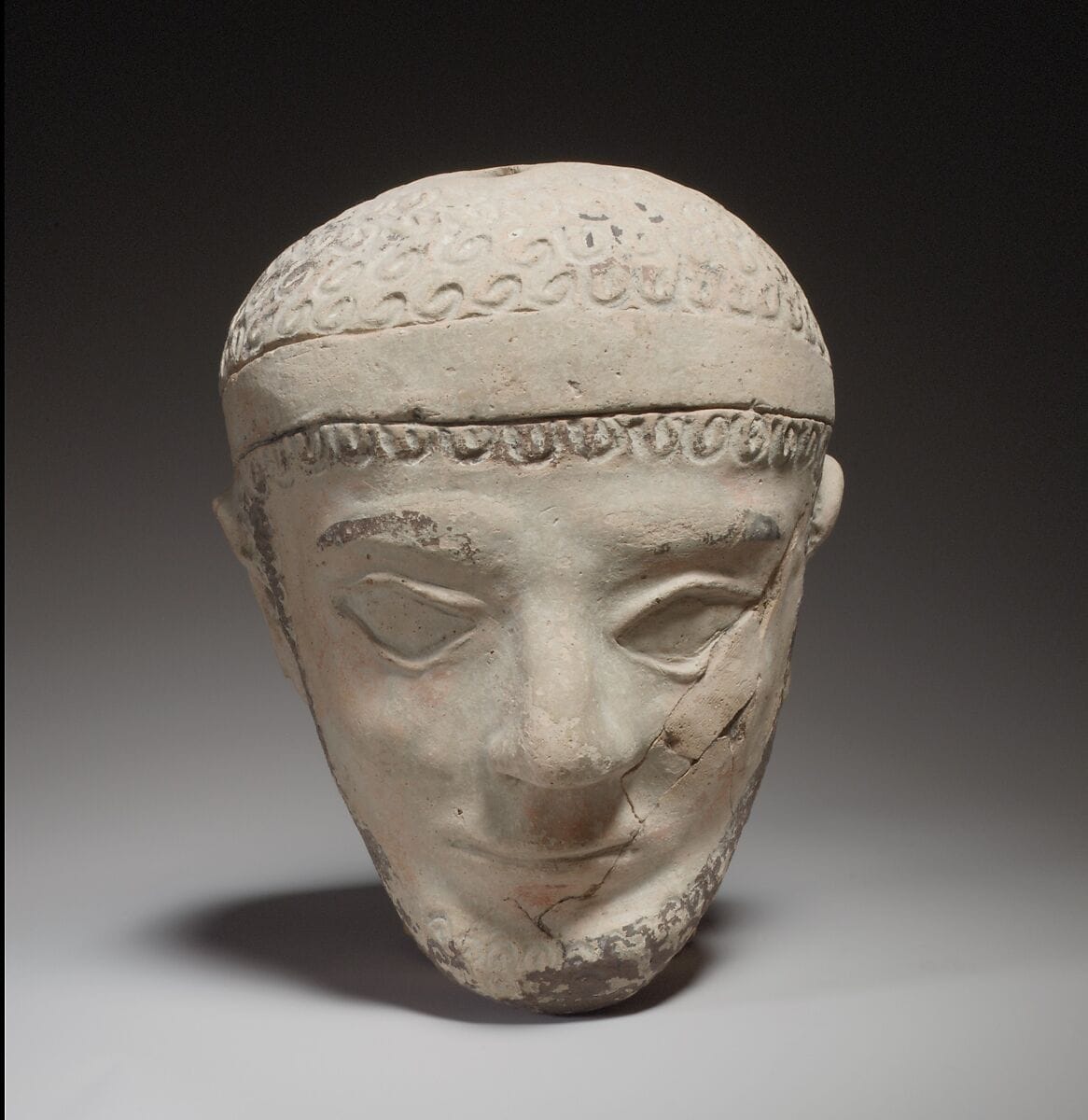
Terracotta head of a man
Archaic II
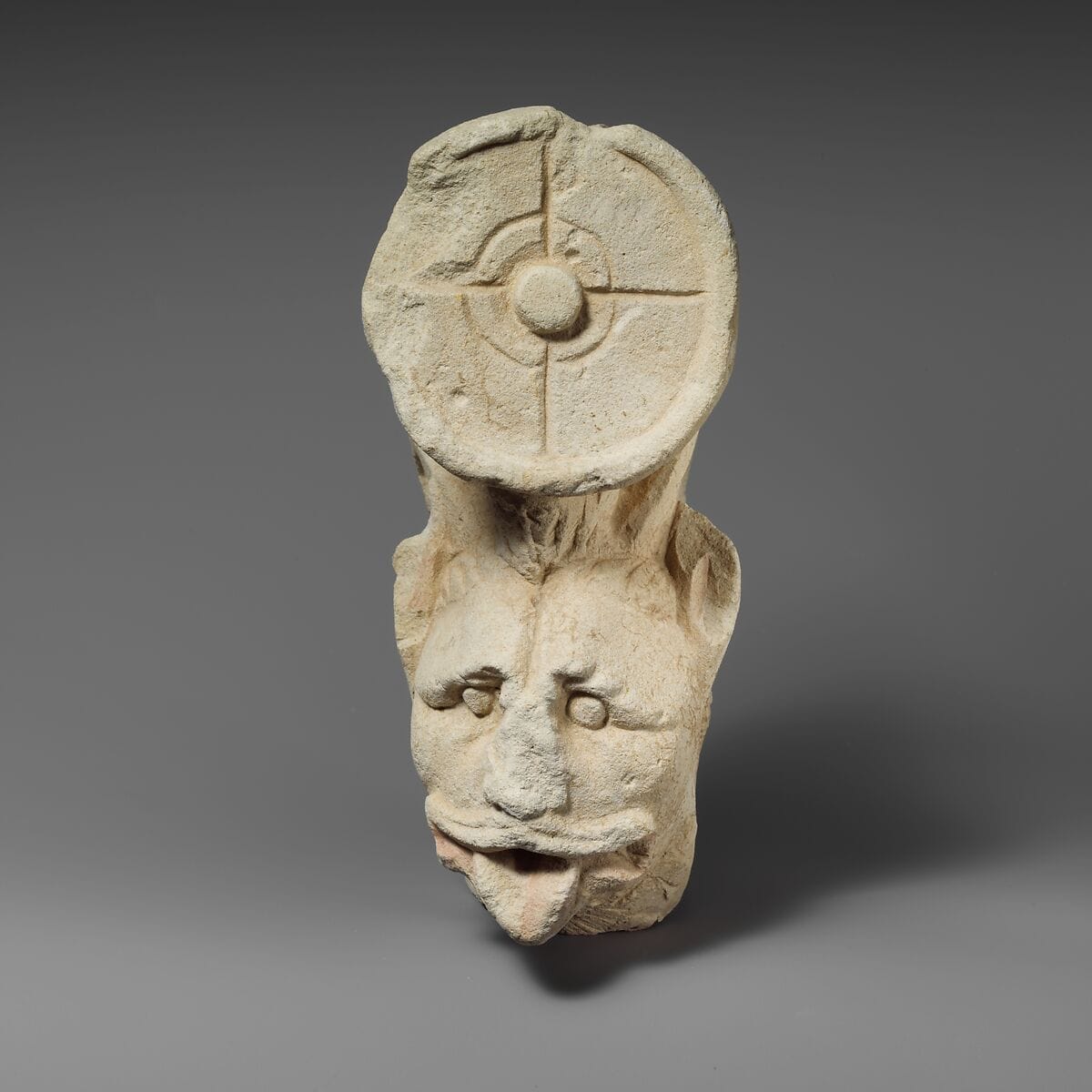
Fragment of a limestone throne (?) with the head of a horned lion
Roman
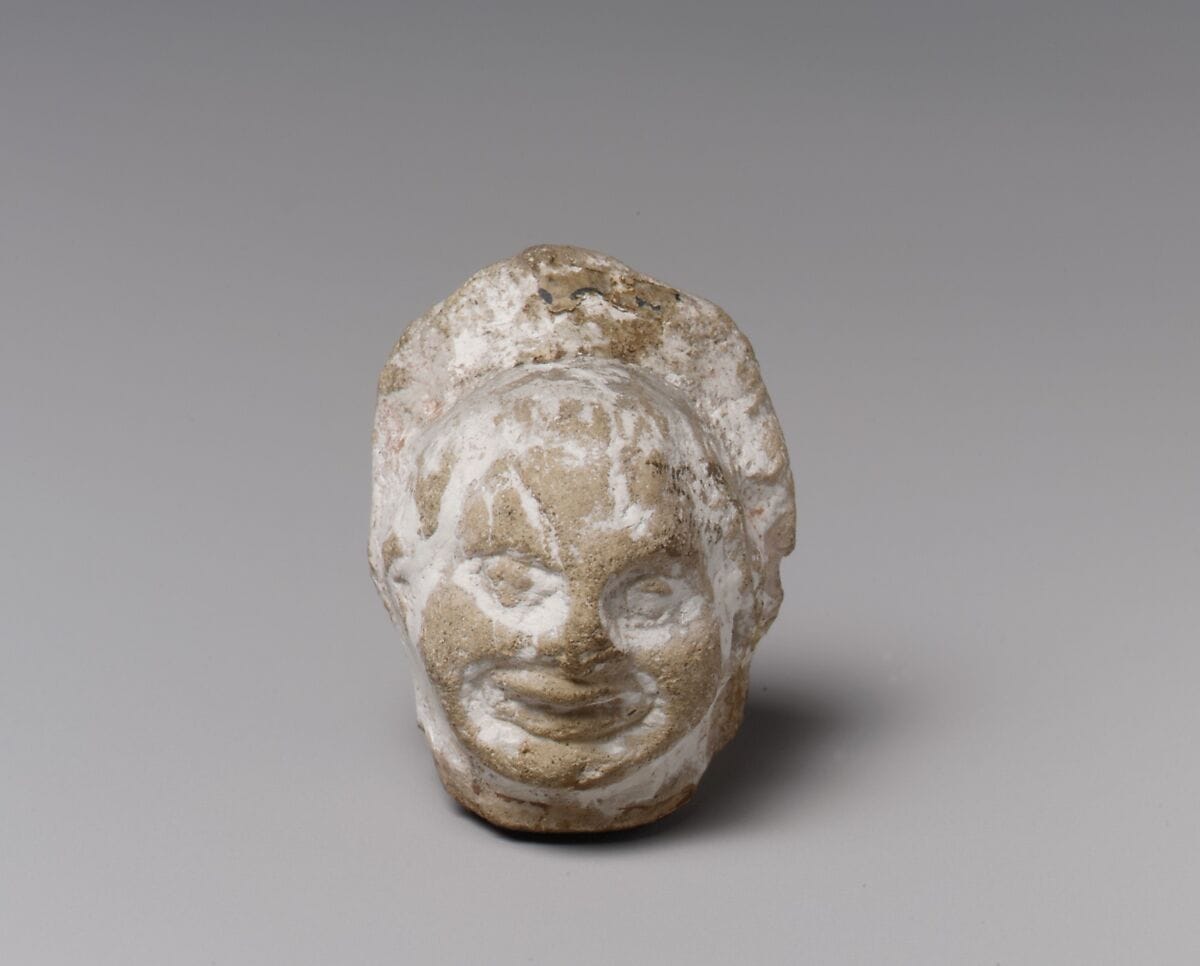
Head of a comic figurine
Hellenistic
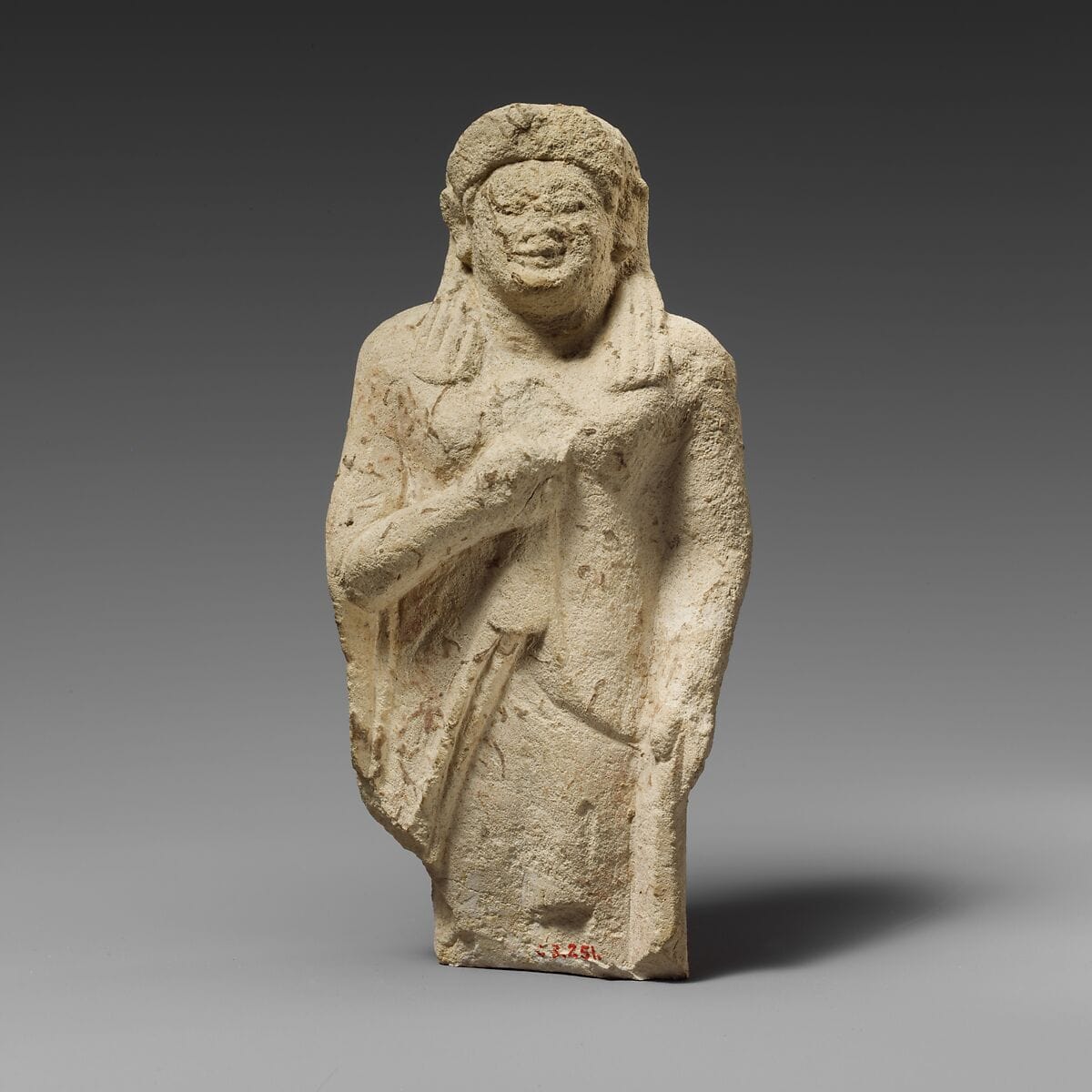
Limestone statuette of a female votary of the kore type
Archaic II
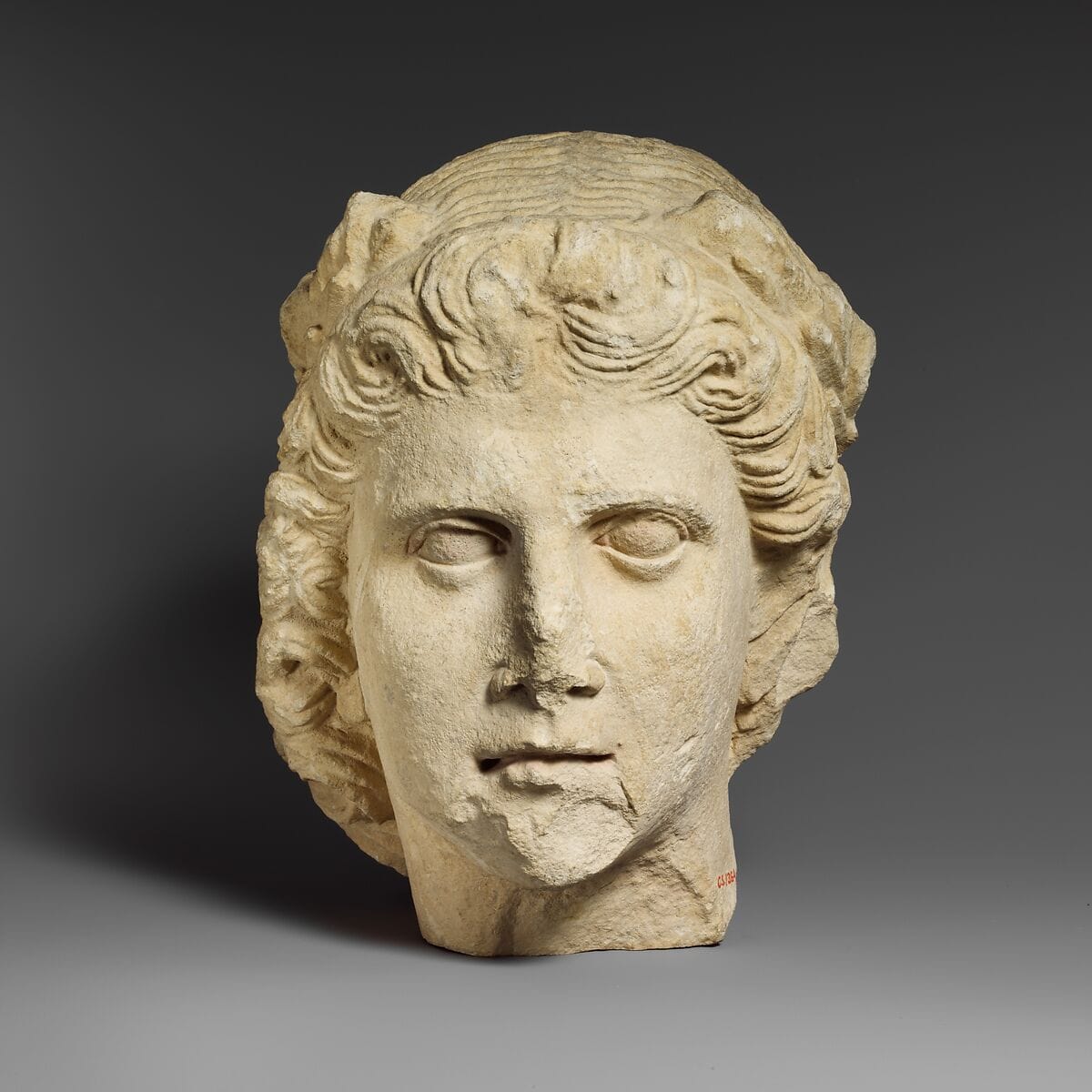
Limestone head of Apollo
Hellenistic
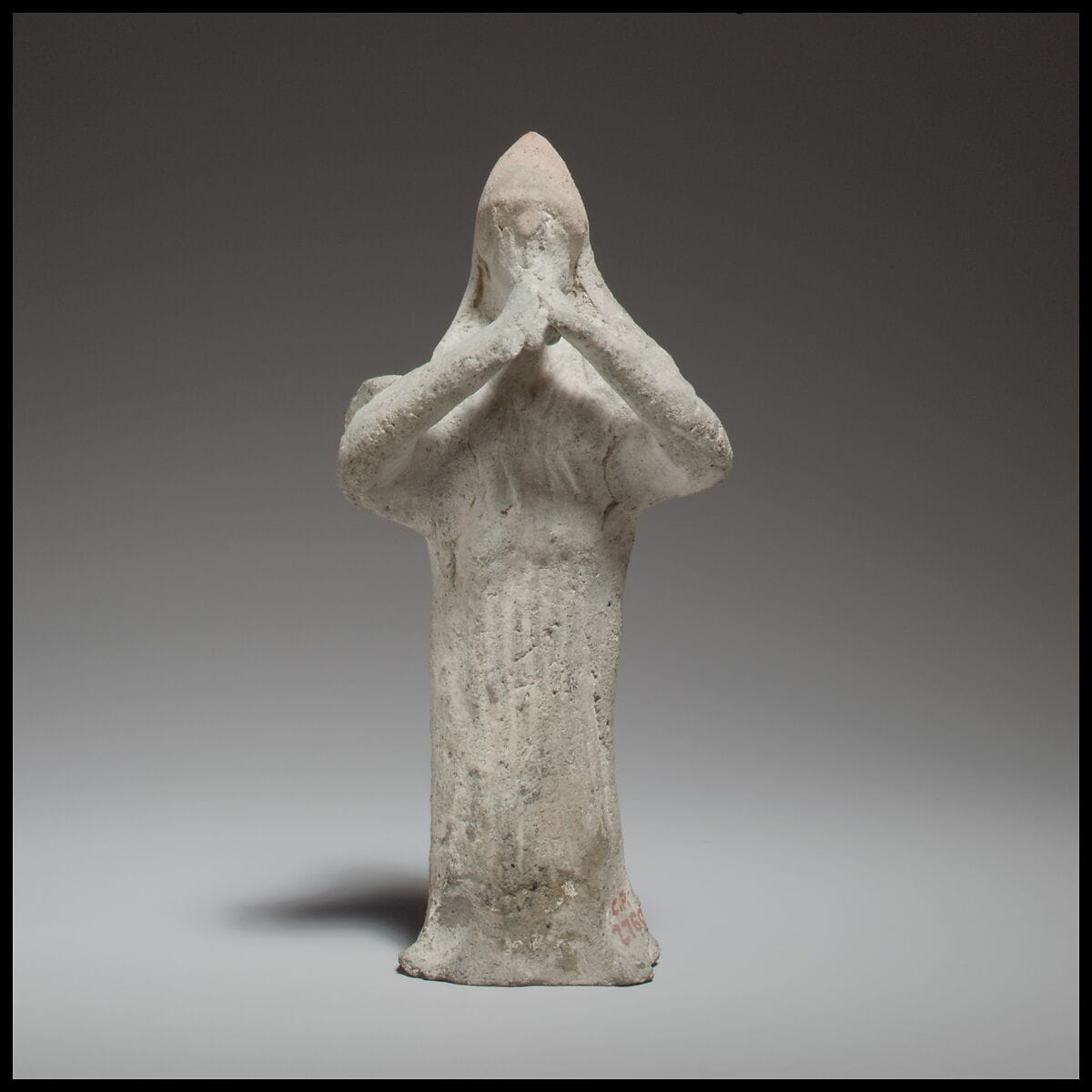
Standing female flute player
Classical
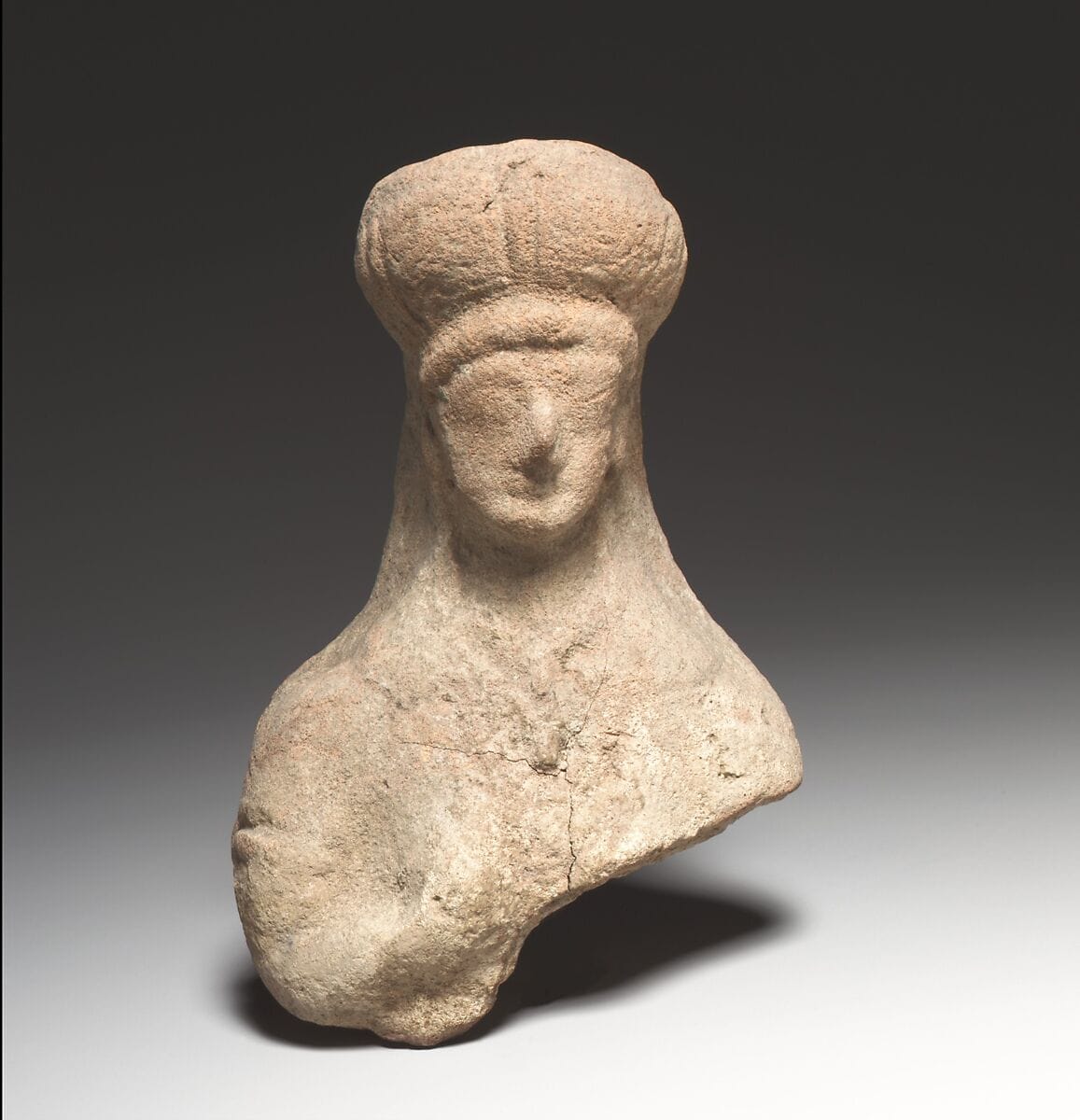
Standing female figurine
Archaic II
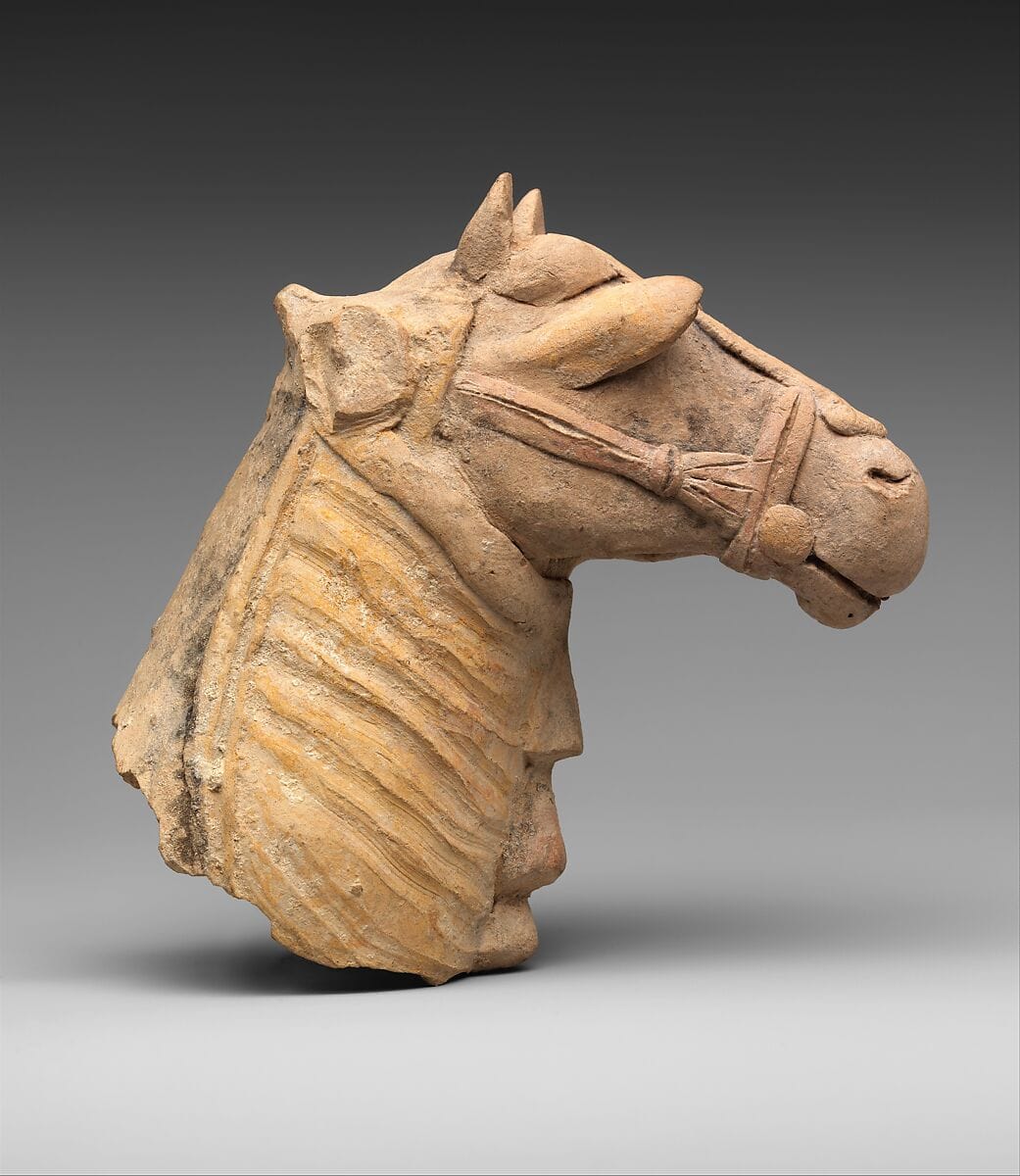
Horse's head with harness
Archaic II
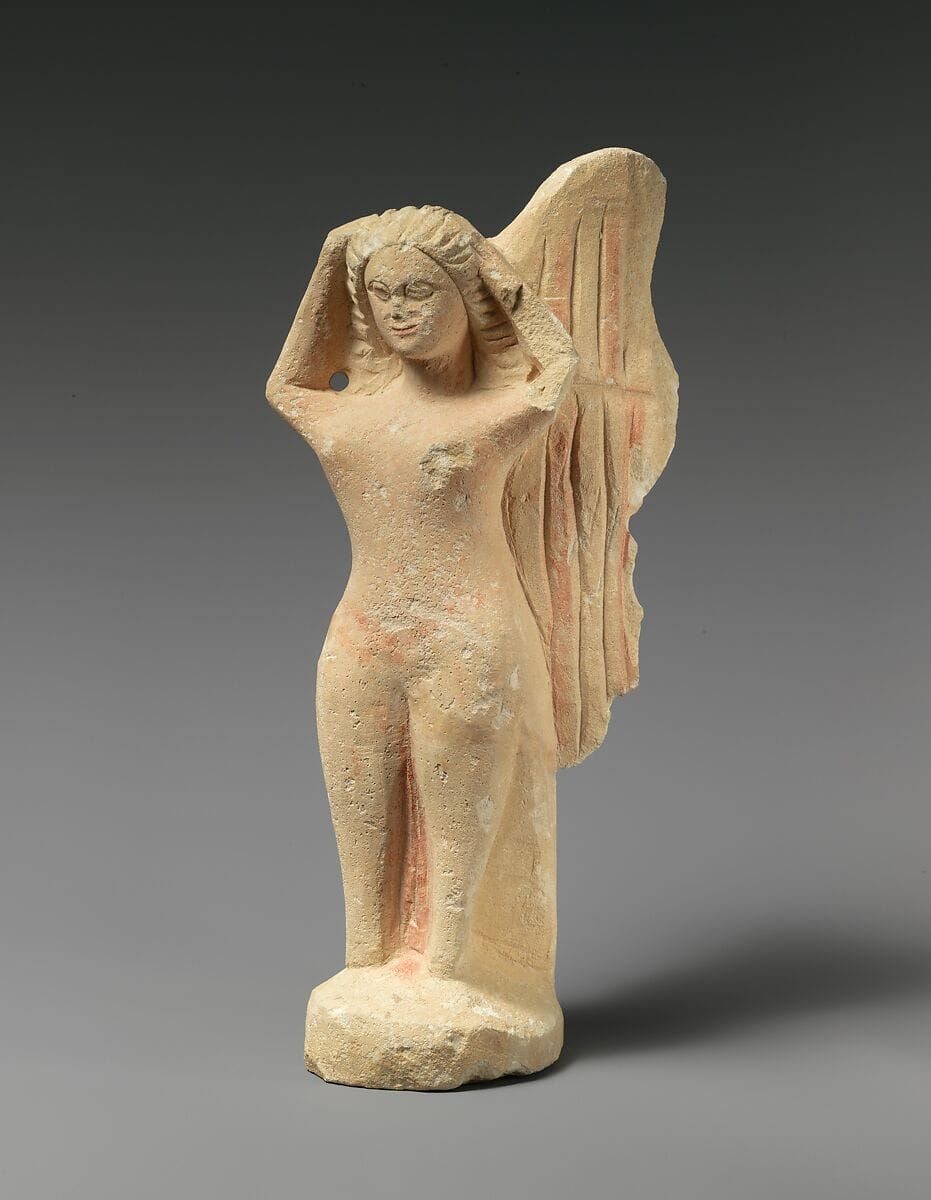
Limestone statuette of a mourning siren
Hellenistic
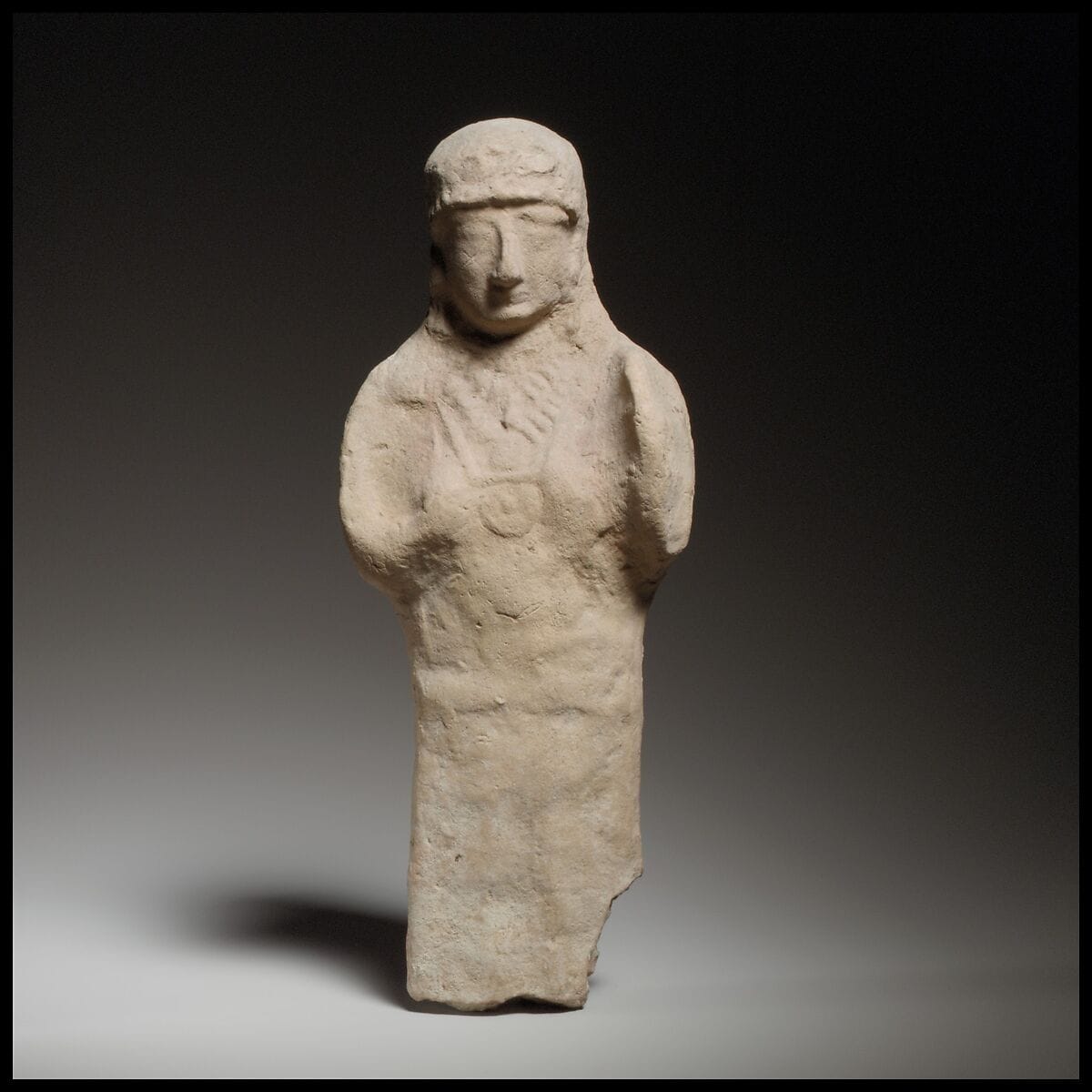
Standing female figurine
Archaic II
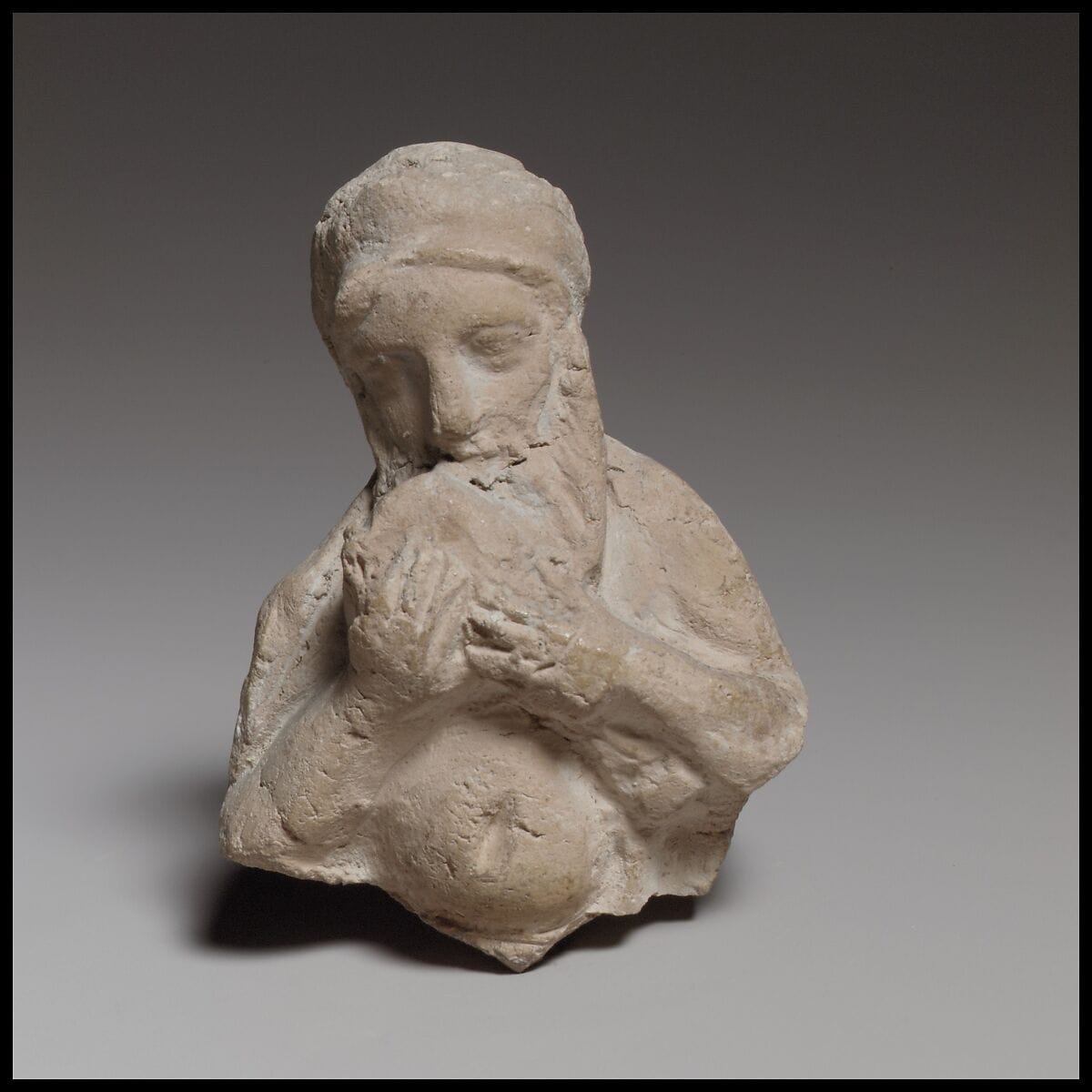
Terracotta statuette of Silenos (?) drinking
Hellenistic
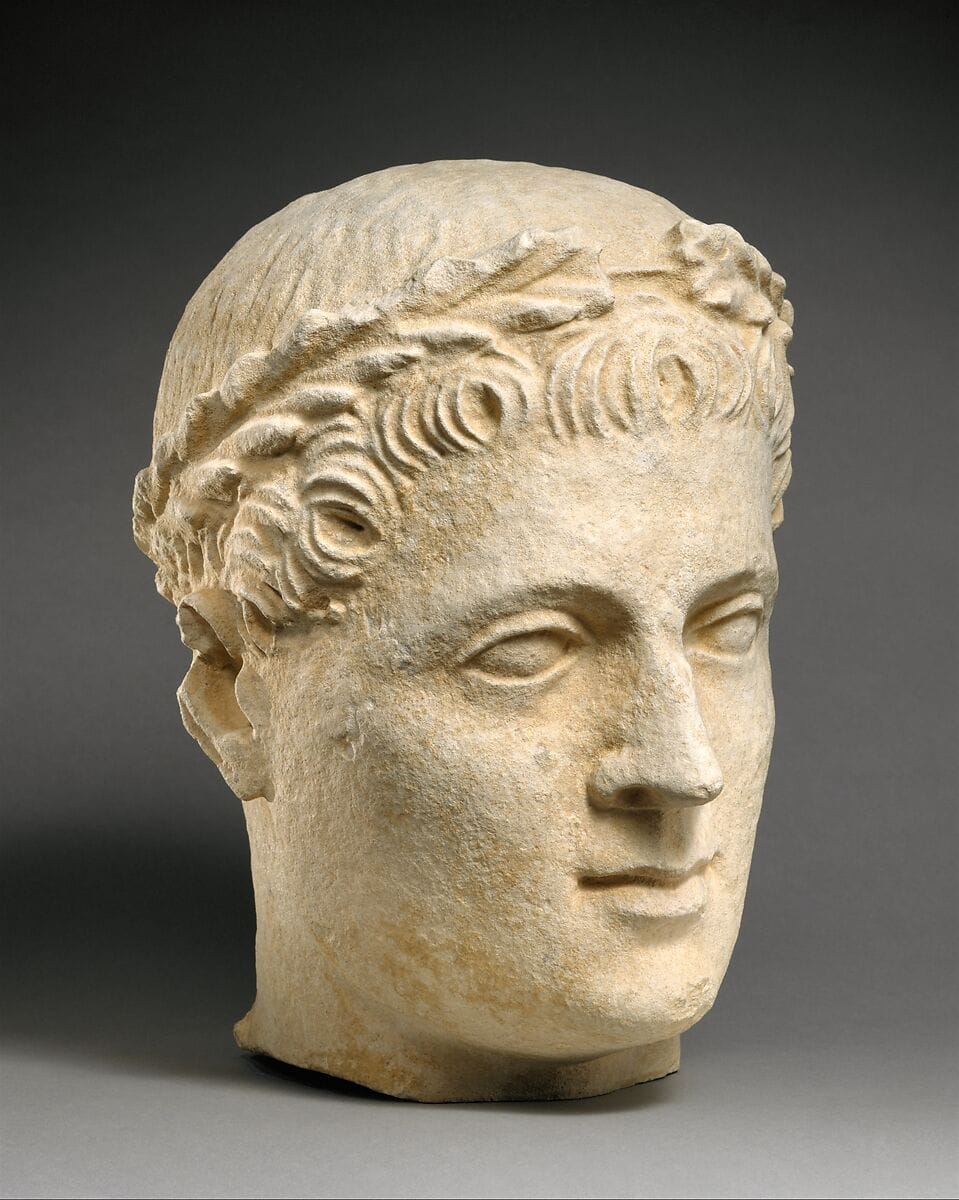
Limestone head of beardless male votary with wreath of leaves
Hellenistic
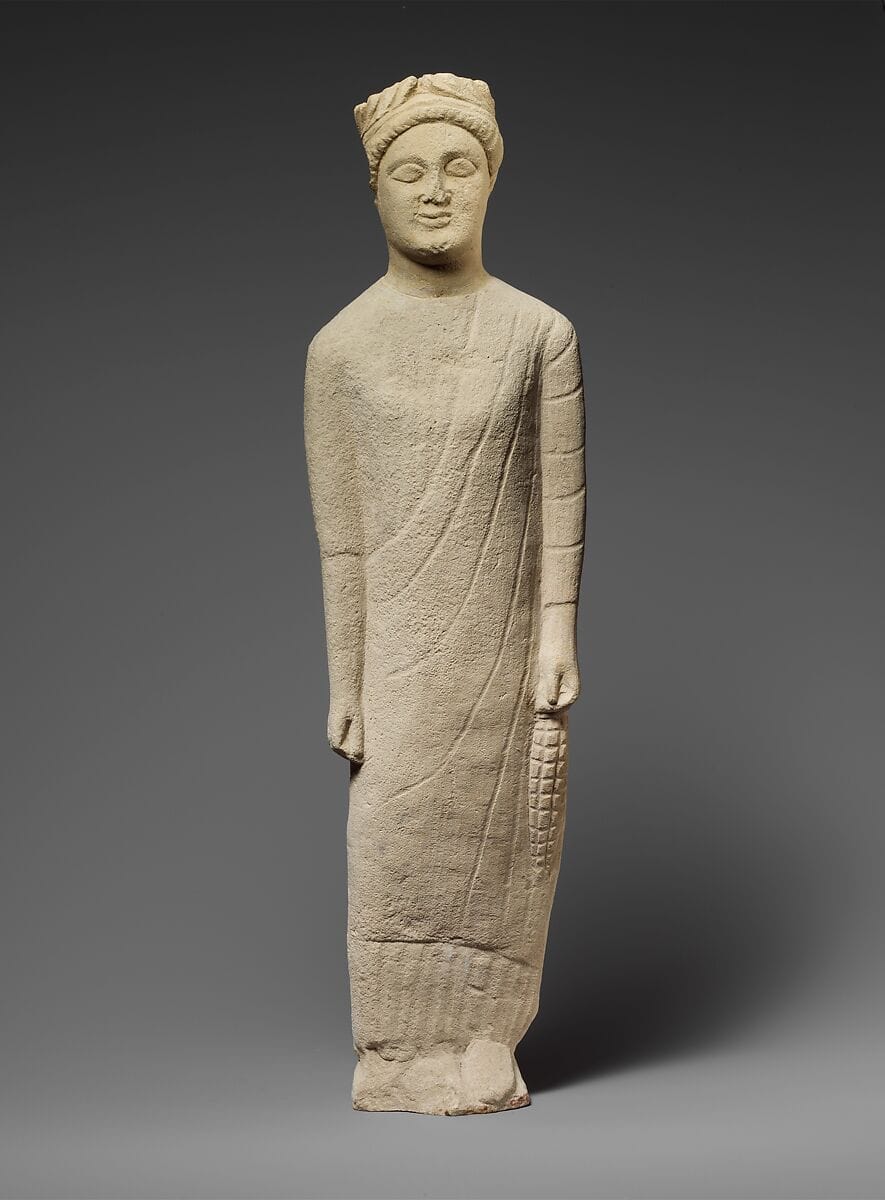
Limestone statuette of a beardless male votary with a wreath of leaves
Classical