
Classical
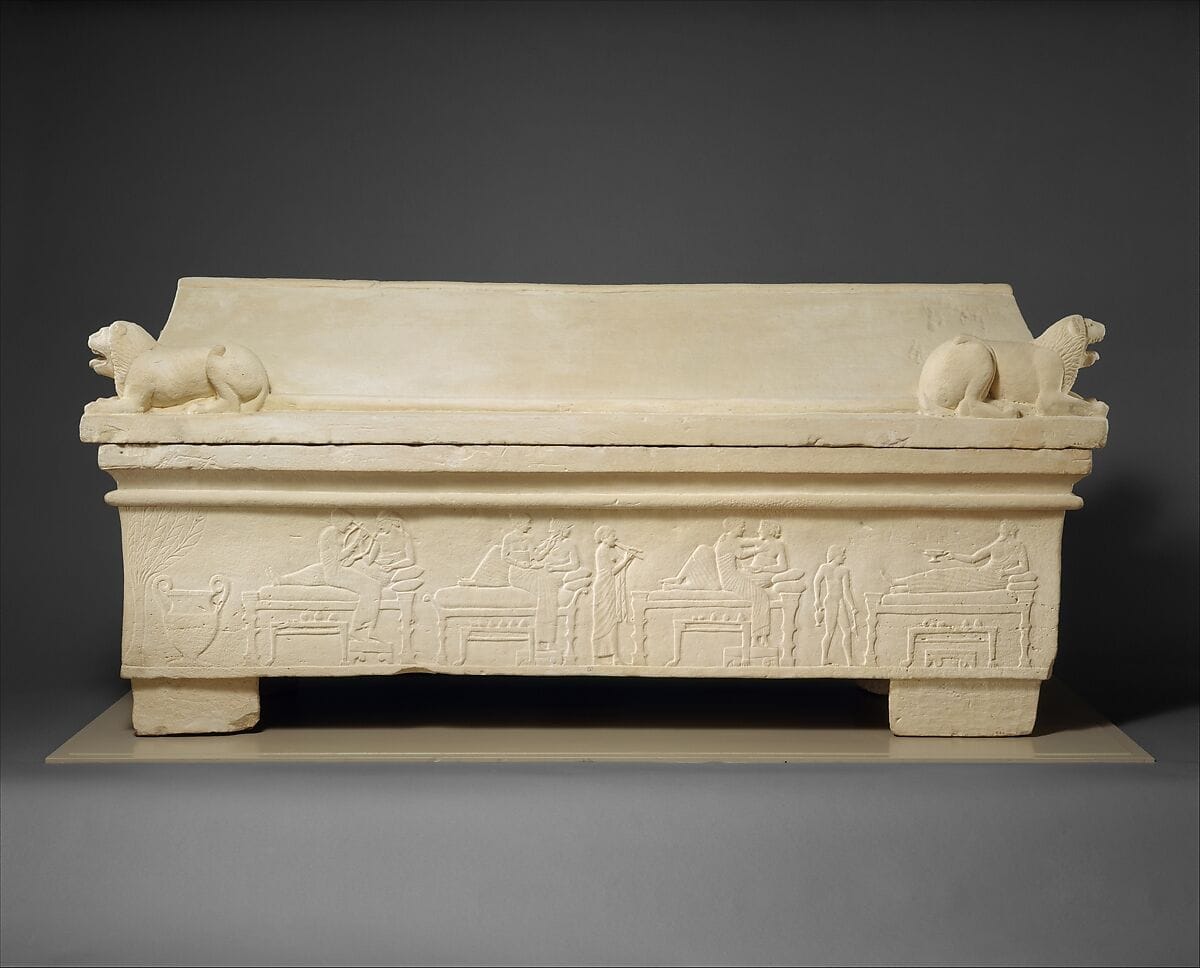
Limestone sarcophagus
On the long sides A: Hunt B: Banquet On the short sides A: Chariot scene B: Perseus departs with the head of the Gorgon Medusa. The winged horse Pegasos and the hero Chrysaor are born from her severed neck. Like the large sarcophagus in the adjacent gallery, this chest-shaped sarcophagus stands on four square feet and has a lid in the form of a peaked roof. The scenes carved in low relief on all four sides have parallels in Greek art but show variations in style and in detail that were introduced by the artists working at Golgoi. In the hunting scene two pairs of warriors armed as hoplites (foot soldiers) attack a bull and a boar while a single archer approaches from the left with drawn bow. Three trees fill the background and a horse, a rooster, and a dog complete the composition. While pairs of fighting warriors were common motifs in Greek art, the Cypriot sculptor has conflated a battle scene with a hunting scene and has also taken more liberties with the scale of the animals than is usually found in Greek art. The archer may represent the deceased, and he may also be shown on the other three sides of the sarcophagus: reclining alone in the banquet scene, riding in the chariot drawn by four horses, and even as Perseus, the Greek hero who decapitated Medusa, the Gorgon who turned men to stone. 38 × 79 9/16 × 28 13/16 in., 1500 lb. (96.5 × 202 × 73.2 cm, 680.4 kg)
Date
480 - 450 BC
Accession No.
74.51.2451
Collection
Metropolitan Museum of Art
Provenance
- From the necropolis of Golgoi
References
- Cesnola, Luigi Palma di. 1885. A Descriptive Atlas of the Cesnola Collection of Cypriote Antiquities in the Metropolitan Museum of Art, New York, Vol. 1. pp. 476-79, pl. LXXIV, Boston: James R. Osgood and Company.Myres, John L. 1914. Handbook of the Cesnola Collection of Antiquities from Cyprus. no. 1364, New York: The Metropolitan Museum of Art.Metropolitan Museum of Art. 1936[1934]. A Guide to the Collections, Part 1: Ancient and Oriental Art, 2nd edn. New York: The Metropolitan Museum of Art.Richter, Gisela M. A. 1950. The Sculpture and Sculptors of the Greeks, 3rd edn. pp. 67, 385, fig. 111, New Haven: Yale University Press.McCann, Anna Marguerite. 1978. Roman Sarcophagi in the Metropolitan Museum of Art. pp. 16-7, fig. 3, New York: The Metropolitan Museum of Art.Tatton-Brown, Veronica. 1984. "Sculptors at Golgoi." Report of the Department of Antiquities, Cyprus (RDAC) p. 169, n. 1, pl. XXXII:1-4.Metropolitan Museum of Art. 1987. Greece and Rome. no. 6, pp. 20-1, New York: The Metropolitan Museum of Art.Pfrommer, Michael. 1987. Studien zu Alexandrinischer und Grossgriechischer Toreutik frühhellenistischer Zeit, Archäologische Forschungen 16. no. 1239, p. 176, Berlin: Mann.Lexicon Iconographicum Mythologiae Classicae (LIMC). 1988. Vol. 4: Eros-Herakles. "Gorgo, Gorgones," p. 313, no. 310, Zürich: Artemis Verlag.Lexicon Iconographicum Mythologiae Classicae (LIMC). 1994. Vol. 7: Oidipous-Theseus. "Perseus," p. 342, no. 169, pl. 303, Zürich: Artemis Verlag.Karageorghis, Vassos, Joan Mertens, and Marice E. Rose. 2000. Ancient Art from Cyprus: The Cesnola Collection in The Metropolitan Museum of Art. no. 331, pp. 198, 200, 204-6, New York: The Metropolitan Museum of Art.Tatton-Brown, Veronica. 2000. "The New Galleries of Cypriot Art at the Metropolitan Museum of Art." Apollo, 152: pp. 6-7, fig. 7.Hannah, Patricia A. 2000. "An Athena on Both Sides Down Under." Periplous: Papers on Classical Art and Archaeology Presented to Sir John Boardman, Mr. Gocha R. Tsetskhladze, A. J. N. W. Prag, and Anthony M. Snodgrass, eds. p. 339, fig. 2, London: Thames and Hudson.Crouwel, Joost H. 2002. "Chariots in Iron Age Cyprus." Selected Writings on Chariots, Other Early Vehicles, Riding and Harness, Peter Raulwing, ed. pp. 150, 155, 157, 160, 164, 168, pl. 20, Leiden: Brill.Karageorghis, Vassos. 2006. Aspects of Everyday Life in Cyprus: Iconographic Representations. no. 208, pp. 210-1, Nicosia: Foundation Anastasios G. Leventis.Picón, Carlos A. 2007. Art of the Classical World in the Metropolitan Museum of Art: Greece, Cyprus, Etruria, Rome no. 297, pp. 256-57, 465, New York: The Metropolitan Museum of Art.Stylianou, Andreas and Patrick Schollmeyer. 2007. "Der Sarkophag aus Golgoi." Dynastensarkophage mit szenischen Reliefs aus Byblos und Zypern: Der Sarkophag aus Amathous als Beispiel kontaktinduzierten Wandels, 2. nos. 605, 1203, pp. 88-9, 92, 111, 146, Mainz am Rhein: Philipp von Zabern.Baughan, Elizabeth P. 2008. "“Lale Tepe: A Late Lydian Tumulus near Sardis 3 The Klinai”." Love for Lydia, Nicholas D. Cahill, ed. p. 72, fig. 28, Cambridge, Mass.: Harvard University Press.Hermary, Antoine and Joan R. Mertens. 2013. The Cesnola Collection of Cypriot Art : Stone Sculpture. no. 491, pp. 363-70, Online Publication, New York: The Metropolitan Museum of Art.Papantoniou, Giorgos. 2013. "Cypriot Autonomous Polities at the Crossroads of Empire: The Imprint of a Transformed Islandscape in the Classical and Hellenistic Periods." Bulletin of the American Schools of Oriental Research, 370: p. 174.Karageorghis, Jacqueline. 2014. "À Propos Du Sarcophage D'Amathonte." Cahier du Centre d' Études Chypriotes , 44. p. 388, n. 8.Merrillees, Robert S. 2017. "Cypriote Antiquities in Late Ottoman Istanbul and Smyrna." Cahier du Centre d'Etudes Chypriotes, 47. pp. 51-52.Karoglou, Kyriaki. 2018. "Dangerous Beauty : Medusa in Classical Art." Bulletin of the Metropolitan Museum of Art, 75(3): pp. 8-9, fig. 6.
More from the Catalogue
Browse related objects
Amphoriskos
Archaic I
Askos in the form of a bird
Middle Bronze Age II
Askos
Middle Bronze Age II
Limestone votive vase fragment
Classical
Terracotta bil-bil
Late Bronze Age II
Terracotta zoomorphic askos (vessel)
Middle Bronze Age II
Amphoriskos
Archaic II
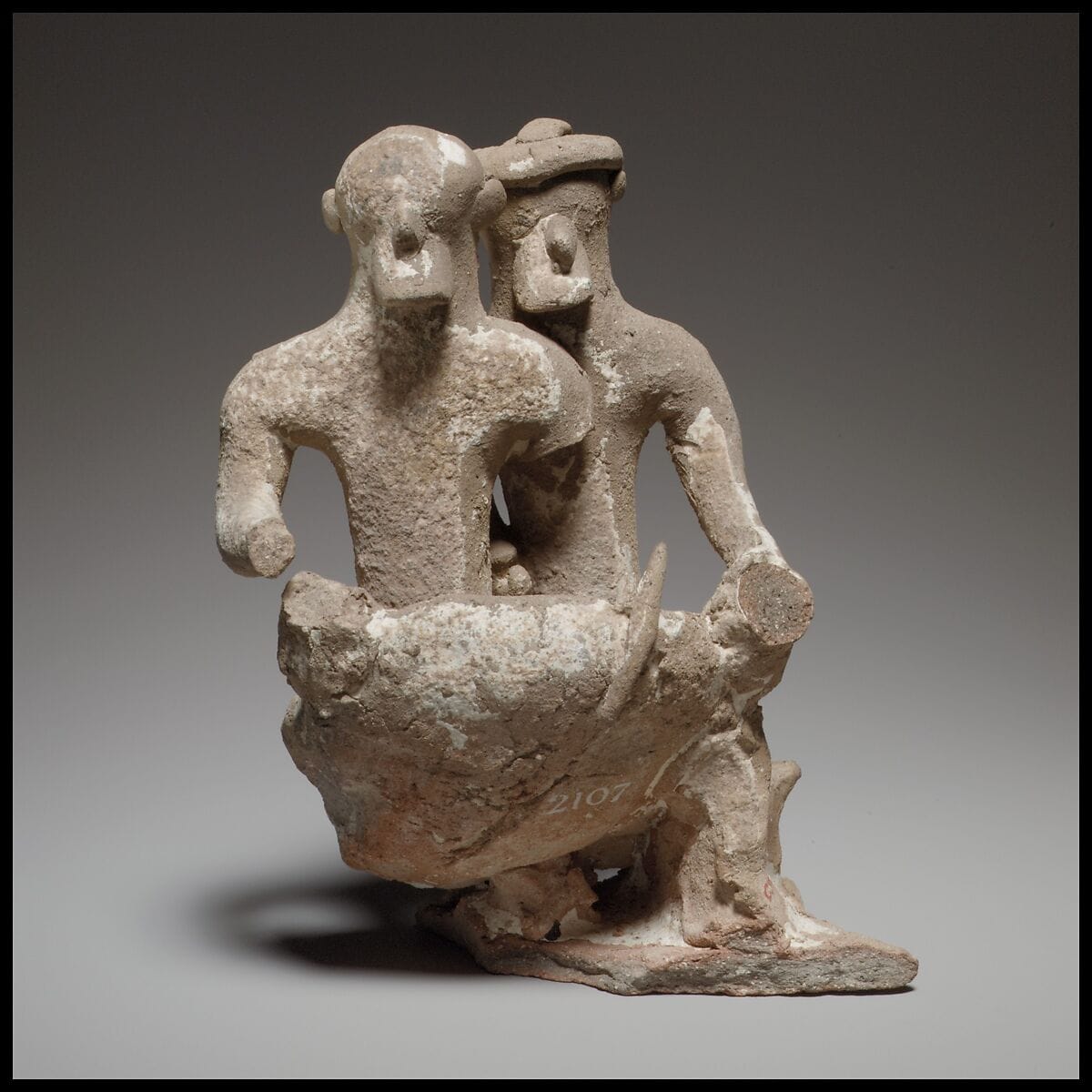
Model of a chariot with driver
Geometric II
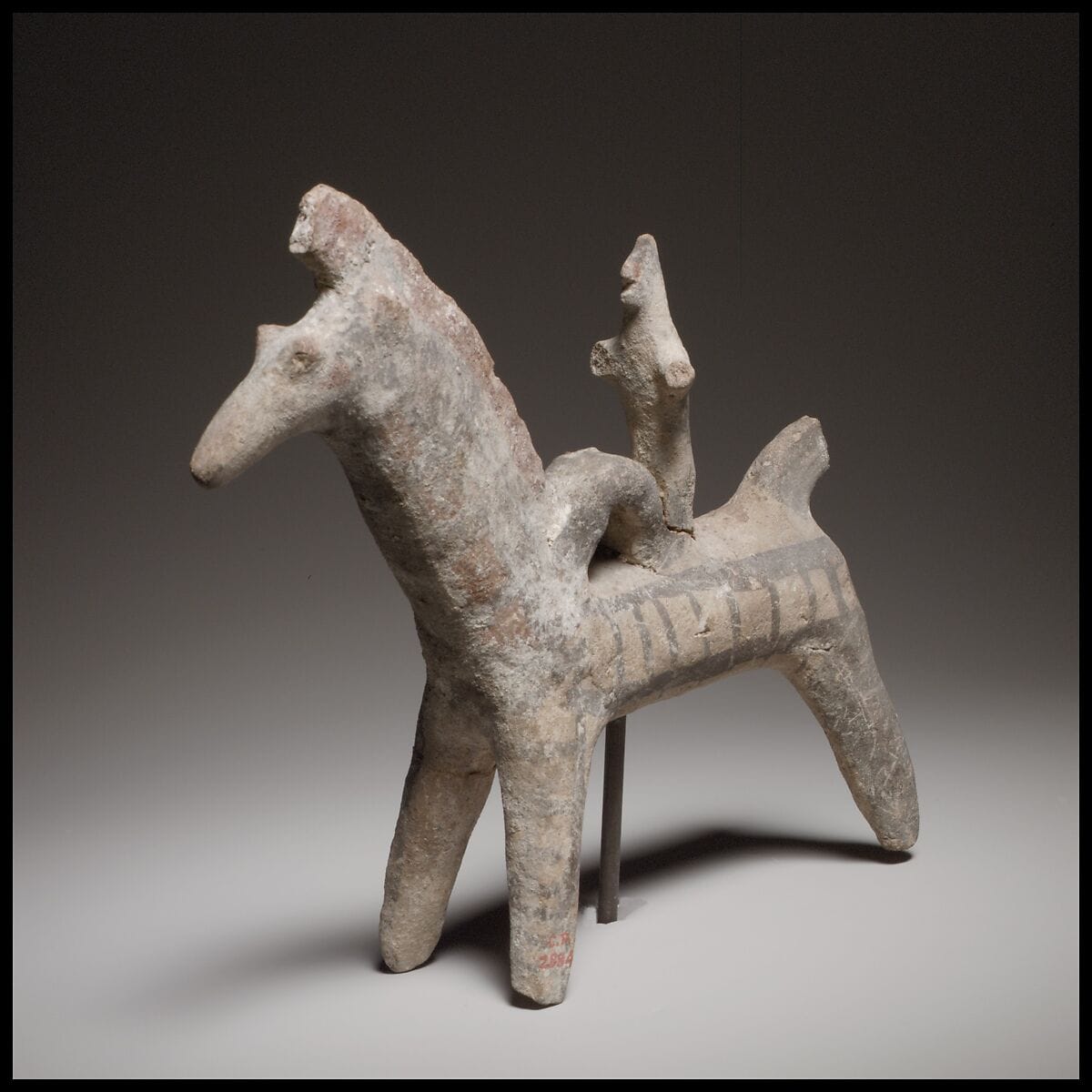
Horse and rider
Archaic I
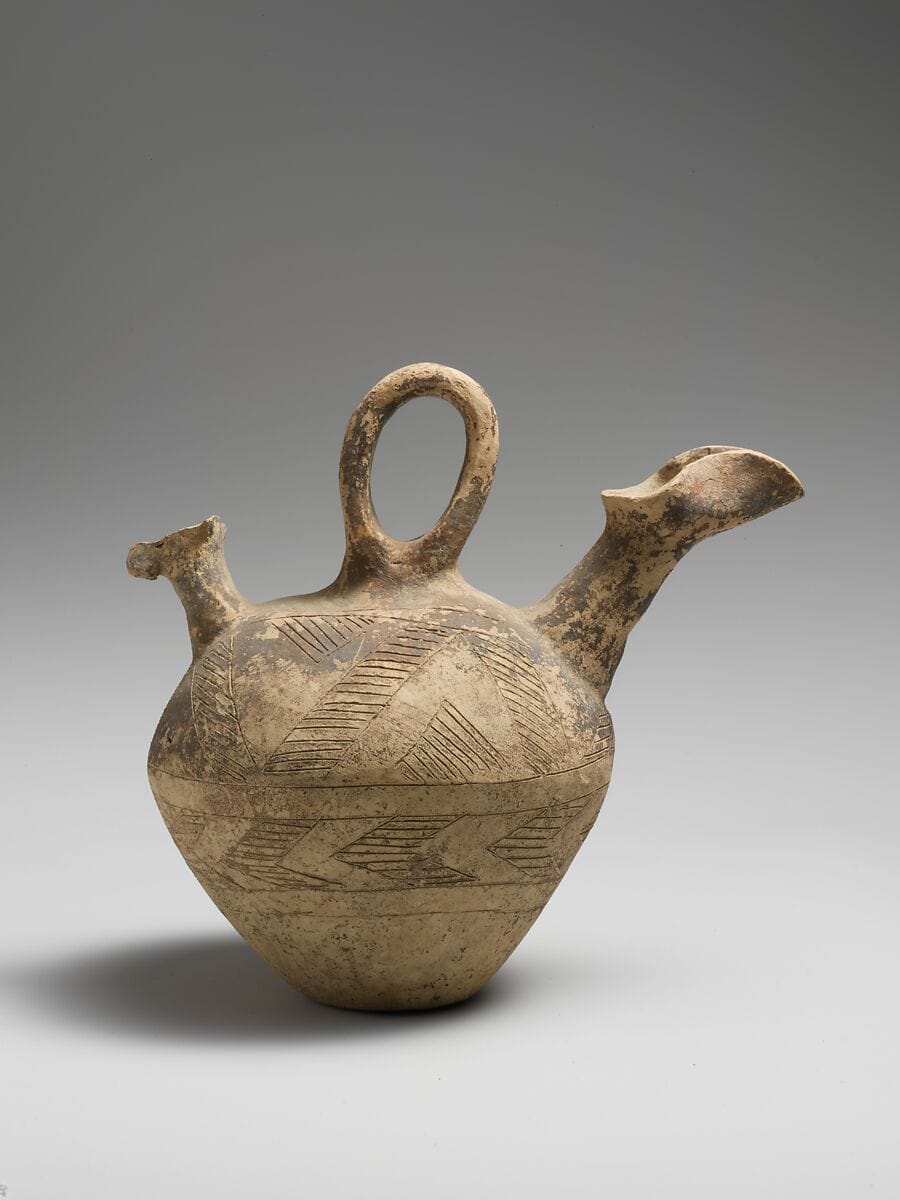
Terracotta zoomorphic askos (vessel)
Middle Bronze Age III
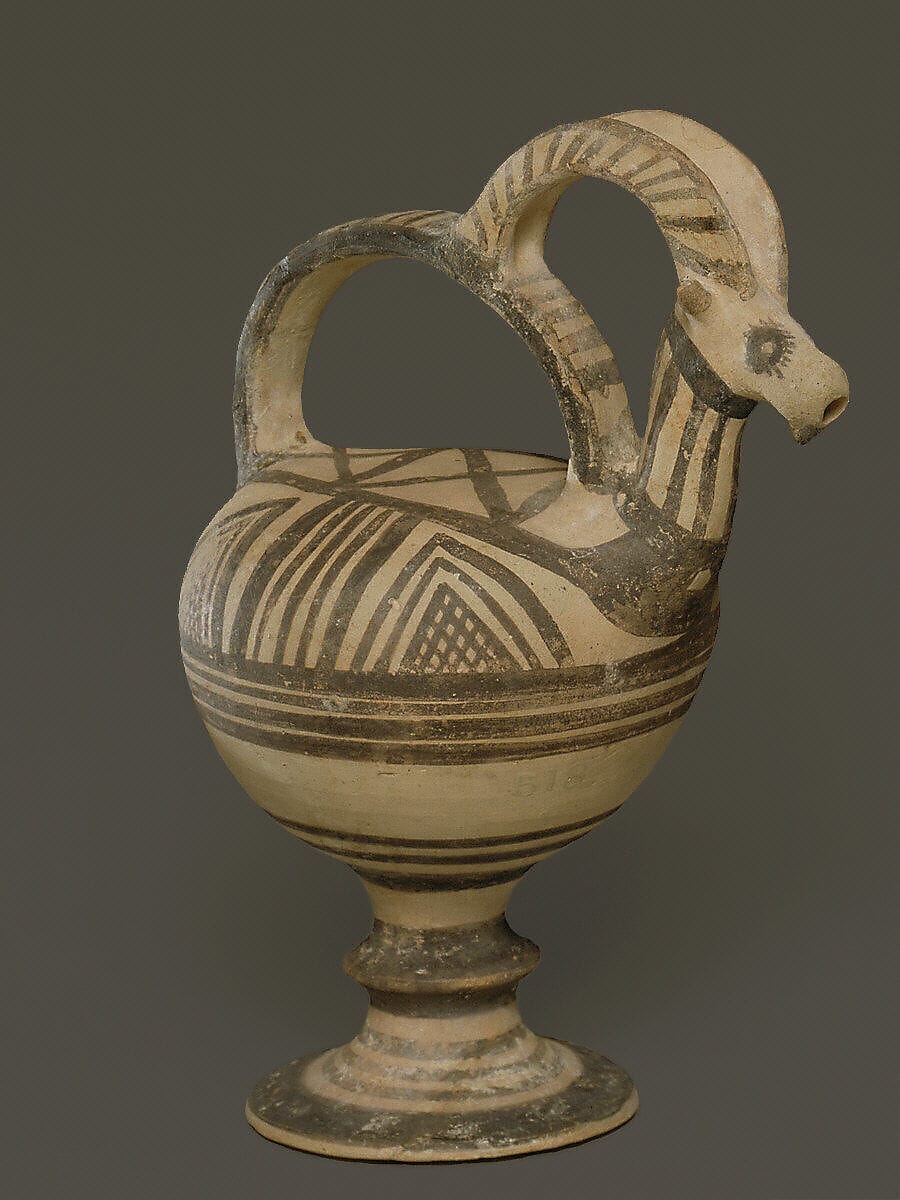
Terracotta trick vase
Geometric I
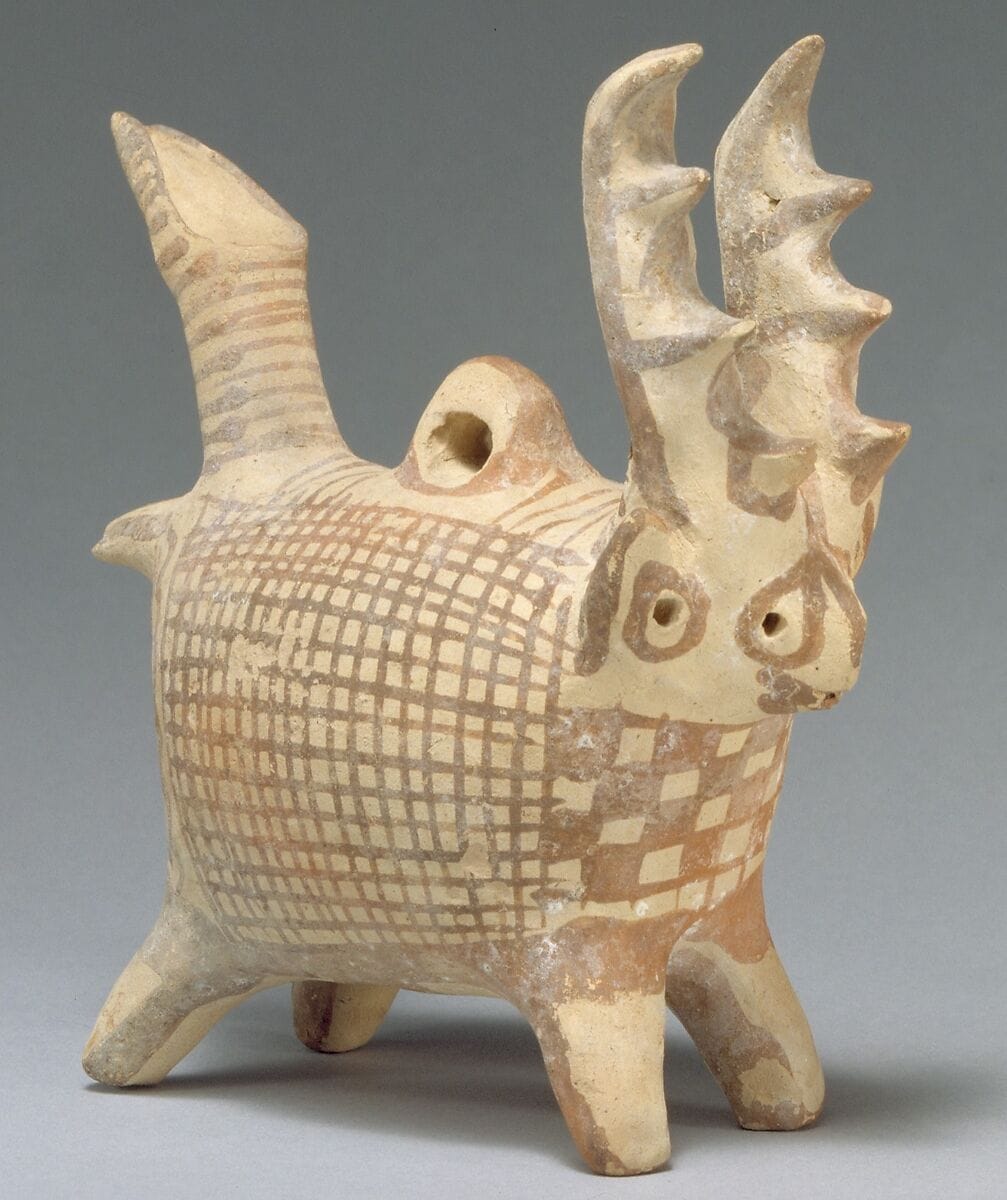
Terracotta zoomorphic askos (vessel) with antlers
Middle Bronze Age III
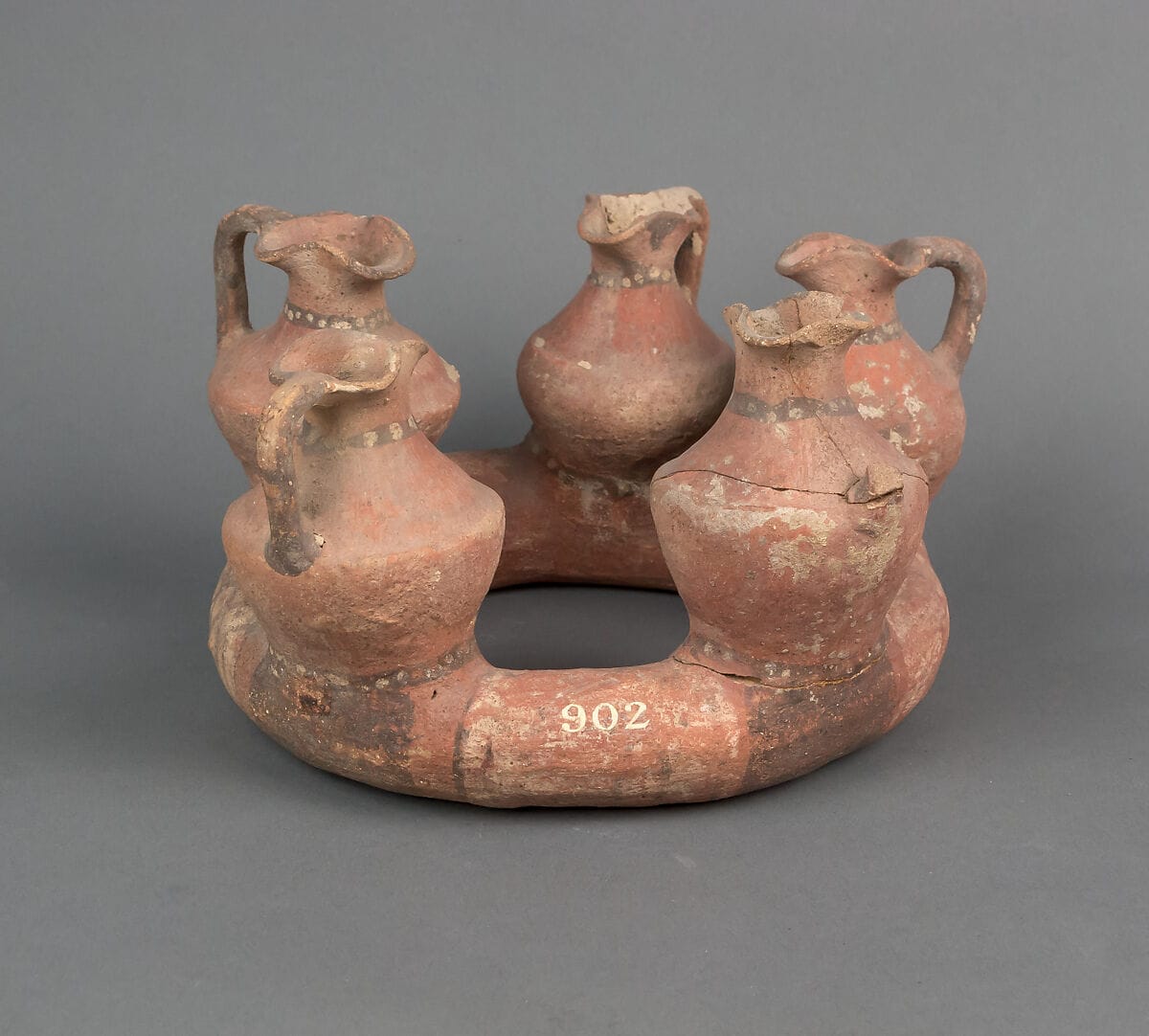
Ring-kernos
Archaic II
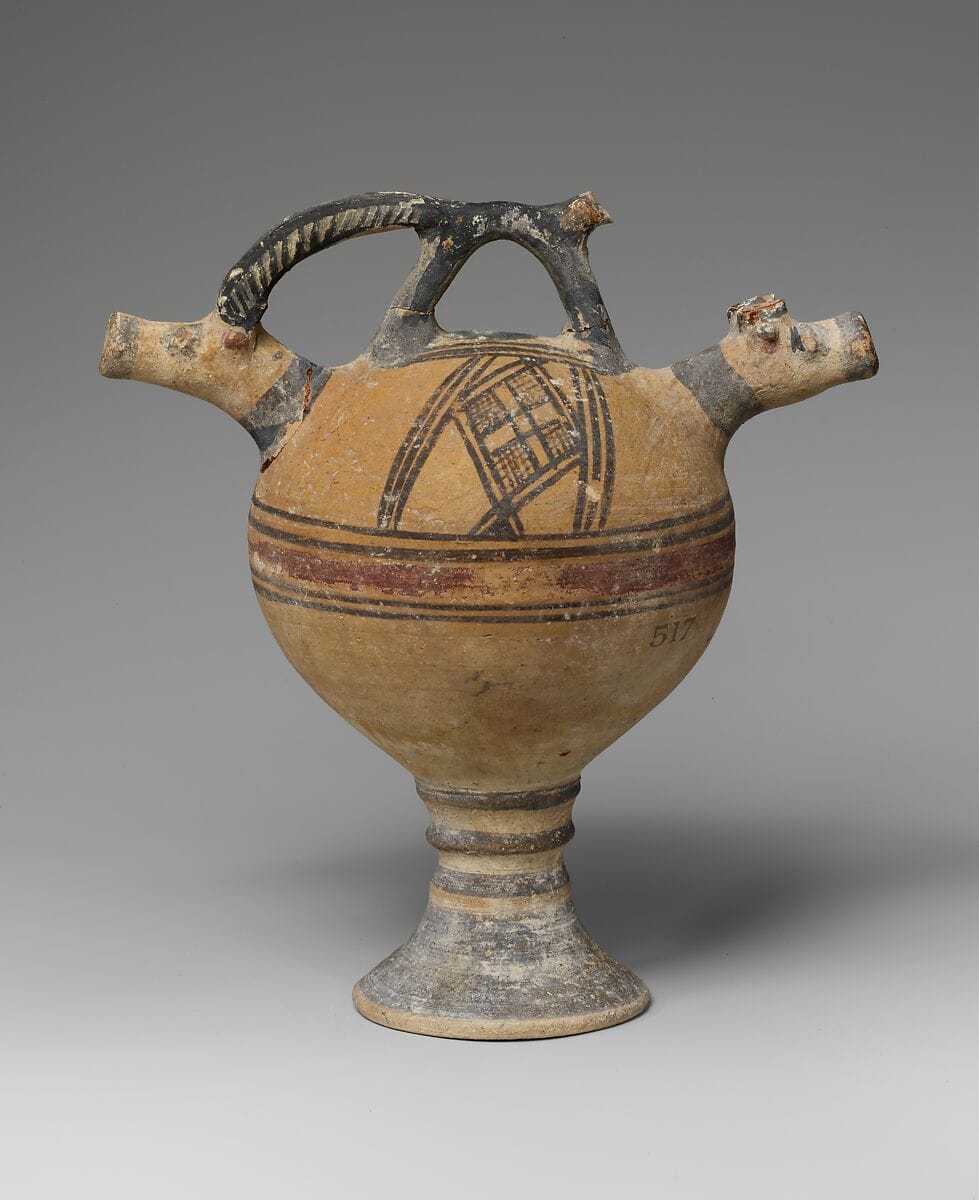
Terracotta vase on a high foot with two goats' heads in relief
Geometric I
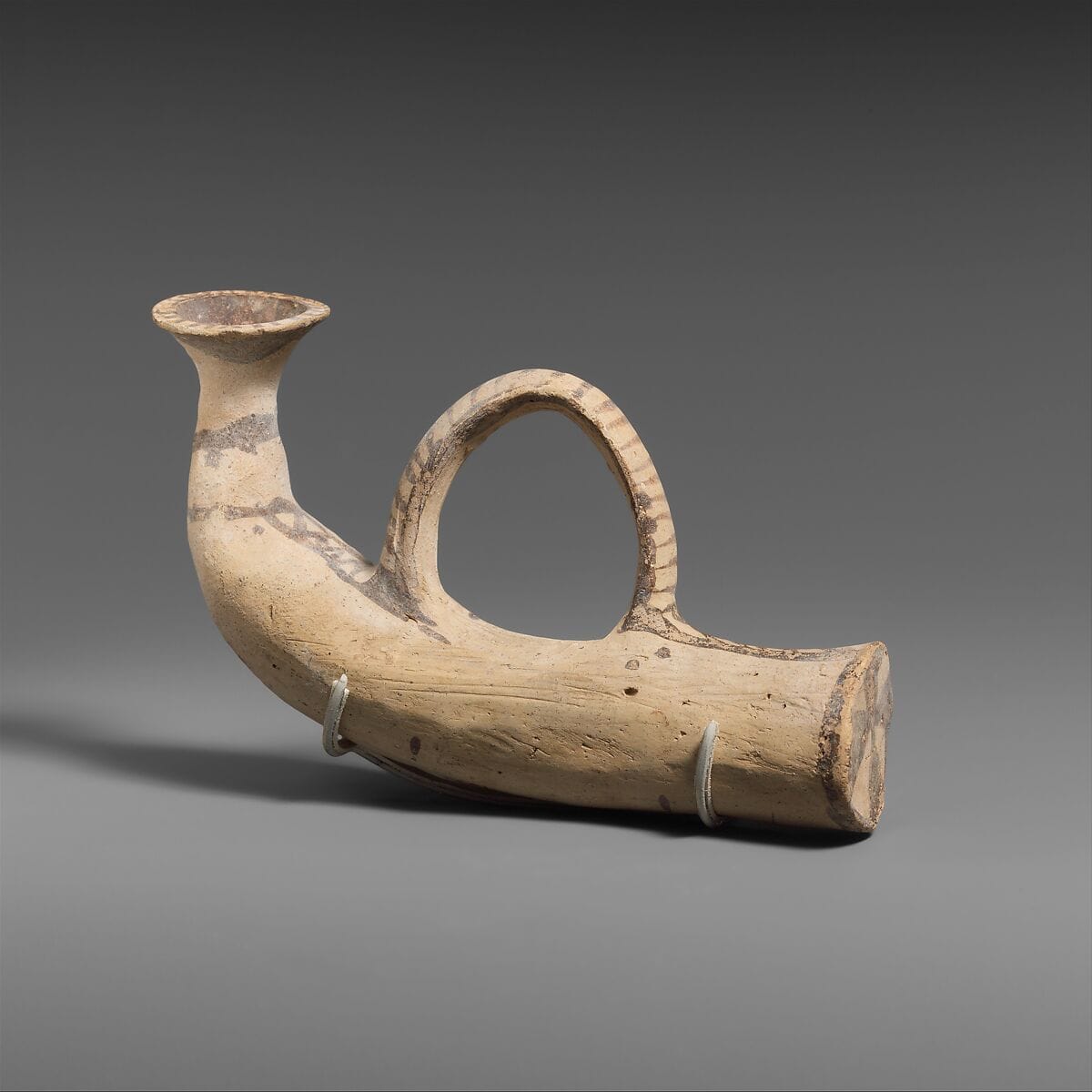
Terracotta vase in the shape of a horn
Geometric I
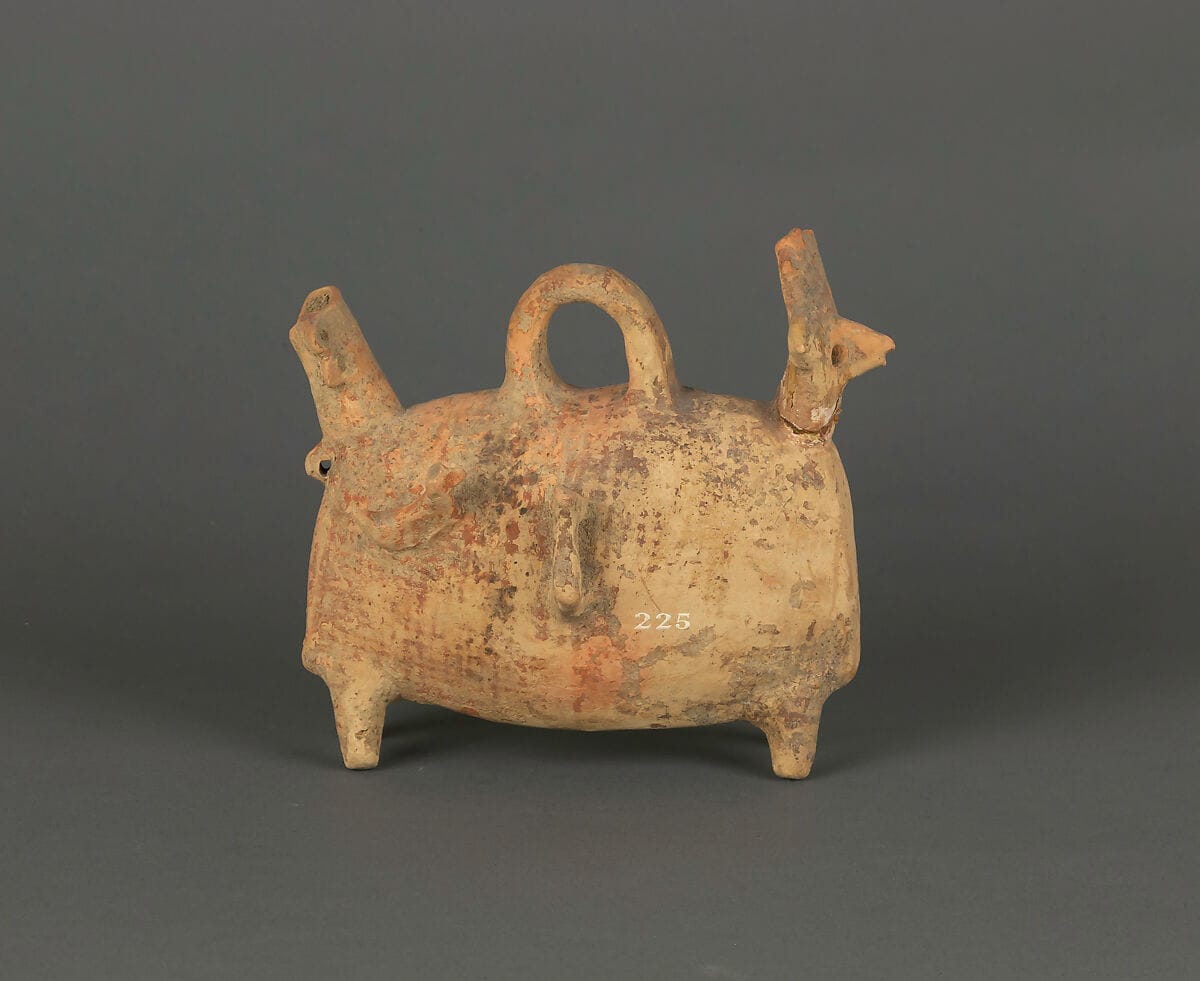
Askos in the form of an animal
Middle Bronze Age II
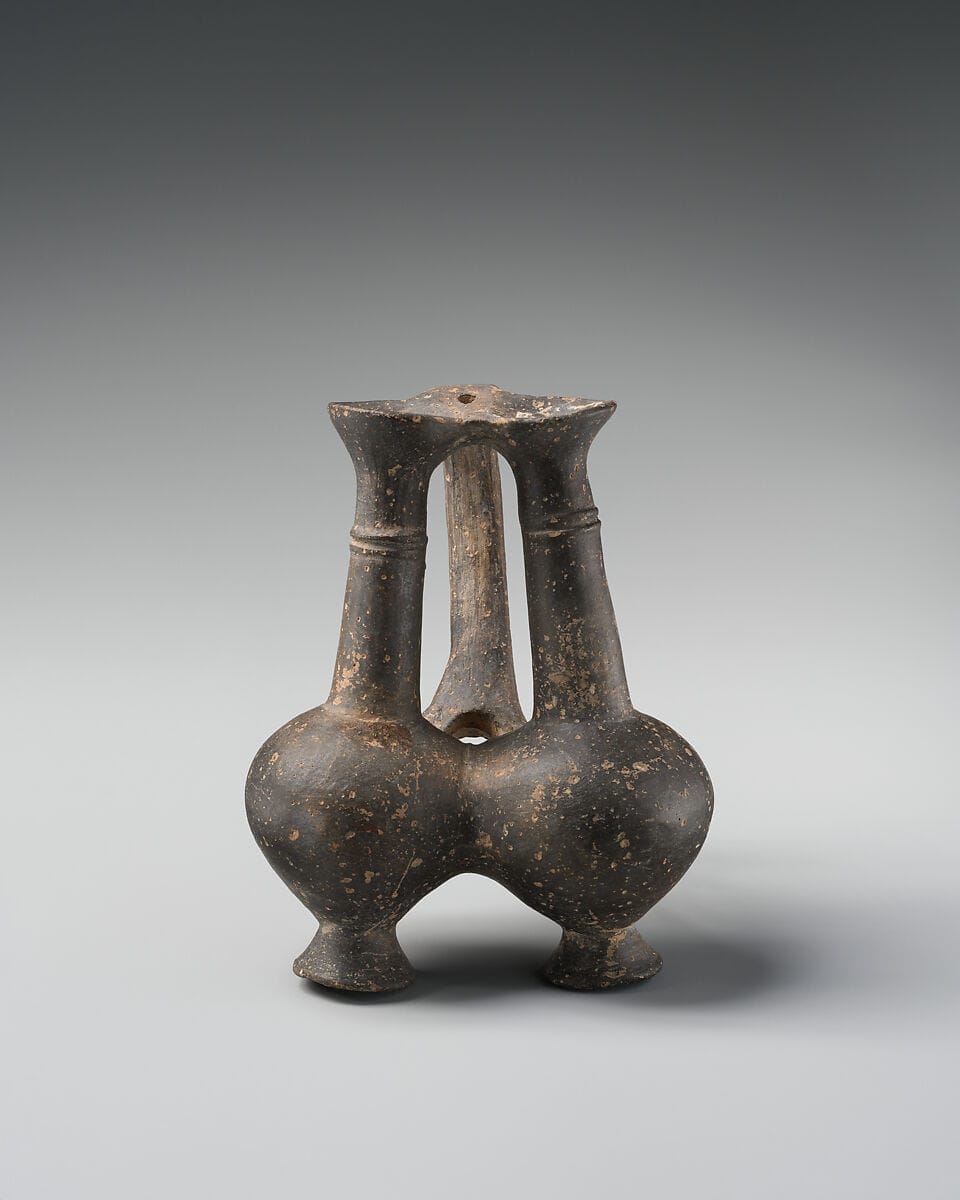
Terracotta double bil-bil
Late Bronze Age I
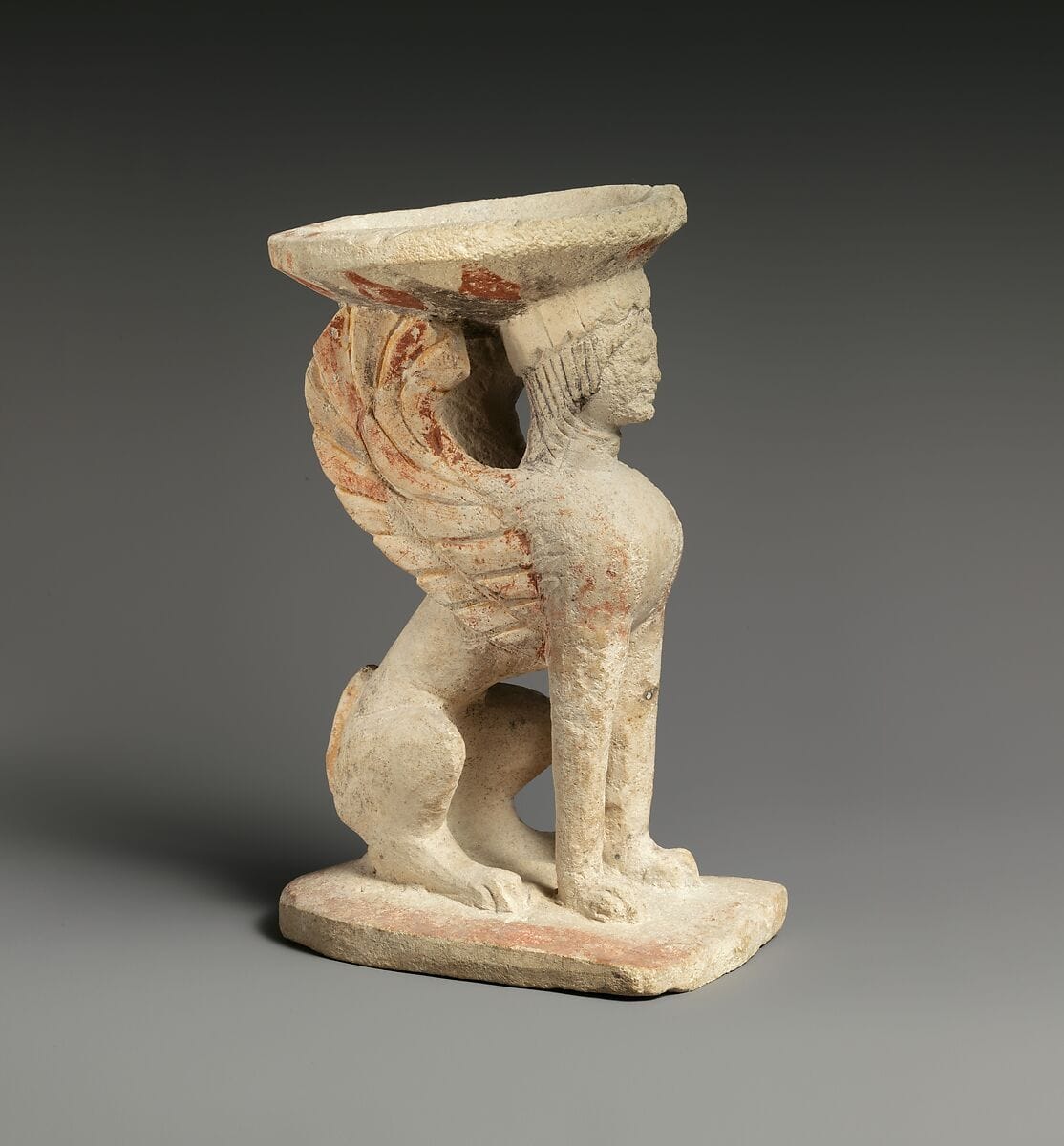
Limestone thymiaterion (incense burner)
Classical