
Geometric III
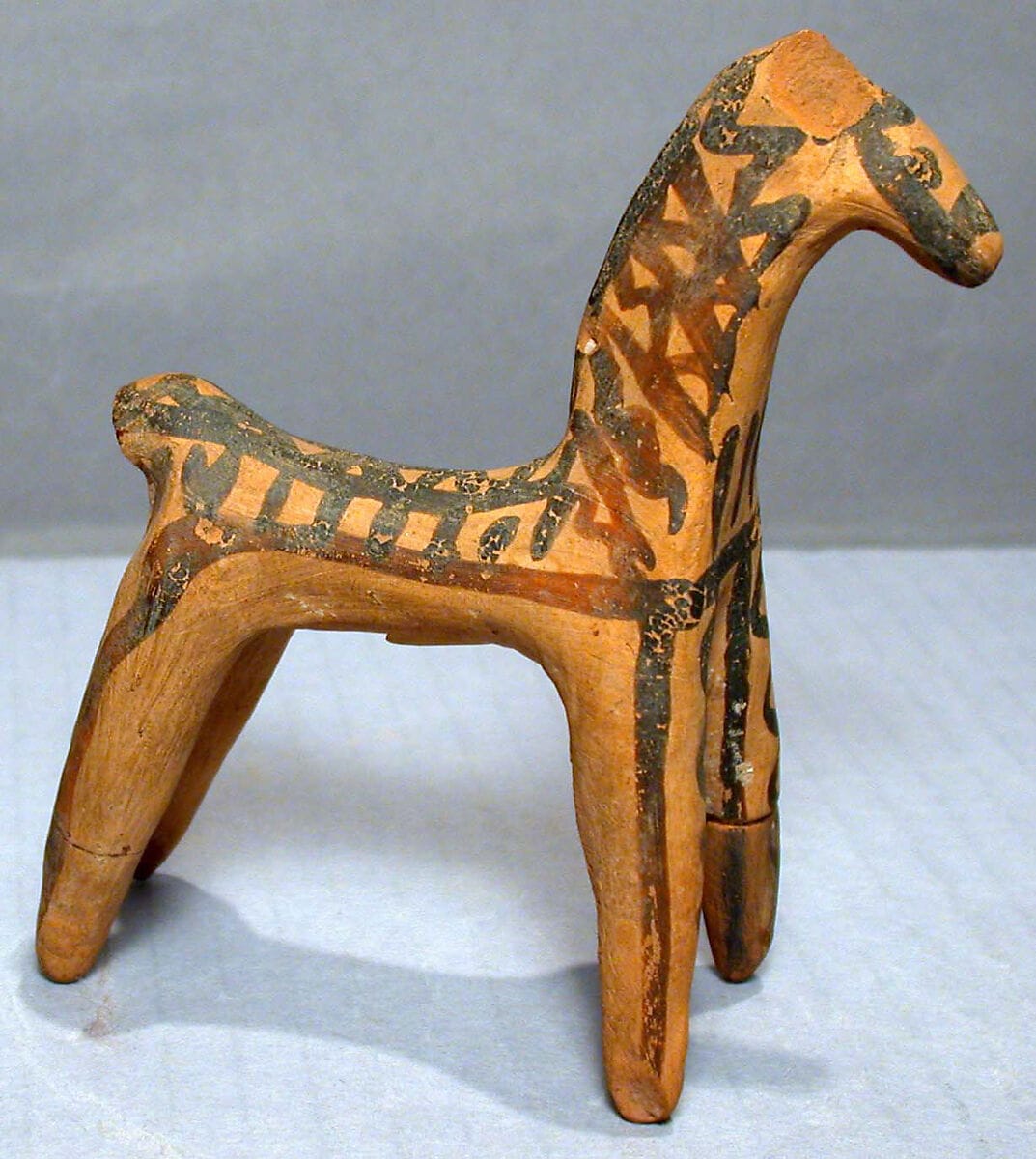
Terracotta statuette of a horse
In ancient Greece, horses were a reflection of status and wealth. They were expensive to maintain, requiring extensive land and upkeep. Thus, statuettes of horses were common dedications in sanctuaries, especially in the Geometric period. They appear in both terracotta and bronze, and in various forms. Some terracotta horse statuettes were dedicated individually, while others were attached to the lids of pyxides (boxes) as handles. The treatment of the feet of this horse makes it likely that the piece was freestanding. H. 11.8 cm x L. 9.5 cm
Date
801 - 780 BC
Accession No.
2021.40.65
Collection
Metropolitan Museum of Art
Provenance
- [By 1953, with Charles D. Kelekian, New York]; from before 1970 and until 2020, collection of Nanette B. Kelekian, New York.
References
More from the Catalogue
Browse related objects
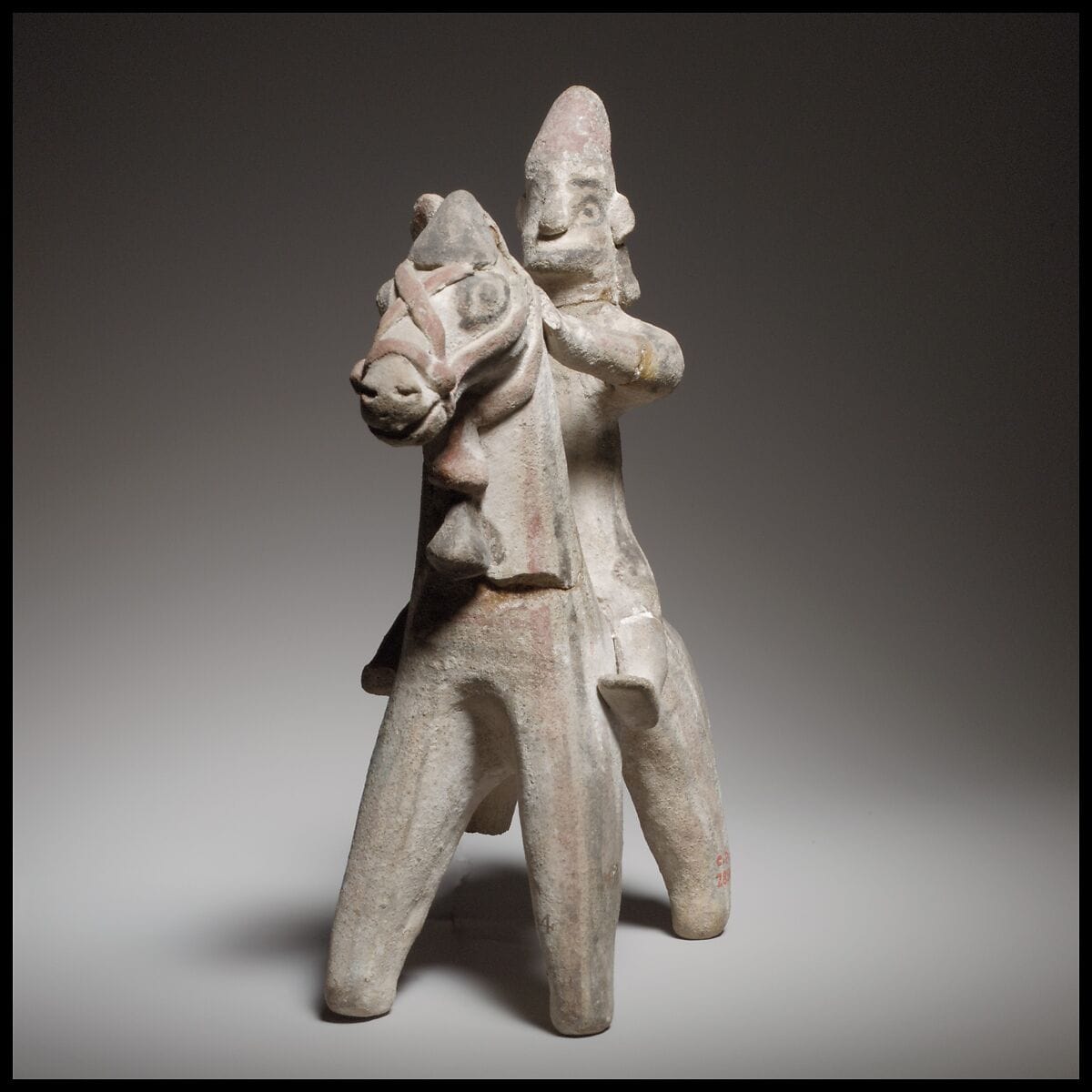
Horse and rider figurine
Archaic II
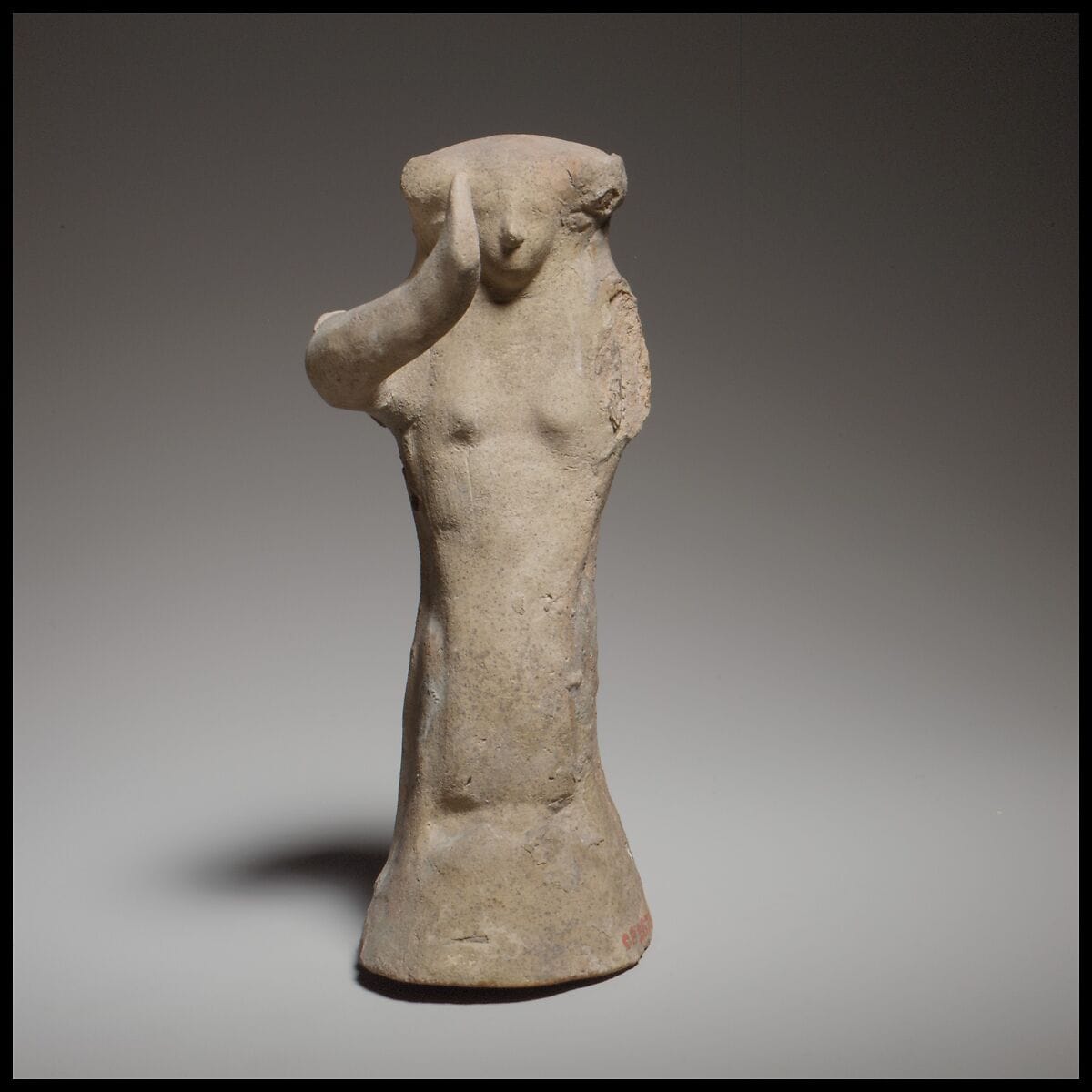
Seated female figurine of the dea gravida type
Archaic II
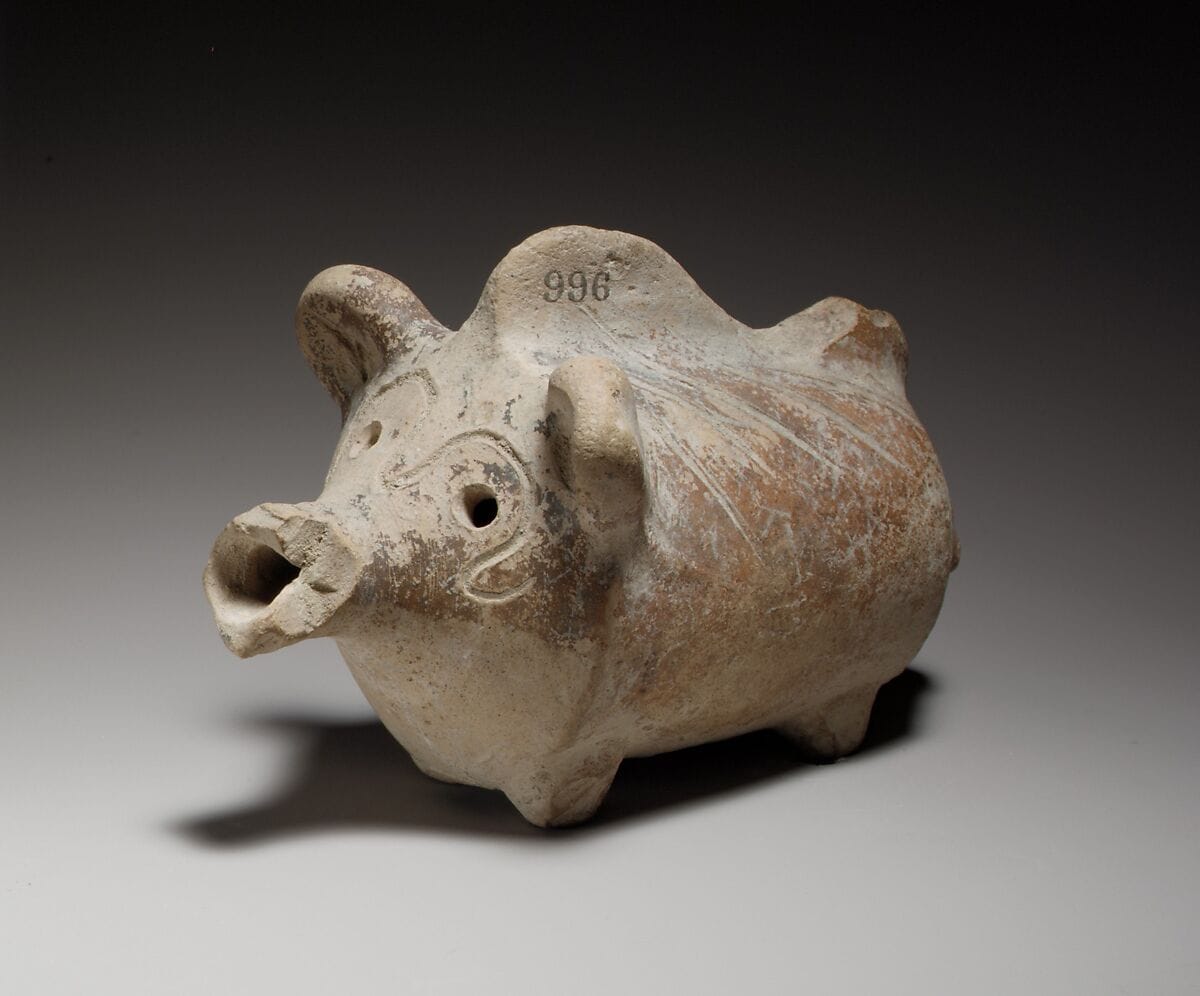
Terracotta rattle in the form of a pig
Hellenistic
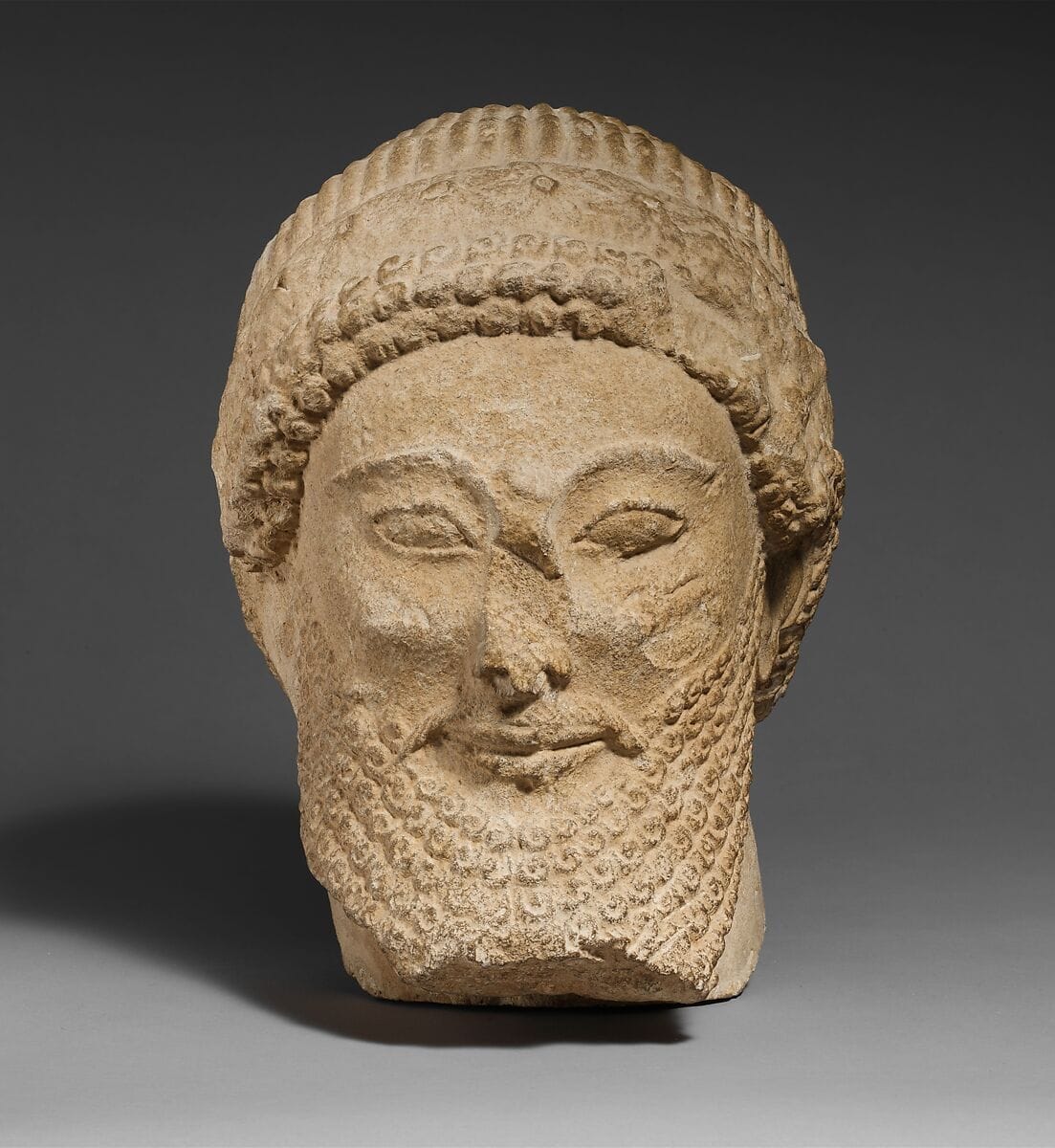
Limestone head of a bearded male with a wreath of flowers
Archaic II
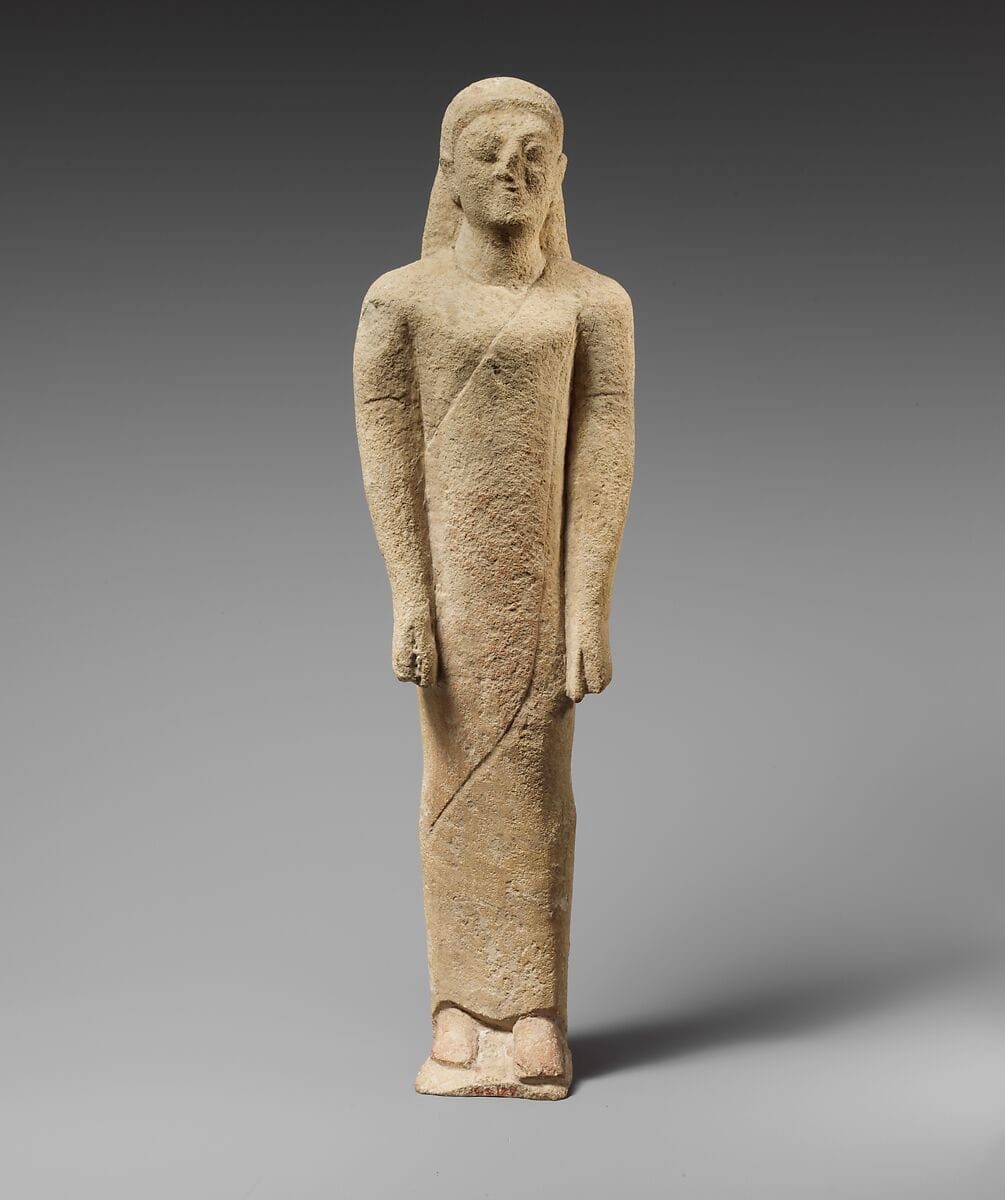
Limestone statuette of a beardless male votary in Greek dress
Archaic II
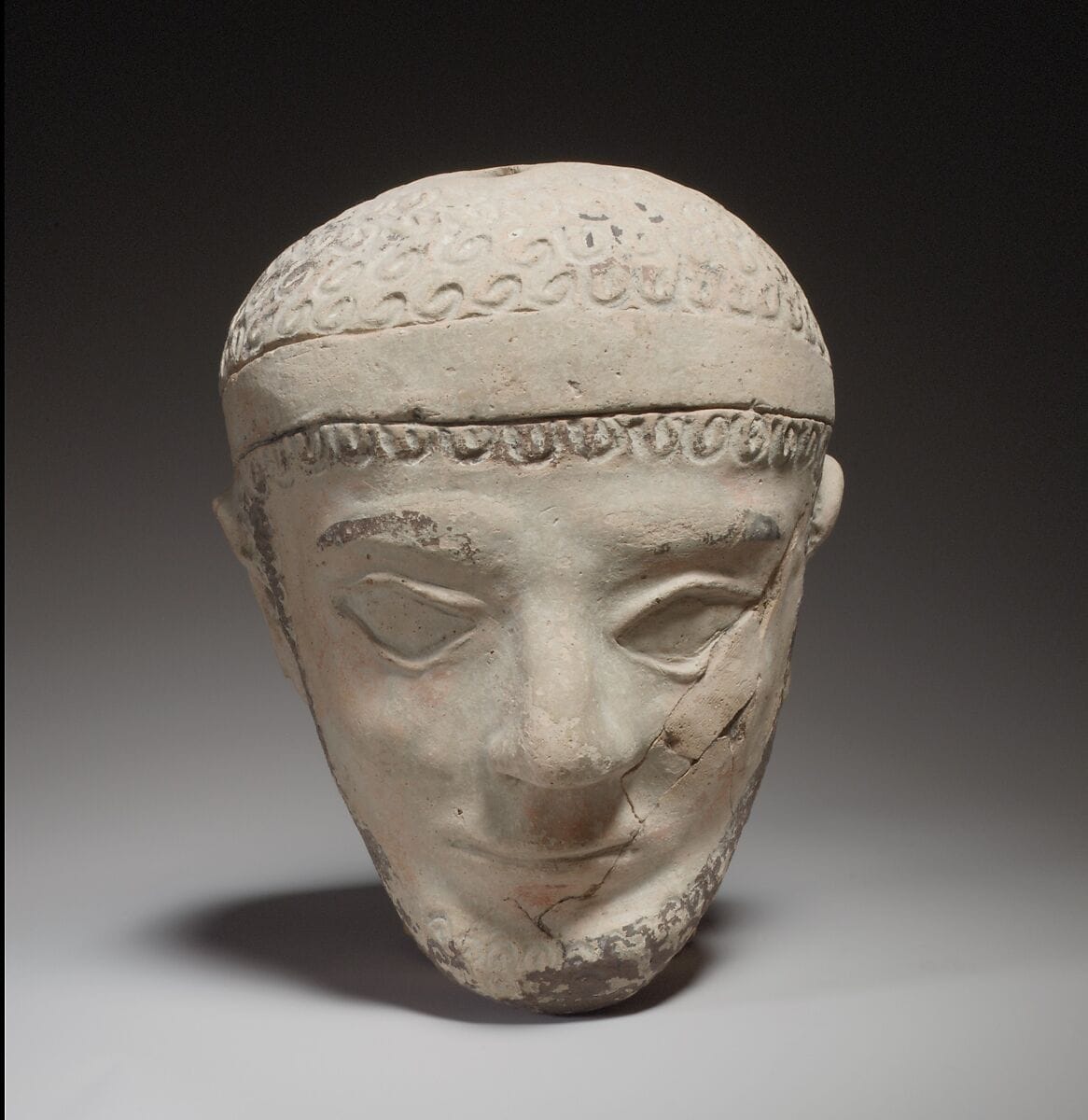
Terracotta head of a man
Archaic II
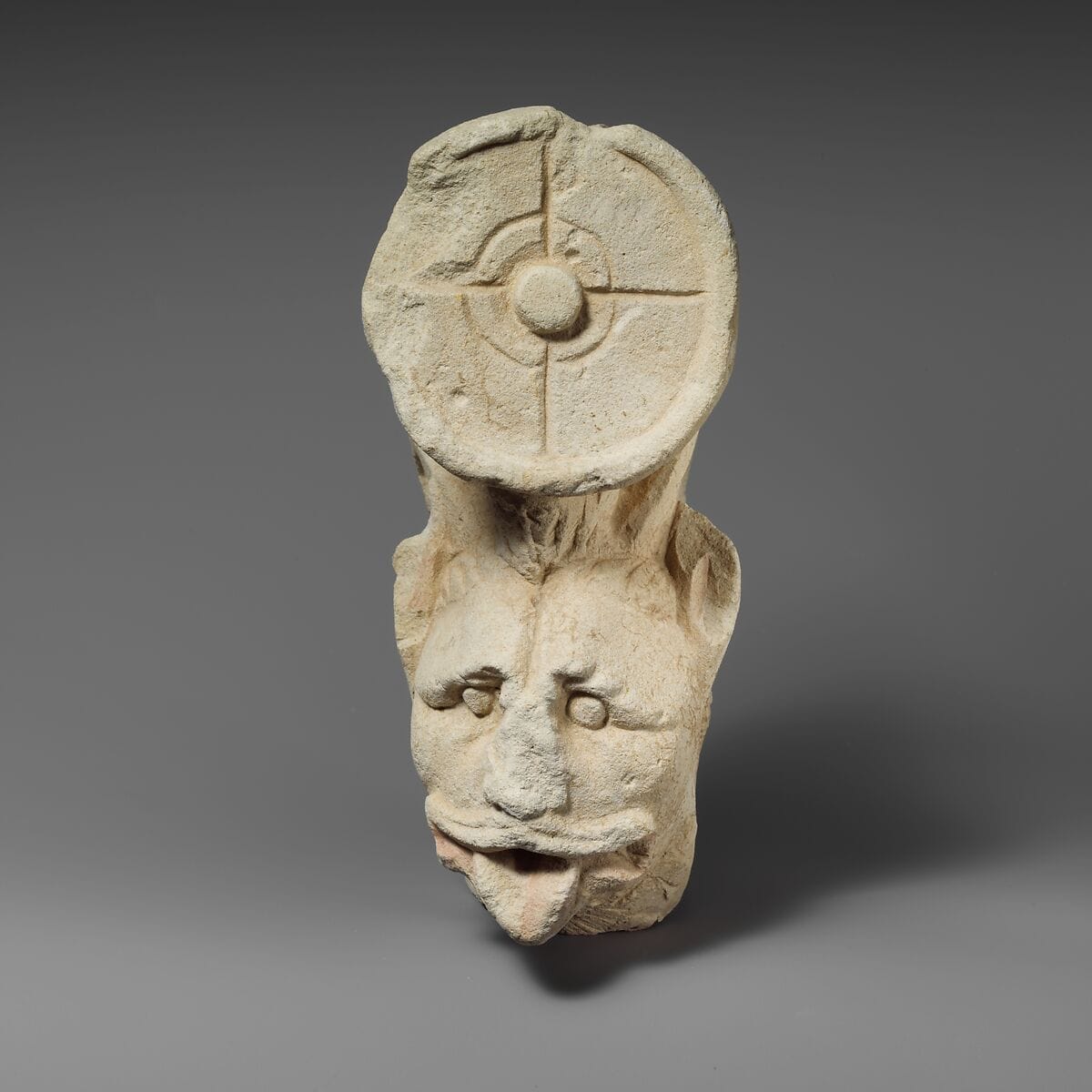
Fragment of a limestone throne (?) with the head of a horned lion
Roman
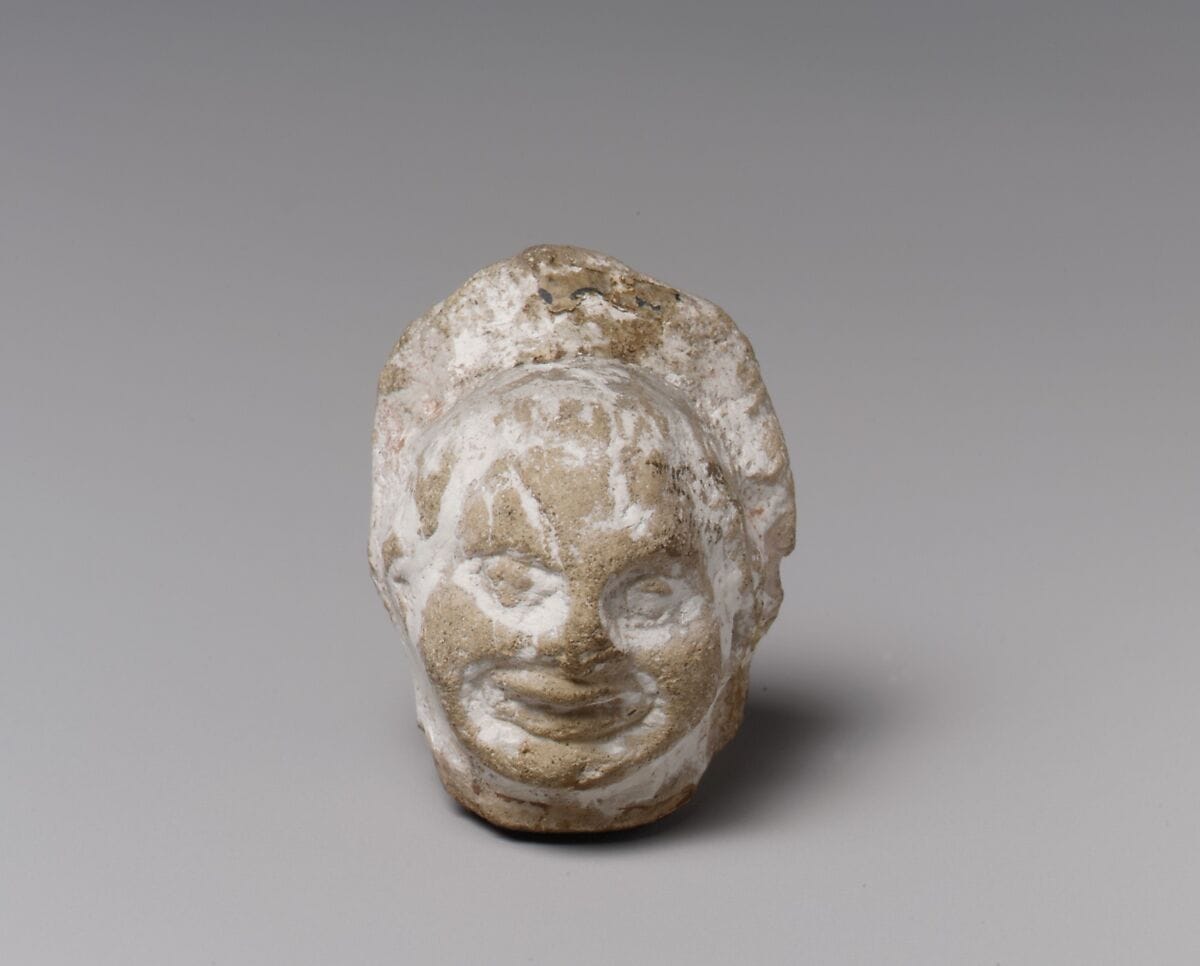
Head of a comic figurine
Hellenistic
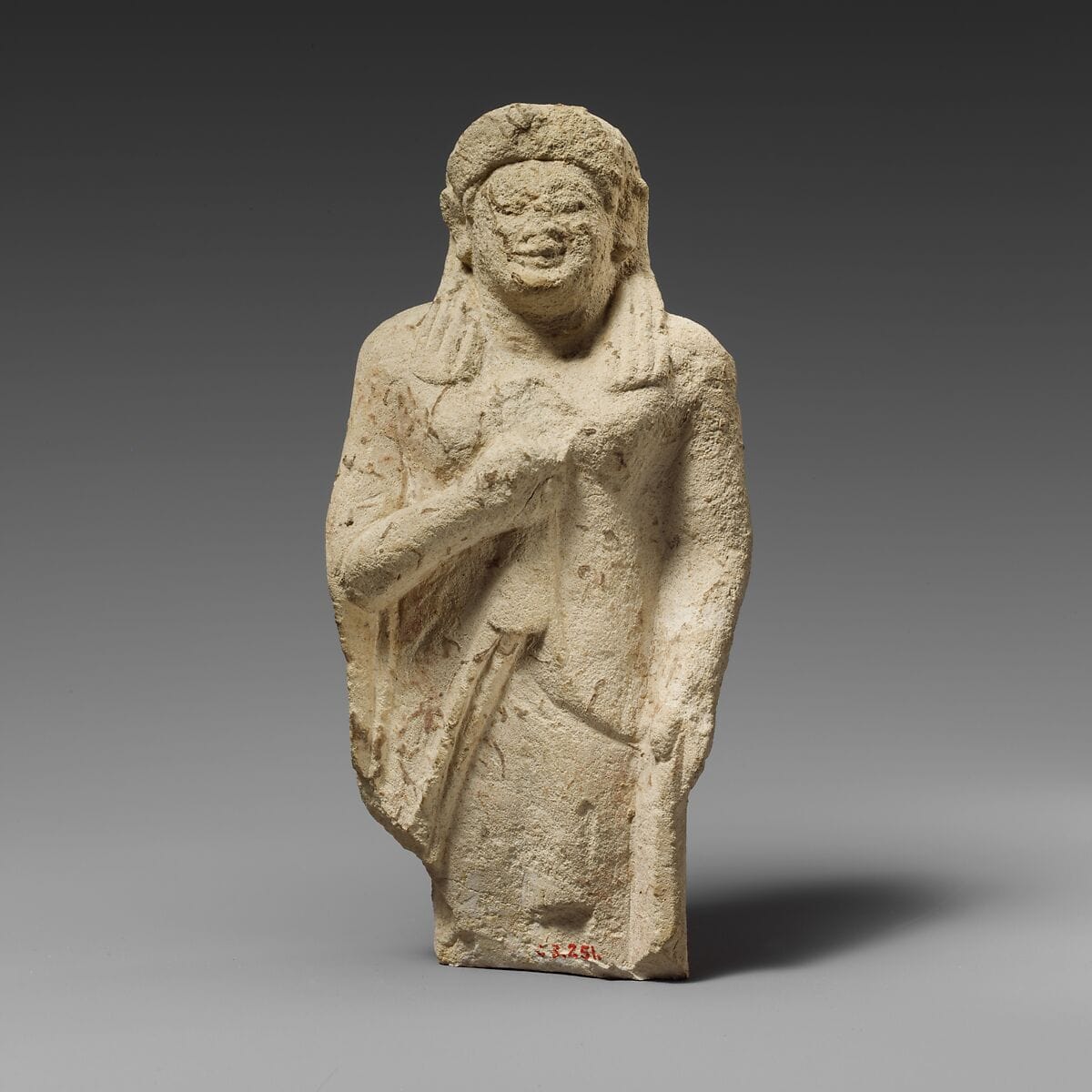
Limestone statuette of a female votary of the kore type
Archaic II
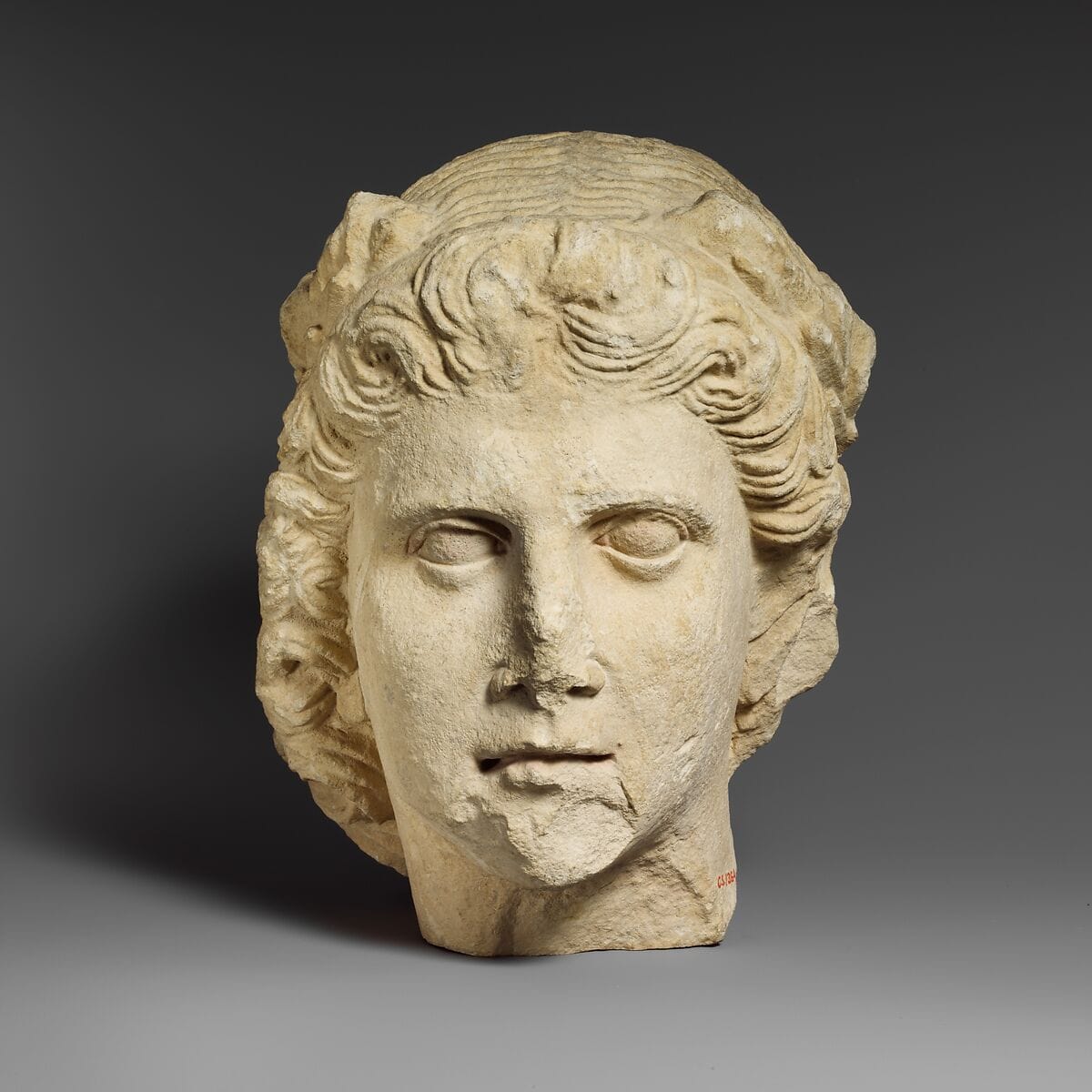
Limestone head of Apollo
Hellenistic
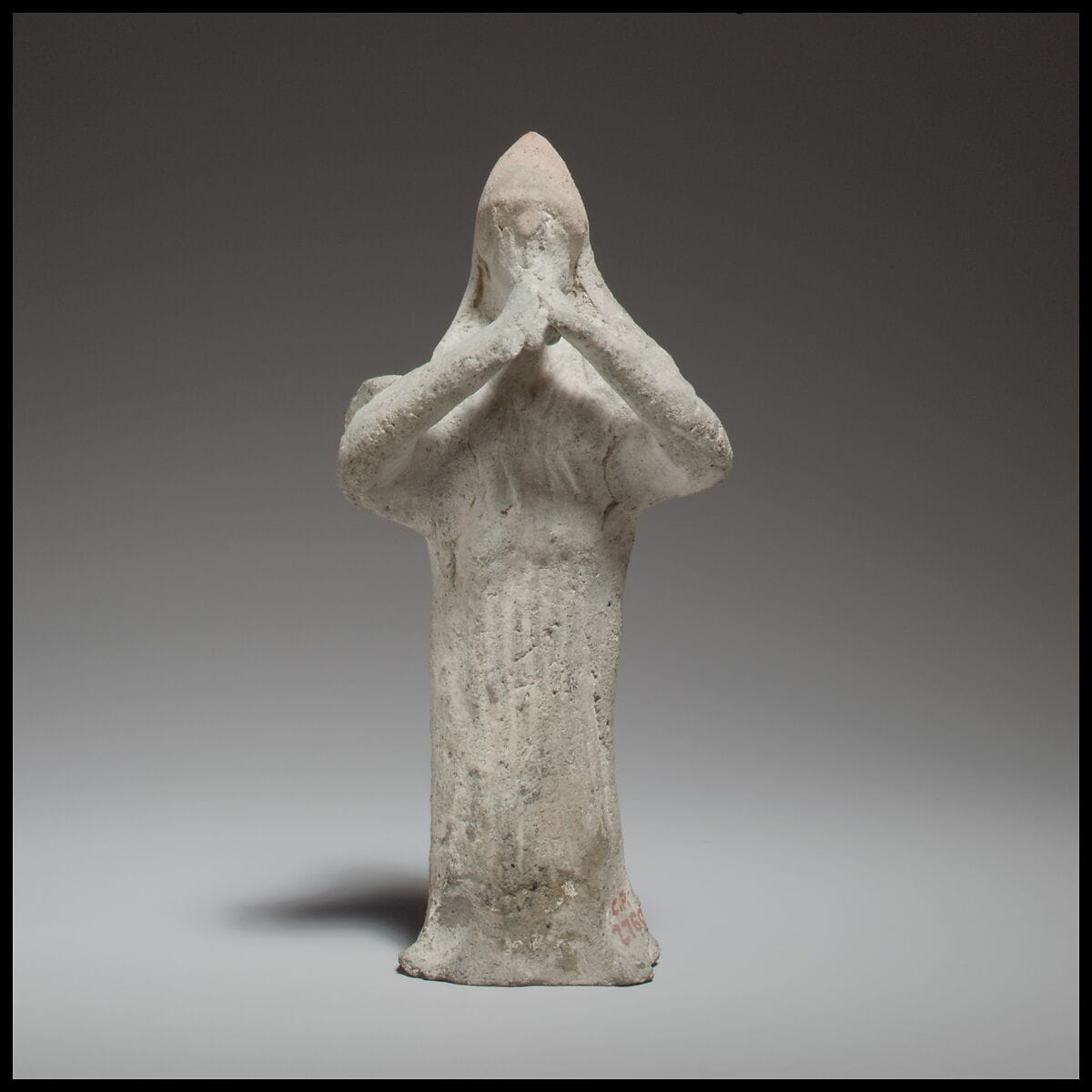
Standing female flute player
Classical
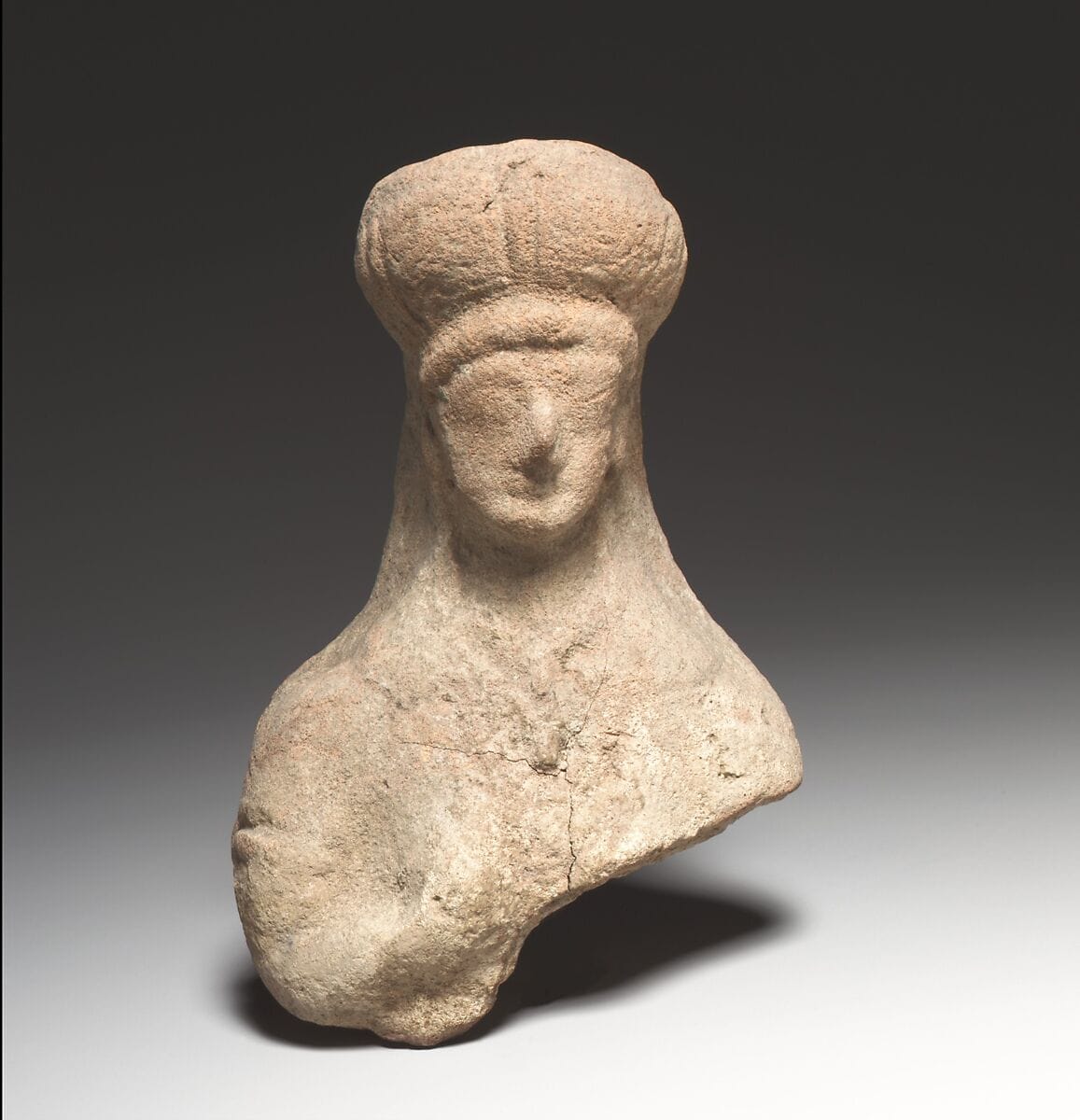
Standing female figurine
Archaic II
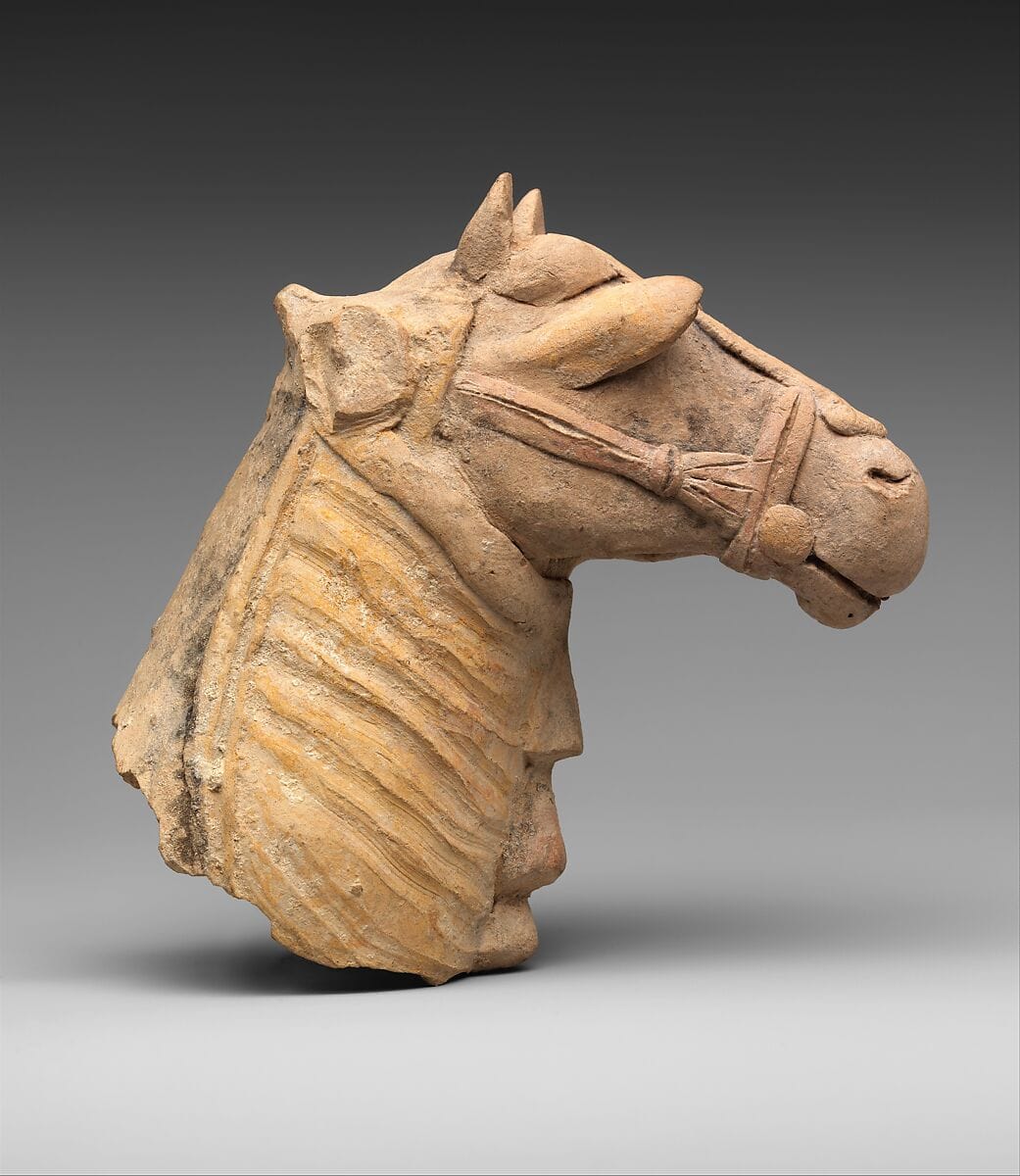
Horse's head with harness
Archaic II
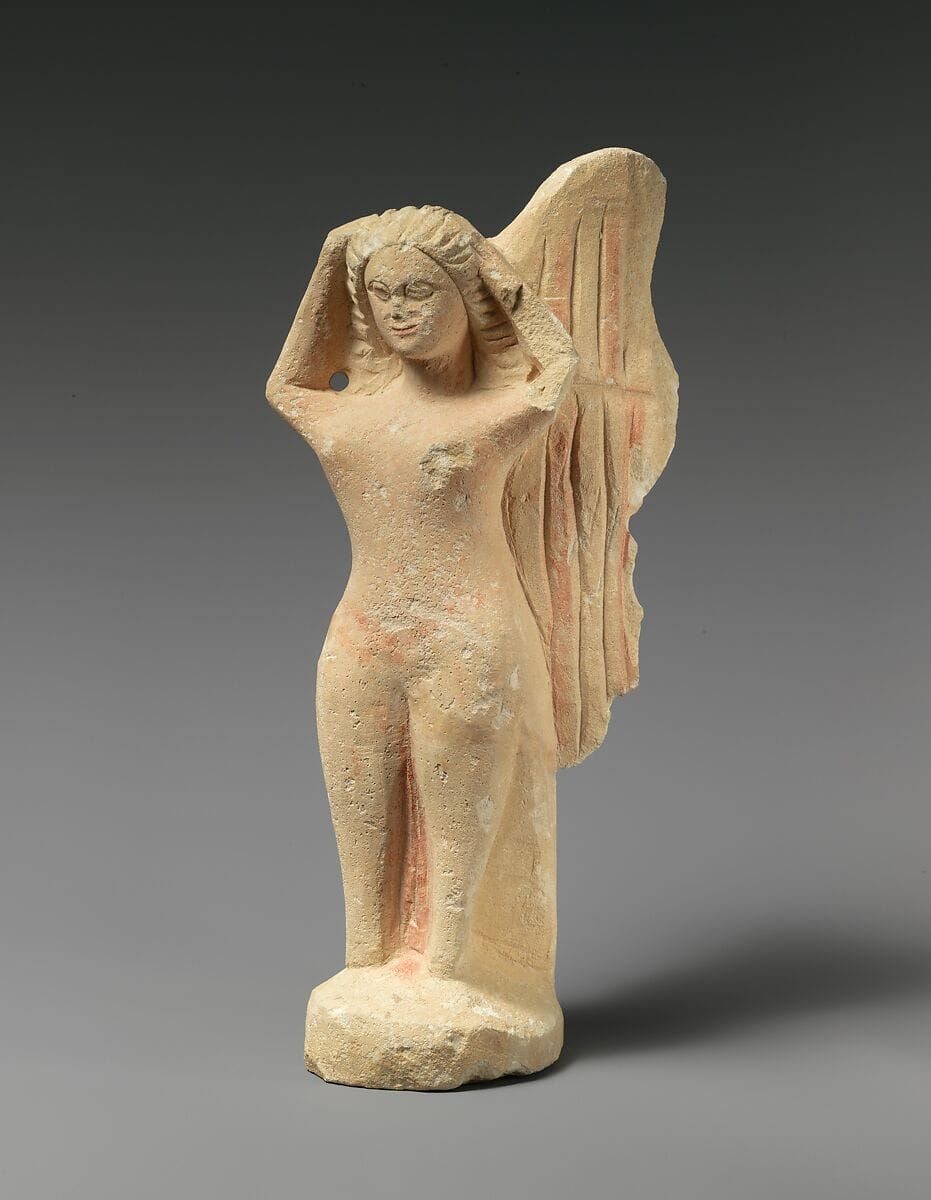
Limestone statuette of a mourning siren
Hellenistic
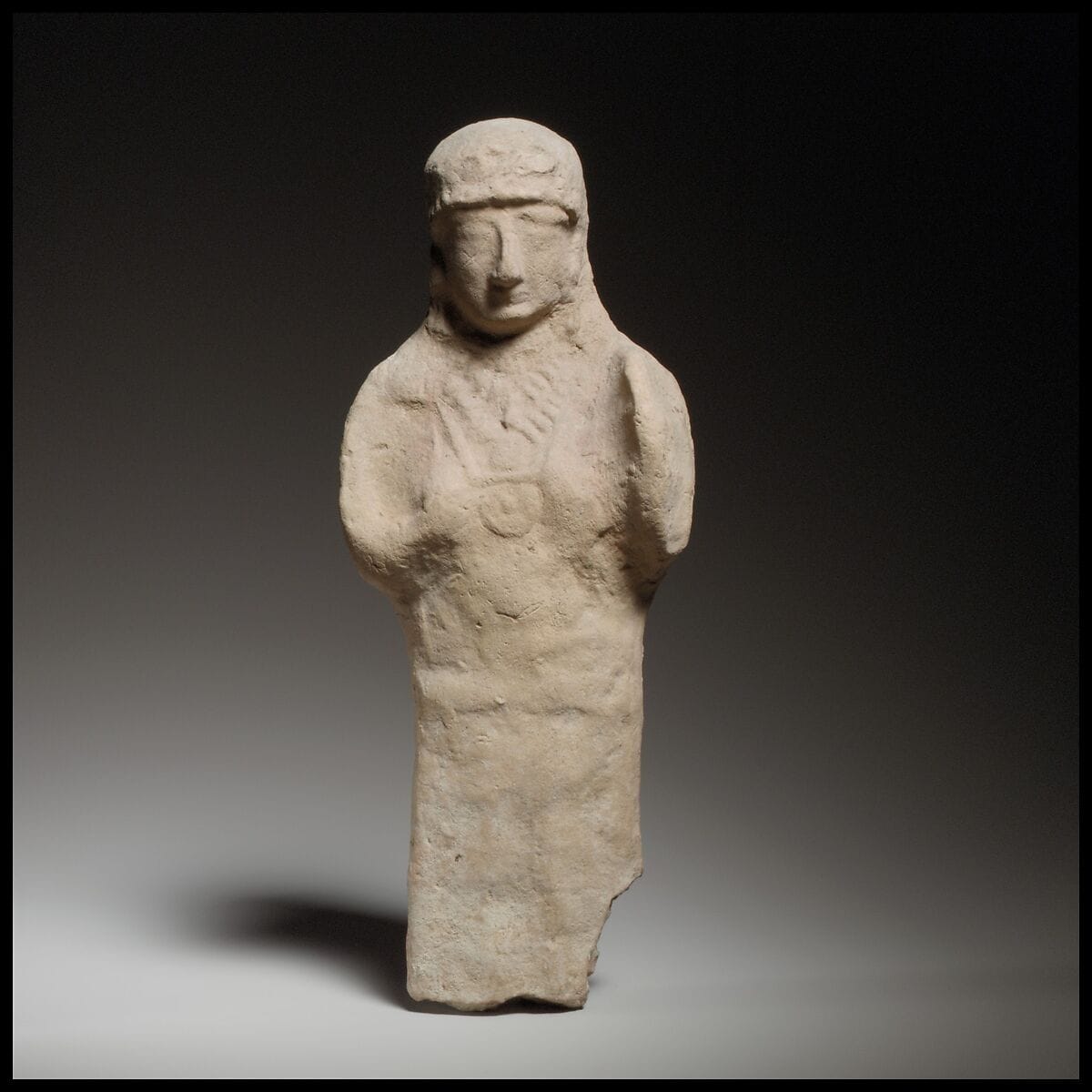
Standing female figurine
Archaic II
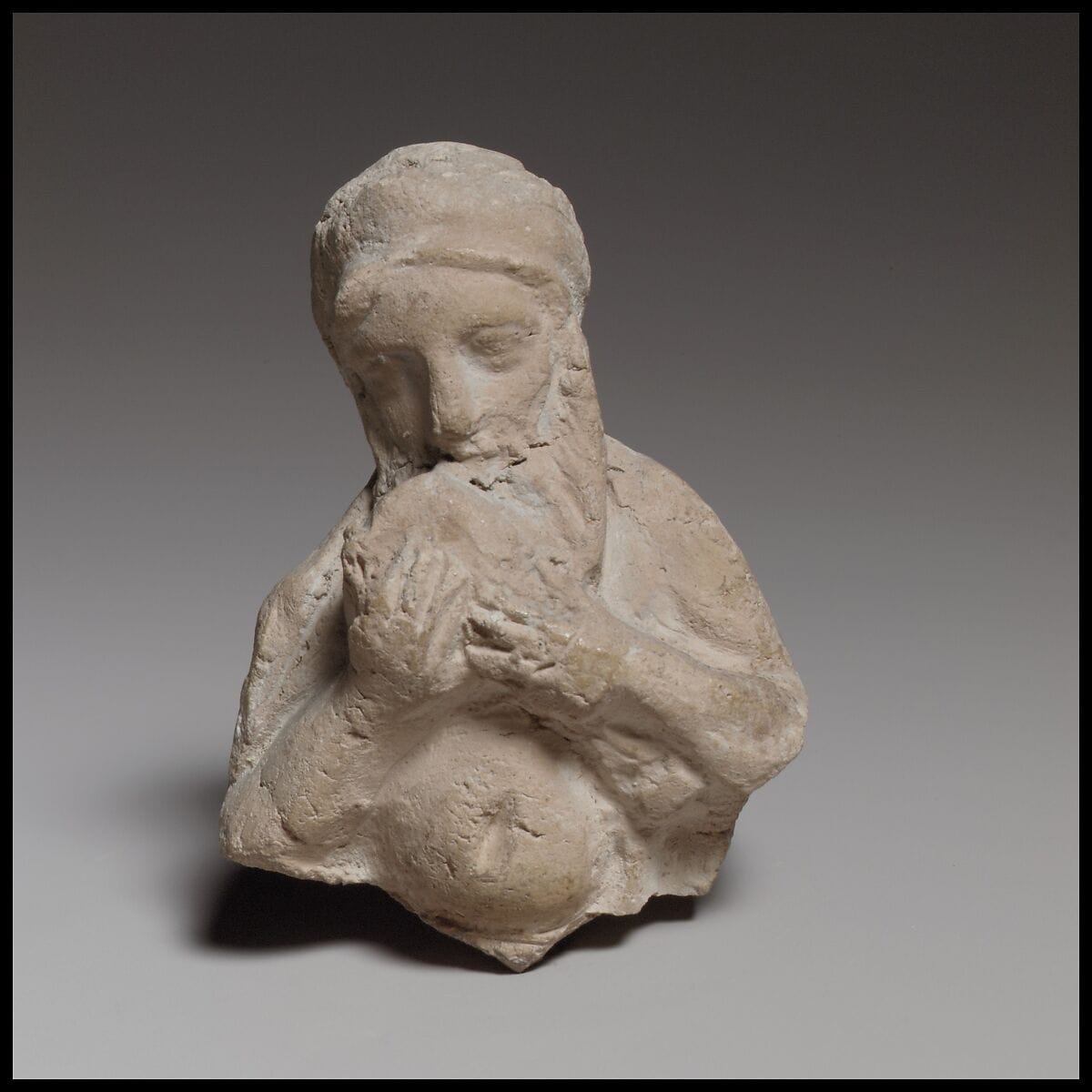
Terracotta statuette of Silenos (?) drinking
Hellenistic
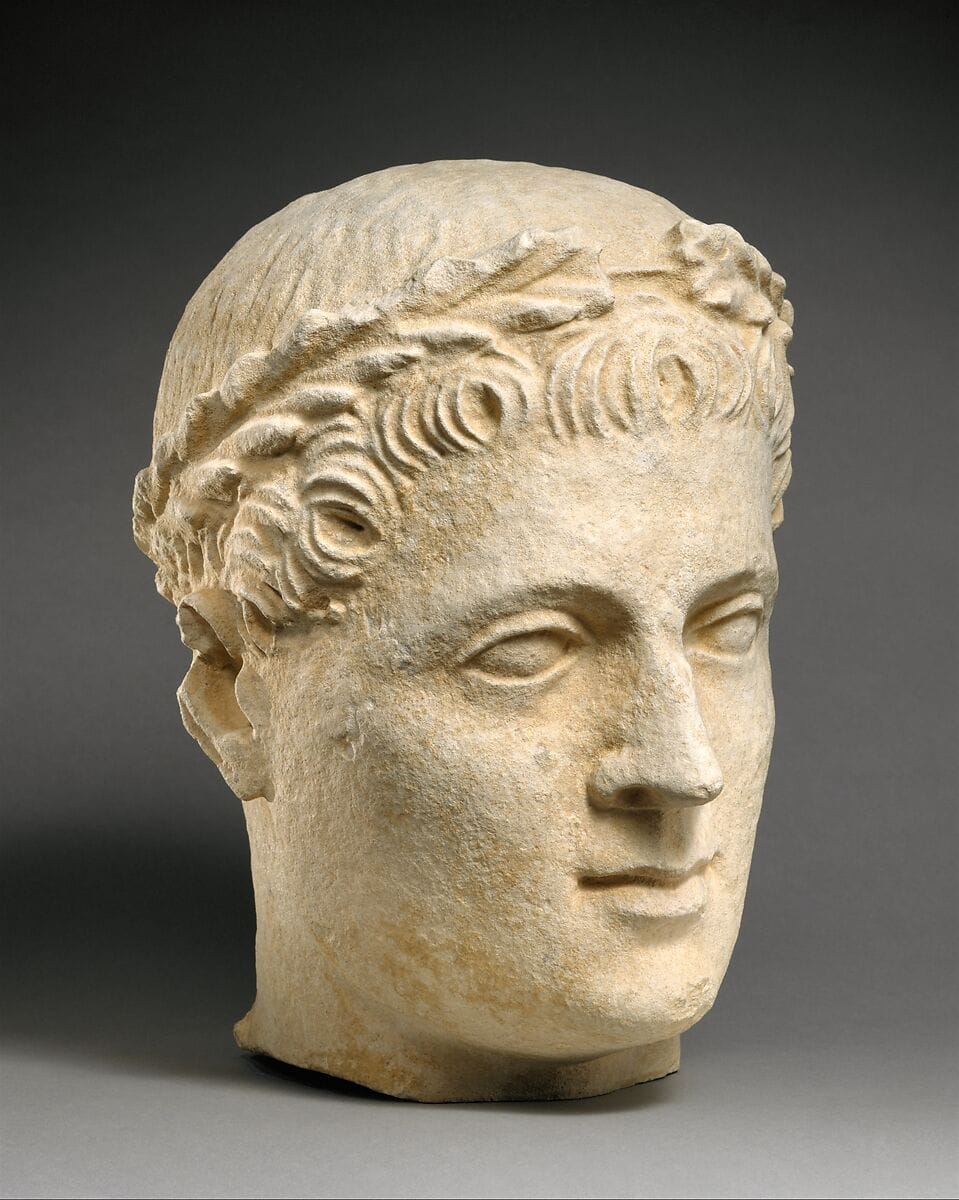
Limestone head of beardless male votary with wreath of leaves
Hellenistic
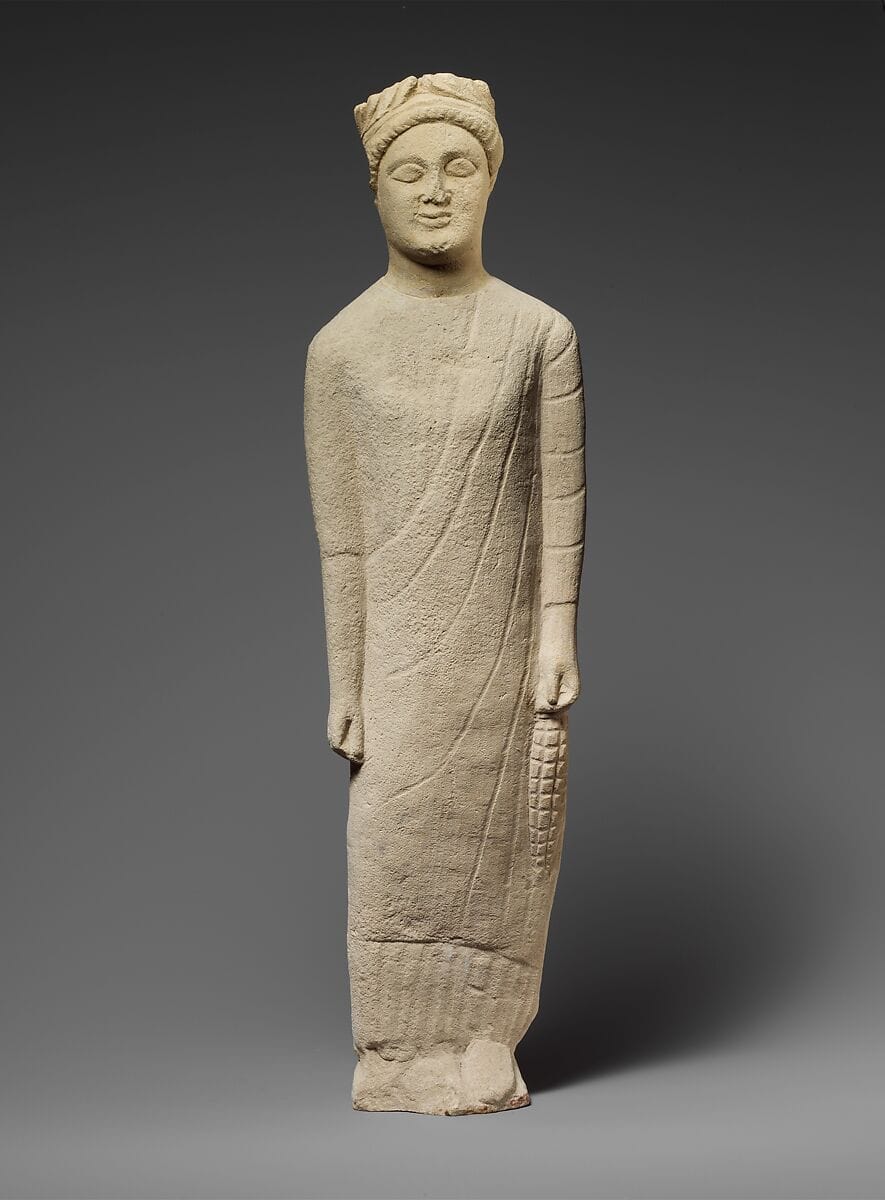
Limestone statuette of a beardless male votary with a wreath of leaves
Classical