
Archaic II
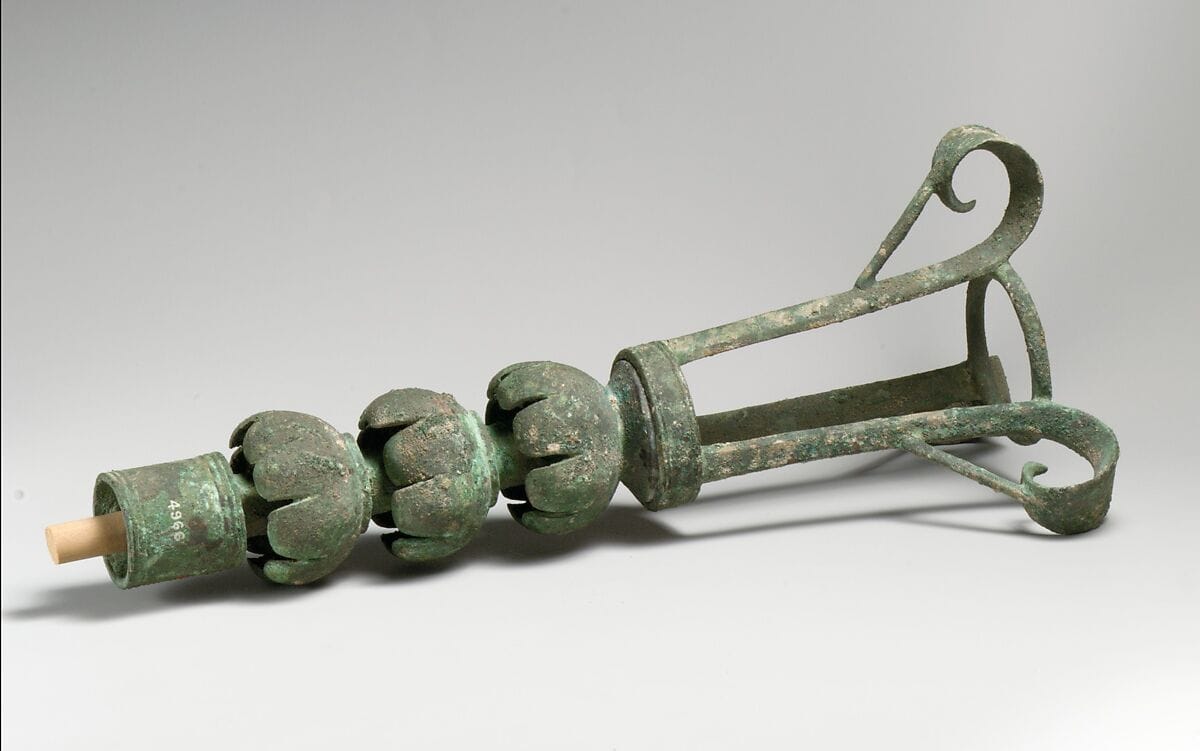
Bronze lamp holder
This form of lamp holder was probably introduced by the Phoenicians, and it remained prevalent in Cyprus from about the eighth to the sixth century B.C. The lowermost cylinder would have been set on a wooden shaft, the lamp itself would have rested on the ring at the top. Representing the height of luxury, an ivory stand of the eighth century B.C. was found at Salamis on Cyprus. H. 12 11/16 in. (32.2 cm)
Date
599 - 500 BC
Accession No.
74.51.5641
Collection
Metropolitan Museum of Art
Provenance
References
- Myres, John L. 1914. Handbook of the Cesnola Collection of Antiquities from Cyprus. no. 4966, New York: The Metropolitan Museum of Art.Richter, Gisela M. A. 1915. Greek, Etruscan and Roman Bronzes. no. 1271, pp. 366-37, New York: Gilliss Press.Raubitschek, Isabelle K. 1978. "Cypriot Bronze Lampstands in the Cesnola Collection of the Stanford University Museum of Art." The Proceedings of the Xth International Congress of Classical Archaeology : Ankara-İzmir, 23-30/IX/1973. pp. 699, 701 n. 7, pl. 215, 1, Ankara: Turk Tarih Kurumu Basimeri.Karageorghis, Vassos, Joan Mertens, and Marice E. Rose. 2000. Ancient Art from Cyprus: The Cesnola Collection in The Metropolitan Museum of Art. no. 281, pp. 174-75, New York: The Metropolitan Museum of Art.
More from the Catalogue
Browse related objects
Axehead
Early Bronze Age I
Bronze rod tripod
Late Bronze Age III
Basalt tripod vessel or mortar
Bronze Age
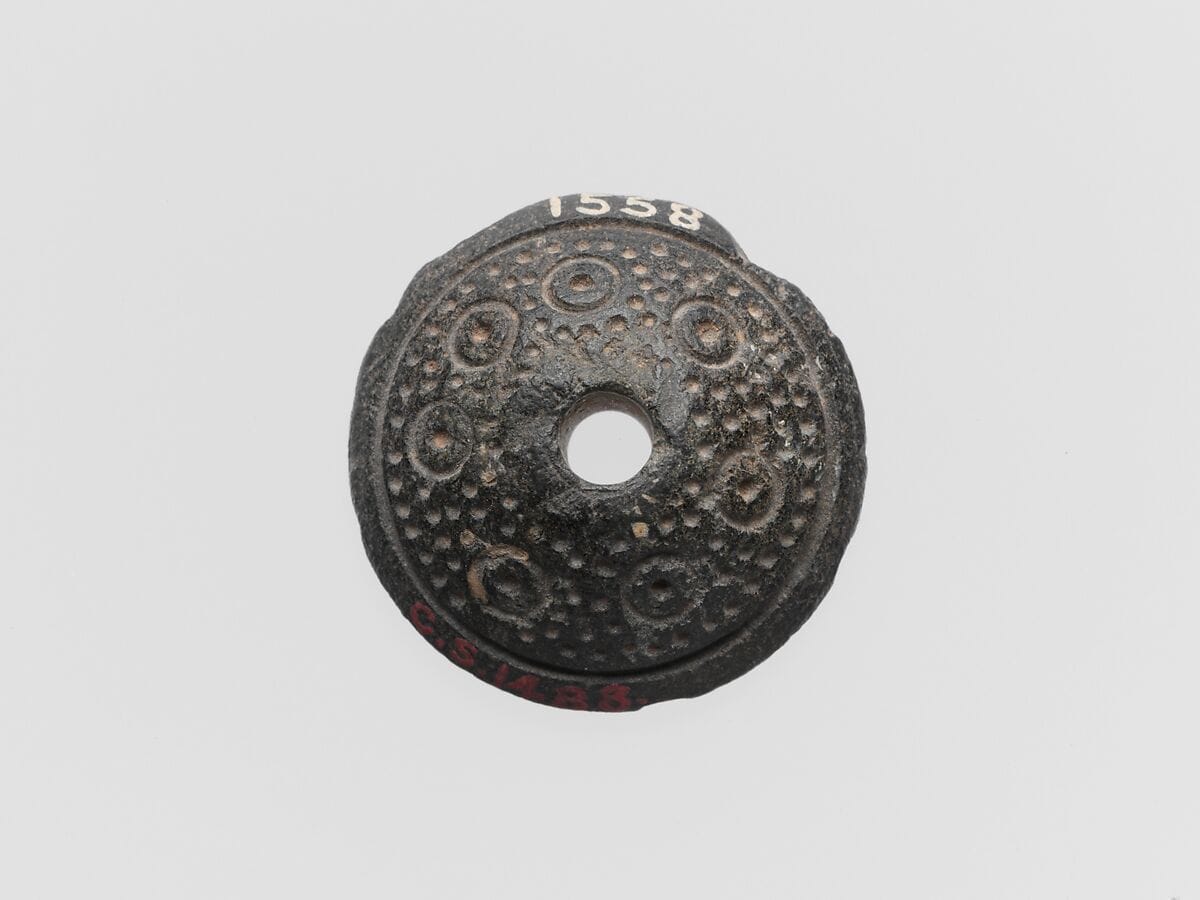
Chlorite spindle whorl
Late Bronze Age III
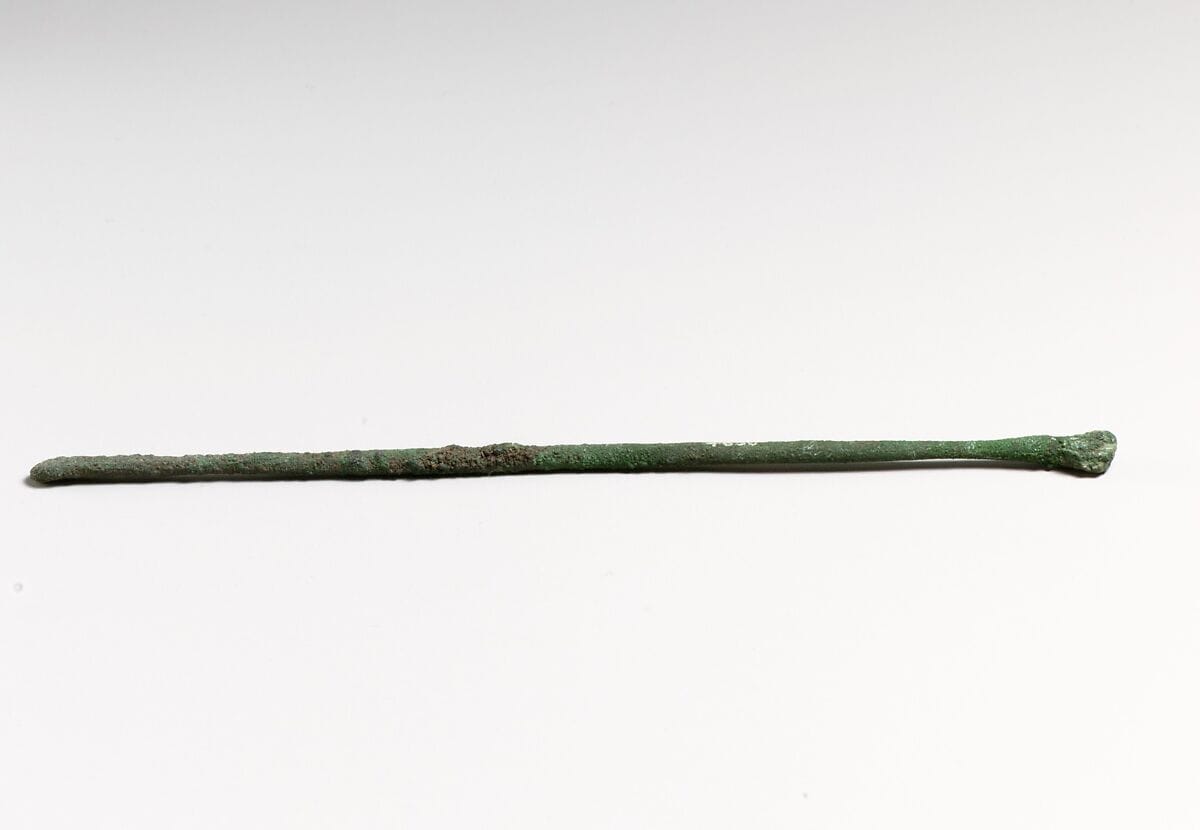
Spoon probe
Bronze Age
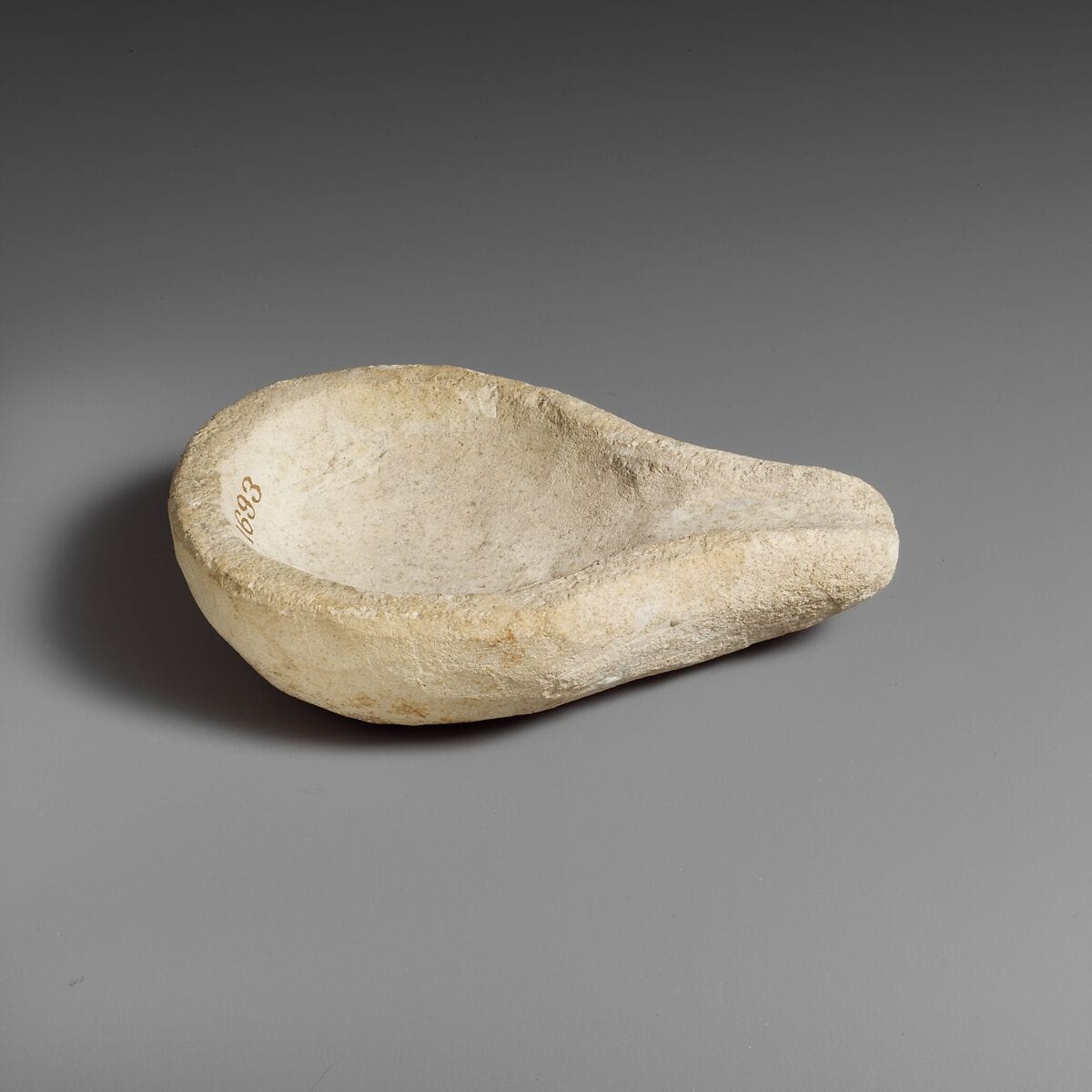
Limestone saucer lamp
Classical
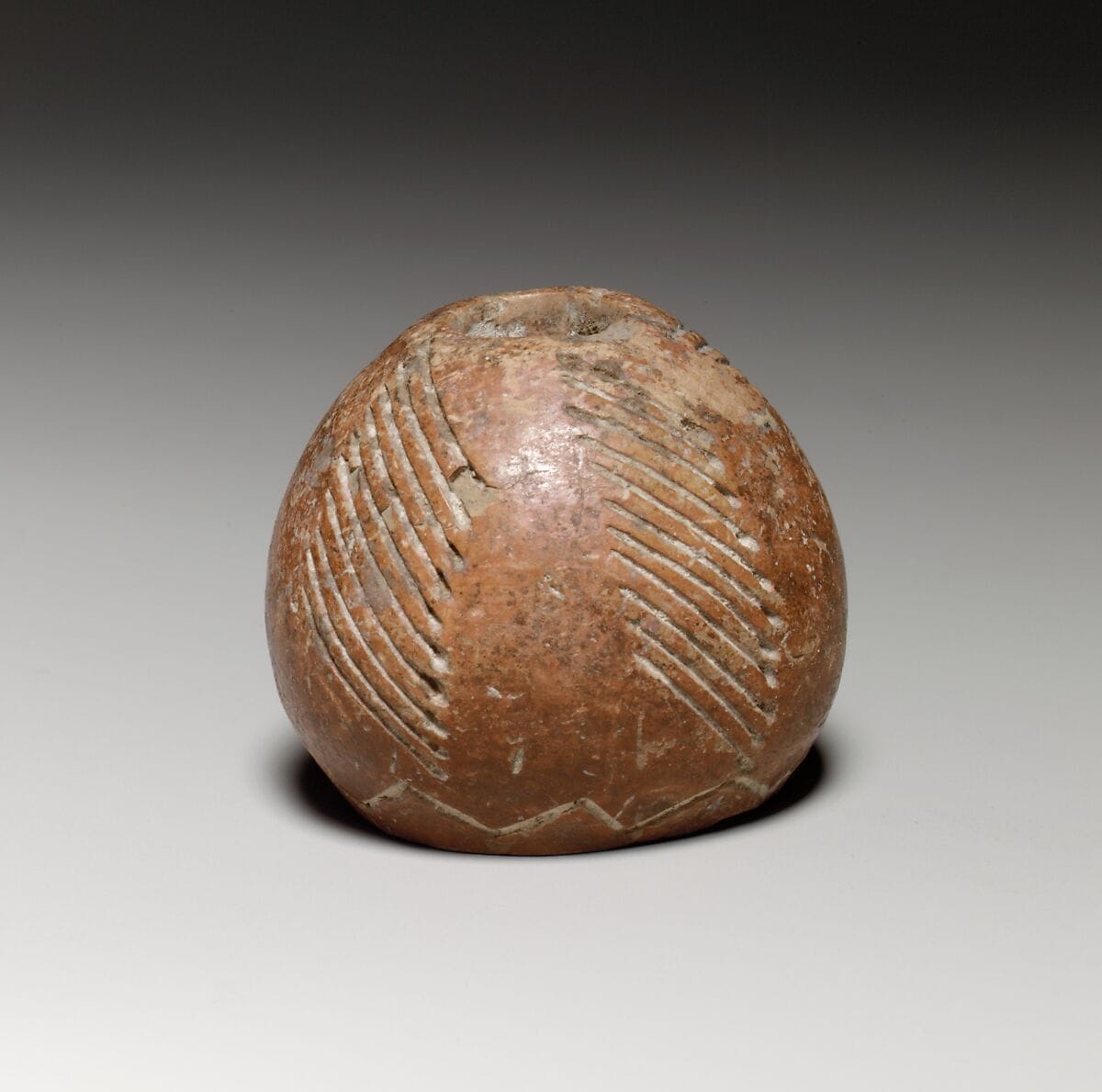
Terracotta conical-hemispherical spindle-whorl with flat base
Middle Bronze Age I
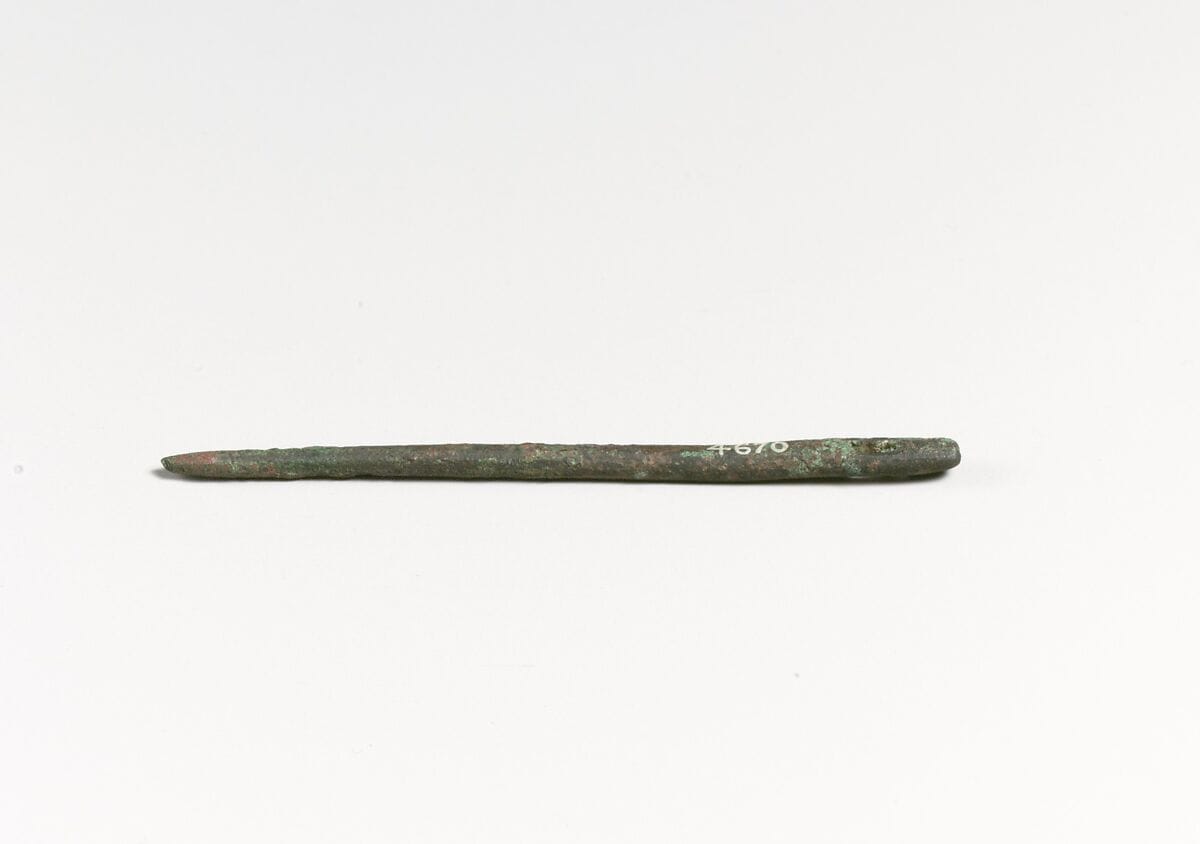
Needle
Bronze Age
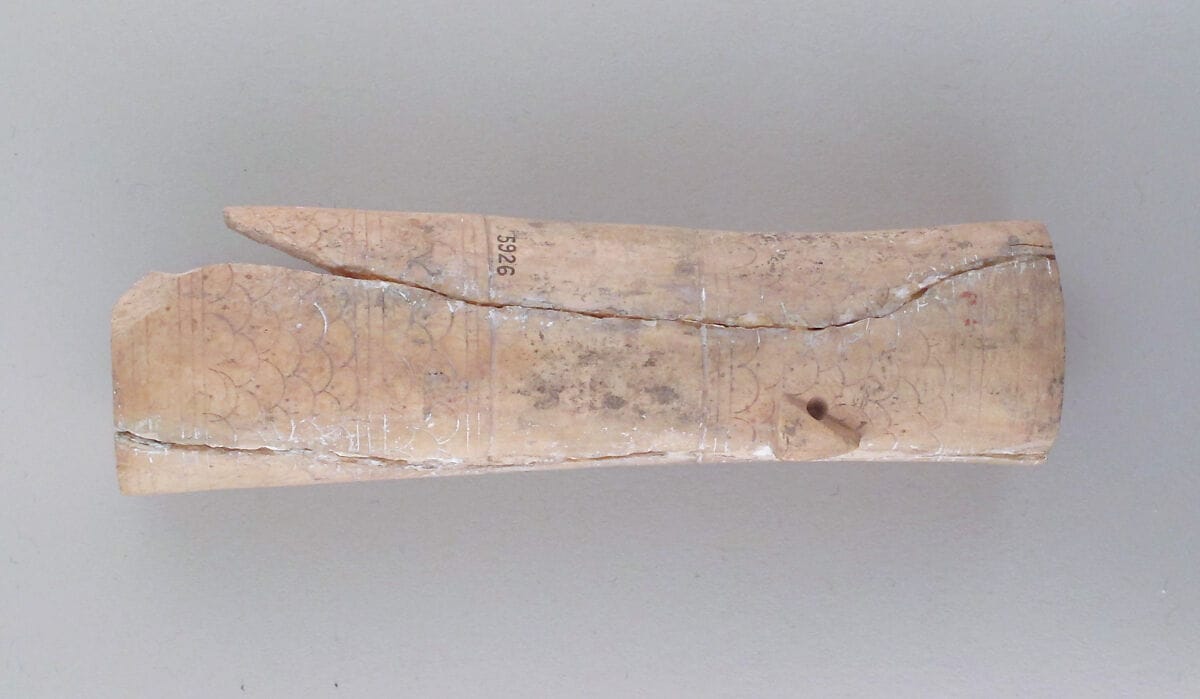
Toilet box
Bronze Age
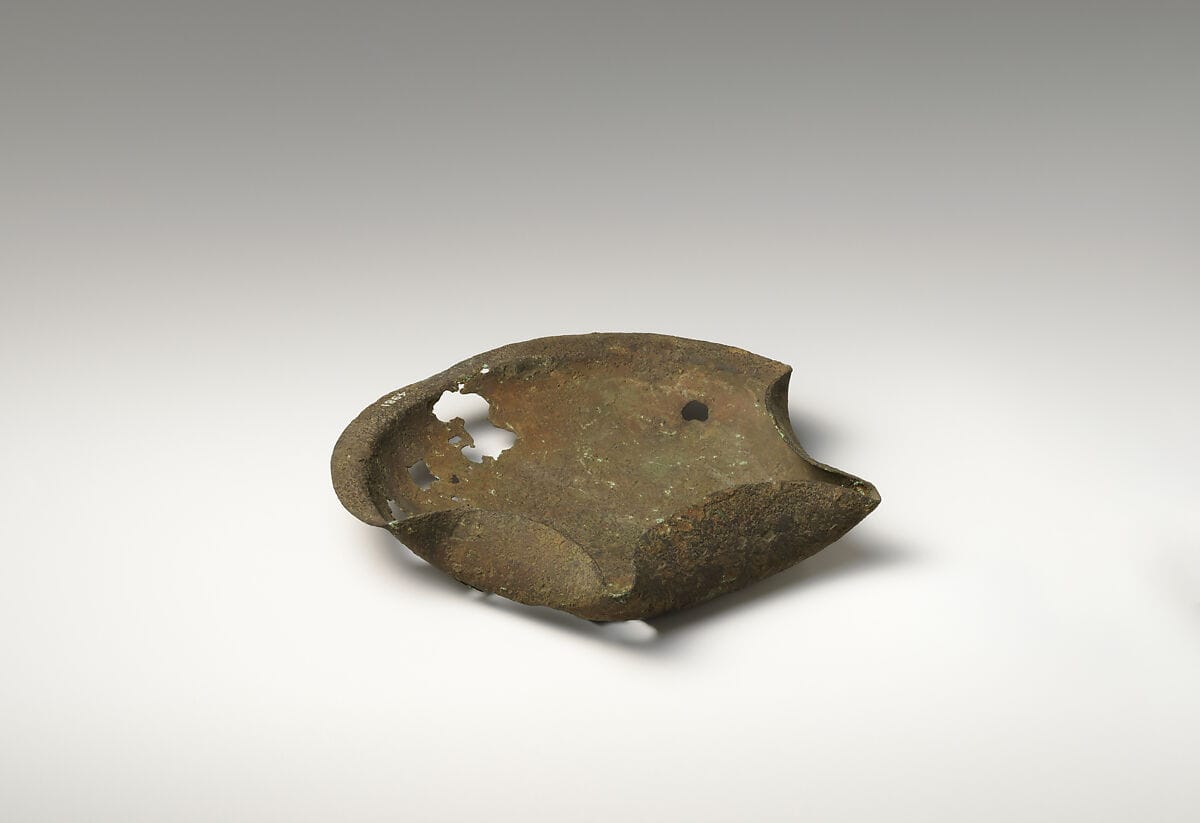
Bronze saucer-shaped lamp
Archaic II
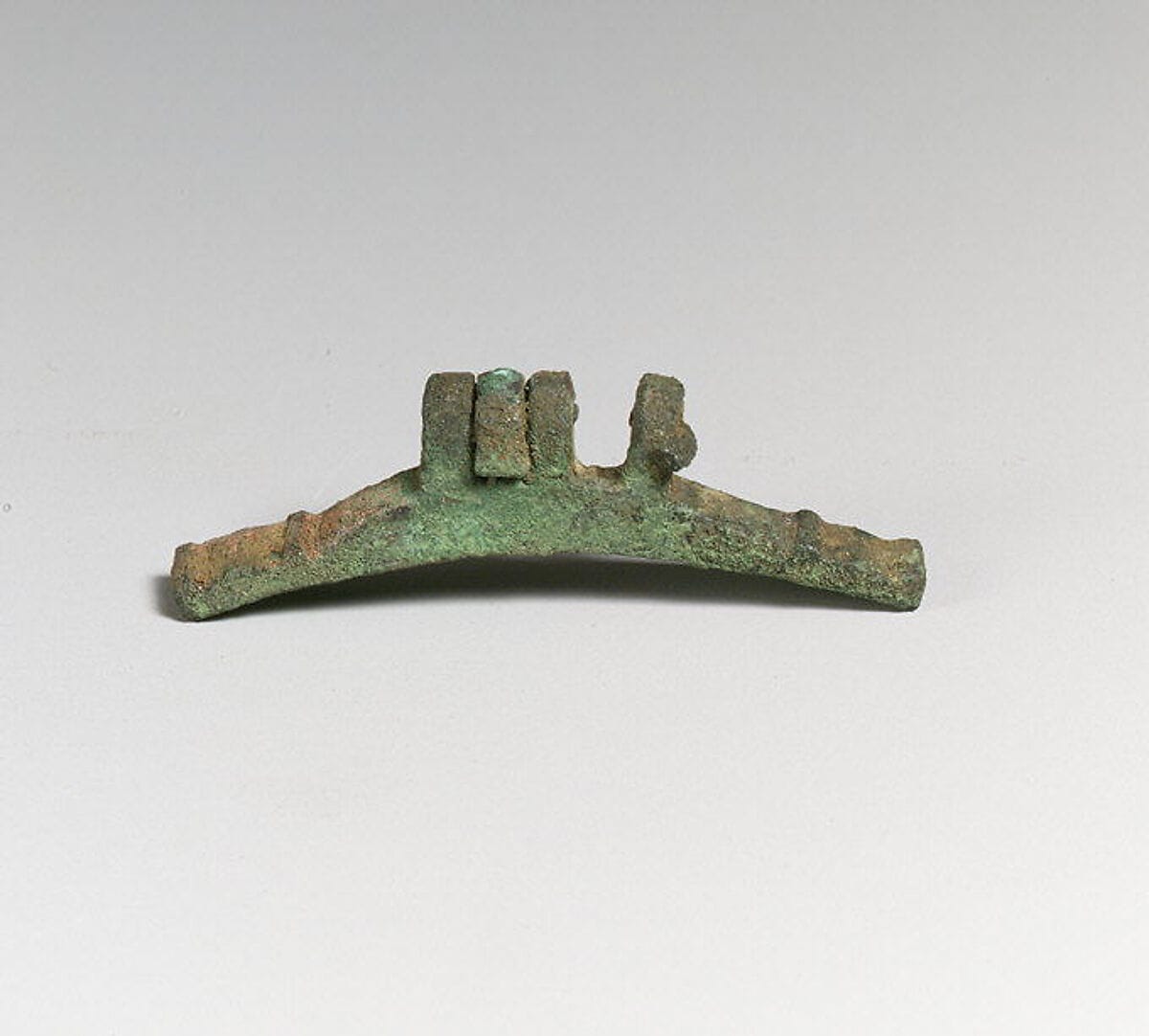
Hinge
Bronze Age
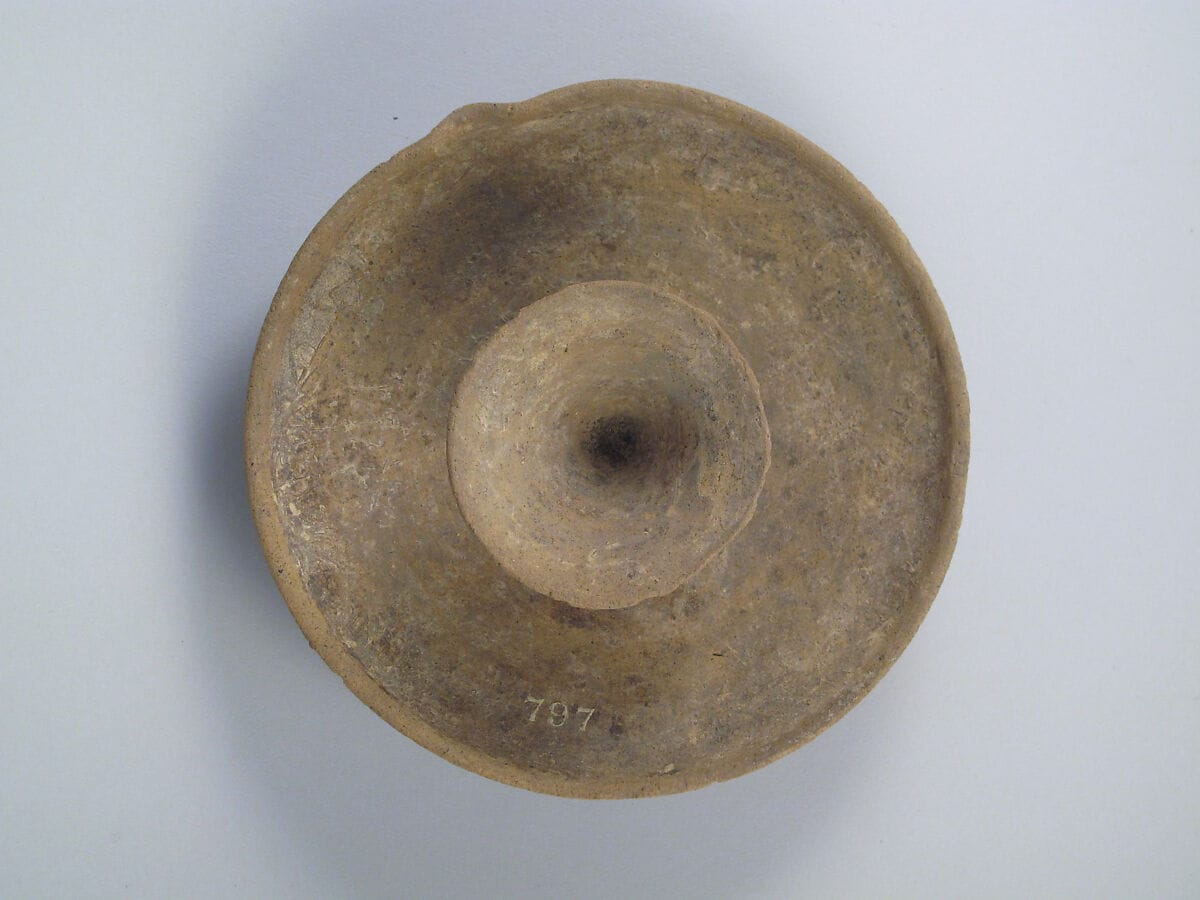
Torch-holder
Classical
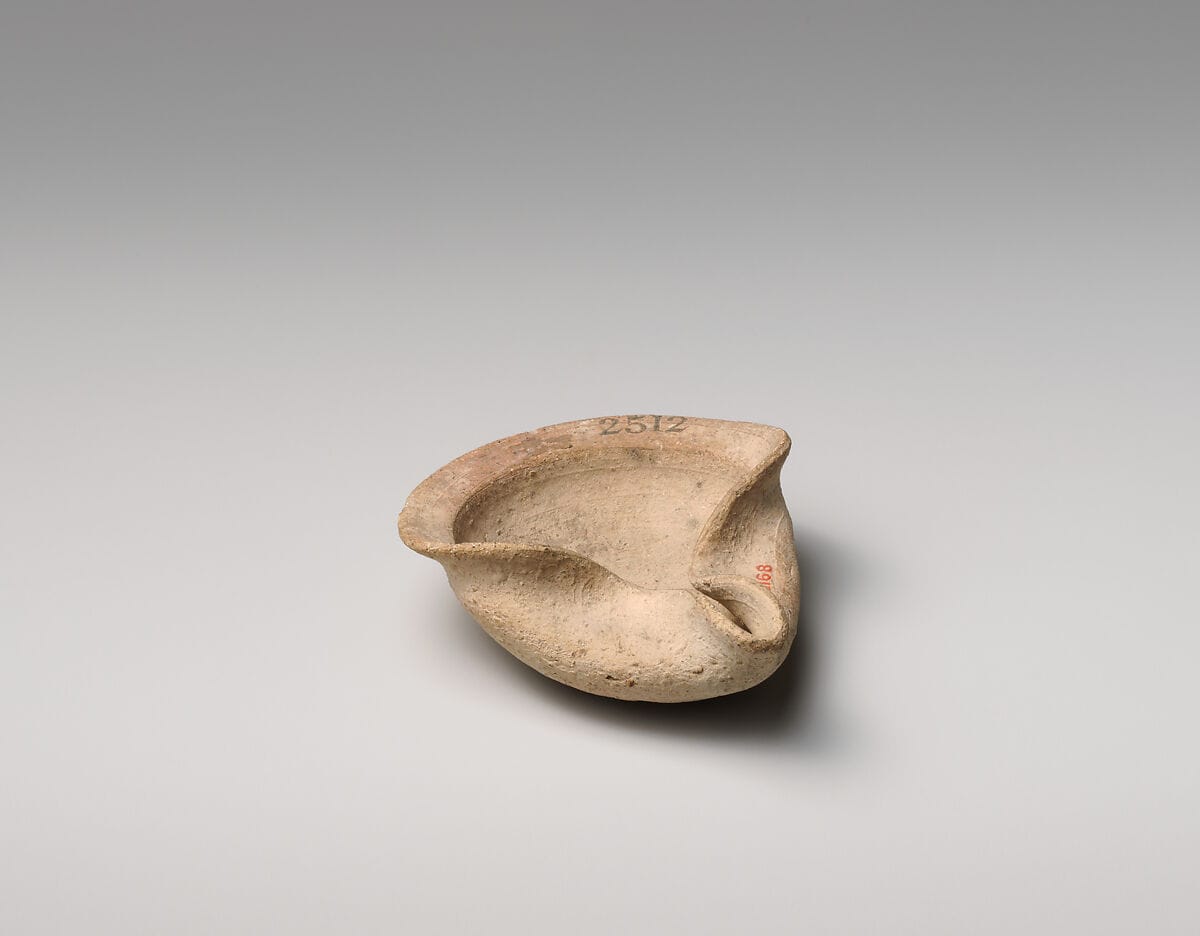
Terracotta saucer-shaped lamp
Classical
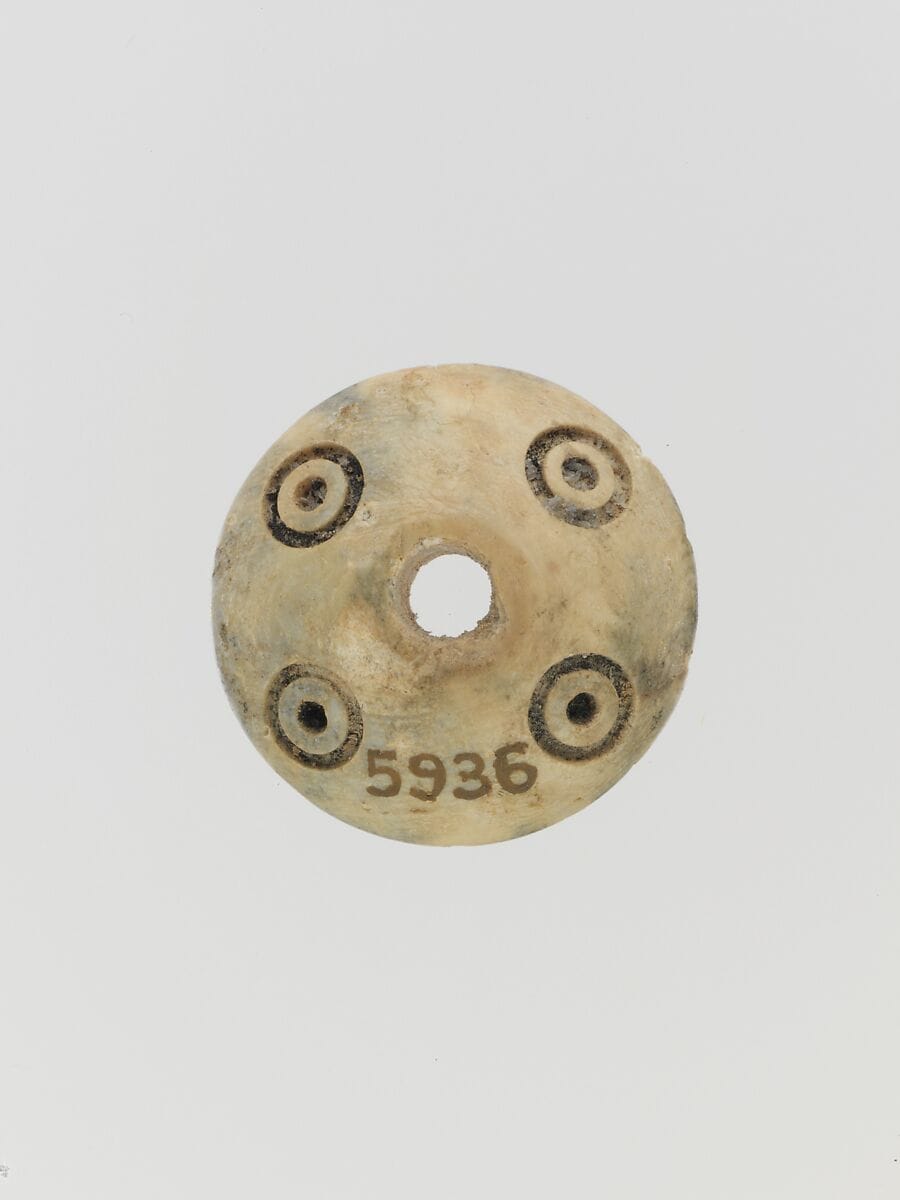
Bone spindle whorl
Late Bronze Age II
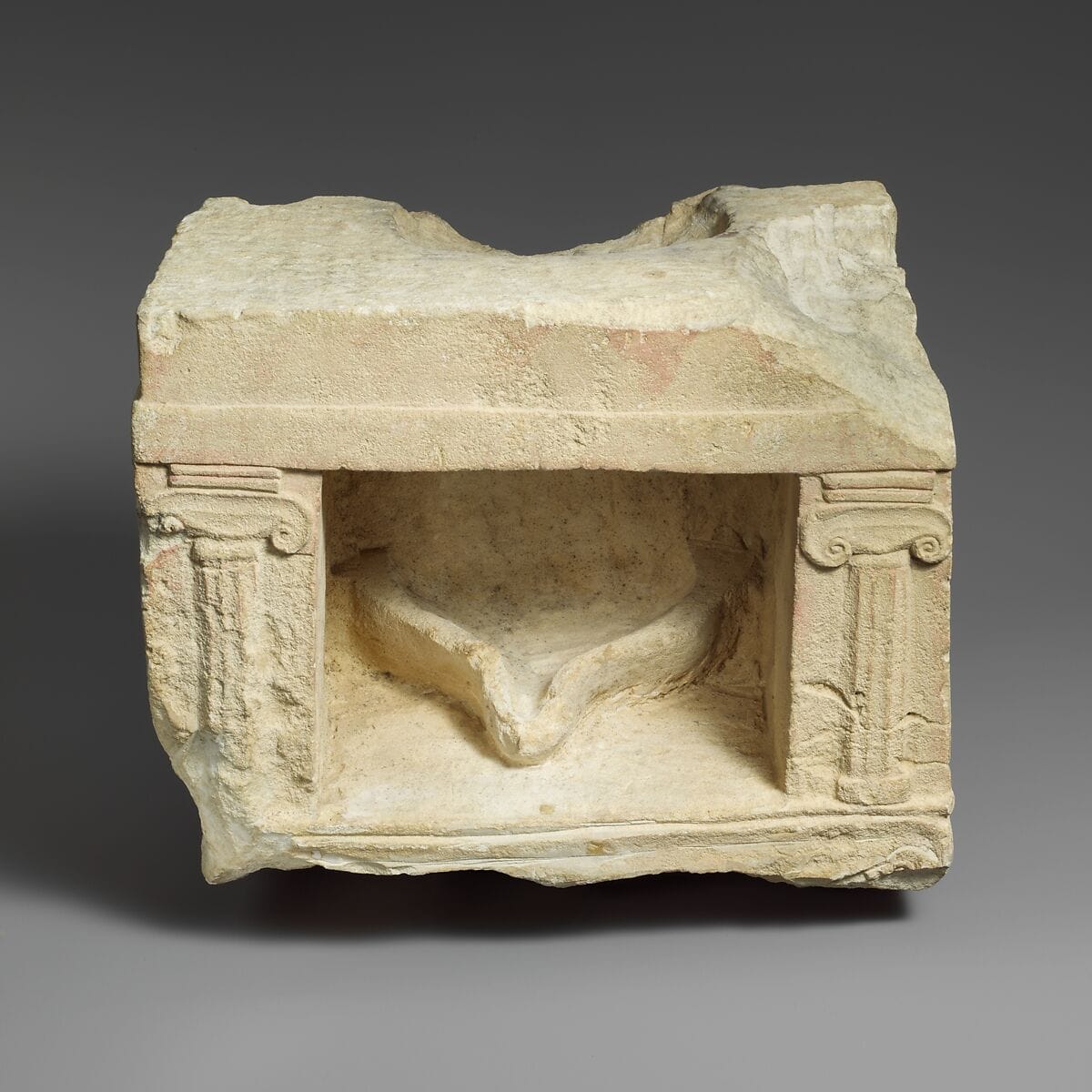
Limestone altar
Classical
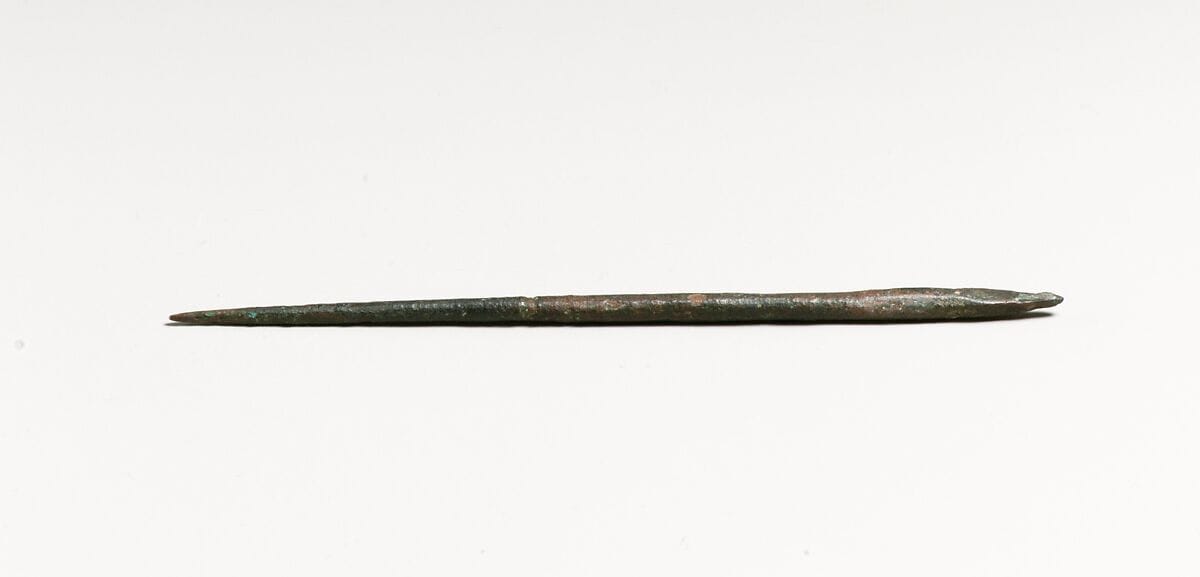
Awl
Bronze Age
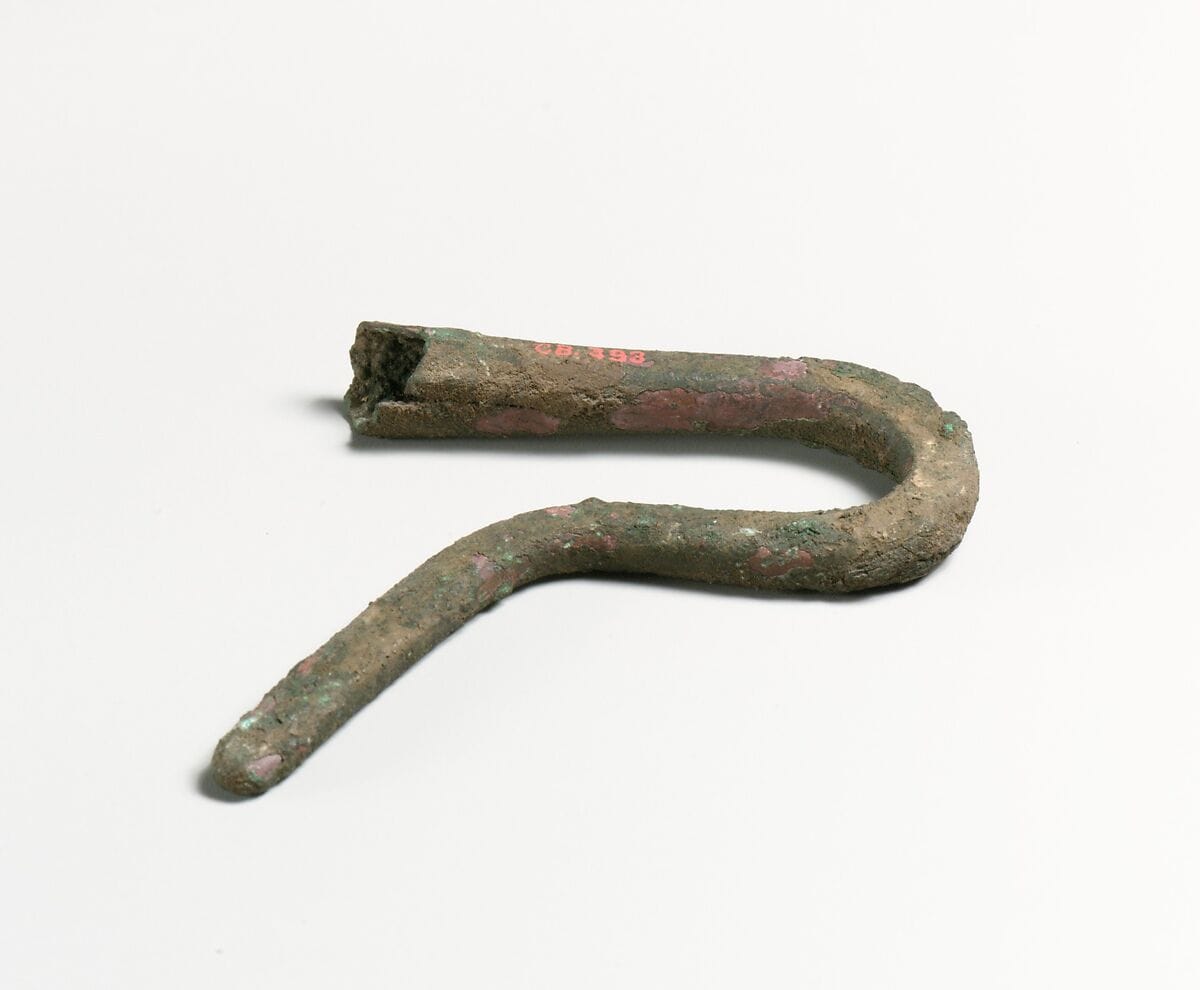
Shepherd's crook
Bronze Age
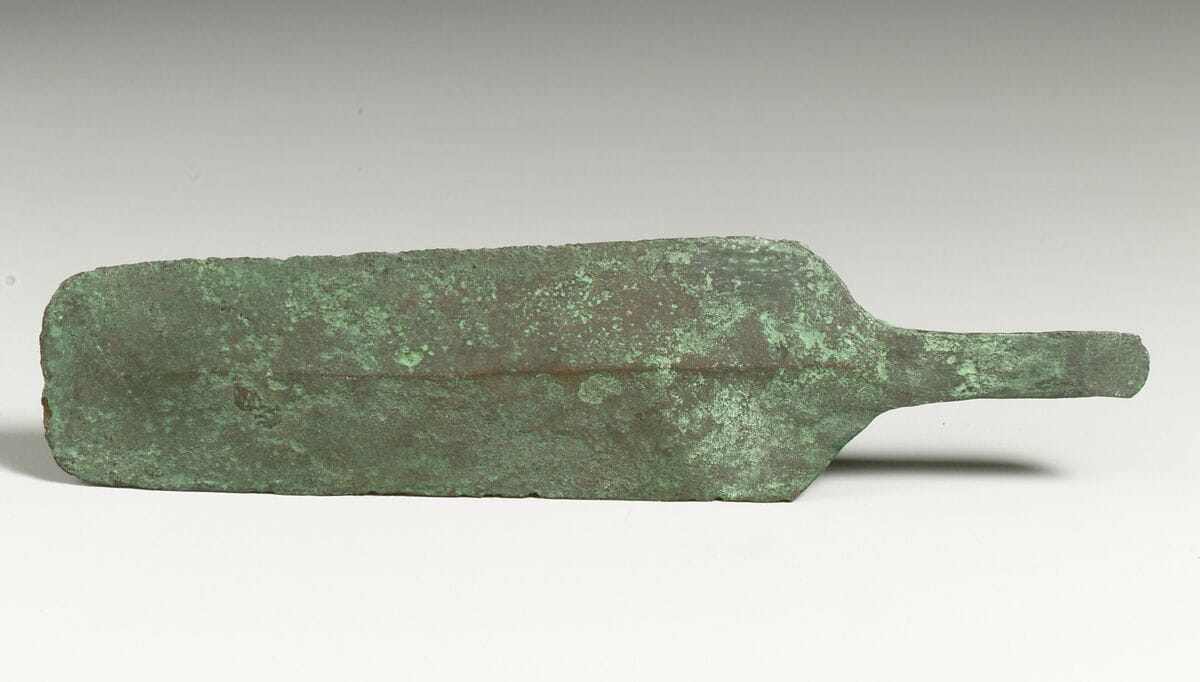
Copper alloy razor
Middle Bronze Age II