
Hellenistic
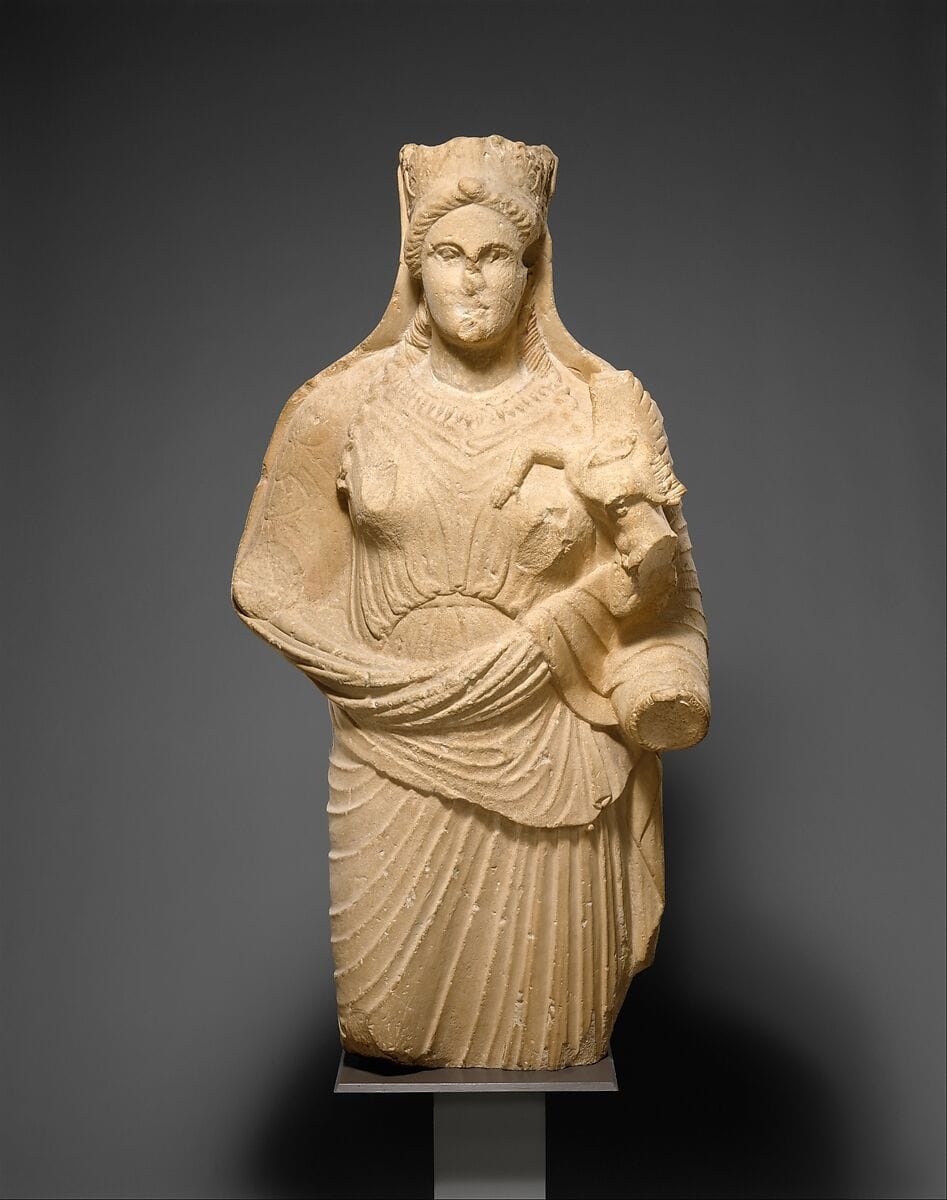
Limestone statue of Aphrodite holding winged Eros
From the eighth century B.C. the Greek poets associated the goddess Aphrodite with Cyprus, but on the island itself the local Great Goddess did not become assimilated with Aphrodite until the fourth century B.C., when the worship of many Greek divinities was introduced. In this work the goddess is clearly identified as Aphrodite by the small figure of her son Eros, winged god of love, who perches on her shoulder. The Cypriots did not adopt a conventional Greek way to represent Aphrodite but transferred their own iconography for the Great Goddess of the island to their images of Aphrodite. From the ninth to the sixth century B.C. images of the Cypriot Great Goddess were inspired by Eastern art, especially that of the Syro-Phoenician goddess Astarte, who appeared nude. From the fifth century the local goddess was shown with a high round headdress decorated with vegetal and floral motifs, as befits a fertility goddess. Here Aphrodite wears such a crown decorated with palmettes alternating with nude females—recalling the figures of Astarte. She has long locks falling over her shoulders, a motif taken from early Greek sculpture, and she wears a chiton with himation (cloak) drawn up over the back of the headdress. 49 3/4 × 26 × 10 in., 450 lb. (126.4 × 66 × 25.4 cm, 204.1 kg)
Date
330 - 300 BC
Accession No.
74.51.2464
Collection
Metropolitan Museum of Art
Provenance
- Sanctuary of Golgoi-Ayios Photios
References
- Cesnola, Luigi Palma di. 1885. A Descriptive Atlas of the Cesnola Collection of Cypriote Antiquities in the Metropolitan Museum of Art, New York, Vol. 1. pl. CVII.695, Boston: James R. Osgood and Company.Myres, John L. 1914. Handbook of the Cesnola Collection of Antiquities from Cyprus. no. 1405, New York: The Metropolitan Museum of Art.Vessberg, Olof and Alfred Wesholm. 1956. The Swedish Cyprus Expedition, Vol. 4, Pt. 3. p. 88, pl. IX.1, Stockholm: Håkan Ohlssons Boktryckeri.Lexicon Iconographicum Mythologiae Classicae (LIMC). 1984. Vol. 2: Aphrodisias-Athena. "Aphrodite," p. 40, no. 264, pl. 7, Zürich: Artemis Verlag.Karageorghis, Vassos, Joan Mertens, and Marice E. Rose. 2000. Ancient Art from Cyprus: The Cesnola Collection in The Metropolitan Museum of Art. no. 341, p. 212, New York: The Metropolitan Museum of Art.Karageorghis, Jacqueline. 2005. Kypris: the Aphrodite of Cyprus: Ancient Sources and Archaeological Evidence. p. 166, fig. 167, Nicosia, Cyprus: Foundation Anastasios G. Leventis.Picón, Carlos A. 2007. Art of the Classical World in the Metropolitan Museum of Art: Greece, Cyprus, Etruria, Rome no. 299, pp. 259, 465, New York: The Metropolitan Museum of Art.Ulbrich, Anja. 2010. "Images of Cypriot Aphrodite in Her Sanctuaries During the Age of the City-Kingdoms." Brill's Companion to Aphrodite, Amy C. Smith and Sadie Pickup, eds. pp. 189, 191-92, fig. 9.9, Leiden: Brill.Hermary, Antoine and Joan R. Mertens. 2013. The Cesnola Collection of Cypriot Art : Stone Sculpture. no. 357, pp. 263-64, Online Publication, New York: The Metropolitan Museum of Art.Papantoniou, Giorgos. 2013. "Cypriot Autonomous Polities at the Crossroads of Empire: The Imprint of a Transformed Islandscape in the Classical and Hellenistic Periods." Bulletin of the American Schools of Oriental Research, 370: pp. 175-76, fig. 5.Metropolitan Museum of Art. 2020. ART = Discovering Infinite Connections in Art History. p. 140, New York: Phaidon Press.Bombardieri, Luca and Elisa Panero. 2021. Cyprus: Crossroads of Civilizations : exhibition catalog p. 145, fig. 11, London: DeArtcom.
More from the Catalogue
Browse related objects
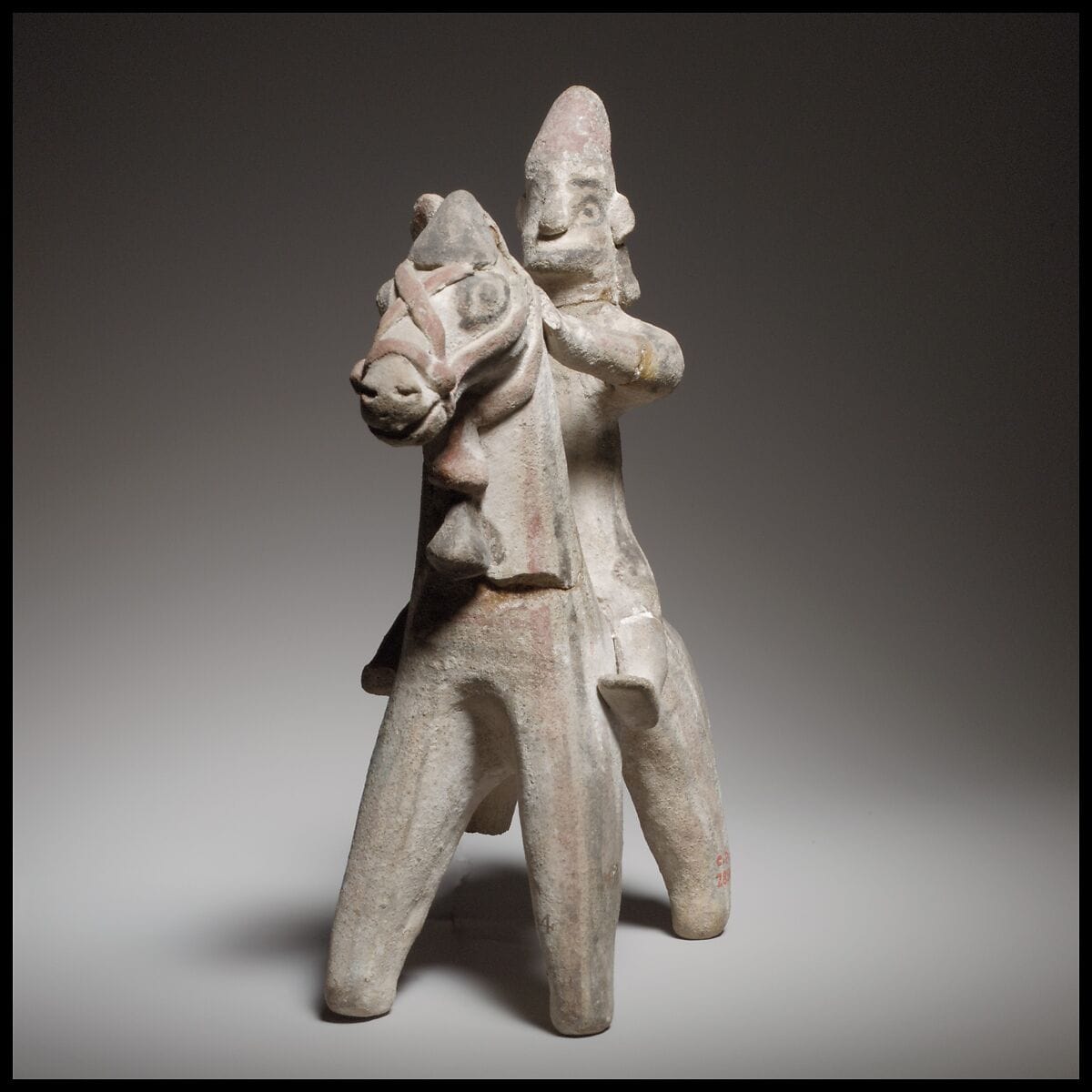
Horse and rider figurine
Archaic II
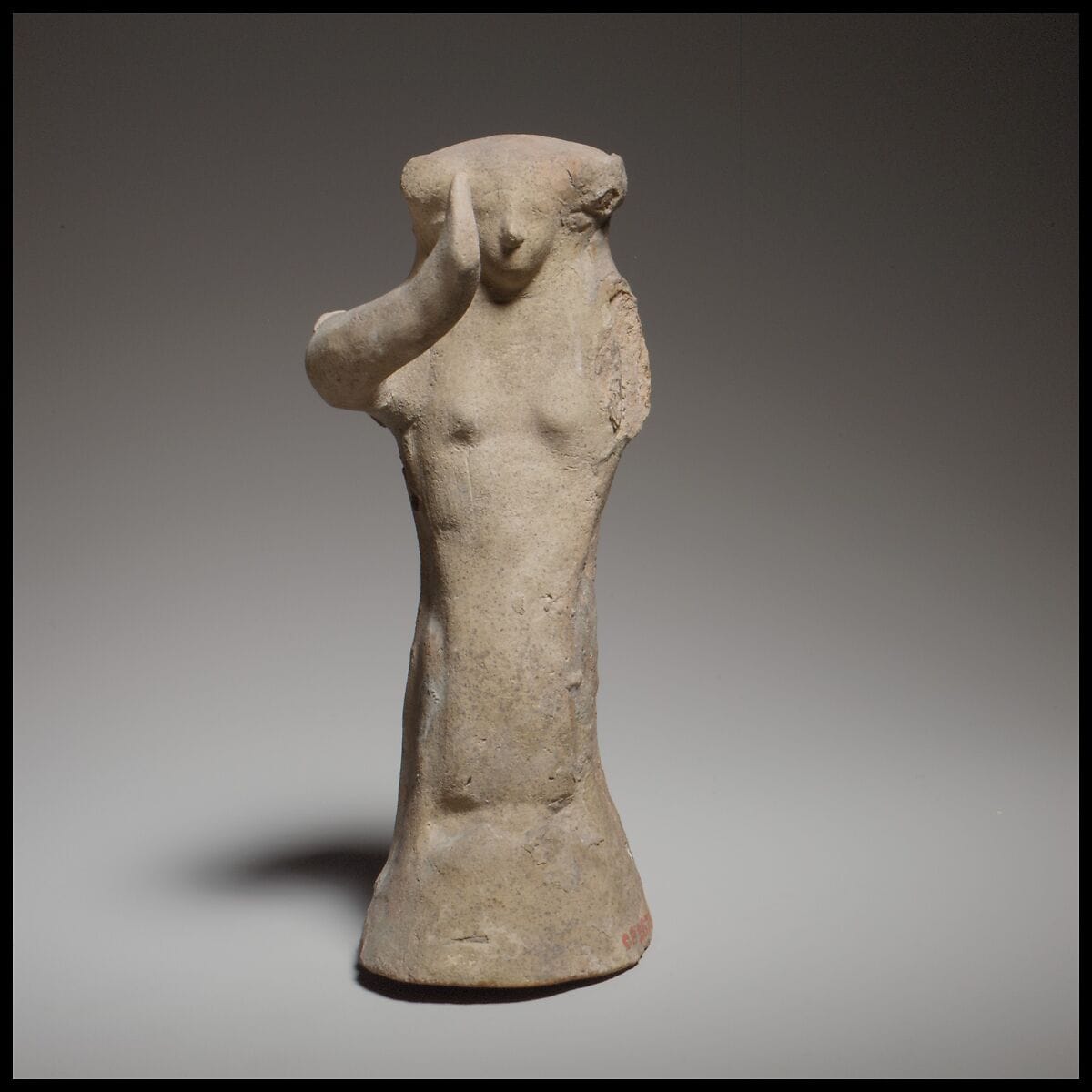
Seated female figurine of the dea gravida type
Archaic II
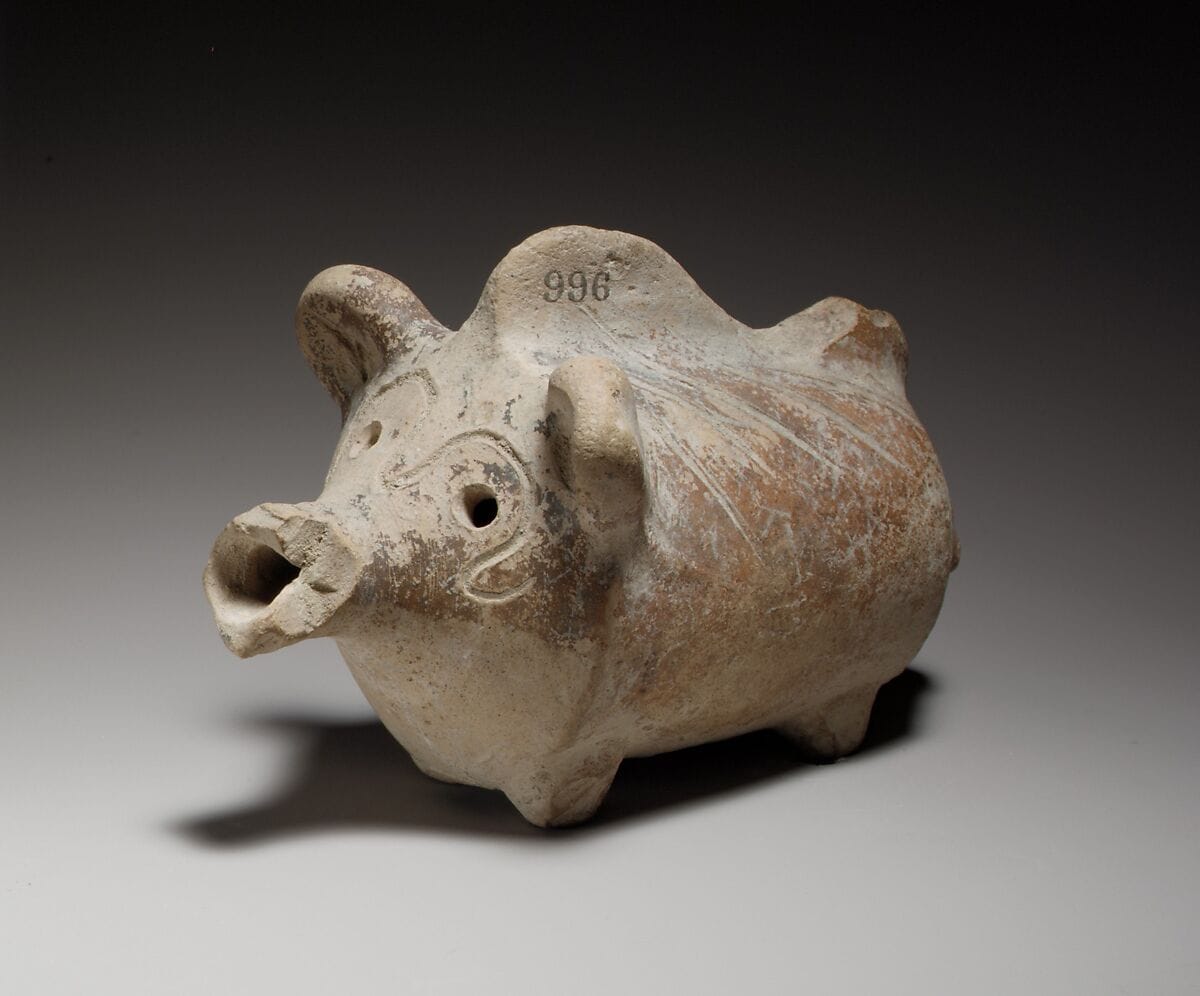
Terracotta rattle in the form of a pig
Hellenistic
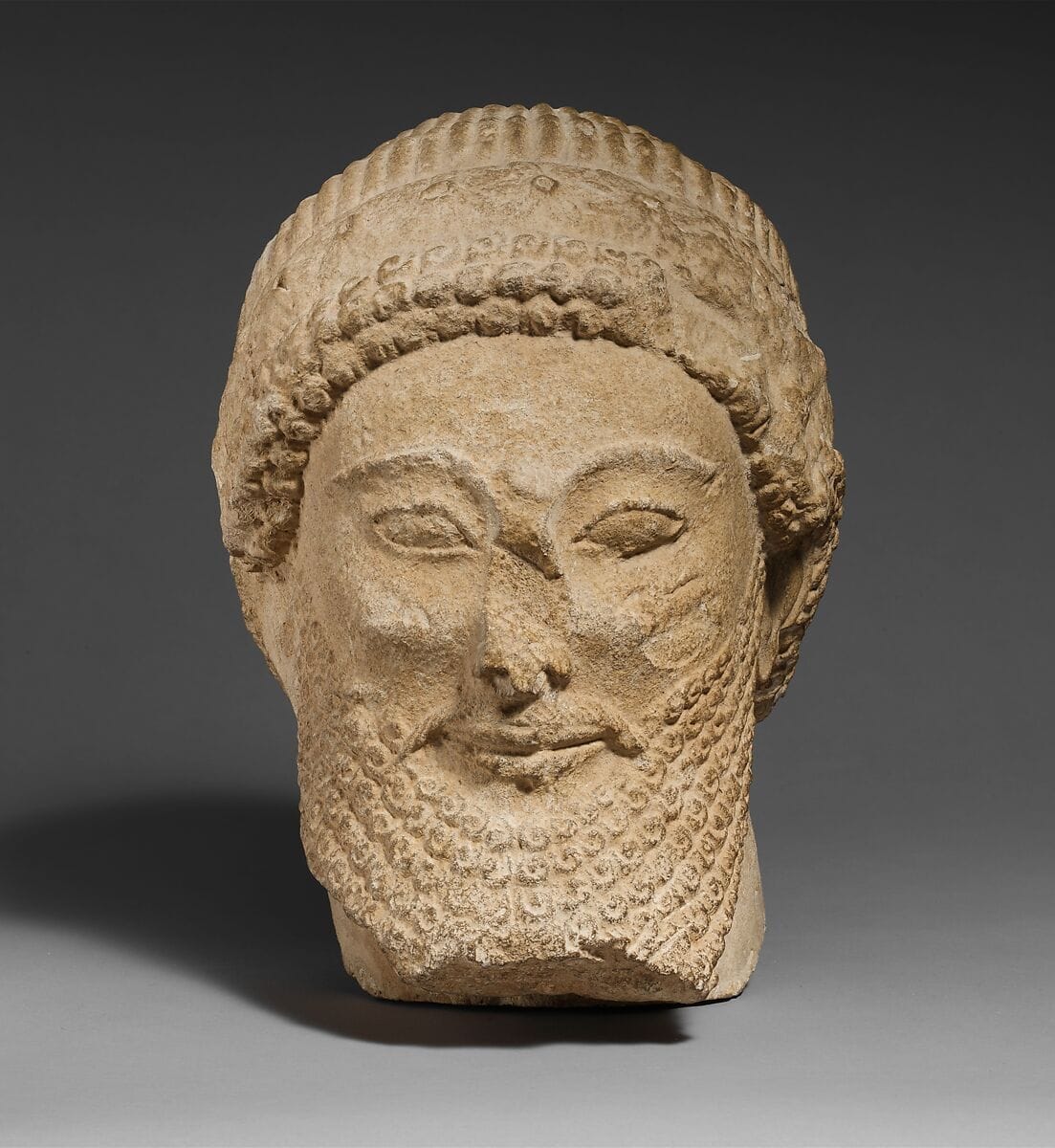
Limestone head of a bearded male with a wreath of flowers
Archaic II
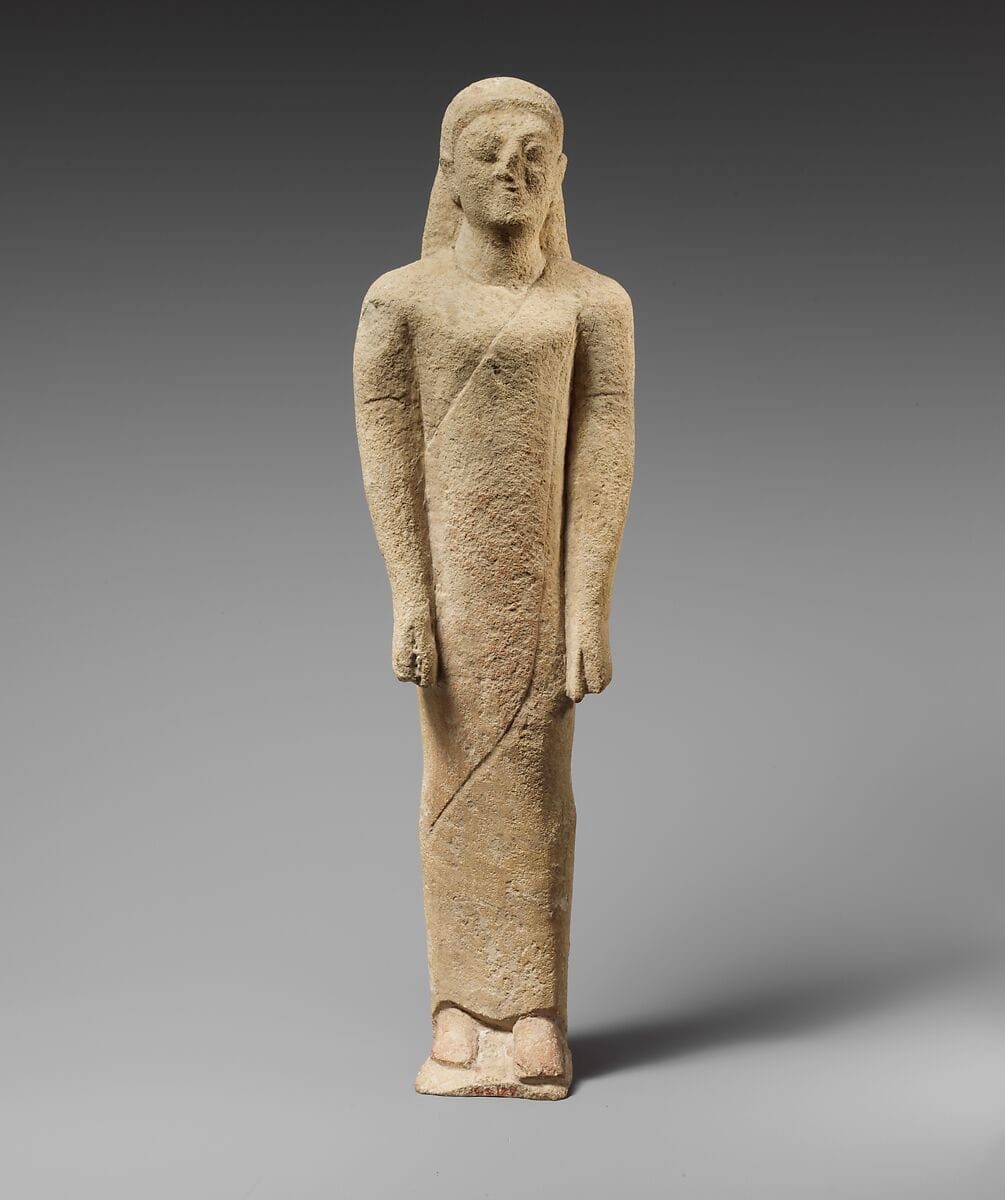
Limestone statuette of a beardless male votary in Greek dress
Archaic II
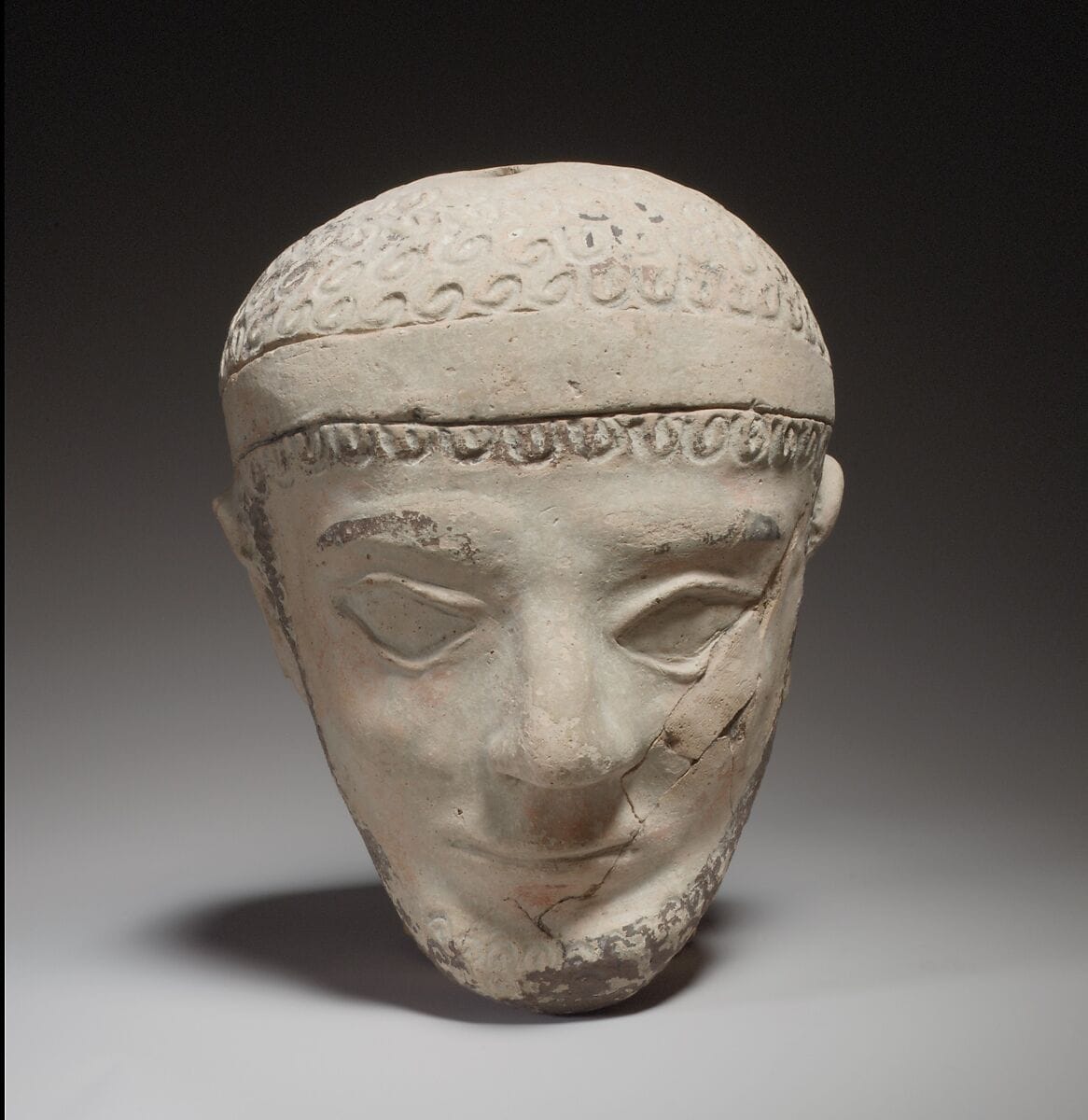
Terracotta head of a man
Archaic II
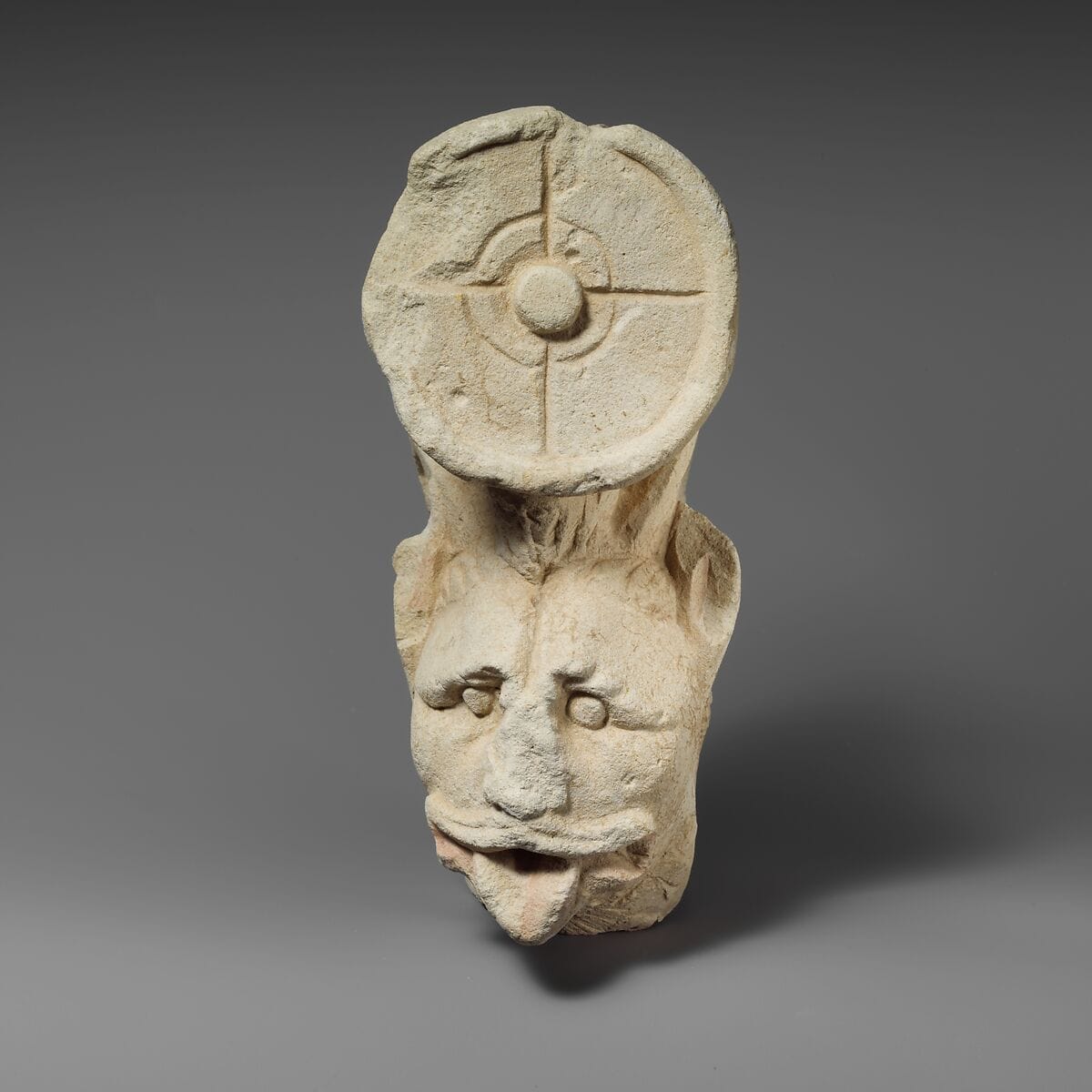
Fragment of a limestone throne (?) with the head of a horned lion
Roman
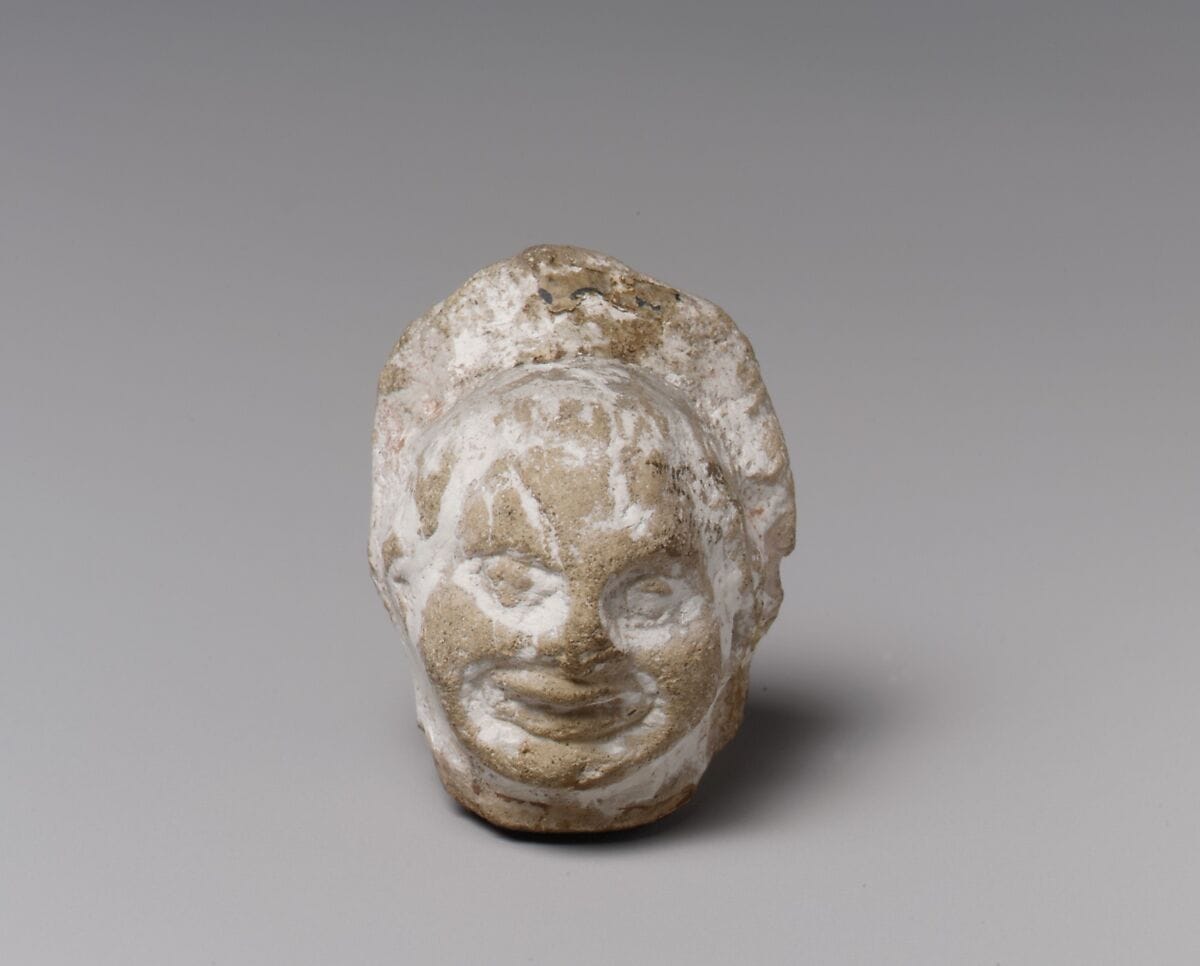
Head of a comic figurine
Hellenistic
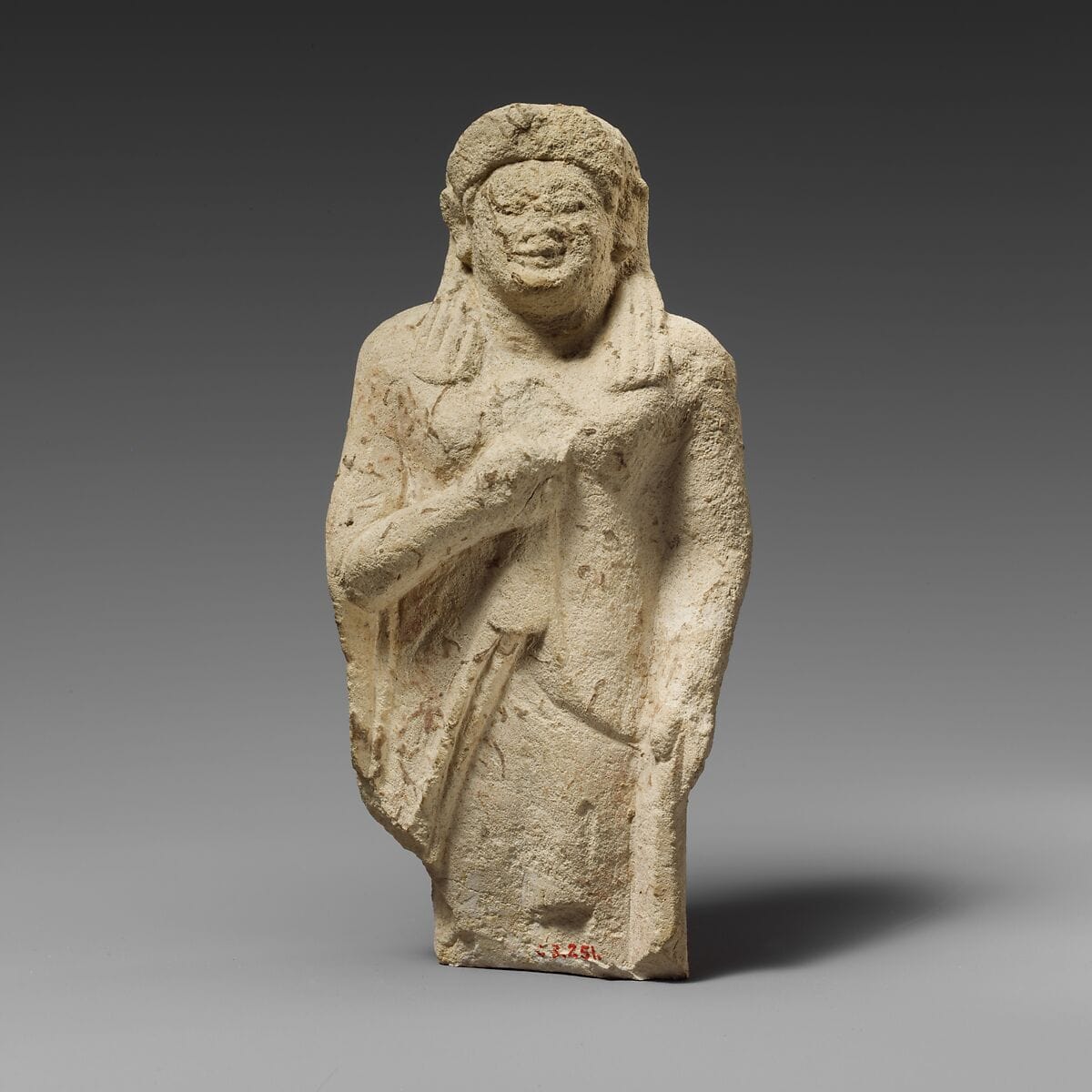
Limestone statuette of a female votary of the kore type
Archaic II
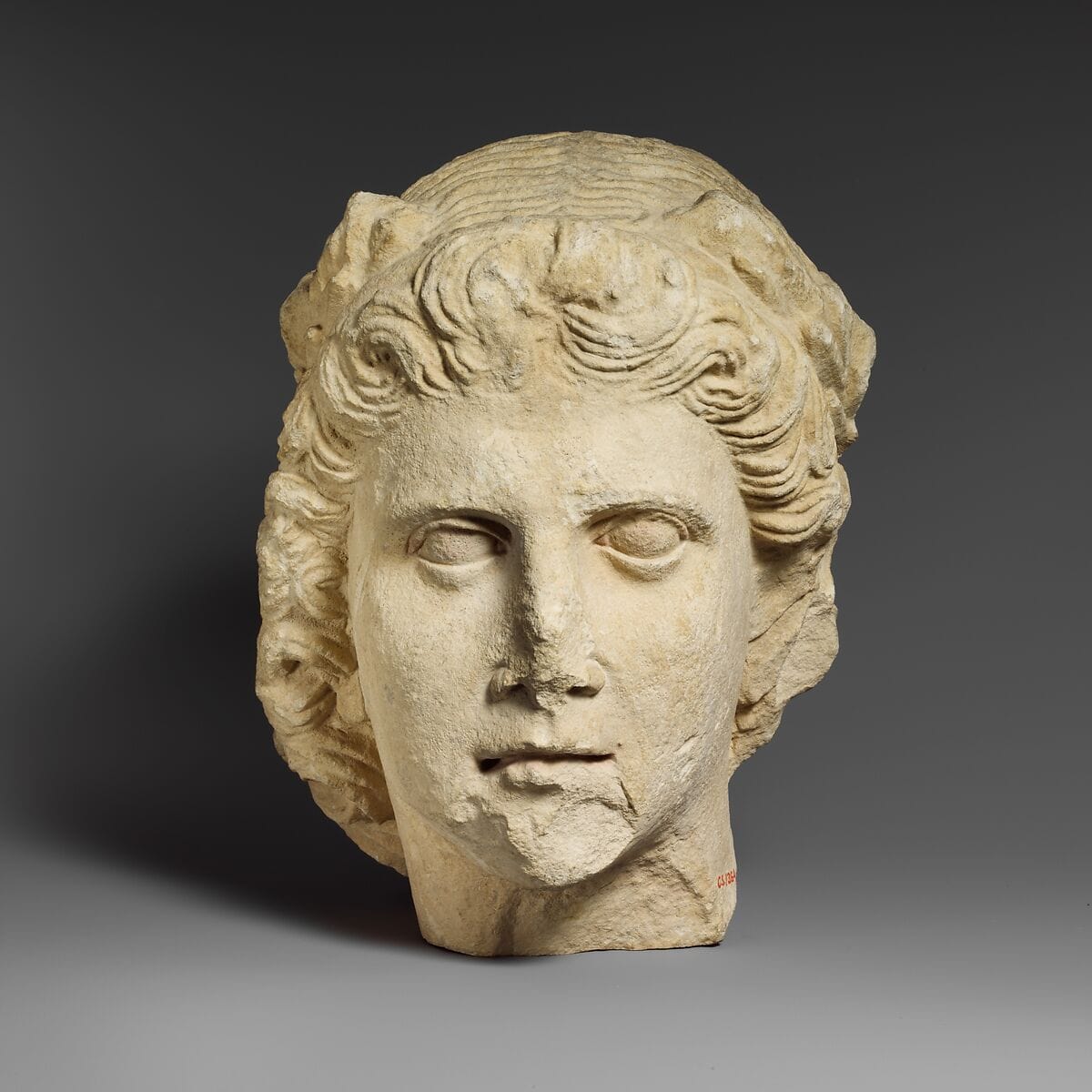
Limestone head of Apollo
Hellenistic
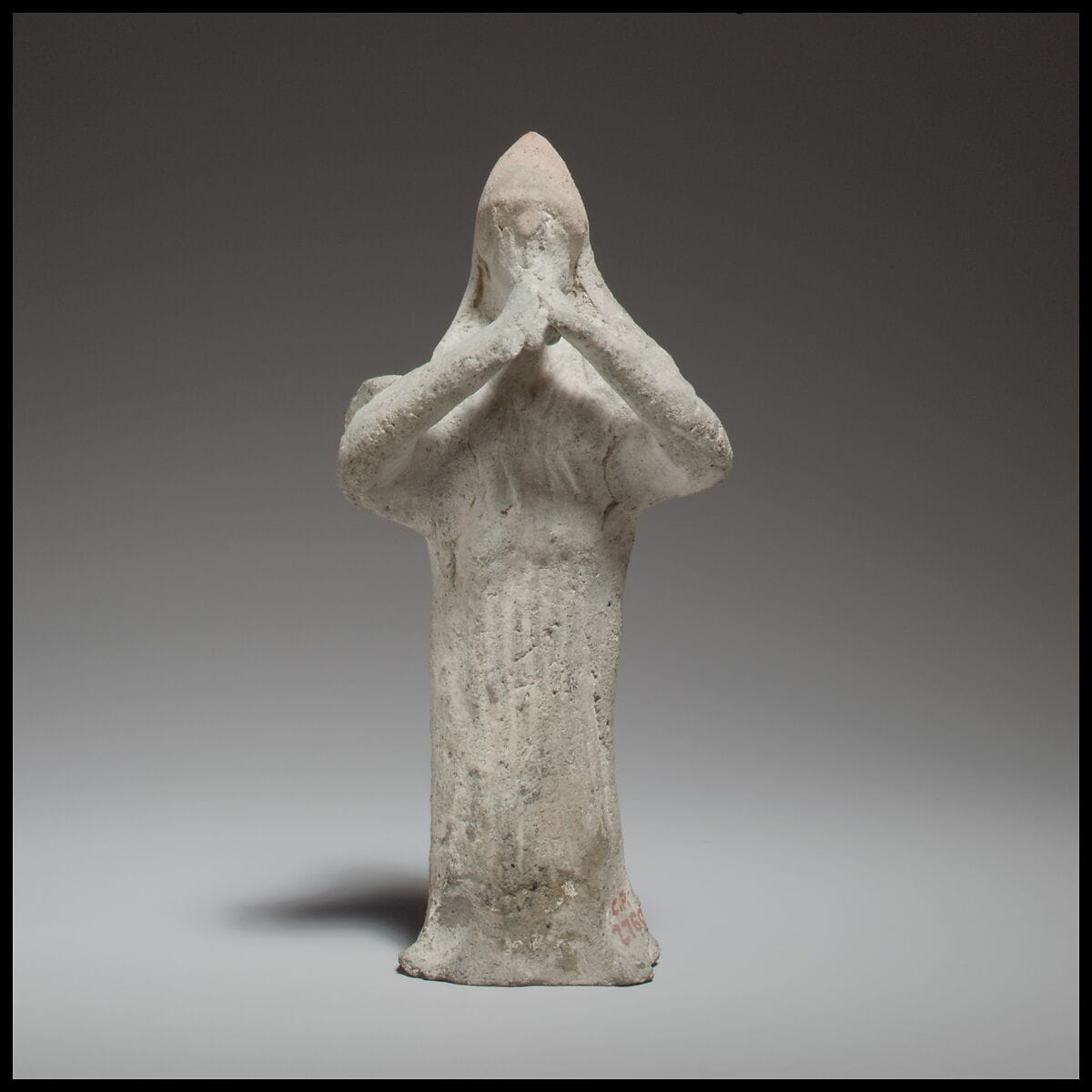
Standing female flute player
Classical
Standing female figurine
Archaic II
Horse's head with harness
Archaic II
Limestone statuette of a mourning siren
Hellenistic
Standing female figurine
Archaic II
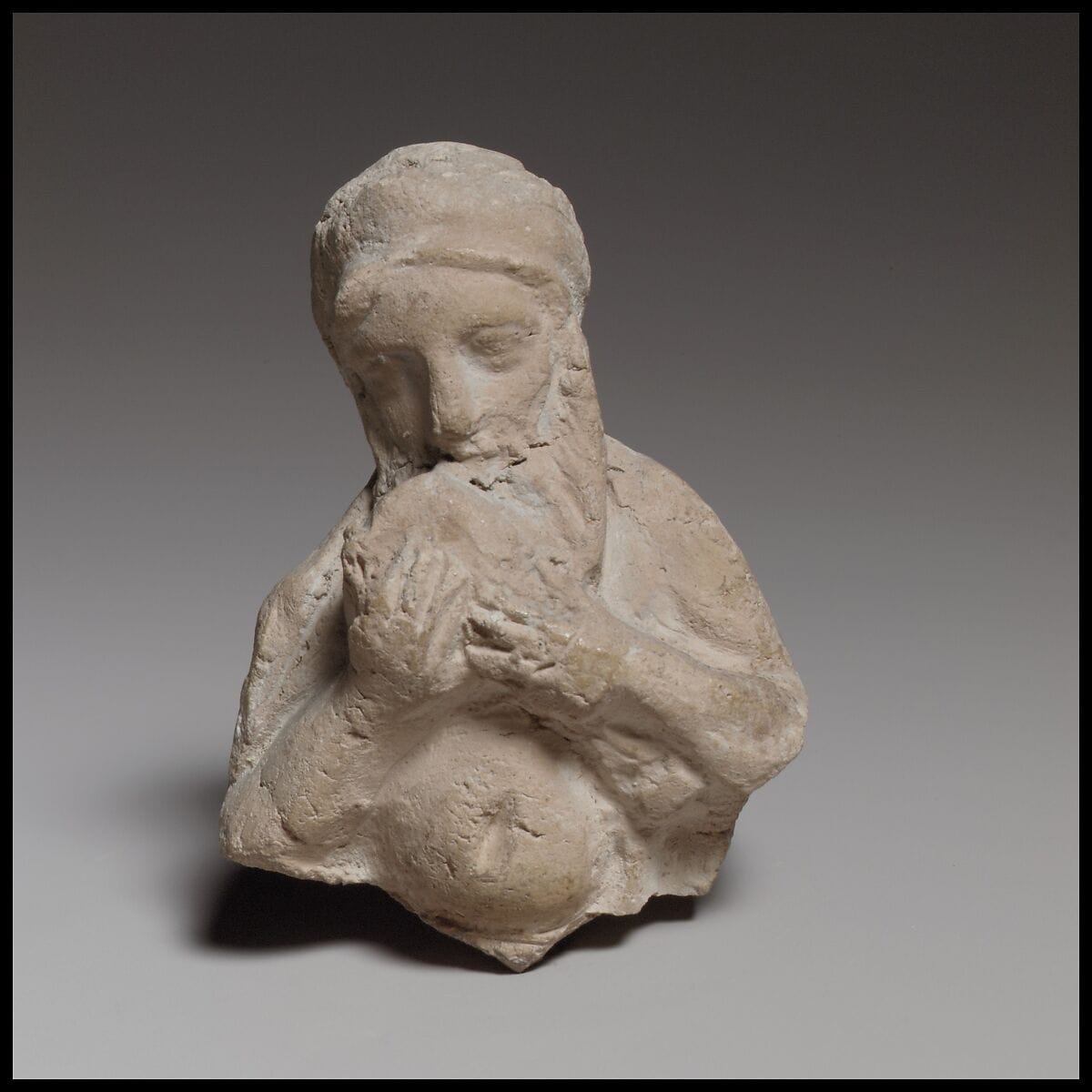
Terracotta statuette of Silenos (?) drinking
Hellenistic
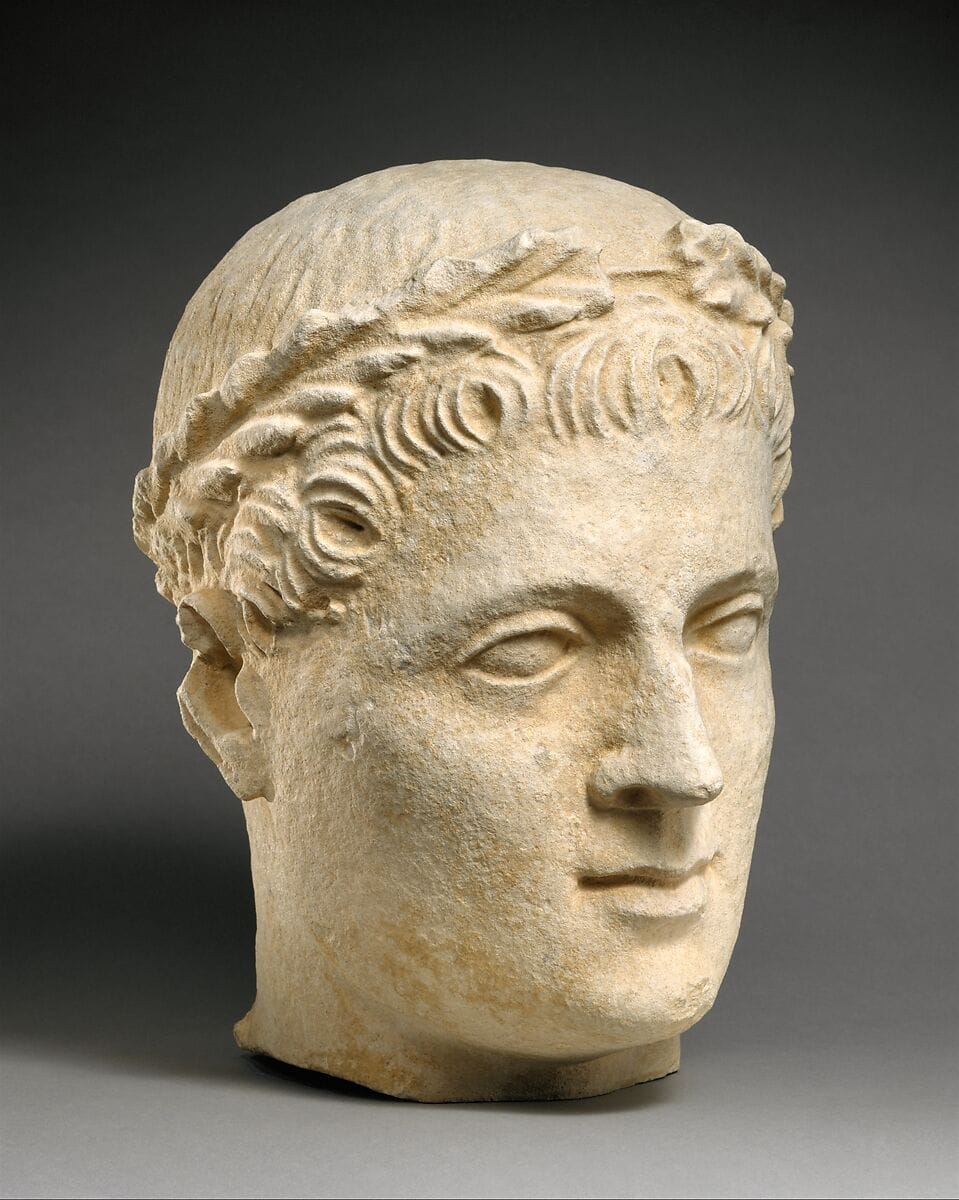
Limestone head of beardless male votary with wreath of leaves
Hellenistic
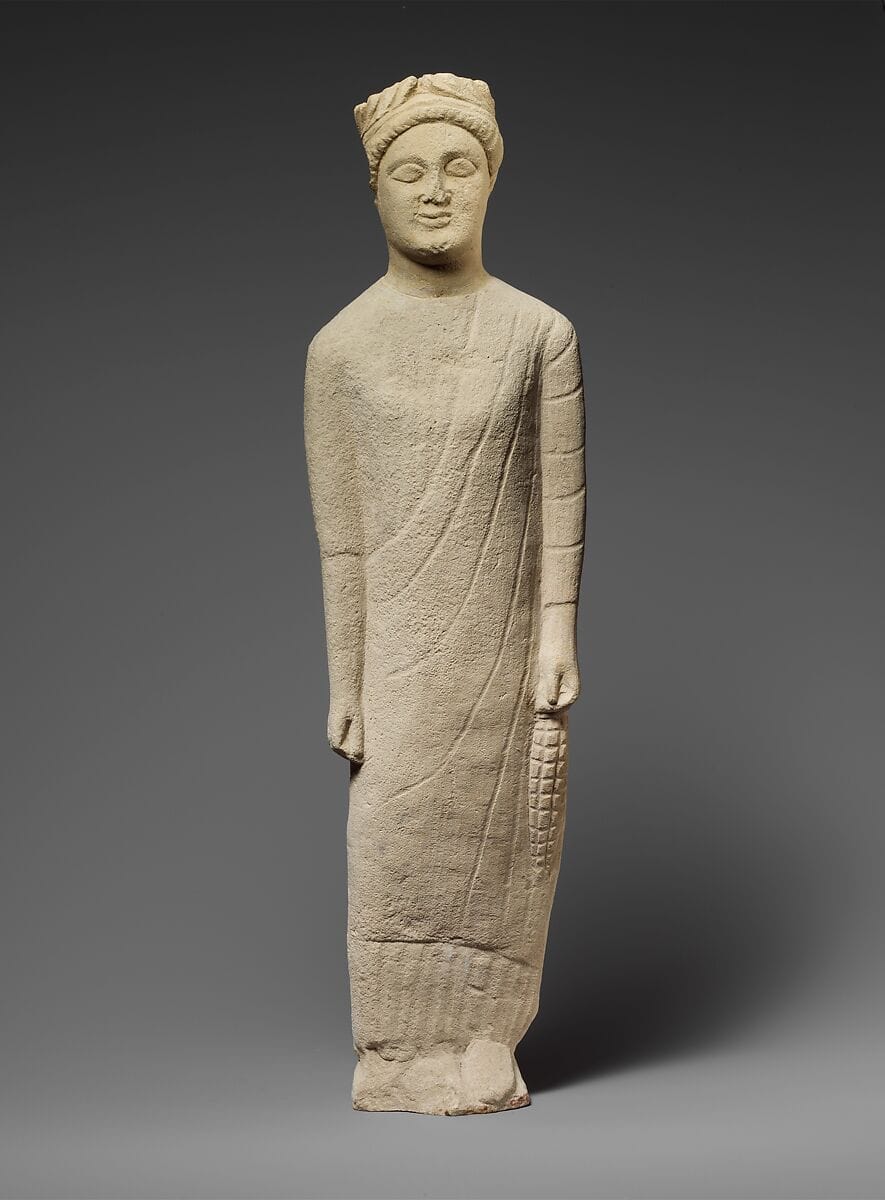
Limestone statuette of a beardless male votary with a wreath of leaves
Classical