
Archaic II
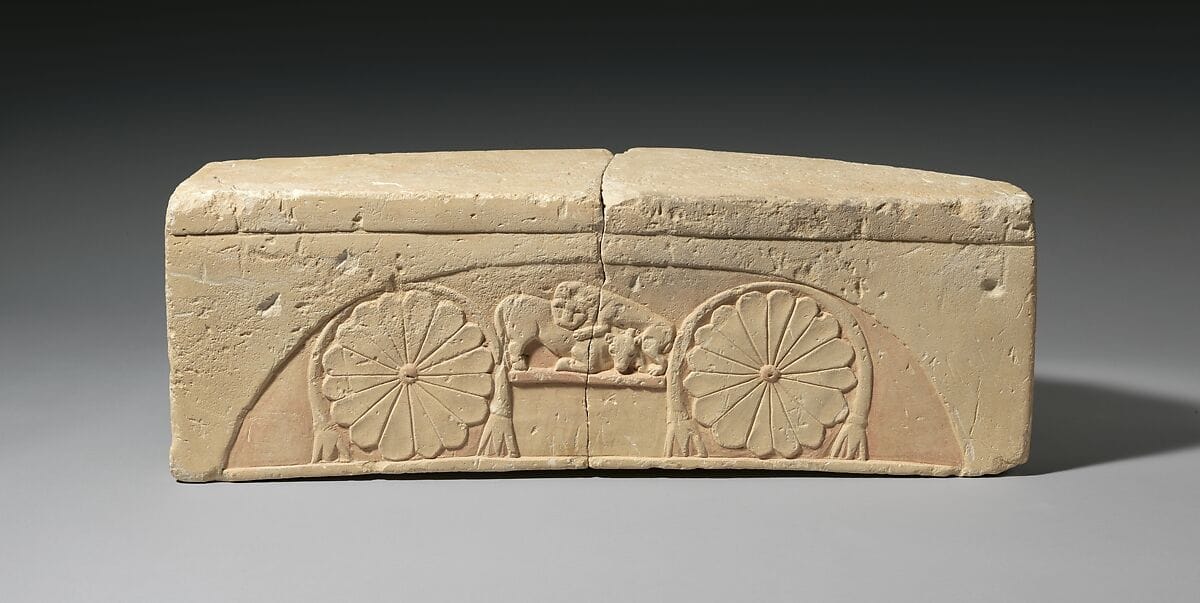
Limestone footstool
The front is decorated with the relief of a lion attacking a bull—a motif with a long tradition in the Levant as well as Greece. The animals are flanked by large rosettes over which hang lotus blossoms. Stone footstools of this type were found next to a large stone sarcophagus in one of the built "royal" tombs at Tamassos, a city-kingdom not far from Golgoi. WebPub GR 2012 Cesnola: 8 × 23 1/4 × 9 in., 60 lb. (20.3 × 59.1 × 22.9 cm, 27.2 kg)
Date
500 - 450 BC
Accession No.
74.51.2678
Collection
Metropolitan Museum of Art
Provenance
- From “the ruins of Golgoi” (Cesnola 1885), not the sanctuary of Golgoi-Ayios Photios (Cesnola 1877)
References
- Cesnola, Luigi Palma di. 1877. Cyprus: Its Ancient Cities, Tombs, and Temples. A Narrative of Researches and Excavations During Ten Years' Residence in That Island. p. 159, London: John Murray.Cesnola, Luigi Palma di. 1885. A Descriptive Atlas of the Cesnola Collection of Cypriote Antiquities in the Metropolitan Museum of Art, New York, Vol. 1. pl. CXXII.906, Boston: James R. Osgood and Company.Myres, John L. 1914. Handbook of the Cesnola Collection of Antiquities from Cyprus. no. 1373, New York: The Metropolitan Museum of Art.Masson, Olivier. 1968. "Kypriaka IV-VIII." Bulletin de Correspondance Hellénique, 92(2): p.382, fig. 6.Tatton-Brown, Veronica. 1984. "Sculptors at Golgoi." Report of the Department of Antiquities, Cyprus (RDAC) p. 172, n. 22b, pl. XXXIII:6.Karageorghis, Vassos, Joan Mertens, and Marice E. Rose. 2000. Ancient Art from Cyprus: The Cesnola Collection in The Metropolitan Museum of Art. no. 333, p. 207, New York: The Metropolitan Museum of Art.Hermary, Antoine and Joan R. Mertens. 2013. The Cesnola Collection of Cypriot Art : Stone Sculpture. no. 444, pp. 317-18, Online Publication, New York: The Metropolitan Museum of Art.
More from the Catalogue
Browse related objects
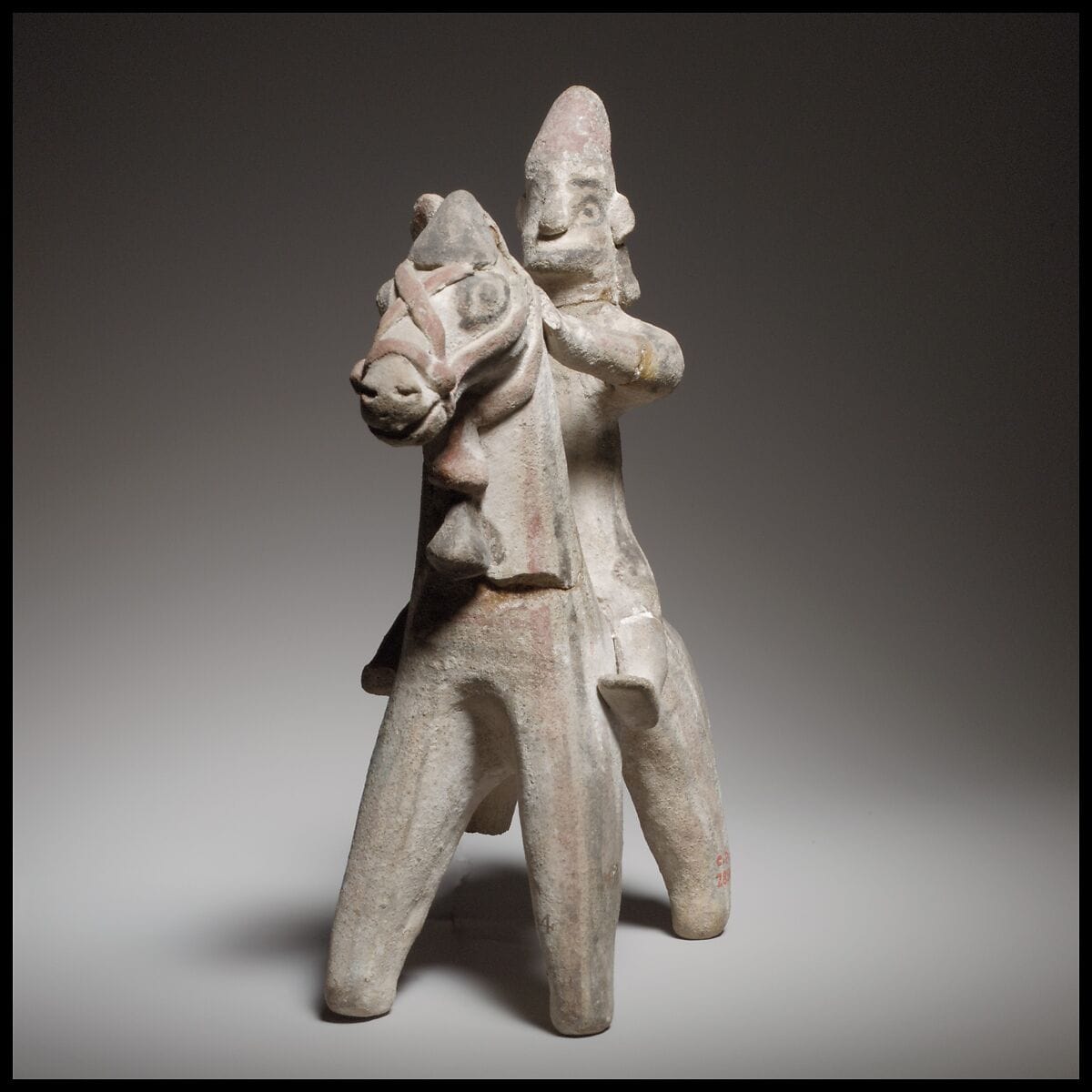
Horse and rider figurine
Archaic II
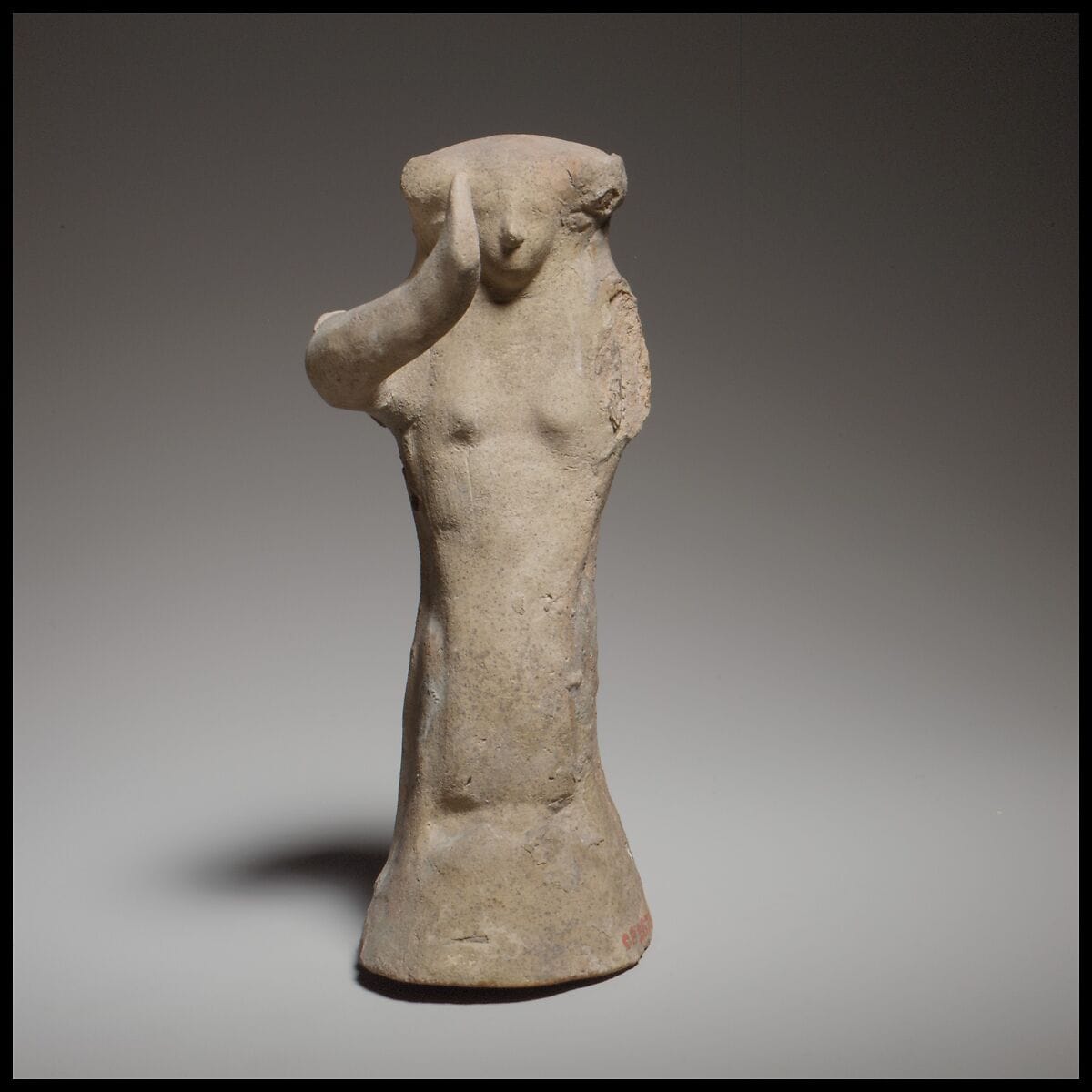
Seated female figurine of the dea gravida type
Archaic II
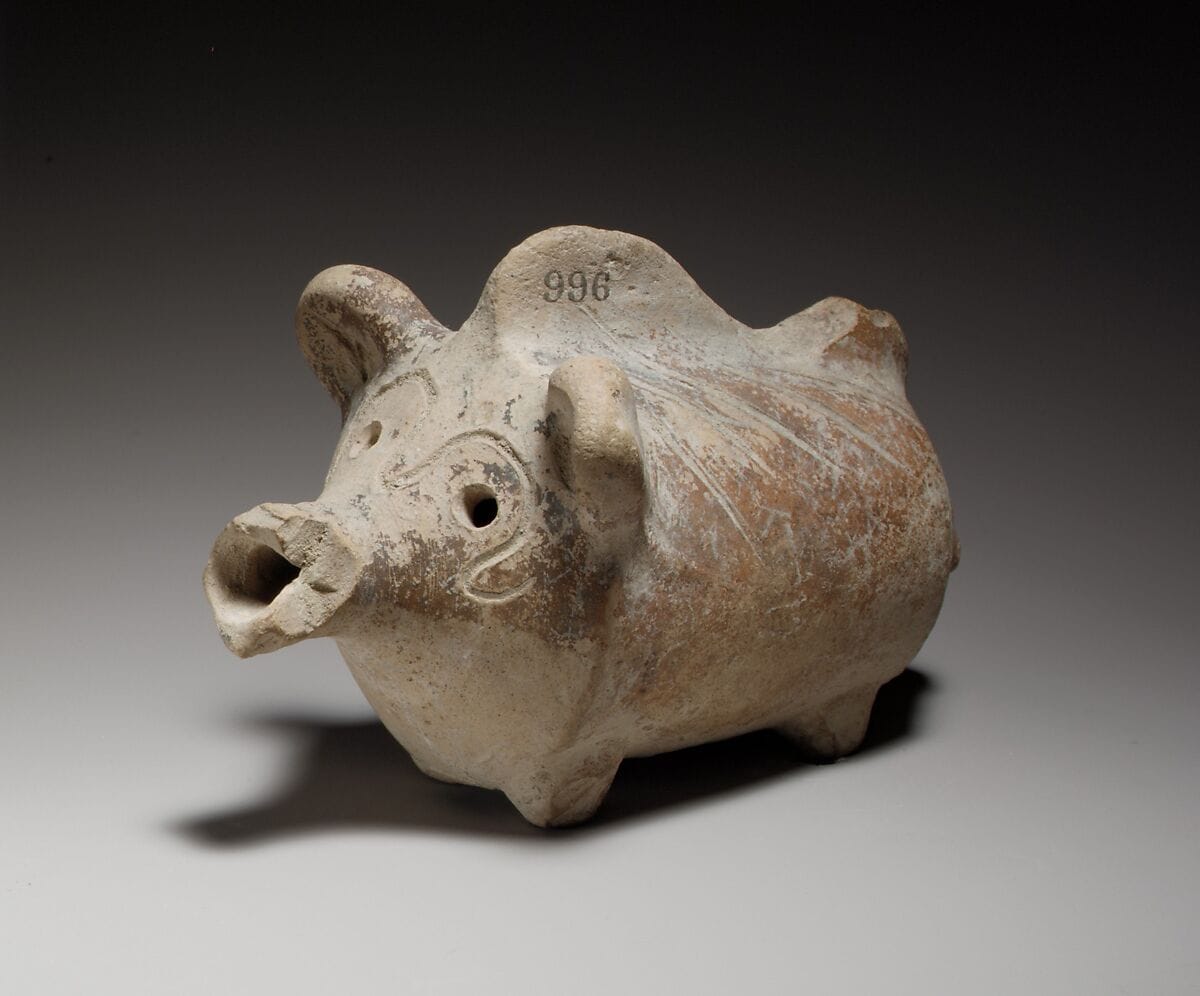
Terracotta rattle in the form of a pig
Hellenistic
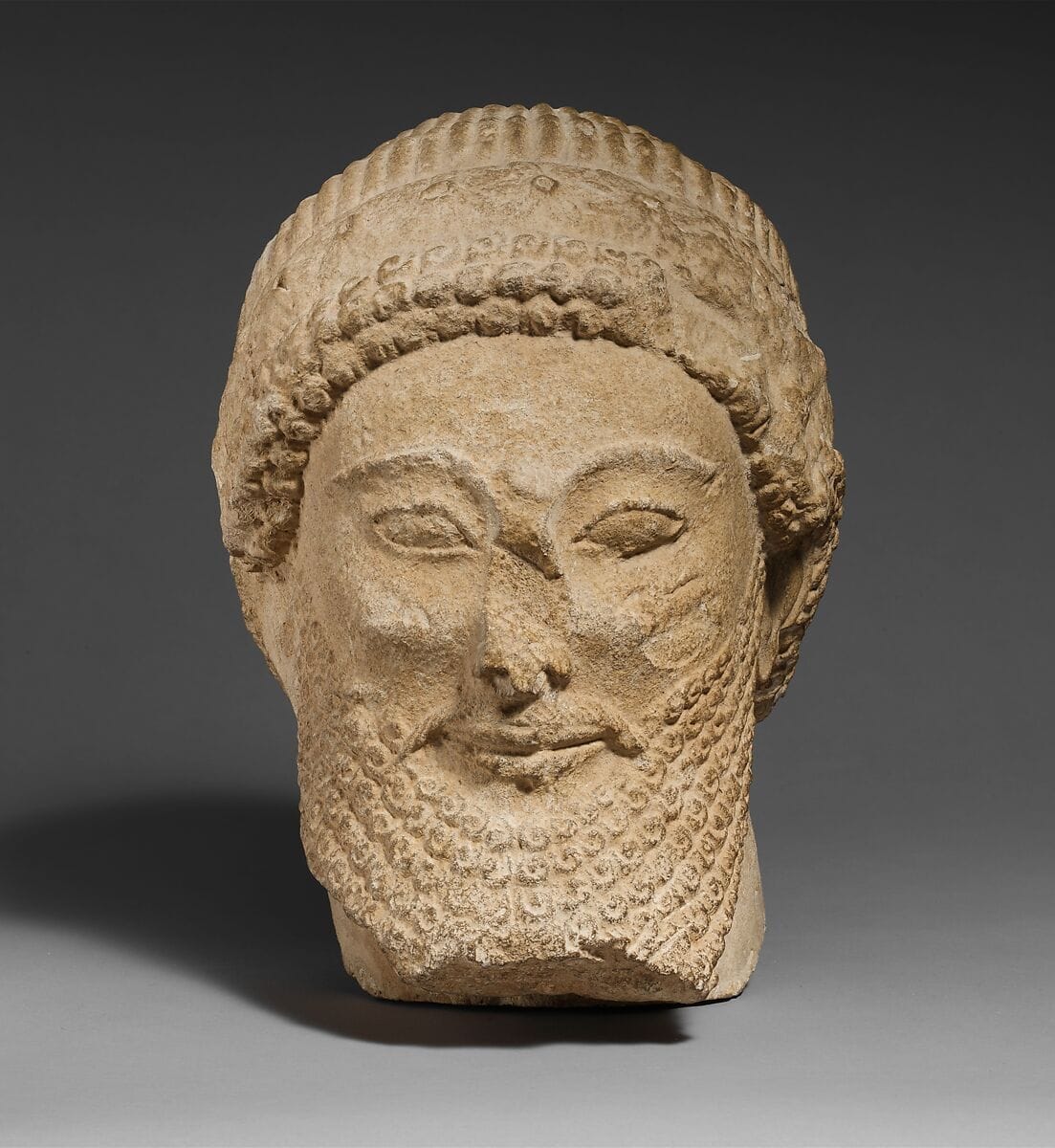
Limestone head of a bearded male with a wreath of flowers
Archaic II
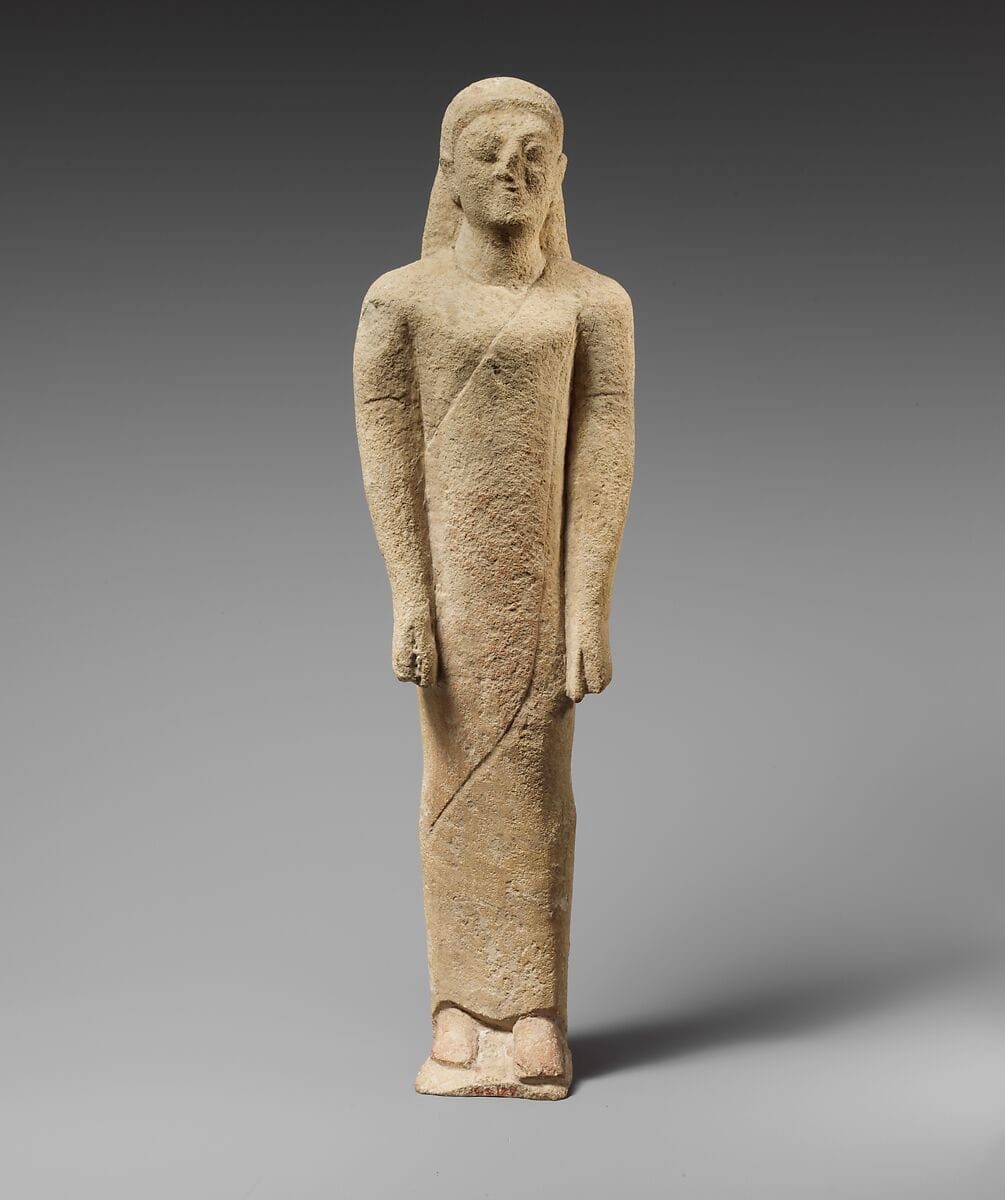
Limestone statuette of a beardless male votary in Greek dress
Archaic II
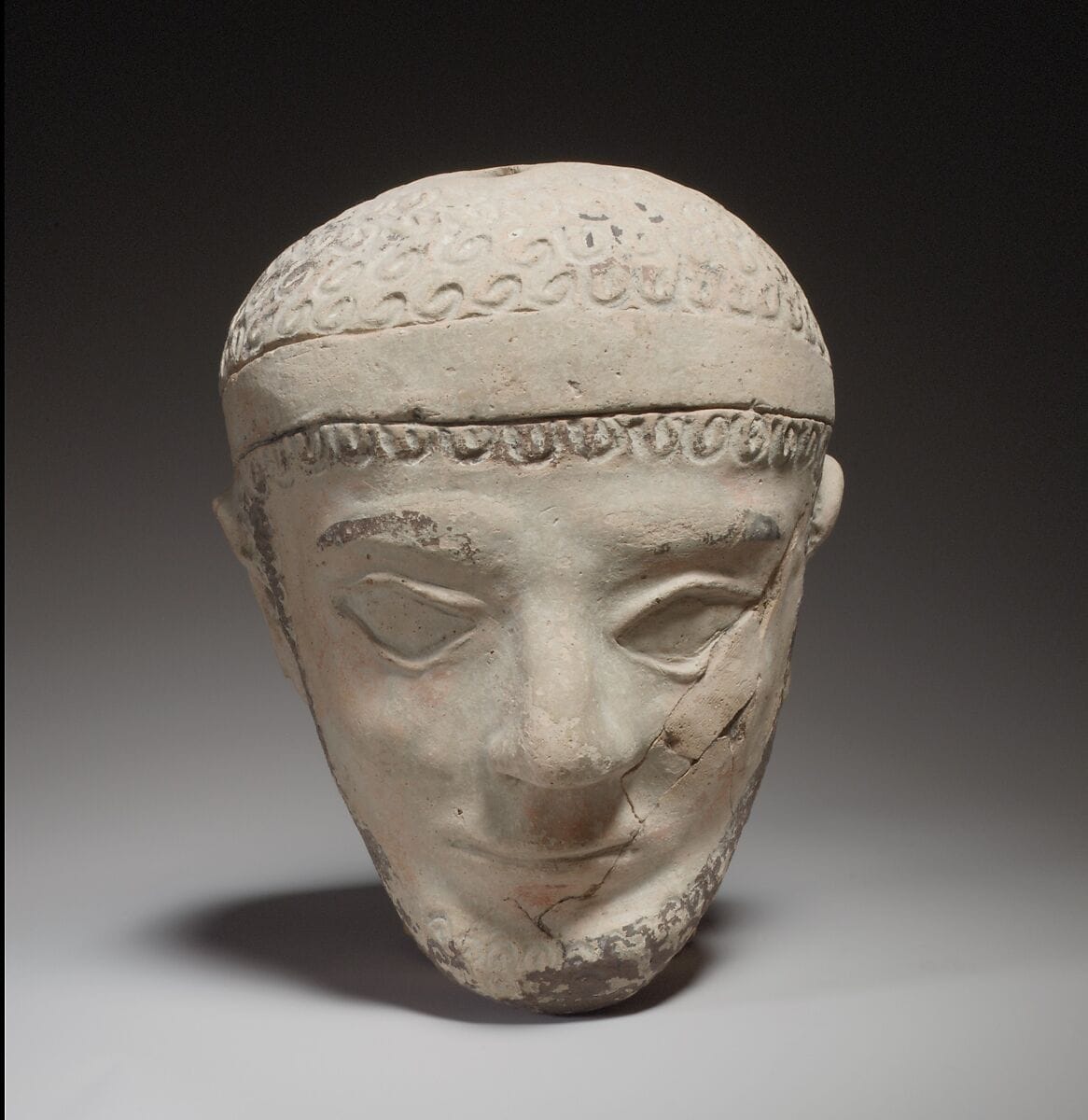
Terracotta head of a man
Archaic II
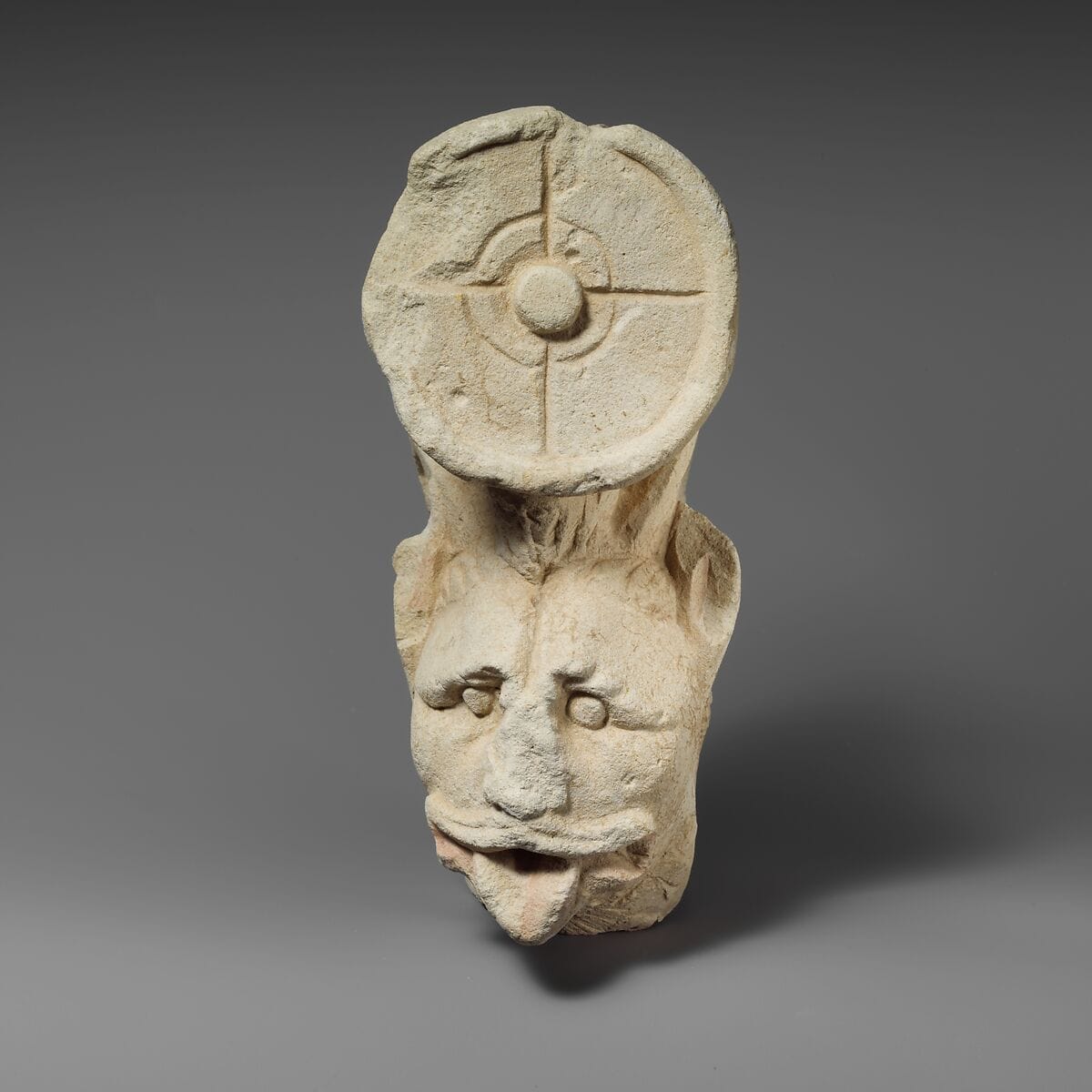
Fragment of a limestone throne (?) with the head of a horned lion
Roman
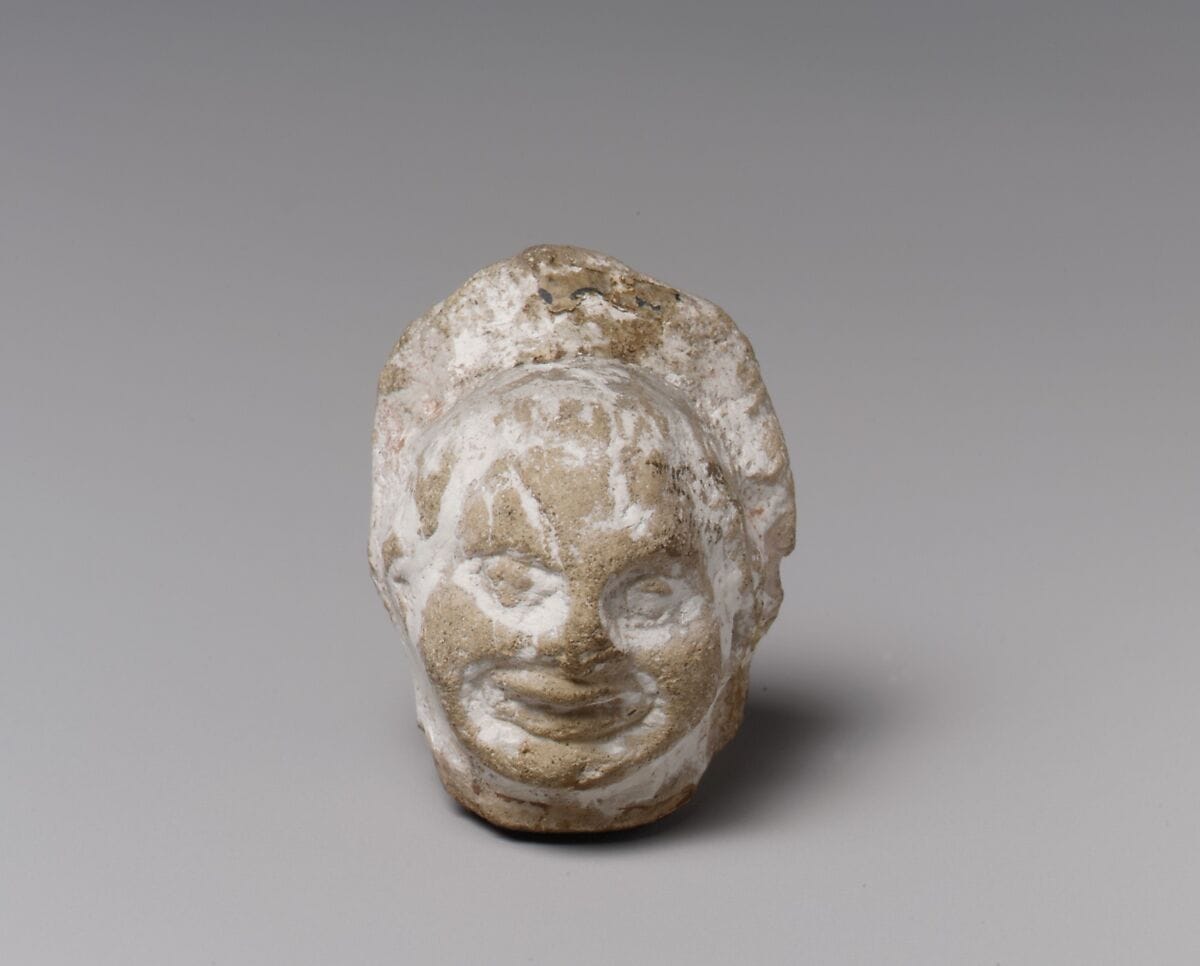
Head of a comic figurine
Hellenistic
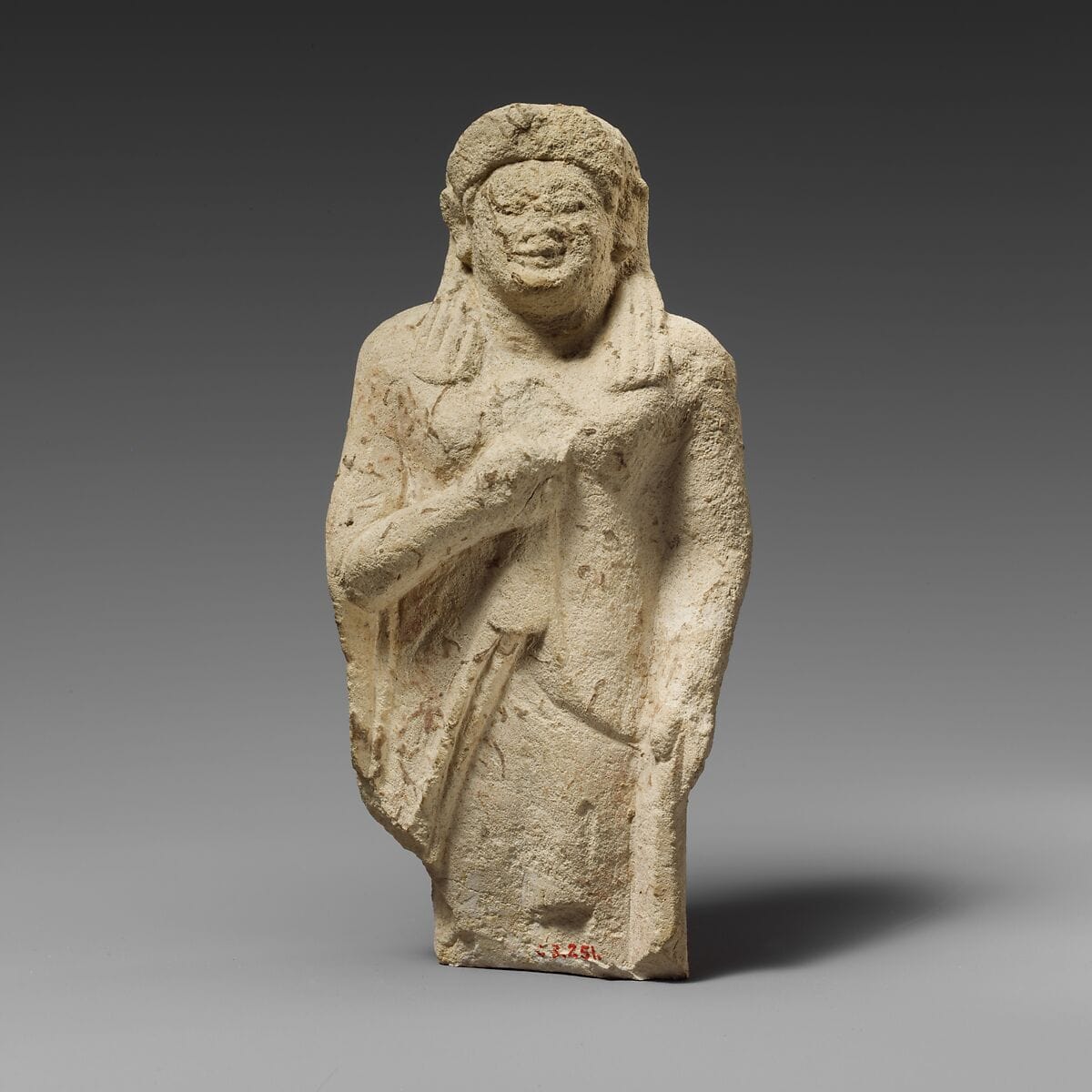
Limestone statuette of a female votary of the kore type
Archaic II
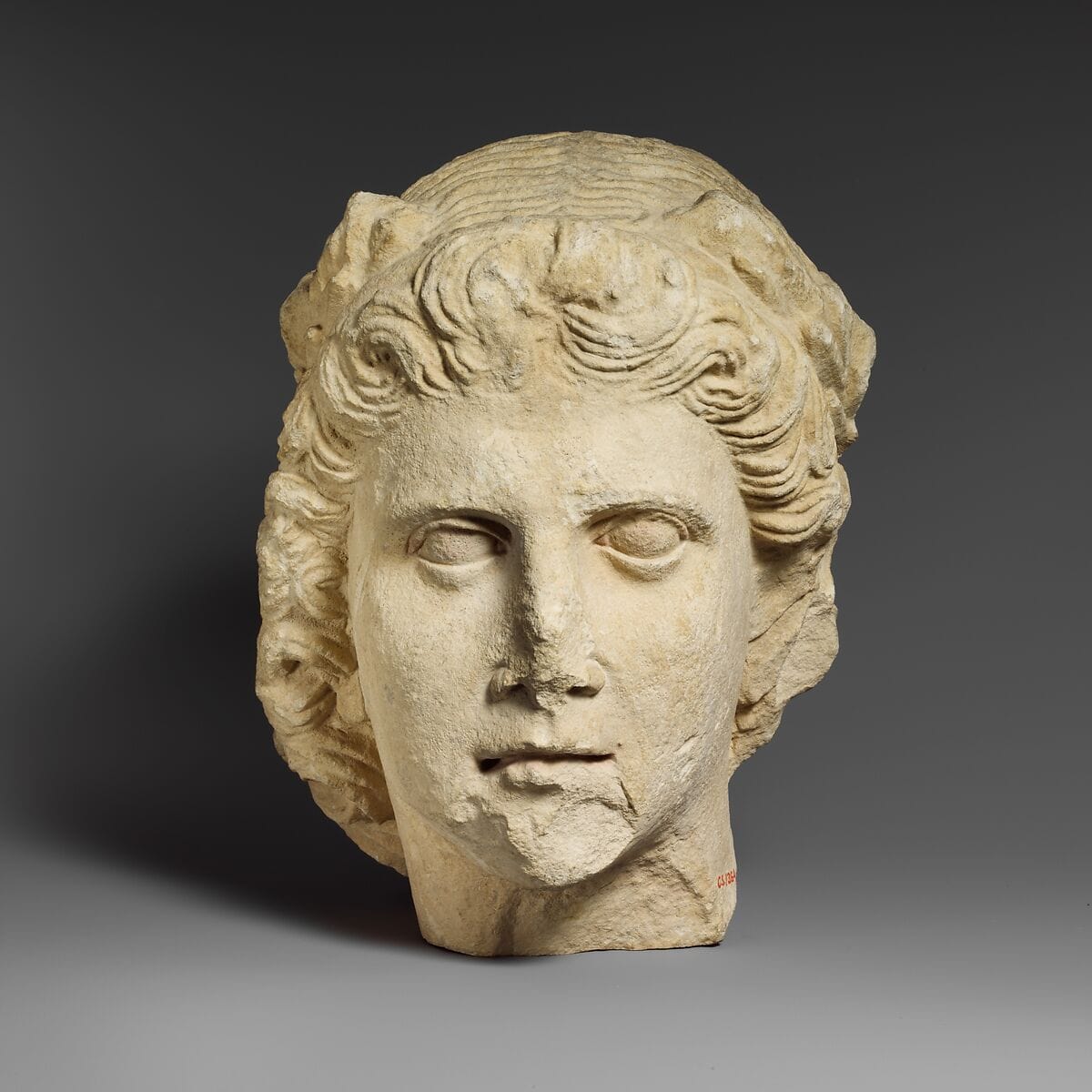
Limestone head of Apollo
Hellenistic
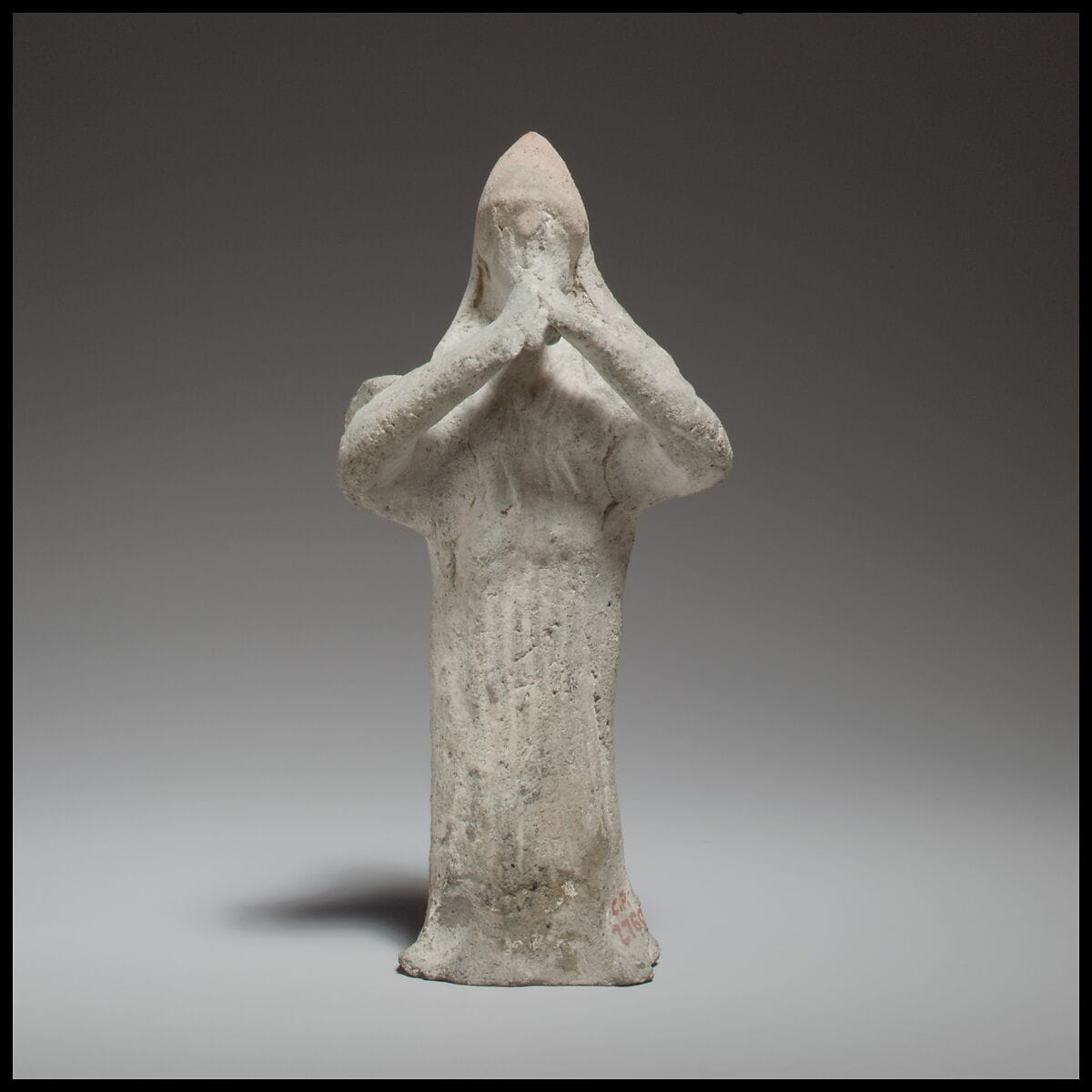
Standing female flute player
Classical
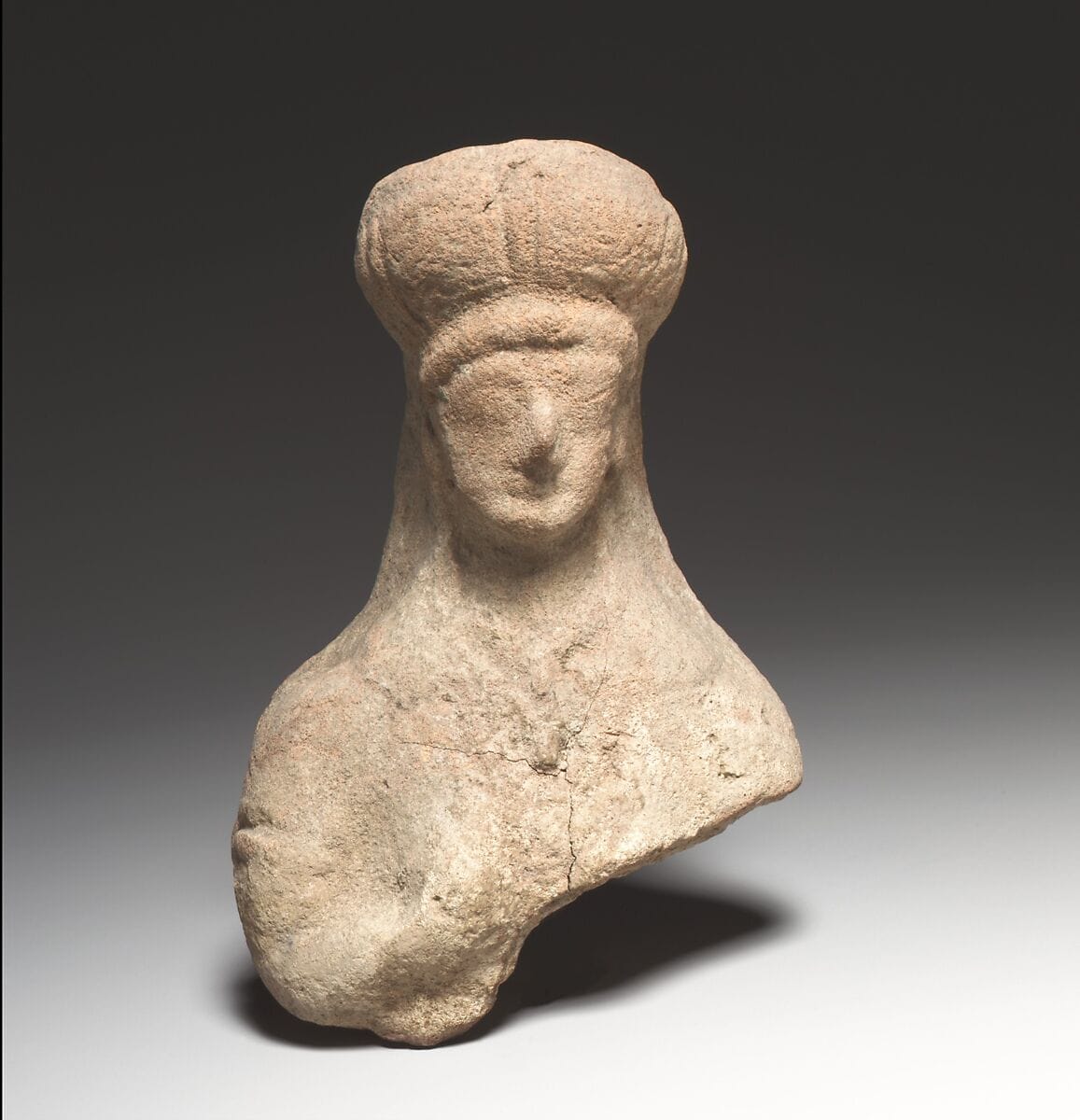
Standing female figurine
Archaic II
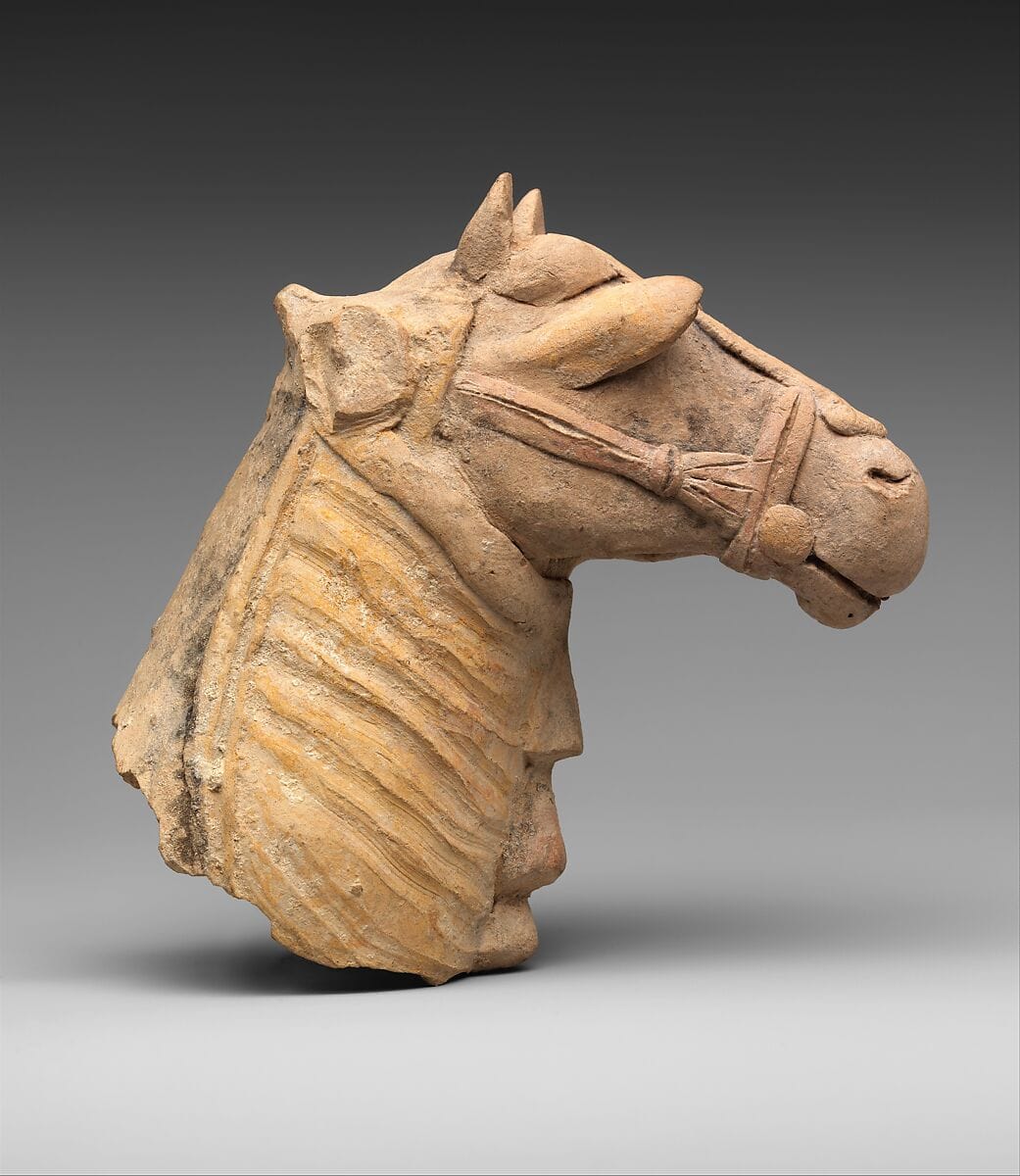
Horse's head with harness
Archaic II
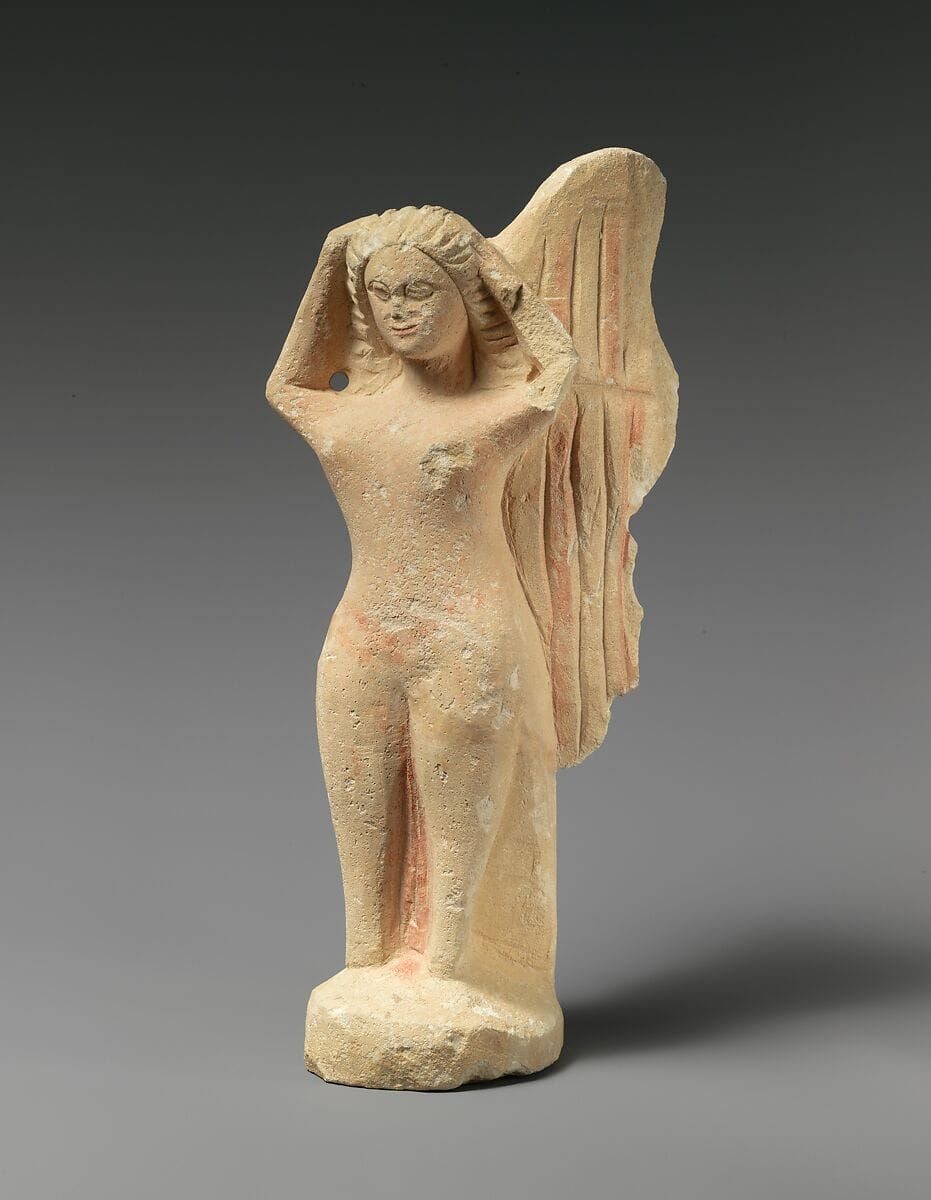
Limestone statuette of a mourning siren
Hellenistic
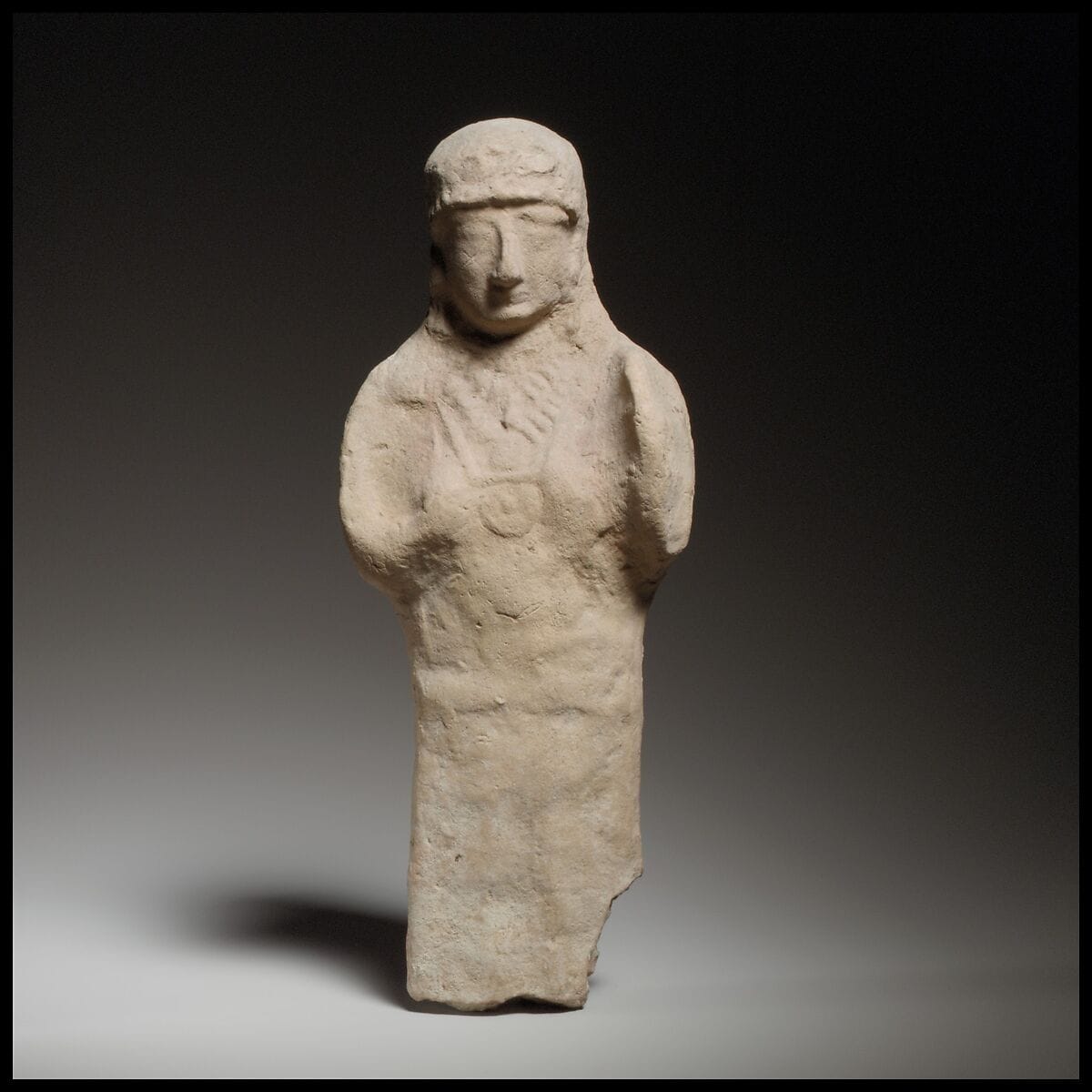
Standing female figurine
Archaic II
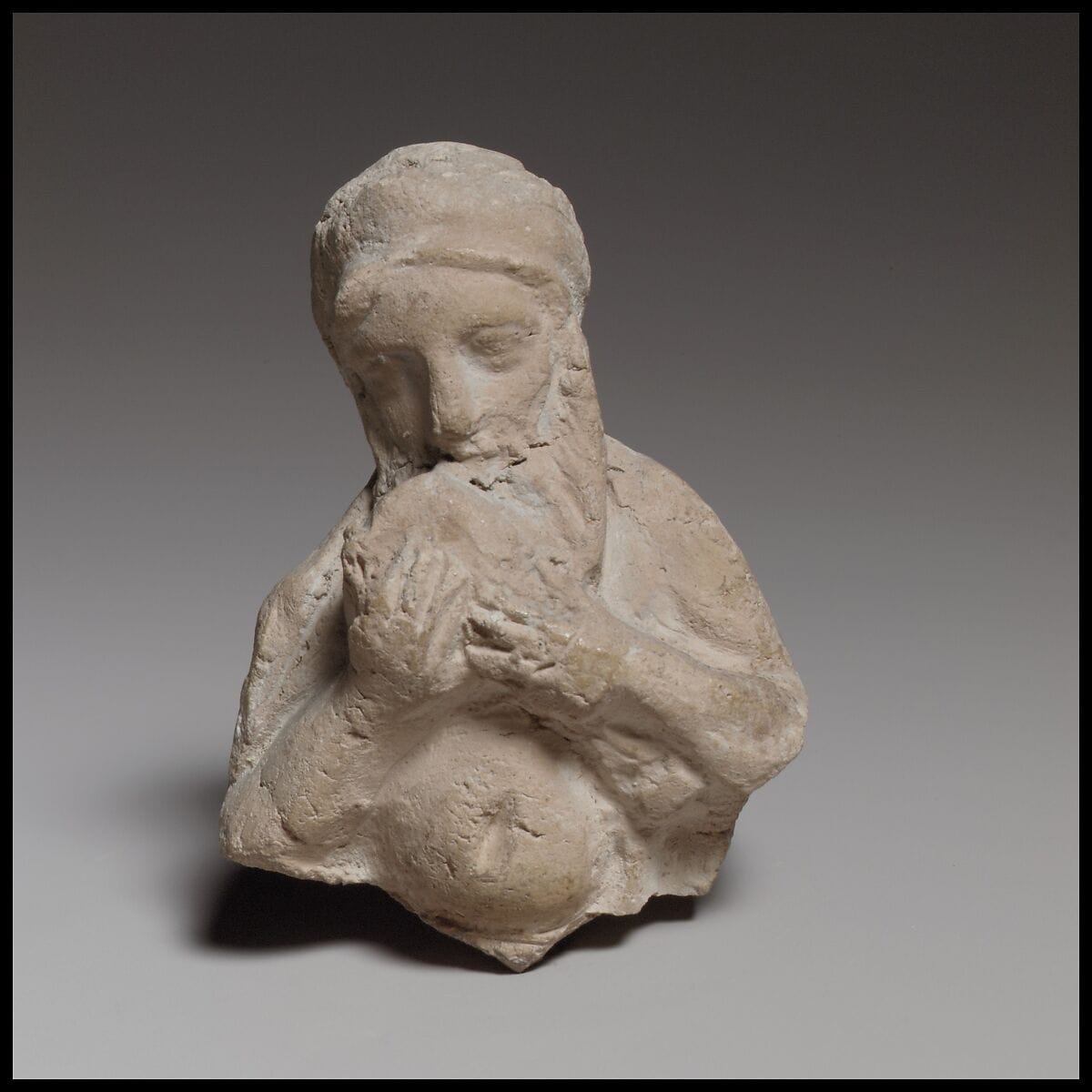
Terracotta statuette of Silenos (?) drinking
Hellenistic
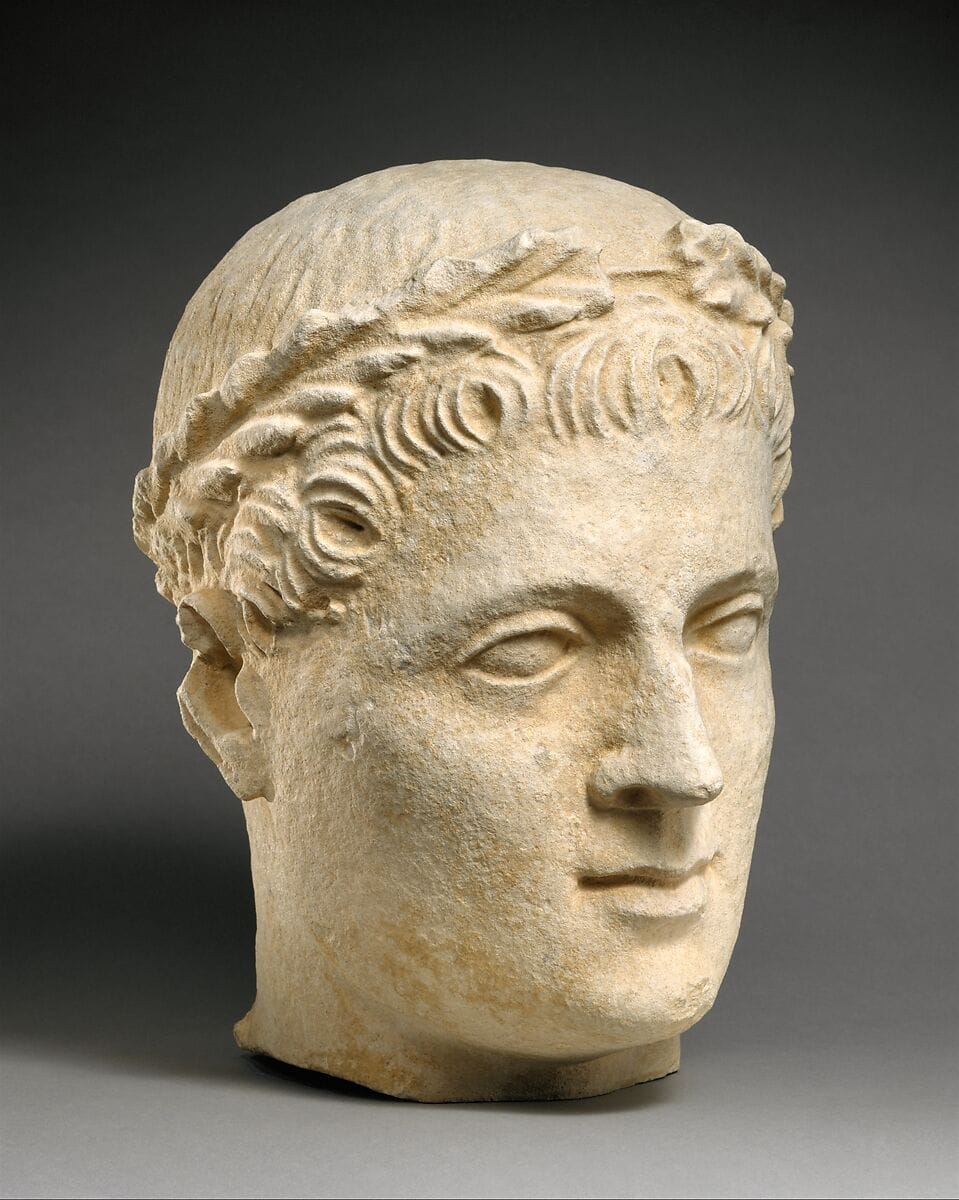
Limestone head of beardless male votary with wreath of leaves
Hellenistic
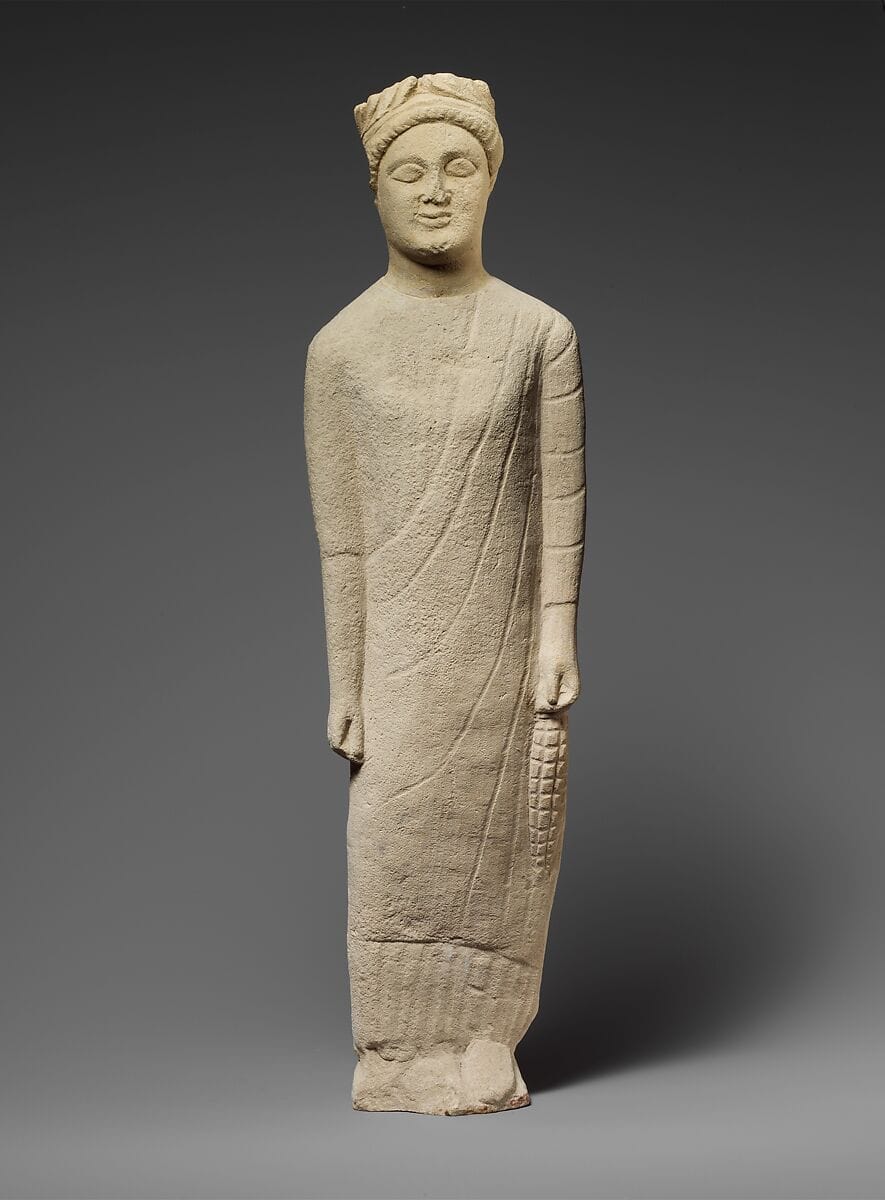
Limestone statuette of a beardless male votary with a wreath of leaves
Classical