
Hellenistic
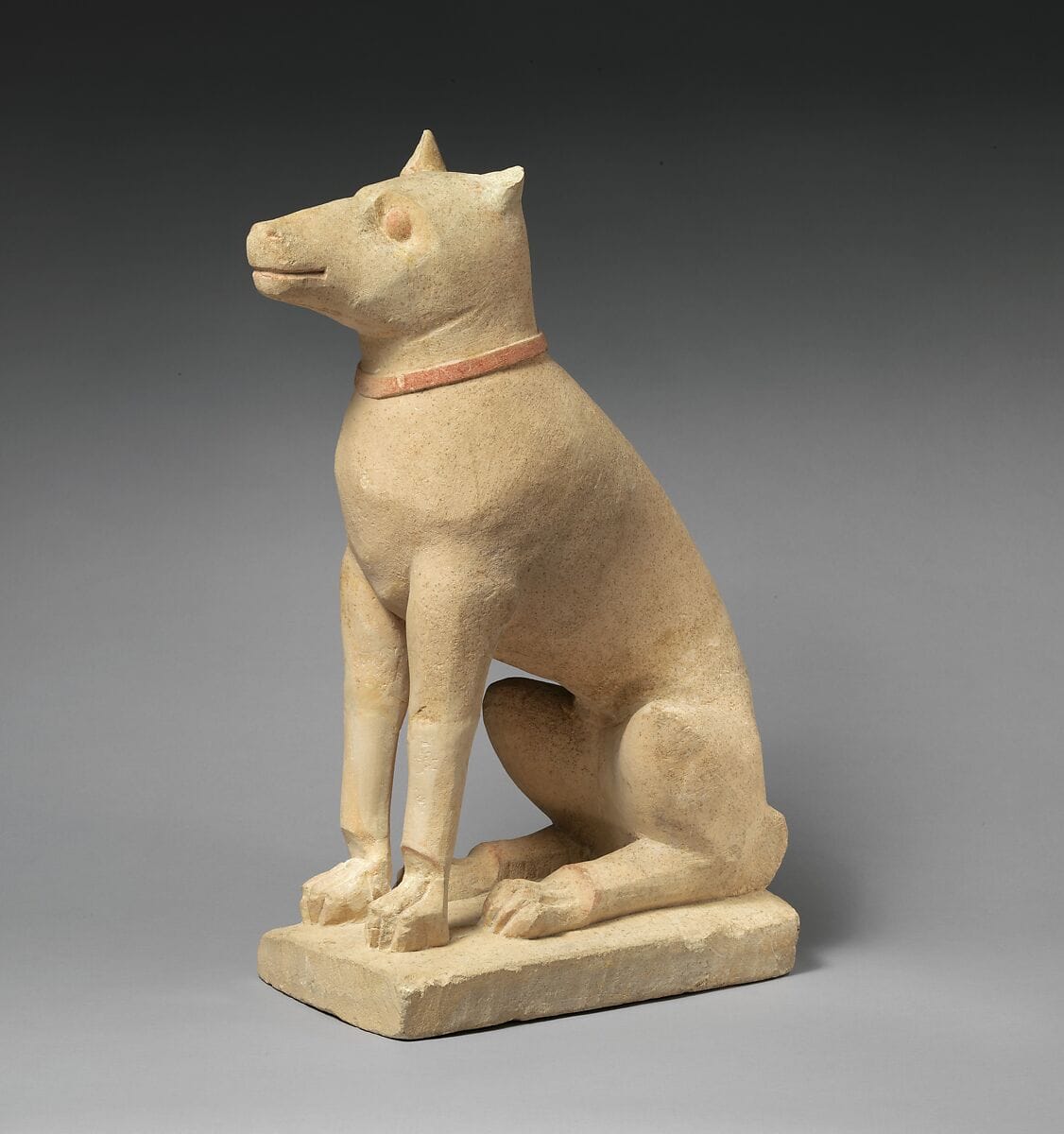
Limestone dog
Dogs were a popular subject on Cypriot terracottas of the sixth century B.C., but in later periods they are usually shown in association with deities such as Artemis, goddess of the hunt. This large dog, seated at attention and with a collar around his neck, may have represented a faithful guardian in a tomb. WebPub GR 2012 Cesnola: 17 3/4 × 6 3/8 × 11 in., 42 lb. (45.1 × 16.2 × 27.9 cm, 19.1 kg)
Date
399 - 200 BC
Accession No.
74.51.2623
Collection
Metropolitan Museum of Art
Provenance
- The hound was found, according to Cesnola, in the same tomb at Golgoi as the decorated sarcophagus (Cat. 491)
References
- Cesnola, Luigi Palma di. 1885. A Descriptive Atlas of the Cesnola Collection of Cypriote Antiquities in the Metropolitan Museum of Art, New York, Vol. 1. pl. CXXII.908, Boston: James R. Osgood and Company.Myres, John L. 1914. Handbook of the Cesnola Collection of Antiquities from Cyprus. no. 1223, New York: The Metropolitan Museum of Art.Karageorghis, Vassos, Joan Mertens, and Marice E. Rose. 2000. Ancient Art from Cyprus: The Cesnola Collection in The Metropolitan Museum of Art. no. 356, p. 224, New York: The Metropolitan Museum of Art.Hermary, Antoine and Joan R. Mertens. 2013. The Cesnola Collection of Cypriot Art : Stone Sculpture. no. 375, p. 276, Online Publication, New York: The Metropolitan Museum of Art.
More from the Catalogue
Browse related objects
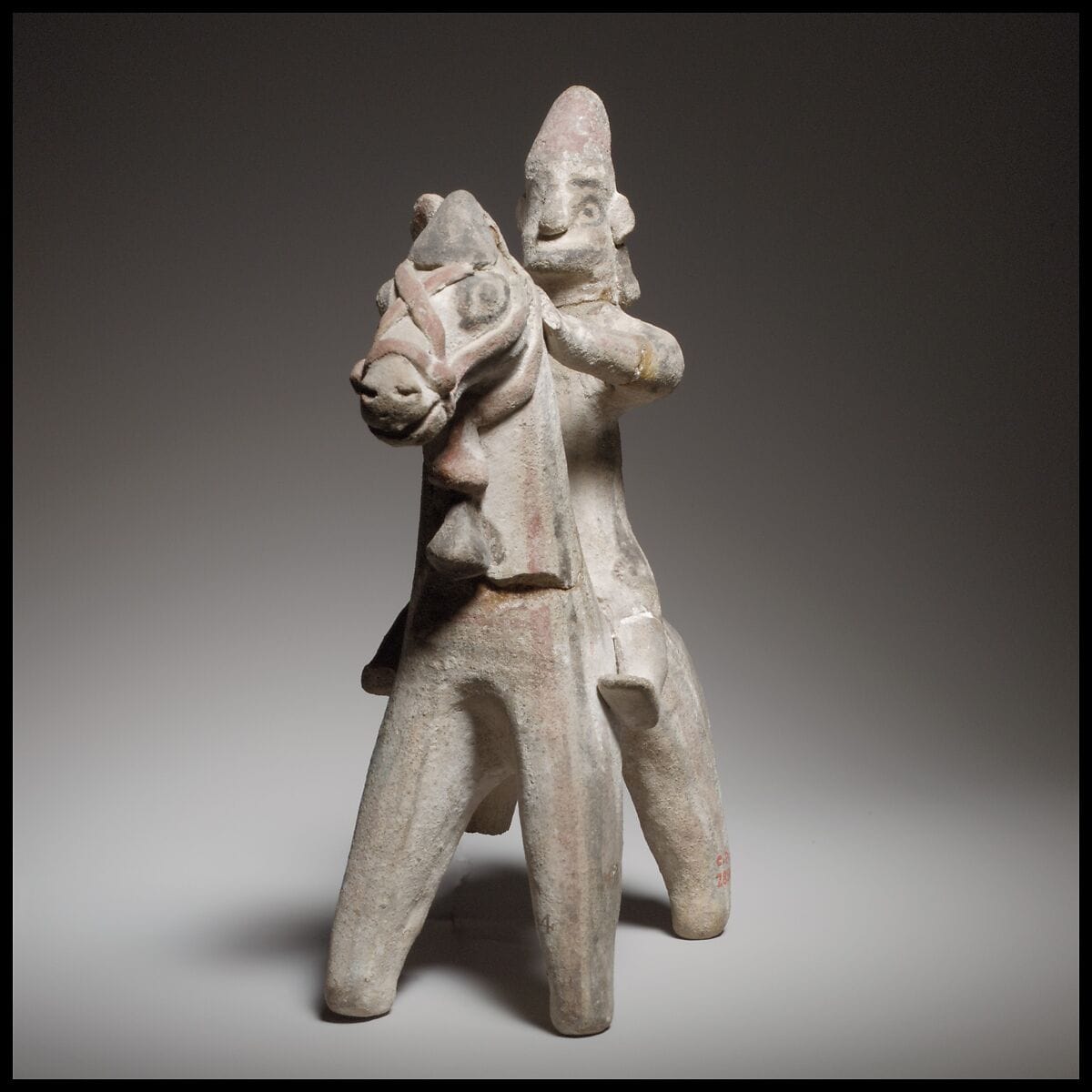
Horse and rider figurine
Archaic II
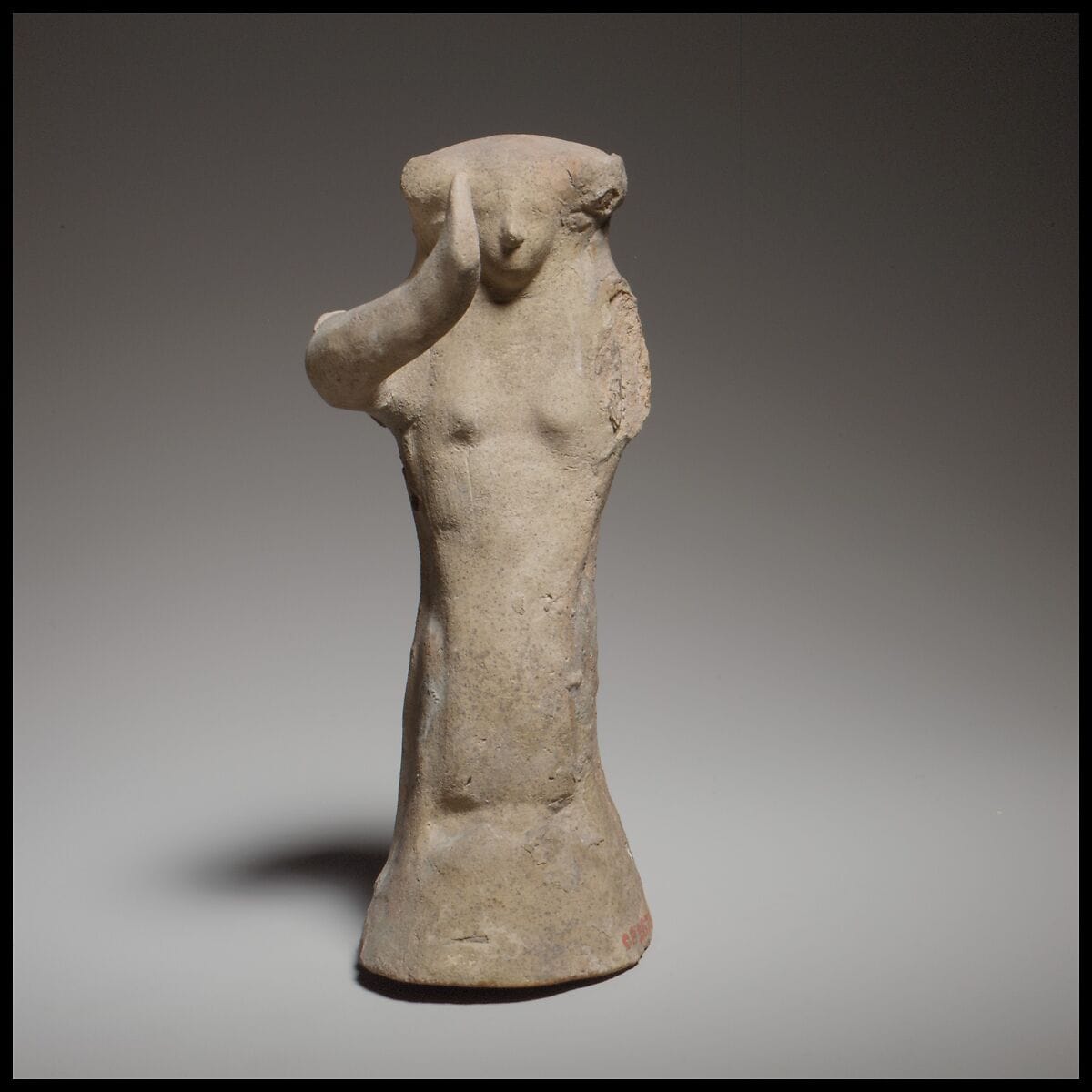
Seated female figurine of the dea gravida type
Archaic II
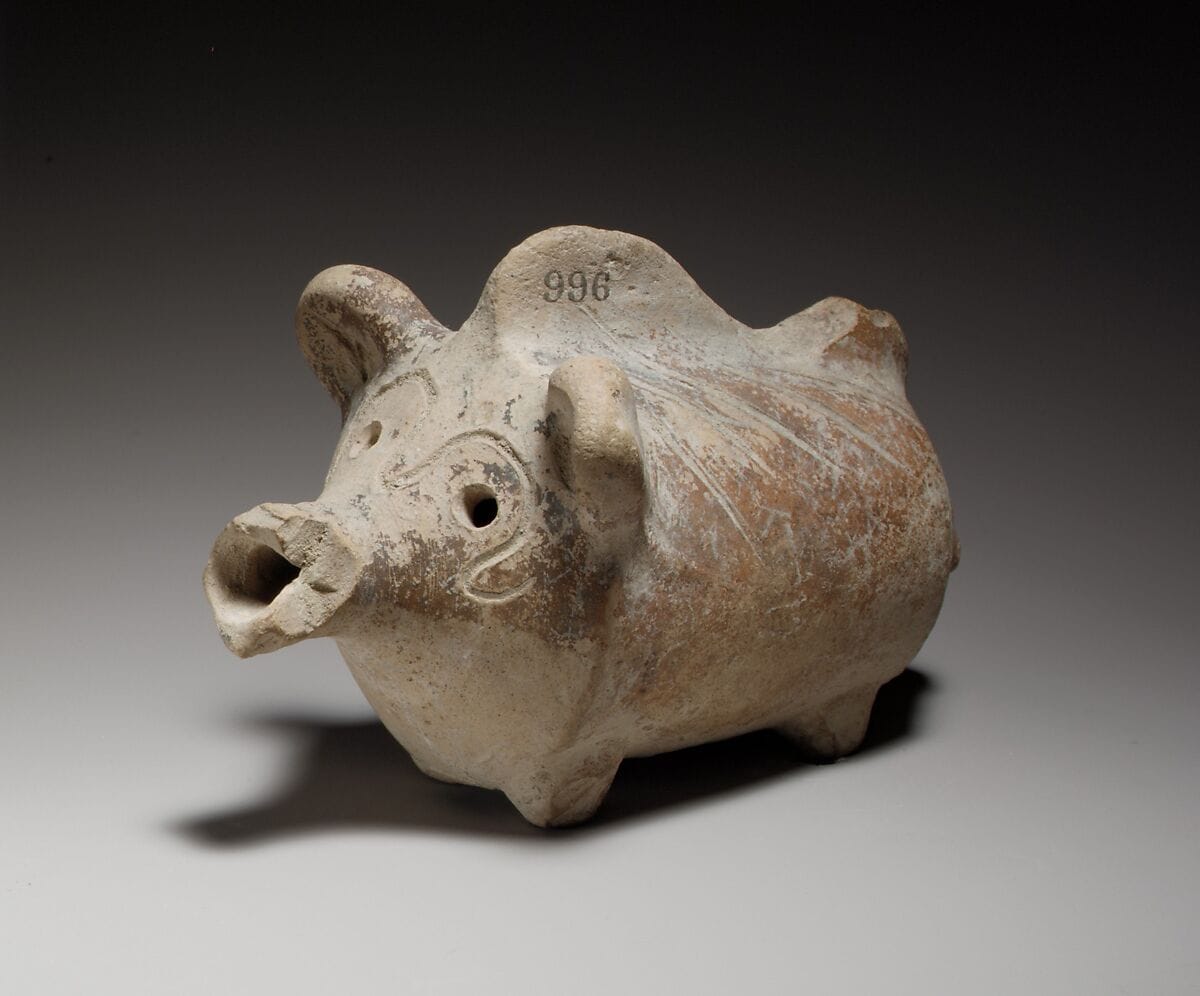
Terracotta rattle in the form of a pig
Hellenistic
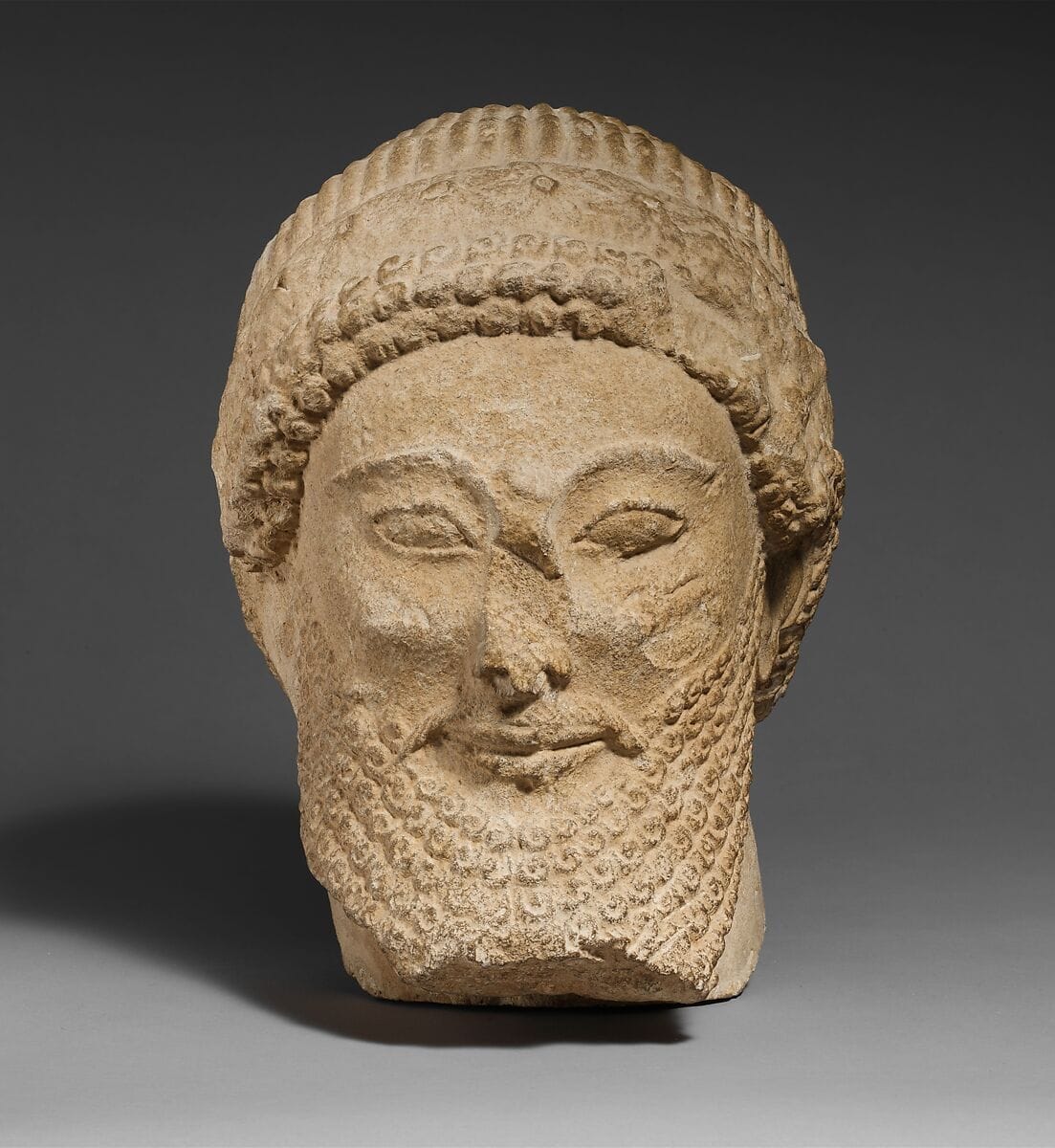
Limestone head of a bearded male with a wreath of flowers
Archaic II
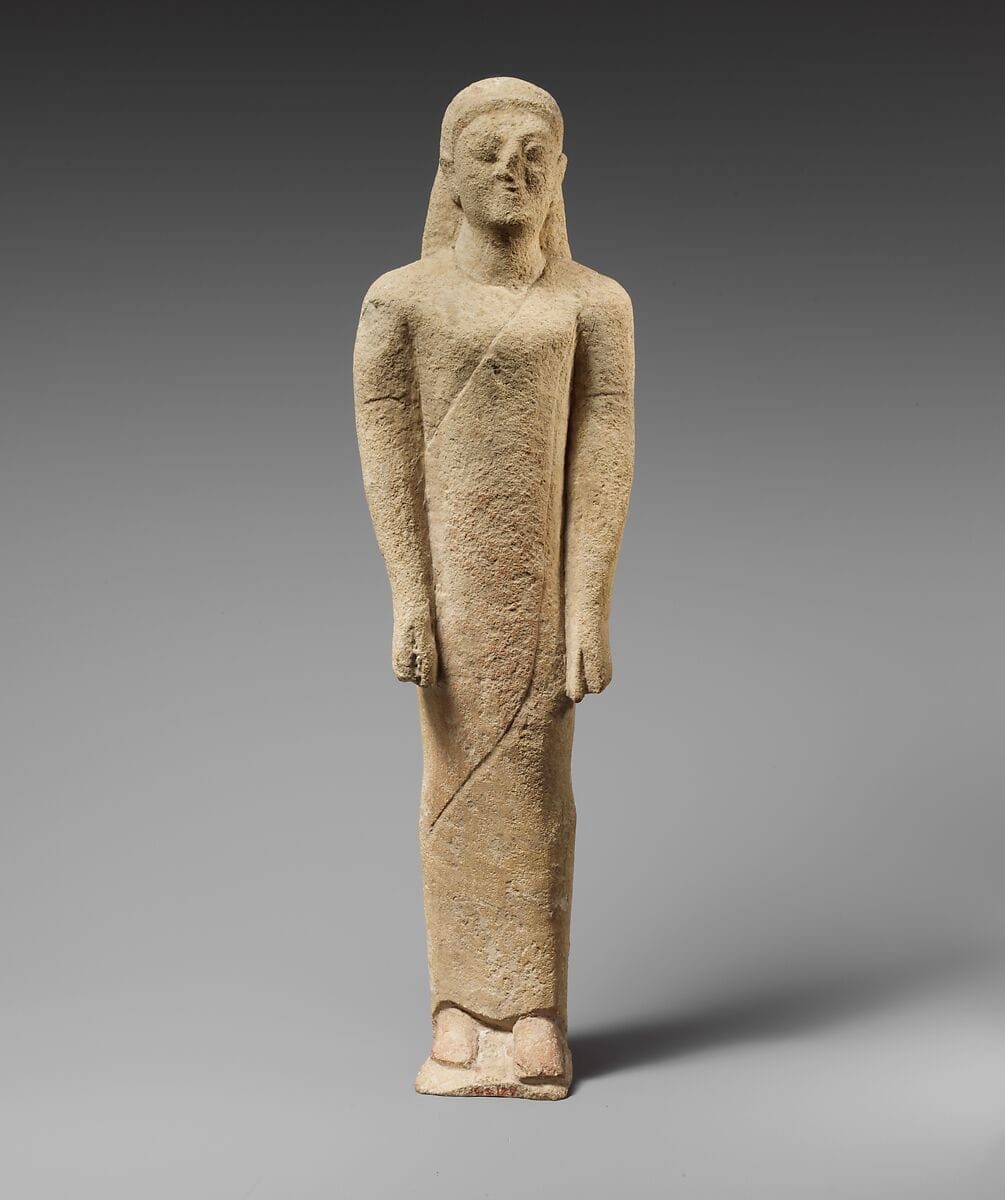
Limestone statuette of a beardless male votary in Greek dress
Archaic II
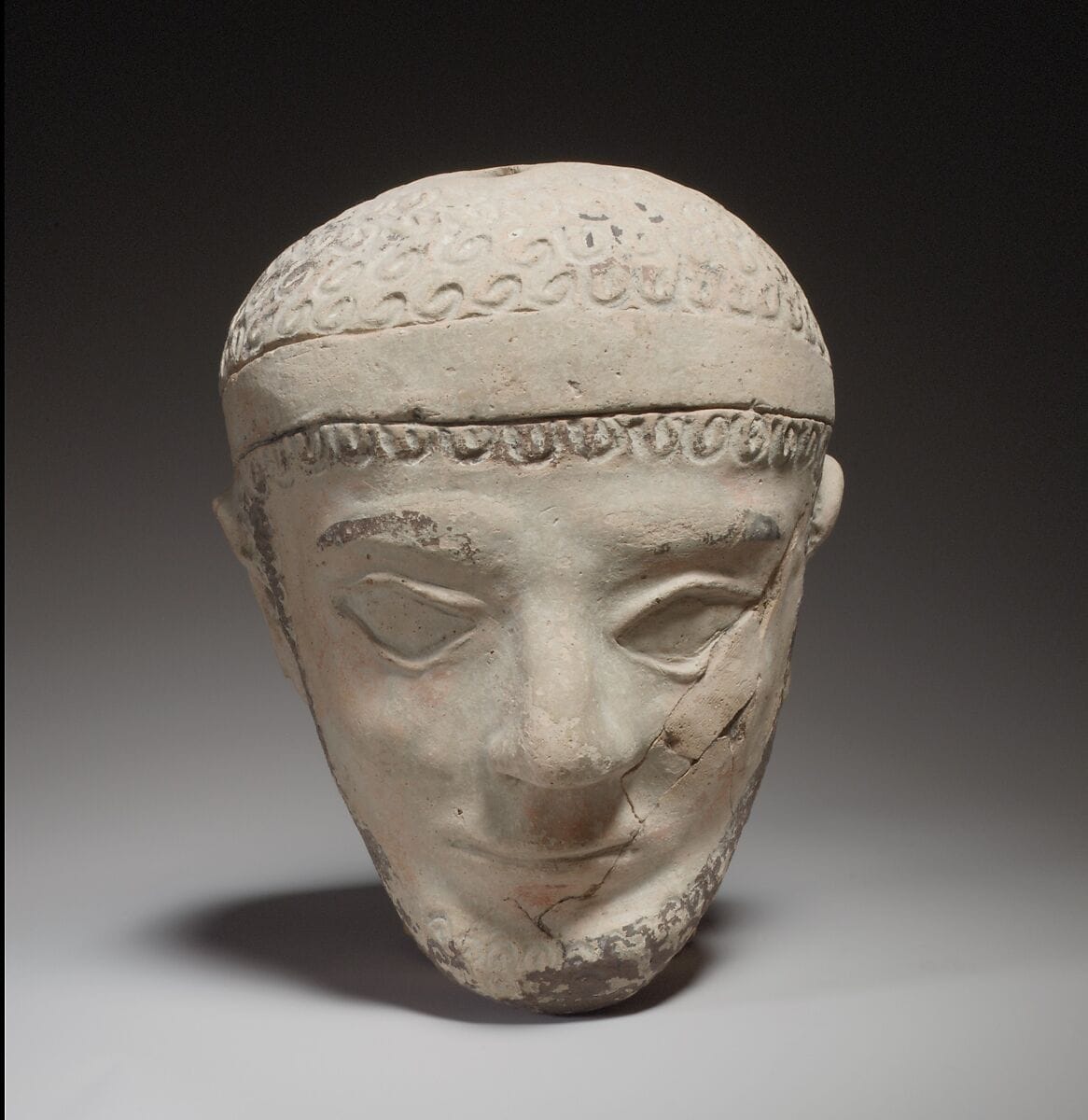
Terracotta head of a man
Archaic II
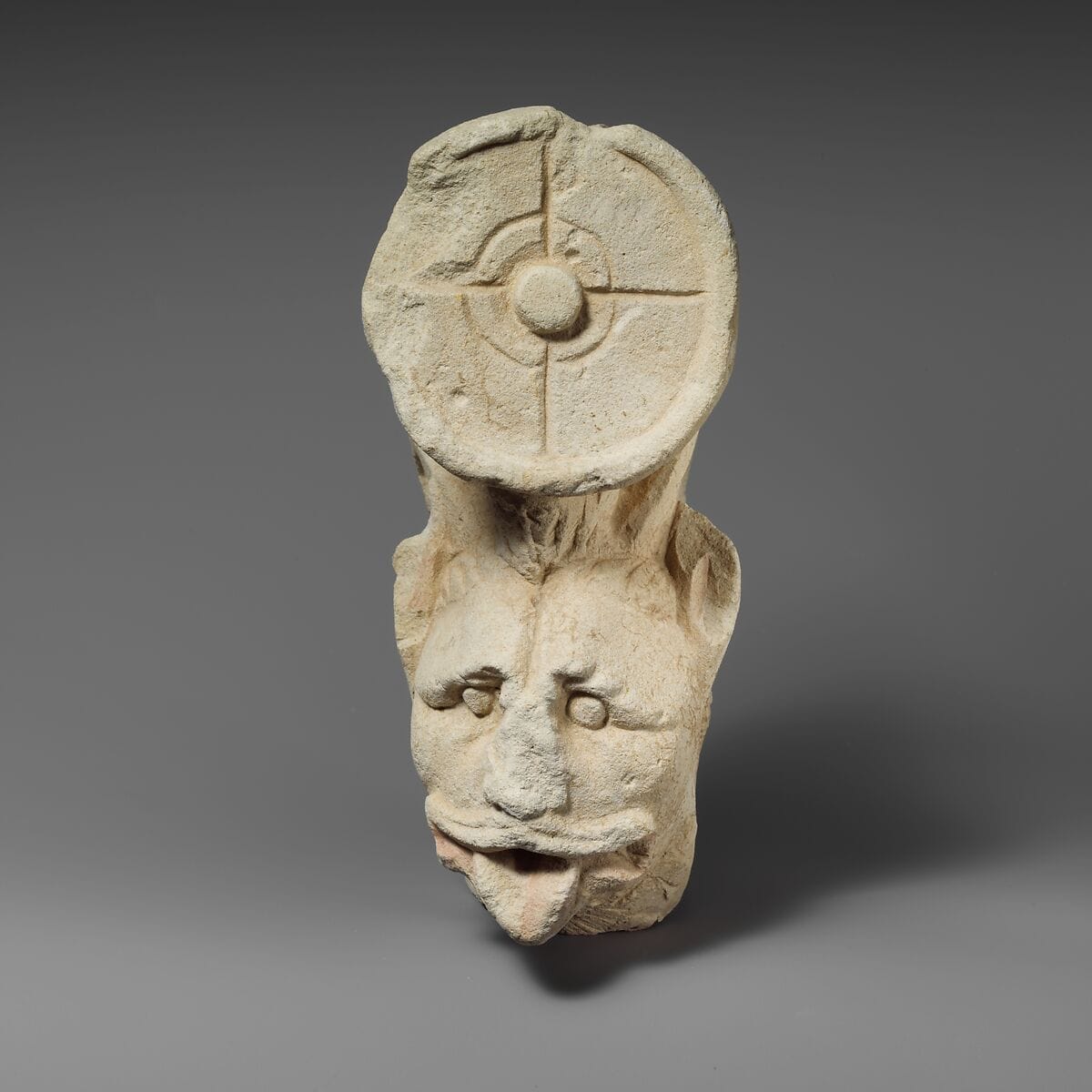
Fragment of a limestone throne (?) with the head of a horned lion
Roman
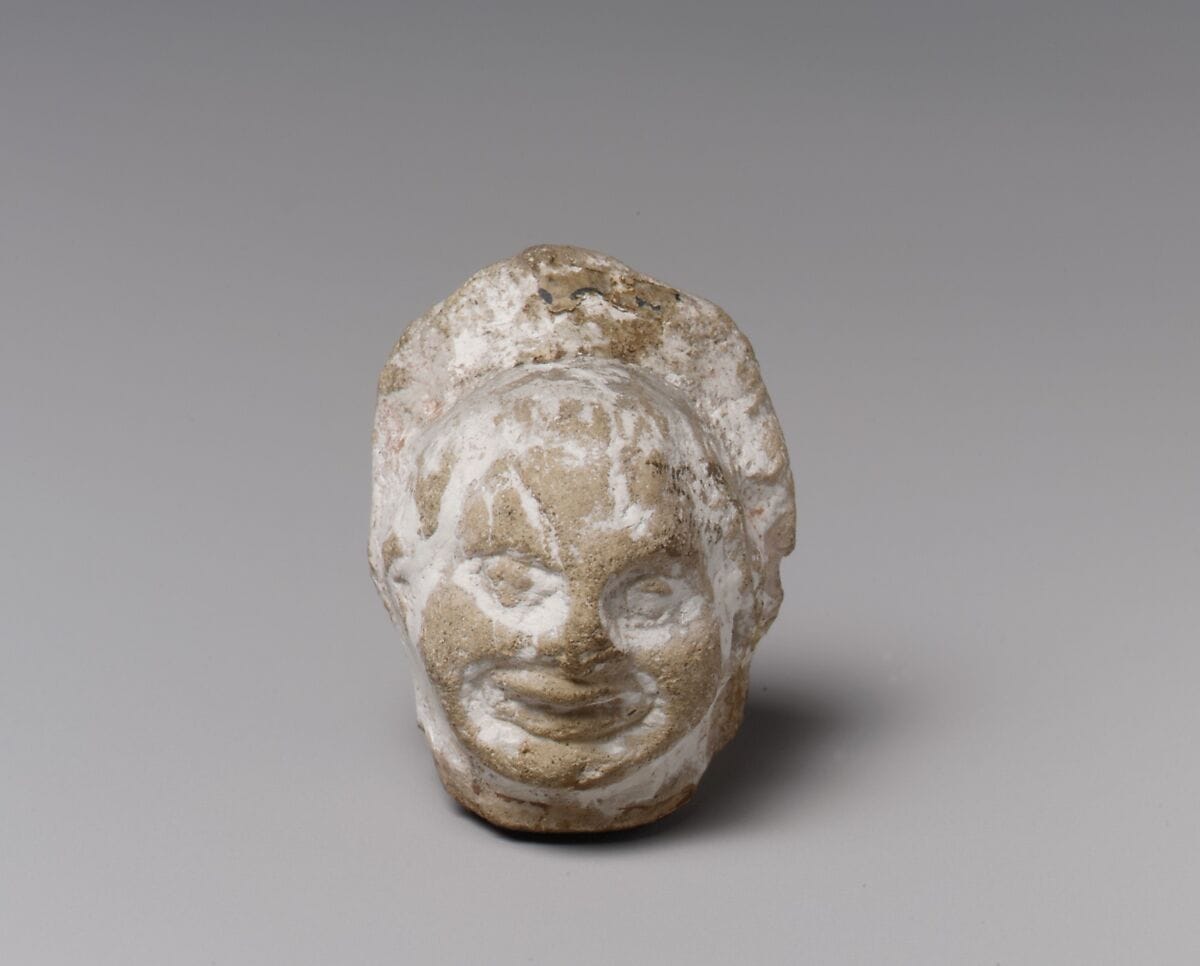
Head of a comic figurine
Hellenistic
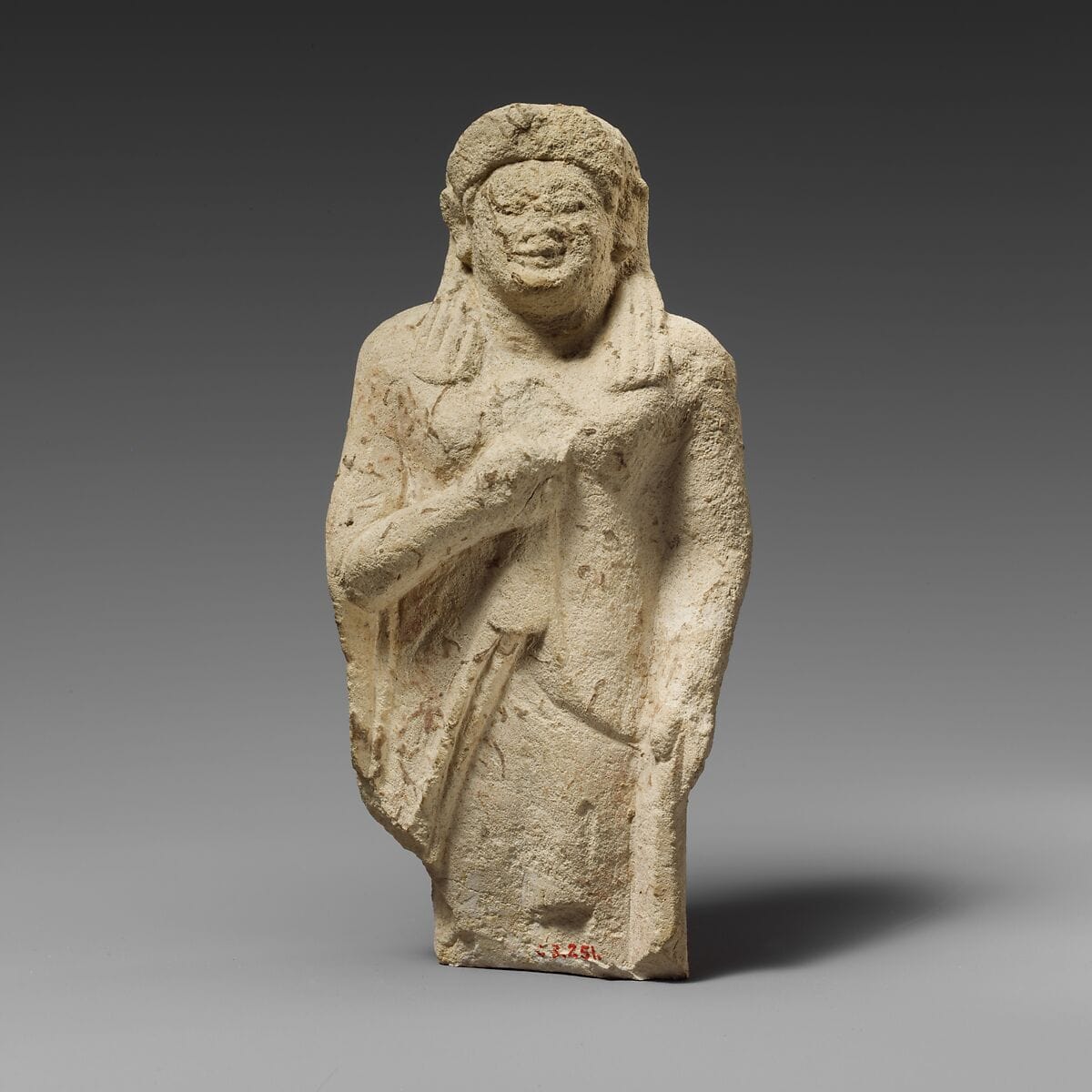
Limestone statuette of a female votary of the kore type
Archaic II
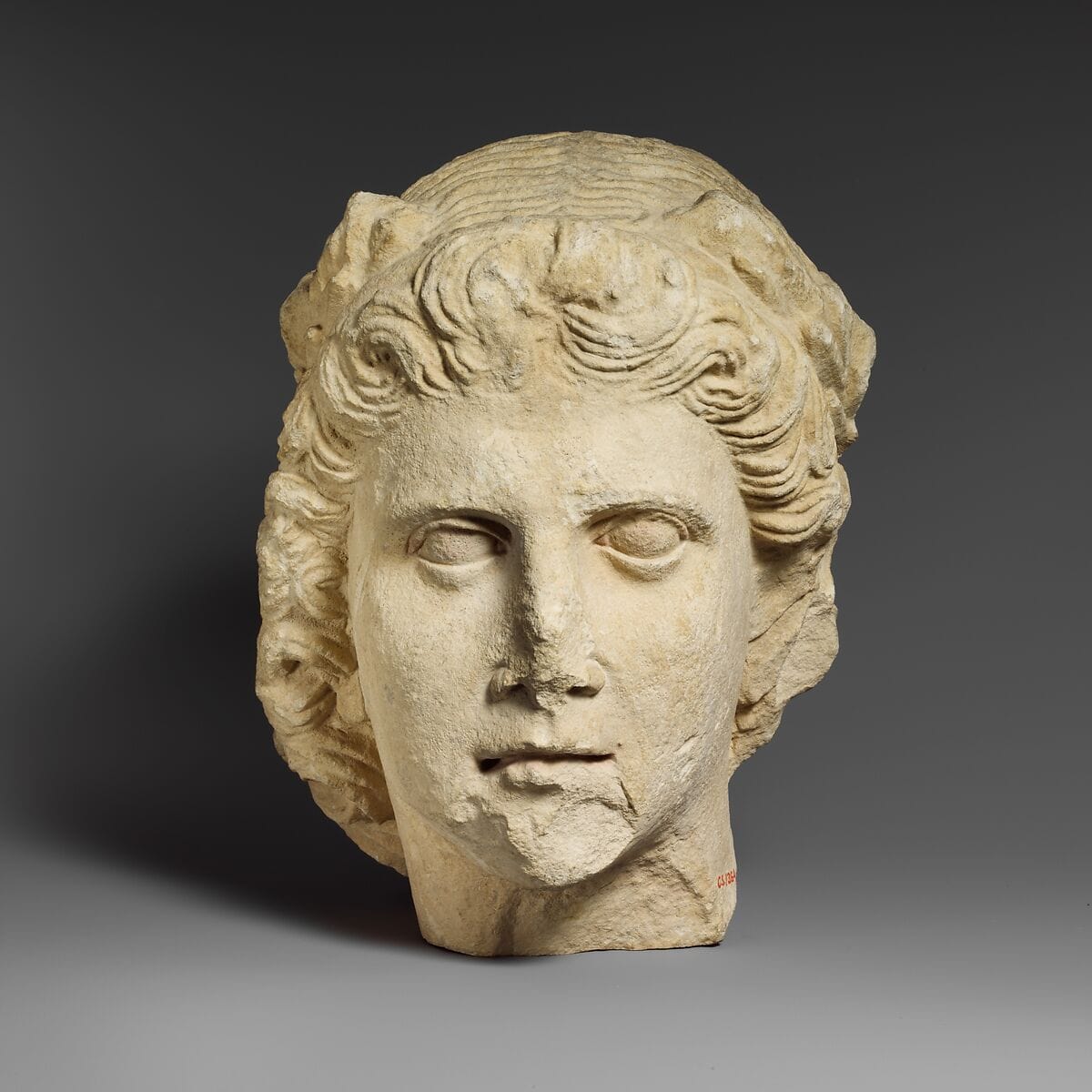
Limestone head of Apollo
Hellenistic
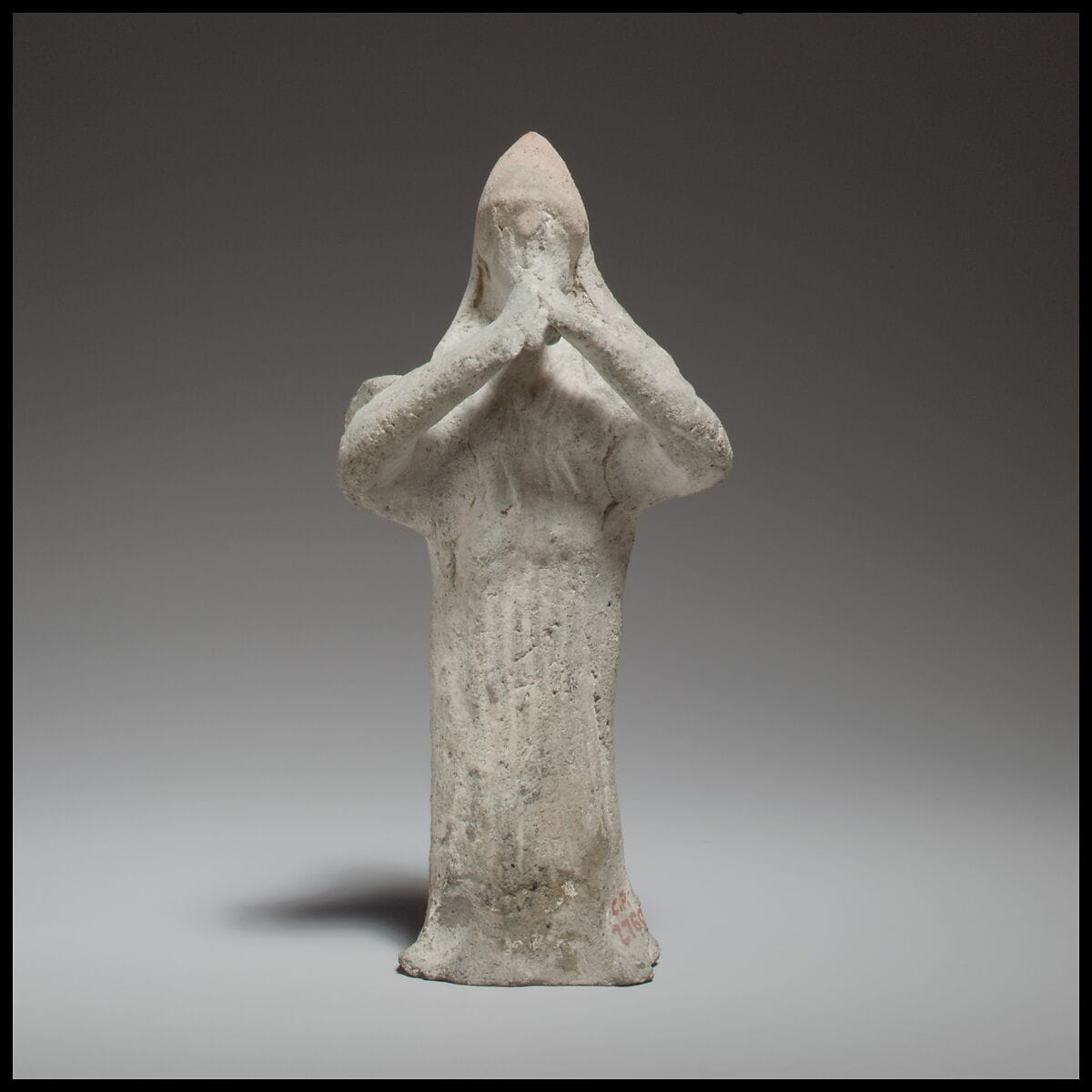
Standing female flute player
Classical
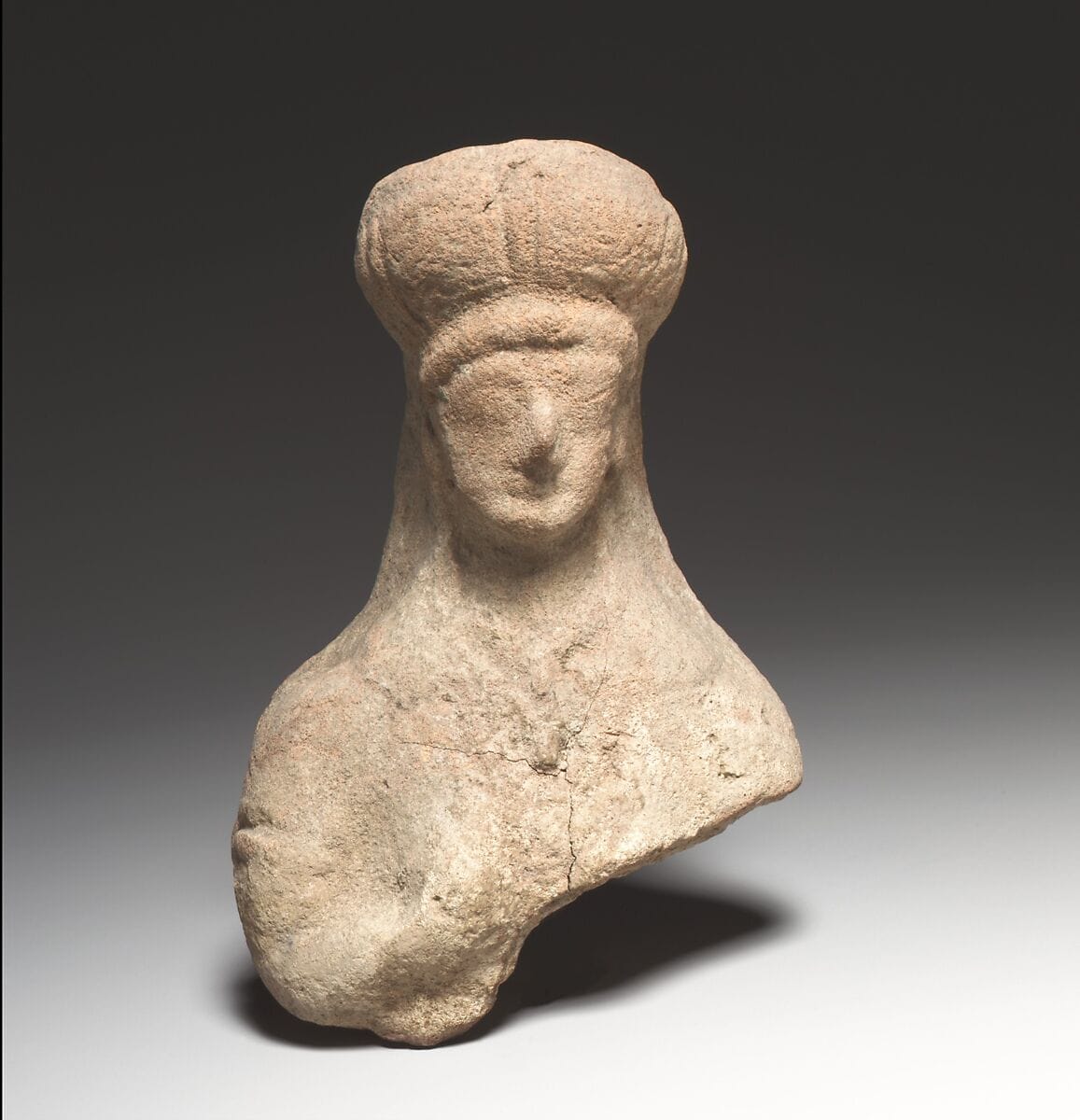
Standing female figurine
Archaic II
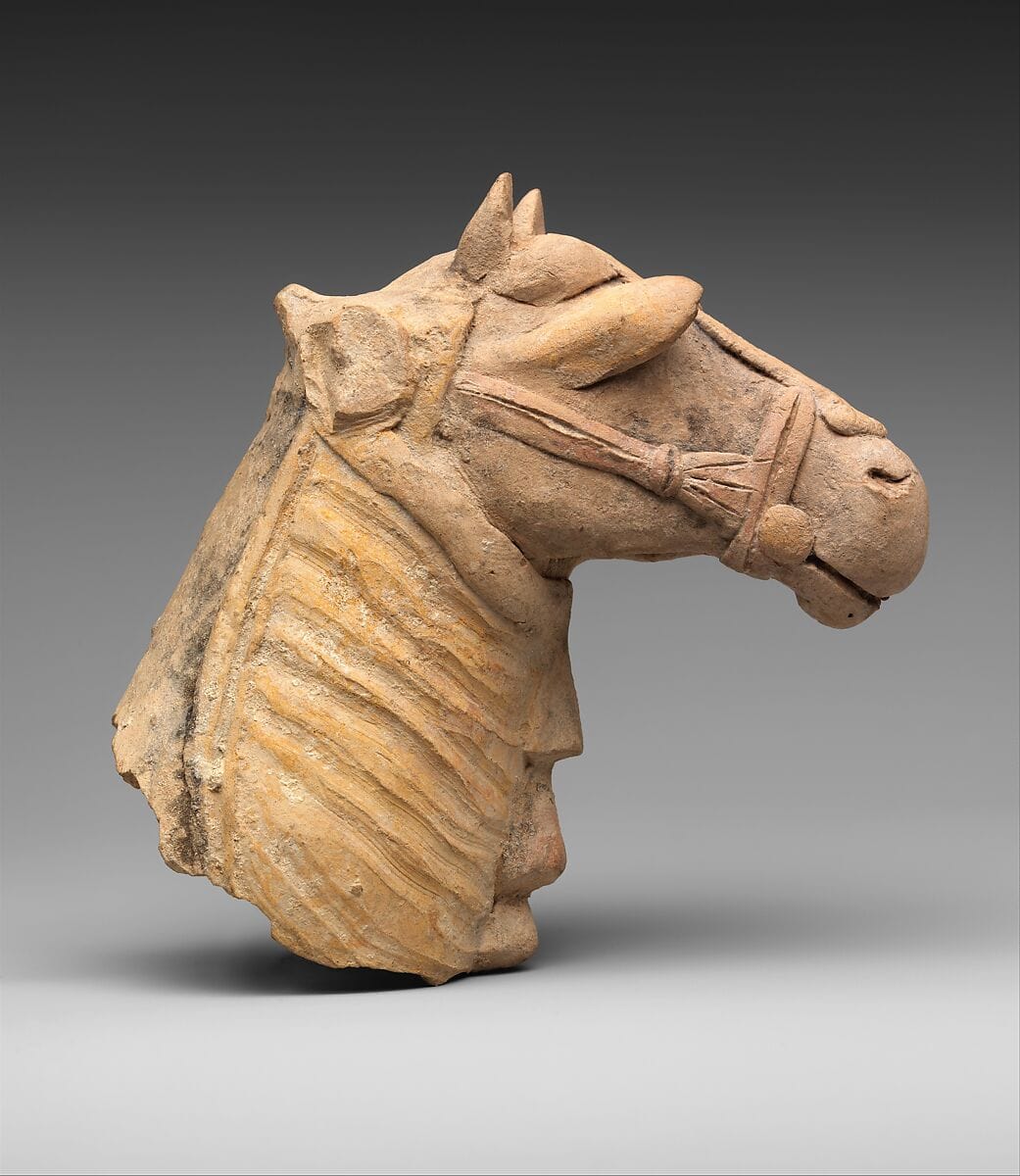
Horse's head with harness
Archaic II
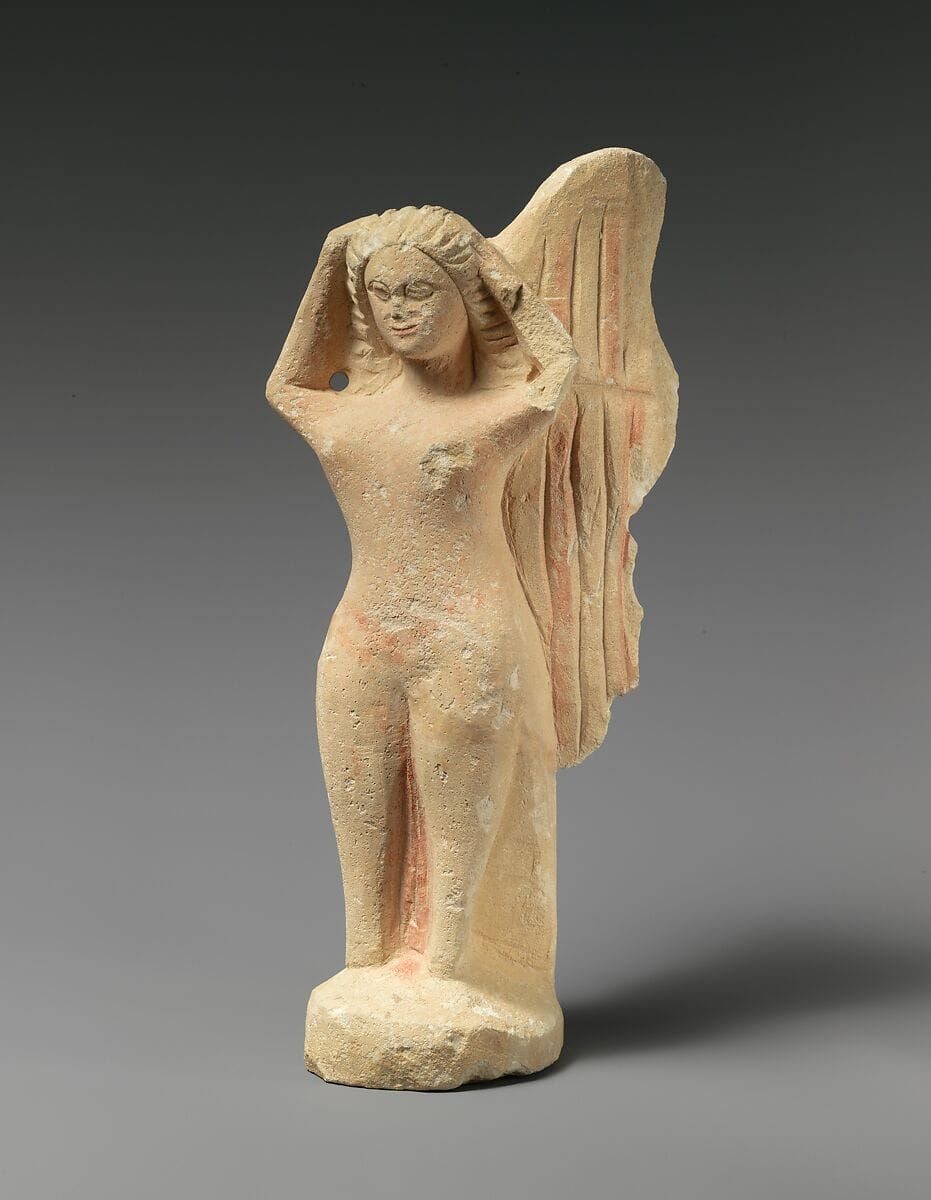
Limestone statuette of a mourning siren
Hellenistic
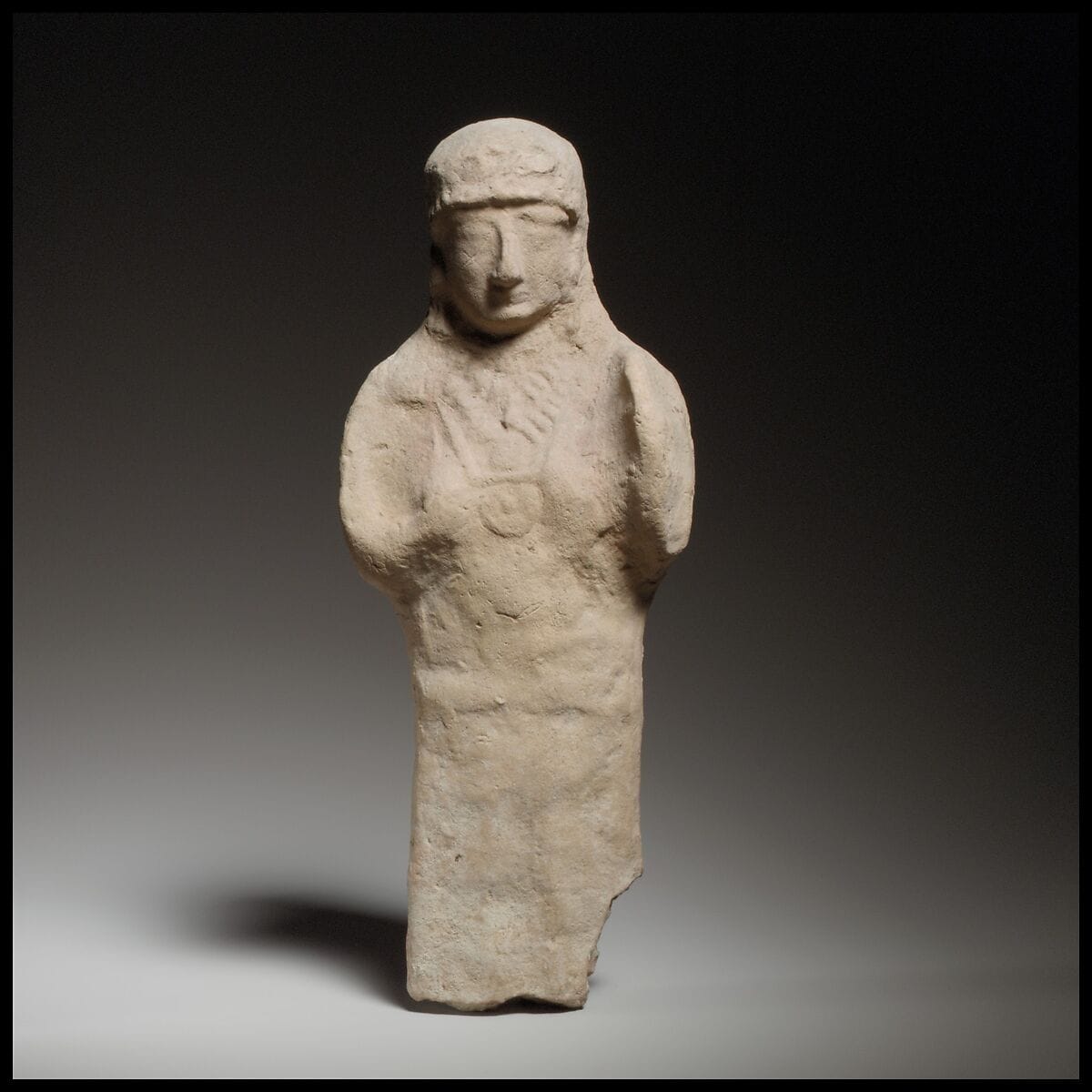
Standing female figurine
Archaic II
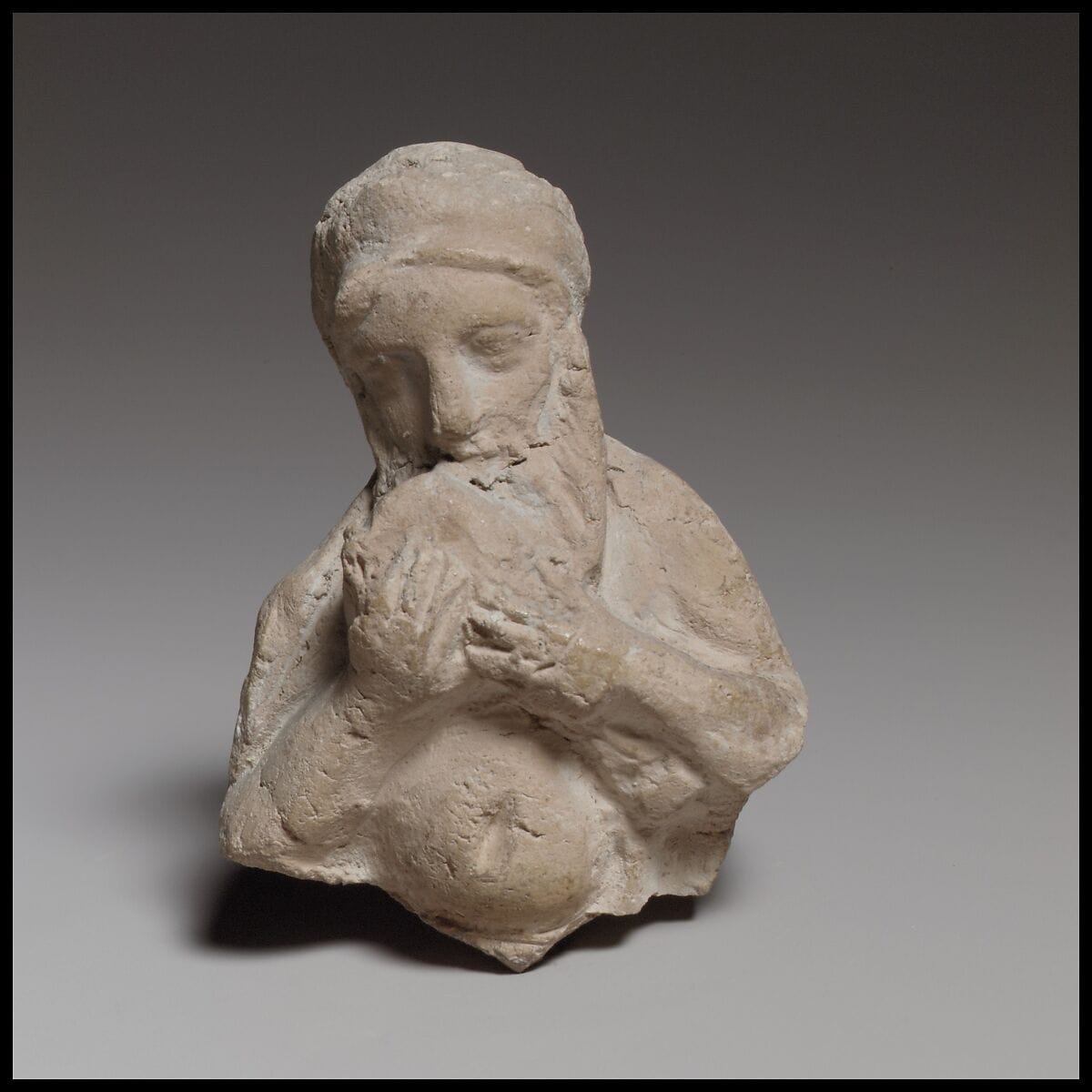
Terracotta statuette of Silenos (?) drinking
Hellenistic
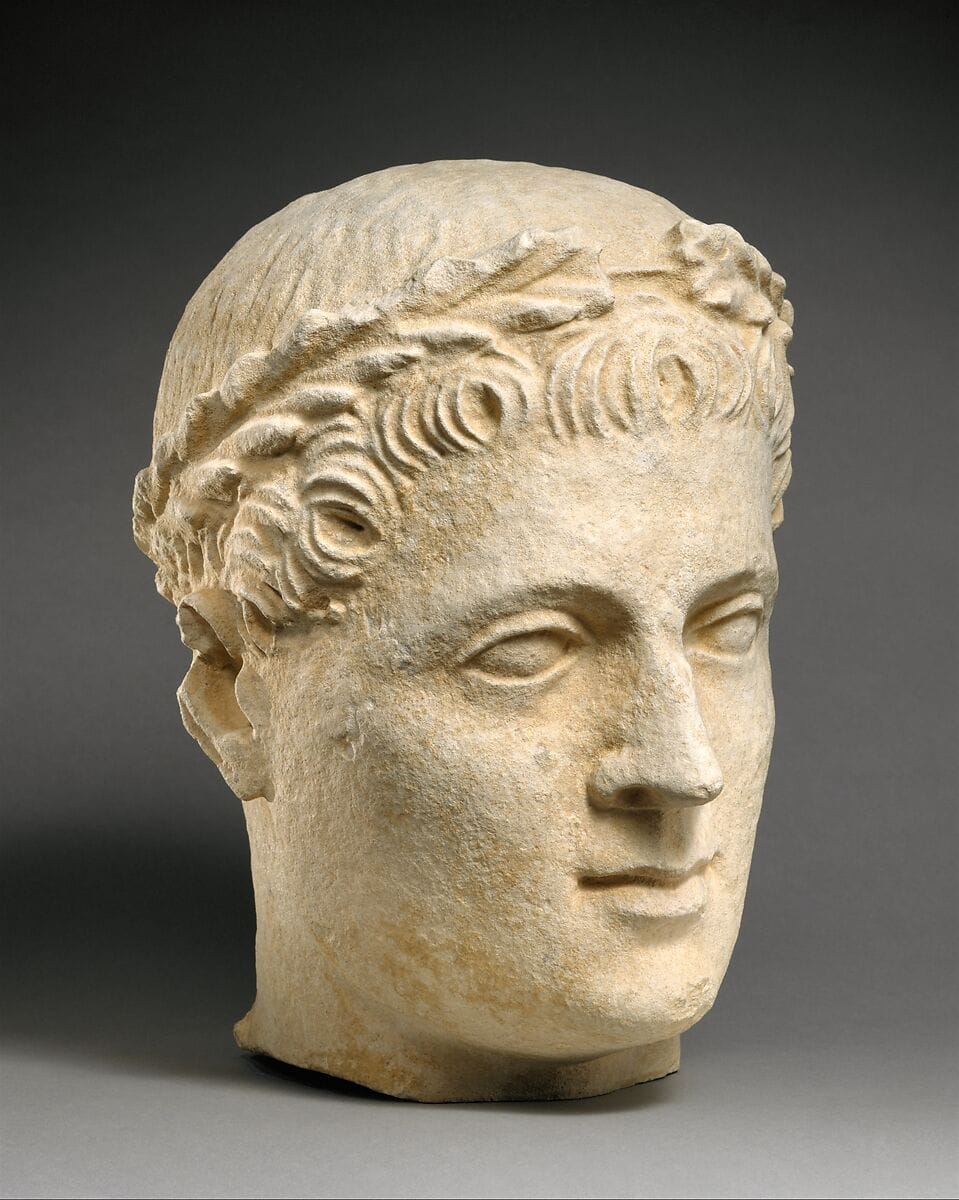
Limestone head of beardless male votary with wreath of leaves
Hellenistic
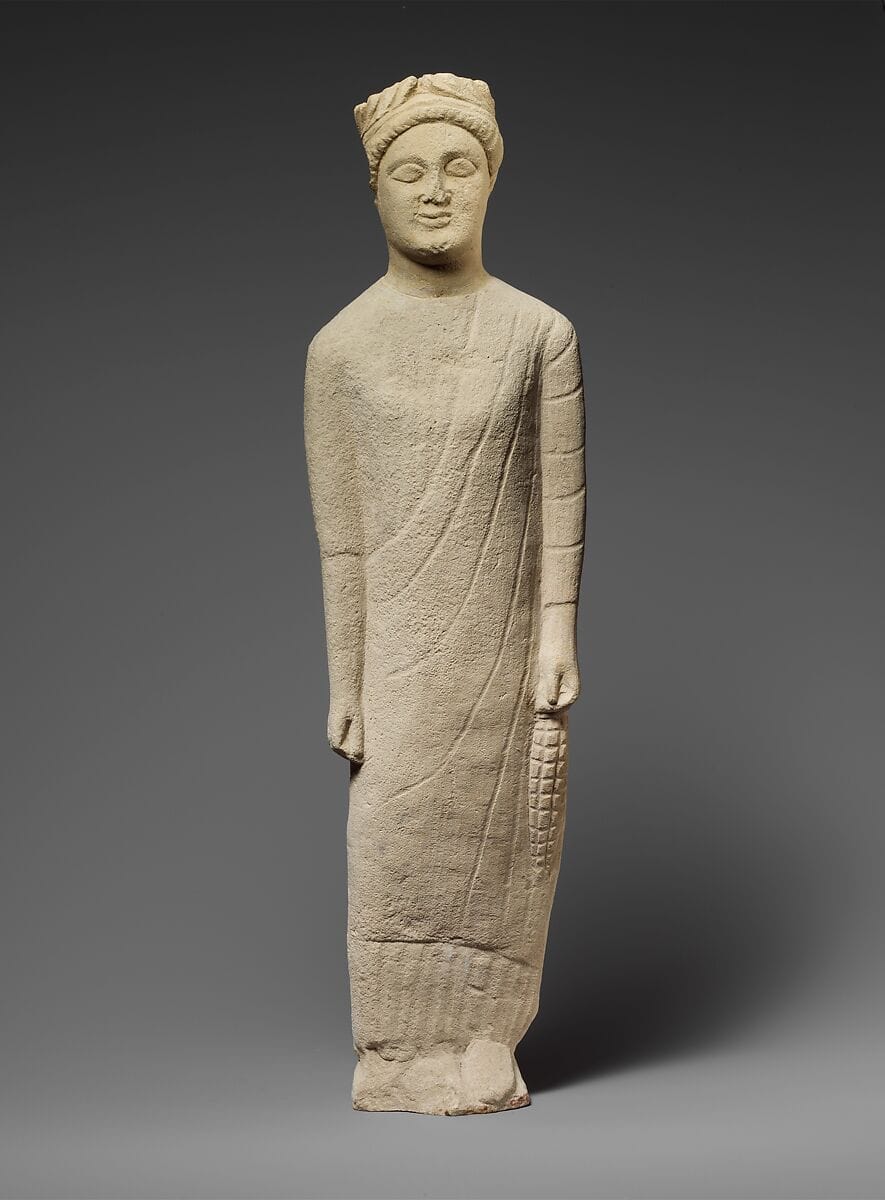
Limestone statuette of a beardless male votary with a wreath of leaves
Classical