
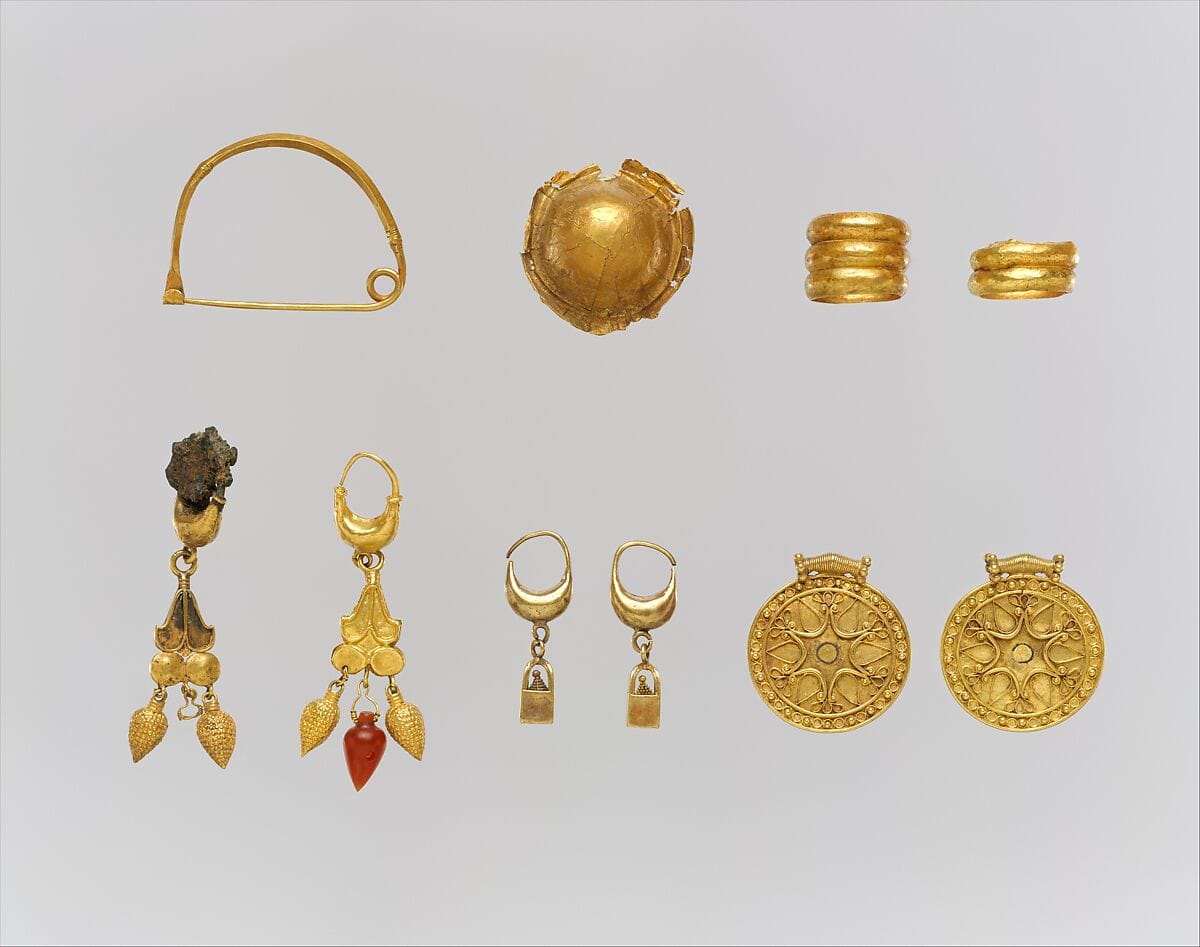
Geometric
Gold fibula (safety pin)
The bow-shaped fibula appeared in the Greek world about 1100 B.C., and although it is particularly associated with Greece and the Aegean area, its distribution was considerably broader. length 1 7/8in. (4.8cm)
Date
1050 - 750 BC
Accession No.
74.51.3198
Collection
Metropolitan Museum of Art
Provenance
References
- Cesnola, Luigi Palma di. 1903. A Descriptive Atlas of the Cesnola Collection of Cypriote Antiquities in the Metropolitan Museum of Art, New York, Vol. 3. pl. XLI, 1, Boston: James R. Osgood and Company.Myres, John L. 1914. Handbook of the Cesnola Collection of Antiquities from Cyprus. no. 3198, fig. 3198, New York: The Metropolitan Museum of Art.Gjerstad, Einar. 1948. The Swedish Cyprus Expedition: The Cypro-Geometric, Cypro-Archaic, and Cypro-Classical Periods, Vol. 4(2). p. 161, no. 34, 4, Stockholm: The Swedish Cyprus Expedition.Karageorghis, Vassos, Joan Mertens, and Marice E. Rose. 2000. Ancient Art from Cyprus: The Cesnola Collection in The Metropolitan Museum of Art. no. 312, p. 192, New York: The Metropolitan Museum of Art.
More from the Catalogue
Browse related objects
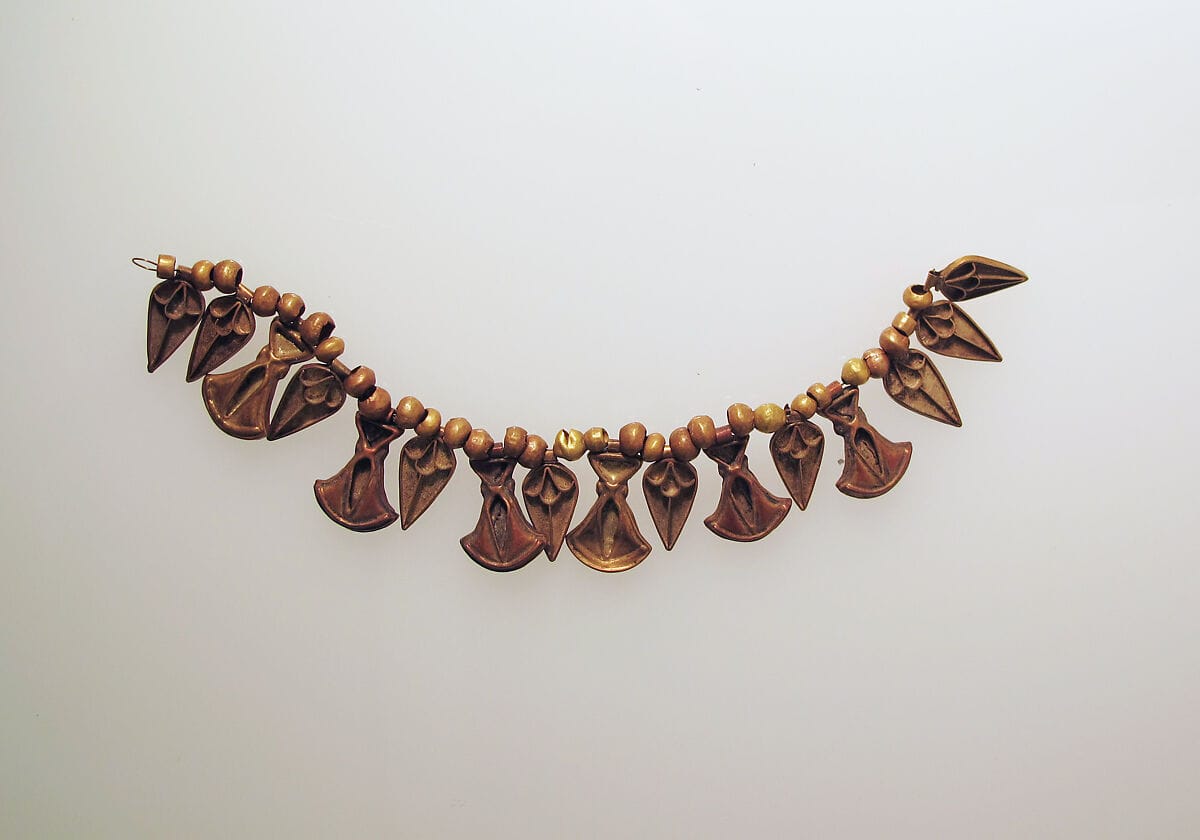
Bead pendant, with lotus flowers
Bronze Age
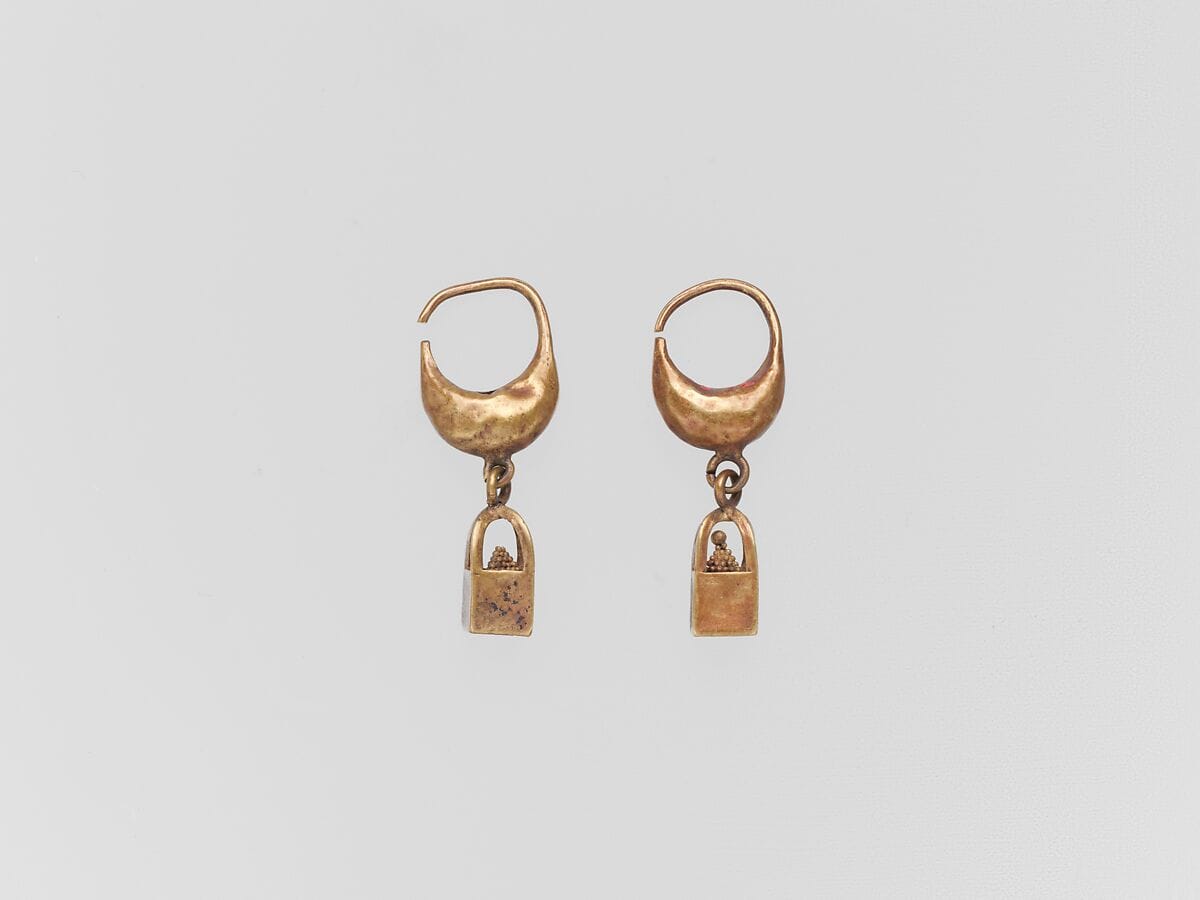
Gold earring with cage and ball pendant
Archaic II
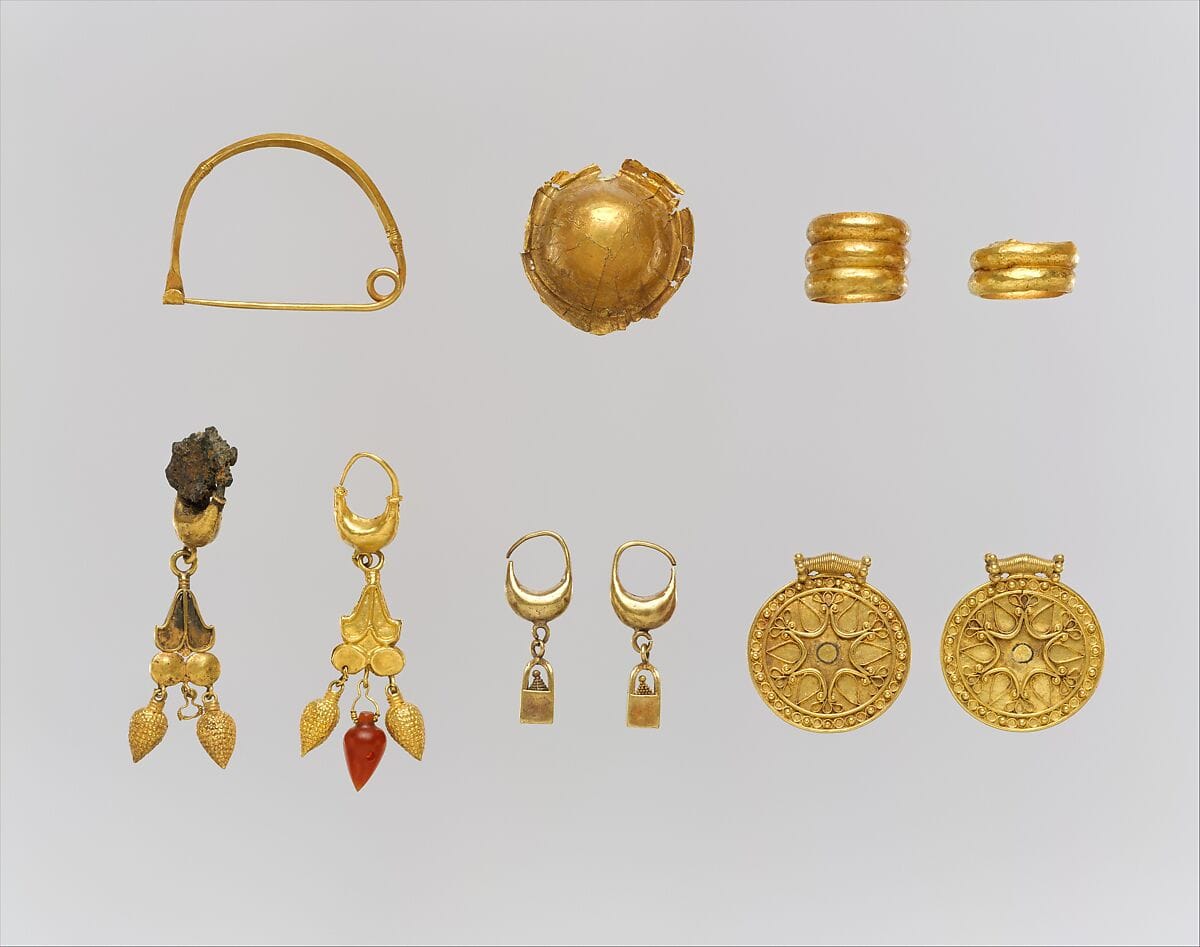
Gold roundel of bulbous form
Late Bronze Age II
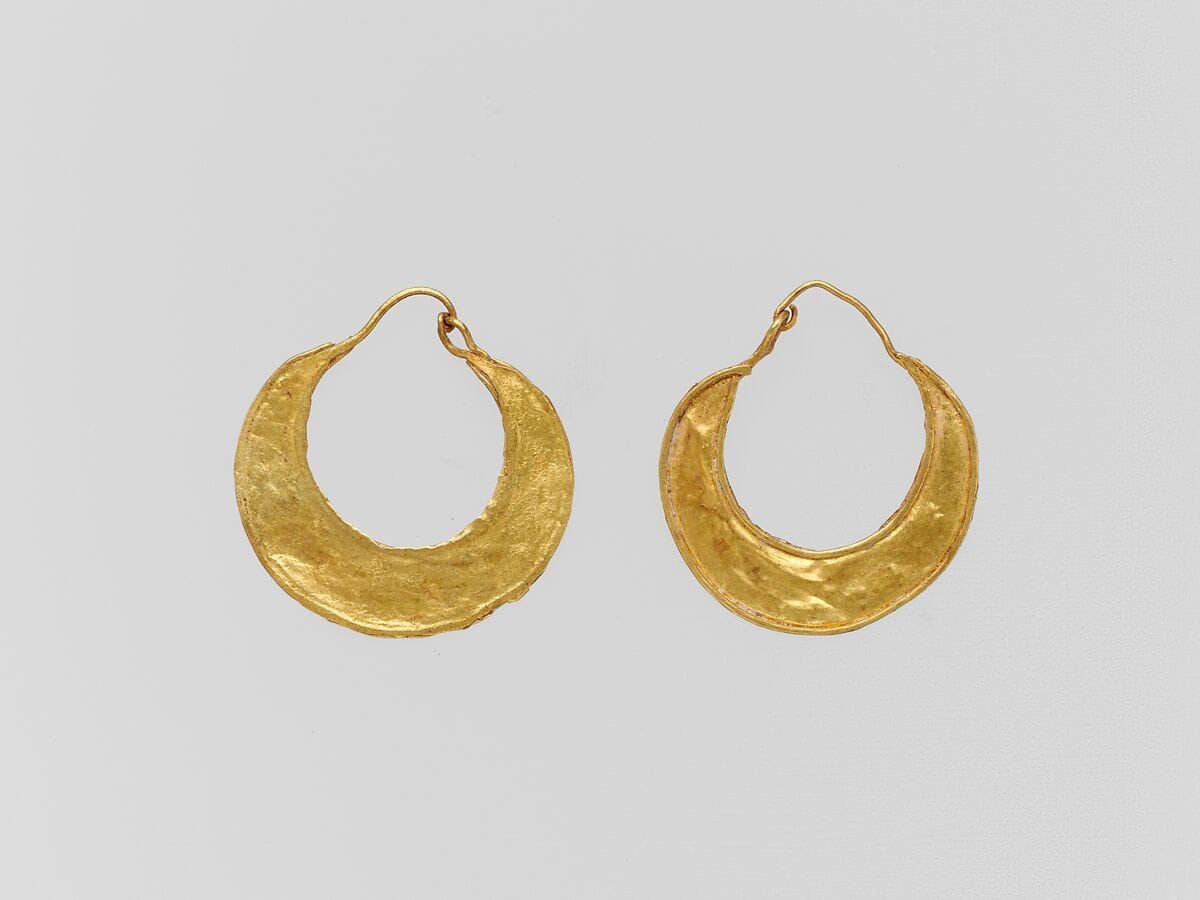
Gold crescent-shaped earring
Classical
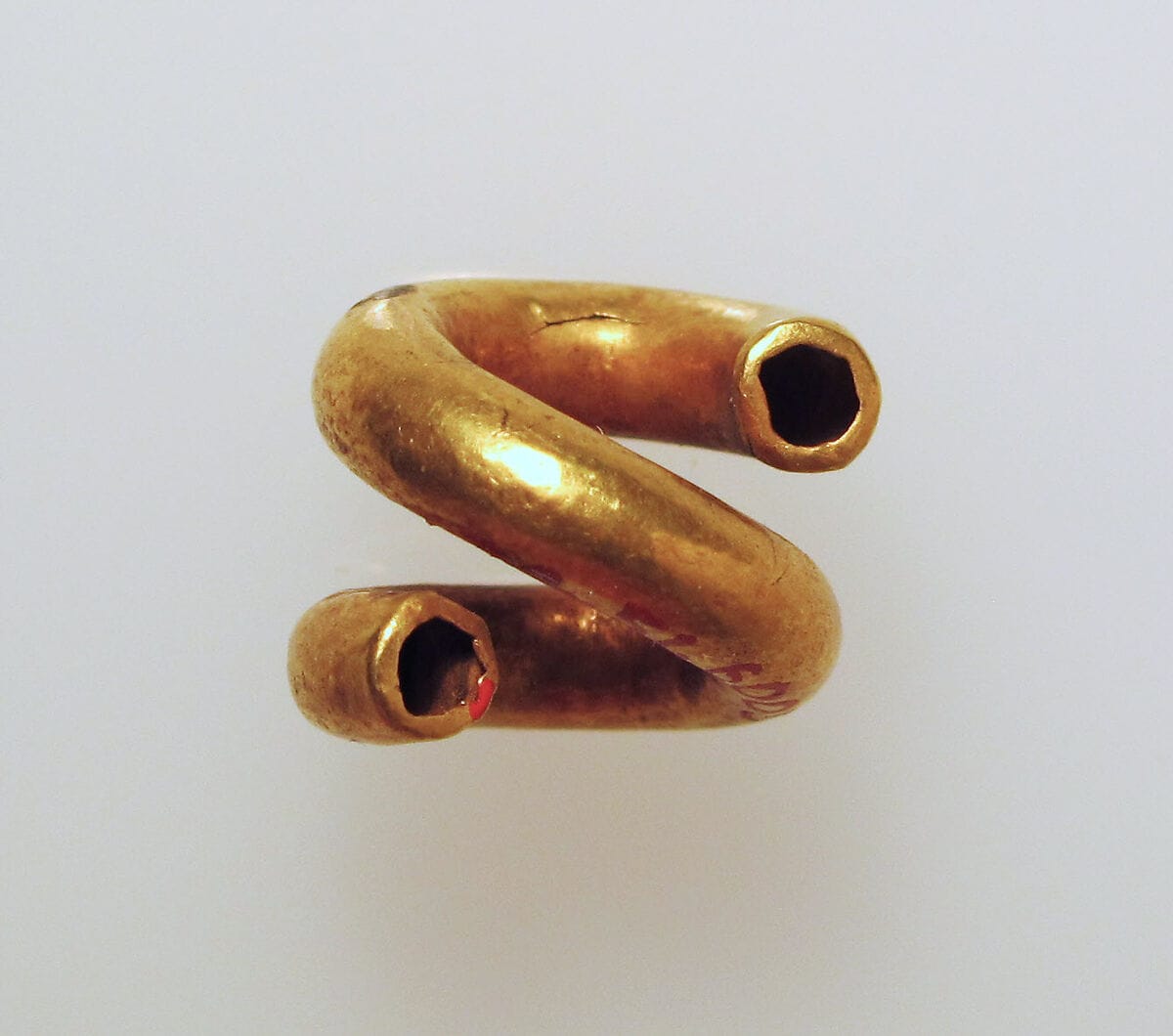
Gold and copper alloy spiral
Archaic II
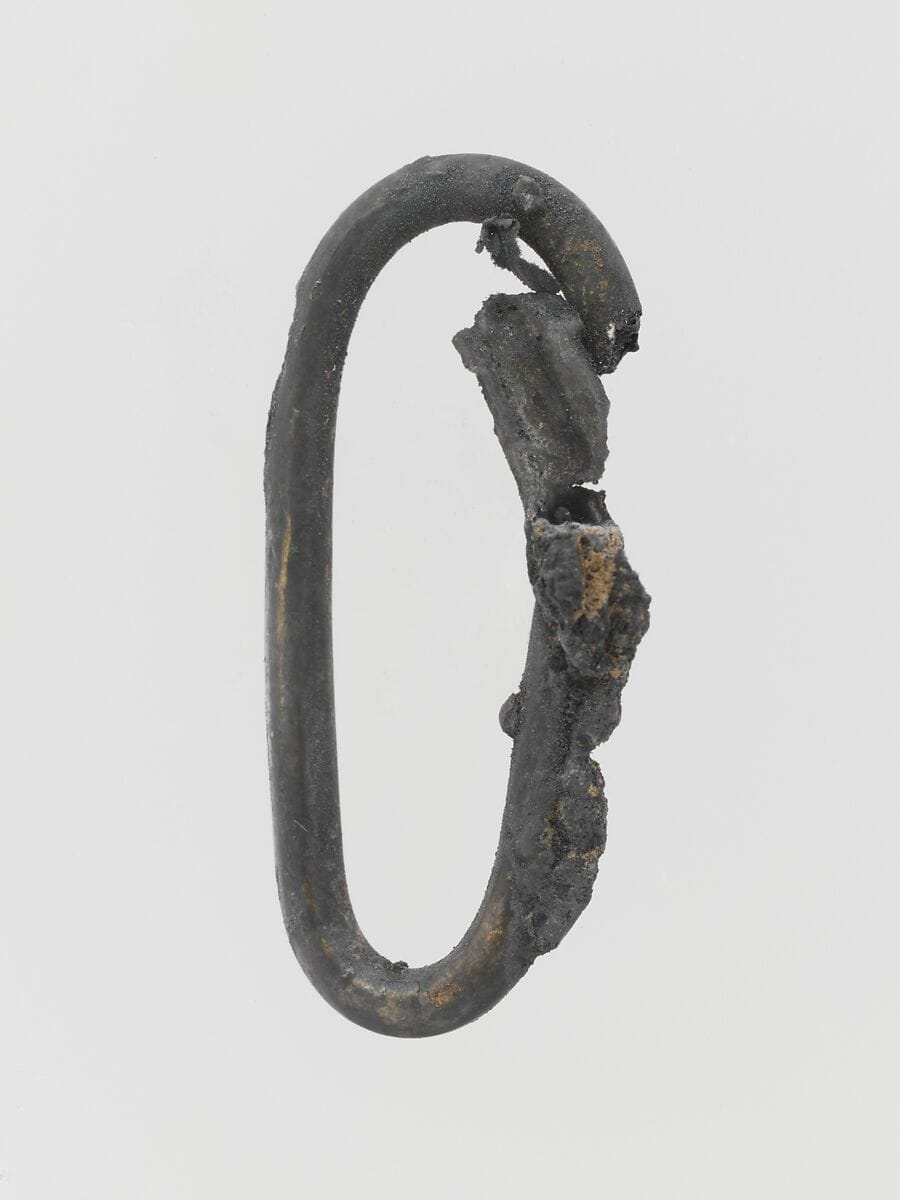
Silver spiral
Late Bronze Age II
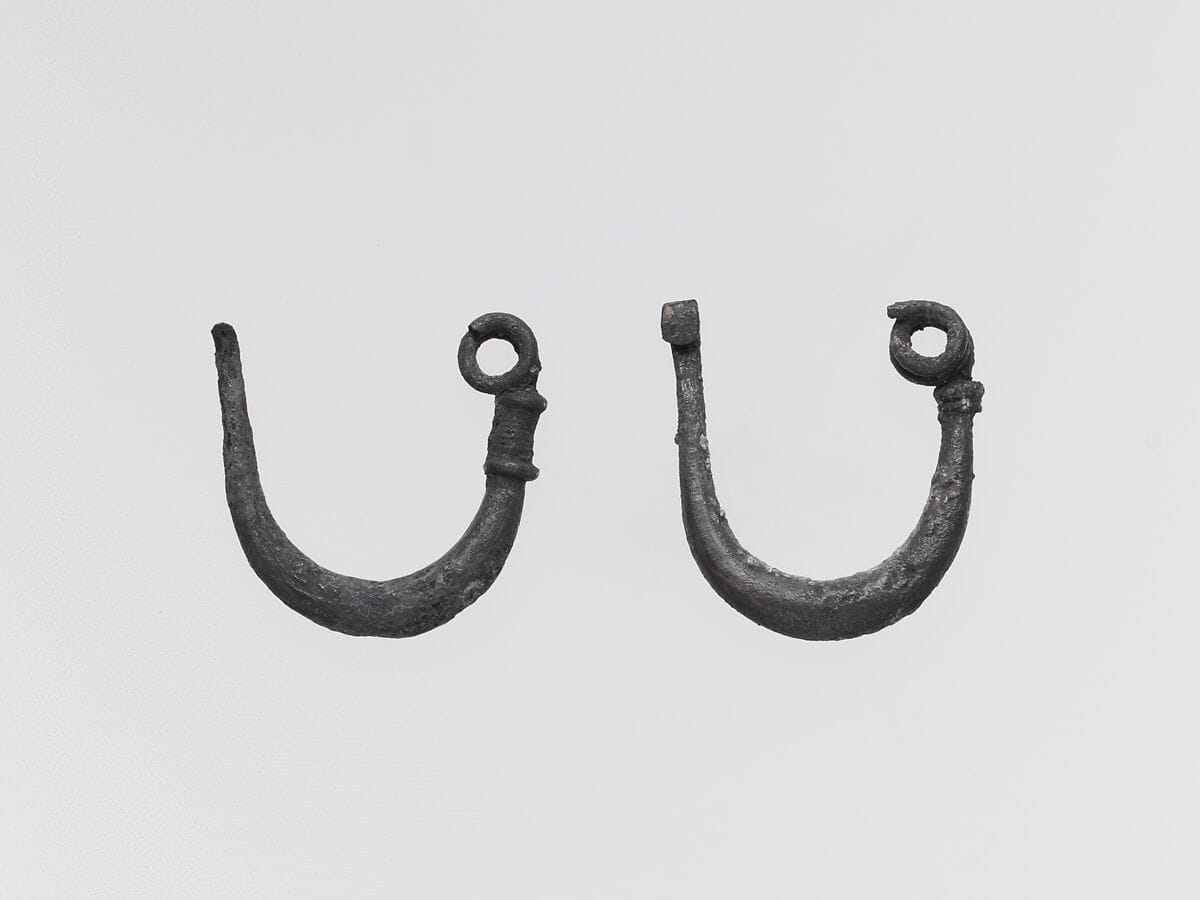
Two silver fibulae (safety pins)
Archaic II
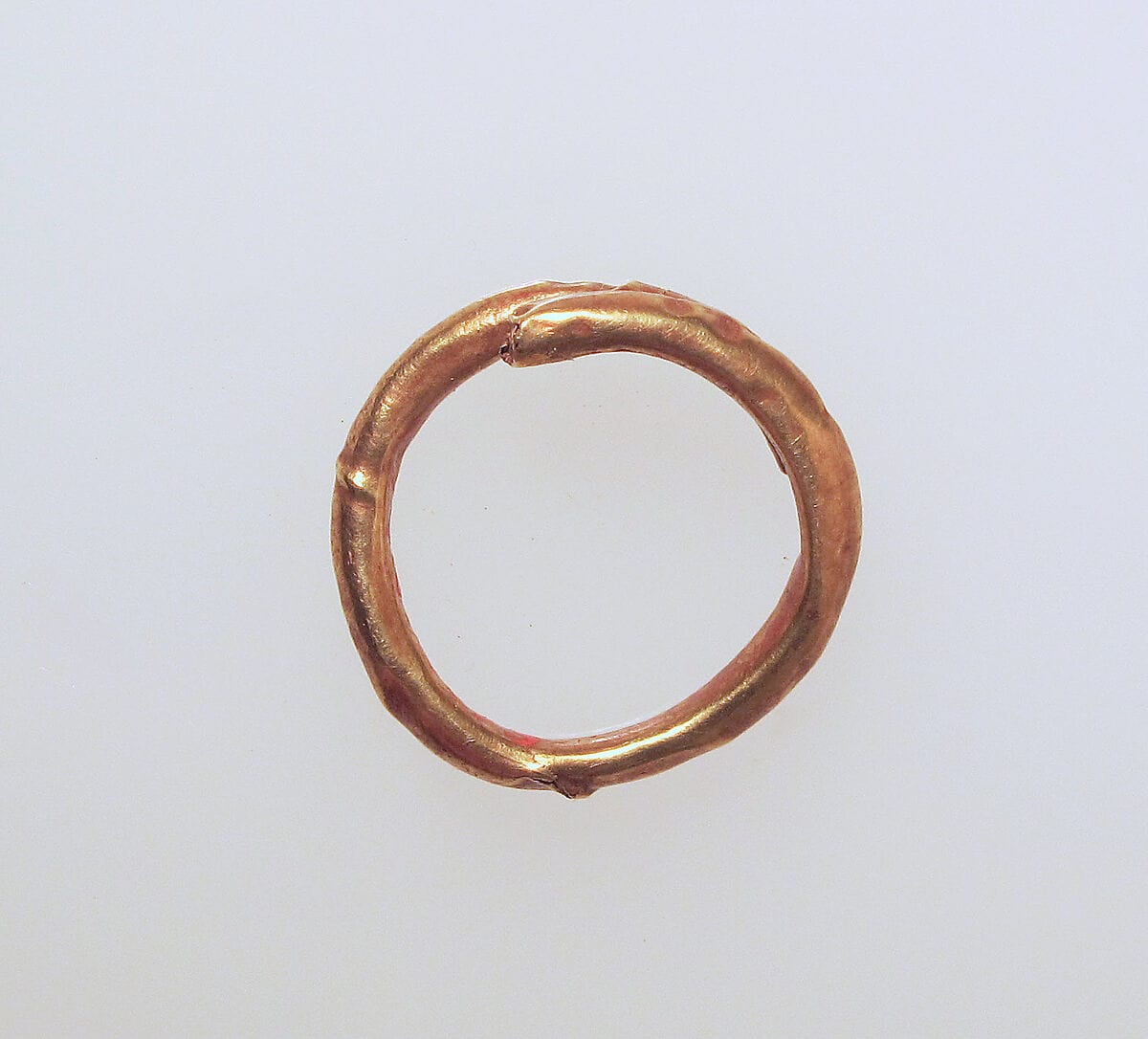
Earring or spiral
Bronze Age
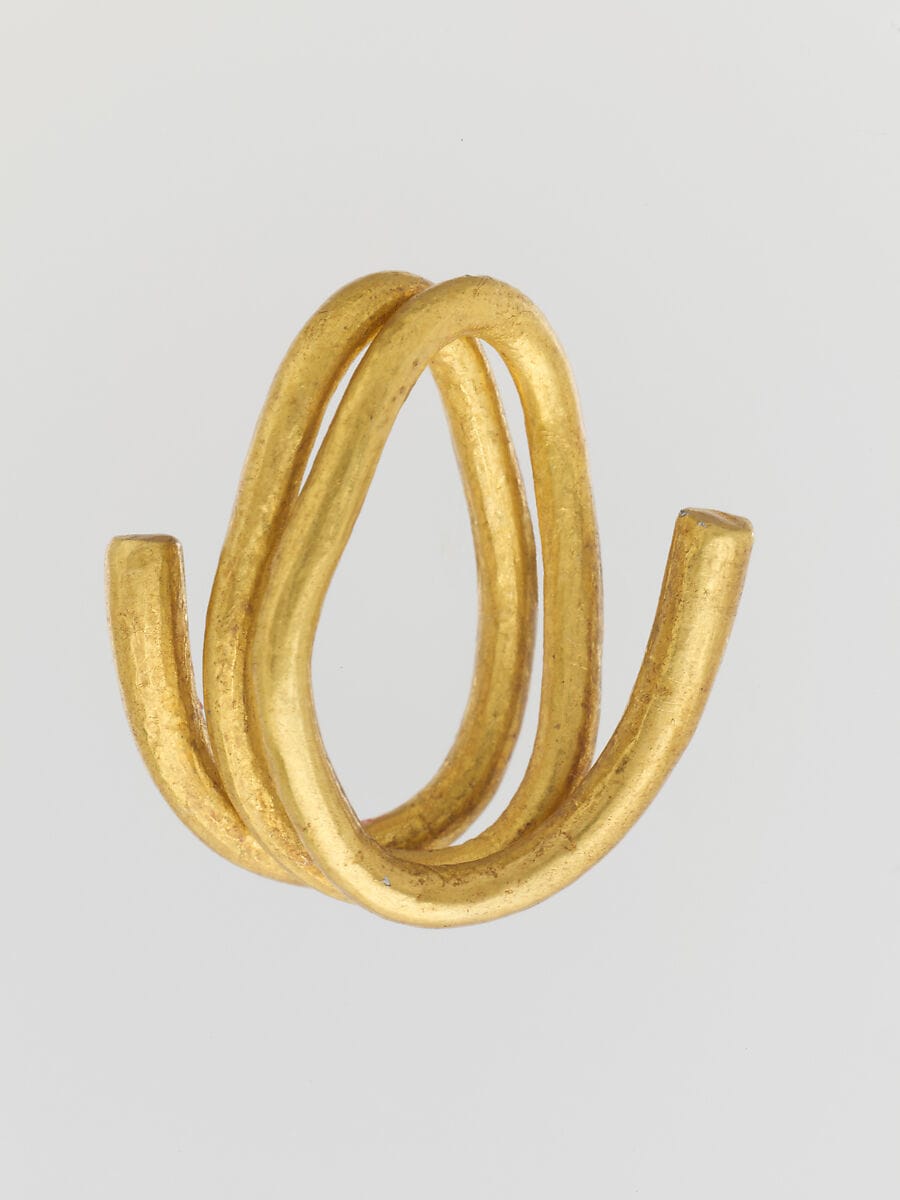
Gold spiral
Late Bronze Age II
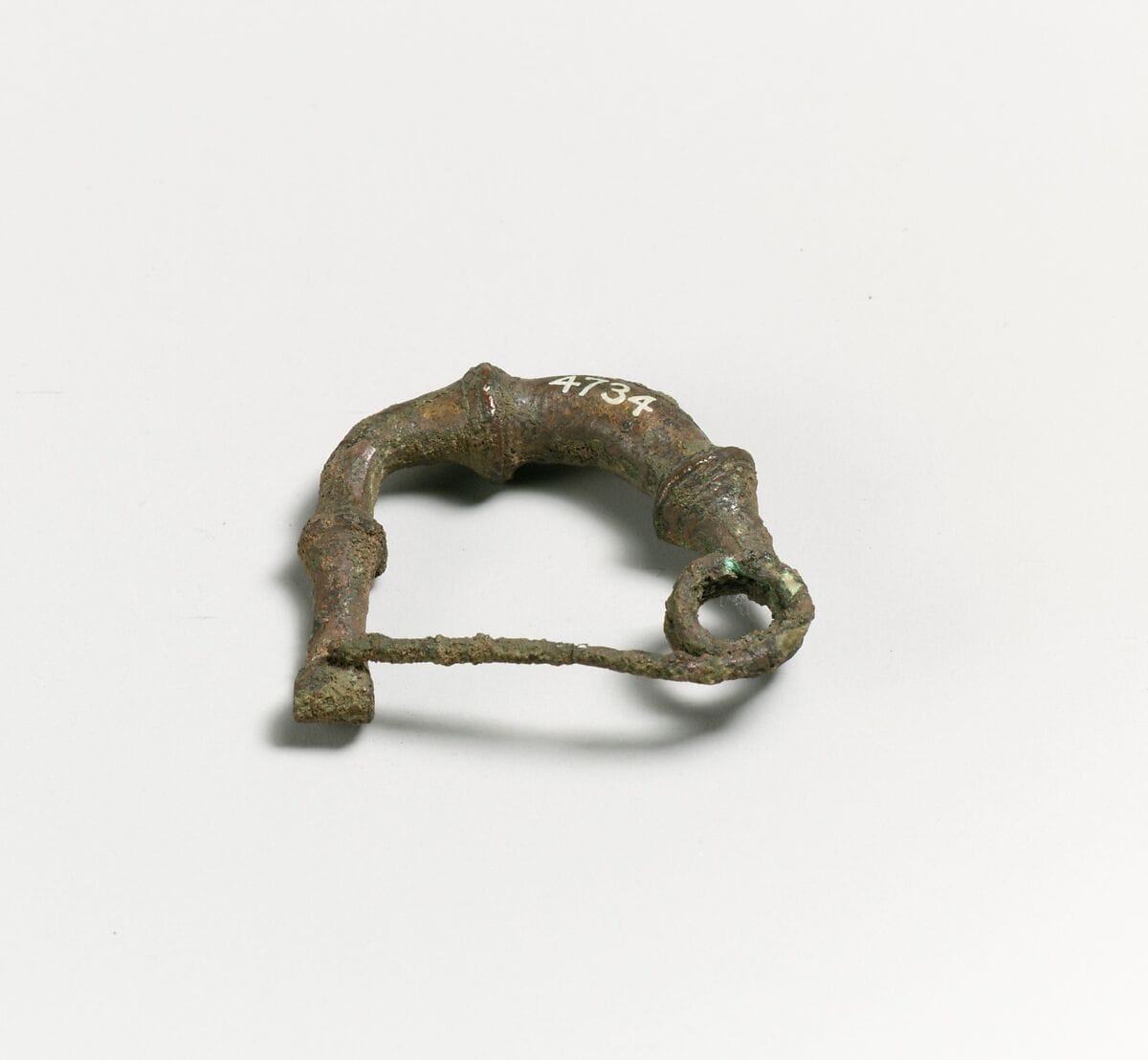
Fibula
Bronze Age
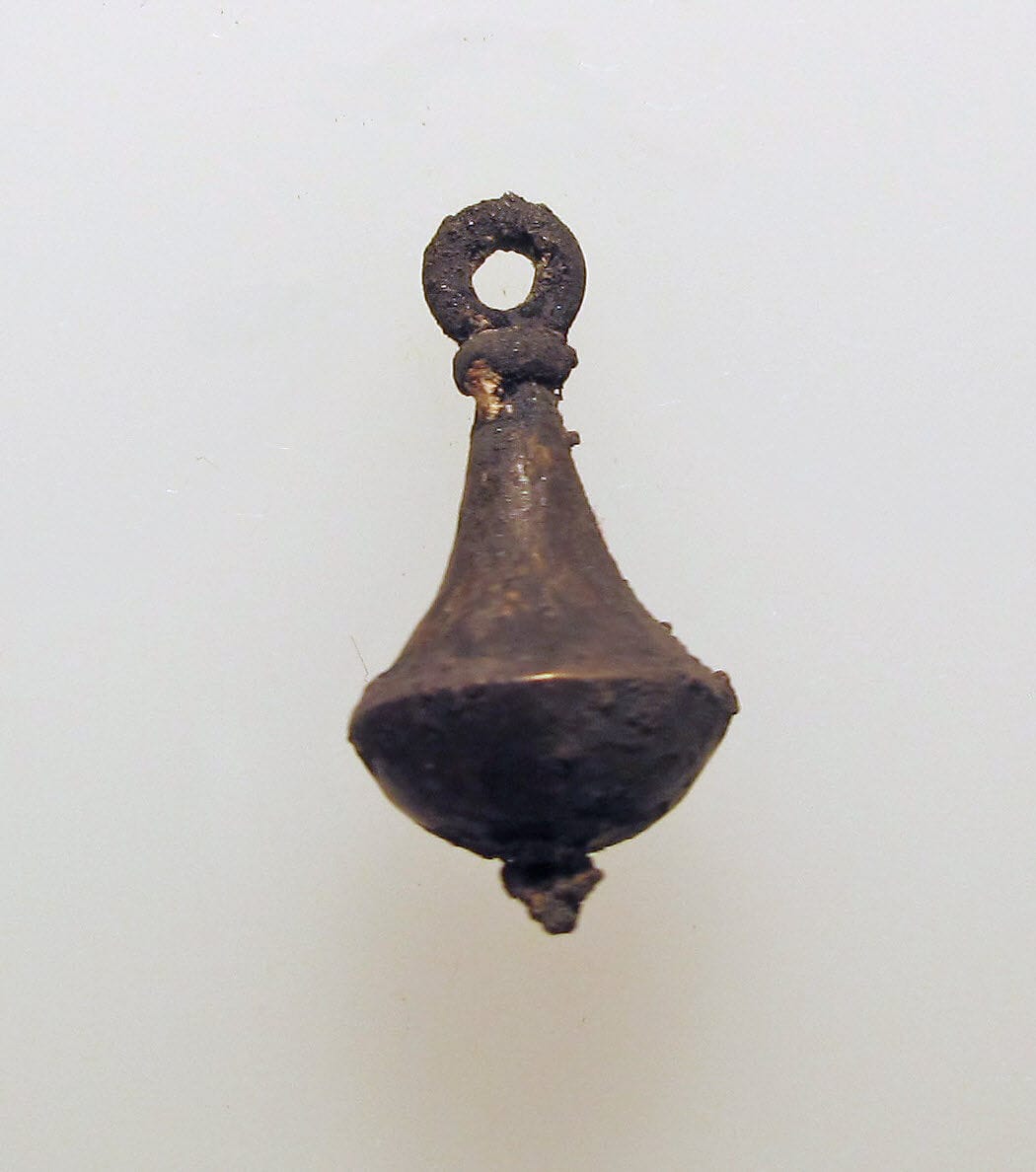
Pendants, nail head, from earrings
Bronze Age
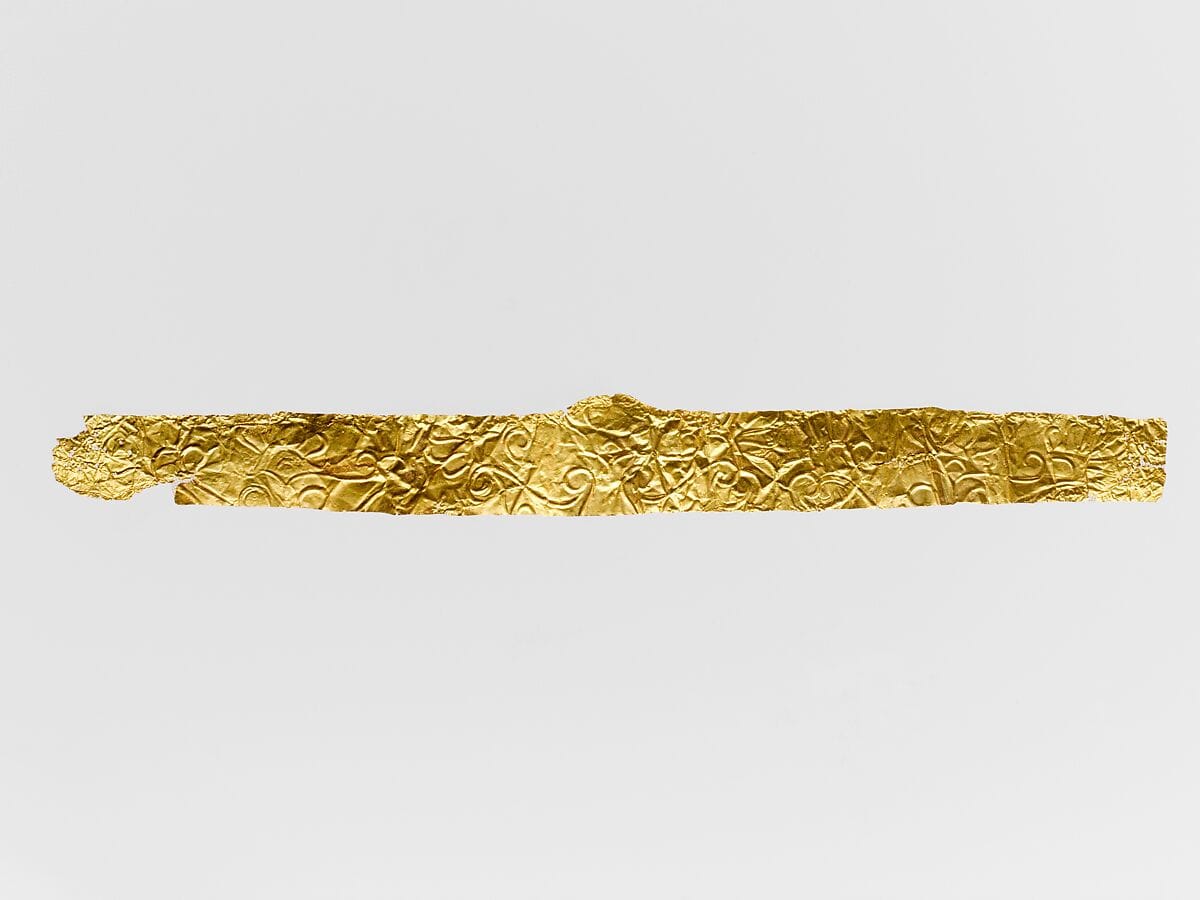
Gold diadem
Classical
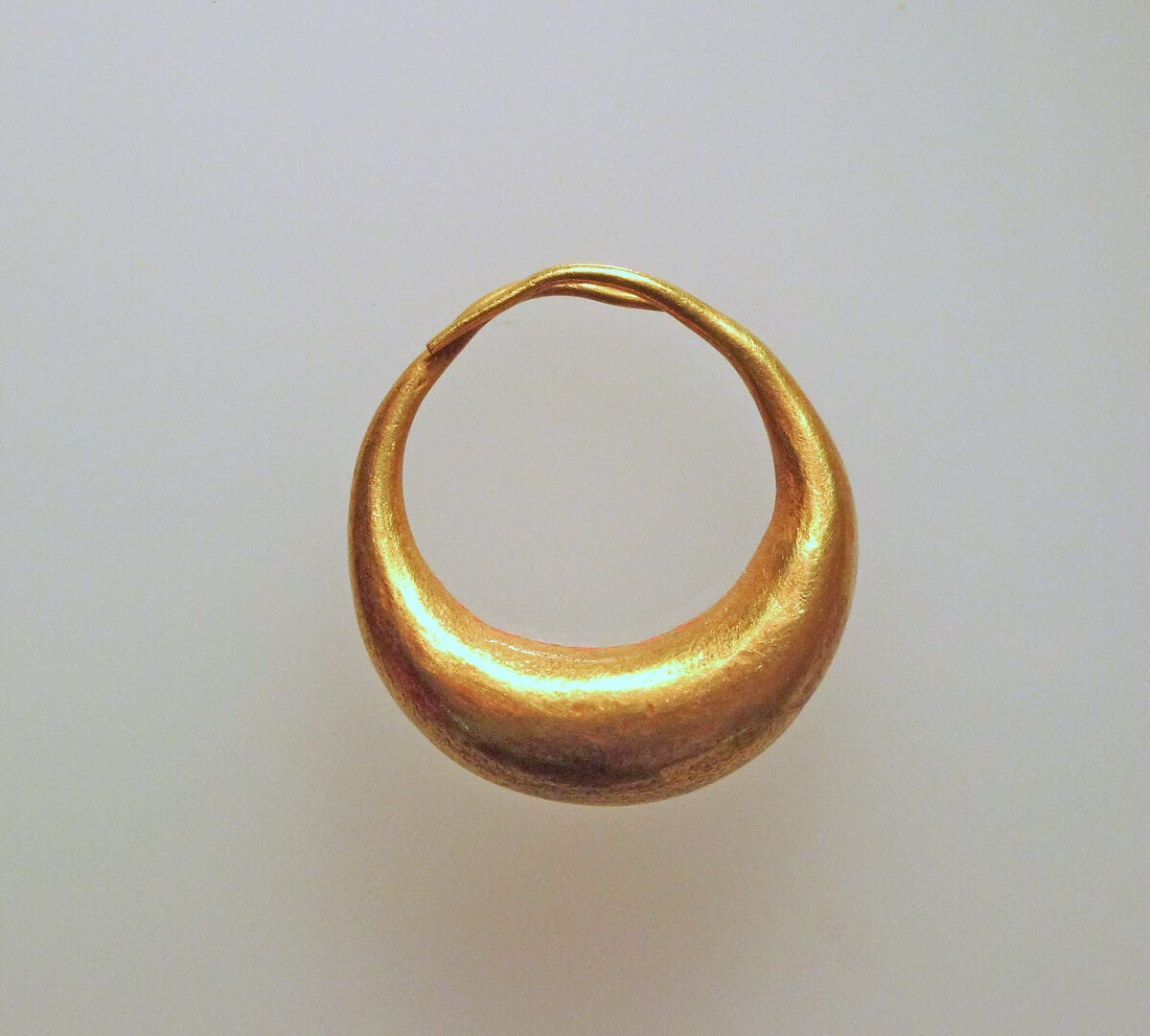
Earring of simple form
Bronze Age
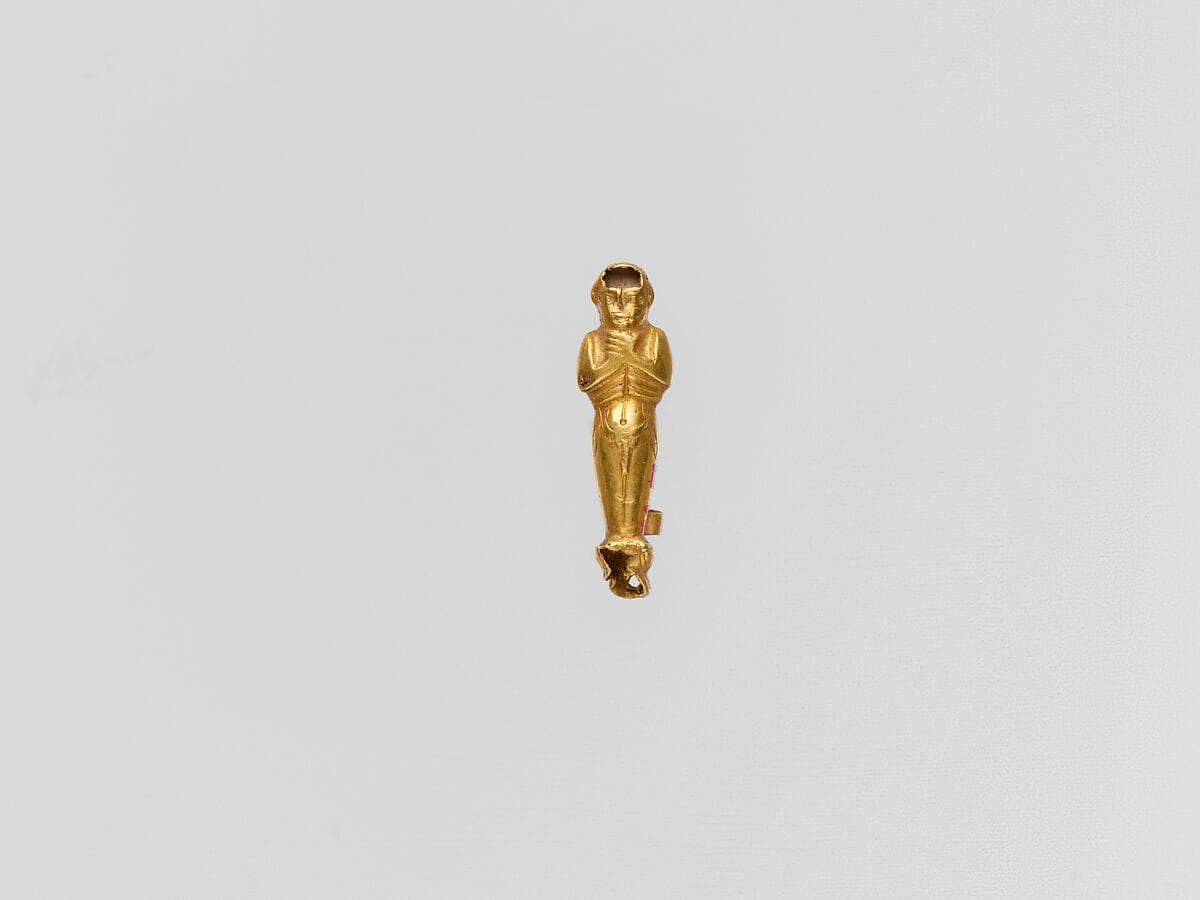
Gold pendant capsule in the form of a male figure
Classical
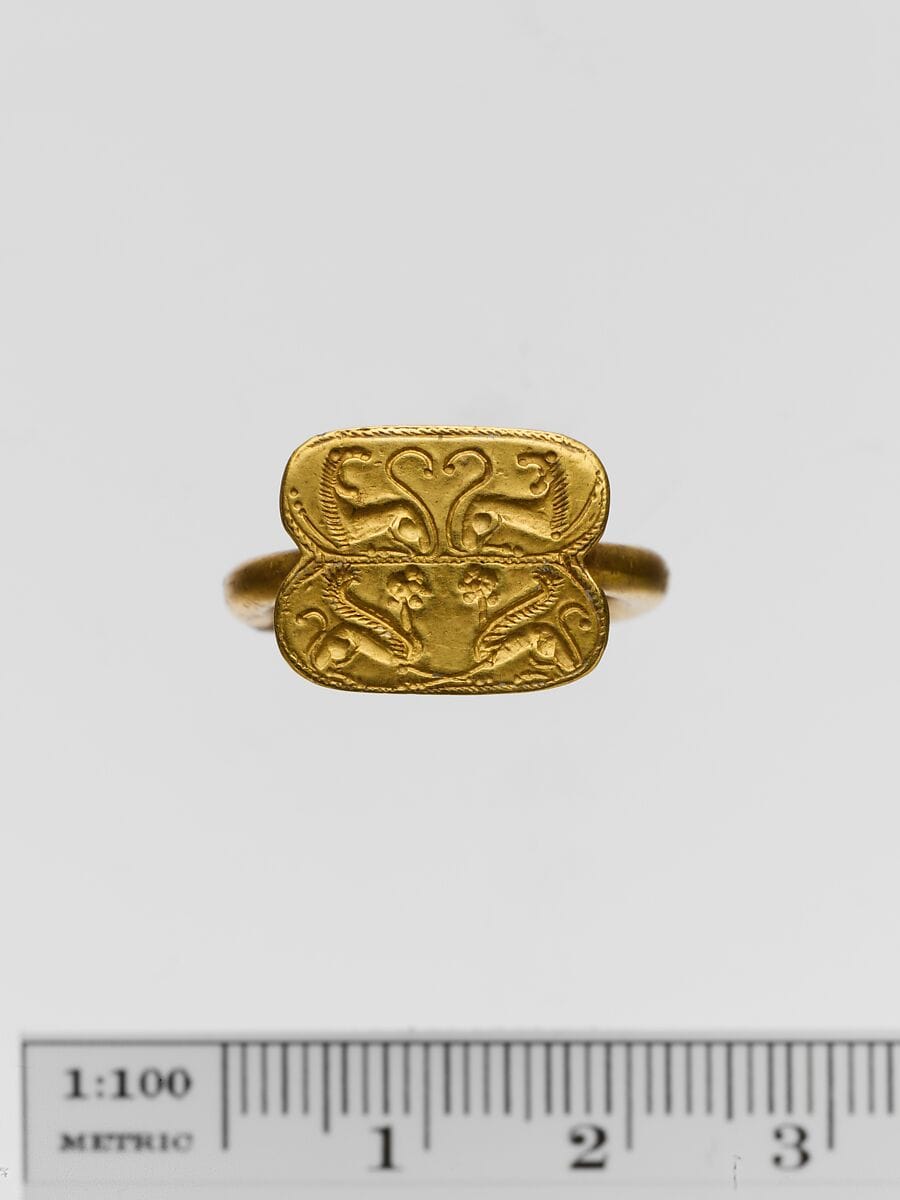
Gold ring
Archaic II
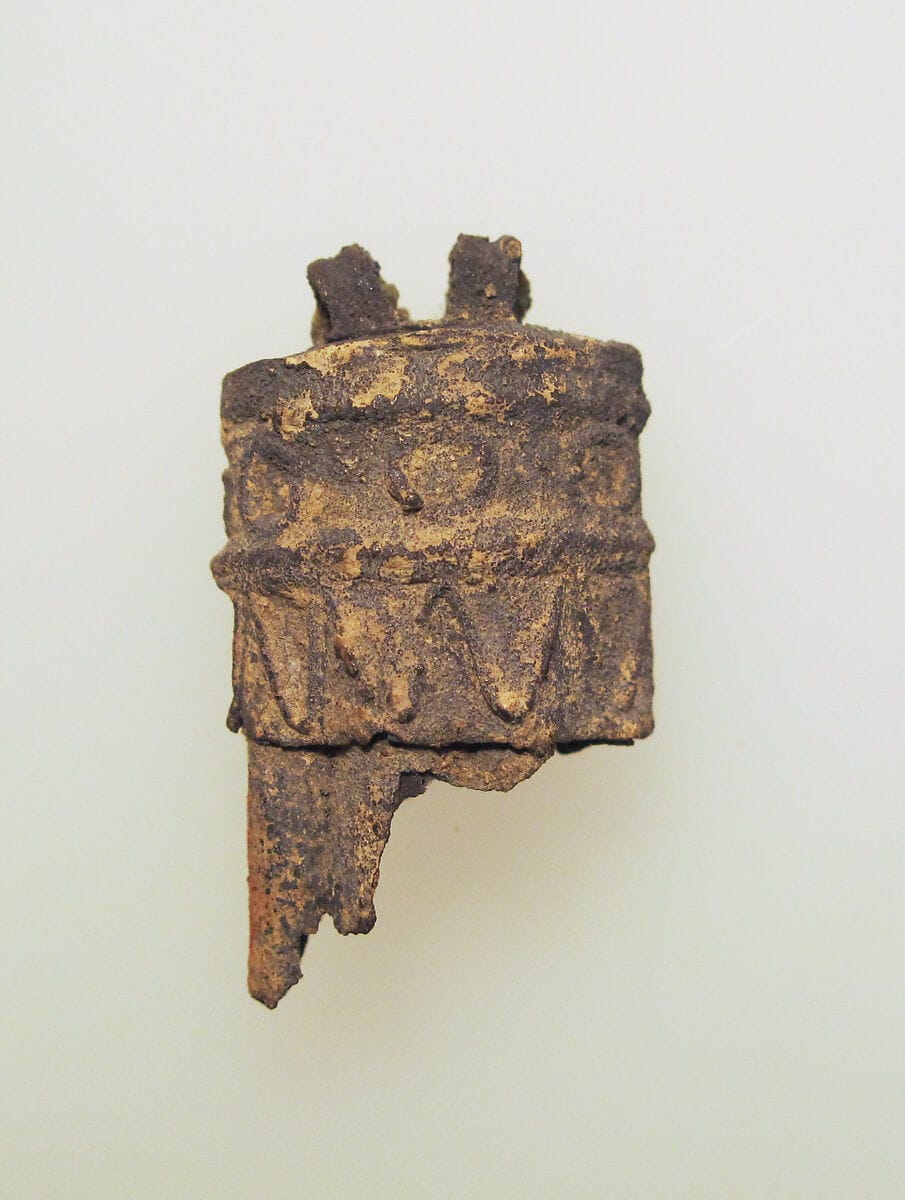
Pendant with geometric ornament
Bronze Age
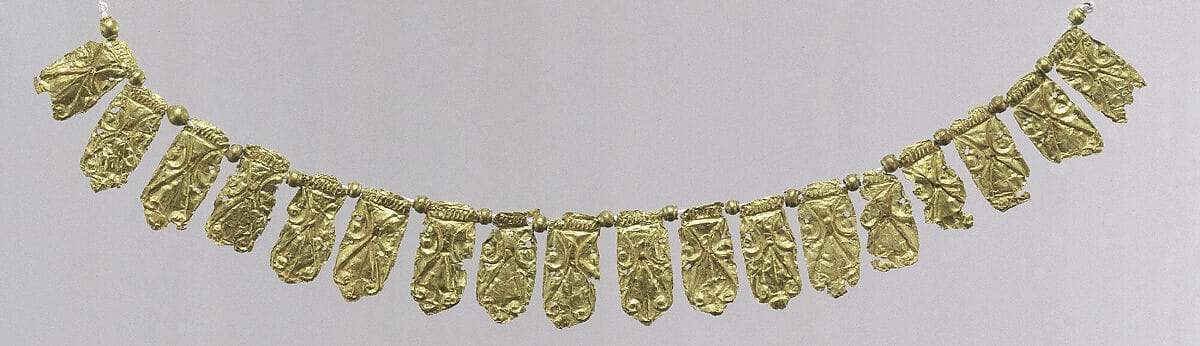
Gold necklace
Late Bronze Age II
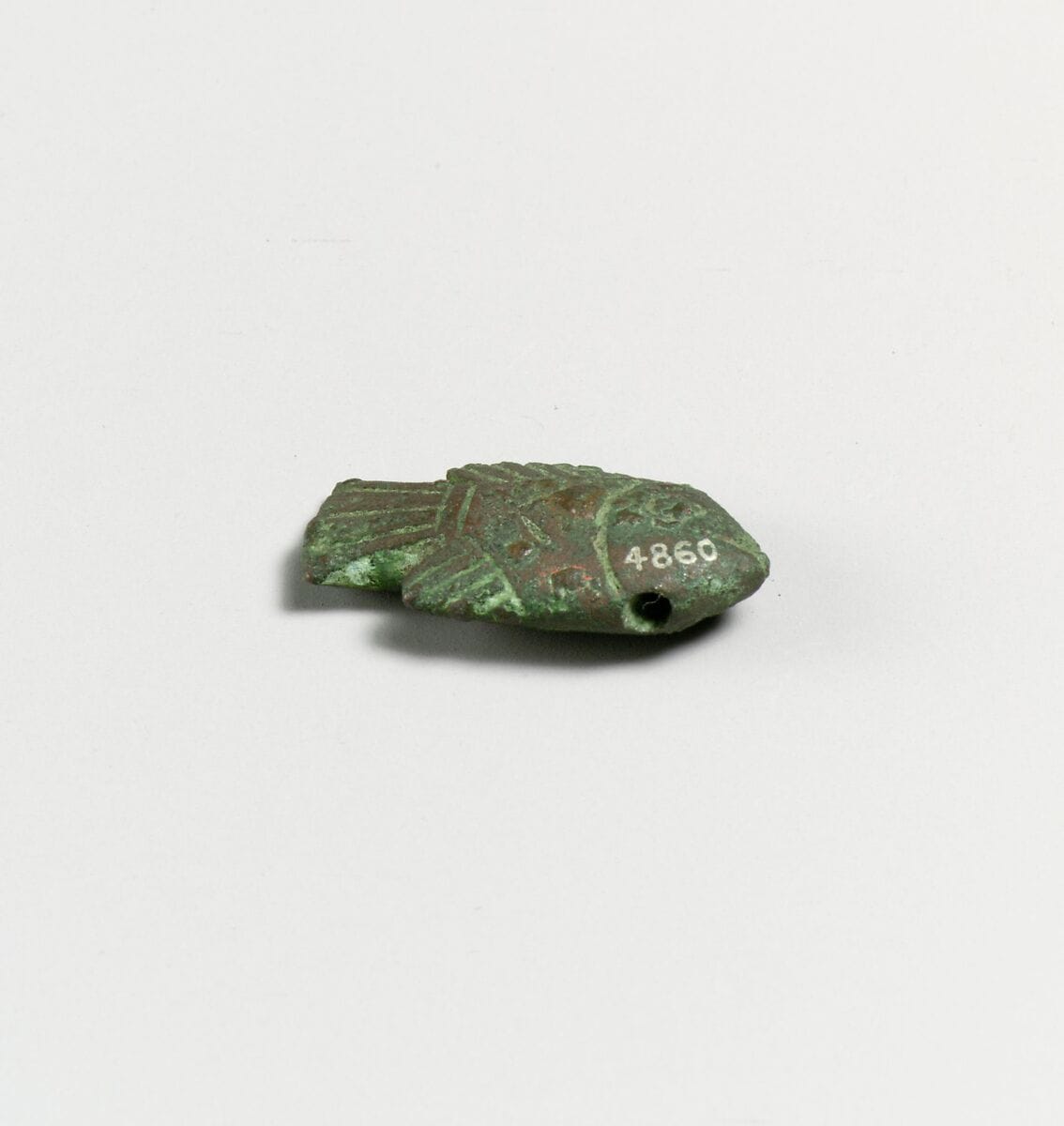
Pendant in the form of a fish
Bronze Age