
Archaic II
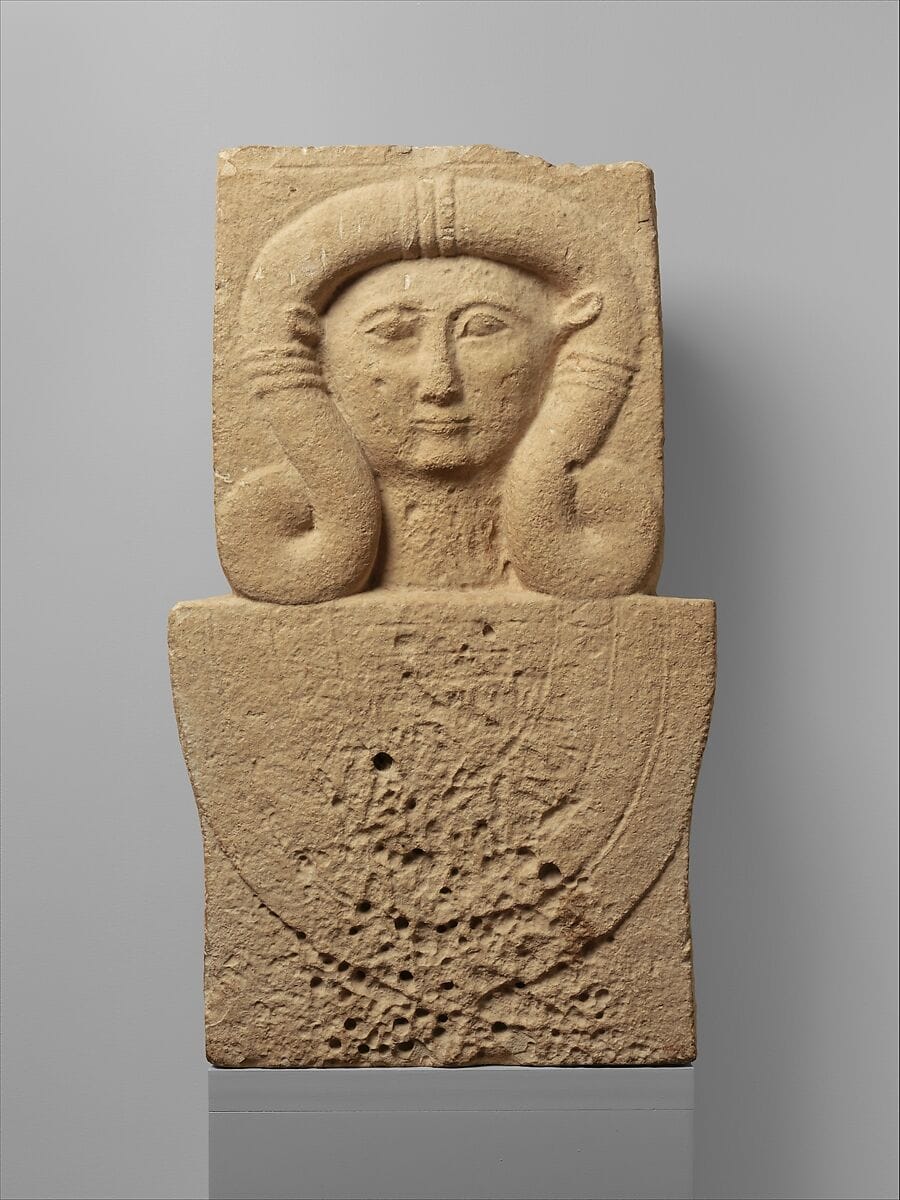
Limestone stele (shaft) with the head of Hathor
The lower part of the shaft has been cut off; two dowel holes on the upper surface permitted an additional element to be fastened. Stone shafts incorporating the head of the Egyptian goddess Hathor occur particularly often at Amathus. Their appearance may be connected with the advent of Egyptian rule over the island. They played a role in the cult of the Great Goddess of Cyprus who, like Hathor, afforded protection against death and harm. The shafts also occur in funerary contexts. WebPub GR 2012 Cesnola: 34 1/2 × 20 1/4 × 9 in., 220 lb. (87.6 × 51.4 cm)
Date
575 - 550 BC
Accession No.
74.51.2475
Collection
Metropolitan Museum of Art
Provenance
- From the necropolis of Golgoi
References
- Cesnola, Luigi Palma di. 1885. A Descriptive Atlas of the Cesnola Collection of Cypriote Antiquities in the Metropolitan Museum of Art, New York, Vol. 1. pl. XVIII.27, Boston: James R. Osgood and Company.Myres, John L. 1914. Handbook of the Cesnola Collection of Antiquities from Cyprus. no. 1414, New York: The Metropolitan Museum of Art.Mercklin, Eugen von. 1962. Antike Figuralkapitelle. no. 61, p. 21, fig. 86, Berlin: W. de Gruyter & Co.Sophocleous, Sophocles. 1985. ""Atlas des représentations chypro-archaiques des divinités." Master's Diss.." Master's Diss. no. 126, p. 126, pl. XXXI.1. Paul Aströms Förlag.Hermary, Antoine. 1985. "Un nouveau chapiteau hathorique trouvé à Amathonte." Bulletin de Correspondance Hellénique, 109(2): pp. 676, 678, 681, fig. 23.Lexicon Iconographicum Mythologiae Classicae (LIMC). 1988. Vol. 4: Eros-Herakles. "Hathor," p. 454, no. 12, pl. 274, Zürich: Artemis Verlag.Karageorghis, Vassos, Joan Mertens, and Marice E. Rose. 2000. Ancient Art from Cyprus: The Cesnola Collection in The Metropolitan Museum of Art. no. 183, p. 118, New York: The Metropolitan Museum of Art.Karageorghis, Jacqueline. 2005. Kypris: the Aphrodite of Cyprus: Ancient Sources and Archaeological Evidence. pp. 168-69, fig. 175, Nicosia, Cyprus: Foundation Anastasios G. Leventis.Stylianou, Andreas and Patrick Schollmeyer. 2007. "Der Sarkophag aus Golgoi." Dynastensarkophage mit szenischen Reliefs aus Byblos und Zypern: Der Sarkophag aus Amathous als Beispiel kontaktinduzierten Wandels, 2. p. 220 n. 213, Mainz am Rhein: Philipp von Zabern.Hermary, Antoine and Joan R. Mertens. 2013. The Cesnola Collection of Cypriot Art : Stone Sculpture. no. 457, pp. 59, 329-30, Online Publication, New York: The Metropolitan Museum of Art.
More from the Catalogue
Browse related objects
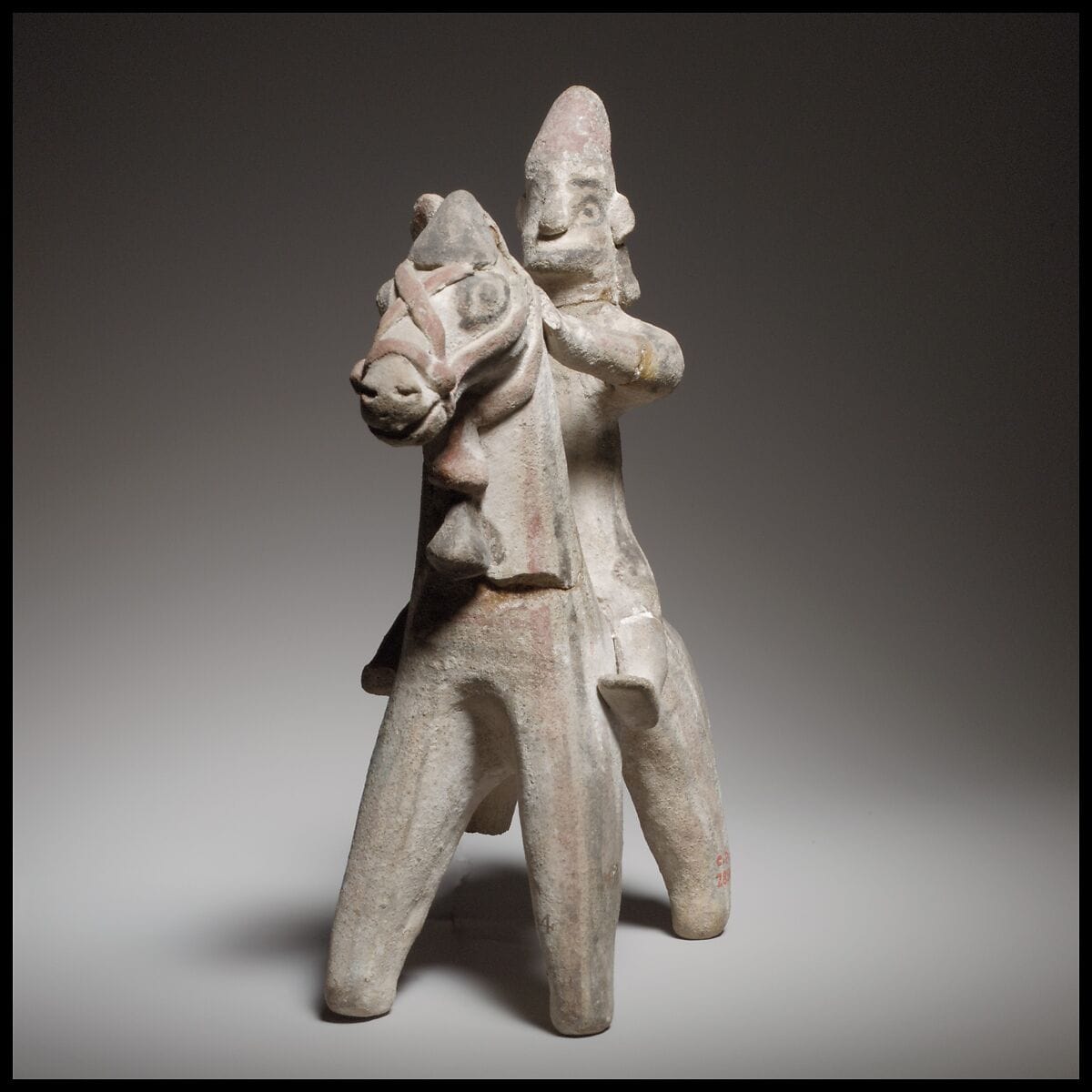
Horse and rider figurine
Archaic II
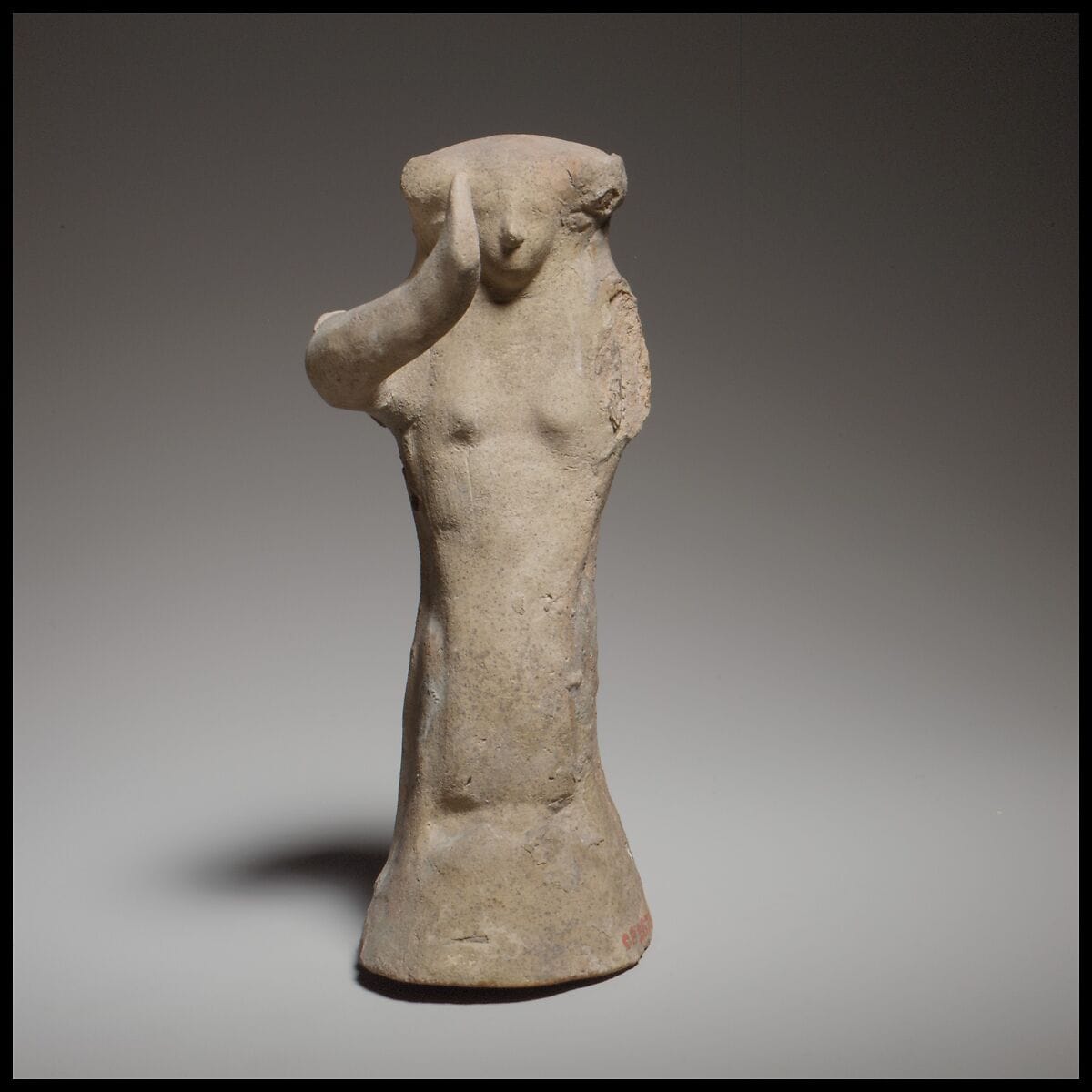
Seated female figurine of the dea gravida type
Archaic II
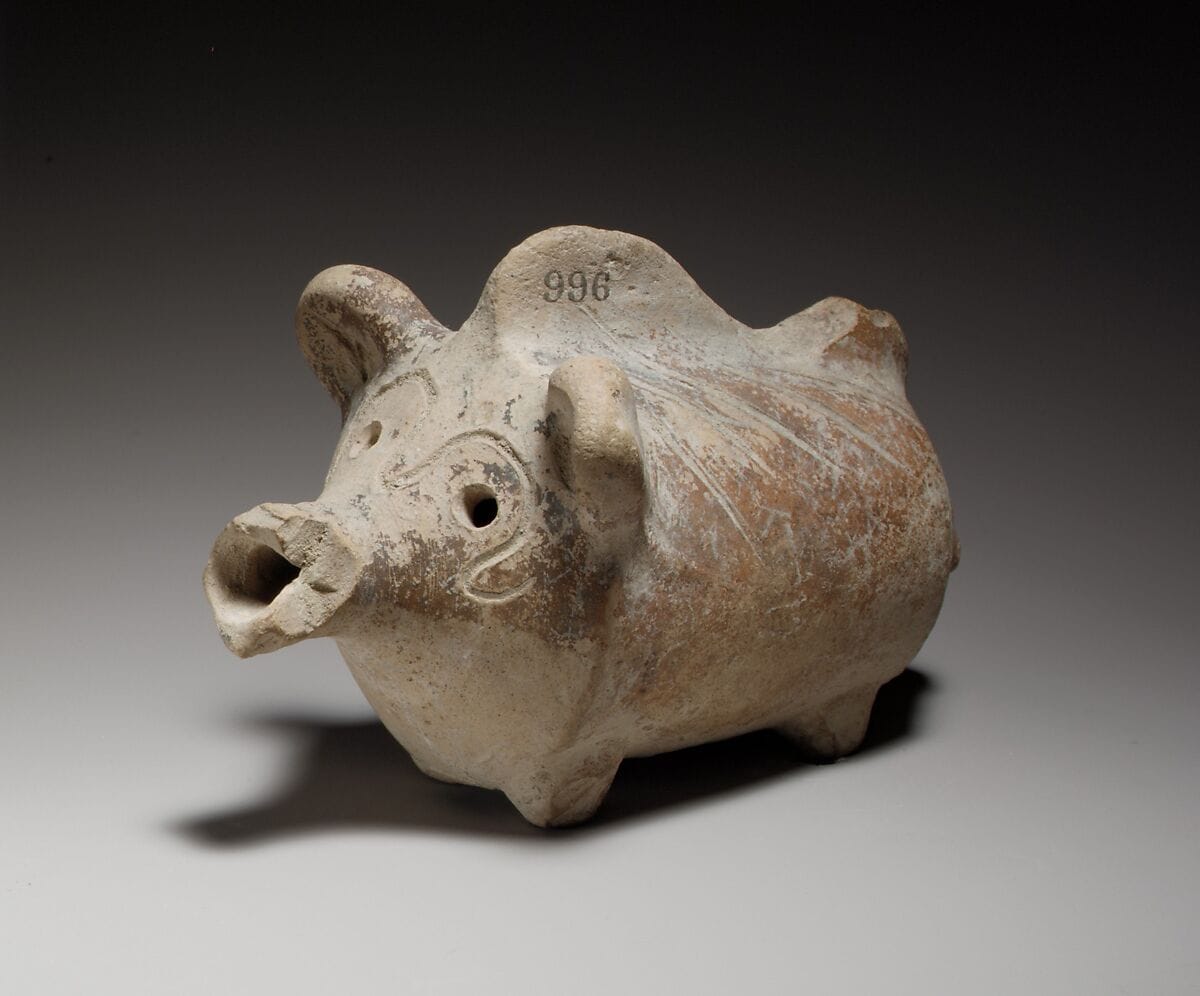
Terracotta rattle in the form of a pig
Hellenistic
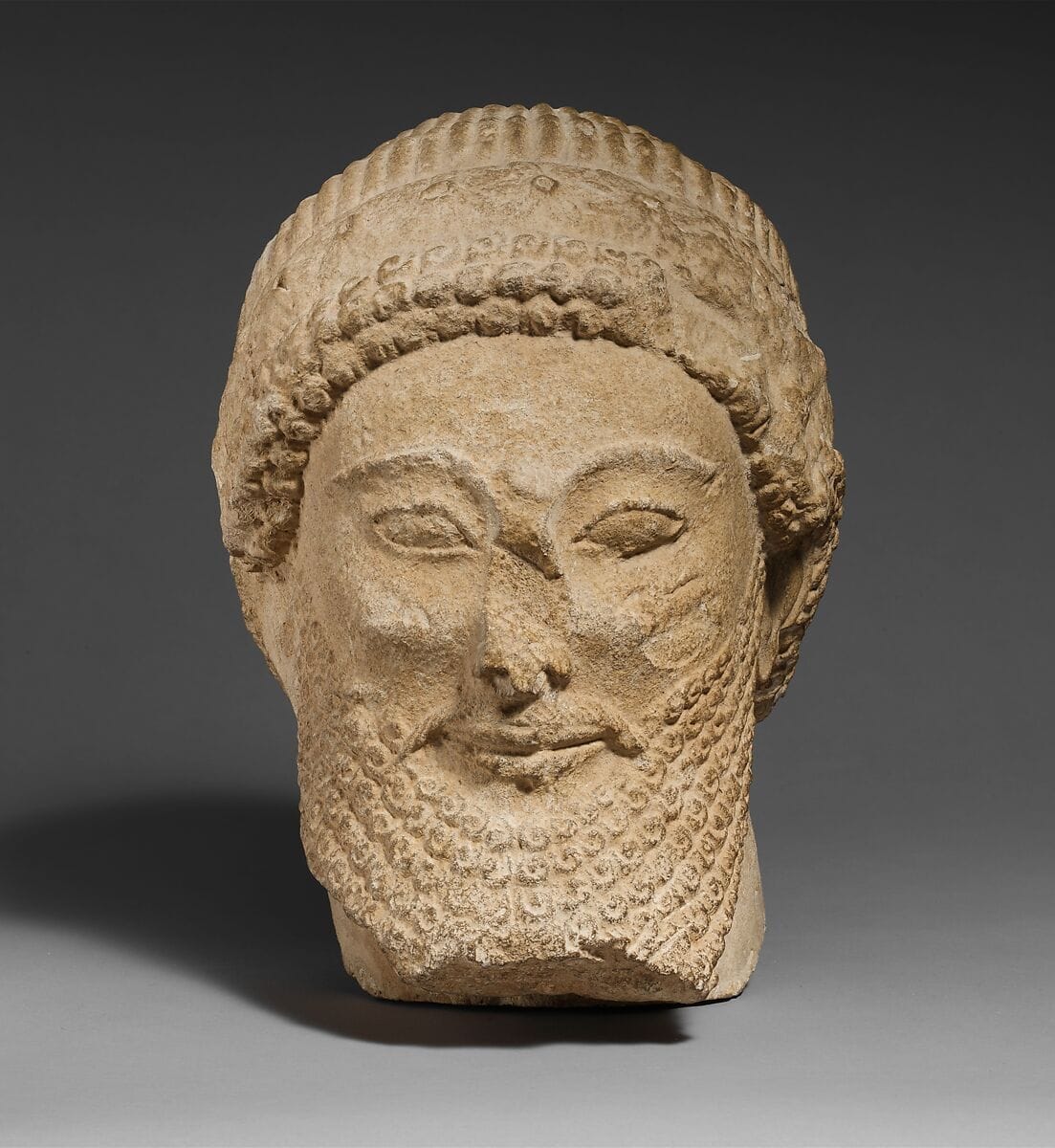
Limestone head of a bearded male with a wreath of flowers
Archaic II
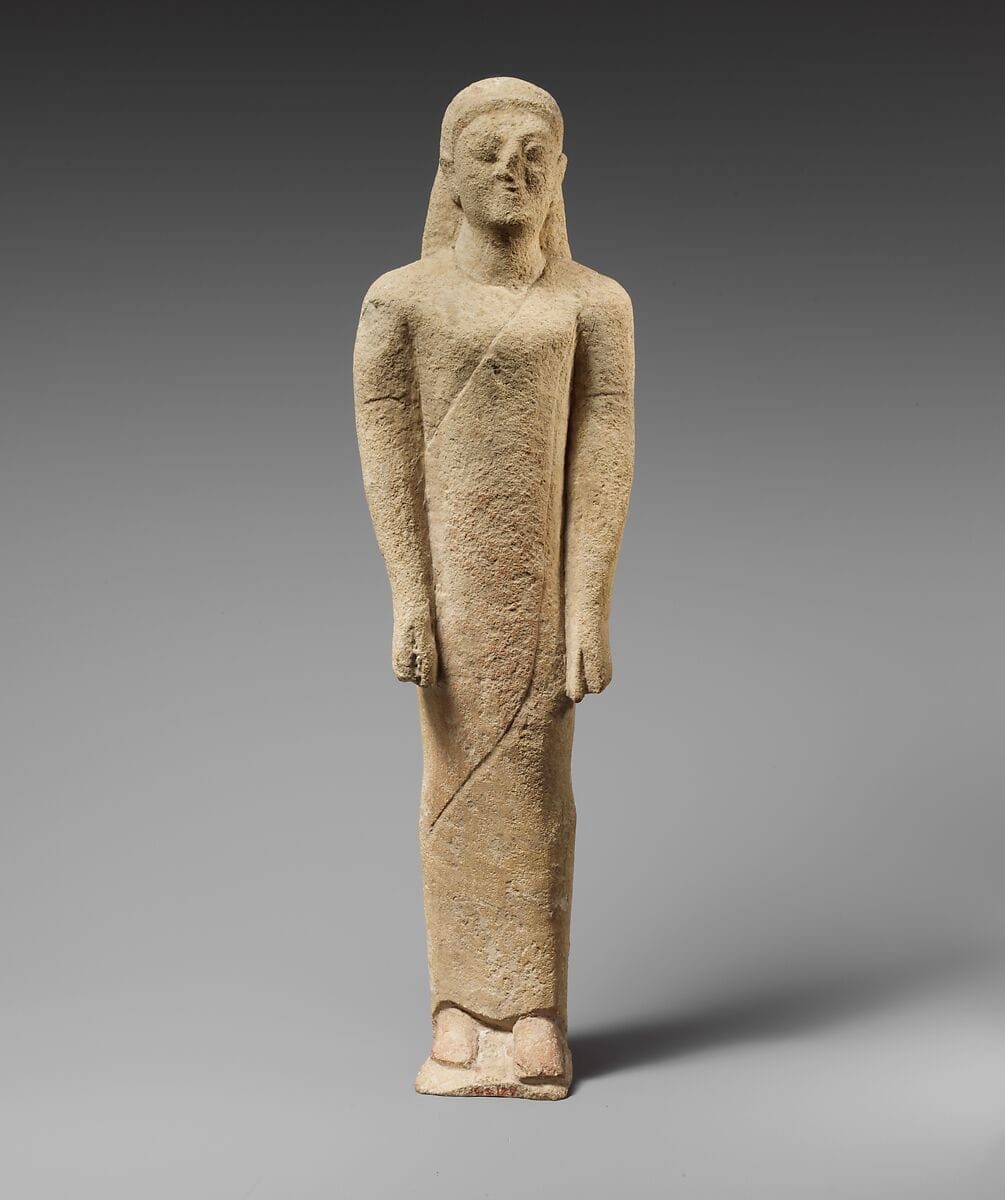
Limestone statuette of a beardless male votary in Greek dress
Archaic II
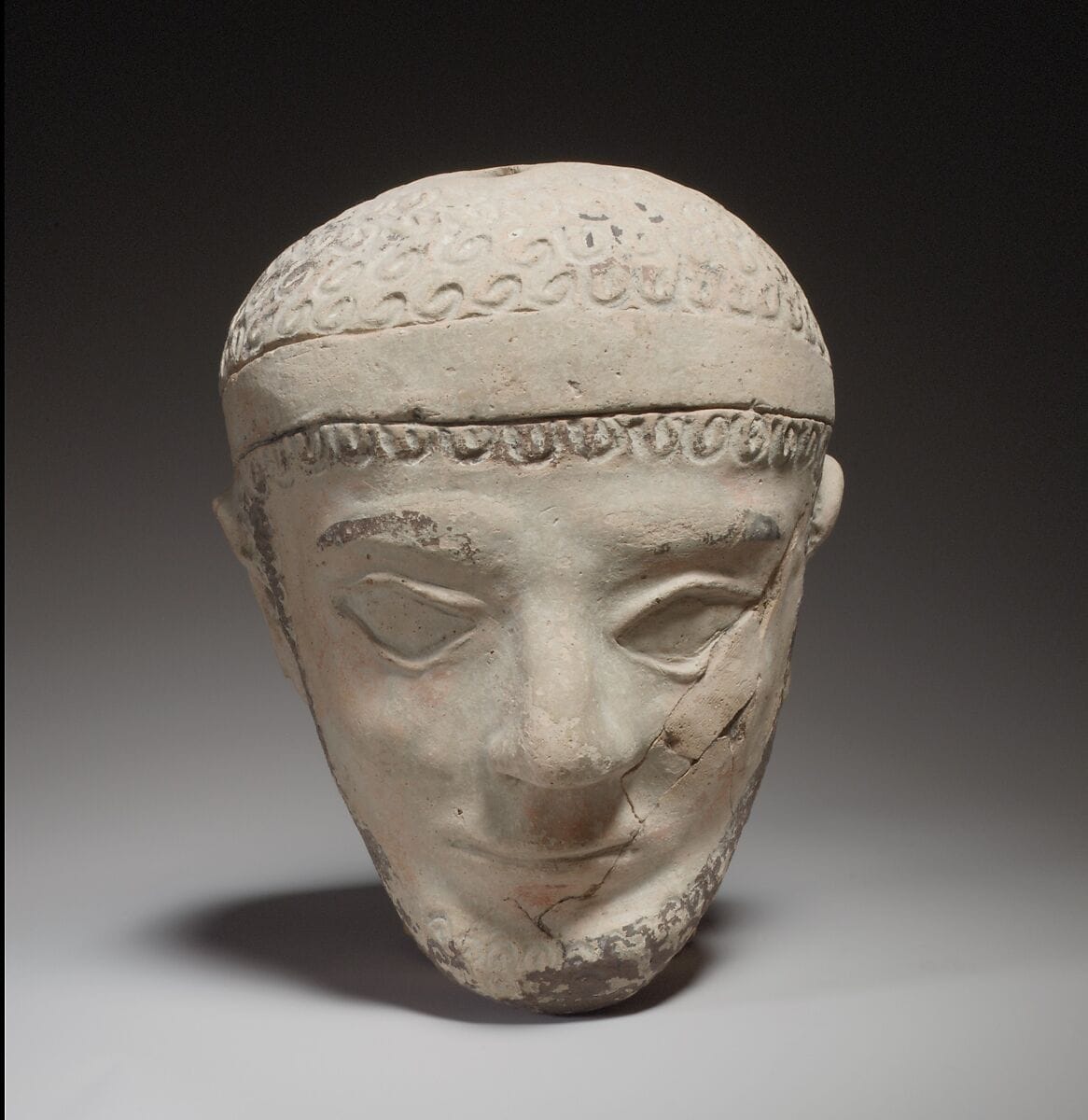
Terracotta head of a man
Archaic II
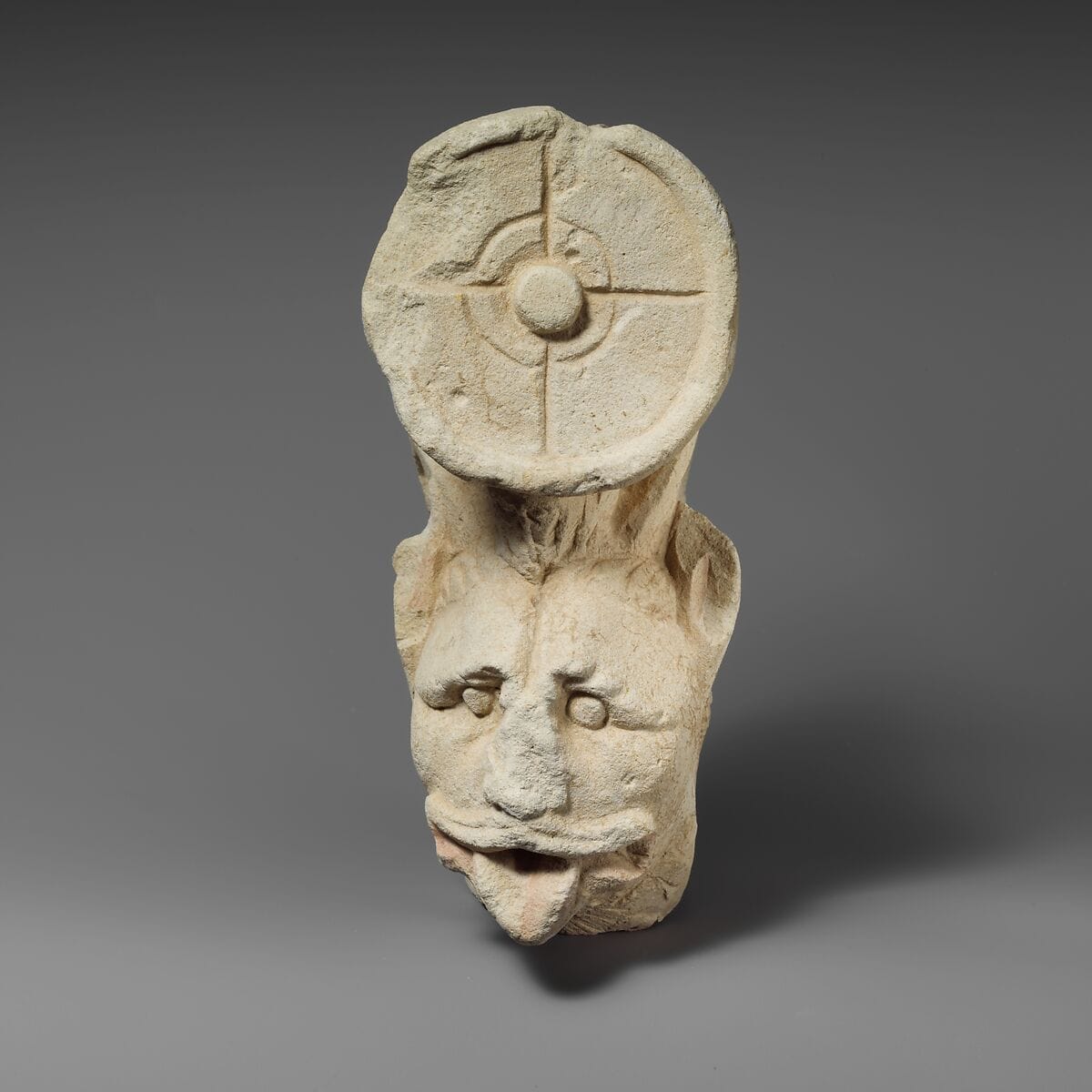
Fragment of a limestone throne (?) with the head of a horned lion
Roman
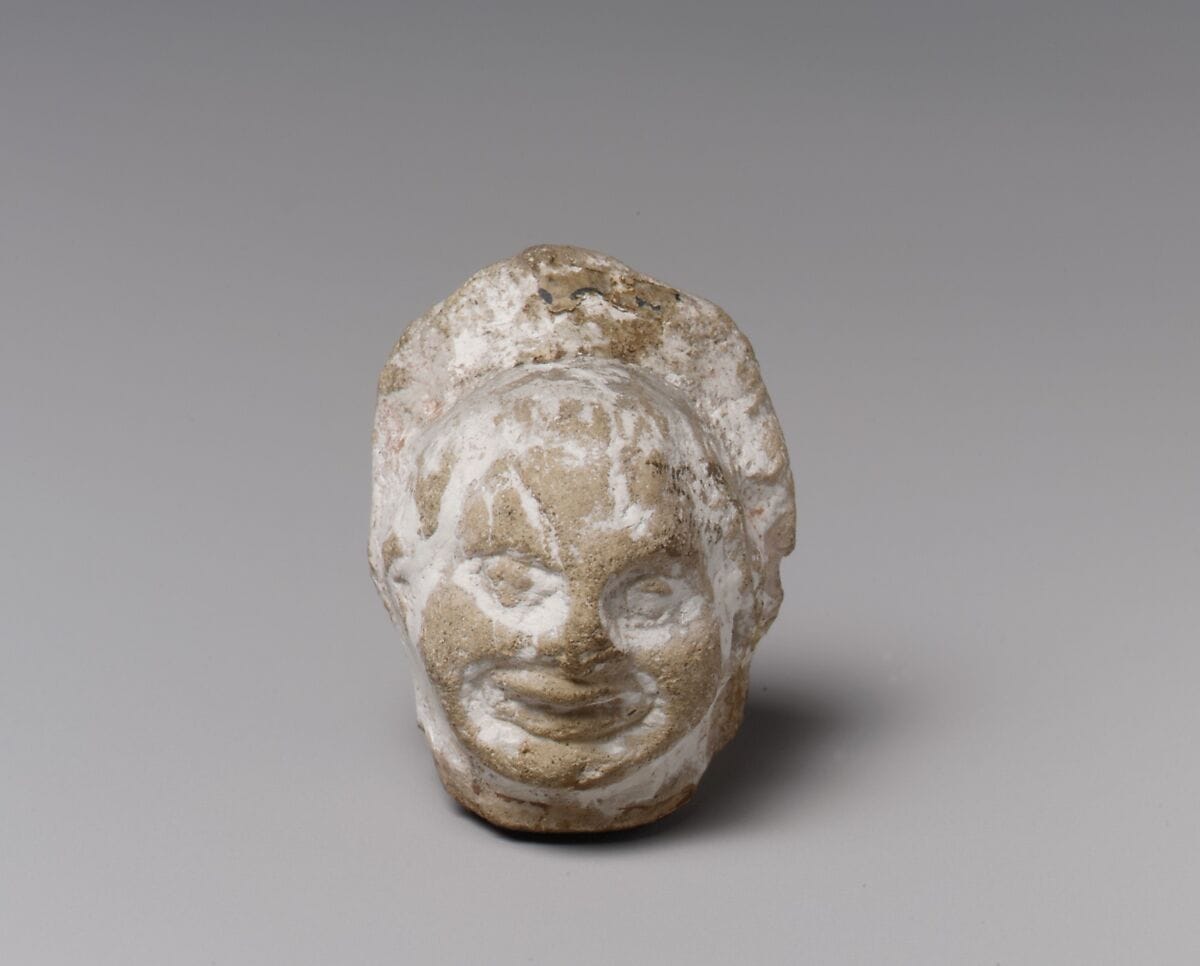
Head of a comic figurine
Hellenistic
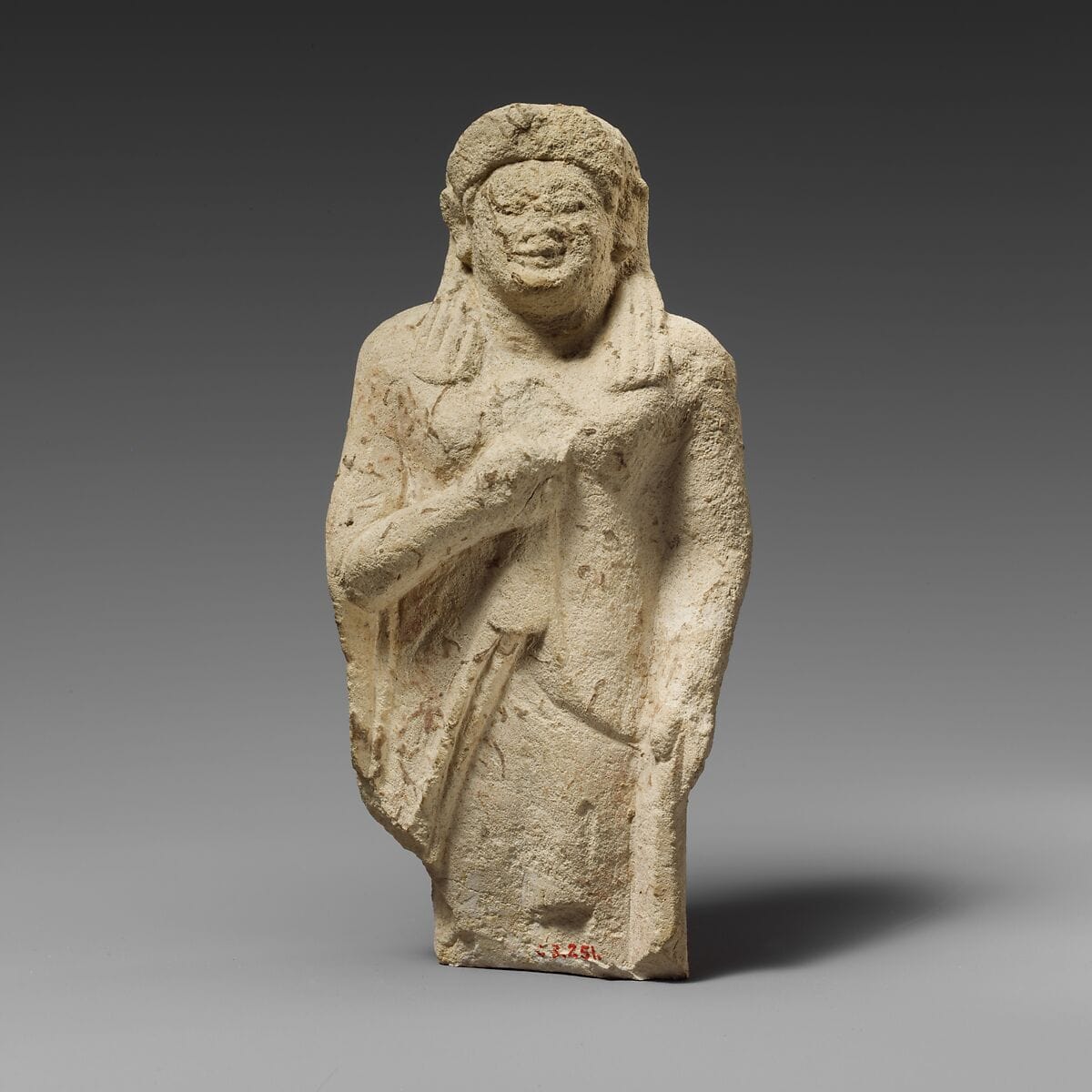
Limestone statuette of a female votary of the kore type
Archaic II
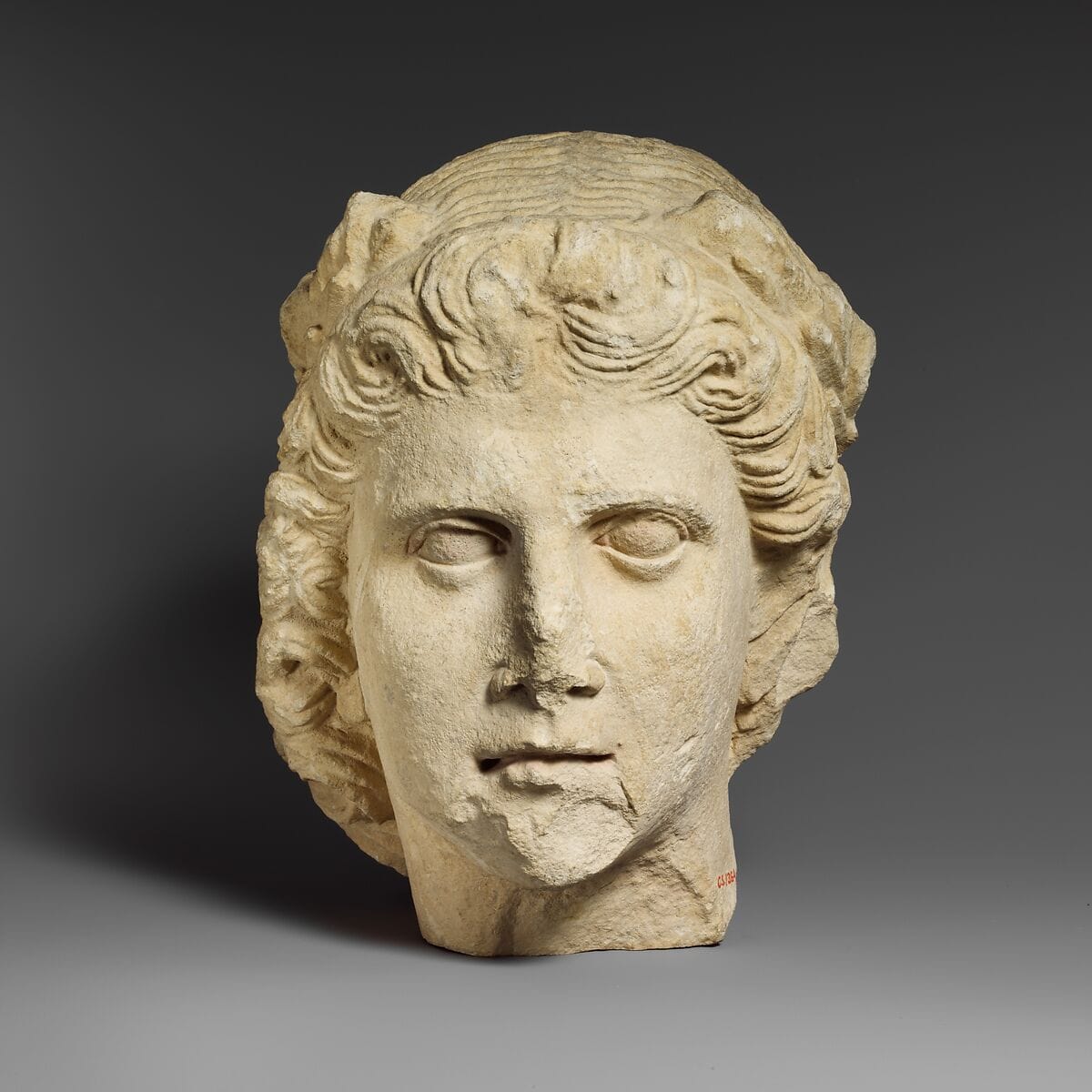
Limestone head of Apollo
Hellenistic
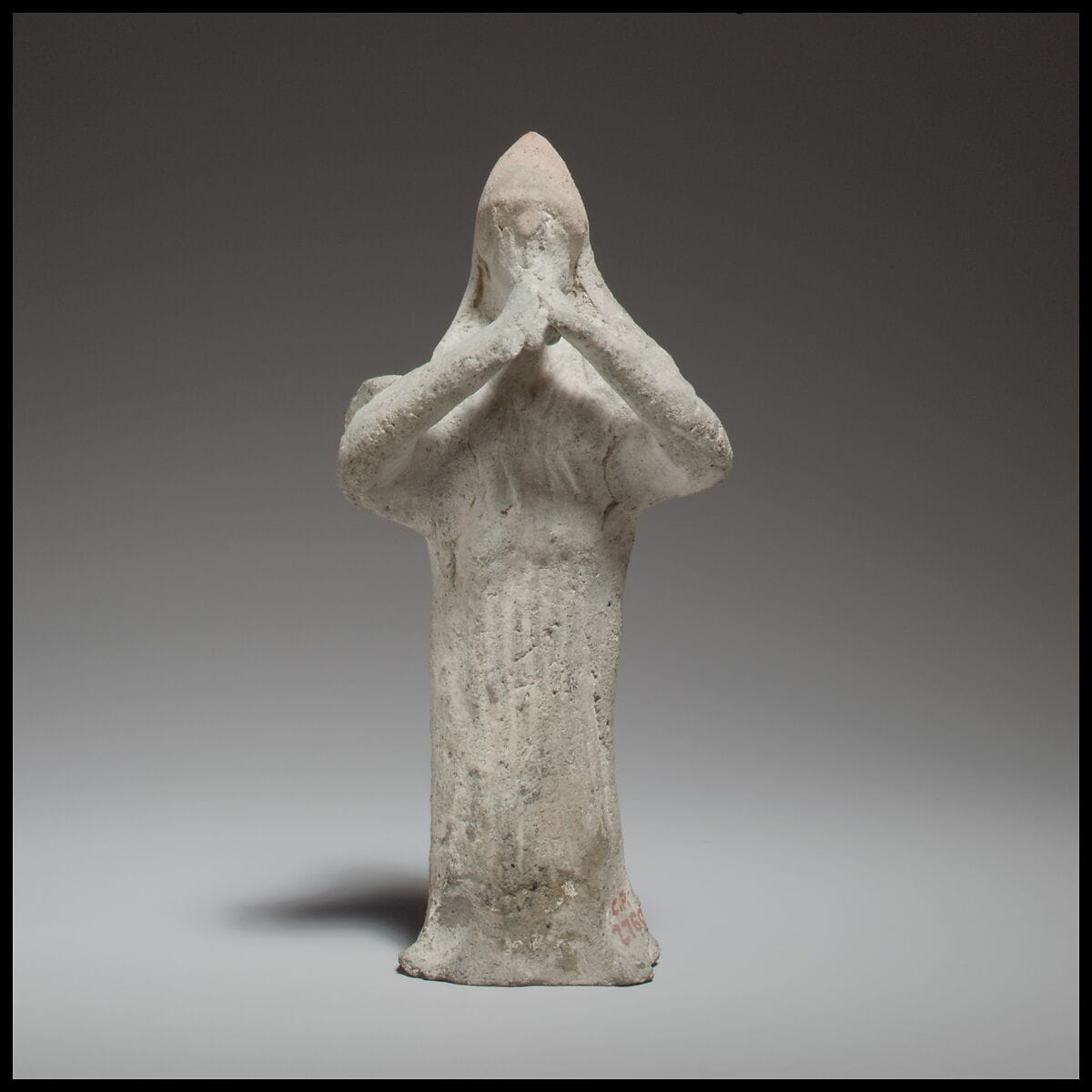
Standing female flute player
Classical
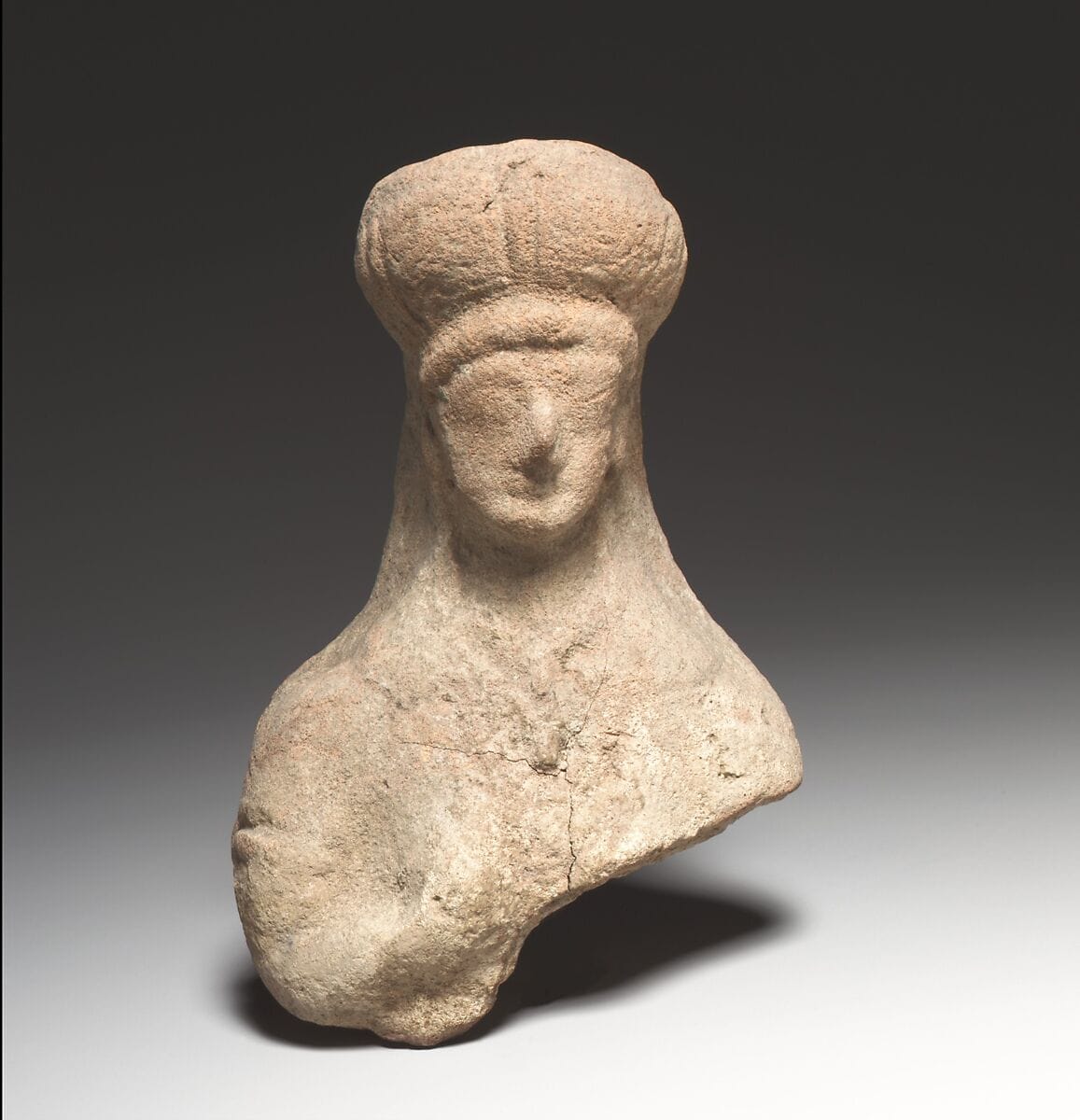
Standing female figurine
Archaic II
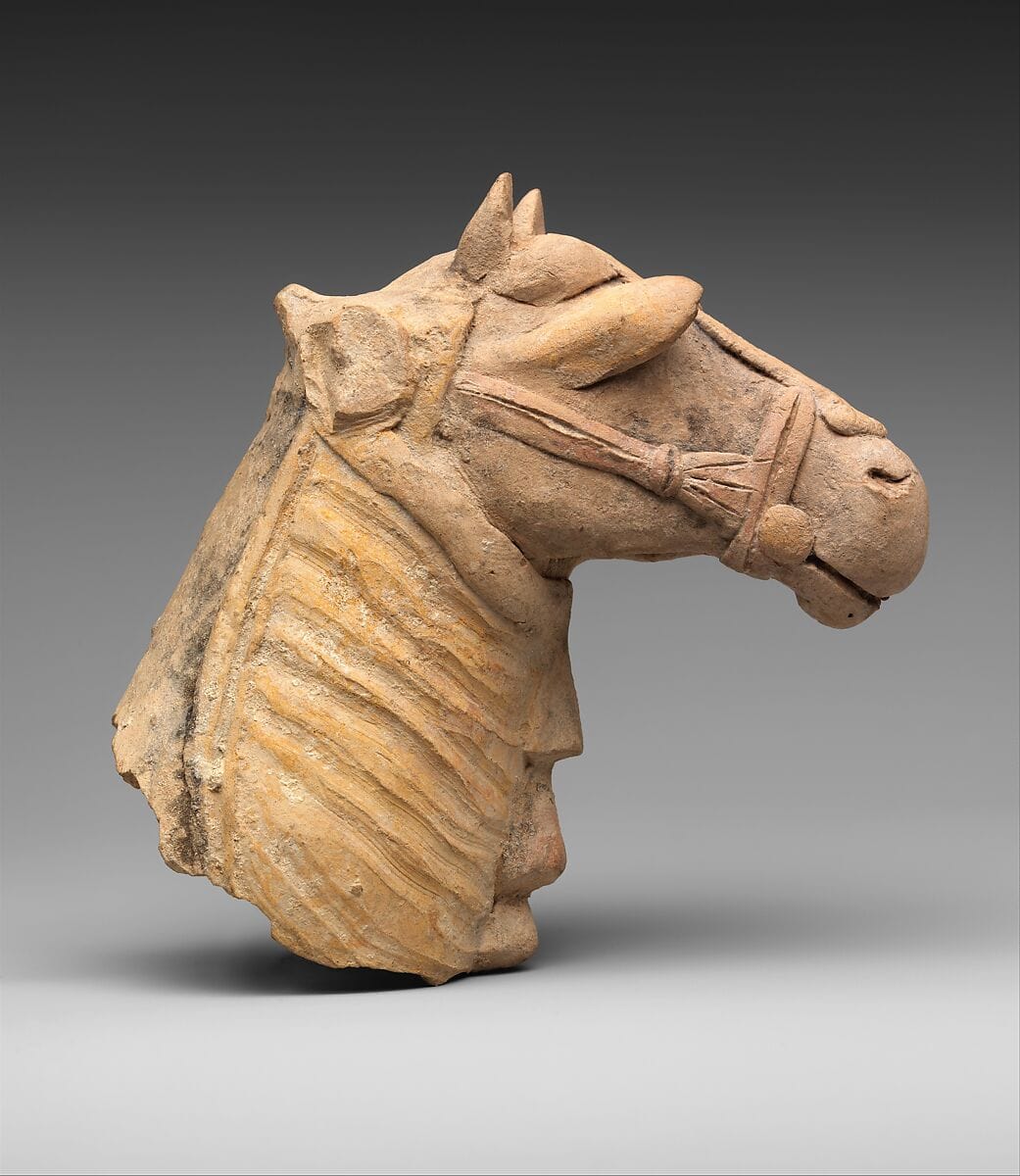
Horse's head with harness
Archaic II
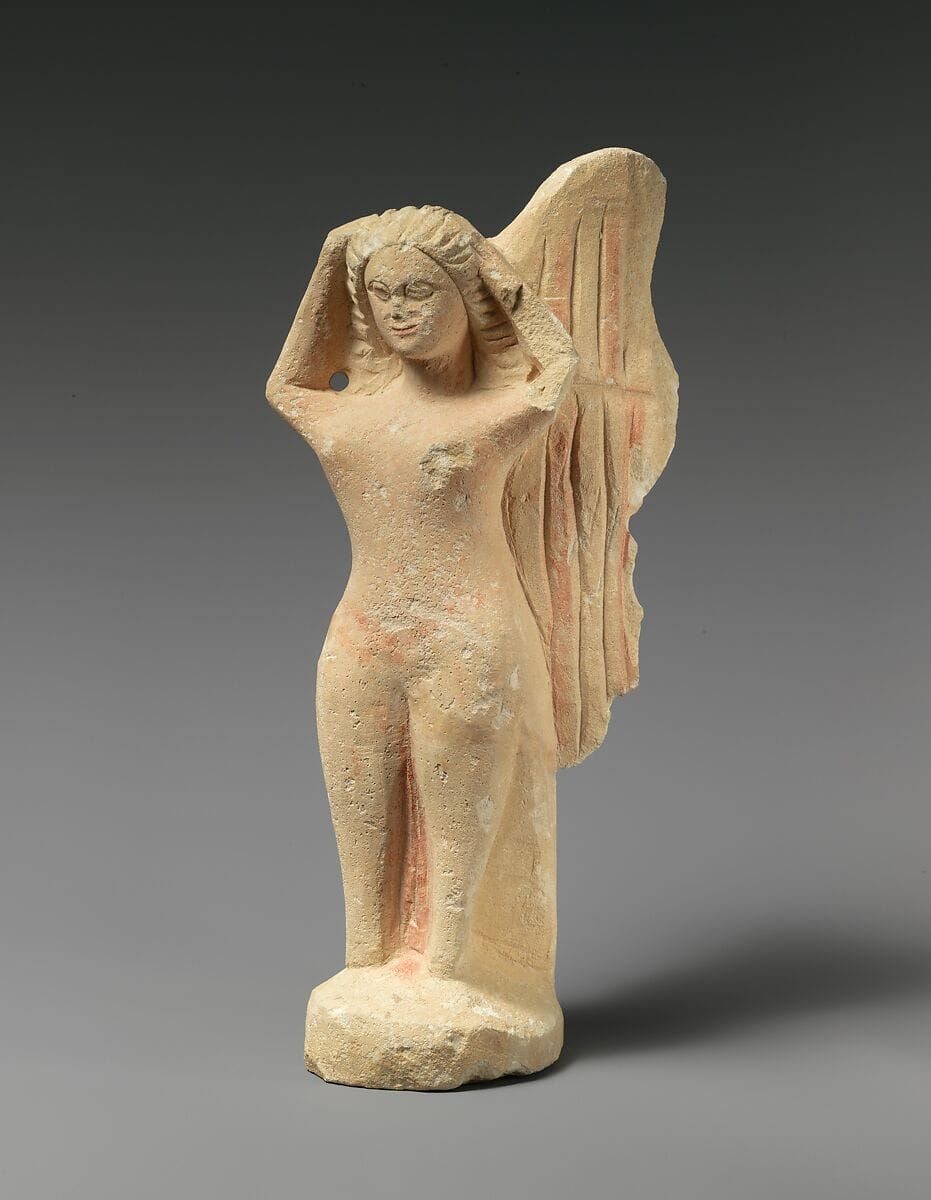
Limestone statuette of a mourning siren
Hellenistic
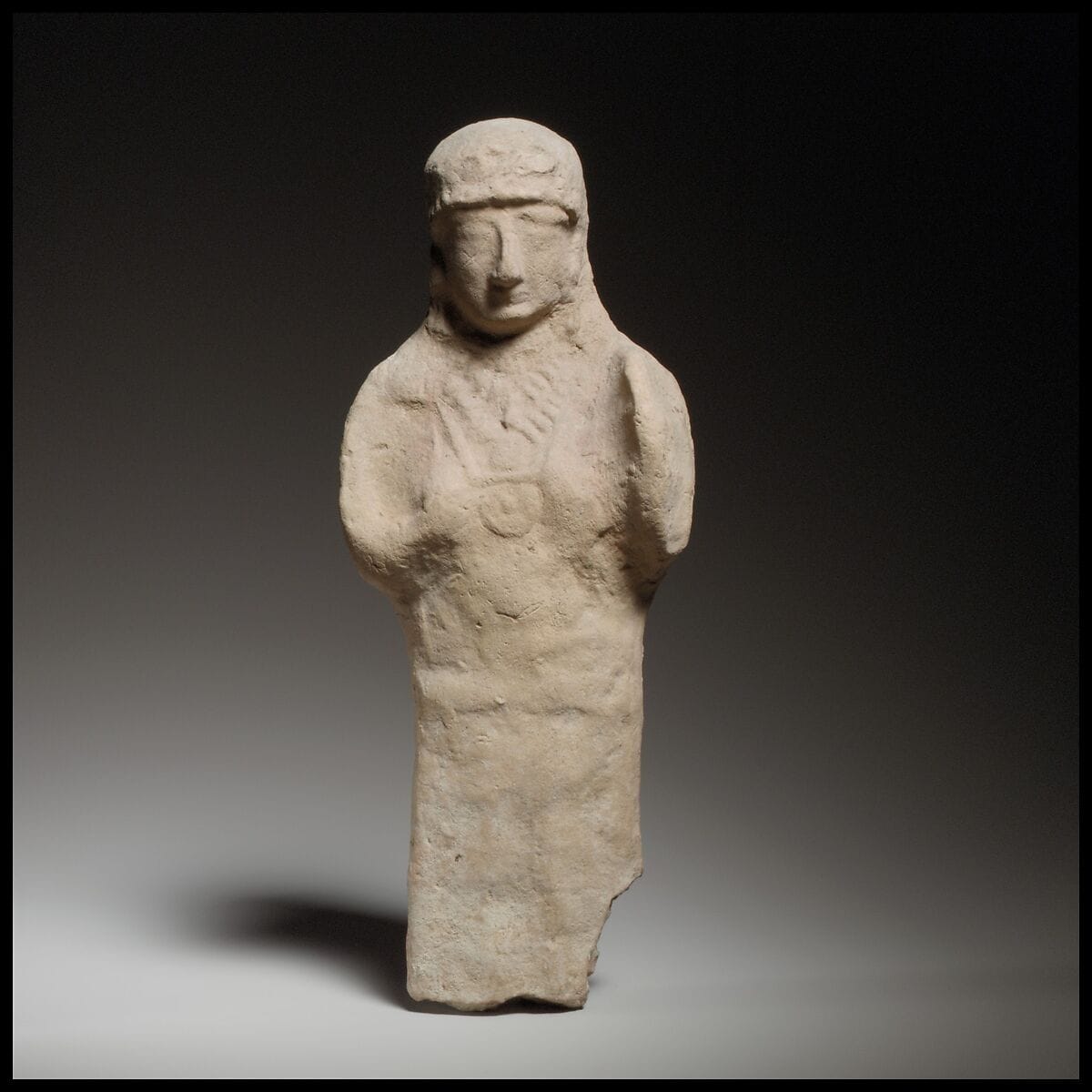
Standing female figurine
Archaic II
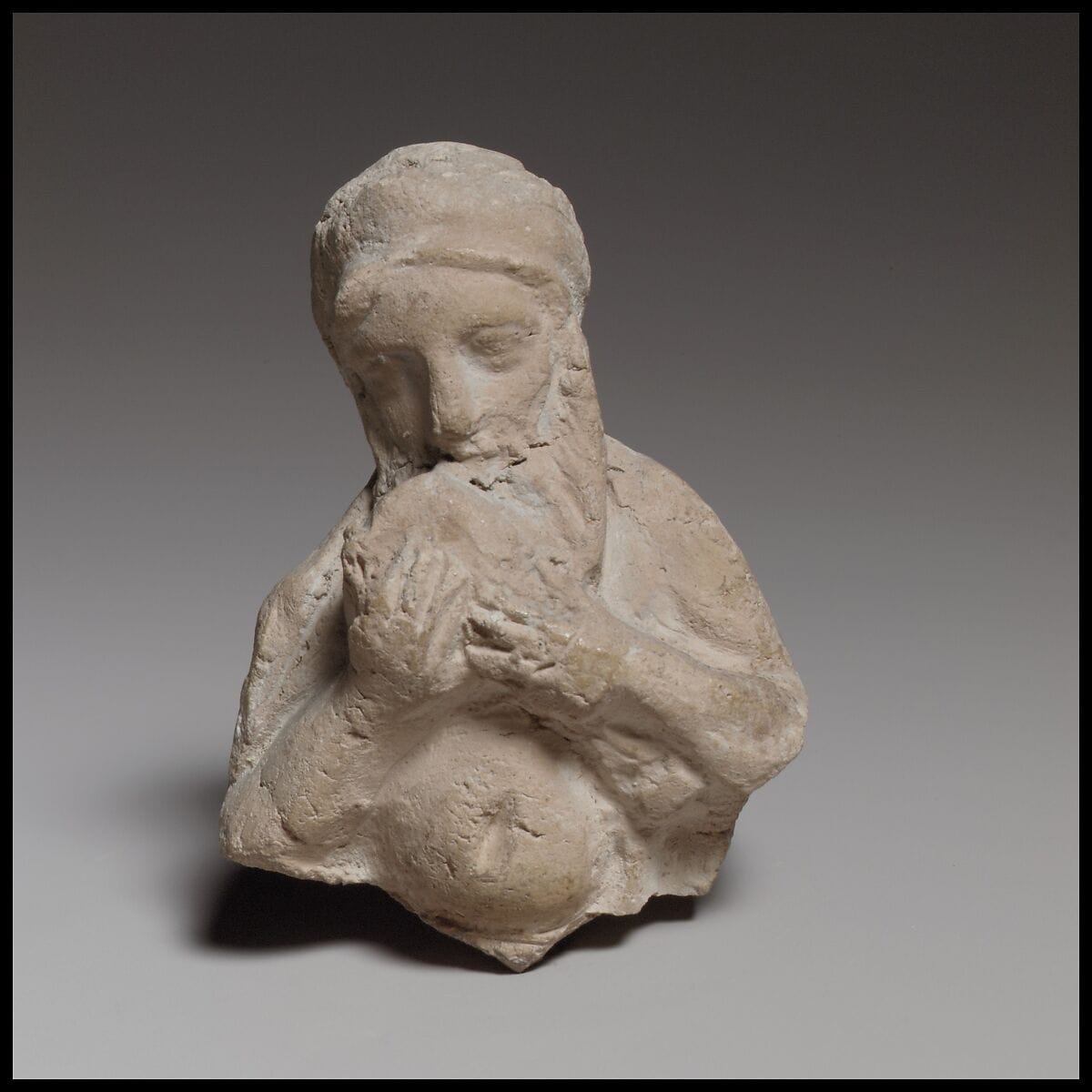
Terracotta statuette of Silenos (?) drinking
Hellenistic
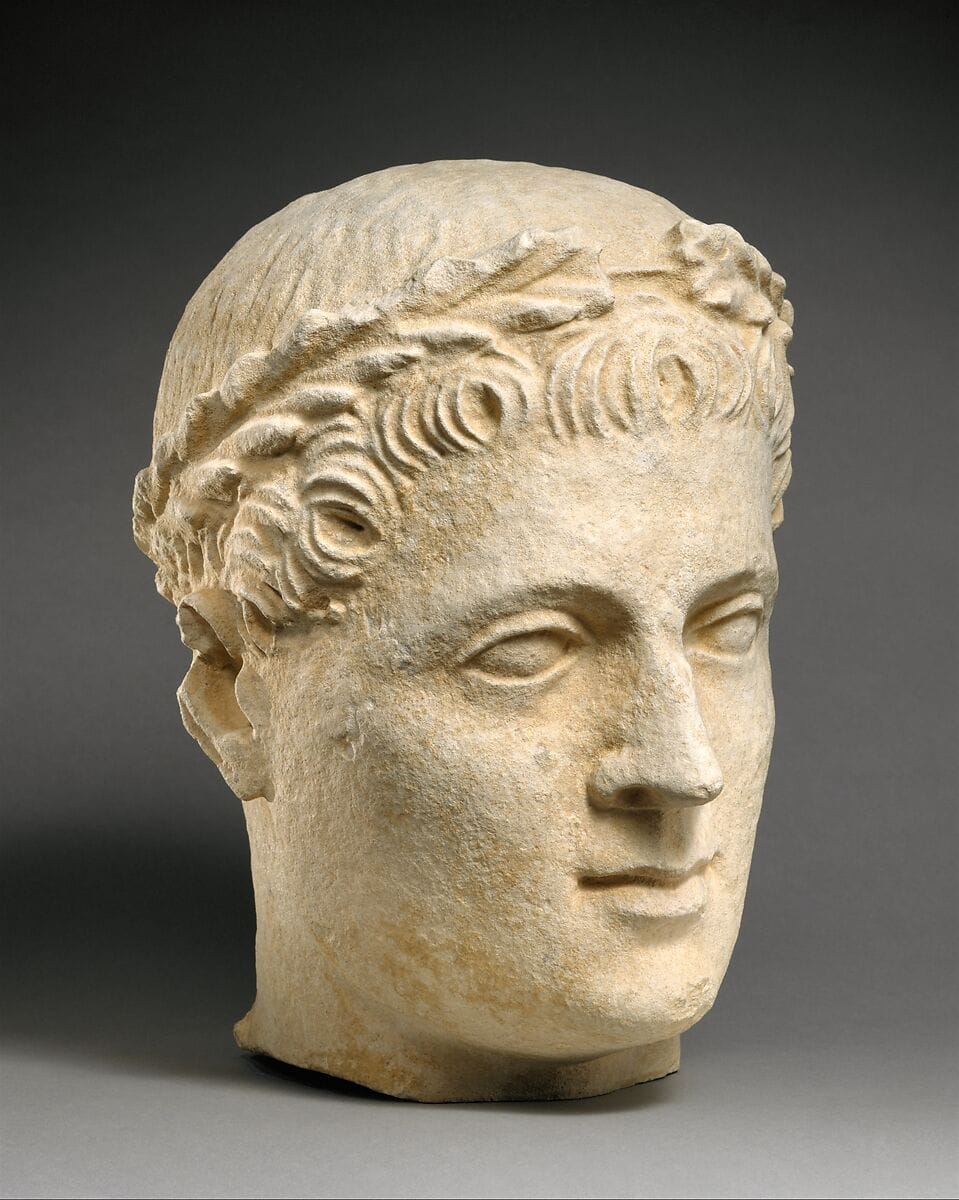
Limestone head of beardless male votary with wreath of leaves
Hellenistic
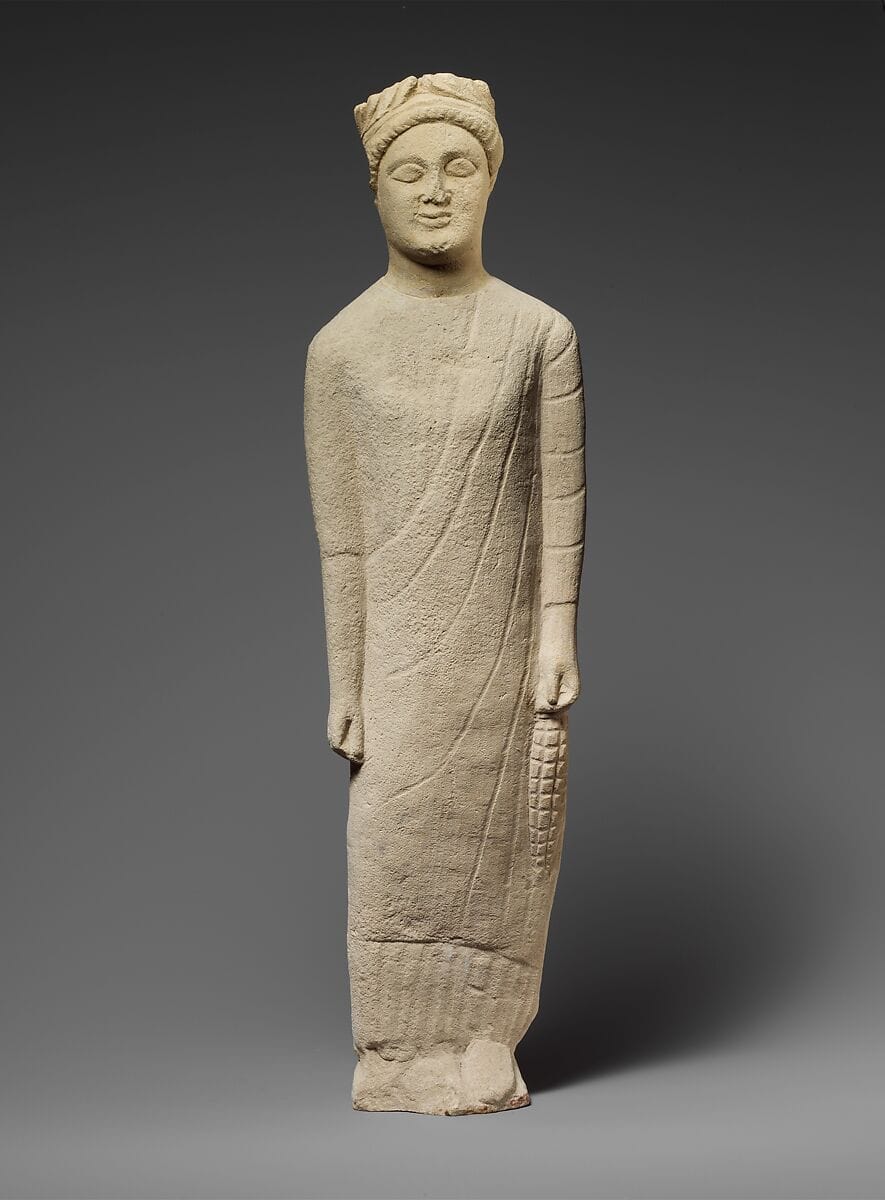
Limestone statuette of a beardless male votary with a wreath of leaves
Classical